Our crowns, magnificent and resilient, tell stories of heritage, strength, and beauty. Yet, even the most cherished coils and kinks can sometimes present a puzzle, leaving us to wonder about the health of our precious strands. When you notice more hair than usual in your comb or on your shoulders, it’s natural to feel a pang of concern, but understanding the difference between shedding and breakage is the first step toward nurturing your hair back to its glorious best. Start with the related BBB scalp-health cluster guide if you want the broader map.
Unraveling the Mystery: Shedding vs. Breakage on Natural Hair
For women with natural hair, the journey to healthy, thriving tresses is often marked by a deep understanding of our unique hair biology. We celebrate our texture, our volume, and the versatility of our styles. However, a common source of anxiety arises when we see hair accumulating after wash day, detangling sessions, or even just a gentle styling. Is it normal shedding, or is our hair breaking? This distinction is crucial, as the underlying causes and solutions for each are vastly different.
The Natural Cycle: Understanding Hair Shedding
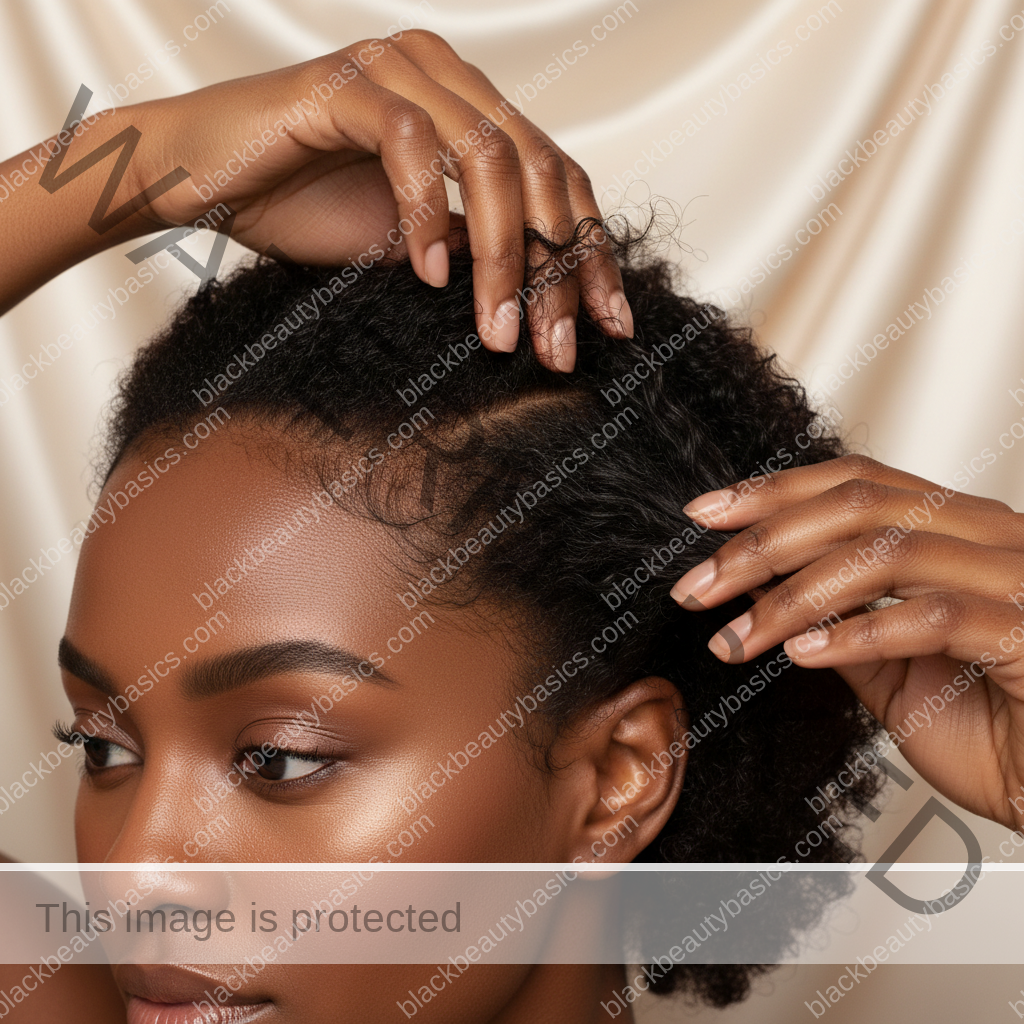
Shedding is a completely normal, physiological process. Our hair follicles are not designed to produce hair indefinitely; they operate on a cycle of growth, rest, and release. Each strand of hair has a lifespan, and once it reaches the end of its journey, it naturally falls out to make way for a new strand to grow in its place. This is the hair growth cycle in action.
The Hair Growth Cycle: A Brief Overview
To truly grasp shedding, it’s helpful to understand the three main phases of hair growth:
- Anagen (Growing Phase): This is the active growth phase, lasting anywhere from 2 to 7 years. During this time, hair cells divide rapidly, and the hair shaft grows longer. Approximately 85-90% of your hair is in this phase at any given time.
- Catagen (Transition Phase): A short, transitional phase lasting about 2-3 weeks. During catagen, hair growth stops, the hair follicle shrinks, and the hair detaches from the blood supply. Only about 1-2% of your hair is in this phase.
- Telogen (Resting Phase): This is the resting phase, lasting around 2-4 months. The hair follicle is completely at rest, and the old hair is preparing to shed. Approximately 10-15% of your hair is in this phase. At the end of telogen, the old hair sheds, and a new anagen hair begins to grow from the same follicle.
Given this cycle, it’s normal to shed between 50 to 100 hairs per day. On wash days, especially for those with natural hair who don’t comb daily, this number can appear much higher because all the shed hairs that were trapped within your coils are now being released at once. This is why a significant amount of hair in the drain or on your comb after detangling is often just accumulated shed hair.
Characteristics of Shed Hair
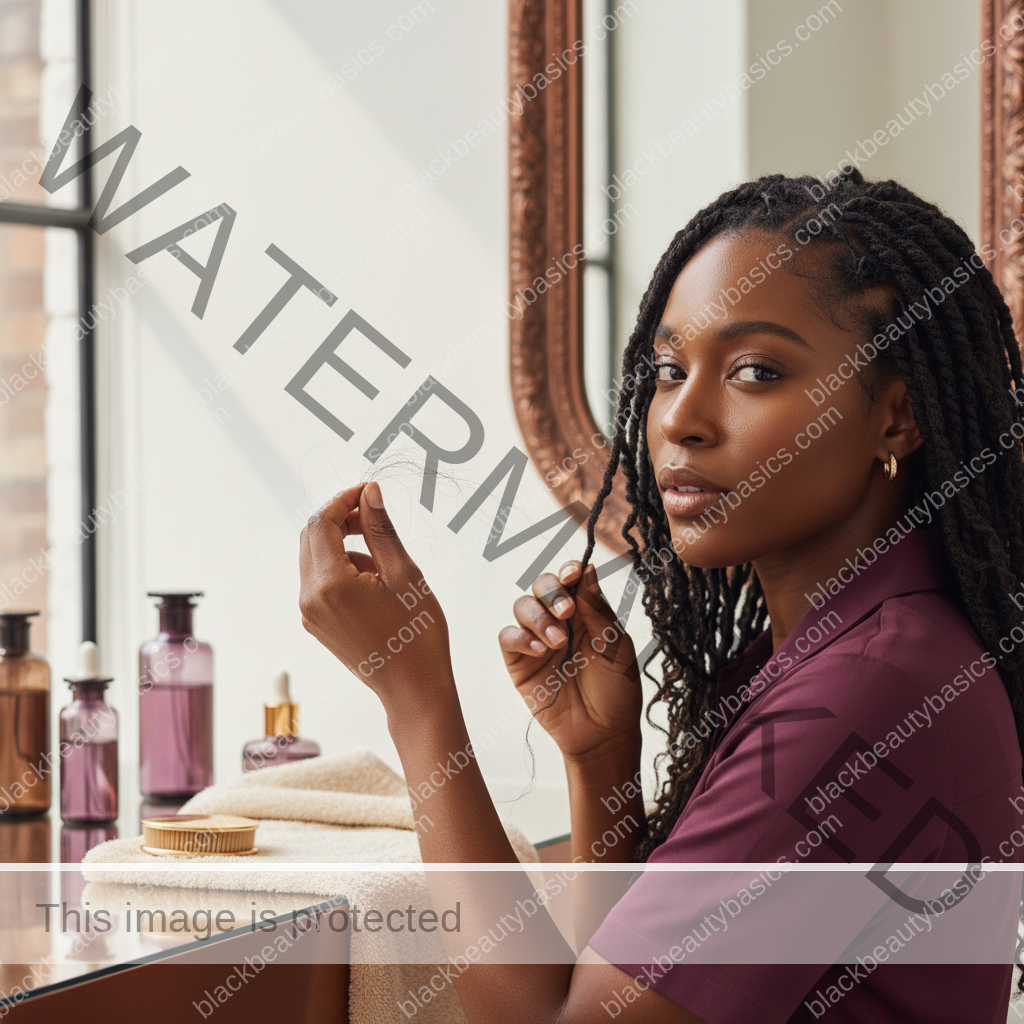
- Length: Shed hairs are typically full-length strands, from root to tip.
- Root: You will usually find a small, white bulb (the hair follicle) at one end of the shed hair. This white bulb signifies that the hair completed its growth cycle and detached from the follicle.
- Texture: The hair strand itself will generally appear uniform in thickness and texture along its entire length.
- Feel: Shed hairs tend to feel strong and resilient, not brittle or weak.
The Unwanted Truth: Understanding Hair Breakage
Breakage, on the other hand, is a sign of damage. It occurs when the hair shaft itself fractures or snaps along its length, rather than detaching cleanly from the follicle. This is not a natural part of the hair growth cycle but rather an indicator that your hair’s structural integrity has been compromised. Breakage can be a source of frustration, leading to thinner ends, uneven length, and a general lack of vibrancy.
Common Causes of Hair Breakage
Natural hair, with its unique curl patterns and often drier nature, can be particularly susceptible to breakage if not cared for properly. Several factors can contribute to this:
- Lack of Moisture: Dry hair is brittle hair. Natural hair’s coiled structure makes it harder for natural oils (sebum) from the scalp to travel down the entire hair shaft, leading to dryness. Insufficient deep conditioning or moisturizing can exacerbate this. Shop Deep Conditioners on Amazon
- Harsh Detangling: Aggressive brushing or combing, especially on dry hair or with the wrong tools, can cause significant breakage.
- Chemical Treatments: Relaxers, permanent dyes, and other chemical processes can alter the hair’s protein structure, making it weaker and more prone to breakage.
- Heat Damage: Excessive use of heat styling tools (flat irons, curling wands, blow dryers without heat protectant) can strip moisture and damage the hair’s cuticle. Shop Heat Protectants on Amazon
- Friction: Cotton pillowcases, rough towels, and certain hair accessories can create friction that snags and breaks hair strands.
- Tight Hairstyles: Styles that pull too tightly on the hair follicles (e.g., tight ponytails, braids, weaves) can cause tension, leading to breakage along the hairline or even traction alopecia.
- Nutritional Deficiencies: A diet lacking in essential vitamins and minerals (like biotin, iron, zinc, and vitamins A, C, D, E) can impact hair health and strength.
- Medical Conditions: Certain health issues, hormonal imbalances, or medications can also contribute to hair fragility.
Characteristics of Broken Hair
- Length: Broken hairs are typically shorter strands, varying in length, and not full-length.
- Root: There will be no white bulb at the end of a broken hair. Instead, the ends will often appear jagged, frayed, or split.
- Texture: The hair strand might feel rough, brittle, or have visible split ends. It may also appear thinner at the ends than at the root.
- Feel: Broken hairs often feel weak, dry, and easily snap when pulled.
The Definitive Guide: Hair Shedding vs. Breakage Comparison
To truly master the health of your natural hair, it’s essential to confidently distinguish between shedding and breakage. This comparison table offers a clear, concise guide.
| Characteristic | Hair Shedding | Hair Breakage |
|---|---|---|
| What It Is | Natural part of the hair growth cycle; hair detaches from the follicle. | Hair shaft snaps or fractures along its length; a sign of damage. |
| Length of Hair | Full-length strands, from root to tip. | Varying lengths, often shorter pieces. |
| Presence of Root | Often has a small, white bulb at one end (the follicle). | No white bulb; ends are often jagged or frayed. |
| Appearance of Ends | Smooth, clean end where it detached from the scalp. | Rough, split, frayed, or tapered ends. |
| Hair Feel | Generally strong and uniform throughout. | Often feels dry, brittle, weak, or rough. |
| Quantity | Normal to shed 50-100 hairs daily (more on wash days). | Excessive amounts are a concern; indicates underlying issue. |
| Implication | Healthy hair turnover. | Hair damage, weakness, or improper care. |
When to Be Concerned: Recognizing Excessive Shedding or Breakage
While some shedding is normal, and a little breakage can happen, there are times when the amount you’re experiencing warrants attention. If you notice a sudden, significant increase in the amount of hair you’re losing, or if your hair feels thinner, looks less dense, or isn’t retaining length, it’s time to investigate further.
- Excessive Shedding: If you’re consistently losing significantly more than 100-150 hairs daily, or if you see large clumps of hair with white bulbs, it could indicate telogen effluvium (temporary excessive shedding due to stress, illness, hormonal changes, or medication) or other underlying health issues.
- Excessive Breakage: If your hair never seems to grow past a certain length, your ends are constantly thin and ragged, or you find short, broken pieces all over your clothes and pillow, your hair is likely experiencing significant breakage.
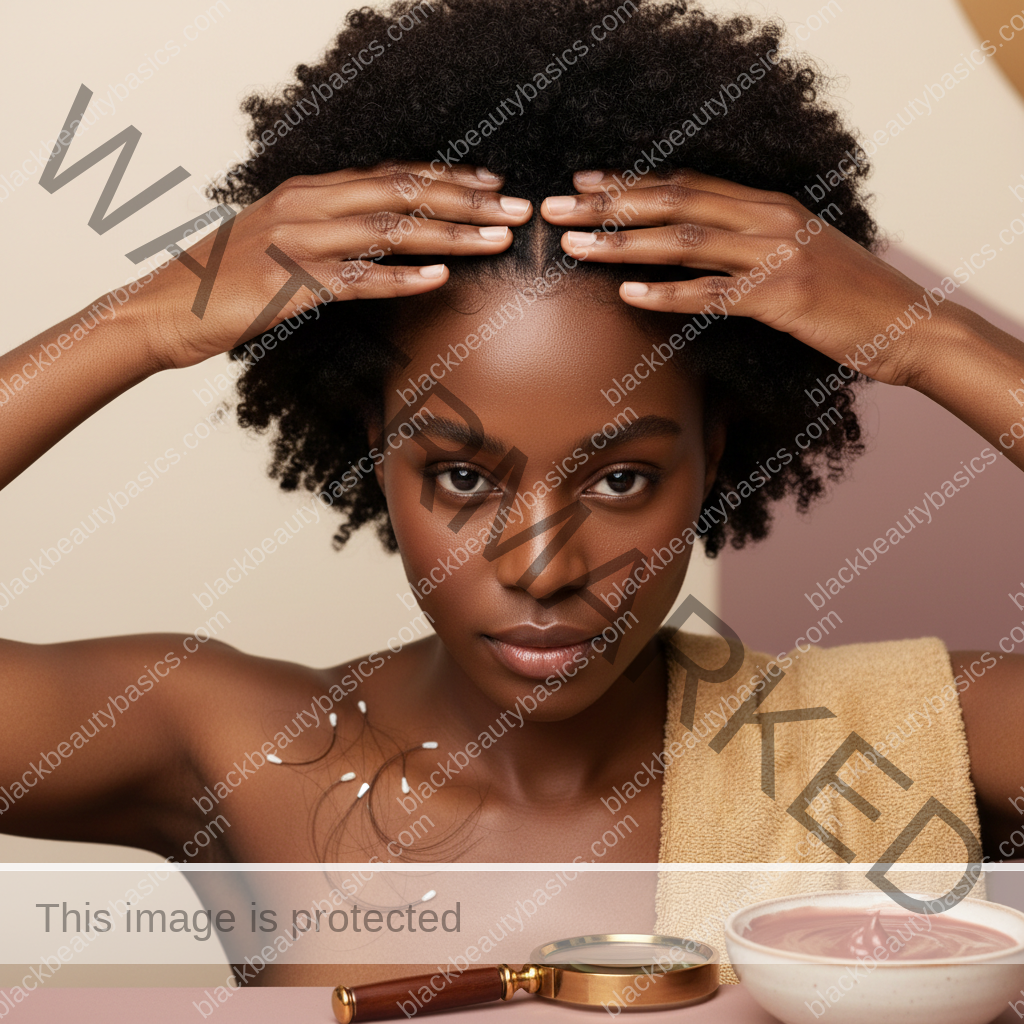
Cultivating Resilience: Strategies for Healthy Natural Hair
Whether you’re battling breakage or simply aiming to maintain optimal hair health, a consistent and mindful routine is paramount. Our natural hair thrives on moisture, gentle handling, and a balanced internal environment.
Preventing Breakage: A Nurturing Approach
The key to preventing breakage lies in strengthening the hair shaft and protecting it from external stressors. Here’s a comprehensive approach:
- Prioritize Moisture:
- Deep Conditioning: Incorporate regular deep conditioning treatments into your routine, at least once a week. Look for products rich in emollients like shea butter, avocado oil, and ceramides. Shop Moisturizing Deep Conditioners on Amazon
- Leave-in Conditioners: After washing, apply a good leave-in conditioner to seal in moisture before styling. Shop Leave-in Conditioners on Amazon
- LOC/LCO Method: Use the Liquid-Oil-Cream or Liquid-Cream-Oil method to layer products and maximize moisture retention.
- Gentle Detangling:
- Wet Hair: Always detangle on damp or wet hair, saturated with conditioner or a detangling spray. Shop Detangling Sprays on Amazon
- Tools: Use your fingers, a wide-tooth comb, or a detangling brush designed for natural hair.
- Sectioning: Work in small sections, starting from the ends and gradually moving up to the roots.
- Minimize Heat:
- Air Dry: Opt for air drying whenever possible.
- Heat Protectant: If using heat, always apply a quality heat protectant and use the lowest effective temperature setting.
- Limit Frequency: Reduce the frequency of heat styling.
- Protective Styling:
- Low Manipulation: Embrace styles that require minimal daily manipulation, such as braids, twists, buns, or updos.
- Loosen Up: Avoid excessively tight styles that pull at the scalp and hair follicles.
- Protect at Night:
- Silk/Satin: Sleep on a silk or satin pillowcase or wear a silk/satin bonnet or scarf to reduce friction. Shop Silk Bonnets on Amazon
- Regular Trims:
- Remove Split Ends: Schedule regular trims (every 3-4 months) to remove split ends and damaged hair, preventing further breakage up the hair shaft.
- Balanced Diet & Hydration:
- Nutrients: Consume a diet rich in protein, healthy fats, vitamins (especially B vitamins, C, D, E), and minerals (iron, zinc).
- Water: Drink plenty of water to keep your body and hair hydrated from within.
- Choose Gentle Products:
- Sulfate-Free: Opt for sulfate-free shampoos and conditioners to avoid stripping your hair of its natural oils. Shop Sulfate-Free Shampoos on Amazon
- Avoid Harsh Chemicals: Be mindful of products with harsh alcohols or ingredients that can dry out your hair.
Addressing Excessive Shedding: Nurturing Your Scalp and Body
If you suspect excessive shedding, the focus shifts to scalp health and internal well-being. Here’s what you can do:
- Scalp Care:
- Cleanse Regularly: Maintain a clean scalp to prevent product buildup and clogged follicles. Use a gentle, clarifying shampoo as needed. Shop Clarifying Shampoos on Amazon
- Scalp Massage: Regular scalp massages can stimulate blood circulation to the hair follicles, promoting healthy growth. Consider using a scalp massager. Shop Scalp Massagers on Amazon
- Scalp Treatments: Incorporate scalp serums or treatments designed to nourish follicles and reduce shedding.
- Stress Management:
- Relaxation: High stress levels can trigger telogen effluvium. Practice stress-reducing techniques like meditation, yoga, or spending time in nature.
- Review Medications & Health:
- Consult a Professional: If shedding is persistent and significant, consult a doctor or dermatologist. They can help identify underlying medical conditions, hormonal imbalances, or medication side effects that might be contributing.
- Nutritional Support:
- Supplements: Discuss with your doctor if supplements like biotin, iron, or specific hair growth vitamins might be beneficial. Shop Hair Growth Supplements on Amazon
- Gentle Handling:
- Less Manipulation: While shedding is internal, excessive pulling or harsh styling can exacerbate it by prematurely dislodging hairs that are in the telogen phase.
Advanced Insights: Scalp Health, CCCA, and Hair Loss
For our community, understanding hair loss goes beyond simple shedding and breakage. Conditions like Central Centrifugal Cicatricial Alopecia (CCCA) are particularly relevant and require a deeper, more informed approach.
The Critical Role of Scalp Health
Your scalp is the foundation of healthy hair. Just as healthy soil yields vibrant plants, a healthy scalp fosters strong, beautiful hair. Issues like dryness, excessive oiliness, inflammation, or product buildup can all contribute to hair problems, including shedding and breakage.
- Inflammation: An inflamed scalp can disrupt the hair growth cycle, leading to increased shedding.
- Product Buildup: Clogged follicles can hinder new hair growth and weaken existing strands.
- Dryness/Irritation: A dry, itchy scalp can lead to scratching, which can cause both breakage and damage to the follicles.
Regular, gentle cleansing, targeted scalp treatments, and mindful product selection are vital for maintaining an optimal scalp environment. Look for ingredients like tea tree oil (for clarifying), peppermint oil (for stimulation), and soothing botanicals like aloe vera or chamomile. Shop Scalp Treatments on Amazon
Understanding Central Centrifugal Cicatricial Alopecia (CCCA)
CCCA is a form of scarring alopecia predominantly affecting Black women. It typically starts at the crown of the head and spreads outwards in a centrifugal pattern, causing permanent hair loss as the hair follicles are destroyed and replaced by scar tissue. It’s crucial to differentiate CCCA from regular shedding or breakage because it requires early diagnosis and intervention by a dermatologist.
Signs and Symptoms of CCCA:
- Patchy Hair Loss: Often begins as a small patch of hair loss on the crown, gradually expanding.
- Scalp Symptoms: May include itching, burning, tenderness, or pain on the scalp.
- Inflammation: The scalp in affected areas might appear red, swollen, or have pimple-like lesions.
- Scarring: Over time, the affected areas of the scalp may become smooth, shiny, and devoid of visible hair follicles, indicating scarring.
If you suspect CCCA or any other form of persistent hair loss, it is imperative to seek professional medical advice from a dermatologist specializing in hair and scalp disorders. Early diagnosis and treatment can help slow its progression and preserve existing hair follicles.
The Link Between Hair Care Practices and Hair Loss
While CCCA has a genetic predisposition, certain hair care practices can exacerbate or trigger its onset in susceptible individuals. These include:
- Excessive Heat: Frequent use of high heat can contribute to scalp inflammation.
- Tight Hairstyles: Chronic tension on the hair follicles from tight braids, weaves, or extensions can cause traction alopecia, which, in some cases, can overlap with or worsen CCCA.
- Chemical Treatments: Repeated use of relaxers or harsh chemical dyes can irritate the scalp and damage follicles.
- Heavy Products: Overuse of heavy oils and pomades that can clog follicles and prevent the scalp from breathing.
Adopting gentle, protective hair care practices is not just about preventing breakage; it’s also a vital component in maintaining overall scalp health and potentially mitigating the risk or progression of inflammatory scalp conditions.
Your Hair Health Action Plan: Tips for Thriving Natural Hair
Empower yourself with these actionable tips to foster a healthy environment for your natural hair, minimizing both breakage and excessive shedding.
- Master Your Detangling: Always use a pre-poo or conditioner, detangle in sections, and use your fingers or a wide-tooth comb from ends to roots.
- Deep Condition Religiously: Make deep conditioning a non-negotiable part of your wash day routine. Your hair will thank you for the moisture infusion.
- Protect at Night: A silk or satin bonnet/scarf or pillowcase is your best friend against friction-induced breakage.
- Hydrate from Within: Drink plenty of water and maintain a balanced diet rich in hair-healthy nutrients.
- Be Gentle with Heat: Air dry when possible. If you must use heat, always apply a heat protectant and use low settings.
- Listen to Your Scalp: Pay attention to any itching, tenderness, or inflammation. Address concerns promptly with gentle cleansing and targeted treatments.
- Regular Trims: Don’t fear the scissors! Trimming split ends prevents them from traveling up the hair shaft and causing more damage.
- Consult a Professional: If you notice persistent or alarming hair loss, consult a dermatologist or trichologist. They can provide accurate diagnosis and personalized treatment plans.
- Choose Products Wisely: Opt for sulfate-free, paraben-free products that cater to the unique needs of natural hair, focusing on moisture and strengthening ingredients.
- Reduce Stress: Find healthy outlets for stress, as it can significantly impact your hair’s health and growth cycle.
How to notice the pattern without diagnosing yourself
For Black women with textured hair, scalp and hair-loss concerns can be emotionally loaded because they often sit at the intersection of styling, identity, health, and being dismissed. This guide focuses on separating shed hairs from breakage by root bulbs, strand length, timing, handling, and style habits, while keeping the related BBB scalp-health cluster as the home base. The goal is not to diagnose yourself from a mirror. The goal is to notice patterns clearly enough to choose safer next steps.
Start with the timeline. Did the change begin after a new style, product, postpartum season, illness, medication change, stressful period, or scalp flare? Did it show up at the edges, crown, hairline, part, or all over? Is there pain, itch, flaking, bumps, tenderness, odor, bleeding, scaling, or smooth shiny areas? These details matter because different patterns need different care.
The safest home routine is usually the one that lowers tension, reduces irritation, and keeps the scalp clean without aggressive scraping. If a symptom is painful, spreading, scarring, repeatedly returning, or connected to visible thinning, professional care matters. Early documentation can help a dermatologist, primary care clinician, or other qualified professional see the pattern more clearly.
What to track gently
- Location: edges, crown, hairline, part, nape, or all over.
- Timing: new style, postpartum shift, cycle change, illness, product, or stress season.
- Sensations: tenderness, burning, itching, tightness, soreness, or pain.
- Visible signs: flakes, bumps, redness that may look subtle on brown skin, thinning, or broken hairs.
- When the pattern improves or worsens.
What usually makes scalp concerns harder to read
The first challenge is tension. Tight braids, ponytails, wigs, sew-ins, loc maintenance, edge styling, and repeated parting can make it harder to tell whether the scalp is reacting to the style, an underlying condition, or both. That does not mean protective styles are bad. It means comfort and scalp access need to be part of the plan.
The second challenge is product layering. Oils, gels, sprays, dry shampoo, edge control, medicated products, and sweat can build up together. A scalp can be dry and still have residue. It can itch from buildup, irritation, inflammation, or a condition that needs professional treatment. Scratching harder does not solve that confusion; it can create more irritation.
The third challenge is waiting too long because you do not want to be dramatic. You are allowed to ask questions early. You are allowed to document a change before it becomes severe. And you are allowed to want care that understands textured hair instead of telling you to abandon your whole beauty routine without nuance.
What to do next
Keep this article connected to the Scalp Health, CCCA & Hair Loss system. Use the related guides below to decide whether your next step is tension reduction, scalp-routine adjustment, pattern tracking, or professional evaluation.
- Scalp Health, CCCA & Hair Loss
- The related scalp-health cluster guide
- hair loss conditions in Black women
- protective style strategy
- postpartum shedding on Black women
Frequently Asked Questions (FAQ)
Q1: How much hair shedding is considered normal for natural hair?
A: It’s normal to shed between 50 to 100 hairs per day. For natural hair, especially if you don’t comb or brush daily, these shed hairs can accumulate and appear as a larger amount on wash days or during detangling. If you’re consistently seeing significantly more than this, or large clumps with white bulbs, it might be excessive shedding.
Q2: Can breakage lead to hair loss?
A: Breakage itself doesn’t cause hair loss from the follicle, as the follicle is still producing hair. However, severe and continuous breakage can lead to a significant reduction in hair density and length, making your hair appear thinner and shorter, which can be perceived as hair loss. It also indicates underlying damage that, if left unaddressed, could impact overall hair health.
Q3: What’s the best way to tell if I have a white bulb on my hair?
A: Take a strand of hair you’ve lost and hold it up to the light. If it’s a shed hair, you’ll typically see a tiny, round, white or translucent bulb at one end. This is the root of the hair, indicating it completed its growth cycle. If there’s no bulb and the end looks jagged or frayed, it’s likely breakage.
Q4: Are certain natural hair types more prone to breakage?
A: Yes, tighter curl patterns (like 4C) can be more prone to dryness and breakage due to their unique structure, which makes it harder for natural scalp oils to travel down the hair shaft. The bends and curves in these curl patterns also create more points where the hair can snag and break if not handled gently. However, all natural hair types can experience breakage if not properly cared for.
Q5: Can diet impact shedding and breakage?
A: Absolutely. A diet lacking in essential nutrients like protein, iron, zinc, biotin, and vitamins A, C, D, and E can weaken hair strands and disrupt the hair growth cycle, leading to both increased shedding and breakage. Eating a balanced diet rich in whole foods is crucial for overall hair health. Shop Hair, Skin & Nails Vitamins on Amazon
Q6: When should I see a dermatologist about hair loss?
A: You should consult a dermatologist if you experience sudden, excessive, or persistent hair loss; notice bald patches or thinning; have scalp symptoms like itching, burning, or pain; or if your hair loss is accompanied by other concerning symptoms. Early diagnosis and treatment are key for many forms of hair loss, especially scarring alopecias like CCCA.
Q7: Can product buildup contribute to shedding or breakage?
A: Yes, product buildup can contribute to both. Excessive buildup can clog hair follicles, potentially hindering new growth and leading to increased shedding. It can also make hair feel heavy, dull, and more prone to tangling, which can then lead to breakage during detangling. Regular, gentle cleansing with a clarifying shampoo is important to prevent this. Shop Clarifying Shampoos on Amazon
A: Yes, it is very common to experience both normal shedding and some level of breakage simultaneously. The key is to identify which is more predominant and address the underlying causes. For instance, if your hair is very dry, you might experience both normal shedding and increased breakage due to the hair’s fragility.

Our natural hair is a testament to our strength and heritage, deserving of informed, loving care. By understanding the nuanced differences between shedding and breakage, and by embracing a holistic approach to hair and scalp health, you empower yourself to cultivate a crown that truly reflects your inner radiance. May your coils flourish, your kinks thrive, and your journey be one of profound self-love and magnificent growth.
Related next steps
Related posts:
 Shedding vs Breakage: How Black Women Can Tell the Difference
 Is Your Hair Breaking or Shedding? How to Tell the Difference and Fix It
 The Moisture-Protein Balance – How to Tell What Your Hair Needs and Avoid Breakage
 Mastering the Art of Natural Hair Prep: Your Ultimate Guide to Protective Styles Without Breakage
 PIH vs Melasma on Dark Skin: How to Think About the Difference
 Postpartum Shedding on Black Women: What Is Common and What Is Concerning