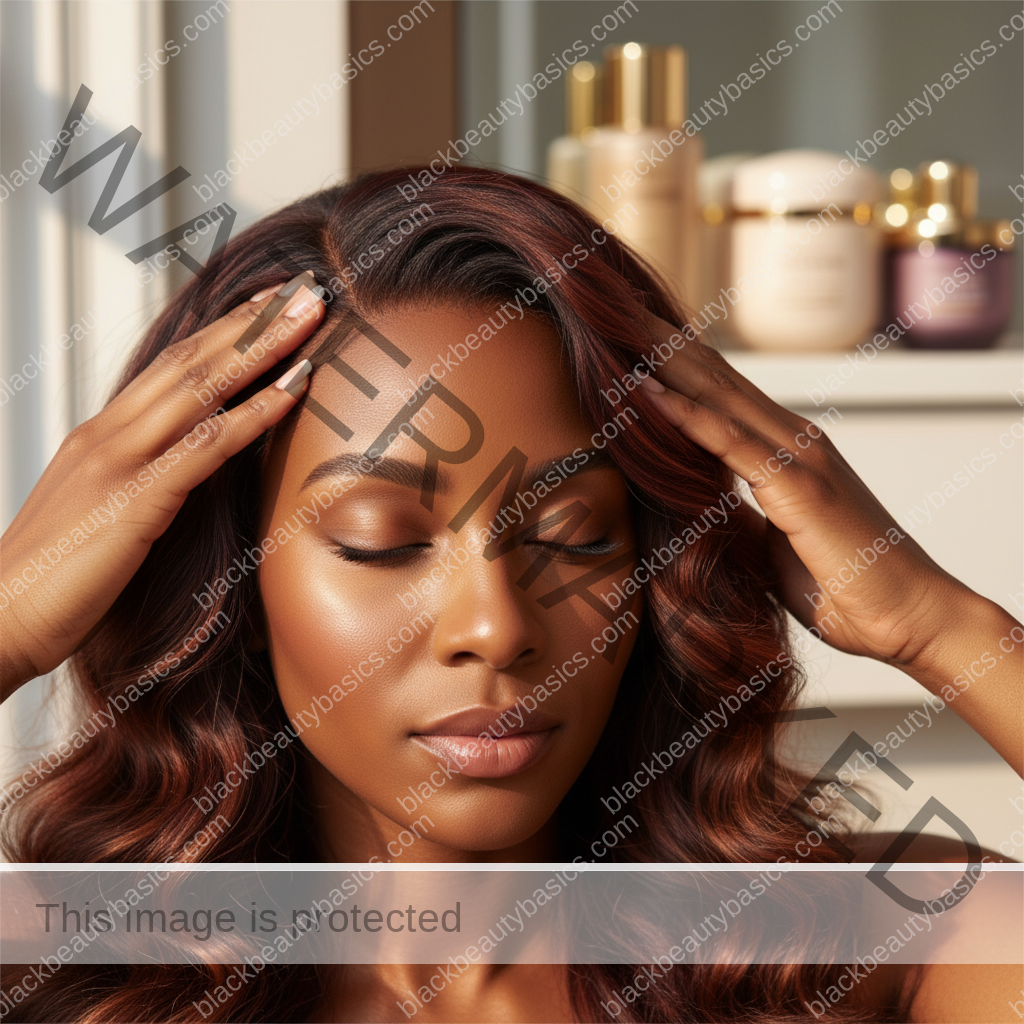
In the sacred journey of nurturing our crowns, the whisper of a scalp massage often emerges as a cherished ritual. For generations, Black women have understood that true hair health begins not at the ends, but at the very root – our scalp. But beyond the undeniable comfort and soothing sensation, a question gracefully lingers: does this beloved practice truly hold the key to unlocking robust hair growth, or is its magic primarily confined to moments of blissful relaxation? Start with the related BBB scalp-health cluster guide if you want the broader map.
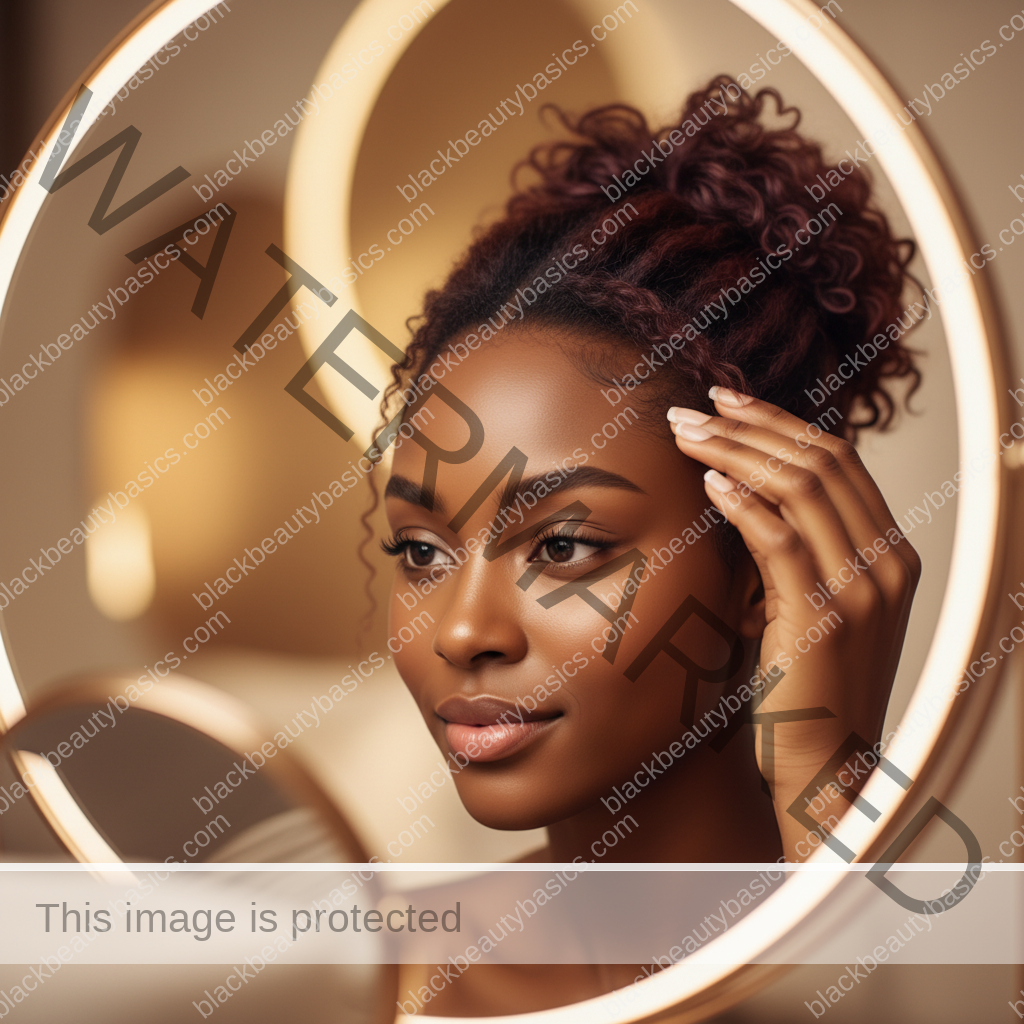
The Sacred Ground: Understanding Your Scalp’s Role in Hair Health
Our scalp is far more than just the skin beneath our strands; it is the fertile ground from which our magnificent hair springs. Rich in blood vessels, nerves, and sebaceous glands, a healthy scalp environment is paramount for optimal hair growth, strength, and vitality. For African American women, whose hair textures often require specific care and whose scalps can be prone to unique concerns like dryness, inflammation, or conditions such as Central Centrifugal Cicatricial Alopecia (CCCA), understanding and nurturing this delicate ecosystem is not just a beauty routine, but a foundational act of self-care.
A well-nourished, balanced scalp provides the ideal conditions for hair follicles to thrive. When this environment is compromised – whether by product buildup, insufficient circulation, or inflammatory responses – hair growth can be stunted, strands can weaken, and issues like breakage or even hair loss can become more prevalent. This is why practices that promote scalp health, like regular cleansing, moisturizing, and yes, massage, are not merely luxurious add-ons, but essential components of a comprehensive hair care regimen.
The Anatomy of a Healthy Scalp: More Than Meets the Eye
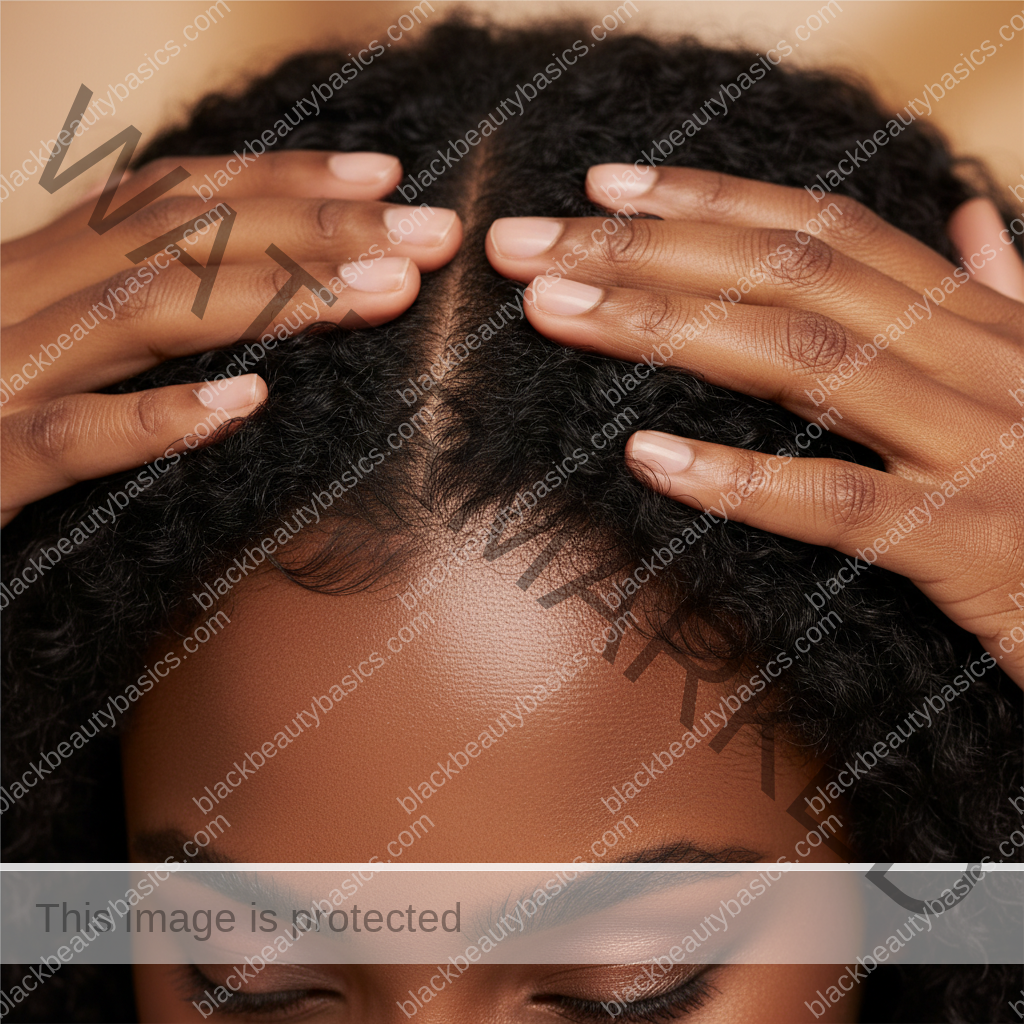
To appreciate the potential benefits of scalp massage, it’s crucial to understand the intricate workings of our scalp. Each hair strand originates from a follicle, a tiny organ nestled within the dermis. Surrounding these follicles are blood vessels that deliver oxygen and nutrients essential for hair growth, and sebaceous glands that produce sebum, our scalp’s natural moisturizer. Lymphatic vessels also play a role, helping to remove waste products.
When the scalp is healthy, these systems work in harmony. Blood flow is unimpeded, delivering a steady supply of nutrients. Sebum production is balanced, keeping the scalp and hair moisturized without becoming overly oily or dry. And the lymphatic system efficiently clears away cellular debris and toxins. Any disruption to this delicate balance can manifest as scalp issues, from flakiness and itching to reduced hair growth and increased shedding. For melanin-rich hair, which can be more susceptible to dryness and breakage, maintaining this balance is especially critical.
The Science Behind Scalp Massage: Unpacking the Claims
The anecdotal evidence for scalp massage as a hair growth stimulant is abundant, passed down through generations. But what does contemporary science say? The mechanisms through which scalp massage is believed to influence hair growth are multifaceted, primarily revolving around enhanced blood circulation, reduced tension, and direct stimulation of hair follicles.
Increased Blood Circulation: A Nutrient Highway
One of the most compelling arguments for scalp massage’s efficacy in hair growth lies in its ability to boost blood flow to the scalp. When you gently yet firmly massage your scalp, you are stimulating the tiny blood vessels beneath the skin’s surface. This increased circulation acts like a superhighway, delivering a richer supply of oxygen and vital nutrients directly to the hair follicles. These nutrients are the building blocks for healthy hair, supporting the anagen (growth) phase of the hair cycle and potentially extending its duration.
Think of it this way: a plant needs nutrient-rich soil to flourish. Your hair follicles are no different. A stagnant, poorly circulated scalp is like barren ground, while a well-massaged scalp is a fertile garden, primed for growth. This enhanced blood flow can also help to remove waste products and toxins that might otherwise accumulate and hinder follicular function.
Reduced Tension and Stress: The Silent Hair Loss Culprit
Stress is a well-documented contributor to various forms of hair loss, including telogen effluvium, where a significant number of hair follicles prematurely enter the resting phase. The physical act of massage is inherently relaxing, triggering the parasympathetic nervous system and reducing levels of stress hormones like cortisol. Chronic tension in the scalp itself, often a subconscious response to stress, can also constrict blood vessels, further impeding nutrient delivery to follicles.
A regular scalp massage can alleviate this tension, promoting a more relaxed state both physically and mentally. By reducing stress, you create a more favorable internal environment for hair growth, mitigating one of the silent culprits behind thinning and shedding. This benefit extends beyond just hair; it contributes to overall well-being, a holistic approach that resonates deeply within our community.
Direct Follicular Stimulation: Waking Up Dormant Strands
Beyond circulation, the mechanical action of massage itself can directly stimulate hair follicles. This gentle manipulation can help to dislodge dead skin cells and product buildup that might be suffocating follicles, allowing them to breathe and function more effectively. Some theories suggest that this physical stimulation can also encourage the production of growth factors at the cellular level, further supporting the hair growth cycle. While more research is needed to fully understand the intricate cellular responses, the idea of “waking up” sluggish follicles through touch is an intriguing prospect for those seeking to maximize their hair’s potential.
Scalp Massage for Hair Growth vs. Scalp Comfort: A Comparison
While the benefits often intertwine, it’s helpful to delineate between scalp massage primarily for growth and primarily for comfort. Often, achieving one naturally leads to the other, but understanding the nuances can help you tailor your technique and expectations.
Comparison Table: Scalp Massage for Growth vs. Comfort
| Feature | Scalp Massage for Hair Growth | Scalp Massage for Scalp Comfort |
|---|---|---|
| Primary Goal | Stimulate follicles, increase blood flow, promote new growth, strengthen existing hair. | Relieve tension, soothe irritation, reduce dryness/itchiness, enhance relaxation. |
| Technique Focus | Firm, circular motions; gentle stretching of scalp; consistent pressure to stimulate circulation. | Gentle, gliding strokes; light pressure; focus on areas of tension or discomfort. |
| Recommended Frequency | Daily or several times a week, for 5-10 minutes. | As needed for relaxation or relief, can be daily. |
| Tools Often Used | Fingertips, silicone scalp massagers, electric scalp massagers. | Fingertips, soft brushes, gentle vibrating tools. |
| Associated Products | Growth-promoting oils (e.g., rosemary, peppermint, castor), leave-in tonics. | Soothing oils (e.g., lavender, tea tree), moisturizing creams, anti-itch serums. |
| Expected Outcome | Potential increase in hair density, improved growth rate, stronger strands over time. | Immediate sense of relaxation, reduced itchiness, moisturized scalp, stress relief. |
| Long-Term Benefit | Healthier hair growth cycle, thicker hair. | Overall scalp well-being, reduced stress, improved mood. |
How to Master the Art of Scalp Massage for Optimal Results
The effectiveness of a scalp massage lies not just in the act itself, but in the intentionality and technique applied. Here’s how to elevate your scalp massage from a simple rub to a powerful ritual for growth and comfort.
Choosing Your Medium: Oils and Serums
While a dry massage is beneficial, incorporating a nourishing oil or serum can amplify the benefits, especially for melanin-rich hair which often craves moisture. Look for lightweight, non-comedogenic oils that won’t clog follicles. For growth, consider:
- Rosemary Oil: Known for its ability to stimulate circulation and nerve growth. Shop Rosemary Oil on Amazon
- Peppermint Oil: Invigorating and can increase blood flow. Always dilute with a carrier oil. Shop Peppermint Oil on Amazon
- Castor Oil: Rich in ricinoleic acid, which has anti-inflammatory properties and can promote circulation. Shop Castor Oil on Amazon
- Jojoba Oil: Mimics natural sebum, excellent carrier oil. Shop Jojoba Oil on Amazon
- Scalp Serums: Many brands offer specialized serums with ingredients like biotin, peptides, and caffeine designed to support hair growth. Shop Hair Growth Scalp Serums on Amazon
For comfort and soothing, consider oils like lavender (calming) or tea tree (antimicrobial, good for itchiness), always diluted.
Techniques for an Effective Scalp Massage
Whether using your fingertips or a specialized tool, consistency and proper technique are key.
1. Fingertip Massage: The Classic Approach
- Preparation: Apply a few drops of your chosen oil or serum to your fingertips.
- Sectioning: Divide your hair into a few sections if it’s thick, to ensure you can reach the scalp easily.
- Gentle Pressure: Place your fingertips firmly on your scalp, applying gentle but consistent pressure.
- Circular Motions: Begin massaging in small, circular motions. Move systematically across your entire scalp – starting from the hairline, moving to the temples, crown, and then the nape of your neck.
- Lift and Shift: Instead of sliding your fingers, lift them slightly and reposition them to avoid tangling your hair, especially for delicate textures.
- Duration: Aim for 5-10 minutes, daily or every other day.
2. Scalp Massager Tools: An Elevated Experience
Silicone scalp massagers or brushes are excellent for distributing product, stimulating the scalp, and providing a deeper clean during shampooing. Electric massagers offer a hands-free, vibrating experience that can enhance relaxation and circulation.
- Silicone Massager: Use in the shower with shampoo or on dry hair with oil. Move in small circles, ensuring the bristles make contact with the scalp. Shop Silicone Scalp Massagers on Amazon
- Electric Massager: Follow the device’s instructions. These often have different settings for intensity and can be used on dry or damp hair. Shop Electric Scalp Massagers on Amazon
Tips for Maximizing Your Scalp Massage Benefits
- Consistency is Key: Like any beneficial practice, regular, consistent scalp massage yields the best results. Make it a daily ritual.
- Be Gentle: While you want firm pressure, avoid aggressive scrubbing or pulling, which can damage hair follicles and cause breakage.
- Incorporate into Wash Day: Use a scalp massager during shampooing to help exfoliate and cleanse the scalp thoroughly. Shop Shampoos for Natural Hair on Amazon
- Deep Condition with Massage: Apply your deep conditioner and gently massage your scalp to help product penetration and stimulate follicles. Shop Deep Conditioners for Natural Hair on Amazon
- Listen to Your Scalp: Pay attention to how your scalp feels. If you experience any pain or irritation, adjust your technique or product.
- Combine with a Healthy Lifestyle: Scalp massage is one piece of the puzzle. A balanced diet, adequate hydration, and stress management are equally vital for overall hair health.
Addressing Specific Concerns: CCCA and Hair Loss
For African American women, certain scalp conditions and hair loss patterns require particular attention. Central Centrifugal Cicatricial Alopecia (CCCA) is a progressive form of scarring alopecia that primarily affects the crown of the scalp. While scalp massage alone cannot cure CCCA, understanding its role in scalp health is crucial.
Scalp Massage and Scarring Alopecia (CCCA)
In cases of active CCCA, the scalp is inflamed, and the hair follicles are being progressively destroyed and replaced by scar tissue. Aggressive massage during an active inflammatory phase could potentially exacerbate irritation. Therefore, if you suspect or have been diagnosed with CCCA, it is IMPERATIVE to consult with a dermatologist or trichologist before incorporating scalp massage into your routine. They can advise on appropriate techniques and products that won’t worsen the condition.
However, once inflammation is managed, or for general scalp health in individuals prone to such conditions, gentle massage can still be beneficial for improving circulation to surrounding healthy follicles and maintaining overall scalp integrity. The key is gentleness and professional guidance. Shop Scalp Treatments for Alopecia on Amazon
General Hair Loss and Thinning
For non-scarring hair loss (like telogen effluvium or early stages of androgenetic alopecia), scalp massage can be a valuable adjunctive therapy. By improving circulation, reducing stress, and stimulating follicles, it creates a more conducive environment for hair regrowth. It’s not a standalone cure, but a powerful supportive practice. Combine it with other prescribed treatments (like minoxidil or specific topical solutions) for enhanced results. Shop Hair Loss Treatments for Women on Amazon
The Holistic View: Beyond Just Growth
While the quest for longer, thicker hair is a powerful motivator, the benefits of scalp massage extend far beyond mere physical growth. It’s a holistic practice that nurtures both your hair and your spirit.
Stress Reduction and Mental Well-being
The rhythmic, soothing sensation of a scalp massage is a potent stress reliever. In our fast-paced lives, taking a few moments to engage in this self-care ritual can significantly reduce tension, calm the nervous system, and promote a sense of peace. This mental well-being, in turn, positively impacts overall health, including hair health, by mitigating stress-induced hair shedding.
Enhanced Product Absorption
When you massage your scalp with oils or serums, you’re not just stimulating blood flow; you’re also helping these beneficial ingredients penetrate more effectively. The warmth generated and the gentle manipulation can open pores and allow the active compounds to reach the follicles where they can do the most good. This makes your investment in quality hair products even more worthwhile. Shop Hair Oils for Growth on Amazon
A Ritual of Self-Care and Connection
For Black women, hair care is often deeply intertwined with identity, heritage, and self-love. Incorporating scalp massage into your routine transforms it into a sacred ritual – a moment to connect with your body, honor your crown, and practice intentional self-care. It’s a time to slow down, breathe, and appreciate the beauty and resilience of your hair. This emotional and spiritual connection is invaluable, fostering a positive relationship with your hair journey.
FAQ: Your Most Pressing Questions Answered
Q1: How often should I massage my scalp for hair growth?
A1: For optimal hair growth benefits, aim for daily scalp massages, or at least 3-4 times a week, for 5-10 minutes each session. Consistency is more important than intensity.
Q2: Can scalp massage cause hair loss or damage?
A2: When done correctly, scalp massage should not cause hair loss or damage. However, aggressive scrubbing, pulling, or using overly harsh tools can lead to breakage, irritation, or even follicle damage. Always be gentle, especially if you have delicate hair textures or an inflamed scalp.
Q3: What’s the best time of day to do a scalp massage?
A3: There’s no single “best” time. Many prefer to do it in the evening as part of a relaxing bedtime routine, or in the shower during shampooing for added cleansing and exfoliation. Some find an invigorating morning massage helps to wake up the scalp and senses. Choose a time that you can consistently commit to.
Q4: Do electric scalp massagers work better than manual ones?
A4: Both electric and manual (fingertip or silicone brush) scalp massagers can be effective. Electric massagers offer consistent vibration and can be less tiring on the hands, potentially encouraging longer sessions. Manual massagers allow for more direct control over pressure and technique. The “best” one is ultimately the one you will use consistently and comfortably.
Q5: How long does it take to see results from scalp massage for hair growth?
A5: Hair growth is a slow process. While you might feel immediate comfort and improved scalp health, visible changes in hair growth (e.g., increased density, reduced shedding) typically take 3-6 months of consistent practice. Patience and consistency are crucial.
Q6: Can I massage my scalp if I have braids, twists, or locs?
A6: Yes, you absolutely can! In fact, it’s highly recommended to maintain scalp health while wearing protective styles. Use your fingertips or a soft-bristled massager to gently massage the exposed scalp between your braids, twists, or locs. This helps to alleviate tension, stimulate circulation, and distribute moisturizing oils without disturbing your style. Be extra gentle around the edges.
Q7: Should I use oil every time I massage my scalp?
A7: Using a lightweight, non-comedogenic oil or serum can enhance the benefits of scalp massage by providing slip and delivering nutrients. However, you don’t have to use oil every single time, especially if you have an oily scalp or are prone to buildup. Dry scalp massage is also beneficial for circulation and tension relief. Listen to your scalp’s needs.
As we conclude this exploration, let us remember that our crowns are magnificent testaments to our heritage and resilience. The practice of scalp massage, whether for the palpable comfort it brings or the profound promise of growth it holds, is a beautiful affirmation of self-care. Embrace this ritual, not as a mere task, but as a tender conversation with your scalp, fostering not just healthier hair, but a deeper connection to your radiant self.
How to notice the pattern without diagnosing yourself
For Black women with textured hair, scalp and hair-care choices can be emotionally loaded because they often sit at the intersection of styling, identity, health, and being dismissed. This guide focuses on separating scalp comfort, circulation claims, tension relief, consistency, and when massage is not enough for hair loss, while keeping the related BBB scalp-health cluster as the home base. The goal is not to diagnose yourself from a mirror. The goal is to notice patterns clearly enough to choose safer next steps.
Start with the timeline. Did the change begin after a new style, product, postpartum season, illness, medication change, stressful period, or scalp flare? Did it show up at the edges, crown, hairline, part, or all over? Is there pain, itch, flaking, bumps, tenderness, odor, bleeding, scaling, or smooth shiny areas? These details matter because different patterns need different care.
The safest home routine is usually the one that lowers tension, reduces irritation, and keeps the scalp clean without aggressive scraping. If a symptom is painful, spreading, scarring, repeatedly returning, or connected to visible thinning, professional care matters. Early documentation can help a dermatologist, primary care clinician, or other qualified professional see the pattern more clearly.
What to track gently
- Location: edges, crown, hairline, part, nape, or all over.
- Timing: new style, postpartum shift, cycle change, illness, product, or stress season.
- Sensations: tenderness, burning, itching, tightness, soreness, or pain.
- Visible signs: flakes, bumps, redness that may look subtle on brown skin, thinning, or broken hairs.
- When the pattern improves or worsens.
What usually makes scalp concerns harder to read
The first challenge is tension. Tight braids, ponytails, wigs, sew-ins, loc maintenance, edge styling, and repeated parting can make it harder to tell whether the scalp is reacting to the style, an underlying condition, or both. That does not mean protective styles are bad. It means comfort and scalp access need to be part of the plan.
The second challenge is product layering. Oils, gels, sprays, dry shampoo, edge control, medicated products, and sweat can build up together. A scalp can be dry and still have residue. It can itch from buildup, irritation, inflammation, or a condition that needs professional treatment. Scratching harder does not solve that confusion; it can create more irritation.
The third challenge is waiting too long because you do not want to be dramatic. You are allowed to ask questions early. You are allowed to document a change before it becomes severe. And you are allowed to want care that understands textured hair instead of telling you to abandon your whole beauty routine without nuance.
What to do next
Keep this article connected to the Scalp Health, CCCA & Hair Loss system. Use the related guides below to decide whether your next step is tension reduction, scalp-routine adjustment, pattern tracking, or professional evaluation.
- Scalp Health, CCCA & Hair Loss
- The related scalp-health cluster guide
- scalp care tools and products
- oils vs serums for scalp care
- hair loss conditions in Black women
- professional scalp care pathways
How to keep scalp care protective while you wait for clarity
While you are watching a pattern, keep the scalp routine steady and low-drama. Avoid styles that pull on the tender area. Do not scratch flakes or bumps open. Keep cleansing realistic for your style, sweat level, and scalp condition. If a product burns, stings, or makes itching worse, pause it instead of trying to push through.
Photos can be helpful, but they should not become a source of obsession. Take clear photos in similar lighting every few weeks if you are tracking thinning, part width, edges, or crown changes. Pair the photos with notes about styles, wash days, tenderness, shedding, and product changes. That kind of record can make an appointment more productive.
If you already suspect scarring hair loss, CCCA, severe traction, infection, psoriasis, persistent inflammation, or another scalp condition, do not rely on home care alone. Professional evaluation is not a failure of your routine. It is part of protecting the hair and scalp you have now.
Most importantly, do not let shame make the scalp quieter than it needs to be. Black women deserve care that respects our hair practices and also takes symptoms seriously. Both can be true at the same time.
Related next steps
Related posts:
 Oils vs Serums for Scalp Care: What Each Actually Does
 The Science of Hair Growth – Understanding Your Hair's Growth Cycle
 Scalp Care – Maintaining a Healthy Scalp for Optimal Hair Growth
 Scalp Serums and “Growth” Products: What They Can and Cannot Do
 Winter Skincare for Melanin-Rich Skin: Embrace Comfort & Glow
 SPF for Dry or Dehydrated Dark Skin: Comfort, Flaking, and Glow