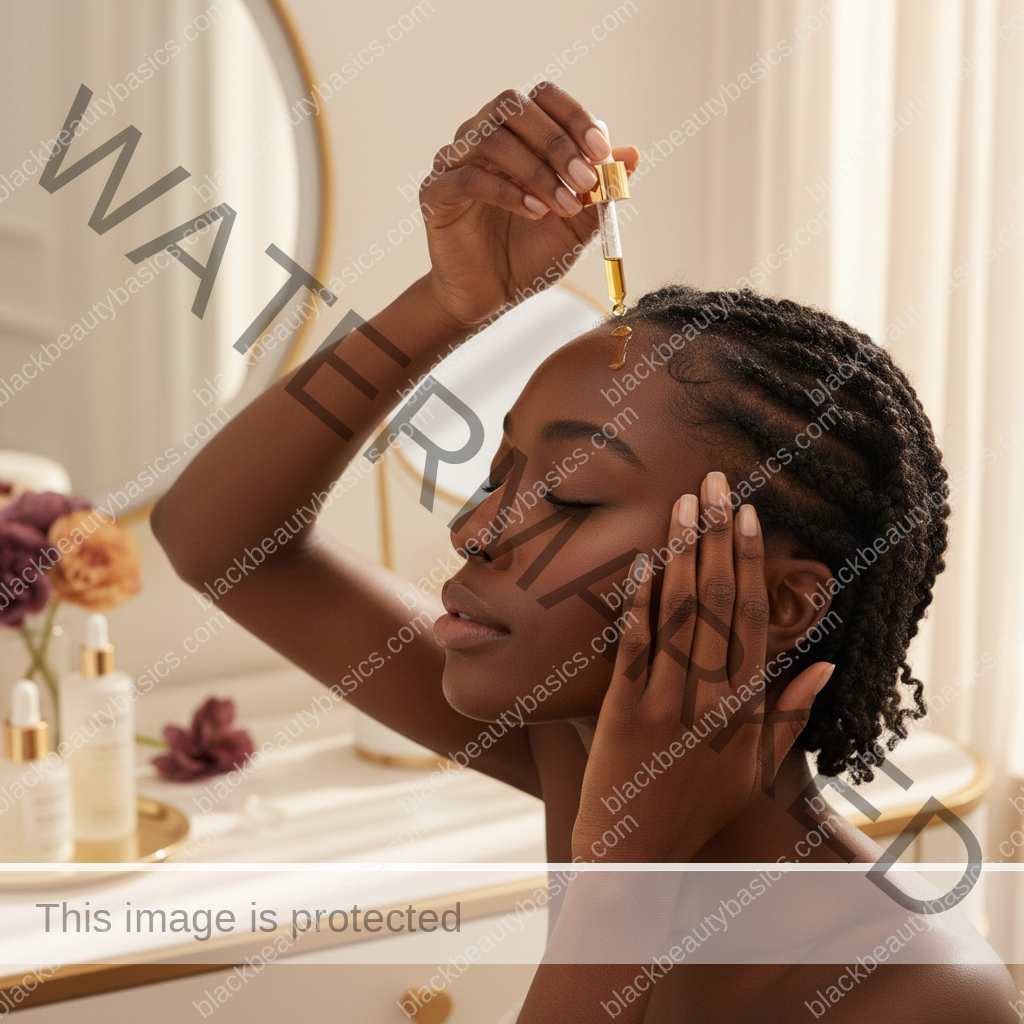
Our crowns, magnificent and diverse, are more than just hair; they are a legacy, a statement, and a canvas for self-expression. Yet, beneath the intricate styles and vibrant textures lies the often-overlooked foundation of our hair health: the scalp. Nurturing this delicate ecosystem is paramount, especially for melanin-rich hair, which often faces unique challenges like dryness, breakage, and specific conditions such as Central Centrifugal Cicatricial Alopecia (CCCA). In the pursuit of a thriving scalp, two powerful contenders frequently emerge: oils and serums. But what truly sets them apart, and which one holds the key to unlocking your scalp’s full potential? Start with the related BBB scalp-health cluster guide if you want the broader map.
The Foundation: Understanding Your Scalp’s Unique Needs
Before we delve into the nuances of oils and serums, let’s honor the unique biology of our scalp. The skin on our head is a complex environment, housing thousands of hair follicles, sebaceous glands, and a delicate microbiome. For African American women, factors like hair texture (which can make natural oils struggle to travel down the hair shaft), styling practices (like braids, weaves, and heat styling), and genetic predispositions can all impact scalp health. Conditions like dryness, itchiness, inflammation, and even hair loss, including CCCA, often stem from an imbalanced or neglected scalp.
A healthy scalp is the bedrock of healthy hair. It ensures proper blood circulation, delivers essential nutrients to the hair follicles, and provides a protective barrier against environmental aggressors. When this balance is disrupted, we see issues ranging from flaking and irritation to stunted growth and shedding. Therefore, understanding the specific concerns of your scalp – whether it’s dryness, oiliness, sensitivity, or hair loss – is the first step toward selecting the right treatment.
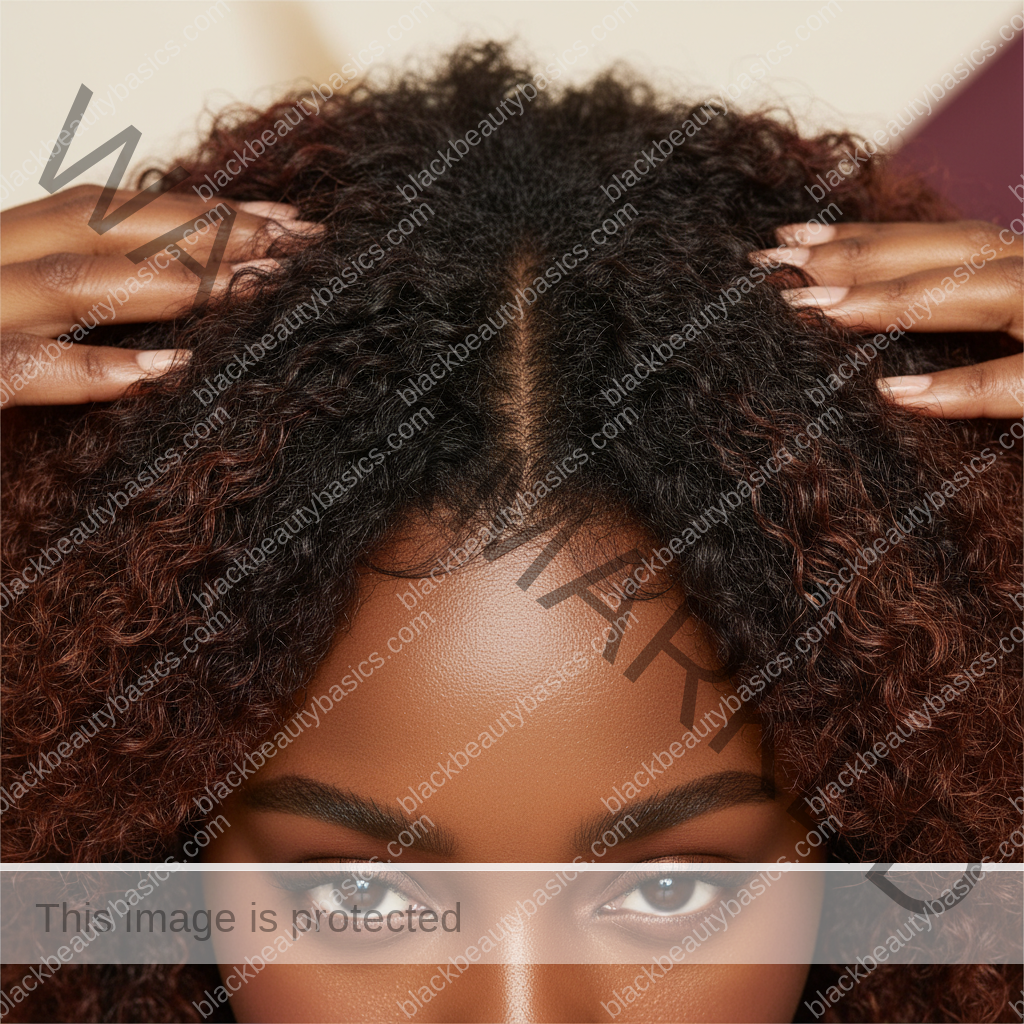
Oils for Scalp Care: The Ancient Elixir Reimagined
For centuries, oils have been revered across cultures for their nourishing and protective properties, and for good reason. In scalp care, oils typically fall into two categories: carrier oils and essential oils. Carrier oils are plant-derived fatty oils that can be applied directly to the skin, often used to dilute essential oils. Essential oils are concentrated plant extracts known for their aromatic and therapeutic properties.
What Oils Actually Do for Your Scalp
- Moisturize and Condition: Many carrier oils, such as jojoba, argan, and olive oil, are excellent emollients. They penetrate the scalp, replenishing lost moisture, softening the skin, and reducing dryness and flakiness. This is particularly beneficial for dry, itchy scalps.
- Nourish Hair Follicles: Oils like castor oil and coconut oil are rich in fatty acids, vitamins, and minerals that can nourish hair follicles, promoting strength and elasticity. Some, like rosemary oil (an essential oil), are believed to stimulate circulation, which can encourage hair growth.
- Protect and Seal: Oils create a protective barrier on the scalp, sealing in moisture and safeguarding against environmental damage. This can be especially helpful for those with sensitive scalps or those prone to irritation.
- Anti-Inflammatory and Antimicrobial Properties: Certain essential oils, such as tea tree oil and peppermint oil, possess natural anti-inflammatory and antimicrobial qualities. When properly diluted with a carrier oil, they can help soothe irritation, reduce itchiness, and combat fungal or bacterial issues that contribute to dandruff or other scalp conditions.
- Massage Aid: Oils provide excellent slip, making them ideal for scalp massages. Regular scalp massages can increase blood flow to the follicles, distribute natural oils, and promote relaxation.
Popular Oils for Scalp Health and Their Benefits
- Jojoba Oil: Mimics the scalp’s natural sebum, making it an excellent moisturizer that won’t clog pores. Shop Jojoba Oil on Amazon
- Castor Oil: Known for its thickness and ricinoleic acid content, believed to promote hair growth and strengthen strands. Shop Castor Oil on Amazon
- Coconut Oil: Penetrates the hair shaft to reduce protein loss and offers antimicrobial benefits. Shop Coconut Oil on Amazon
- Argan Oil: Rich in Vitamin E and antioxidants, it deeply moisturizes and protects the scalp. Shop Argan Oil on Amazon
- Rosemary Essential Oil: Often lauded for its potential to stimulate hair growth and improve circulation. (Always dilute essential oils with a carrier oil before applying to the scalp.) Shop Rosemary Essential Oil on Amazon
- Tea Tree Essential Oil: Powerful antiseptic and antifungal properties, great for dandruff and itchy scalps. (Always dilute essential oils.) Shop Tea Tree Essential Oil on Amazon
When to Choose Oils
Oils are particularly beneficial for:
- Dry, flaky, or itchy scalps that need deep moisture.
- Scalps that benefit from regular massages to stimulate circulation.
- Those looking for natural, holistic remedies for general scalp health and nourishment.
- Preventative care and maintaining overall scalp hydration.
- Addressing mild dandruff or fungal issues with appropriate essential oil blends.
Considerations for Using Oils
While oils are wonderful, they can be heavy and may leave a greasy residue if overused, especially for those with finer hair or naturally oily scalps. Essential oils must always be diluted with a carrier oil to prevent irritation. Patch testing is always recommended.
Serums for Scalp Care: Targeted Treatment with Precision
Scalp serums, in contrast to oils, are typically water-based or lightweight formulations designed to deliver highly concentrated active ingredients directly to the scalp. They are often formulated with specific concerns in mind, such as hair loss, thinning, inflammation, or excessive oil production. Serums are the workhorses of targeted scalp treatment.
What Serums Actually Do for Your Scalp
- Deliver Potent Active Ingredients: Serums are engineered to carry a high concentration of ingredients like peptides, vitamins (e.g., biotin, niacinamide), antioxidants, growth factors, and botanical extracts directly to the hair follicles. These ingredients are chosen for their ability to address specific concerns at a cellular level.
- Target Specific Concerns: Whether it’s stimulating hair growth, reducing inflammation, balancing sebum production, or strengthening the scalp barrier, serums are formulated to provide a focused solution. For conditions like CCCA, anti-inflammatory and soothing serums can be crucial in managing symptoms.
- Lightweight and Non-Greasy: Most serums are designed to be absorbed quickly without leaving a heavy or greasy residue, making them suitable for all hair types and for daily use without weighing down hair.
- Improve Scalp Environment: Ingredients in serums can help rebalance the scalp’s microbiome, reduce oxidative stress, and create an optimal environment for healthy hair growth.
- Address Hair Loss and Thinning: Many serums are specifically formulated with ingredients like minoxidil (OTC), redensyl, capixyl, or natural DHT blockers to combat hair loss and promote thicker, fuller hair.
Common Active Ingredients in Scalp Serums
- Peptides: Amino acid chains that can signal cells to perform specific functions, such as collagen production or hair growth. Shop Peptide Scalp Serums on Amazon
- Biotin (Vitamin B7): Essential for keratin production, a key protein in hair. Shop Biotin Scalp Serums on Amazon
- Niacinamide (Vitamin B3): Improves blood circulation, reduces inflammation, and strengthens the skin barrier. Shop Niacinamide Scalp Serums on Amazon
- Hyaluronic Acid: A powerful humectant that draws moisture into the scalp, hydrating without greasiness. Shop Hyaluronic Acid Scalp Serums on Amazon
- Antioxidants (e.g., Vitamin C, Ferulic Acid): Protect the scalp from environmental damage and oxidative stress. Shop Antioxidant Scalp Serums on Amazon
- Plant Extracts (e.g., Saw Palmetto, Green Tea, Ginseng): Often included for their anti-inflammatory, antioxidant, or DHT-blocking properties. Shop Plant Extract Scalp Serums on Amazon
When to Choose Serums
Serums are ideal for:
- Addressing specific, targeted concerns like hair loss, thinning, or excessive shedding.
- Managing inflammatory scalp conditions, including those associated with CCCA.
- Balancing oily or excessively dry scalps that need specific active ingredients.
- Individuals who prefer a lightweight, non-greasy solution that won’t weigh down their hair.
- Those looking for scientifically formulated treatments with proven active ingredients.
Considerations for Using Serums
Serums can be more expensive due to their concentrated active ingredients. Consistency is key for seeing results, as many serums require daily or regular application over several weeks or months. Always follow product instructions carefully.
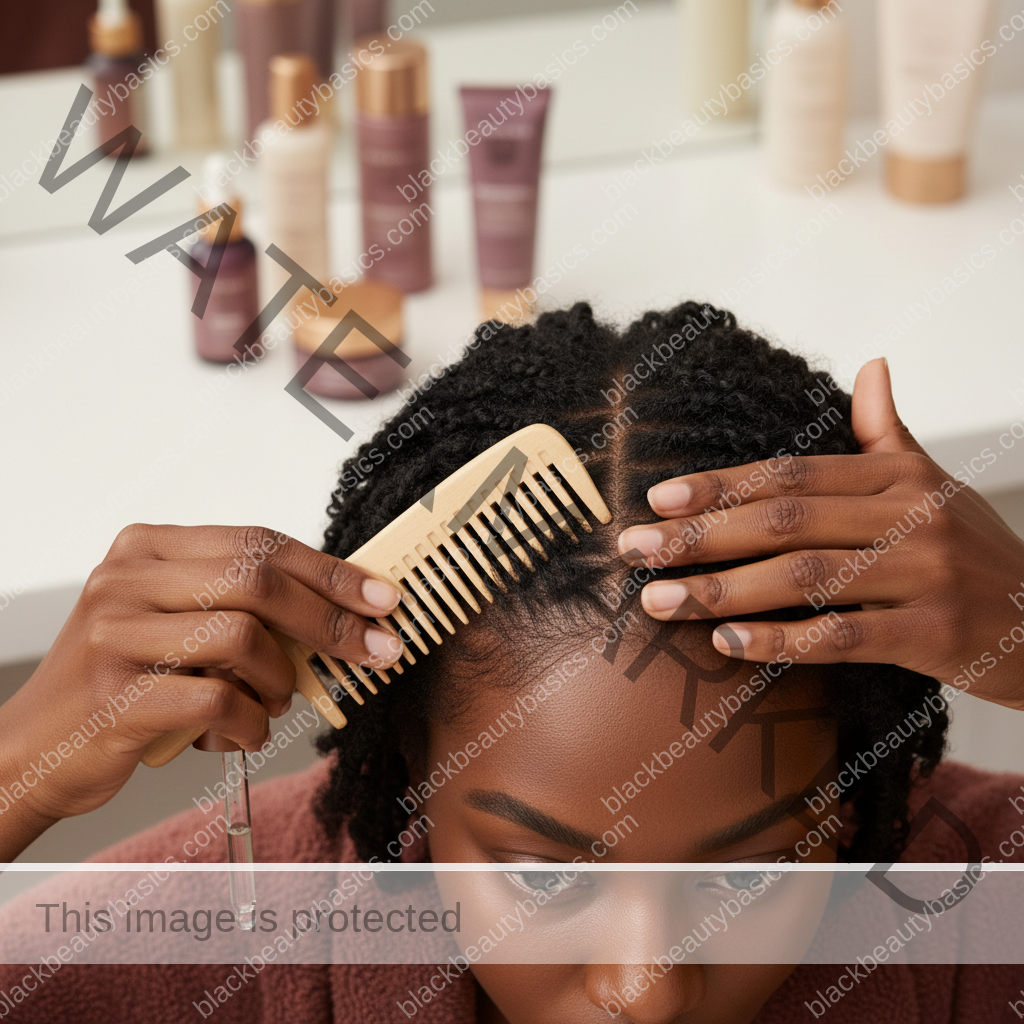
Oils vs. Serums: A Head-to-Head Comparison
To truly understand which product might be best for your crown, let’s break down their key differences and similarities.
Comparison Table: Oils vs. Serums for Scalp Care
| Feature | Scalp Oils | Scalp Serums |
|---|---|---|
| Primary Function | Moisturize, nourish, protect, lubricate. | Target specific concerns (hair loss, inflammation, oiliness), deliver concentrated actives. |
| Texture & Feel | Thicker, often greasy, provides slip. | Lightweight, fast-absorbing, non-greasy. |
| Ingredients | Carrier oils (jojoba, castor, coconut, argan), essential oils (rosemary, tea tree, peppermint). | Peptides, vitamins (biotin, niacinamide), antioxidants, growth factors, botanical extracts, humectants (hyaluronic acid). |
| Application Frequency | Often used as pre-shampoo treatment, overnight mask, or a few times a week. | Typically daily or as directed, often left on the scalp. |
| Best For | Dry, itchy scalps; general nourishment; scalp massages; protective barrier. | Hair loss, thinning, excessive oiliness, inflammation, specific scalp conditions (e.g., CCCA management). |
| Absorption | Sits on the surface, penetrates slowly, can leave residue. | Absorbs quickly, designed for deep penetration of active ingredients. |
| Cost | Generally more affordable for basic carrier oils. | Often higher due to concentrated active ingredients and research. |
Can You Use Both? The Art of Layering for Optimal Scalp Health
Absolutely! For many, the most effective scalp care regimen involves a thoughtful combination of both oils and serums. Think of it as a holistic approach: serums provide targeted treatment with potent active ingredients, while oils offer deep nourishment, moisture, and protection.
How to Incorporate Both into Your Routine
- Pre-Shampoo Treatment: Apply a nourishing oil (like castor or jojoba) to your scalp 30 minutes to a few hours before shampooing. Massage it in to stimulate circulation and provide deep conditioning. This is a great way to get the benefits of oils without leaving a greasy residue.
- Post-Wash Serum Application: After shampooing and conditioning, when your scalp is clean and damp, apply your targeted scalp serum. This allows the active ingredients to penetrate effectively without interference from product buildup or excessive oils.
- Overnight Oil Treatment (Occasional): For very dry or irritated scalps, an overnight oil treatment once a week can be incredibly beneficial. Apply a lighter oil (like argan or jojoba) and massage gently, then wash out in the morning.
- Serum as a Daily Leave-On: Many serums are designed for daily, leave-on application. Use them consistently as directed by the product, focusing on areas of concern.
Tips for Layering Success
- Clean Scalp First: Always apply serums to a clean scalp to ensure maximum absorption of active ingredients.
- Serums Before Oils: If applying both at the same time (e.g., after washing), apply the serum first. Serums are typically lighter and need to penetrate the scalp directly. Oils can then be applied on top to seal in moisture, if desired, but sparingly.
- Listen to Your Scalp: Pay attention to how your scalp responds. If it feels heavy, greasy, or irritated, adjust the frequency or amount of product.
- Consistency is Key: Whether using oils, serums, or both, consistent application over time is crucial for seeing noticeable results.
Addressing Specific Concerns: CCCA & Hair Loss
For African American women, conditions like Central Centrifugal Cicatricial Alopecia (CCCA) and other forms of hair loss are significant concerns. CCCA is a progressive inflammatory condition that leads to permanent hair loss, often starting at the crown and spreading outwards. Managing CCCA requires a multi-faceted approach, often involving medical intervention, but scalp care plays a supportive role.
The Role of Oils and Serums in CCCA & Hair Loss Management
- For CCCA:
- Serums: Anti-inflammatory serums containing ingredients like niacinamide, green tea extract, or specific peptides can help soothe inflammation, which is a hallmark of CCCA. These should be chosen in consultation with a dermatologist. Serums that support the scalp barrier can also be beneficial.
- Oils: Gentle, non-comedogenic oils like jojoba or argan can provide hydration to a dry, inflamed scalp without exacerbating the condition. However, heavy oils should be avoided, especially if they might clog follicles or trap heat, which can worsen inflammation. The focus here is on soothing and moisturizing, not stimulating.
- For General Hair Loss/Thinning:
- Serums: This is where serums truly shine. Look for formulations with minoxidil (if recommended by a doctor), redensyl, capixyl, caffeine, rosemary extract, or peptides known to stimulate hair follicles and extend the hair growth phase. Shop Hair Loss Scalp Serums on Amazon
- Oils: Rosemary essential oil (diluted) is a popular choice for its potential to stimulate growth. Castor oil is often used to strengthen existing hair and reduce breakage. While oils can nourish the scalp, they are generally not as effective as targeted serums for reversing significant hair loss.
Crucial Note: If you suspect you have CCCA or are experiencing significant hair loss, consult with a dermatologist. Scalp care products are complementary to medical treatment, not a replacement.
Scalp Care Tips for CCCA & Hair Loss
- Gentle Handling: Avoid tight hairstyles, excessive heat, and harsh chemicals that can stress the scalp and hair follicles.
- Regular Cleansing: Maintain a clean scalp to prevent product buildup and inflammation. Use sulfate-free, gentle shampoos. Shop Sulfate-Free Shampoos on Amazon
- Moisturize & Soothe: Use lightweight, non-irritating products to keep the scalp hydrated and calm.
- Diet & Hydration: A balanced diet rich in vitamins, minerals, and proteins supports overall hair health. Stay well-hydrated.
- Stress Management: Chronic stress can exacerbate hair loss. Incorporate stress-reducing practices into your routine.
Creating Your Personalized Scalp Care Ritual
The journey to a healthy scalp is deeply personal. It requires understanding your unique needs, experimenting with products, and observing how your scalp responds. Here’s a simplified guide to help you craft your ritual:
Your Scalp Care Ritual Checklist
- Identify Your Primary Concern:
- Dry/Itchy Scalp: Focus on moisturizing oils (jojoba, argan) and hydrating serums (hyaluronic acid).
- Oily Scalp: Opt for lightweight, balancing serums (niacinamide, salicylic acid) and avoid heavy oils.
- Hair Loss/Thinning: Prioritize targeted growth serums (peptides, minoxidil, rosemary extract). Complement with nourishing oils for overall health.
- Inflammation/Sensitivity: Look for soothing serums (aloe vera, chamomile) and very gentle, non-irritating oils (jojoba).
- Choose Your Products Wisely:
- For Oils: Select cold-pressed, organic options when possible. Ensure essential oils are 100% pure and always dilute them. Shop Organic Carrier Oils on Amazon
- For Serums: Read ingredient lists carefully. Look for formulations free of harsh alcohols, synthetic fragrances, and parabens, especially if your scalp is sensitive. Shop Clean Scalp Serums on Amazon
- Establish a Routine:
- Weekly: Pre-shampoo oil treatment and scalp massage.
- Daily/Every Other Day: Apply your chosen scalp serum to a clean, damp or dry scalp.
- As Needed: Use a lightweight oil for targeted dry spots or as a protective layer.
- Practice Gentle Application: Use your fingertips to gently massage products into your scalp. Avoid scratching or aggressive rubbing.
- Be Patient and Consistent: Scalp health improvements take time. Give any new routine at least 4-6 weeks to show results.
How to notice the pattern without diagnosing yourself
For Black women with textured hair, scalp and hair-care choices can be emotionally loaded because they often sit at the intersection of styling, identity, health, and being dismissed. This guide focuses on understanding when oils soften or seal, when serums target a concern, and when either one can add buildup or irritation, while keeping the related BBB scalp-health cluster as the home base. The goal is not to diagnose yourself from a mirror. The goal is to notice patterns clearly enough to choose safer next steps.
Start with the timeline. Did the change begin after a new style, product, postpartum season, illness, medication change, stressful period, or scalp flare? Did it show up at the edges, crown, hairline, part, or all over? Is there pain, itch, flaking, bumps, tenderness, odor, bleeding, scaling, or smooth shiny areas? These details matter because different patterns need different care.
The safest home routine is usually the one that lowers tension, reduces irritation, and keeps the scalp clean without aggressive scraping. If a symptom is painful, spreading, scarring, repeatedly returning, or connected to visible thinning, professional care matters. Early documentation can help a dermatologist, primary care clinician, or other qualified professional see the pattern more clearly.
What to track gently
- Location: edges, crown, hairline, part, nape, or all over.
- Timing: new style, postpartum shift, cycle change, illness, product, or stress season.
- Sensations: tenderness, burning, itching, tightness, soreness, or pain.
- Visible signs: flakes, bumps, redness that may look subtle on brown skin, thinning, or broken hairs.
- When the pattern improves or worsens.
What usually makes scalp concerns harder to read
The first challenge is tension. Tight braids, ponytails, wigs, sew-ins, loc maintenance, edge styling, and repeated parting can make it harder to tell whether the scalp is reacting to the style, an underlying condition, or both. That does not mean protective styles are bad. It means comfort and scalp access need to be part of the plan.
The second challenge is product layering. Oils, gels, sprays, dry shampoo, edge control, medicated products, and sweat can build up together. A scalp can be dry and still have residue. It can itch from buildup, irritation, inflammation, or a condition that needs professional treatment. Scratching harder does not solve that confusion; it can create more irritation.
The third challenge is waiting too long because you do not want to be dramatic. You are allowed to ask questions early. You are allowed to document a change before it becomes severe. And you are allowed to want care that understands textured hair instead of telling you to abandon your whole beauty routine without nuance.
What to do next
Keep this article connected to the Scalp Health, CCCA & Hair Loss system. Use the related guides below to decide whether your next step is tension reduction, scalp-routine adjustment, pattern tracking, or professional evaluation.
- Scalp Health, CCCA & Hair Loss
- The related scalp-health cluster guide
- tools and products for scalp care
- keeping your scalp clean in protective styles
- scalp massage and hair growth
- flaky scalp vs dry scalp vs dandruff
Frequently Asked Questions About Scalp Oils & Serums
Q1: Can oils clog my pores and cause breakouts on my scalp?
A1: Yes, some heavier oils, especially if used excessively or not washed out properly, can potentially clog pores and lead to breakouts or folliculitis, particularly for those with oily or acne-prone skin. Lighter, non-comedogenic oils like jojoba or argan oil are generally safer choices. Serums, being typically water-based and lightweight, are less likely to clog pores.
Q2: How often should I apply a scalp serum?
A2: The frequency of scalp serum application depends on the specific product and your scalp’s needs. Many hair growth or balancing serums are designed for daily application, while others might be recommended 2-3 times a week. Always follow the instructions provided by the product manufacturer for optimal results.
Q3: Are essential oils safe to apply directly to the scalp?
A3: No, essential oils should never be applied directly to the scalp without dilution. They are highly concentrated and can cause irritation, burning, or allergic reactions. Always dilute essential oils (e.g., rosemary, tea tree, peppermint) with a carrier oil (like jojoba, almond, or olive oil) at a ratio of 1-2 drops of essential oil per teaspoon of carrier oil before applying to the scalp. Perform a patch test first.
Q4: Can scalp oils or serums help with dandruff?
A4: Yes, certain oils and serums can help manage dandruff. For dandruff caused by dryness, moisturizing oils like jojoba or argan can soothe the scalp. For dandruff caused by fungal overgrowth (seborrheic dermatitis), essential oils like tea tree oil (diluted) or serums containing ingredients like salicylic acid or pyrithione zinc can be effective. It’s important to identify the cause of your dandruff to choose the right treatment.
Q5: Is it better to apply scalp products to wet or dry hair?
A5: Generally, scalp serums are best applied to a clean, damp scalp. This allows for better absorption of the active ingredients. Oils, especially for pre-shampoo treatments, can be applied to dry hair and scalp. If using a leave-in oil for moisture, a small amount can be applied to a damp or dry scalp, depending on your hair type and desired result.
Q6: How long does it take to see results from using scalp oils or serums?
A6: Patience and consistency are crucial. For issues like dryness or itchiness, you might feel relief within a few applications. However, for concerns like hair growth, reduced shedding, or managing inflammatory conditions, it typically takes 3 to 6 months of consistent use to see noticeable results. Hair growth cycles are long, and products need time to impact the follicles.
Q7: Can I use both an oil and a serum in the same routine?
A7: Yes, you absolutely can! In fact, combining them can offer comprehensive benefits. A common approach is to use an oil as a pre-shampoo treatment for deep nourishment and massage, and then apply a targeted serum to a clean, damp scalp after washing for specific concerns like hair growth or balancing. Always apply the lighter product (serum) first, then the heavier product (oil), if layering simultaneously.
Our crowns deserve the utmost care, a blend of ancient wisdom and modern science. Whether you gravitate towards the rich, nurturing embrace of oils or the precise, targeted power of serums, remember that the goal is a thriving scalp – the very foundation of your magnificent hair. Embrace the journey of discovery, listen to your scalp’s whispers, and adorn your crown with the health and vitality it truly deserves.

Ready to elevate your scalp care ritual? Shop Scalp Care Products on Amazon and find the perfect oils and serums to nurture your beautiful crown.
Related next steps
Related posts:
 Does Scalp Massage Help Hair Growth or Just Scalp Comfort?
 Hair Growth Oils and Serums for Black Hair: What Works and What’s Overhyped
 The Truth About Hair Growth Oils and Supplements – What Actually Works?
 Scalp Serums and “Growth” Products: What They Can and Cannot Do
 Scalp Care 101: Oils, Exfoliation, and Treatments for Healthy Growth in Black Hair
 How Scalp Oils Really Work on Melanin-Rich Scalps