There’s a unique joy that comes with the sleek sophistication of a silk press, a temporary transformation that allows our coils and curls to cascade with a different kind of grace. Yet, for many of us, the allure of that straight, silken finish can sometimes lead to a silent struggle: the gradual fading of our natural curl pattern, a phenomenon often referred to as heat damage. But darling, fear not—your crown’s resilience is legendary, and reclaiming its magnificent texture is not just possible, it’s a journey of profound self-care and rediscovery. Start with the related BBB natural-hair cluster guide if you want the broader map.
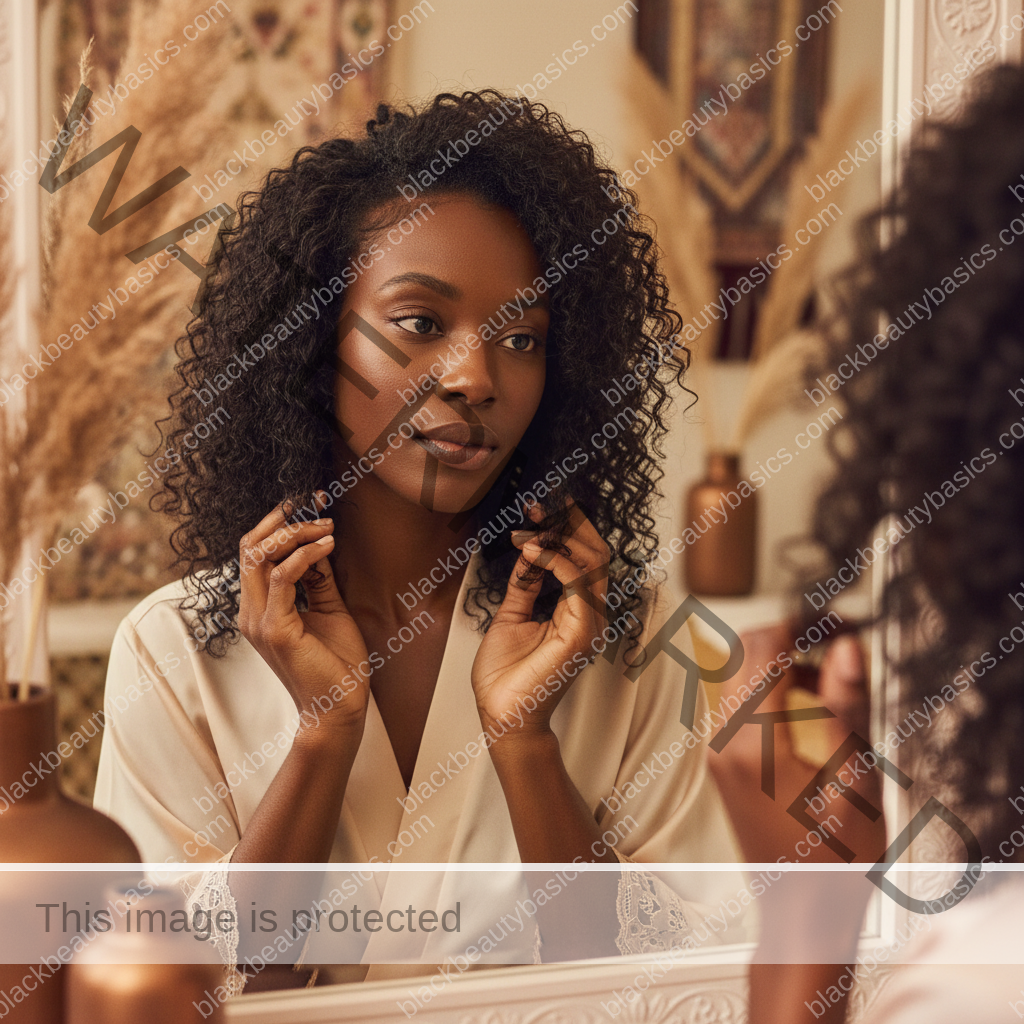
Welcome to Black Beauty Basics, where we celebrate the inherent strength and versatility of melanin-rich hair. Today, we embark on a comprehensive guide to help you recover curls after repeated silk presses, restoring their vitality, bounce, and definition. This isn’t just about products; it’s about understanding your hair’s unique needs, nurturing it with intention, and embracing the beautiful process of revival.
Understanding Heat Damage: The Silent Saboteur of Your Strands
Before we delve into recovery, it’s crucial to understand what happens to our hair when subjected to repeated high heat. A silk press, when done correctly and infrequently, can be a beautiful styling option. However, consistent exposure to high temperatures can alter the very structure of your hair, leading to what we commonly call heat damage.
The Science Behind the Straightening
Our natural curl pattern is determined by the disulfide bonds within the hair’s protein structure, primarily keratin. These bonds are responsible for the hair’s strength, elasticity, and shape. When heat is applied, especially at excessive temperatures (often above 400°F or 200°C for prolonged periods), these bonds can be permanently broken or altered. Imagine your hair strand as a ladder; heat can melt the rungs, causing it to lose its structural integrity and, consequently, its ability to coil back into its natural pattern.
Recognizing the Signs: Is Your Hair Heat Damaged?
Identifying heat damage is the first step toward recovery. Here are the tell-tale signs:
- Limp, Lifeless Strands: Your hair may appear unusually straight, even after washing, particularly at the ends or in specific sections. It lacks its usual bounce and elasticity.
- Frizz and Roughness: Damaged hair often has a rough, coarse texture and is prone to excessive frizz, even in humid conditions. The cuticle layer, which normally lies flat, becomes raised and compromised.
- Lack of Curl Definition: The most obvious sign. Your curls may be stretched out, loose, or completely straight in areas that were repeatedly pressed.
- Increased Breakage and Split Ends: Heat-damaged hair is weaker and more brittle, leading to more frequent breakage and an abundance of split ends.
- Dullness: Healthy hair has a natural sheen. Damaged hair often looks dull and lacks vibrancy because its outer cuticle layer is no longer smooth and reflective.
It’s important to differentiate between temporary heat training (where curls temporarily loosen but revert with moisture) and permanent heat damage. If your hair doesn’t revert to its natural curl pattern after a thorough wash and deep conditioning, it’s likely you’re dealing with damage.
The Road to Reversion: A Holistic Approach to Healing
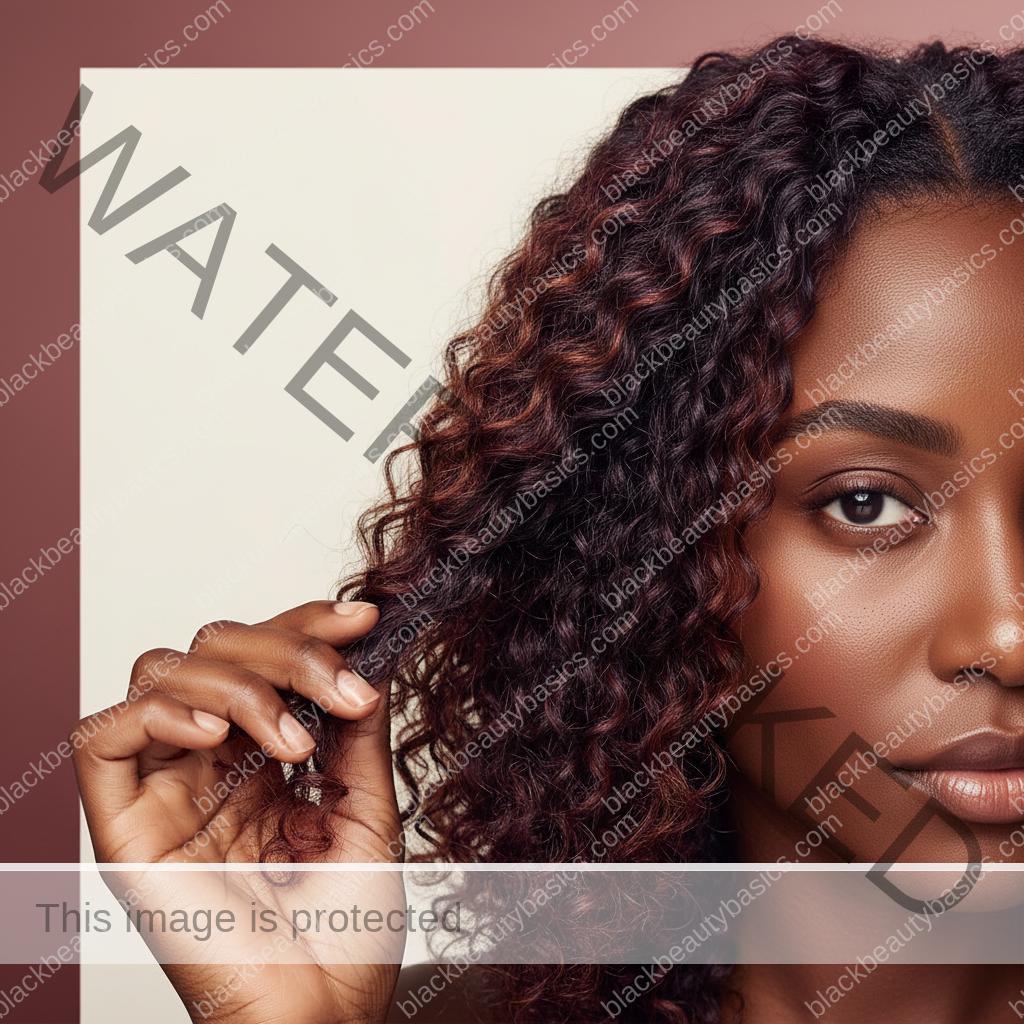
Recovering from heat damage is a journey that requires patience, consistency, and a commitment to nurturing your hair back to health. There’s no magic potion for instant repair, but with the right regimen, you can significantly improve your hair’s condition and encourage your natural curl pattern to re-emerge.
Step 1: The Big Chop or Gradual Trim? Assessing Your Damage
This is often the most challenging decision. Severely heat-damaged hair cannot be “repaired” in the sense that the broken disulfide bonds cannot be reconnected. The only true way to remove permanent heat damage is to cut it off. However, the extent of your damage dictates the approach.
- The Big Chop: If your damage is extensive and affects a large portion of your hair, a big chop might be the quickest way to start fresh. This involves cutting off all the damaged hair, leaving only healthy, new growth. It’s a bold, empowering move that signifies a fresh start.
- Gradual Trimming: For less severe or localized damage, you can opt for regular trims. Schedule a trim every 6-8 weeks to gradually snip away the damaged ends as your healthy hair grows out. This is a slower process but allows you to maintain some length.
Consult with a trusted stylist who specializes in natural hair. They can help you assess the damage and recommend the best course of action for your hair goals.
Step 2: A Foundation of Moisture: Hydration is Key
Heat-damaged hair is often dehydrated. Restoring moisture is paramount. Your regimen should revolve around infusing and retaining hydration.
Shop Clarifying Shampoo on Amazon & Shop Moisturizing Shampoo on Amazon: The Cleansing Ritual
Start with a gentle, sulfate-free shampoo. While a clarifying shampoo might be needed initially to remove product buildup, switch to a moisturizing shampoo for regular washes. Aim for washing once a week or every two weeks, depending on your hair’s needs and activity level.
Shop Deep Conditioner for Damaged Hair on Amazon: Your Weekly Elixir
Deep conditioning is non-negotiable. Commit to a weekly deep conditioning treatment. Look for products rich in humectants (like glycerin and honey), emollients (like shea butter and natural oils), and hydrolyzed proteins. Apply generously, cover with a plastic cap, and allow it to penetrate for at least 30 minutes, preferably with indirect heat (like a hooded dryer or steamer) to open the cuticles and enhance absorption.
Shop Leave-In Conditioner for Natural Hair on Amazon: Daily Hydration Boost
A good leave-in conditioner acts as your daily moisturizer. Apply it to damp hair after washing and throughout the week as needed to refresh your curls. This helps to seal in moisture and provide a protective layer.
Step 3: Protein Power: Rebuilding Strength
While moisture is crucial, heat damage often compromises the protein structure of your hair. Protein treatments can help temporarily reinforce the hair shaft and improve elasticity.
Shop Protein Treatment for Natural Hair on Amazon: Strategic Reinforcement
Incorporate a protein treatment into your routine every 4-6 weeks. Be cautious not to overdo protein, as too much can lead to stiffness and breakage. Look for treatments with hydrolyzed wheat protein, keratin, or silk amino acids. Always follow a protein treatment with a moisturizing deep conditioner to balance the hair.
Moisture vs. Protein: Finding Your Hair’s Balance
| Characteristic | Moisture Deficiency | Protein Deficiency |
|---|---|---|
| Appearance | Dull, dry, frizzy, brittle, lacks shine | Limp, mushy, overly soft, lacks elasticity, easily stretched |
| Feel | Rough, coarse, stiff | Gummy, sticky, weak |
| Stretch Test | Breaks easily with little stretch | Stretches excessively without returning to original length, then breaks |
| Recommended Treatment | Deep conditioning, leave-ins, moisturizing stylers, water-based products | Protein treatments (e.g., hydrolyzed wheat protein, keratin), protein-rich deep conditioners |
| Frequency | Weekly deep conditioning, daily moisturizing | Every 4-6 weeks (adjust based on hair’s needs) |
Step 4: Gentle Styling: Nurturing Your Curls Back
While your hair is recovering, avoid any styling methods that involve heat. This means no more flat irons, curling wands, or even excessive blow-drying. Embrace heat-free styling.
Shop Heatless Curlers for Natural Hair on Amazon & Shop Flexi Rods for Natural Hair on Amazon: Heat-Free Options
Explore heatless curling methods like flexi rods, perm rods, or curlformers to help encourage your curl pattern. These can be particularly effective on the less damaged sections of your hair. For the more damaged areas, protective styles are your best friend.
Shop Natural Hair Protective Styles on Amazon: Protective Styling Power
Braids, twists, bantu knots, and updos minimize manipulation and protect your delicate strands from environmental stressors. Ensure these styles aren’t too tight, as tension can cause further damage. When taking them down, use a generous amount of detangling conditioner on Amazon or detangling spray on Amazon to prevent breakage.
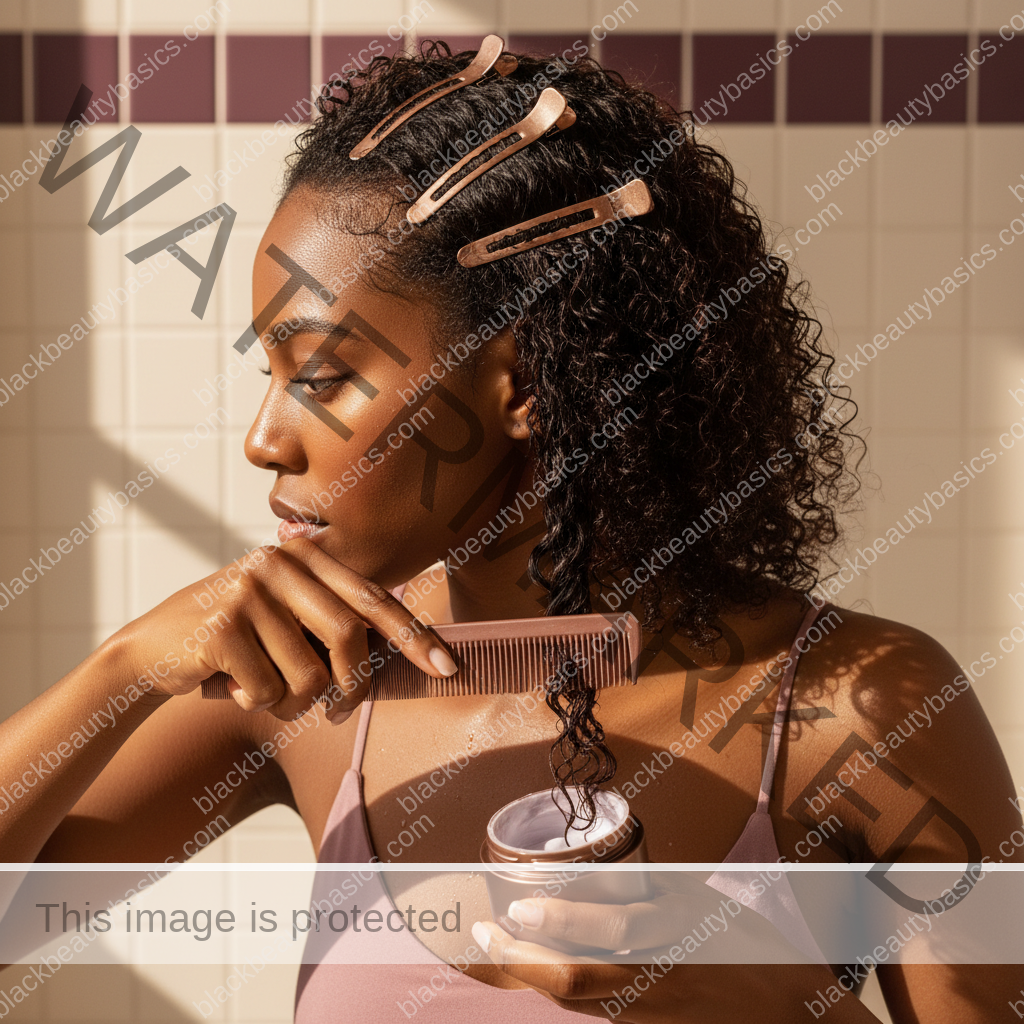
The Recovery Regimen: A Detailed Weekly Plan
Consistency is paramount. Here’s a suggested weekly regimen to help you recover curls after repeated silk presses:
Weekly Hair Care Routine
- Pre-Poo Treatment (1-2 hours before wash day): Apply a nourishing oil (Shop Pre-Poo Oil for Natural Hair on Amazon) like olive, coconut, or argan oil to your dry hair. This helps protect your strands from the stripping effects of shampoo.
- Cleanse: Use a gentle, sulfate-free moisturizing shampoo (Shop Moisturizing Shampoo for Natural Hair on Amazon). Focus on cleansing your scalp, allowing the lather to rinse down the strands without vigorous scrubbing.
- Deep Condition: Apply a rich, reparative deep conditioner (Shop Reparative Deep Conditioner on Amazon) to thoroughly detangled, damp hair. Cover with a plastic cap and apply indirect heat for 20-30 minutes. Rinse with cool water to seal the cuticles.
- Leave-In & Seal: While hair is still damp, apply a generous amount of leave-in conditioner (Shop Hydrating Leave-In Conditioner on Amazon). Follow with a light oil (Shop Light Hair Oil for Sealing on Amazon) or a moisturizing cream (Shop Moisturizing Curl Cream on Amazon) to seal in the moisture (LOC or LCO method).
- Styling: Opt for heat-free styles like twist-outs, braid-outs, or bantu knots. Use a curl-defining cream (Shop Curl Defining Cream on Amazon) or gel (Shop Natural Hair Gel on Amazon) to enhance definition.
Bi-Weekly/Monthly Treatments
- Protein Treatment (Every 4-6 weeks): If your hair feels mushy or overly elastic, incorporate a protein treatment (Shop Hair Protein Treatment on Amazon) as described in Step 3. Always follow with a moisturizing deep conditioner.
- Scalp Massage: Regularly massage your scalp with a stimulating oil (Shop Scalp Stimulating Oil on Amazon) like peppermint or rosemary oil to promote blood circulation and healthy hair growth.
Daily Maintenance
- Moisture Refresh: If your curls feel dry, lightly mist with water or a diluted leave-in conditioner (Shop Curl Refresh Spray on Amazon) and re-apply a light cream or oil.
- Nighttime Protection: Sleep on a Shop Silk Pillowcase on Amazon or wrap your hair in a Shop Satin Bonnet on Amazon to minimize friction and moisture loss.
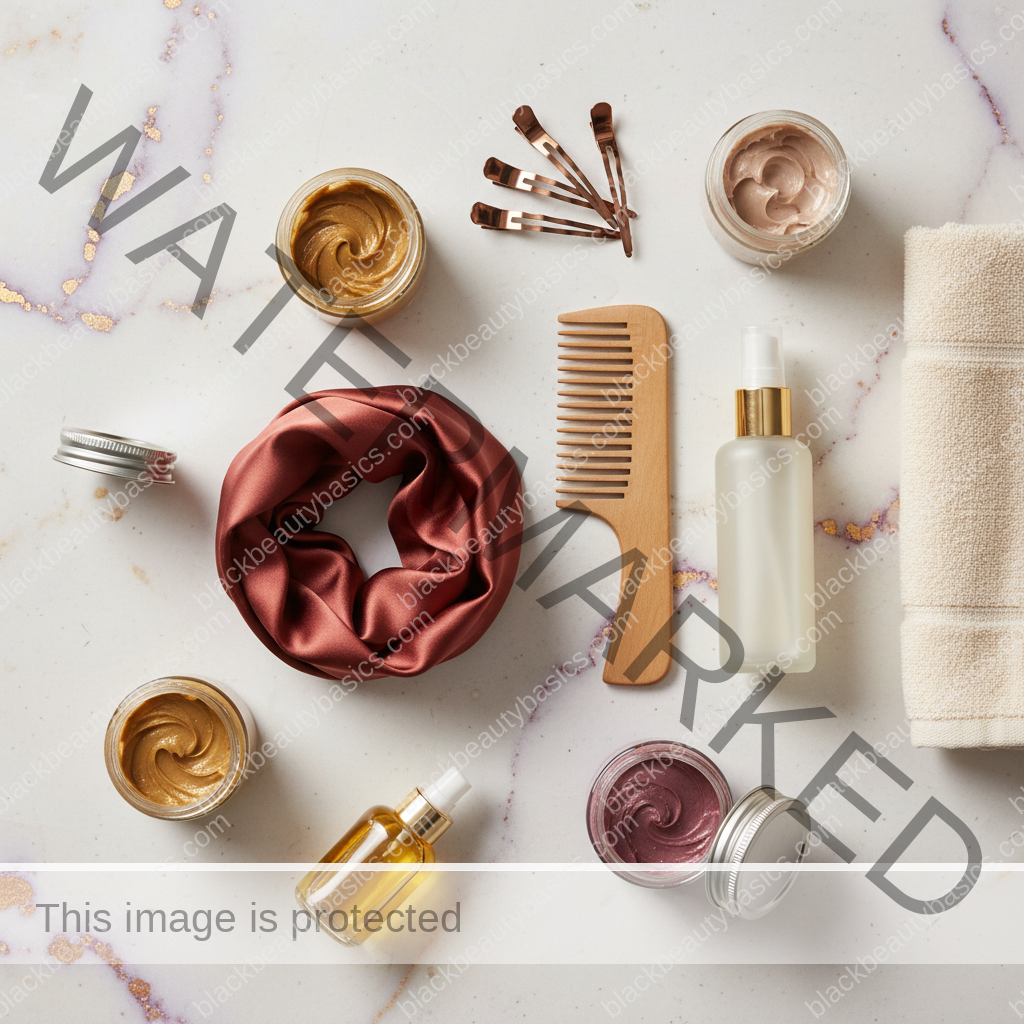
Essential Tools and Products for Your Recovery Journey
Investing in the right tools and products can make a significant difference in your recovery journey. Here’s a curated list of essentials:
Must-Have Tools
- Wide-Tooth Comb (Shop Wide-Tooth Comb for Natural Hair on Amazon): Essential for gentle detangling on wet, conditioned hair.
- Denman Brush or Detangling Brush (Shop Denman Brush for Natural Hair on Amazon): Great for clump-defining curls after applying products.
- Spray Bottle (Shop Fine Mist Spray Bottle on Amazon): For refreshing curls and dampening hair before product application.
- Satin/Silk Scarf or Bonnet (Shop Satin Bonnet for Natural Hair on Amazon): Protects hair at night and preserves moisture.
- Microfiber Towel (Shop Microfiber Hair Towel on Amazon): Reduces frizz and breakage compared to traditional towels.
- Hair Steamer (Optional, Shop Hair Steamer for Deep Conditioning on Amazon): Enhances product penetration during deep conditioning.
Key Product Categories
Product Checklist for Curl Recovery
| Product Type | Key Ingredients to Look For | Purpose |
|---|---|---|
| Sulfate-Free Shampoo | Aloe Vera, Glycerin, Coconut Oil, Shea Butter | Gently cleanses without stripping natural oils. |
| Deep Conditioner | Hydrolyzed Proteins, Ceramides, Fatty Alcohols, Natural Oils (Avocado, Jojoba) | Intensely moisturizes, strengthens, and improves elasticity. |
| Leave-In Conditioner | Water-based, Humectants (Glycerin, Honey), Panthenol | Provides daily hydration and detangling, acts as a base for styling. |
| Protein Treatment | Hydrolyzed Wheat Protein, Keratin, Silk Amino Acids | Temporarily reinforces hair structure, improves strength and reduces breakage. |
| Hair Oils | Castor Oil, Jojoba Oil, Argan Oil, Olive Oil | Seals in moisture, adds shine, protects ends, promotes scalp health. |
| Curl Defining Cream/Gel | Botanical extracts, Flaxseed Gel, Aloe Vera | Enhances curl pattern, provides hold, reduces frizz without crunch. |
| Heat Protectant (for future use) | Silicones (Cyclopentasiloxane, Dimethicone), Hydrolyzed Wheat Protein | Forms a barrier against heat when you choose to use it again (use sparingly). |
Patience and Persistence: The Unsung Heroes of Recovery
The journey to recover curls after repeated silk presses is not a sprint; it’s a marathon. You won’t see dramatic results overnight, especially if your damage is extensive. Celebrate small victories – a little more bounce here, a bit more definition there. Document your progress with photos to keep your spirits high.
Mindset Matters: Embracing the Transition
This period of transition can be challenging. You might have different textures on one head – straight, wavy, and curly. This is normal. Embrace the versatility and experiment with styles that blend the textures, like braid-outs or twist-outs, which can create a more uniform look. Remember, your hair is an extension of you, and its journey reflects your own resilience and growth.
When to Seek Professional Help
While this guide provides a comprehensive framework, there are times when professional guidance is invaluable. A natural hair stylist can:
- Accurately assess the extent of your heat damage.
- Recommend specific treatments or products tailored to your hair type and damage level.
- Perform precise trims or a big chop to remove damaged ends.
- Teach you proper techniques for detangling, product application, and heat-free styling.
Don’t hesitate to invest in a consultation with a stylist who understands and celebrates natural hair.
Beyond Recovery: Preventing Future Heat Damage
Once you’ve nurtured your curls back to health, the goal is to maintain their vitality and prevent future damage. This means a mindful approach to heat styling.
- Limit Heat Usage: Aim for silk presses no more than 2-4 times a year, allowing ample time for your hair to recover between sessions.
- Always Use a Heat Protectant (Shop Heat Protectant for Natural Hair on Amazon): This creates a barrier between your hair and the heat.
- Use the Lowest Effective Temperature: You don’t always need the highest setting. Experiment with lower temperatures that still achieve your desired look.
- Invest in Quality Tools: Ceramic or tourmaline flat irons with adjustable temperature settings distribute heat more evenly and minimize damage.
- Professional Silk Presses: Consider getting your silk presses done by a professional who is skilled in natural hair and uses proper techniques and products.
- Prioritize Hair Health: Continue your moisturizing and strengthening regimen even when your curls are healthy.
How to make the routine fit your real hair and real life
For Black women with textured hair, hair-care choices can feel emotional because they sit at the intersection of identity, time, styling expectations, budget, and all the advice we have been given about what our hair “should” do. This guide focuses on helping curls rebound after repeated silk presses through gentle washing, conditioning, patience, trimming decisions, and realistic heat-damage expectations, while keeping the related BBB natural-hair cluster as the home base. The goal is not to force every curl, coil, kink, or section into the same behavior. The goal is to build a routine that protects the hair you actually have.
Start with your real constraints. How much time do you have? How much energy do you usually have on wash day? Does your hair dry quickly, stay wet for hours, tangle at the ends, frizz at the crown, shrink tightly, or lose moisture by day two? These details are not excuses. They are design information for a routine that can last longer than one motivated weekend.
The strongest routine is usually the one that keeps handling gentle, makes detangling easier, protects the ends, and respects your lifestyle. A routine can be beautiful and still simple. It can be polished and still low manipulation. It can include products without making products the whole personality of the plan.
What to notice gently
- Where your hair tangles first: ends, nape, crown, edges, or interior sections.
- How your hair responds to water, conditioner, gels, creams, oils, and drying time.
- Which steps leave your hair softer, rougher, stretched, shrunken, defined, or weighed down.
- How much manipulation your schedule and strands can realistically handle.
- What improves the style without making wash day feel impossible.
What usually makes natural-hair routines harder than they need to be
The first challenge is trying to copy a routine that was built for a different head of hair. Even within the same family, one person may need more water, another may need lighter layers, and another may need more stretch before styling. Texture charts can give language, but your own hair gives better instructions.
The second challenge is doing too many corrective steps at once. A new shampoo, deep conditioner, protein treatment, gel, oil, brush, and drying method can make it impossible to tell what actually helped. For textured hair, small changes are often easier to read and easier to repeat.
The third challenge is letting frustration set the pace. When hair feels dry, undefined, tangled, or unpredictable, it is tempting to keep adding product or handling it more. Often the better move is to slow down, add water where appropriate, work in sections, protect the ends, and choose a style that meets the week you are actually in.
What to do next
Keep this article connected to the Natural Hair Care & Protective Styles system. Use the related guides below to decide whether your next step is a better wash day, a moisture/protein reset, a lower-manipulation style, or a gentler approach to stretching and definition.
- Natural Hair Care & Protective Styles
- The related natural-hair cluster guide
- heat styling and silk presses
- silk press prep without skipping scalp health
- moisture or protein balance
- protein overload on textured hair
Frequently Asked Questions About Curl Recovery
Q1: How long does it take to recover curls after repeated silk presses?
A: The recovery timeline varies greatly depending on the severity of the heat damage, how consistently you follow a restorative regimen, and your hair’s growth rate. For mild damage, you might see significant improvement in a few months. For severe, permanent damage, the only way to “recover” is to grow out the damaged hair and cut it off, which can take anywhere from 6 months to several years, depending on your desired length and trimming frequency. Patience and consistency are key.
Q2: Can heat-damaged hair truly be repaired, or does it need to be cut?
A: Permanently heat-damaged hair, where the disulfide bonds are broken beyond repair, cannot be “healed” or reconnected. Products can temporarily improve the *appearance* and *feel* of damaged hair by coating the cuticle, but they cannot restore the original internal structure. The only way to completely remove permanent heat damage and fully recover your natural curl pattern is to cut off the damaged sections. For less severe damage, a consistent regimen can help curls revert and improve overall hair health.
Q3: What are the best ingredients to look for in products for heat-damaged hair?
A: Look for products rich in humectants (like glycerin, honey, aloe vera) for moisture, emollients (like shea butter, mango butter, natural oils such as avocado, jojoba, argan) for softening and sealing, and hydrolyzed proteins (like wheat, silk, keratin) for temporary strengthening. Ceramides and fatty alcohols (cetyl, stearyl, cetearyl alcohol) are also excellent for cuticle repair and conditioning. Avoid sulfates, parabens, and heavy silicones that can cause buildup.
Q4: How often should I deep condition heat-damaged hair?
A: For heat-damaged hair, deep conditioning should be a weekly ritual. This provides intense moisture and nutrients that your compromised strands desperately need. If your hair is extremely dry or brittle, you might even consider doing it twice a week initially, then scaling back as your hair’s health improves. Always use indirect heat (like a hooded dryer or steamer) for better penetration.
Q5: Is it okay to use heat at all during the recovery process?
A: Ideally, no. During the active recovery phase, it’s best to completely avoid all forms of heat styling (flat irons, curling wands, blow dryers on high heat) to prevent further damage and allow your curls the best chance to revert. If you absolutely must use a blow dryer, use it on the coolest setting with a diffuser, and always apply a high-quality heat protectant. However, for true recovery, a heat-free approach is most effective.
Q6: What’s the difference between heat training and heat damage?
A: Heat training refers to the temporary loosening of a curl pattern due to heat, where the hair still has the ability to revert to its natural state with moisture. This often happens with occasional, low-heat blowouts. Heat damage, on the other hand, is a permanent alteration or breakdown of the hair’s protein structure, causing the curl pattern to be irreversibly stretched or straightened, even after washing and deep conditioning. The key differentiator is whether the curl pattern reverts with water and conditioning.
Q7: Can diet and supplements help with curl recovery?
A: While diet and supplements won’t directly “repair” existing heat damage, they play a crucial role in promoting healthy new hair growth. A balanced diet rich in protein, vitamins (especially A, C, D, E, B vitamins like biotin), and minerals (iron, zinc) is essential for strong, healthy strands. Consider supplements like biotin, collagen, or a multivitamin if your diet is lacking, but always consult with a healthcare professional before starting any new supplement regimen.

My dear, the journey to recover curls after repeated silk presses is a testament to your dedication and love for your natural beauty. It’s a path that requires patience, informed choices, and a deep appreciation for the unique texture that makes your crown so magnificent. Embrace each step, celebrate every coil and kink that re-emerges, and remember that Black Beauty Basics is here to champion your hair’s health and splendor, always.
Related next steps
Related posts:
 Prepping Natural Hair for Blowouts and Silk Presses: Your Foundation for Flawless Results
 Recognizing and Recovering from Heat Damage: Restoring Your Curls’ Vitality
 Recovering from Protein Overload or Moisture Overload: A Gentle Reset for Your Natural Hair
 Silk Press Prep for Natural Hair Without Skipping Scalp Health
 Runway Rogue Silk Glam Liquid Lipstick Trio: Your Ultimate Beauty Essential for Long-Lasting Glam
 Aussie Miracle Curls Co-Wash Review