Our crowns, magnificent and resilient, are a testament to our heritage and beauty. We adorn them with protective styles, not just for their stunning aesthetic, but as a sacred ritual of care, shielding our precious strands from the rigors of daily life. Yet, even the most beneficial practices require balance, a thoughtful rhythm that honors both protection and restoration, ensuring our hair thrives in its most authentic, unburdened state. Start with the related BBB natural-hair cluster guide if you want the broader map.
The Sacred Cycle: Understanding Protective Styles and Rest Periods
For generations, Black women have mastered the art of protective styling – a cornerstone of healthy hair care that minimizes manipulation, retains moisture, and encourages growth. From intricate braids to elegant twists and sophisticated weaves, these styles are more than just fashion statements; they are acts of preservation, allowing our hair to flourish undisturbed. However, the true wisdom lies not just in adopting these styles, but in understanding their lifecycle, recognizing that even protection, when prolonged without pause, can inadvertently lead to strain.
A “rest period” is precisely what it sounds like: a dedicated interval where your hair is free from the tension, weight, and manipulation associated with protective styles. This doesn’t necessarily mean abandoning all styling; it means embracing simpler, low-tension styles, or even allowing your hair to breathe freely in its natural state. It’s a vital phase for scalp health, moisture replenishment, and assessing the overall condition of your strands. Think of it as a reset button, allowing your hair follicles to recover and your natural curl pattern to re-emerge without external stressors.
Why Rest Periods Are Non-Negotiable for Melanin-Rich Hair
Our unique hair textures, from delicate waves to tightly coiled kinks, are inherently prone to dryness and breakage if not properly cared for. While protective styles are excellent for reducing these vulnerabilities, continuous styling without breaks can lead to its own set of challenges. Here’s why incorporating rest periods is crucial:
- Scalp Health & Follicle Recovery: Constant tension from braids, weaves, or even tight ponytails can stress hair follicles, potentially leading to traction alopecia over time. Rest periods allow the scalp to breathe, recover, and for blood circulation to improve, fostering a healthier environment for growth.
- Moisture & Nutrient Absorption: While protective styles help retain moisture, they can also sometimes hinder direct access to the scalp and strands for deep conditioning. Rest periods are prime opportunities for intensive treatments, masks, and scalp massages, ensuring every strand is thoroughly nourished.
- Preventing Product Buildup: Even with careful maintenance, protective styles can accumulate product residue, lint, and environmental impurities. A rest period allows for thorough cleansing, clarifying, and detoxification of both hair and scalp.
- Damage Assessment & Repair: When your hair is “out,” you have an unobstructed view of its condition. This is the ideal time to identify any areas of dryness, breakage, or thinning, allowing you to tailor your treatment regimen accordingly.
- Hairline Preservation: The delicate hairs around our temples and nape are often the first to show signs of tension. Giving these areas a break is paramount for preserving a healthy, intact hairline.
- Reconnecting with Your Natural Texture: Beyond the physical benefits, rest periods offer a chance to reconnect with your natural hair, to understand its current needs, and to celebrate its inherent beauty without the influence of extensions or manipulated patterns.
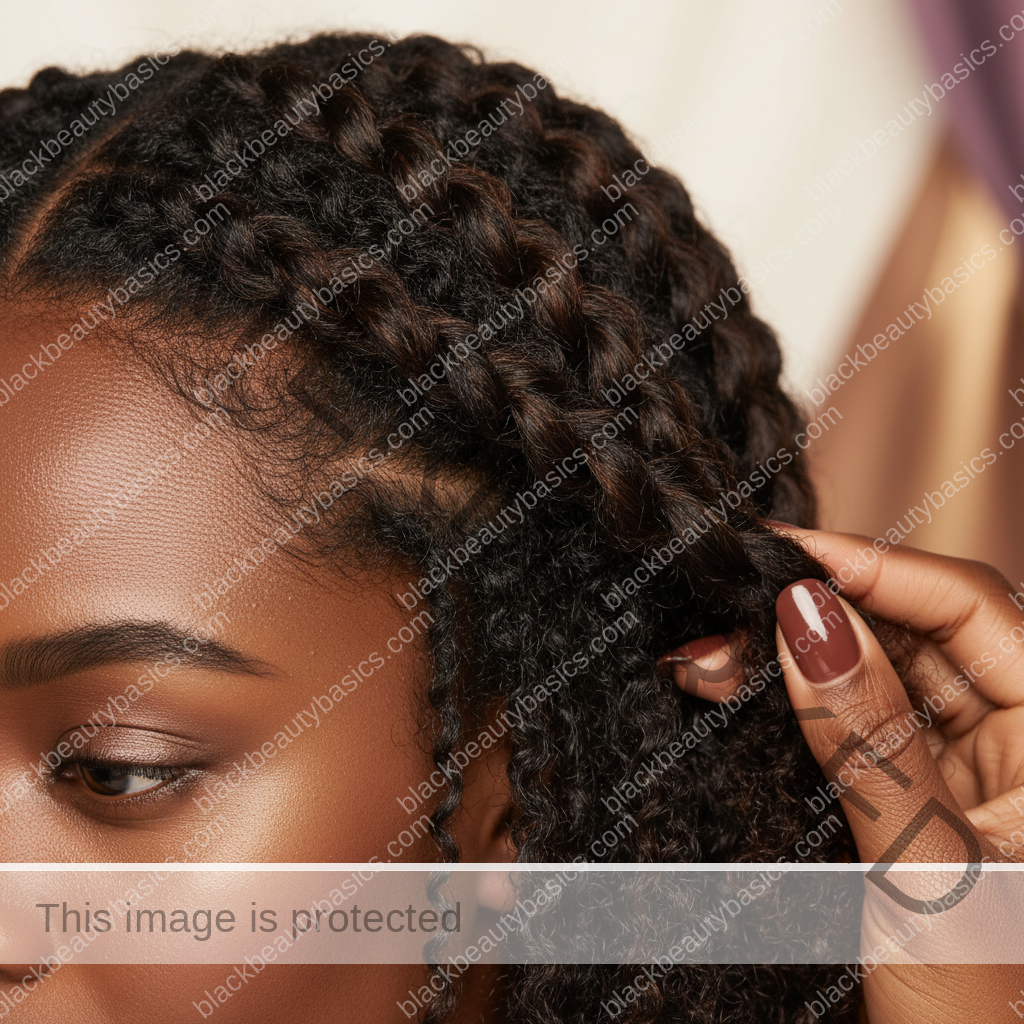
Crafting Your Cycle: How to Seamlessly Alternate Protective Styles and Rest Periods
The key to a successful hair care regimen is not rigidity, but rhythm. Alternating protective styles with rest periods should feel intuitive and empowering, not like a chore. The ideal cycle is deeply personal, influenced by your hair type, lifestyle, and styling goals. However, there are foundational principles that can guide your journey.
Understanding Your Hair’s Signals: When to Install, When to Rest
Your hair communicates its needs; we just need to learn to listen. Pay attention to these cues:
- Signs Your Hair Needs a Protective Style:
- Excessive tangling or knots
- Increased shedding or breakage during manipulation
- Feeling dry or brittle despite regular moisturizing
- You’re experiencing a busy period and need low-maintenance hair
- You’re looking to retain length and minimize daily styling
- Signs Your Hair Needs a Rest Period:
- Scalp tenderness, itching, or flaking under a protective style
- Noticeable tension or pulling, especially around the edges
- Hair feels heavy or weighed down by the protective style
- You’ve had the protective style in for the maximum recommended duration (typically 4-8 weeks)
- You notice thinning or breakage around your hairline when the style is removed
- Your hair feels limp or lifeless, even after moisturizing
The Ideal Timeline: Finding Your Personal Rhythm
While there’s no one-size-fits-all answer, general guidelines can help you establish a routine:
| Protective Style Duration | Recommended Rest Period | Considerations |
|---|---|---|
| Braids (Box Braids, Knotless, etc.) 4-8 weeks |
2-4 weeks | Longer duration requires a longer rest. Focus on deep conditioning and scalp treatments during rest. Avoid immediate re-braiding. |
| Twists (Senegalese, Havana, Marley) 4-6 weeks |
2-3 weeks | Often lighter than braids, but still require a break. Gentle detangling and protein treatments can be beneficial post-style. |
| Weaves & Wigs (Sew-ins, Glueless Wigs) 6-10 weeks (weaves), daily/weekly (wigs) |
2-4 weeks (for weaves), 1-2 days (for wigs, if worn continuously) | For weaves, focus on scalp health under the braids. For wigs, ensure your natural hair is moisturized and protected underneath. |
| Crochet Braids 4-6 weeks |
2-3 weeks | Can be lighter, but the underlying cornrows still exert tension. Ensure thorough cleansing and conditioning during rest. |
| Buns & Updos (Low-tension) 1-2 weeks |
A few days (e.g., wash day to wash day) | These are often low-tension but still involve manipulation. Allow hair to hang free or wear a loose style between washes. |
Pro Tip: Always err on the side of shorter protective style duration and longer rest periods if your hair is prone to breakage or sensitivity.
Embracing the Rest: Optimal Hair Care During Your Break
A rest period isn’t just about “doing nothing” with your hair; it’s an active phase of rejuvenation. This is where your hair truly recovers and prepares for its next protective journey.
The Rest Period Ritual: A Step-by-Step Guide
- Gentle Detangling (Pre-Wash): Before wetting your hair, apply a generous amount of pre-poo or conditioner and carefully detangle in sections using your fingers or a wide-tooth comb, working from ends to roots. This prevents matting and excessive shedding. Shop Wide-Tooth Combs on Amazon
- Clarify & Cleanse: Start with a clarifying shampoo to remove any buildup from the protective style. Follow with a moisturizing, sulfate-free shampoo. Focus on massaging your scalp to stimulate circulation. Shop Clarifying Shampoos on Amazon | Shop Sulfate-Free Shampoos on Amazon
- Deep Conditioning & Steaming: This is the cornerstone of your rest period. Apply a rich, moisturizing deep conditioner. For enhanced penetration, sit under a hooded dryer or use a hair steamer for 20-30 minutes. Alternatively, cover with a plastic cap and a warm towel. Shop Deep Conditioners on Amazon | Shop Hair Steamers on Amazon
- Protein Treatment (If Needed): If your hair feels weak, mushy, or overly elastic, incorporate a light protein treatment every 4-6 weeks during a rest period to strengthen strands. Follow with a moisturizing deep conditioner. Shop Protein Treatments on Amazon
- Scalp Care: Apply a nourishing scalp oil or serum and gently massage. This promotes blood flow and soothes any irritation. Shop Scalp Oils on Amazon
- Moisturize & Seal: Use the L.O.C. (Liquid, Oil, Cream) or L.C.O. (Liquid, Cream, Oil) method to lock in moisture. Apply a leave-in conditioner, followed by a light oil, and then a moisturizing cream. Shop Leave-In Conditioners on Amazon | Shop Hair Oils on Amazon | Shop Moisturizing Creams on Amazon
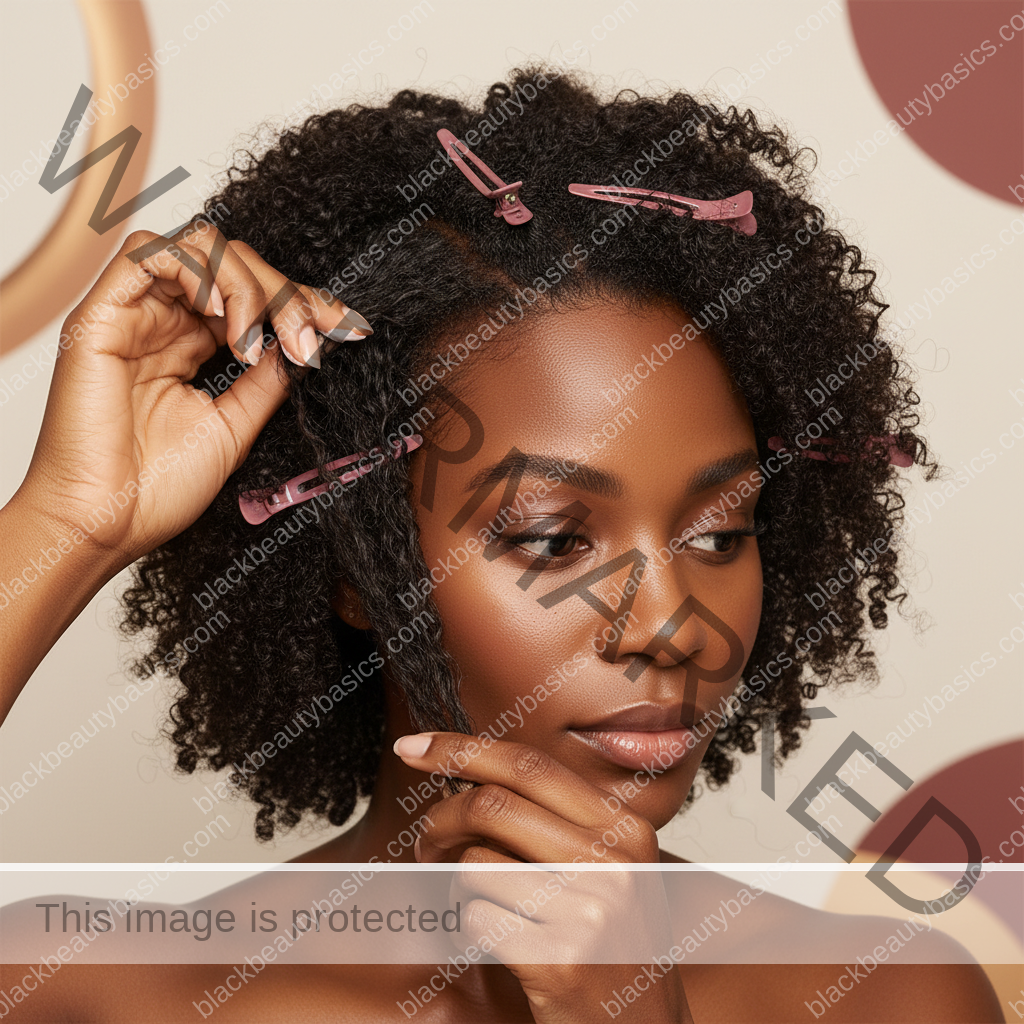
- Low-Manipulation Styling: During your rest period, opt for styles that require minimal handling. Think loose twists, Bantu knots, a simple puff, or even just letting your hair hang free. Avoid tight styles, heat, and excessive brushing.
- Trim Split Ends: If you notice split ends, this is the perfect time for a trim. Regular trims (every 3-4 months) are essential for maintaining healthy hair and preventing breakage. Shop Hair Shears on Amazon
- Nighttime Protection: Continue to protect your hair at night with a silk or satin scarf or bonnet, or sleep on a silk pillowcase to reduce friction and retain moisture. Shop Silk Bonnets on Amazon | Shop Silk Pillowcases on Amazon
Strategic Styling: Maximizing Benefits, Minimizing Damage
The art of alternating lies in making informed choices about your protective styles and how you manage them. It’s about selecting styles that truly protect, rather than just appearing to.
Choosing Your Next Protective Style Wisely
Not all protective styles are created equal, especially when it comes to tension and manipulation. Consider these factors:
- Tension Level: Opt for styles that don’t pull excessively on your scalp or edges. Knotless braids are often preferred over traditional box braids for this reason.
- Weight: Heavy styles, especially those with added hair, can cause strain. Choose lighter hair extensions if possible.
- Installation Method: Ensure your stylist uses proper techniques that prioritize scalp health and hair integrity. Communicate any discomfort immediately.
- Maintenance Needs: Some styles require more daily maintenance than others. Choose one that fits your lifestyle.
- Hair Health: If your hair is currently fragile, opt for very low-tension styles like chunky twists or flat twists on your own hair, rather than intricate styles with extensions.
Tips for a Seamless Transition Between Styles
| Phase | Key Actions | Why It Matters |
|---|---|---|
| Removal of Protective Style |
|
Prevents breakage, matting, and unnecessary hair loss. Rushing is a primary cause of damage during removal. |
| During Rest Period |
|
Allows hair and scalp to recover, replenish moisture, and strengthen before the next protective style. |
| Preparation for Next Protective Style |
|
Provides a clean, healthy foundation, reduces tangles during installation, and prevents over-tightening. |
Common Pitfalls to Avoid
- Going Too Long Between Washes: Even in protective styles, your scalp needs cleansing. Use a diluted shampoo or apple cider vinegar rinse.
- Ignoring Scalp Itchiness: Persistent itching is a sign of irritation or buildup. Address it with a soothing spray or rinse.
- Skipping Moisturizing: Protective styles still need moisture. Lightly mist with a leave-in and seal with oil.
- Re-installing Too Soon: This is a direct route to traction alopecia and weakened strands. Respect the rest period.
- Neglecting Edges: Avoid tight styles around your hairline. Use edge control sparingly and gently.
- Not Trimming Regularly: Split ends will travel up the hair shaft, causing more damage.
Your Questions Answered: Navigating the Protective Style Journey
FAQ Section
We understand that navigating the world of protective styles and rest periods can bring up many questions. Here, we address some of the most common concerns from our community.
Q1: How long should my rest period truly be?
A: The ideal rest period typically ranges from 2 to 4 weeks, but it’s highly individual. If you had a particularly long-lasting or tension-heavy protective style (like micro braids for 10+ weeks), you might need a longer break, perhaps 4-6 weeks. Conversely, if you only wore a lighter style for 3-4 weeks, a 2-week rest might suffice. Listen to your hair: if it feels weak, dry, or your scalp is sensitive, extend the rest period. Prioritize health over speed.
Q2: Can I still wear my hair out during a rest period, or should I keep it in simple styles?
A: Absolutely, you can wear your hair out! The essence of a rest period is to minimize tension and manipulation. Wearing your hair in its natural state, whether a wash-and-go, a twist-out, or simply letting it air dry, is a wonderful way to give your scalp a break and reconnect with your texture. Just ensure you’re still diligently moisturizing and protecting it at night. Low-manipulation styles like loose buns or chunky twists are also excellent options.
Q3: What if I have a special event and need to put a protective style back in sooner than recommended?
A: We understand life happens! If you absolutely must install a protective style sooner, opt for one that is very low-tension and lightweight. Consider a glueless wig that you can remove nightly, or a very loose, chunky twist style on your own hair. Avoid anything that puts significant strain on your edges or scalp. And crucially, make sure your hair has had at least one thorough wash, deep condition, and scalp treatment before the early re-installation, and commit to a longer rest period afterward.
Q4: My edges are thinning from previous protective styles. How can I recover them during a rest period?
A: Edge recovery is a common concern and requires dedicated care. During your rest period, completely avoid any styles that pull on your edges. Focus on gentle scalp massages with nourishing oils (like castor oil, peppermint, or rosemary oil) specifically around the hairline to stimulate blood flow. Use a light, non-greasy edge treatment. Be extremely gentle when cleansing and moisturizing. Consistency is key, and remember that significant regrowth can take time.
Q5: Is it okay to use heat during my rest period, like a blow dryer or flat iron?
A: While a rest period is about minimizing manipulation, occasional, low-heat styling can be acceptable for some. However, it’s generally best to avoid direct heat during this crucial recovery phase, especially if your hair is feeling fragile. If you must use heat, always apply a high-quality heat protectant and use the lowest effective temperature. Air drying or stretching methods like banding are preferred to maintain hair integrity.
Q6: What are some signs that my protective style was installed too tightly?
A: Immediate signs include a headache, scalp tenderness, small red bumps around the hair follicles, or a feeling of extreme tightness that doesn’t subside after a few hours. If you can’t move your face or eyebrows comfortably, or if your edges feel like they’re being pulled taut, the style is too tight. Do not hesitate to ask your stylist to loosen it, or remove it if the discomfort is severe and persistent. Prolonged tightness can lead to permanent damage.
Q7: Can I just wear wigs continuously instead of alternating?
A: Wigs can be a fantastic protective style, offering versatility and minimal manipulation to your natural hair. However, continuous wear still requires attention to your natural hair underneath. Ensure your hair is properly moisturized, braided flat (but not too tightly), and regularly cleansed and conditioned. Take your wig off nightly to allow your scalp to breathe, and dedicate specific days for thorough hair care. Even with wigs, your natural hair needs dedicated rest and care.
Q8: How do I know if my hair is truly “rested” and ready for another protective style?
A: Your hair is rested when your scalp feels healthy, free from tenderness or irritation. Your strands should feel soft, pliable, and well-moisturized, not dry or brittle. You should see minimal shedding during detangling, and your natural curl pattern should be vibrant and defined. Essentially, your hair should feel strong, resilient, and ready to take on the next protective journey without showing signs of stress or fatigue.
Our hair, a crown of glory, deserves nothing less than intentional, loving care. By embracing the rhythm of protective styles and restorative rest periods, we not only safeguard its health and encourage its growth but also deepen our connection to its innate beauty. Let this cycle be a testament to your commitment to self-care, a beautiful dance between protection and freedom, ensuring your magnificent strands always flourish.
How to make the routine fit your real hair and real life
For Black women with textured hair, hair-care choices can feel emotional because they sit at the intersection of identity, time, styling expectations, budget, and all the advice we have been given about what our hair “should” do. This guide focuses on planning protective styles and rest periods around tension, scalp access, moisture, takedown recovery, and hairline comfort, while keeping the related BBB natural-hair cluster as the home base. The goal is not to force every curl, coil, kink, or section into the same behavior. The goal is to build a routine that protects the hair you actually have.
Start with your real constraints. How much time do you have? How much energy do you usually have on wash day? Does your hair dry quickly, stay wet for hours, tangle at the ends, frizz at the crown, shrink tightly, or lose moisture by day two? These details are not excuses. They are design information for a routine that can last longer than one motivated weekend.
The strongest routine is usually the one that keeps handling gentle, makes detangling easier, protects the ends, and respects your lifestyle. A routine can be beautiful and still simple. It can be polished and still low manipulation. It can include products without making products the whole personality of the plan.
What to notice gently
- Where your hair tangles first: ends, nape, crown, edges, or interior sections.
- How your hair responds to water, conditioner, gels, creams, oils, and drying time.
- Which steps leave your hair softer, rougher, stretched, shrunken, defined, or weighed down.
- How much manipulation your schedule and strands can realistically handle.
- What improves the style without making wash day feel impossible.
What usually makes natural-hair routines harder than they need to be
The first challenge is trying to copy a routine that was built for a different head of hair. Even within the same family, one person may need more water, another may need lighter layers, and another may need more stretch before styling. Texture charts can give language, but your own hair gives better instructions.
The second challenge is doing too many corrective steps at once. A new shampoo, deep conditioner, protein treatment, gel, oil, brush, and drying method can make it impossible to tell what actually helped. For textured hair, small changes are often easier to read and easier to repeat.
The third challenge is letting frustration set the pace. When hair feels dry, undefined, tangled, or unpredictable, it is tempting to keep adding product or handling it more. Often the better move is to slow down, add water where appropriate, work in sections, protect the ends, and choose a style that meets the week you are actually in.
What to do next
Keep this article connected to the Natural Hair Care & Protective Styles system. Use the related guides below to decide whether your next step is a better wash day, a moisture/protein reset, a lower-manipulation style, or a gentler approach to stretching and definition.
- Natural Hair Care & Protective Styles
- The related natural-hair cluster guide
- protective styles strategy
- prepping before braids or twists
- taking down braids without losing length
- wig routine that protects real hair
How to keep the routine gentle enough to repeat
A good routine should not require you to be a different person every week. If your schedule is full, choose fewer sections, a simpler style, or a wash day split across two smaller windows. If your hands get tired, detangle more slowly, use clips, and stop before frustration turns into rough handling. Your hair does not benefit from being rushed through pain.
Photos and notes can help, but they should support you rather than make you obsess. Track how your hair feels after wash day, how long the style lasts, which areas dry first, and what makes detangling easier. Over time, those small observations are more useful than chasing every trend.
If a product burns, causes persistent itching, makes shedding feel sudden, or leaves your scalp uncomfortable, pause it. If breakage, pain, bald patches, or scalp symptoms continue, get professional care. Natural hair care can be home-centered and still know when to ask for support.
Most importantly, do not let shame run the routine. Black hair does not need to be looser, shinier, or easier to be worthy of care. The best plan is the one that helps your hair feel respected in the life you are actually living.
Related next steps
Related posts:
 Mastering the Art of Natural Hair Prep: Your Ultimate Guide to Protective Styles Without Breakage
 How to Take Down Protective Styles Without Excess Shedding: A Comprehensive Guide to Healthy Hair Retention
 Combining Low-Manipulation Styling With Protective Styles and Trims: A Holistic Approach to Natural Hair Retention
 Travel Hair Routine for Natural Hair and Protective Styles
 Protective Styles That Actually Protect: Braids, Twists, Wigs, and Maintenance for Thriving Natural Hair
 Planning Style Rotation, Tension Levels, and “Scalp Rest” for Healthy Hair Retention