Our crowns, rich with coils and curls, are a testament to our strength and beauty. Yet, sometimes, an unseen adversary can threaten their vibrancy and health: hard water. For countless Black women navigating life in areas where tap water is laden with minerals, maintaining a luscious, hydrated natural mane can feel like an uphill battle. But fear not, for understanding is the first step to empowerment, and with the right routine, your hair can thrive, even in the face of mineral buildup. Start with the related BBB natural-hair cluster guide if you want the broader map.
Embracing Your Crown: Understanding Hard Water’s Impact on Natural Hair
The journey of natural hair is deeply personal, a celebration of heritage and self-expression. However, environmental factors, such as the water we use, can significantly influence its health and appearance. Hard water, characterized by high concentrations of dissolved minerals like calcium and magnesium, poses a unique challenge for textured hair, often leading to dullness, dryness, and breakage. At Black Beauty Basics, we believe in equipping you with the knowledge and tools to overcome these hurdles, ensuring your natural beauty shines through, unburdened.
What is Hard Water and Why Does it Matter for Black Hair?
Hard water is a common phenomenon in many regions, resulting from water percolating through deposits of limestone and chalk, which are rich in calcium and magnesium. While these minerals are harmless for consumption, their impact on our hair is a different story. For Black women, whose natural hair textures (coily, kinky, curly) are inherently more prone to dryness due to their unique structure and the way natural oils travel down the hair shaft, hard water exacerbates these issues.
The mineral ions in hard water react with the ingredients in shampoos and conditioners, forming a scummy residue that doesn’t rinse away easily. This residue builds up on the hair shaft, creating a barrier that prevents moisture from penetrating and sealing the cuticle. The result? Hair that feels rough, looks dull, is difficult to detangle, and is more susceptible to breakage. Over time, this buildup can also lead to scalp irritation, flakiness, and even hinder hair growth.
Identifying Hard Water: Signs Your Hair is Suffering
Before you can combat the effects of hard water, you must first confirm its presence. While a professional water test can give you definitive answers, your hair and home often provide tell-tale signs:
- Dull, Lifeless Hair: Your usually vibrant curls appear lackluster and lack shine.
- Dryness and Brittleness: Hair feels rough to the touch, is difficult to moisturize, and breaks easily during styling or detangling.
- Product Buildup: Even after washing, your hair feels coated, heavy, or greasy, and your styling products don’t seem to work as effectively.
- Scalp Irritation: Itchy, flaky, or dry scalp, despite regular cleansing.
- Difficulty Lathering: Your shampoo doesn’t produce a rich lather, requiring more product than usual.
- Fading Hair Color: If you color your hair, hard water can accelerate fading and alter the tone.
- Soap Scum in Your Shower: White or yellowish residue on showerheads, faucets, and tiles.
- Spotty Dishes: Even after washing, dishes may have water spots.
If these symptoms resonate with your experience, it’s highly probable that hard water is impacting your natural hair journey. But rest assured, with a tailored approach, your coils can reclaim their glory.
The Essential Hard Water Natural Hair Routine: A Step-by-Step Guide
Crafting a routine specifically designed to counteract hard water’s effects is paramount. This isn’t just about adding products; it’s about strategic cleansing, targeted conditioning, and protective measures that safeguard your strands. Here’s a comprehensive, luxurious guide to nurturing your natural hair in hard water areas.
Step 1: The Pre-Poo Ritual – Your First Line of Defense
Before your wash day even begins, a pre-poo treatment can make a world of difference. This step helps to protect your hair from the stripping effects of hard water and cleansing agents, providing a nourishing barrier. Opt for rich, penetrating oils that can soften and detangle, making the subsequent washing process gentler.
Choosing Your Pre-Poo
- Penetrating Oils: Coconut oil, olive oil, and avocado oil are excellent choices. They penetrate the hair shaft, reducing hygral fatigue and providing a protective layer.
- Herbal Infusions: Consider pre-poo treatments infused with herbs known for their chelating or clarifying properties, like apple cider vinegar or hibiscus, in a diluted form.
Application: Section your hair and generously apply your chosen pre-poo from root to tip. Gently detangle with your fingers or a wide-tooth comb. Cover with a plastic cap for at least 30 minutes, or even overnight, to allow the oils to deeply penetrate. Shop Natural Hair Pre-Poo Oil on Amazon
Step 2: Chelating Shampoo – The Mineral Eraser
This is the cornerstone of your hard water routine. Chelating shampoos are specifically formulated with ingredients that bind to mineral ions (like EDTA, phytic acid, or sodium gluconate) and effectively remove them from your hair. Unlike regular clarifying shampoos, which primarily remove product buildup, chelating shampoos target the mineral deposits left by hard water.
How Often to Use
While powerful, chelating shampoos can be drying if used too frequently. For most, incorporating a chelating shampoo once every 2-4 weeks is sufficient. Listen to your hair; if it feels particularly coated or dull, you might need it sooner. On other wash days, a moisturizing, sulfate-free shampoo is ideal.
Application: Thoroughly wet your hair. Apply a generous amount of chelating shampoo, focusing on the scalp and working it down the hair shaft. Allow it to sit for 2-5 minutes before rinsing thoroughly with the warmest water your scalp can comfortably tolerate. This helps to open the cuticles and ensure effective cleansing. Shop Natural Hair Chelating Shampoo on Amazon
Step 3: Deep Conditioner – Intense Hydration and Repair
After a chelating wash, your hair will be clean, but potentially stripped of some moisture. This is where a rich, hydrating deep conditioner comes in. Deep conditioning is non-negotiable for natural hair, especially when combating hard water. It replenishes moisture, strengthens the hair shaft, and improves elasticity.
Key Ingredients to Look For
- Humectants: Glycerin, hyaluronic acid, aloe vera to draw moisture into the hair.
- Emollients: Shea butter, cocoa butter, various plant oils (jojoba, argan, grapeseed) to soften and smooth.
- Proteins: Hydrolyzed wheat protein, keratin, silk amino acids to strengthen and repair (use sparingly if your hair is protein-sensitive).
Application: After rinsing out your shampoo, gently squeeze excess water from your hair. Section your hair and apply the deep conditioner generously, ensuring every strand is coated. For maximum penetration, cover your hair with a plastic cap and apply indirect heat (using a hooded dryer or steamer) for 15-30 minutes. Rinse thoroughly with cool water to seal the cuticles and lock in moisture. Shop Natural Hair Deep Conditioner on Amazon
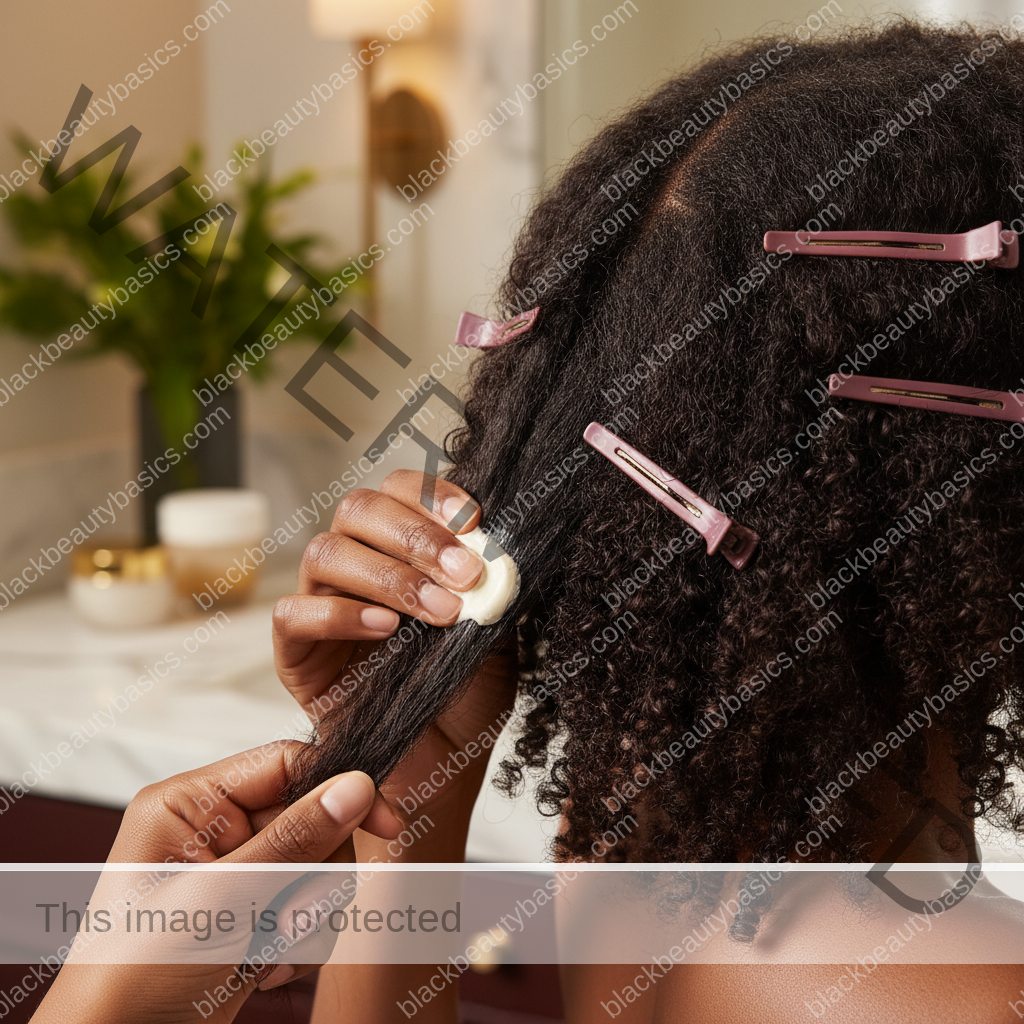
Step 4: Leave-In Conditioner – Your Daily Moisture Shield
A good leave-in conditioner is vital for maintaining moisture levels between wash days, especially in hard water environments. It acts as a protective layer, providing continuous hydration and making your hair more manageable for styling.
Choosing the Right Leave-In
Look for lightweight, water-based formulas that provide slip and moisture without weighing down your hair. Ingredients like aloe vera, botanical extracts, and light oils are excellent. Shop Natural Hair Leave-In Conditioner on Amazon
Application: Apply to damp hair after deep conditioning, or as needed on dry hair to refresh. Distribute evenly through sections, ensuring full coverage.
Step 5: Sealing Oil or Cream – Locking in the Goodness
The LOC (Liquid, Oil, Cream) or LCO (Liquid, Cream, Oil) method is a beloved technique for natural hair, and it’s particularly effective in hard water areas. After applying your leave-in (liquid), follow with an oil and then a cream (or vice-versa) to seal in the moisture.
Oil Choices
- Sealing Oils: Jojoba oil, argan oil, grapeseed oil, and castor oil are excellent for sealing.
- Butters/Creams: Shea butter, mango butter, or a rich styling cream provide additional moisture and hold.
Application: Apply a small amount of your chosen oil, focusing on the ends of your hair, then follow with a cream. This layering technique creates a protective barrier that helps your hair retain moisture for longer. Shop Natural Hair Sealing Oil on Amazon Shop Natural Hair Styling Cream on Amazon
Step 6: Protective Styling – Minimizing Exposure and Manipulation
Protective styles are always a friend to natural hair, but even more so when dealing with hard water. Styles like braids, twists, buns, and cornrows minimize daily manipulation and reduce your hair’s direct exposure to hard water during subsequent washes (if you’re not fully wetting your hair). They also help to retain moisture and prevent breakage.
Tip: When refreshing protective styles, use a spray bottle with distilled or filtered water mixed with a leave-in conditioner instead of tap water. Shop Natural Hair Braiding Gel on Amazon
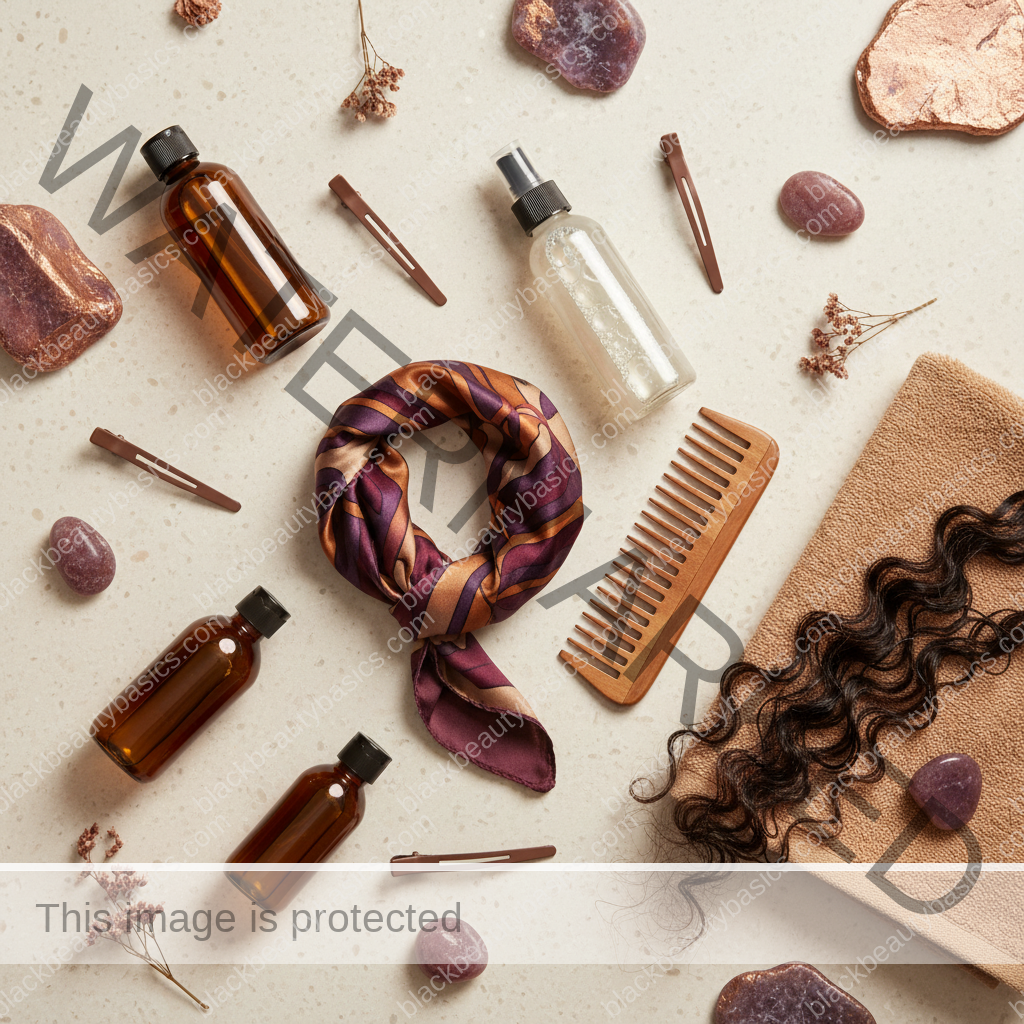
Advanced Strategies & Tools for Hard Water Warriors
Beyond your routine, several tools and lifestyle adjustments can provide additional layers of protection and care for your natural hair.
The Power of a Shower Filter
Installing a shower filter is arguably the most impactful investment you can make if you live in a hard water area. These filters attach directly to your showerhead and work to neutralize or reduce the mineral content in your water before it even touches your hair. This proactive approach significantly lessens mineral buildup and allows your products to work more effectively.
Types to Consider:
- KDF Filters: Use a copper-zinc medium to reduce chlorine and heavy metals.
- Carbon Filters: Excellent for removing chlorine and some organic compounds.
- Multi-Stage Filters: Combine several filtration media for comprehensive purification.
While some filters claim to soften water, their primary benefit for hair is often the reduction of chlorine and other harsh chemicals, which also contribute to dryness and damage. Shop Shower Filter for Hard Water on Amazon
Apple Cider Vinegar (ACV) Rinses: Nature’s Clarifier
An ACV rinse is a fantastic natural remedy for removing buildup and balancing your scalp’s pH. The acetic acid in ACV helps to dissolve mineral deposits and close the hair cuticles, leading to shinier, smoother hair.
How to Use: Mix 1 part apple cider vinegar with 2-3 parts distilled water. After shampooing and before deep conditioning, pour the mixture over your scalp and hair. Gently massage and let it sit for 2-3 minutes. Rinse thoroughly. Use this rinse once every 2-4 weeks, or as needed. Shop Apple Cider Vinegar for Hair on Amazon
Distilled or Filtered Water for Rinsing
For those who want to go the extra mile, especially for the final rinse, using distilled or highly filtered water can make a noticeable difference. This ensures that the last contact your hair has is with pure, mineral-free water, sealing in all the goodness from your conditioning treatments.
Method: Keep a large jug of distilled water in your shower. After deep conditioning and rinsing with tap water, do a final rinse with the distilled water. This is particularly beneficial for sealing the cuticle and enhancing shine. Shop Distilled Water for Hair on Amazon
Regular Trims: The Health of Your Ends
Hard water can make your ends particularly vulnerable to dryness and split ends. Regular trims (every 3-4 months) are crucial for maintaining the overall health and integrity of your hair. Removing damaged ends prevents breakage from traveling up the hair shaft, ensuring your hair retains its length and vitality.
Comparison Tables: Choosing Your Hard Water Arsenal
Chelating Shampoo vs. Clarifying Shampoo
Understanding the difference between these two types of cleansers is key to effectively combating hard water.
| Feature | Chelating Shampoo | Clarifying Shampoo |
|---|---|---|
| Primary Target | Mineral buildup (calcium, magnesium, copper, iron) from hard water. | Product buildup (silicones, oils, butters) and environmental impurities. |
| Key Ingredients | EDTA, Phytic Acid, Sodium Gluconate, Citric Acid. | Stronger surfactants (e.g., Sodium Laureth Sulfate), often contains salicylic acid. |
| Frequency of Use | Every 2-4 weeks, or as needed. | Every 1-2 weeks, or as needed. |
| Benefit for Hard Water | Directly removes mineral deposits, restoring softness and shine. | Removes product buildup which can trap minerals, but doesn’t chelate minerals directly. |
| Potential for Dryness | Can be drying if overused due to strong mineral removal. | Can be drying if overused due to strong cleansing agents. |
| Recommended for Hard Water | Highly Recommended (essential for mineral removal). | Recommended for general buildup, but not a direct solution for minerals. |
Hard Water Damage vs. Product Buildup
It’s easy to confuse the symptoms, but recognizing the specific culprit helps you choose the right treatment.
| Symptom | Hard Water Damage | Product Buildup |
|---|---|---|
| Hair Feel | Rough, stiff, brittle, dry, straw-like, coated. | Heavy, greasy, sticky, dull, sometimes flaky. |
| Appearance | Dull, lack of shine, faded color, sometimes a reddish or greenish tint. | Dull, lifeless, lack of definition, white flakes/residue. |
| Manageability | Difficult to detangle, prone to breakage, resistant to moisture. | Difficult to style, products don’t absorb, feels weighed down. |
| Scalp Issues | Dry, itchy, flaky scalp, potential irritation. | Itchy scalp, clogged pores, sometimes pimples. |
| Response to Products | Moisturizers don’t seem to penetrate or last. | Styling products don’t hold, hair feels dirty quickly. |
| Primary Solution | Chelating shampoos, shower filters, ACV rinses. | Clarifying shampoos, gentle scrubbing, thorough rinsing. |
Expert Tips for Thriving in Hard Water Areas
Beyond the routine, these curated tips will elevate your hard water hair care strategy:
- Always Follow with Deep Conditioning: After any chelating or clarifying treatment, a deep conditioner is non-negotiable to restore moisture and elasticity.
- Limit Heat Styling: Hard water-damaged hair is already prone to dryness and breakage. Minimize heat styling to prevent further stress. If you must use heat, always apply a high-quality heat protectant. Shop Natural Hair Heat Protectant on Amazon
- Invest in Satin or Silk: Sleep on a satin pillowcase or wear a satin bonnet to reduce friction and moisture loss, which is especially important for hair already battling dryness. Shop Satin Bonnet for Natural Hair on Amazon
- Stay Hydrated Internally: Drinking plenty of water supports overall health, including the health of your hair from within.
- Be Gentle During Detangling: Hard water can make hair more tangled and brittle. Always detangle on wet, conditioned hair with a wide-tooth comb or your fingers, working from ends to roots. Shop Wide-Tooth Comb for Natural Hair on Amazon
- Consider a Water Softener for Your Home: While a larger investment, a whole-house water softener provides the most comprehensive solution to hard water, benefiting not just your hair but your skin, appliances, and plumbing.
- Patch Test New Products: Always test new products on a small section of hair first, especially chelating shampoos, to see how your hair reacts.
- Listen to Your Hair: Your hair will tell you what it needs. Pay attention to its texture, elasticity, and shine to adjust your routine accordingly.
How to make the routine fit your real hair and real life
For Black women with textured hair, hair-care choices can feel emotional because they sit at the intersection of identity, time, styling expectations, budget, and all the advice we have been given about what our hair “should” do. This guide focuses on adjusting natural hair care for hard water, dryness, mineral buildup, dullness, tangles, wash day feel, and travel or rental limitations, while keeping the related BBB natural-hair cluster as the home base. The goal is not to force every curl, coil, kink, or section into the same behavior. The goal is to build a routine that protects the hair you actually have.
Start with your real constraints. How much time do you have? How much energy do you usually have on wash day? Does your hair dry quickly, stay wet for hours, tangle at the ends, frizz at the crown, shrink tightly, or lose moisture by day two? These details are not excuses. They are design information for a routine that can last longer than one motivated weekend.
The strongest routine is usually the one that keeps handling gentle, makes detangling easier, protects the ends, and respects your lifestyle. A routine can be beautiful and still simple. It can be polished and still low manipulation. It can include products without making products the whole personality of the plan.
What to notice gently
- Where your hair tangles first: ends, nape, crown, edges, or interior sections.
- How your hair responds to water, conditioner, gels, creams, oils, and drying time.
- Which steps leave your hair softer, rougher, stretched, shrunken, defined, or weighed down.
- How much manipulation your schedule and strands can realistically handle.
- What improves the style without making wash day feel impossible.
What usually makes natural-hair routines harder than they need to be
The first challenge is trying to copy a routine that was built for a different head of hair. Even within the same family, one person may need more water, another may need lighter layers, and another may need more stretch before styling. Texture charts can give language, but your own hair gives better instructions.
The second challenge is doing too many corrective steps at once. A new shampoo, deep conditioner, protein treatment, gel, oil, brush, and drying method can make it impossible to tell what actually helped. For textured hair, small changes are often easier to read and easier to repeat.
The third challenge is letting frustration set the pace. When hair feels dry, undefined, tangled, or unpredictable, it is tempting to keep adding product or handling it more. Often the better move is to slow down, add water where appropriate, work in sections, protect the ends, and choose a style that meets the week you are actually in.
What to do next
Keep this article connected to the Natural Hair Care & Protective Styles system. Use the related guides below to decide whether your next step is a better wash day, a moisture/protein reset, a lower-manipulation style, or a gentler approach to stretching and definition.
- Natural Hair Care & Protective Styles
- The related natural-hair cluster guide
- environment and lifestyle adaptations
- travel hair routine
- high-porosity wash day
- low-porosity wash day
Frequently Asked Questions About Natural Hair and Hard Water
Q1: Can hard water cause hair loss?
While hard water doesn’t directly cause hair loss in the same way certain medical conditions do, the mineral buildup can lead to a dry, irritated scalp and brittle hair. This can result in increased breakage and a less healthy environment for hair growth, potentially contributing to the appearance of thinning or reduced density over time. Addressing hard water issues can improve scalp health and reduce breakage, promoting healthier hair growth.
Q2: How often should I use a chelating shampoo?
For most individuals in hard water areas, using a chelating shampoo once every 2-4 weeks is sufficient. If your hair feels particularly dull, stiff, or coated, you might use it slightly more frequently, perhaps every two weeks. However, always follow up with a deep conditioner to restore moisture, as chelating shampoos can be drying. Listen to your hair’s needs and adjust accordingly.
Q3: Are there DIY remedies for hard water hair?
Yes, apple cider vinegar (ACV) rinses are a popular and effective DIY remedy. Mix 1 part ACV with 2-3 parts distilled water and use it as a rinse after shampooing to help dissolve mineral buildup and balance pH. Lemon juice can also be used similarly, but be cautious as it can lighten hair over time, especially when exposed to sunlight. These are great supplemental treatments but may not fully replace a dedicated chelating shampoo for severe buildup.
Q4: Will a regular clarifying shampoo work instead of a chelating shampoo?
While a clarifying shampoo will remove product buildup, it typically doesn’t contain the specific chelating agents (like EDTA) needed to bind and remove hard water minerals effectively. Think of it this way: a clarifying shampoo cleans the surface, while a chelating shampoo specifically targets the embedded mineral deposits. For true hard water issues, a chelating shampoo is more effective.
Q5: How long does it take to see results after starting a hard water routine?
You may notice an immediate difference in your hair’s softness and shine after the first chelating wash and deep conditioning treatment. However, significant improvement in overall hair health, reduced breakage, and consistent moisture retention can take several weeks to a few months, as your hair gradually recovers from previous damage and adapts to the new routine. Consistency is key.
Q6: Can hard water affect my hair color?
Absolutely. The minerals in hard water, particularly iron and copper, can react with hair dyes, causing them to fade prematurely or even shift in tone. Iron can give hair a reddish or orange tint, while copper can lead to green discoloration, especially in lighter or blonde hair. Using a shower filter and chelating shampoos can help preserve your hair color’s vibrancy.
Q7: Is it possible to completely reverse hard water damage?
While you can’t “reverse” damage to the point of making it as if it never happened, you can significantly mitigate the effects and restore your hair to a much healthier state. Consistent use of a hard water-specific routine, including chelating treatments, deep conditioning, and protective measures like shower filters, can remove buildup, improve moisture, elasticity, and shine, making your hair look and feel dramatically better.
For refreshing your hair, especially if you’re not using a shower filter, it’s best to use distilled water or filtered water mixed with a small amount of leave-in conditioner. This avoids reintroducing minerals onto your hair and helps maintain moisture without contributing to buildup.
Embrace Your Radiance, Unburdened
Your natural hair is a crown, a symbol of resilience and beauty that deserves to be celebrated and nurtured. While hard water presents a unique challenge, it is not an insurmountable one. By understanding its impact and adopting a dedicated, luxurious routine, you can transform your hair from dull and dry to vibrant, soft, and beautifully defined. Let your coils and curls flourish, unburdened by minerals, and shine with the brilliance that is uniquely yours. At Black Beauty Basics, we are here to guide you on this journey, empowering you to embrace every facet of your magnificent self.
Related next steps
Related posts:
 Common Flare Patterns and Body Areas in Black Women and Children
 Body Care Routines That Support Fading Dark Areas Over Time
 Fabrics and Clothing Choices for Itchy or HS-Prone Areas
 Mastering Seasonal Shifts: The Ultimate Winter vs. Summer Natural Hair Routine for Black Women
 Travel Hair Routine for Natural Hair and Protective Styles
 Wash Day Routine for High-Porosity Natural Hair