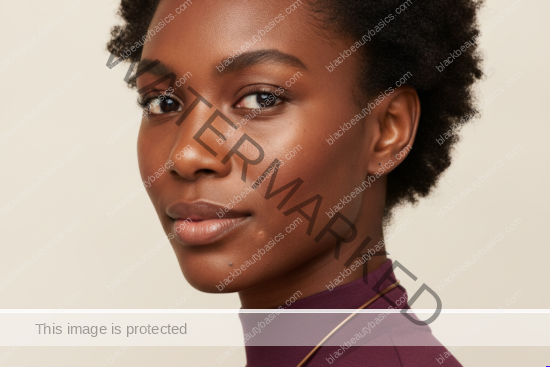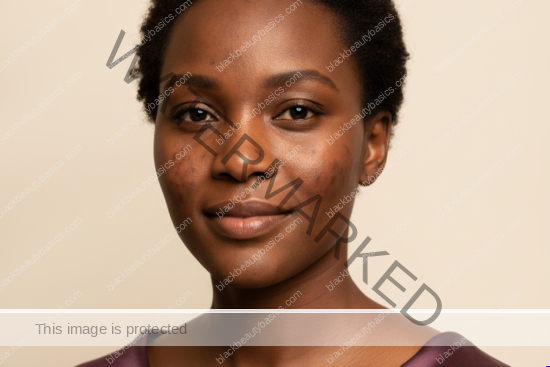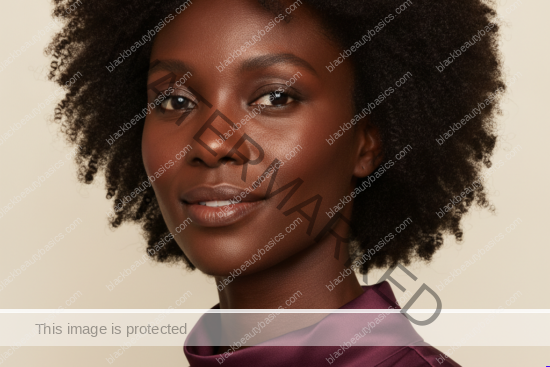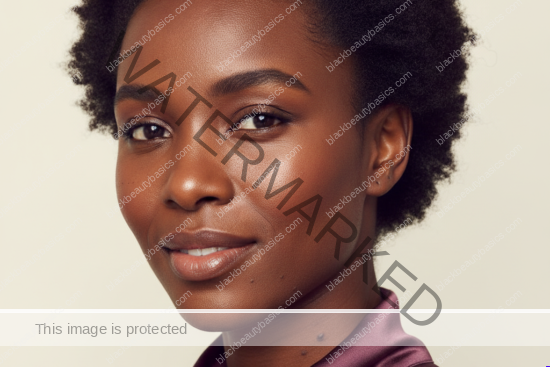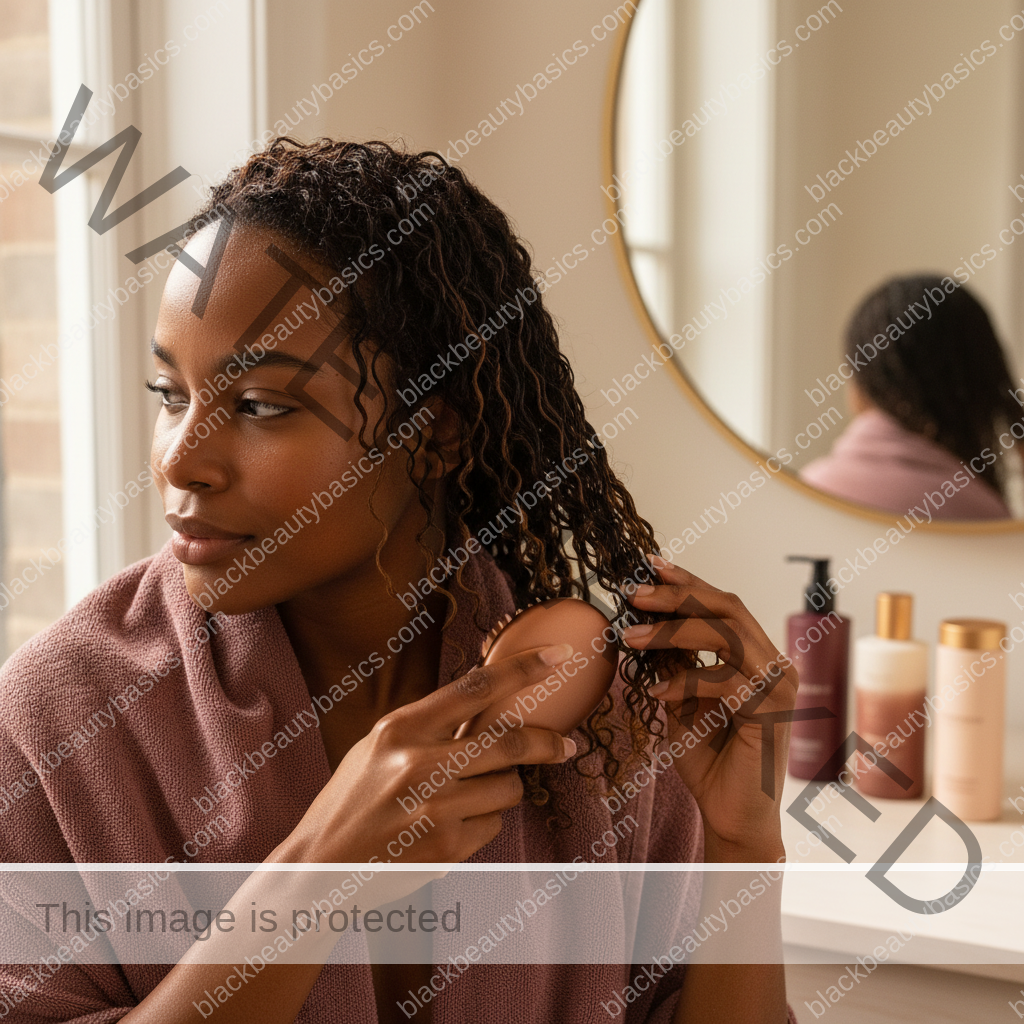
For the discerning woman of color, our coils and curls are more than just hair; they are a crown, a statement, and a heritage. Yet, the journey to truly thriving natural hair often feels like a complex dance, especially when navigating the unique characteristics of low-porosity strands. This comprehensive guide is crafted to illuminate the path, transforming your wash day from a chore into a luxurious ritual that deeply nourishes and celebrates your magnificent mane. Start with the related BBB natural-hair cluster guide if you want the broader map.

Unlocking the Mystery: Understanding Low-Porosity Natural Hair
Before we dive into the ritual, let’s truly understand the star of our show: low-porosity natural hair. This hair type is characterized by tightly bound cuticles that lie flat, making it difficult for moisture to penetrate the hair shaft. While this means your hair retains moisture once it’s in, getting it there can be a challenge. Understanding this fundamental characteristic is the first step towards a wash day routine that truly works for you.
What is Low Porosity, and Why Does it Matter?
Imagine your hair strand as a shingled roof. For low-porosity hair, these “shingles” (cuticles) are tightly closed and overlapping. This structure makes your hair resilient and less prone to damage from chemical treatments, but it also means water and products struggle to get past this protective barrier. This can lead to product buildup sitting on the surface, rather than being absorbed, and hair that feels dry despite frequent conditioning.
Signs You Have Low-Porosity Hair
- Product Buildup: Products tend to sit on your hair rather than absorbing, leaving a greasy or coated feeling.
- Slow to Wet: Your hair takes a long time to get fully saturated with water during washing.
- Slow to Dry: Once wet, your hair takes an exceptionally long time to air dry.
- Lack of Luster: Hair can appear dull or lack shine, even after conditioning.
- Resistant to Color/Chemicals: Your hair may not readily take color or respond to chemical treatments.
- Water Test: A strand of your hair floats on top of a glass of water for several minutes before sinking (if at all).
The Science Behind the Struggle: Why Low Porosity Needs a Special Approach
The tightly closed cuticles of low-porosity hair are a blessing and a curse. They protect the inner cortex, making your hair stronger and less susceptible to environmental damage. However, this protective barrier also makes it resistant to moisture. Traditional wash day routines designed for high-porosity hair (which has open cuticles that readily absorb and lose moisture) will often fall short, leading to frustration, dryness, and a feeling that your hair simply “doesn’t cooperate.” Our approach will focus on gently opening those cuticles and using products that are specifically formulated to penetrate and nourish.
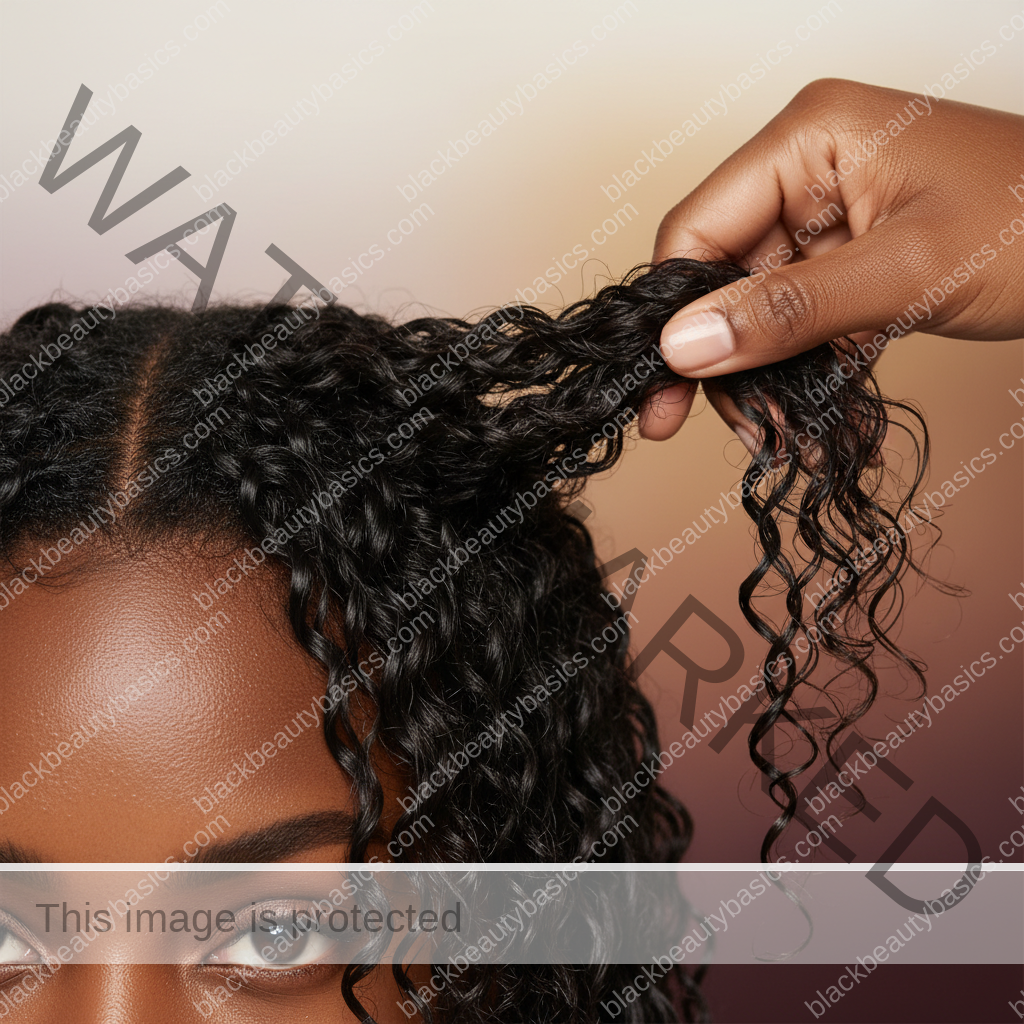
The Elevated Wash Day Routine for Low-Porosity Natural Hair
This is not just a routine; it’s a meticulously crafted ritual designed to honor your low-porosity strands, ensuring they receive the hydration and care they deserve. Each step is purposeful, aiming to gently encourage moisture absorption without causing buildup.
Step 1: Pre-Poo – The Essential Primer for Penetration
The pre-poo is non-negotiable for low-porosity hair. It acts as a protective barrier, preventing your shampoo from stripping too much natural oil, and more importantly, it’s an opportunity to infuse moisture and nutrients *before* the cleansing process. The goal is to soften the hair and gently lift the cuticles, preparing them for subsequent steps.
Choosing Your Pre-Poo Powerhouses
- Lightweight Oils: Opt for oils known for their smaller molecular structure, which can more easily penetrate the hair shaft. Think grapeseed, jojoba, sweet almond, or argan oil. Avoid heavy oils like castor oil at this stage, as they can sit on the surface.
- Aloe Vera Gel: A fantastic humectant that draws moisture into the hair.
- Lightweight Conditioners: Some prefer a light, silicone-free conditioner as a pre-poo.
The Pre-Poo Application Ritual
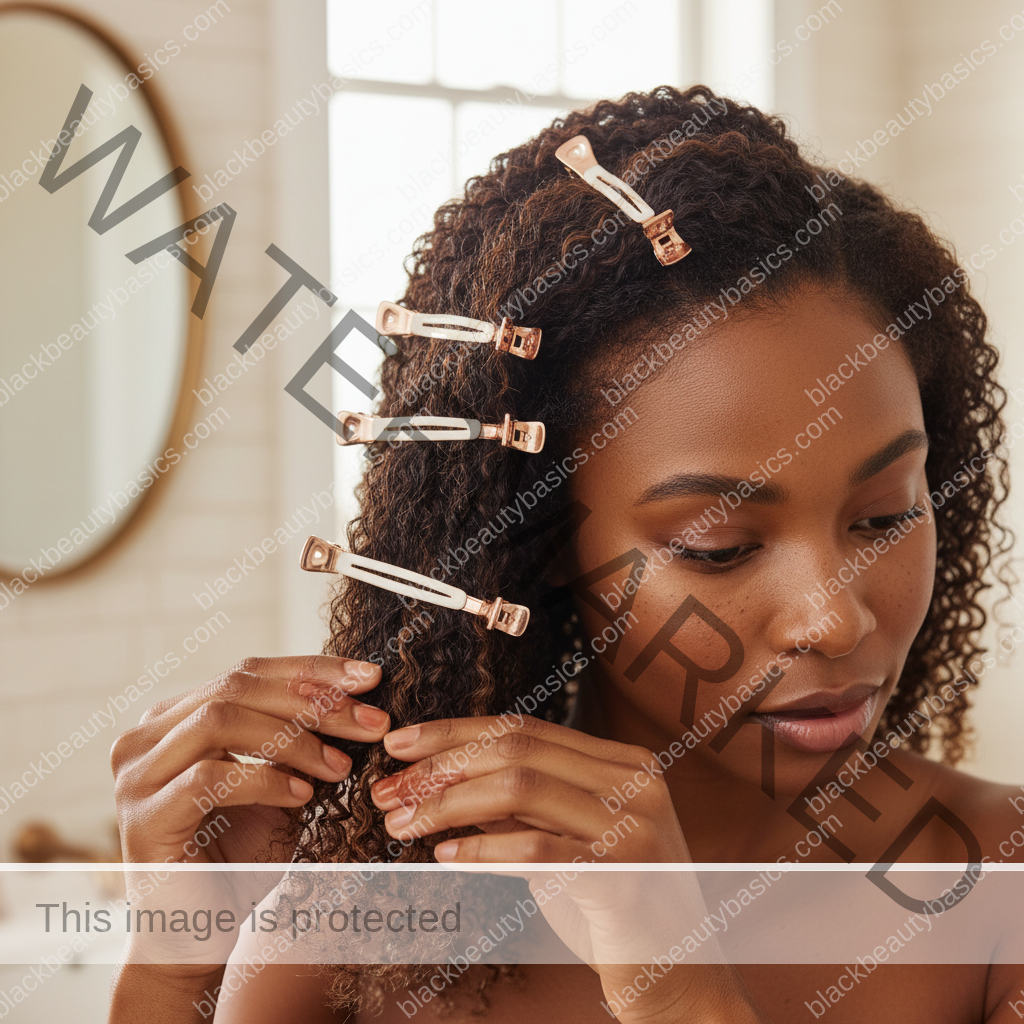
- Sectioning: Divide your hair into 4-6 manageable sections. This ensures even distribution.
- Dampen (Optional but Recommended): Lightly spritz each section with warm water. Warmth helps to gently lift the cuticles.
- Apply Generously: Work your chosen pre-poo through each section, focusing on the ends, which are the oldest and most fragile parts of your hair.
- Detangle Gently: Use your fingers or a wide-tooth comb to carefully detangle while the pre-poo provides slip.
- Heat Activation: Cover your hair with a plastic cap and apply indirect heat for 15-30 minutes. A hooded dryer or a warm towel wrapped around the cap will work wonders. This gentle heat opens the cuticles, allowing the pre-poo to penetrate deeper.
Shop Lightweight Pre-Poo Oils on Amazon
Step 2: Cleansing – The Art of Purity Without Stripping
Cleansing low-porosity hair requires a delicate balance. You need to effectively remove product buildup that tends to accumulate on the surface, but without stripping the hair of its precious natural oils. Sulfate-free, clarifying shampoos are your allies, used strategically.
Selecting Your Cleansing Elixirs
- Sulfate-Free Shampoos: Always. Sulfates are too harsh for low-porosity hair and will lead to dryness.
- Clarifying Shampoos (Strategic Use): Use a gentle clarifying shampoo once a month or every 4-6 weeks to remove stubborn buildup. Look for ingredients like apple cider vinegar or witch hazel.
- Co-Washes (Limited Use): While popular, co-washes can contribute to buildup on low-porosity hair. Use sparingly, perhaps between full washes, if your hair feels particularly dry but not dirty.
The Cleansing Technique
- Rinse Thoroughly: Before applying shampoo, thoroughly rinse your hair with warm water for several minutes. This helps to loosen dirt and product buildup and further open the cuticles.
- Apply to Scalp First: Focus the shampoo primarily on your scalp, where most of the oil and buildup reside. Gently massage with your fingertips (not nails!).
- Work Downwards: Allow the suds to run down the length of your hair, gently squeezing through. Avoid vigorous scrubbing of the hair strands themselves.
- Rinse, Rinse, Rinse: Rinse thoroughly with warm water until your hair feels completely clean and free of shampoo residue.
- Second Lather (If Needed): If you used a lot of products or haven’t washed in a while, a second, smaller lather might be necessary.
Shop Sulfate-Free Shampoos on Amazon
Step 3: Deep Conditioning – The Heart of Hydration
This is where low-porosity hair truly gets its drink. Deep conditioning is crucial for infusing lasting moisture and strengthening the hair shaft. Heat is your best friend here, as it helps those stubborn cuticles to open and absorb the goodness.
Choosing Your Deep Conditioning Treasures
- Humectant-Rich Formulas: Look for ingredients like glycerin, honey, aloe vera, and hyaluronic acid, which draw moisture from the air into your hair.
- Protein-Free or Balanced Protein: Low-porosity hair can be sensitive to too much protein, leading to stiffness. Opt for protein-free deep conditioners or those with hydrolyzed proteins (smaller molecules) listed lower on the ingredient list.
- Lightweight but Potent: Avoid overly thick, heavy conditioners that will just sit on the surface.
The Deep Conditioning Ritual
- Squeeze Excess Water: After rinsing shampoo, gently squeeze out excess water from your hair. It should be damp, not dripping.
- Section and Apply: Divide your hair into sections again and apply the deep conditioner generously from root to tip, ensuring every strand is coated.
- Finger Detangle: Use this opportunity to gently detangle any remaining knots.
- Apply Heat: Cover your hair with a plastic cap and sit under a hooded dryer for 20-30 minutes, or use a thermal heat cap. If you don’t have these, wrap a warm, damp towel over the plastic cap and refresh it with warmth every 10 minutes. Heat is paramount for low-porosity hair to absorb the deep conditioner.
- Cool Rinse: After the heat treatment, rinse your hair with cool water. This helps to close the cuticles, sealing in the moisture you’ve just infused and promoting shine.
Shop Deep Conditioners on Amazon
Step 4: Leave-In Conditioner – The Foundation of Lasting Moisture
A good leave-in conditioner is the first layer of defense against moisture loss after rinsing. For low-porosity hair, it should be lightweight and easily absorbed.
Selecting Your Leave-In Essentials
- Water-Based: Look for water as the first ingredient.
- Lightweight Lotions or Milks: Avoid heavy creams or butters at this stage, as they can cause buildup.
- Humectants: Again, ingredients like glycerin or aloe vera are beneficial.
The Leave-In Application
- Apply to Damp Hair: Work the leave-in through small sections of your hair while it’s still very damp.
- Even Distribution: Ensure even coverage from root to tip.
Shop Lightweight Leave-In Conditioners on Amazon
Step 5: Styling – Sealing and Defining with Care
This step is about locking in all that hard-earned moisture and defining your beautiful texture without weighing it down or causing buildup.
The LOC/LCO Method for Low Porosity
The LOC (Liquid, Oil, Cream) or LCO (Liquid, Cream, Oil) method is popular for natural hair, but for low porosity, the order and product choices are critical.
- L (Liquid): This is your leave-in conditioner or even just water.
- C (Cream): Choose a light styling cream or milk. Avoid heavy butters.
- O (Oil): Use a lightweight sealing oil like jojoba, grapeseed, or argan oil.
For low porosity, the LCO method is often preferred:
- L (Liquid/Leave-In): Already applied in Step 4.
- C (Cream): Apply a lightweight styling cream. This provides definition and a bit more moisture.
- O (Oil): Finish with a lightweight oil to seal everything in. Apply sparingly to avoid greasiness.
Choosing Your Styling Products
- Lightweight Styling Creams/Milks: Look for products that offer definition without being too heavy.
- Gels (Water-Based): If you use gel for definition, opt for water-based, flake-free formulas.
- Light Sealing Oils: Grapeseed, jojoba, argan, or sweet almond oil are excellent choices.
Styling Application Tips
- Work in Small Sections: This ensures products are evenly distributed and absorbed.
- Emulsify Products: Rub products between your palms before applying to help them spread more easily and prevent clumping.
- Less is More: Low-porosity hair is prone to buildup. Start with a small amount of product and add more only if necessary.
- Air Dry or Low Heat: Allow your hair to air dry as much as possible, or use a diffuser on a low heat setting.
Shop Lightweight Styling Creams on Amazon
Shop Lightweight Sealing Oils on Amazon
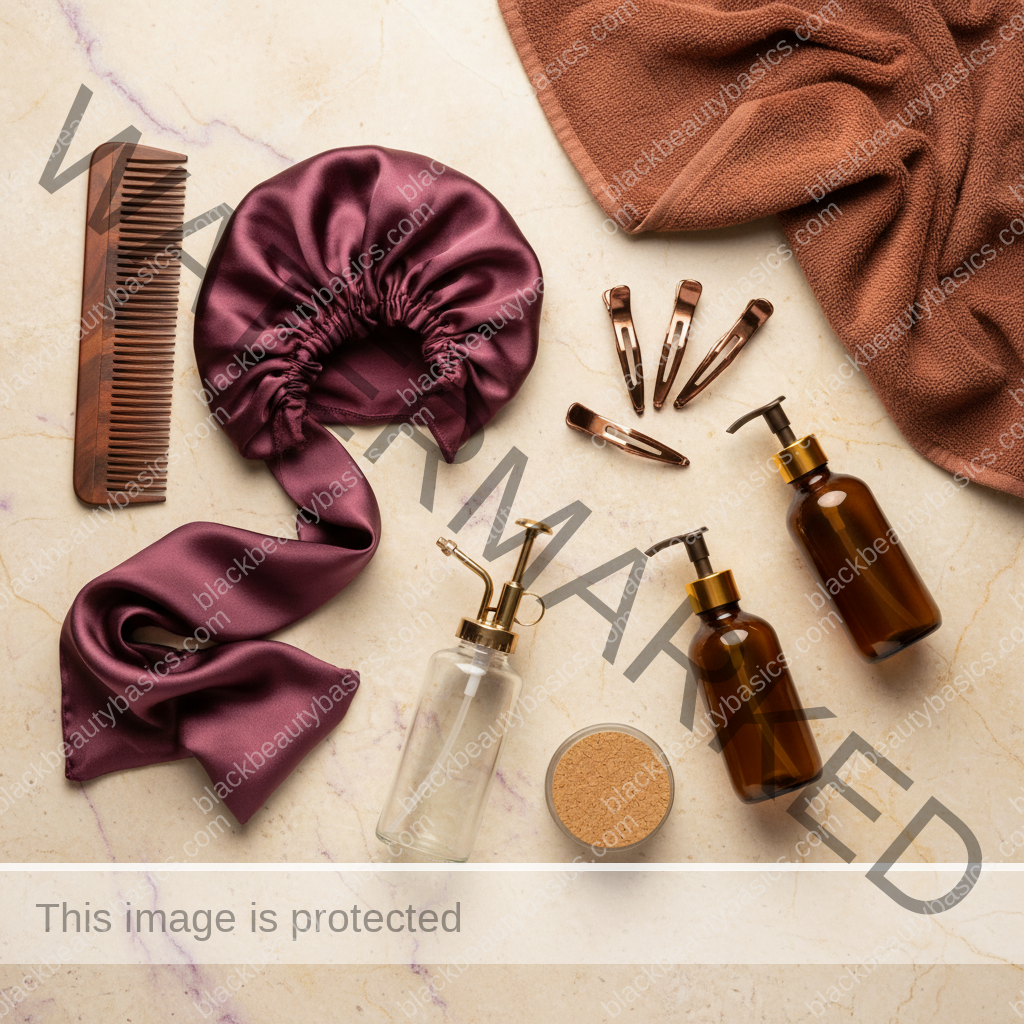
Beyond Wash Day: Maintaining Your Low-Porosity Hair
The wash day routine sets the foundation, but consistent care throughout the week is essential for truly flourishing low-porosity hair.
Weekly Maintenance Tips for Low-Porosity Hair
- Nightly Protection: Always sleep on a silk or satin pillowcase or wear a silk/satin bonnet. This reduces friction and prevents moisture loss.
- Gentle Detangling: Always detangle on damp hair with a conditioner or detangling spray, using your fingers or a wide-tooth comb. Start from the ends and work your way up.
- Moisture Refresh (Sparingly): If your hair feels dry mid-week, lightly spritz with water or a very light leave-in spray. Avoid heavy reapplication of products, which can lead to buildup.
- Protective Styling: Opt for protective styles like twists, braids, or buns to minimize manipulation and protect your ends.
- Regular Trims: Trim your ends every 3-4 months to remove split ends and maintain healthy growth.
- Avoid Over-Manipulation: Excessive touching and styling can lead to breakage and frizz.
Product Selection Guide: What to Embrace, What to Avoid
Products to Embrace for Low-Porosity Hair
| Product Type | Key Characteristics | Example Ingredients |
|---|---|---|
| Pre-Poo Oils | Lightweight, small molecular structure, easily absorbed | Grapeseed Oil, Jojoba Oil, Sweet Almond Oil, Argan Oil |
| Shampoos | Sulfate-free, gentle clarifying (occasional), water-based | Aloe Vera, Decyl Glucoside, Coco Glucoside, Apple Cider Vinegar (clarifying) |
| Deep Conditioners | Humectant-rich, protein-free or balanced protein, lightweight but potent | Glycerin, Honey, Aloe Vera, Hyaluronic Acid, Hydrolyzed Wheat Protein (low on list) |
| Leave-In Conditioners | Water-based, lightweight, milky or spray consistency | Water (first ingredient), Aloe Vera, Glycerin, Panthenol |
| Styling Creams/Milks | Lightweight, non-greasy, provide definition without heavy hold | Shea Butter (light amount), Mango Butter, Coconut Milk, Flaxseed Gel |
| Sealing Oils | Lightweight, non-comedogenic | Jojoba Oil, Grapeseed Oil, Argan Oil, Safflower Oil |
Products to Approach with Caution or Avoid for Low-Porosity Hair
| Product Type | Reason for Caution/Avoidance | Potential Issues |
|---|---|---|
| Heavy Butters & Waxes | Sit on the surface, difficult to absorb | Product buildup, greasy feel, dullness, prevents moisture penetration |
| Heavy Oils (e.g., Castor Oil) | Large molecular structure, creates a barrier | Product buildup, prevents water from entering hair shaft, heavy/weighed down hair |
| Silicones (non-water soluble) | Coat the hair, difficult to remove without sulfates | Buildup, prevents moisture absorption, dullness, can make hair feel dry over time |
| High Protein Treatments | Can cause stiffness and breakage | Hair feels brittle, stiff, lacks elasticity, increased breakage |
| Sulfate Shampoos | Harsh detergents that strip natural oils | Excessive dryness, frizz, scalp irritation, can make cuticles even more resistant |
| Thick, Heavy Conditioners | Too dense to penetrate cuticles effectively | Product sitting on hair, lack of true moisture, buildup |
Give low-porosity wash day room to work
For Black women with textured hair, hair-care choices can feel emotional because they sit at the intersection of identity, time, styling expectations, budget, and all the advice we have been given about what our hair “should” do. This guide focuses on helping low-porosity hair accept moisture without product piles, waxy buildup, or rushed conditioning, while keeping the related BBB natural-hair cluster as the home base. The goal is not to force every curl, coil, kink, or section into the same behavior. The goal is to build a routine that protects the hair you actually have.
Notice what happens when water first reaches your hair, how long the sections take to feel saturated, and whether product seems to sit on the surface after drying. Those observations are more useful than treating a porosity label as a strict rule. Give yourself enough time to cleanse and condition in sections, especially where hair stays dense or a previous style left buildup.
A comfortable low-porosity routine does not need a large product stack. Start with a clean scalp and hair, work water and conditioner through manageable sections, and rinse thoroughly before adding a modest finishing layer. Watch how the hair feels once it is fully dry. The best routine is the one that leaves it manageable, not waxy or weighed down.
What to notice gently
- Where your hair tangles first: ends, nape, crown, edges, or interior sections.
- How your hair responds to water, conditioner, gels, creams, oils, and drying time.
- Which steps leave your hair softer, rougher, stretched, shrunken, defined, or weighed down.
- How much manipulation your schedule and strands can realistically handle.
- What improves the style without making wash day feel impossible.
What can leave low-porosity hair feeling coated
One trap is adding more cream because the hair still feels dry under a layer of product. If older layers have built up, another layer may make the surface feel heavier without improving manageability. Check whether a better cleanse and a little more time with water and conditioner change the result before reaching for a richer styler.
Another trap is rushing conditioning because the product appears to sit on the hair at first. Work in smaller sections and give the step a little time, following the product’s directions and your hair’s response. There is no need to force an extreme treatment or use heat just to make a routine feel effective.
The third trap is assuming every low-porosity strand behaves the same. The crown, nape, and ends may respond differently because of styling history or density. Adjust the amount of product locally rather than coating the entire head to solve one stubborn section. This keeps the routine easier to read and easier to repeat.
What to do next
For your next wash, compare how the hair feels after cleansing, conditioning, rinsing, and drying before changing another product. The related guides below can help if moisture balance or a simpler style is your next question. Your hair does not need to absorb a large product stack to be cared for well.
- Natural Hair Care & Protective Styles
- The related natural-hair cluster guide
- porosity-based routines
- 4C low-energy wash day
- moisture or protein balance
- moisture, protein, and strength balance
How to keep the routine gentle enough to repeat
A good routine should not require you to be a different person every week. If your schedule is full, choose fewer sections, a simpler style, or a wash day split across two smaller windows. If your hands get tired, detangle more slowly, use clips, and stop before frustration turns into rough handling. Your hair does not benefit from being rushed through pain.
Photos and notes can help, but they should support you rather than make you obsess. Track how your hair feels after wash day, how long the style lasts, which areas dry first, and what makes detangling easier. Over time, those small observations are more useful than chasing every trend.
If a product burns, causes persistent itching, makes shedding feel sudden, or leaves your scalp uncomfortable, pause it. If breakage, pain, bald patches, or scalp symptoms continue, get professional care. Natural hair care can be home-centered and still know when to ask for support.
Most importantly, do not let shame run the routine. Black hair does not need to be looser, shinier, or easier to be worthy of care. The best plan is the one that helps your hair feel respected in the life you are actually living.
Frequently Asked Questions About Low-Porosity Wash Day
Q1: How often should I wash my low-porosity hair?
A: For low-porosity hair, washing every 7-10 days is generally ideal. This allows you to remove product buildup effectively without over-cleansing. If you exercise frequently or use a lot of styling products, you might need to wash every 5-7 days. Listen to your hair; if it feels weighed down or itchy, it’s time for a wash.
Q2: Can I skip the pre-poo step?
A: While you technically *can* skip it, for low-porosity hair, the pre-poo is highly recommended and almost essential. It provides a crucial layer of protection against stripping during shampooing and helps to gently prepare your cuticles for moisture absorption. Skipping it can lead to drier hair and less effective deep conditioning.
Q3: Why is heat so important for low-porosity hair during deep conditioning?
A: Heat is paramount because it gently lifts the tightly closed cuticles of low-porosity hair. When the cuticles are slightly raised, the moisturizing ingredients from your deep conditioner can penetrate the hair shaft more effectively. Without heat, much of the deep conditioner may simply sit on the surface, providing minimal benefit.
Q4: My low-porosity hair still feels dry after wash day. What am I doing wrong?
A: There could be a few reasons. First, ensure you’re using heat during your deep conditioning. Second, check your products for heavy ingredients that might be causing buildup (silicones, heavy butters/oils). Third, make sure you’re rinsing thoroughly to remove all product residue. Lastly, ensure your leave-in and styling products are lightweight and water-based, effectively sealing in moisture without creating a barrier.
Q5: Should I use protein treatments on my low-porosity hair?
A: Low-porosity hair can be sensitive to protein, as too much can cause stiffness and breakage. It’s generally best to opt for protein-free deep conditioners. If your hair genuinely needs protein (e.g., due to damage from color or heat), choose a light protein treatment with hydrolyzed proteins (smaller molecules) and use it sparingly, perhaps once a month or every six weeks, followed by a deeply moisturizing treatment.
Q6: What’s the best way to detangle low-porosity hair?
A: Always detangle on damp, lubricated hair. Apply a generous amount of pre-poo, conditioner, or a detangling spray to provide ample slip. Work in small sections, using your fingers first to gently separate knots, then follow with a wide-tooth comb or a detangling brush designed for natural hair. Always start from the ends and work your way up to the roots.
Q7: How can I tell if a product is too heavy for my low-porosity hair?
A: If a product leaves your hair feeling greasy, coated, dull, or weighed down, it’s likely too heavy. If it takes an unusually long time to dry, or if you see white residue, these are also signs of product buildup. Opt for lighter, water-based formulas that absorb quickly and leave your hair feeling soft and moisturized, not slick or sticky.
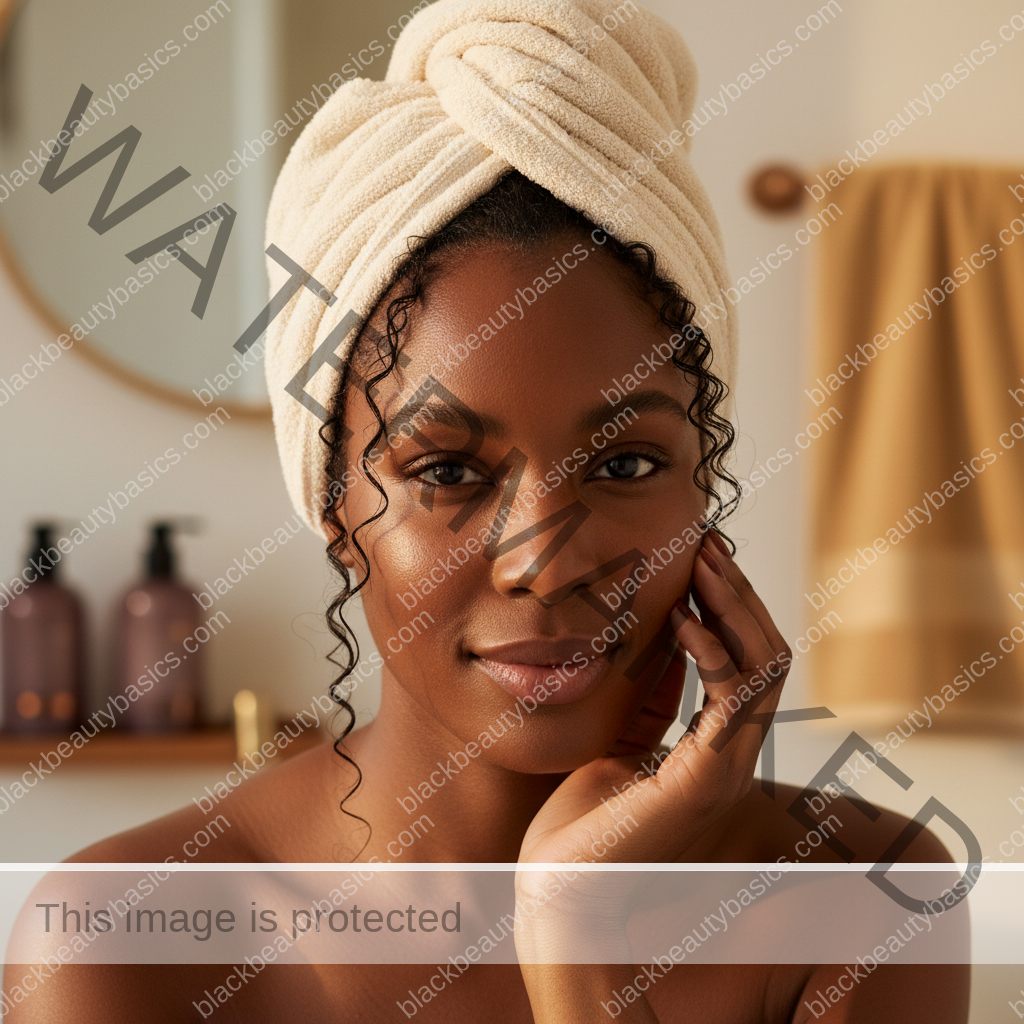
The journey with low-porosity natural hair is one of understanding, patience, and exquisite care. By embracing this tailored wash day routine, you’re not just applying products; you’re engaging in a sacred act of self-care, honoring the unique beauty of your strands. May your coils always be hydrated, your curls defined, and your spirit uplifted as you celebrate the magnificent crown you wear with pride and elegance.
Related next steps
Related posts:
 Wash Day Routine for High-Porosity Natural Hair
 How to Build a Moisturizing Routine for High vs Low Porosity Hair
 Routines for Low Porosity Natural Hair
 Wash Day Routine for 4C Hair With Low Energy
 Building Your Best Routine for High Porosity Natural Hair
 Heat Styling, Color, and Porosity Changes Over Time: Adapting Your Routine for Evolving Needs