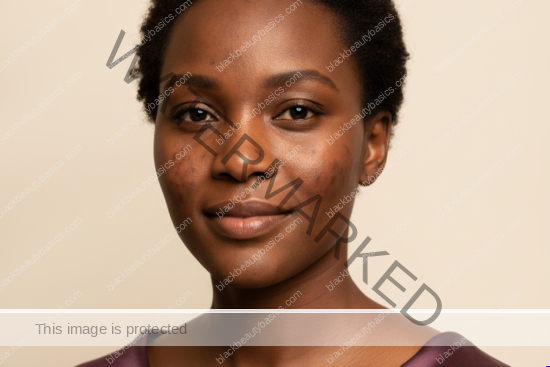
The journey to radiant, healthy skin is deeply personal, a sacred act of self-care. For women of color, this journey often comes with unique considerations, especially when seeking aesthetic treatments. We understand the delicate balance of desiring transformative results while ensuring the utmost safety and respect for our melanin-rich complexions. Start with the related BBB care cluster guide if you want the broader map.

The Unique Canvas: Why Dark Skin Requires Specialized Aesthetic Care
Our skin, a magnificent tapestry of tones and textures, possesses inherent strengths and distinct characteristics that demand a specialized approach in aesthetic treatments. Melanin, the pigment responsible for our beautiful hues, offers natural protection against sun damage but also makes our skin more prone to certain concerns, such as post-inflammatory hyperpigmentation (PIH) and keloid scarring, if not treated with precision and expertise.
Understanding Melanin’s Role in Aesthetic Treatments
Melanin’s presence means that our melanocytes (melanin-producing cells) are more reactive to inflammation, heat, and trauma. This heightened reactivity can lead to PIH, where dark spots linger long after an injury or inflammatory process. Similarly, certain procedures, if not performed correctly, can trigger an overproduction of collagen, resulting in raised, firm scars known as keloids. A provider who truly understands this intricate biology is not just preferred; they are essential.
Common Concerns for Dark Skin in Aesthetics
Beyond PIH and keloids, other common concerns include uneven skin tone, melasma, acne scarring, and textural irregularities. Many treatments, from lasers to chemical peels, were historically developed and tested on lighter skin types, making it crucial to adapt protocols and technologies for darker complexions. This adaptation isn’t just about adjusting settings; it’s about a fundamental understanding of how different energies and ingredients interact with melanated skin.
The Non-Negotiables: What to Look for in a Provider’s Credentials and Experience
When entrusting your skin to an aesthetic provider, their qualifications and experience are paramount. This is not a realm for guesswork or inexperience, particularly when it comes to dark skin. Demand excellence, demand expertise.
Board Certification and Specialization
The gold standard for any medical professional is board certification. For aesthetic treatments, look for a board-certified dermatologist or plastic surgeon. These individuals have undergone extensive training, passed rigorous examinations, and are committed to ongoing education. Within this, inquire about their specialization or significant experience with skin of color. Some dermatologists even pursue fellowships or advanced training specifically in ethnic skin. This level of dedication speaks volumes.
Years of Experience and Volume of Dark Skin Patients
While certifications are crucial, practical experience is equally vital. Ask how long the provider has been performing the specific treatment you are interested in. More importantly, inquire about the percentage of their clientele who have skin of color. A provider who regularly treats dark skin will have a deeper understanding of its nuances, potential reactions, and optimal treatment parameters. They will have a portfolio of successful outcomes and a refined intuition that only comes with extensive practice.
Continuing Education and Staying Current
The field of aesthetic medicine is constantly evolving, with new technologies and techniques emerging regularly. A truly dedicated provider will invest in continuing education, attending conferences, workshops, and seminars focused on advancements in skin of color. This commitment ensures they are not only using the latest, safest, and most effective treatments but also adapting them specifically for melanin-rich skin. Don’t hesitate to ask about their recent training or certifications related to ethnic skin.

The Consultation: Your First Line of Defense
The initial consultation is more than just a meeting; it’s an interview. You are assessing the provider as much as they are assessing your skin. This is your opportunity to gather critical information and gauge their understanding and approach to dark skin safety.
What to Observe: The Clinic Environment and Staff
Pay attention to the overall atmosphere. Is the clinic clean, professional, and welcoming? Do you see diverse representation among the staff and in the marketing materials? A clinic that visibly embraces diversity is often a good indicator of their commitment to treating a wide range of skin types. Observe how the staff interacts with you – are they knowledgeable, empathetic, and respectful? The entire team should reflect the same level of care and understanding.
Key Questions to Ask During Your Consultation
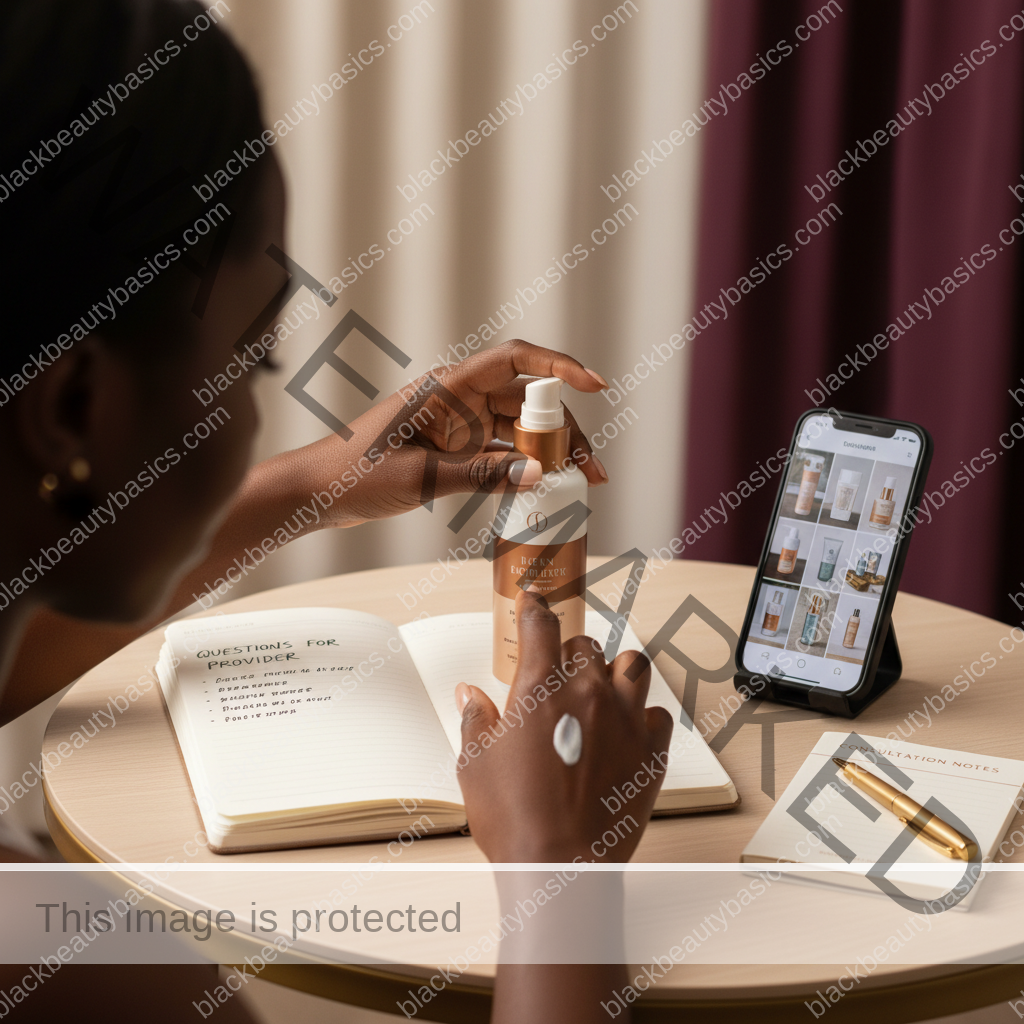
Prepare a list of questions. This shows you are informed and serious about your skin health. Here are some essential inquiries:
- “What is your experience specifically treating skin of color with [specific treatment, e.g., laser hair removal, chemical peels]?”
- “What specific protocols or settings do you use for dark skin to minimize risks like PIH or scarring?”
- “Can you show me before-and-after photos of your dark-skinned clients who have undergone this treatment?”
- “What are the potential risks for my skin type with this procedure, and how do you mitigate them?”
- “What is your post-treatment care protocol for dark skin to prevent complications?”
- “What ingredients or products do you recommend for pre- and post-treatment care for my skin tone?”
- “Have you ever had a client with dark skin experience an adverse reaction to this treatment? How was it managed?”
Listen carefully not just to their answers, but to their confidence, clarity, and willingness to address your concerns directly.
Assessing Their Understanding of Your Skin Concerns
A skilled provider for dark skin will not just offer a generic treatment plan. They will demonstrate a deep understanding of your specific concerns as they relate to your skin type. For example, if you have hyperpigmentation, they should explain how the treatment will address it without exacerbating it. If you’re concerned about scarring, they should detail their preventative measures. They should be able to articulate the ‘why’ behind their recommendations, specifically tailored to melanin-rich skin.
Red Flags and Green Lights: Navigating Your Decision
Your intuition is a powerful guide. Pay attention to both overt and subtle cues during your evaluation process. These can be the difference between a successful treatment and a regrettable experience.
Warning Signs to Heed
Be wary of providers who:
- Claim a “one-size-fits-all” approach to treatments, especially lasers or peels.
- Cannot provide specific examples or photos of dark-skinned clients.
- Dismiss your concerns about PIH or scarring as “unlikely” or “not a big deal.”
- Are vague about their experience or training with skin of color.
- Do not perform a patch test for treatments like lasers or chemical peels on dark skin.
- Pressure you into immediate decisions or multiple treatments without thorough consultation.
- Have a clinic environment that feels unwelcoming or lacks diversity.
Positive Indicators to Embrace
Look for providers who:
- Have a diverse portfolio of before-and-after photos, clearly showcasing successful outcomes on dark skin.
- Can articulate specific protocols, settings, and pre/post-care tailored for melanin-rich skin.
- Are transparent about potential risks and proactively discuss mitigation strategies.
- Recommend a patch test before full treatment, especially for lasers or deep peels.
- Educate you thoroughly about the treatment, expected results, and recovery process.
- Have a compassionate and empathetic demeanor, making you feel heard and respected.
- Are recommended by other women of color in your community or trusted online forums.
Specific Treatments: What to Know for Dark Skin
Different aesthetic treatments carry different considerations for dark skin. Understanding these nuances will empower you to ask more targeted questions and make informed decisions.
Laser and Light-Based Therapies (e.g., Laser Hair Removal, IPL, Fractional Lasers)
Lasers work by targeting specific chromophores in the skin. For dark skin, the primary chromophore is melanin. This means that if the wrong laser or incorrect settings are used, the laser can target the melanin in the skin itself, leading to burns, PIH, or even hypopigmentation (light spots).
Key Considerations:
- Wavelength: Look for longer wavelengths like Nd:YAG (1064nm) for laser hair removal, which bypasses the superficial melanin and targets the hair follicle more effectively. For skin rejuvenation, non-ablative fractional lasers are generally safer than ablative ones.
- Settings: Lower fluences (energy levels) and longer pulse durations are crucial to protect the epidermis.
- Patch Testing: Always insist on a patch test, especially for your first laser treatment.
Shop Nd:YAG Laser Hair Removal Devices on Amazon
Chemical Peels
Chemical peels use acids to exfoliate the skin, improving texture, tone, and addressing concerns like acne and hyperpigmentation. For dark skin, the depth and type of acid are critical to prevent adverse reactions.
Key Considerations:
- Type of Acid: Milder acids like lactic acid, mandelic acid, and salicylic acid are generally safer. Glycolic acid can be used but often at lower concentrations and for shorter durations. TCA (trichloroacetic acid) peels can be used but require extreme caution and expertise.
- Depth: Superficial peels are preferred. Medium or deep peels carry a higher risk of PIH and scarring.
- Pre- and Post-Care: Strict adherence to pre-peel skin preparation (e.g., using hydroquinone or retinoids) and post-peel sun protection is vital to prevent complications.
Shop Mandelic Acid Peels on Amazon
Microneedling and RF Microneedling
Microneedling creates micro-injuries to stimulate collagen production. RF microneedling adds radiofrequency energy for enhanced tightening and rejuvenation. These treatments are generally considered safe for dark skin when performed correctly.
Key Considerations:
- Technique: Proper needle depth and technique are essential to avoid excessive trauma.
- RF Energy: For RF microneedling, ensure the device delivers energy directly into the dermis, bypassing the epidermis, to minimize heat-induced PIH.
- Post-Care: Gentle, soothing skincare and strict sun protection are crucial during the healing phase.
Shop Microneedling Devices on Amazon
Injectables (Botox, Fillers)
Botox and dermal fillers are generally safe for all skin types as they do not directly interact with melanin. However, the injector’s artistic eye and understanding of facial anatomy, particularly in diverse faces, are paramount.
Key Considerations:
- Injector Experience: Choose a provider with extensive experience in injecting diverse facial structures to ensure natural-looking results.
- Bruising: Darker skin can sometimes show bruising more prominently. Discuss strategies to minimize this.
Shop Botox Alternatives on Amazon
Building a Partnership: Communication and Trust
The relationship with your aesthetic provider should be a partnership built on open communication and mutual trust. This is especially true when navigating the unique needs of dark skin.
The Importance of Open Dialogue
Never hesitate to voice your concerns, ask questions, or seek clarification. A good provider will welcome your engagement and ensure you feel fully informed and comfortable at every stage. If something feels off, or if you don’t understand an explanation, speak up. Your comfort and safety are paramount.
What to Do if You Experience an Adverse Reaction
Even with the most skilled provider, complications can sometimes arise. It’s crucial to know how your provider handles such situations. They should have a clear protocol for managing adverse reactions, including immediate follow-up, prescribed remedies, and ongoing support. This is a critical aspect of their commitment to your safety. If you experience unexpected redness, swelling, blistering, or increased hyperpigmentation, contact your provider immediately.
The Role of Follow-Up and Ongoing Care
A responsible provider will schedule follow-up appointments to monitor your progress and address any post-treatment concerns. They should also provide clear instructions for at-home care, including recommended products and sun protection. This ongoing support is integral to achieving and maintaining optimal results while safeguarding your skin’s health.
Comparison Table: Evaluating Provider Types for Dark Skin Safety
This table offers a quick guide to what to expect from different types of aesthetic providers when considering dark skin safety.
| Provider Type | Pros for Dark Skin | Cons/Considerations for Dark Skin | Recommendation for Dark Skin |
|---|---|---|---|
| Board-Certified Dermatologist | Deep medical understanding of skin physiology, pathology, and conditions common in dark skin (PIH, keloids). Expertise in diagnosing and treating adverse reactions. | May not always specialize in cosmetic procedures; ensure they have specific aesthetic experience with dark skin. | Highly Recommended. Ideal for complex conditions, medical oversight, and advanced treatments. |
| Board-Certified Plastic Surgeon | Extensive surgical and non-surgical aesthetic training. Often skilled in facial anatomy and achieving natural-looking results. | Focus may be more on surgical procedures; ensure they have significant non-surgical aesthetic experience with dark skin. | Highly Recommended. Especially for injectables and advanced non-surgical treatments, with proven dark skin experience. |
| Physician Assistant (PA) / Nurse Practitioner (NP) | Often work under the supervision of dermatologists/plastic surgeons, receiving specialized training. Can be highly skilled and knowledgeable. | Supervision level varies by state. Ensure their supervising physician has dark skin expertise and they have extensive independent experience. | Recommended with Caution. Verify their specific training, experience with dark skin, and direct supervision by a board-certified specialist. |
| Medical Esthetician (under medical direction) | Skilled in superficial treatments (facials, light peels, extractions). Can provide excellent adjunctive care and product recommendations. | Limited scope of practice; cannot perform invasive procedures. Expertise varies widely; ensure they are specifically trained for dark skin. | Recommended for Adjunctive Care. Excellent for maintaining skin health and preparing for/recovering from medical treatments. |
| Spa Esthetician / Unsupervised Technician | May offer basic facials or less intensive treatments. | Lack medical training and oversight. High risk for complications, especially with advanced devices or chemical peels on dark skin. | Not Recommended for Advanced Treatments. Avoid for anything beyond basic, non-invasive services. |
Tip List: Your Pre-Consultation Checklist for Dark Skin Safety
Before you even step foot into a clinic, empower yourself with this essential checklist:
- Research Thoroughly: Look for providers specifically mentioning “skin of color,” “ethnic skin,” or “melanin-rich skin” on their websites and social media.
- Check Credentials: Verify board certifications (Dermatology or Plastic Surgery) and state licenses online.
- Read Reviews with a Critical Eye: Seek reviews from other women of color. Look for mentions of successful outcomes on dark skin and how adverse reactions were handled.
- Ask for Referrals: Tap into your network. Personal recommendations from trusted friends or community members with similar skin tones are invaluable.
- Prepare Your Questions: Write down all your concerns and questions regarding the treatment, risks, and post-care specific to your skin type.
- Document Your Skin History: Be ready to discuss your skin concerns, previous treatments, allergies, and any history of PIH or keloids.
- Budget for Quality: Understand that specialized expertise often comes with a higher price point. View it as an investment in your safety and results.
- Trust Your Gut: If something feels off or a provider seems dismissive, walk away. Your peace of mind is priceless.
FAQ: Your Most Pressing Questions Answered
Q1: What is post-inflammatory hyperpigmentation (PIH) and why is it more common in dark skin?
A1: Post-inflammatory hyperpigmentation (PIH) refers to dark spots or patches that appear on the skin after an injury, inflammation, or aesthetic procedure. It’s more common in dark skin because our melanocytes (melanin-producing cells) are more reactive. Any trauma or inflammation can trigger these cells to overproduce melanin, leading to persistent discoloration. A skilled provider will prioritize treatments and protocols that minimize inflammation and protect melanocytes to prevent PIH.
Q2: Can I get laser treatments if I have dark skin?
A2: Absolutely, but with extreme caution and the right provider. The key is to use lasers specifically designed and safely calibrated for dark skin, such as the Nd:YAG laser (1064nm wavelength) for hair removal, which safely targets hair follicles without excessively heating the melanin in the surrounding skin. For skin rejuvenation, non-ablative fractional lasers are generally safer than ablative ones. Always ensure your provider has extensive experience with dark skin and performs a patch test.
Q3: How important is a patch test for dark skin before a laser or chemical peel?
A3: A patch test is critically important, especially for individuals with dark skin. It involves applying the treatment to a small, inconspicuous area of your skin to observe how it reacts over several days or weeks. This allows the provider to assess the optimal settings or concentrations for your unique skin type, significantly reducing the risk of adverse reactions like burns, PIH, or scarring on a larger scale. Never proceed with a full treatment without a patch test if recommended by your provider or if you have concerns.
Q4: What should I look for in a provider’s “before and after” photos when I have dark skin?
A4: When reviewing “before and after” photos, specifically look for images of clients with similar skin tones to yours. Pay attention to the quality of the results: Is the skin tone even? Are there signs of PIH or hypopigmentation? Do the results look natural and healthy? A reputable provider will have a diverse portfolio that showcases successful outcomes on dark skin, demonstrating their expertise and ability to achieve beautiful, safe results across various complexions.
Q5: Are there any specific ingredients or products I should use before or after aesthetic treatments to protect my dark skin?
A5: Yes, pre- and post-treatment care is vital for dark skin. Your provider may recommend products containing ingredients like hydroquinone, retinoids, vitamin C, kojic acid, or azelaic acid to prepare the skin, suppress melanin production, and reduce the risk of PIH. Post-treatment, gentle, hydrating, and soothing products are essential, along with strict, consistent use of a broad-spectrum sunscreen with an SPF of 30 or higher. These steps help optimize results and minimize complications.
Shop Hydroquinone Cream on Amazon
Shop Broad Spectrum Sunscreen SPF 30 on Amazon
Q6: What are keloids, and how can I avoid them with aesthetic treatments?
A6: Keloids are raised, firm, often itchy scars that extend beyond the original wound boundaries. They are more common in individuals with dark skin due to genetic predispositions. To avoid keloids during aesthetic treatments, it’s crucial to choose a provider who understands this risk and employs techniques that minimize skin trauma. For example, some laser settings or surgical techniques are less likely to trigger keloid formation. Always inform your provider if you have a personal or family history of keloids, as this will influence their treatment recommendations.
Q7: How do I know if a provider is truly knowledgeable about dark skin, versus just saying they are?
A7: True knowledge goes beyond surface-level claims. A truly knowledgeable provider will be able to articulate specific protocols, settings, and pre/post-care tailored for melanin-rich skin. They will discuss potential risks like PIH or keloids openly and explain their mitigation strategies. They should have a diverse portfolio of before-and-after photos of dark-skinned clients and be able to answer your detailed questions confidently and clearly, demonstrating a deep understanding of the physiological nuances of dark skin. Trust your instincts; if their answers feel vague or generic, it’s a red flag.
Your beautiful, melanin-rich skin deserves nothing less than the highest standard of care and expertise. By arming yourself with knowledge, asking the right questions, and trusting your intuition, you can confidently navigate the world of aesthetic treatments, ensuring your journey to radiant skin is both safe and profoundly rewarding. Embrace this power, and let your inner glow shine brilliantly, knowing you’ve chosen a path of informed elegance.
How to notice patterns without blaming your skin
For Black women and people with melanin-rich skin, skin concerns can feel especially frustrating because many examples, provider trainings, and product explanations still center lighter skin. This guide focuses on evaluating an aesthetic provider for dark-skin safety through training, device settings, before-and-after examples, complications, and communication, while keeping the related BBB care cluster as the home base. The goal is not to diagnose yourself from a screen. The goal is to notice patterns clearly enough to ask better questions and make safer choices.
Start with what changed. Did the concern appear after a new product, procedure, fabric, detergent, shave, piercing, medication, flare, weather shift, or stressful season? Does the area itch, hurt, sting, thicken, darken, lighten, scale, drain, burn, or keep returning? On dark skin, color changes can be subtle or show up as purple, gray, brown, red-brown, or deeper marks rather than bright redness.
The strongest home-care plan is usually the one that reduces irritation, protects the barrier, avoids harsh experiments, and makes room for professional care when symptoms are persistent, painful, spreading, or connected to scarring. You deserve care that takes your skin seriously without making you feel dramatic.
What to notice gently
- Where the concern appears and whether it keeps returning in the same place.
- What symptoms come with it: itch, pain, scale, bumps, drainage, burning, or tenderness.
- What changed before the flare: products, fabrics, treatments, hair removal, stress, or weather.
- How the color looks on dark skin: brown, purple, gray, red-brown, lighter, or darker.
- What improves, worsens, or fails to change the pattern.
What usually makes dark-skin concerns harder to read
The first challenge is that many educational photos do not show how inflammation, irritation, psoriasis, eczema, keloids, or post-procedure reactions can appear on brown and deep skin. A flare can be serious even if it is not bright red. A mark can be meaningful even if someone else dismisses it as “just discoloration.”
The second challenge is trying too many fixes at once. Strong exfoliants, fragranced products, scrubs, peels, new detergents, and tight clothing can all blur the picture. When the skin is already reactive, simplifying can make the pattern easier to understand and safer to discuss with a professional.
The third challenge is not wanting to be dismissed. You are allowed to document symptoms, ask about dark-skin experience, request clear aftercare, and pause a treatment if the answers feel vague. Safety questions are not disrespectful. They are part of caring for melanin-rich skin.
What to do next

Keep this article connected to the BBB dark-skin care system. Use the related guides below to decide whether your next step is trigger tracking, barrier support, better documentation, or provider-safety questions.
- Beauty Devices & Treatments for Dark Skin
- The related BBB care cluster guide
- evaluating providers and devices for dark skin safety
- questions before a chemical peel
- questions before microneedling
- clinic-based procedures for dark skin
Related next steps
Related posts:
 Bringing App Results Into Derm & Aesthetic Visits
 LED Light Therapy at Home on Dark Skin: Safety and Expectations
 Fitzpatrick Type and Beyond: Building a Real Safety Picture
 Structured Pre-Treatment Assessment for Dark Skin: Your Blueprint for Confident Aesthetics
 Best Ingredients to Fade Dark Spots on Dark Skin (Vitamin C, Azelaic, Kojic, etc.)
 How SPF Supports Hyperpigmentation and Dark Spot Work on Dark Skin