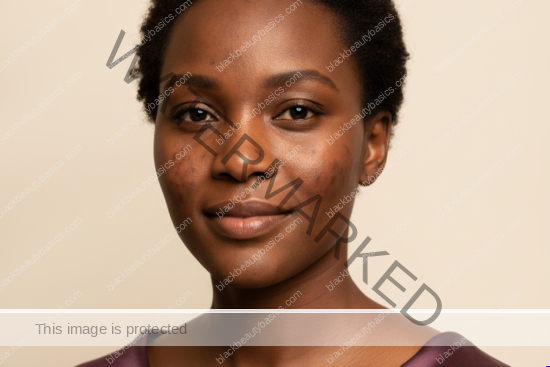
The journey to radiant, even-toned skin is a deeply personal one, often marked by a desire to embrace our natural glow with confidence and clarity. For women of color, this path can sometimes feel nuanced, requiring a discerning eye and an informed approach, especially when considering advanced skincare treatments like chemical peels. This isn’t just about aesthetics; it’s about honoring the unique resilience and beauty of melanin-rich skin, ensuring every step taken is one towards true luminosity and health. Start with the related BBB care cluster guide if you want the broader map.

Unveiling the Power of Chemical Peels: A Melanin-Rich Perspective
Chemical peels have long been revered for their ability to revitalize the complexion, addressing concerns from texture irregularities to hyperpigmentation. However, for melanin-rich skin, the application and considerations surrounding chemical peels take on a particular significance. Our skin, while incredibly resilient, is also more prone to certain post-inflammatory issues, making careful preparation and an informed approach not just beneficial, but essential.
A chemical peel involves applying a carefully selected acidic solution to the skin, which exfoliates the outermost layers, revealing fresher, smoother skin beneath. This process can significantly improve skin tone, texture, and clarity. But for Black women, the risk of complications such as post-inflammatory hyperpigmentation (PIH) or even hypopigmentation (loss of pigment) is higher if the peel is not chosen and administered correctly. This is why asking the right questions isn’t merely a suggestion; it’s a non-negotiable step in your skincare journey.

Understanding Your Skin: The Foundation of a Successful Peel
Before you even consider a chemical peel, a deep understanding of your own skin is paramount. Melanin-rich skin types often present with characteristics that require specialized attention. We tend to have a thicker stratum corneum, which can sometimes make penetration of topical treatments more challenging, yet paradoxically, our melanocytes (pigment-producing cells) are more reactive, leading to a higher risk of PIH from inflammation or trauma.
This duality means that while we can benefit immensely from the exfoliating and rejuvenating properties of chemical peels, the margin for error is smaller. The goal is always to stimulate cell turnover and improve skin quality without triggering an inflammatory response that could lead to unwanted discoloration. This is where a knowledgeable practitioner becomes your most valuable ally.
Common Skin Concerns Addressed by Peels in Melanin-Rich Skin
Chemical peels can be incredibly effective for a range of concerns prevalent in Black skin. These include:
- Post-Inflammatory Hyperpigmentation (PIH): Dark spots left behind by acne, insect bites, or other skin injuries. Peels can help accelerate the fading of these marks.
- Melasma: A chronic condition causing dark, patchy discoloration, often triggered by hormonal changes or sun exposure. Certain peels can help manage melasma.
- Uneven Skin Tone and Texture: Peels promote cell turnover, leading to a smoother, more uniform complexion.
- Acne and Acne Scars: By unclogging pores and reducing inflammation, peels can improve active acne and diminish the appearance of superficial scars.
- Fine Lines and Wrinkles: While not the primary concern for many younger Black women, peels can also stimulate collagen production, improving skin elasticity over time.
Knowing what you hope to achieve with a peel will help you formulate specific questions for your practitioner, ensuring their recommendations align with your personal skin goals.
The Essential Questions: Your Pre-Peel Checklist
Embarking on a chemical peel journey requires due diligence. These questions are designed to empower you with the knowledge needed to make an informed decision and ensure your experience is safe, effective, and tailored to the unique needs of your melanin-rich skin.
1. What is your experience specifically with chemical peels on melanin-rich skin?
This is arguably the most critical question. A practitioner’s general experience with peels is not enough. You need someone who deeply understands the nuances of treating Fitzpatrick skin types IV-VI. They should be able to articulate their approach, discuss potential risks specific to darker skin tones, and demonstrate a track record of successful outcomes.
- Why it matters: An inexperienced practitioner might use a peel that is too strong, leave it on for too long, or fail to adequately prepare the skin, all of which can lead to adverse effects like PIH or scarring.
- What to look for: Look for a dermatologist or licensed aesthetician who regularly treats diverse skin types and can provide examples or testimonials from clients with similar complexions.
2. Which type of chemical peel do you recommend for my skin concerns, and why?
Chemical peels come in various strengths and formulations. For melanin-rich skin, superficial to medium-depth peels are generally preferred, as deep peels carry a higher risk of complications. Common acids include glycolic acid, lactic acid, salicylic acid, mandelic acid, and Jessner’s solution, often in lower concentrations or layered approaches.
- Alpha Hydroxy Acids (AHAs): Lactic acid and mandelic acid are often favored for darker skin tones due to their larger molecular size, which allows for slower, more even penetration, reducing irritation. Shop Lactic Acid Peels on Amazon | Shop Mandelic Acid Peels on Amazon
- Beta Hydroxy Acids (BHAs): Salicylic acid is excellent for acne-prone skin as it is oil-soluble and can penetrate pores. Shop Salicylic Acid Peels on Amazon
- Jessner’s Solution: A combination of salicylic acid, lactic acid, and resorcinol, often used for medium-depth exfoliation.
- Trichloroacetic Acid (TCA): Used cautiously and in lower concentrations for melanin-rich skin, typically for more stubborn concerns.
The practitioner should explain the specific acid(s) chosen, their mechanism of action, and how they are tailored to your skin type and concerns, minimizing risks.
3. What is the pre-peel preparation protocol for my skin type?
Pre-conditioning the skin is non-negotiable for melanin-rich complexions. This typically involves using specific products for 2-4 weeks before the peel to prepare the skin, optimize results, and reduce the risk of PIH. This might include:
- Tyrosinase Inhibitors: Ingredients like hydroquinone, kojic acid, arbutin, or azelaic acid help suppress melanin production, reducing the likelihood of post-inflammatory hyperpigmentation. Shop Tyrosinase Inhibitors on Amazon
- Retinoids: Tretinoin or retinol can accelerate cell turnover and improve peel penetration. Shop Retinoids on Amazon
- Gentle Cleansers and Moisturizers: To ensure the skin barrier is healthy and intact. Shop Gentle Cleansers on Amazon | Shop Hydrating Moisturizers on Amazon
- Sunscreen: Daily use of broad-spectrum SPF 30+ is crucial to protect against UV damage and prevent new pigmentation. Shop Broad-Spectrum SPF 30+ Sunscreen on Amazon
The practitioner should provide a detailed, written regimen and explain the rationale behind each product.

4. What are the potential risks and side effects for my skin type, and how are they managed?
While chemical peels can be transformative, it’s vital to be aware of potential complications, especially for melanin-rich skin. The most common risks include:
- Post-Inflammatory Hyperpigmentation (PIH): Dark spots that appear after inflammation or injury. This is the most significant concern for darker skin tones.
- Erythema (Redness): Temporary redness is normal, but prolonged or severe redness can indicate an issue.
- Edema (Swelling): Mild swelling is common, especially around the eyes.
- Itching or Stinging: Normal during the peel application and immediately after.
- Infection: Rare, but possible if post-care instructions aren’t followed.
- Scarring: Extremely rare with superficial/medium peels if performed correctly.
- Hypopigmentation: Loss of pigment, leading to lighter spots. This is a more serious and sometimes permanent complication, usually associated with deeper peels or improper technique.
Your practitioner should openly discuss these risks, explain how they minimize them (e.g., patch testing, careful timing, pre-conditioning), and outline the protocol for managing any adverse reactions should they occur.
5. What does the post-peel care regimen entail, and what products should I use?
The success of a chemical peel is as much about the aftercare as it is about the peel itself. Proper post-peel care is crucial for healing, preventing complications, and optimizing results. Your practitioner should provide a clear, detailed post-care plan, which typically includes:
- Gentle Cleansing: Using a mild, non-foaming cleanser. Shop Gentle Post-Peel Cleansers on Amazon
- Intense Hydration: Using rich, occlusive moisturizers to support the healing barrier. Shop Occlusive Post-Peel Moisturizers on Amazon
- Strict Sun Protection: Daily and diligent use of broad-spectrum SPF 30+ or higher, reapplying frequently, and seeking shade. This is non-negotiable to prevent PIH. Shop Mineral Sunscreen SPF 50 on Amazon
- Avoiding Exfoliants: Steer clear of retinoids, AHAs, BHAs, and physical scrubs until your skin has fully healed.
- Avoiding Picking or Peeling: Allow the skin to shed naturally to prevent scarring or PIH.
- Cool Compresses: To soothe any discomfort or swelling.
They should also advise on when you can resume your regular skincare routine and if any specific post-peel products (e.g., calming serums, barrier repair creams) are recommended. Shop Calming Post-Peel Serums on Amazon
6. What is the expected downtime and healing process?
Understanding the timeline for healing is essential for managing expectations and planning your schedule. Downtime varies depending on the peel’s depth:
- Superficial Peels: Minimal downtime. You might experience mild redness, dryness, and light flaking for 2-5 days.
- Medium Peels: More significant downtime. Expect redness, swelling, and noticeable peeling for 5-7 days, possibly longer. The skin may look sunburned or bronzed before peeling.
The practitioner should walk you through what to expect day-by-day, including how your skin will look, feel, and when you can resume normal activities and makeup application. They should also explain when you can expect to see the full results.
7. How many sessions will I need, and how often?
Achieving optimal results often requires a series of peels, especially for concerns like hyperpigmentation or acne. Your practitioner should outline a treatment plan, including the recommended number of sessions and the interval between them. Typically, peels are spaced 3-4 weeks apart to allow the skin to fully heal and regenerate.
- Why it matters: A single peel provides some benefit, but consistent, properly spaced treatments yield the most significant and lasting improvements.
- What to ask: Inquire about the total cost of the series and if package deals are available.
Visual evidence is powerful. Reputable practitioners will often have a portfolio of before-and-after photos, particularly those showcasing results on diverse skin tones. This allows you to gauge their expertise and see realistic outcomes for your specific concerns.
- What to look for: Pay attention to how well hyperpigmentation has faded, the overall evenness of skin tone, and whether there are any signs of adverse reactions.
9. What are the contraindications for chemical peels?
Certain conditions or medications can make you an unsuitable candidate for a chemical peel. It’s crucial to be transparent with your practitioner about your medical history. Common contraindications include:
- Active infections (e.g., cold sores, bacterial infections)
- Open wounds or lesions on the treatment area
- Recent use of isotretinoin (Accutane) within the last 6-12 months
- Pregnancy or breastfeeding
- History of keloidal scarring
- Certain autoimmune diseases or compromised immune systems
- Allergies to any peel ingredients
The practitioner should conduct a thorough consultation and medical history review to identify any contraindications.
10. What is the cost of the peel, and what does it include?
Understanding the financial aspect upfront is important. Inquire about the cost per session, whether pre- and post-care products are included, and if there are discounts for purchasing a series of treatments. Be wary of significantly low prices, as they might indicate a lack of experience or use of inferior products.

Navigating Your Chemical Peel Journey: Tips for Melanin-Rich Skin
Beyond asking the right questions, adopting a proactive mindset and adhering to best practices will significantly enhance your chemical peel experience. Here are some invaluable tips for women with melanin-rich skin:
Pre-Peel Preparation Checklist for Melanin-Rich Skin
| Action Item | Why It’s Crucial for Melanin-Rich Skin |
|---|---|
| Consult with an Experienced Professional | Ensures the peel is tailored to your unique skin type, minimizing PIH risk. |
| Start Tyrosinase Inhibitors (2-4 weeks prior) | Crucial for preventing post-inflammatory hyperpigmentation by suppressing melanin production. Shop Tyrosinase Inhibitor Serums on Amazon |
| Incorporate Retinoids (if advised, 2-4 weeks prior) | Prepares skin for better peel penetration and faster healing, but must be introduced gradually. Shop Gentle Retinol Creams on Amazon |
| Daily Broad-Spectrum SPF 30+ (minimum) | Non-negotiable to protect against UV-induced pigmentation and prepare skin for post-peel sensitivity. Shop Face Sunscreen for Dark Skin on Amazon |
| Avoid Sun Exposure | Minimizes baseline melanin activity, reducing the risk of overstimulation post-peel. |
| Discontinue harsh exfoliants/actives (1 week prior) | Prevents over-sensitization of the skin, reducing irritation and potential for PIH. |
| Hydrate Internally and Externally | Supports skin barrier health, crucial for healing and minimizing dryness. Shop Hydrating Facial Serums on Amazon |
Post-Peel Care Essentials for Optimal Healing and Results
| Action Item | Why It’s Crucial for Melanin-Rich Skin |
|---|---|
| Strict Sun Protection (SPF 30+ and physical barriers) | Absolutely paramount to prevent new pigmentation and protect extremely vulnerable skin. Shop UV Protection Hats on Amazon |
| Gentle Cleansing & Hydration | Supports the compromised skin barrier and prevents excessive dryness/irritation. Shop Post-Peel Healing Balms on Amazon |
| Avoid Picking, Peeling, or Scrubbing | Prevents scarring, infection, and significantly reduces the risk of PIH. |
| Use Calming & Barrier-Repairing Products | Ingredients like ceramides, hyaluronic acid, and niacinamide aid in recovery. Shop Ceramide-Rich Moisturizers on Amazon |
| Avoid Heat & Strenuous Exercise | Excessive heat and sweat can irritate newly peeled skin and increase inflammation. |
| Follow Up with Your Practitioner | Essential for monitoring healing and addressing any concerns promptly. |
| Continue Tyrosinase Inhibitors (if advised) | Often recommended post-peel to maintain results and prevent new pigmentation. |
How to notice patterns without blaming your skin
For Black women and people with melanin-rich skin, skin concerns can feel especially frustrating because many examples, provider trainings, and product explanations still center lighter skin. This guide focuses on asking safer chemical peel questions about peel type, depth, prep, PIH risk, downtime, patch testing, and provider experience on dark skin, while keeping the related BBB care cluster as the home base. The goal is not to diagnose yourself from a screen. The goal is to notice patterns clearly enough to ask better questions and make safer choices.
Start with what changed. Did the concern appear after a new product, procedure, fabric, detergent, shave, piercing, medication, flare, weather shift, or stressful season? Does the area itch, hurt, sting, thicken, darken, lighten, scale, drain, burn, or keep returning? On dark skin, color changes can be subtle or show up as purple, gray, brown, red-brown, or deeper marks rather than bright redness.
The strongest home-care plan is usually the one that reduces irritation, protects the barrier, avoids harsh experiments, and makes room for professional care when symptoms are persistent, painful, spreading, or connected to scarring. You deserve care that takes your skin seriously without making you feel dramatic.
What to notice gently
- Where the concern appears and whether it keeps returning in the same place.
- What symptoms come with it: itch, pain, scale, bumps, drainage, burning, or tenderness.
- What changed before the flare: products, fabrics, treatments, hair removal, stress, or weather.
- How the color looks on dark skin: brown, purple, gray, red-brown, lighter, or darker.
- What improves, worsens, or fails to change the pattern.
What usually makes dark-skin concerns harder to read
The first challenge is that many educational photos do not show how inflammation, irritation, psoriasis, eczema, keloids, or post-procedure reactions can appear on brown and deep skin. A flare can be serious even if it is not bright red. A mark can be meaningful even if someone else dismisses it as “just discoloration.”
The second challenge is trying too many fixes at once. Strong exfoliants, fragranced products, scrubs, peels, new detergents, and tight clothing can all blur the picture. When the skin is already reactive, simplifying can make the pattern easier to understand and safer to discuss with a professional.
The third challenge is not wanting to be dismissed. You are allowed to document symptoms, ask about dark-skin experience, request clear aftercare, and pause a treatment if the answers feel vague. Safety questions are not disrespectful. They are part of caring for melanin-rich skin.
What to do next
Keep this article connected to the BBB dark-skin care system. Use the related guides below to decide whether your next step is trigger tracking, barrier support, better documentation, or provider-safety questions.
- Beauty Devices & Treatments for Dark Skin
- The related BBB care cluster guide
- clinic-based procedures for dark skin
- evaluating an aesthetic provider
- questions before microneedling
- provider safety for dark skin
Frequently Asked Questions About Chemical Peels on Melanin-Rich Skin
Q1: Are chemical peels safe for dark skin?
A: Yes, absolutely. When performed by an experienced and knowledgeable professional who understands the unique characteristics of melanin-rich skin, chemical peels are a safe and highly effective treatment. The key is proper skin assessment, appropriate peel selection (typically superficial to medium-depth peels with specific acids like lactic, mandelic, or salicylic), meticulous pre-peel conditioning, and diligent post-peel care. The risks are significantly minimized when these protocols are strictly followed, focusing on preventing inflammation and subsequent hyperpigmentation.
Q2: What is the biggest risk for melanin-rich skin with chemical peels?
A: The biggest risk for melanin-rich skin is post-inflammatory hyperpigmentation (PIH). This occurs when the skin’s melanocytes (pigment-producing cells) are overstimulated by inflammation or trauma from the peel, leading to dark spots or patches. In rare cases, hypopigmentation (loss of pigment) can occur, especially with very deep or improperly administered peels. This is why selecting a practitioner with extensive experience in treating darker skin tones and adhering to their pre- and post-care instructions, particularly regarding sun protection and tyrosinase inhibitors, is paramount.
Q3: How long does it take to see results from a chemical peel?
A: The initial results from a chemical peel, such as improved texture and a more radiant glow, can often be seen within a week or two after the peeling process is complete. However, for more significant concerns like hyperpigmentation or acne scars, optimal results usually require a series of peels (typically 3-6 sessions) spaced 3-4 weeks apart. The full, transformative effects, including a more even skin tone and reduced discoloration, become more apparent over several months as the skin continues to regenerate and respond to the treatment series. Patience and consistency with your treatment plan are key.
Q4: Can I get a chemical peel if I have active acne?
A: Yes, superficial chemical peels, particularly those containing salicylic acid, are often highly effective in treating active acne. Salicylic acid is oil-soluble, allowing it to penetrate into the pores to dissolve sebum and dead skin cells, which helps to unclog pores and reduce breakouts. Peels can also reduce inflammation and improve overall skin texture, making them a valuable tool in an acne management regimen. However, if you have severe cystic acne or open wounds, your practitioner might recommend addressing those issues first or choosing a different treatment approach.
Q5: What should I avoid after a chemical peel?
A: After a chemical peel, it’s crucial to avoid several things to ensure proper healing and prevent complications:
- Sun Exposure: Absolutely avoid direct sun exposure. Use broad-spectrum SPF 30+ or higher diligently and seek shade.
- Picking or Peeling: Do not pick at or manually peel any flaking skin. Let it shed naturally.
- Harsh Skincare Products: Avoid retinoids, AHAs, BHAs, physical exfoliants, and abrasive brushes until your skin is fully healed and your practitioner advises otherwise.
- Strenuous Exercise & Excessive Heat: For the first few days, avoid activities that cause excessive sweating or expose your skin to high heat (e.g., hot showers, saunas, intense workouts), as this can increase inflammation.
- Makeup: Avoid makeup for at least 24-48 hours, or as advised by your practitioner, to allow your skin to breathe and heal.
- Hair Removal: Do not wax, thread, or use depilatory creams on the treated area.
Adhering strictly to your post-care instructions is paramount for optimal results and to minimize risks.
Q6: How often can I get a chemical peel?
A: The frequency of chemical peels depends on the type and depth of the peel, as well as your skin’s individual response and healing time. Superficial peels can typically be performed every 3-4 weeks. Medium-depth peels require a longer recovery period, so they are usually spaced 6-12 weeks apart, or even less frequently, depending on the specific peel and your skin’s needs. Your practitioner will recommend a personalized treatment schedule based on your skin concerns, the type of peel used, and your skin’s healing progress. Consistency over time, rather than aggressive, frequent peels, is often more beneficial for melanin-rich skin.
Q7: Will a chemical peel make my skin lighter?
A: A properly administered chemical peel on melanin-rich skin should not make your skin lighter in an undesirable way. The goal of a peel is to improve skin tone and texture, reduce hyperpigmentation, and reveal a more even, radiant complexion that is consistent with your natural skin tone. If a peel is too strong or improperly applied, there is a rare risk of hypopigmentation (loss of pigment), which results in lighter patches. This underscores the importance of choosing an experienced practitioner who specializes in treating darker skin types and meticulously follows pre- and post-care protocols to prevent such complications.
Q8: What type of sunscreen is best after a chemical peel for dark skin?
A: After a chemical peel, especially for melanin-rich skin, a broad-spectrum mineral sunscreen with an SPF of 30 or higher is highly recommended. Look for sunscreens containing zinc oxide and/or titanium dioxide as their active ingredients. Mineral sunscreens sit on top of the skin, creating a physical barrier against UV rays, and are generally less irritating than chemical sunscreens, which is ideal for sensitive, post-peel skin. Many brands now offer tinted mineral sunscreens that blend seamlessly into darker skin tones without leaving a white cast, ensuring both protection and a natural finish. Shop Tinted Mineral Sunscreen for Dark Skin on Amazon
Embracing Your Luminous Future
The decision to undergo a chemical peel is a significant step in your skincare journey, one that promises a renewed radiance and an enhanced sense of self. For the woman of color, this journey is undertaken with wisdom, precision, and an unwavering commitment to celebrating the unparalleled beauty of her skin. By arming yourself with these essential questions and choosing a practitioner who truly understands the intricate tapestry of melanin-rich complexions, you are not just investing in a treatment; you are investing in confidence, clarity, and the luminous future you so richly deserve. May your glow be ever vibrant, and your skin, forever cherished.
Related next steps
Related posts:
 Questions to Ask Before Microneedling on Dark Skin
 Empowering Questions to Ask Before Committing to Long-Term Hair Removal
 Melasma-Like Patches on Melanin-Rich Skin: Questions to Ask Your Doctor
 Scalp Psoriasis on Dark Skin: Everyday Care Questions to Ask
 Clinic-Based Peels and Procedures on Dark Skin: Questions to Ask for Confident Care
 Questions to Ask a Dermatologist When Acne Keeps Scarring on Dark Skin