In the realm of advanced skincare, few treatments spark as much intrigue and promise as microneedling. For the discerning woman of color, navigating these innovative therapies requires not just an understanding of the science, but also a deep appreciation for the unique nuances of melanin-rich skin. Before embarking on this transformative journey, arming yourself with the right questions is paramount to ensuring safety, efficacy, and ultimately, the radiant results you deserve. Start with the related BBB care cluster guide if you want the broader map.
Embracing the Promise: Microneedling and Melanin-Rich Skin
Microneedling, also known as collagen induction therapy, involves using fine needles to create microscopic punctures in the skin’s surface. This controlled injury stimulates the body’s natural wound healing process, triggering the production of new collagen and elastin – the building blocks of youthful, supple skin. The result? Improved texture, reduced appearance of scars, fine lines, and hyperpigmentation. For Black women, the allure of microneedling lies in its potential to address common concerns like acne scars, textural irregularities, and certain forms of hyperpigmentation, often with less risk than more aggressive treatments, when performed correctly.
The Unique Considerations for Dark Skin Tones
Melanin-rich skin possesses distinct characteristics that necessitate a tailored approach to skincare treatments. Our skin is naturally more resilient to sun damage but is also more prone to post-inflammatory hyperpigmentation (PIH) and keloid scarring if not treated with utmost care. This heightened sensitivity to trauma means that any procedure that breaks the skin barrier, such as microneedling, must be approached with precision, an understanding of appropriate needle depths, and a robust pre- and post-care regimen. The goal is to stimulate healing without overstimulating melanin production, which can lead to unwanted darkening.
The Essential Questions: Your Pre-Treatment Checklist
Before you even consider booking an appointment, empower yourself with knowledge. These critical questions will help you vet practitioners, understand the process, and ensure your skin’s safety and optimal outcome.
1. What is Your Experience with Microneedling on Dark Skin Tones?
This is arguably the most crucial question. A practitioner’s experience with melanin-rich skin is non-negotiable. Look for someone who can articulate their understanding of the unique concerns of Black skin, such as the propensity for PIH and keloid scarring. They should be able to discuss specific protocols they use to mitigate these risks.
- Why it matters: A practitioner experienced with dark skin will know the appropriate needle depths, device settings, and pre/post-care protocols to prevent complications like hyperpigmentation.
- Red flags: Vague answers, an inability to discuss specific concerns for dark skin, or a lack of before-and-after photos of clients with similar skin tones.
2. What Type of Microneedling Device Do You Use?
Not all microneedling devices are created equal. There are various types, including derma-rollers, microneedling pens, and radiofrequency (RF) microneedling devices. Each has its own benefits and risks.
- Derma-rollers: While accessible for at-home use, professional settings typically use motorized pens for more controlled and consistent needle depth. At-home derma-rolling should be approached with extreme caution, especially for darker skin, due to the risk of improper technique leading to tearing and PIH.
- Microneedling Pens: These motorized devices allow for adjustable needle depths and speed, offering greater precision and control. This is generally preferred in professional settings.
- Radiofrequency (RF) Microneedling: This advanced technique combines microneedling with radiofrequency energy, delivering heat deep into the skin to enhance collagen production and tightening. For dark skin, it’s vital to ensure the RF energy is delivered safely to avoid thermal injury and PIH. The practitioner should be highly experienced with RF microneedling on darker skin types.
Shop Professional Microneedling Pens on Amazon
3. What Needle Depth and Speed Settings Will You Use for My Skin?
The appropriate needle depth is critical for dark skin. Deeper needles might be used for severe scarring, but they also carry a higher risk of PIH. A skilled practitioner will customize the depth based on your skin type, concern, and the area being treated.
- General Guidelines:
- Superficial (0.25mm-0.5mm): Primarily for product penetration and mild texture improvement. Lower risk of PIH.
- Medium (0.75mm-1.5mm): For fine lines, mild scarring, and overall skin rejuvenation. Requires careful technique.
- Deeper (1.5mm-2.5mm): For severe acne scars, stretch marks. Highest risk of PIH and requires significant experience.
- Why it matters: Using needles that are too deep or too aggressive can lead to unnecessary trauma, prolonged downtime, and increased risk of PIH or even scarring.
4. What is Your Pre-Treatment Protocol for Dark Skin?
Preparation is key, especially for melanin-rich skin. A good practitioner will recommend a specific regimen to prepare your skin for microneedling.
- Common Pre-Treatment Recommendations:
- Topical Tyrosinase Inhibitors: Ingredients like hydroquinone, kojic acid, azelaic acid, arbutin, or tranexamic acid can help suppress melanin production and reduce the risk of PIH. These are often started 2-4 weeks before the procedure.
- Vitamin C: An antioxidant that can help brighten skin and support collagen production.
- Retinoids (if tolerated): Can help improve skin texture and cellular turnover, but should be stopped a few days to a week before the procedure.
- Avoid Sun Exposure: Minimize sun exposure and always use broad-spectrum SPF.
- Why it matters: Proper pre-conditioning can significantly reduce the risk of adverse effects and enhance the overall results.
Shop Topical Tyrosinase Inhibitors on Amazon
Shop Vitamin C Serums on Amazon
Shop Broad-Spectrum SPF for Dark Skin on Amazon

5. What is Your Post-Treatment Care Protocol for Dark Skin?
The healing phase is just as important as the treatment itself. Your practitioner should provide clear, detailed instructions for post-care.
- Common Post-Treatment Recommendations:
- Gentle Cleansing: Use a mild, hydrating cleanser.
- Hydration: Apply hyaluronic acid serums and rich, occlusive moisturizers to support the healing barrier.
- Sun Protection: Absolutely critical. Use a broad-spectrum mineral SPF 30+ daily, and avoid direct sun exposure.
- Avoid Actives: Steer clear of retinoids, AHAs, BHAs, and Vitamin C for several days to a week post-treatment, or as advised.
- Topical Tyrosinase Inhibitors: May be recommended to continue or reintroduce to prevent PIH.
- Avoid Makeup: For at least 24-48 hours.
- Cool Compresses: To reduce redness and swelling.
- Why it matters: Adhering to post-care instructions minimizes complications, promotes optimal healing, and ensures the longevity of your results.
Shop Gentle Hydrating Cleansers on Amazon
Shop Hyaluronic Acid Serums on Amazon
Shop Rich Occlusive Moisturizers on Amazon
6. What Are the Potential Risks and Side Effects for My Skin Type?
A transparent practitioner will openly discuss all potential risks, especially those pertinent to dark skin.
- Common Risks for Dark Skin:
- Post-Inflammatory Hyperpigmentation (PIH): The most common concern, where trauma to the skin leads to dark spots. Proper pre- and post-care, along with appropriate needle depth, are crucial for prevention.
- Keloid Scarring: While rare with microneedling, individuals prone to keloids should exercise extreme caution and discuss this history thoroughly with their practitioner.
- Infection: Always a risk when the skin barrier is broken. Ensure sterile techniques are used.
- Prolonged Redness/Swelling: Can last longer in some individuals.
- Allergic Reaction: To numbing creams or serums used during the procedure.
- Why it matters: Understanding the risks allows you to make an informed decision and know what to look out for during your healing process.
7. How Many Sessions Will I Need, and What is the Recommended Interval?
Microneedling is rarely a one-and-done treatment. A series of sessions is typically required for optimal results.
- Typical Treatment Plan:
- Most individuals require 3-6 sessions, spaced 4-6 weeks apart.
- For severe scarring, more sessions might be needed.
- Maintenance sessions may be recommended every 6-12 months.
- Why it matters: This helps you set realistic expectations for results, time commitment, and financial investment.
9. Can I See Before-and-After Photos of Your Clients with Dark Skin?
Visual evidence is powerful. Ask to see a portfolio of clients with similar skin tones and concerns to yours.
- Why it matters: This provides tangible proof of the practitioner’s skill and understanding of dark skin. It also helps you visualize potential outcomes.
- Look for: Clear improvements in texture, reduction in hyperpigmentation (not worsening), and overall evenness of skin tone.
10. What Are the Contraindications for Microneedling on Dark Skin?
Certain conditions or medications can make microneedling unsafe or ineffective.
- Common Contraindications:
- Active acne, eczema, psoriasis, or rosacea in the treatment area.
- History of keloid or hypertrophic scarring (relative contraindication – requires careful assessment).
- Herpes simplex (cold sores) – requires antiviral prophylaxis.
- Blood clotting disorders or use of blood thinners.
- Pregnancy or breastfeeding.
- Recent use of Accutane (isotretinoin) – typically within 6-12 months.
- Uncontrolled diabetes.
- Compromised immune system.
- Sunburn or recent excessive sun exposure.
- Why it matters: Disclosing your full medical history is vital for your safety and to prevent complications.
Comparison Table: At-Home vs. Professional Microneedling for Dark Skin
While at-home microneedling devices are readily available, the risks for dark skin often outweigh the benefits without professional guidance.
| Feature | At-Home Microneedling (Derma-Roller/Pen) | Professional Microneedling (Clinic) |
|---|---|---|
| Needle Depth | Typically 0.2mm – 0.5mm (max). Deeper depths are very risky. | 0.25mm – 2.5mm (or more), precisely controlled. |
| Device Quality & Sterility | Varies widely. Risk of dull needles, improper sterilization. | Medical-grade, sterile, single-use cartridges. |
| Technique & Skill | Self-administered, prone to improper technique, uneven pressure. | Performed by trained professional, consistent pressure, targeted areas. |
| Risk of PIH/Scarring | Higher due to uncontrolled depth, poor technique, potential for tearing. | Lower, with experienced practitioner and proper protocols for dark skin. |
| Efficacy | Minimal results, primarily for product penetration. | Significant improvement in texture, scars, hyperpigmentation, collagen. |
| Cost | Low initial cost for device. | Higher per session, but better long-term value for results and safety. |
| Pre/Post-Care Guidance | Self-researched, often inadequate. | Personalized, detailed, and supervised by a professional. |
Tips for a Successful Microneedling Journey on Dark Skin
Beyond the questions, these tips will help ensure your experience is as smooth and effective as possible.
Tip List: Maximizing Your Microneedling Results
- Choose Your Practitioner Wisely: Prioritize experience with dark skin over price. Look for board-certified dermatologists or licensed aestheticians working under medical supervision.
- Be Patient: Results from microneedling are not immediate. Collagen production takes time, and you’ll see gradual improvements over weeks and months.
- Consistency is Key: Adhere to the recommended series of treatments for optimal outcomes.
- Commit to Sun Protection: This cannot be stressed enough for dark skin, especially after a treatment that makes your skin more vulnerable. Use a broad-spectrum mineral SPF 30+ daily, rain or shine.
- Follow Post-Care Diligently: Your practitioner’s instructions are your roadmap to successful healing and preventing complications.
- Nourish Your Skin Internally: A healthy diet rich in antioxidants, vitamins, and minerals supports overall skin health and healing. Consider supplements like collagen peptides or Vitamin C, after consulting with your doctor.
- Communicate with Your Practitioner: If you experience any unusual side effects or concerns during your healing process, contact your practitioner immediately.
- Avoid Picking or Peeling: Let your skin heal naturally. Picking at flakes or scabs can lead to scarring and PIH.
- Consider PRP/PRF: If budget allows, combining microneedling with PRP or PRF can significantly boost results and accelerate healing due to the concentrated growth factors.
- Manage Expectations: Microneedling can dramatically improve skin, but it’s not a magic wand. Realistic expectations will lead to greater satisfaction.
Shop Collagen Peptides Supplements on Amazon
How to notice patterns without blaming your skin
For Black women and people with melanin-rich skin, skin concerns can feel especially frustrating because many examples, provider trainings, and product explanations still center lighter skin. This guide focuses on asking microneedling safety questions about depth, devices, post-care, PIH risk, active acne, keloid tendency, and provider experience, while keeping the related BBB care cluster as the home base. The goal is not to diagnose yourself from a screen. The goal is to notice patterns clearly enough to ask better questions and make safer choices.
Start with what changed. Did the concern appear after a new product, procedure, fabric, detergent, shave, piercing, medication, flare, weather shift, or stressful season? Does the area itch, hurt, sting, thicken, darken, lighten, scale, drain, burn, or keep returning? On dark skin, color changes can be subtle or show up as purple, gray, brown, red-brown, or deeper marks rather than bright redness.
The strongest home-care plan is usually the one that reduces irritation, protects the barrier, avoids harsh experiments, and makes room for professional care when symptoms are persistent, painful, spreading, or connected to scarring. You deserve care that takes your skin seriously without making you feel dramatic.
What to notice gently
- Where the concern appears and whether it keeps returning in the same place.
- What symptoms come with it: itch, pain, scale, bumps, drainage, burning, or tenderness.
- What changed before the flare: products, fabrics, treatments, hair removal, stress, or weather.
- How the color looks on dark skin: brown, purple, gray, red-brown, lighter, or darker.
- What improves, worsens, or fails to change the pattern.
What usually makes dark-skin concerns harder to read
The first challenge is that many educational photos do not show how inflammation, irritation, psoriasis, eczema, keloids, or post-procedure reactions can appear on brown and deep skin. A flare can be serious even if it is not bright red. A mark can be meaningful even if someone else dismisses it as “just discoloration.”
The second challenge is trying too many fixes at once. Strong exfoliants, fragranced products, scrubs, peels, new detergents, and tight clothing can all blur the picture. When the skin is already reactive, simplifying can make the pattern easier to understand and safer to discuss with a professional.
The third challenge is not wanting to be dismissed. You are allowed to document symptoms, ask about dark-skin experience, request clear aftercare, and pause a treatment if the answers feel vague. Safety questions are not disrespectful. They are part of caring for melanin-rich skin.
What to do next
Keep this article connected to the BBB dark-skin care system. Use the related guides below to decide whether your next step is trigger tracking, barrier support, better documentation, or provider-safety questions.
- Beauty Devices & Treatments for Dark Skin
- The related BBB care cluster guide
- clinic-based procedures for dark skin
- evaluating an aesthetic provider
- questions before a chemical peel
- provider and device safety
How to keep care calm while you gather clarity
A good care plan does not have to be dramatic to be useful. Write down the products, treatments, fabrics, shaving habits, procedures, or lifestyle changes that happened before the concern appeared. Take photos in similar lighting if the issue changes over time. Keep the notes simple enough that you can actually maintain them.
When irritation is active, avoid turning the skin into a testing ground. Pause harsh scrubs, random acids, heavily fragranced products, and anything that burns or makes the area more uncomfortable. Gentle consistency is often more useful than chasing a stronger fix.
If you are considering a procedure, the same calm approach applies. Ask what can go wrong on dark skin, how the provider prevents post-inflammatory hyperpigmentation, what aftercare looks like, and what they do if your skin reacts. A confident provider should be able to answer without making you feel difficult.
Most importantly, your symptoms are worth documenting and discussing. You are not being vain, dramatic, or too sensitive. Black women deserve skin care and professional care that sees both the medical side and the emotional weight of being dismissed.
How to keep care calm while you gather clarity
A good care plan does not have to be dramatic to be useful. Write down the products, treatments, fabrics, shaving habits, procedures, or lifestyle changes that happened before the concern appeared. Take photos in similar lighting if the issue changes over time. Keep the notes simple enough that you can actually maintain them.
When irritation is active, avoid turning the skin into a testing ground. Pause harsh scrubs, random acids, heavily fragranced products, and anything that burns or makes the area more uncomfortable. Gentle consistency is often more useful than chasing a stronger fix.
If you are considering a procedure, the same calm approach applies. Ask what can go wrong on dark skin, how the provider prevents post-inflammatory hyperpigmentation, what aftercare looks like, and what they do if your skin reacts. A confident provider should be able to answer without making you feel difficult.
Most importantly, your symptoms are worth documenting and discussing. You are not being vain, dramatic, or too sensitive. Black women deserve skin care and professional care that sees both the medical side and the emotional weight of being dismissed.
Frequently Asked Questions (FAQ) About Microneedling on Dark Skin
Q1: Is microneedling safe for all dark skin tones?
A: Yes, microneedling can be safe and highly effective for all dark skin tones (Fitzpatrick types IV-VI) when performed by an experienced practitioner who understands the unique characteristics of melanin-rich skin. The key is proper technique, appropriate needle depth, and diligent pre- and post-care to mitigate risks like post-inflammatory hyperpigmentation (PIH).
Q2: What is post-inflammatory hyperpigmentation (PIH), and how can it be prevented?
A: PIH is the darkening of the skin that occurs after inflammation or injury. For dark skin, microneedling can sometimes trigger PIH if not done correctly. Prevention involves using appropriate needle depths, gentle technique, and a robust pre- and post-care regimen that often includes topical tyrosinase inhibitors (like hydroquinone, kojic acid, arbutin) to suppress melanin production, along with strict sun protection.
Q3: Can microneedling cause keloids on dark skin?
A: While microneedling involves controlled injury, the risk of keloid scarring is generally low, especially when performed by an experienced professional using appropriate needle depths. However, individuals with a known history of keloids should exercise extreme caution and discuss this thoroughly with their practitioner. In some cases, microneedling may be contraindicated for those prone to keloids.
Q4: How long is the downtime after microneedling for dark skin?
A: Downtime can vary depending on the needle depth used and individual skin sensitivity. Typically, you can expect redness and some swelling for 24-72 hours. Your skin may feel tight and dry, and some mild flaking can occur. For darker skin, any redness might appear as a deeper flush, and it’s crucial to protect the skin from sun exposure during this healing period to prevent PIH.
Q5: How many microneedling sessions are needed to see results on dark skin?
A: Most individuals with dark skin will require a series of 3 to 6 microneedling sessions, spaced 4 to 6 weeks apart, to achieve optimal results. For more severe concerns like deep acne scars, more sessions might be recommended. Collagen production is a gradual process, so patience and consistency are key.
Q6: What should I avoid after microneedling on dark skin?
A: After microneedling, it’s crucial to avoid direct sun exposure, harsh skincare products (retinoids, AHAs, BHAs, strong Vitamin C), makeup for at least 24-48 hours, excessive sweating, and picking or peeling at your skin. Always use a broad-spectrum mineral SPF 30+ daily and follow your practitioner’s specific post-care instructions diligently to ensure proper healing and prevent complications.
Q7: Can microneedling treat hyperpigmentation on dark skin?
A: Yes, microneedling can be very effective in treating certain types of hyperpigmentation, particularly post-inflammatory hyperpigmentation (PIH) and melasma, by promoting skin turnover and allowing for better penetration of brightening serums. However, it must be performed cautiously on dark skin to avoid exacerbating hyperpigmentation. A customized treatment plan, including pre- and post-treatment melanin suppressants, is essential.
Q8: Is microneedling painful?
A: A topical numbing cream is typically applied to the skin before the procedure, making it quite tolerable. You might feel some pressure, vibration, or a mild prickly sensation, but it’s generally not described as painful. Deeper treatments might be more uncomfortable, but the numbing cream helps significantly.
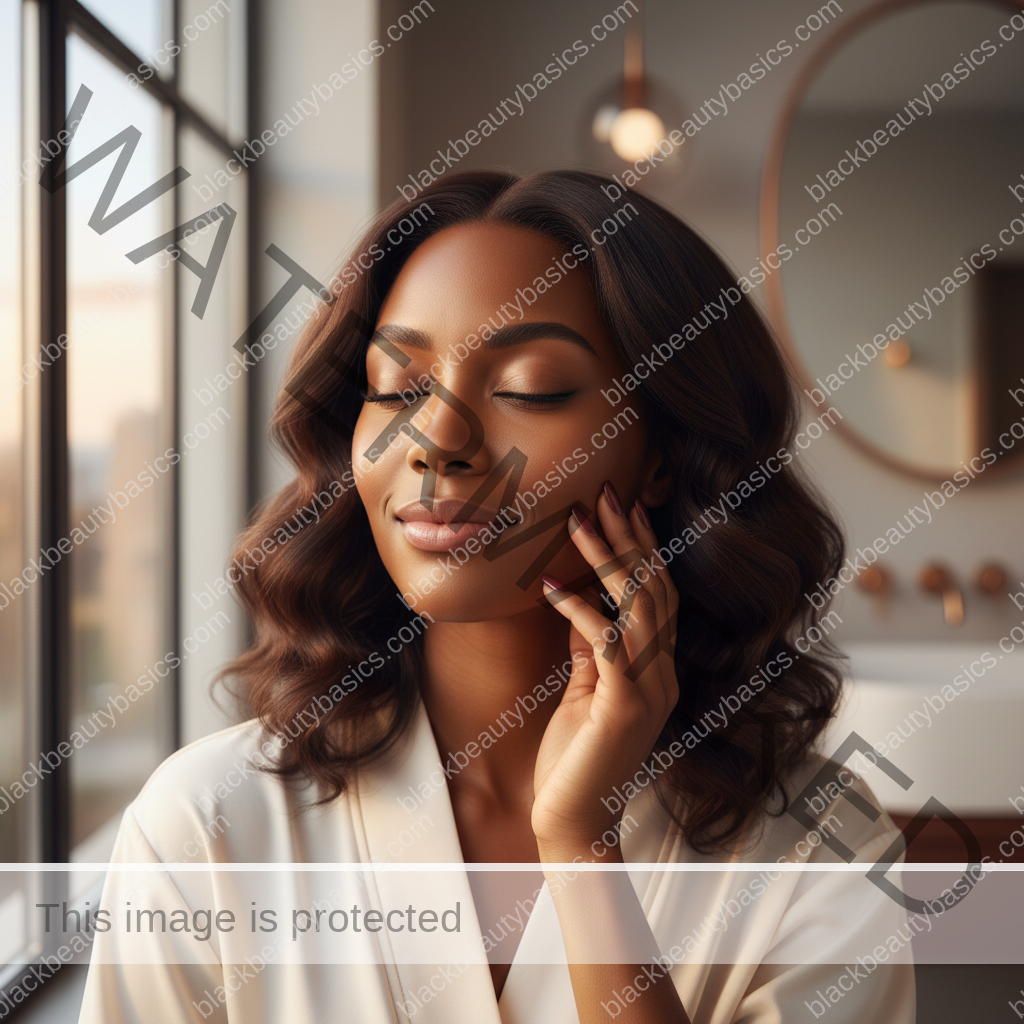
Empowered with these insights, you are now better equipped to embark on your microneedling journey with confidence and clarity. Remember, your skin is a precious canvas, and seeking out a practitioner who honors its unique beauty and resilience is the ultimate act of self-care. Here’s to unveiling your most radiant, even-toned, and exquisitely smooth complexion.
How to decide whether microneedling is the right next step
Microneedling can sound simple because the name is everywhere, but it is still a controlled injury to the skin. On melanin-rich skin, that means the conversation has to include post-inflammatory hyperpigmentation, irritation, infection risk, downtime, active breakouts, keloid tendency, and the provider’s experience with dark skin. If those topics are skipped, the consultation is not complete.
Before booking, ask what skin concerns they believe microneedling can realistically help and what it cannot do. Ask how they choose needle depth, how they adjust for darker skin, what aftercare they require, and what would make them postpone treatment. A good answer should sound specific, not rushed or overly confident. Be cautious with anyone who promises dramatic results, ignores your history of dark marks, or cannot explain what to do if your skin reacts.
The safest decision may be to wait, treat active inflammation first, or get a dermatology opinion before starting. Waiting is not failure. It is sometimes the most protective choice for skin that carries irritation and pigment changes visibly.
Related next steps
Related posts:
 Questions to Ask Before a Chemical Peel on Melanin-Rich Skin
 Empowering Questions to Ask Before Committing to Long-Term Hair Removal
 Questions to Ask a Dermatologist When Acne Keeps Scarring on Dark Skin
 Scalp Psoriasis on Dark Skin: Everyday Care Questions to Ask
 Clinic-Based Peels and Procedures on Dark Skin: Questions to Ask for Confident Care
 Laser Hair Removal for Dark Skin: What to Ask Before You Book