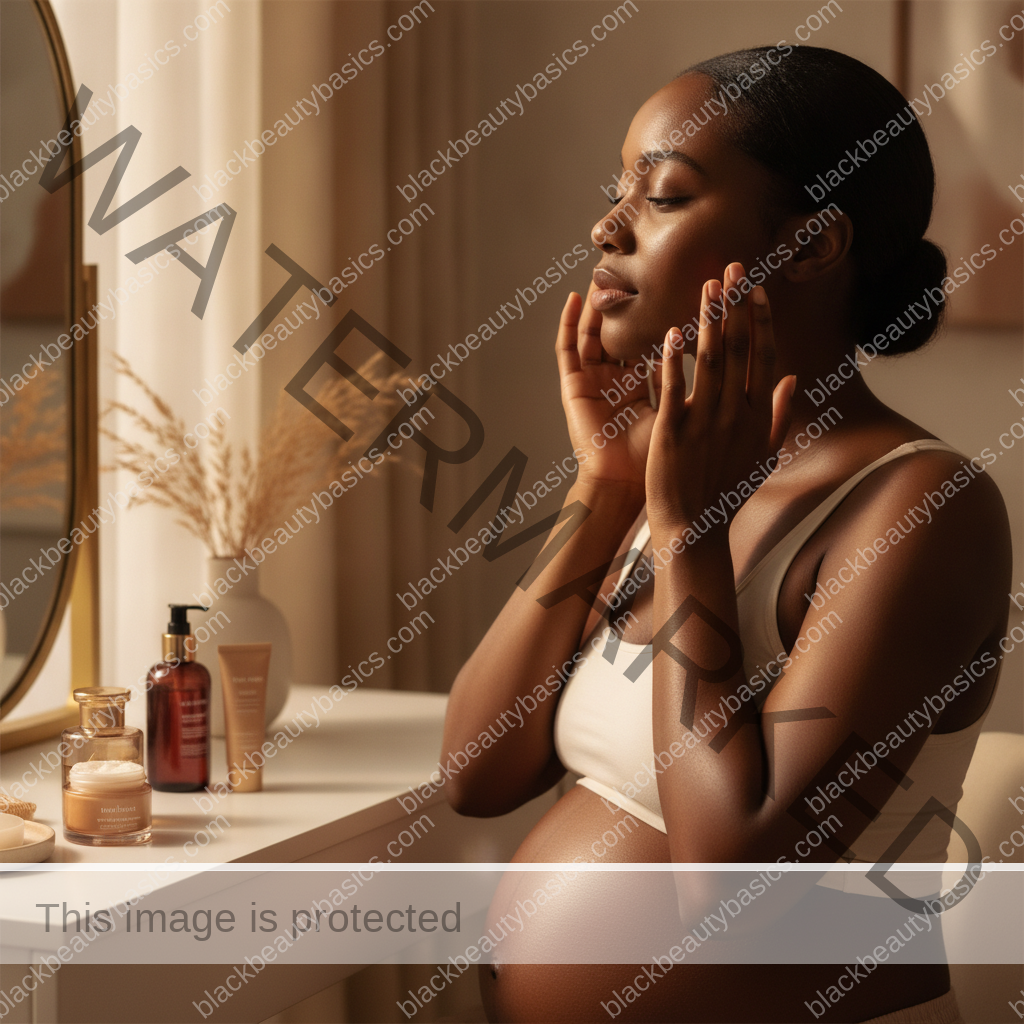
The journey of motherhood is a sacred transformation, a time when your body becomes a vessel of life, radiant with an inner glow that no cosmetic can replicate. Yet, amidst the wondrous changes, navigating your beauty routine can feel like deciphering a complex code. For the discerning Black woman, whose melanin-rich skin and unique hair textures deserve intentional care, finding pregnancy-safe beauty solutions that truly nourish and protect, without compromising on efficacy or luxury, is paramount. This guide is crafted for you, a celebration of your evolving beauty, offering clarity and confidence as you simplify your routine with grace and wisdom. Start with the related BBB cluster guide for the broader map.
Embracing the Glow: Understanding Pregnancy Skin Changes for Black Women
Pregnancy brings a symphony of hormonal shifts, and your skin, the body’s largest organ, often conducts a prominent part of this orchestra. For Black women, these changes can manifest uniquely, often intensifying existing concerns or introducing new ones. Understanding these shifts is the first step to crafting a routine that truly serves you.
The Hormonal Rollercoaster: What to Expect
The surge in hormones like estrogen and progesterone can lead to a variety of skin responses. While some women experience the coveted "pregnancy glow" – a result of increased blood flow – others may contend with more challenging conditions.
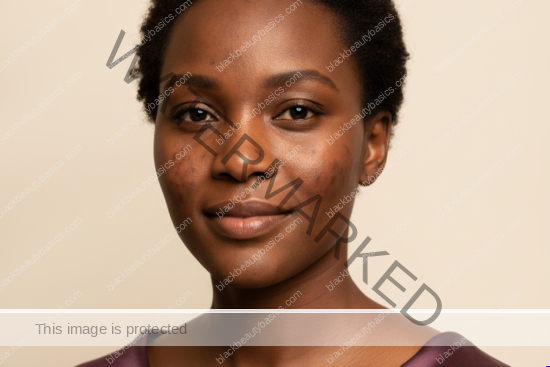
- Hyperpigmentation (Melasma/Chloasma): Often referred to as the "mask of pregnancy," melasma is a common concern, particularly for Black women who are naturally more prone to hyperpigmentation. Dark, patchy discoloration can appear on the face, neck, and other areas.
- Acne Breakouts: Hormonal fluctuations can stimulate sebaceous glands, leading to increased oil production and subsequent breakouts, even if you’ve never experienced acne before.
- Increased Sensitivity: Your skin might become more reactive to products you once loved, leading to redness, irritation, or dryness.
- Stretch Marks: As your body expands, collagen and elastin fibers in the skin can stretch and sometimes tear, resulting in stretch marks. While genetics play a role, diligent hydration and skin nourishment can help maintain elasticity.
- Dryness or Oiliness: Some women experience extreme dryness, while others find their skin becomes unusually oily.
These changes are a testament to the incredible work your body is doing. Our aim is not to erase them, but to manage them with gentle, effective, and safe approaches, ensuring your skin remains healthy and radiant throughout this special time.
The "No-Go" List: Ingredients to Avoid During Pregnancy
Navigating ingredient lists can be daunting, even for the most seasoned beauty enthusiast. During pregnancy, it becomes even more critical to scrutinize what you apply to your skin, as some ingredients can be absorbed into the bloodstream and potentially impact your baby. This section provides a clear guide to ingredients to temporarily sideline.
Top Ingredients to Steer Clear Of
Prioritizing safety doesn’t mean sacrificing efficacy. Many beneficial alternatives exist. Here’s what to avoid:
- Retinoids (Retinol, Tretinoin, Retinyl Palmitate): These vitamin A derivatives are powerful for anti-aging and acne but are linked to birth defects. Avoid all forms.
- Salicylic Acid (high concentrations): While low concentrations (under 2%) in washes are generally considered safe, high-concentration peels or leave-on products should be avoided due to potential absorption concerns.
- Hydroquinone: A common ingredient for hyperpigmentation, hydroquinone has a high absorption rate and should be avoided during pregnancy.
- Phthalates: Often found in fragrances and nail polishes, phthalates are endocrine disruptors and best avoided. Look for "phthalate-free" labels.
- Formaldehyde and Formaldehyde-Releasing Preservatives: Found in some nail polishes, hair straightening treatments, and cosmetics, these are potential carcinogens and irritants.
- Chemical Sunscreens (Oxybenzone, Avobenzone, Octinoxate): While the evidence is still debated, some studies suggest potential endocrine disruption. Opt for mineral sunscreens instead.
- Essential Oils (certain types and concentrations): While many are safe, some essential oils (e.g., rosemary, clary sage, jasmine) can be contraindicated or require extreme dilution. Consult with your doctor or a certified aromatherapist.
- Parabens: Though widely used, some studies suggest parabens can mimic estrogen, making them a "better safe than sorry" ingredient to avoid.
Decoding Labels: What to Look For
Beyond avoiding harmful ingredients, look for products specifically labeled "pregnancy-safe" or "maternity-friendly." However, remember that these labels are not FDA-regulated, so always double-check the ingredient list yourself. When in doubt, consult your obstetrician or dermatologist.
Comparison Table: Ingredients to Avoid vs. Safe Alternatives
| Ingredient to Avoid | Why Avoid | Safe Alternative | Benefit of Alternative |
|---|---|---|---|
| Retinoids | Potential birth defects | Bakuchiol, Niacinamide, Vitamin C | Anti-aging, brightening, collagen support |
| High-dose Salicylic Acid | Potential absorption concerns | Glycolic Acid (low dose), Lactic Acid, Azelaic Acid | Gentle exfoliation, acne treatment, brightening |
| Hydroquinone | High absorption rate, potential risks | Vitamin C, Azelaic Acid, Niacinamide, Licorice Root Extract | Brightening, hyperpigmentation reduction |
| Chemical Sunscreens | Potential endocrine disruption | Mineral Sunscreens (Zinc Oxide, Titanium Dioxide) | Broad-spectrum UV protection without absorption concerns |
| Phthalates, Parabens, Formaldehyde | Endocrine disruptors, irritants, potential carcinogens | "Free-from" formulations, natural preservatives | Reduced chemical exposure, safer for sensitive skin |
The Simplified Skincare Ritual: Morning & Evening for Melanin-Rich Skin
Simplification is key during pregnancy. Your routine doesn’t need to be elaborate to be effective. Focus on essential steps that cleanse, treat, protect, and nourish your skin, specifically addressing the needs of melanin-rich complexions.
Morning Ritual: Protection & Prevention
Your morning routine should focus on protecting your skin from environmental aggressors and preventing hyperpigmentation, a common concern for Black women.
- Gentle Cleansing: Start with a mild, hydrating cleanser. Look for formulas that are sulfate-free and pH-balanced to avoid stripping your skin, which can exacerbate dryness or oiliness.
- Antioxidant Serum (Vitamin C): A Vitamin C serum is a powerhouse for melanin-rich skin. It brightens, evens tone, protects against free radical damage, and can help mitigate hyperpigmentation. Ensure it’s a stable form of Vitamin C.
- Hydration (Hyaluronic Acid/Niacinamide): Follow with a hyaluronic acid serum for deep hydration, or a niacinamide serum to help with oil regulation, pore appearance, and barrier function.
- Moisturizer: Lock in moisture with a rich, nourishing moisturizer. Ingredients like shea butter, ceramides, and squalane are excellent for maintaining skin barrier health.
- Mineral Sunscreen (Non-Negotiable): This is your most critical step. Use a broad-spectrum mineral sunscreen with at least SPF 30, containing zinc oxide and/or titanium dioxide. This is vital for preventing melasma and protecting your skin from UV damage, which can worsen hyperpigmentation. Look for formulations that blend seamlessly into deeper skin tones without leaving a white cast.
Evening Ritual: Repair & Rejuvenation
Your evening routine is all about repairing the skin from the day’s stressors and supporting its natural regeneration process.
- Double Cleansing: If you wear makeup or heavy sunscreen, begin with an oil-based cleanser or balm to dissolve impurities, followed by your gentle hydrating cleanser.
- Targeted Treatment (Optional but Recommended):
- For Hyperpigmentation/Acne: Consider a pregnancy-safe azelaic acid serum (10-20%) or a low-dose glycolic or lactic acid toner (under 10%) a few times a week. These offer gentle exfoliation and brightening without the risks of retinoids or hydroquinone.
- For Anti-Aging/Texture: Bakuchiol is a plant-derived alternative to retinol, offering similar benefits without the pregnancy concerns.
- Hydrating Serum: Reapply your hyaluronic acid or niacinamide serum.
- Nourishing Moisturizer/Face Oil: Finish with a rich, restorative moisturizer or a pregnancy-safe face oil (e.g., rosehip, jojoba, argan) to deeply nourish and support skin barrier repair overnight.

Beyond the Face: Body Care & Hair Care for Expectant Mothers
Pregnancy affects your entire body, and your beauty routine should extend beyond your face. Addressing body changes and maintaining healthy hair are equally important for overall well-being and confidence.
Nourishing Your Body: Preventing Stretch Marks & Maintaining Suppleness
As your body grows, maintaining skin elasticity is crucial. While genetics play a significant role in stretch marks, consistent care can help.
- Hydrating Body Washes: Opt for creamy, sulfate-free body washes that cleanse without stripping your skin’s natural oils.
- Rich Body Butters & Oils: Apply a thick, nourishing body butter or body oil (e.g., shea butter, cocoa butter, rosehip oil, argan oil) generously to your belly, breasts, hips, and thighs twice daily. Massage gently to improve circulation and absorption.
- Exfoliation (Gentle): Once or twice a week, use a gentle physical exfoliant (like a sugar scrub) or a mild AHA body lotion to keep skin smooth and receptive to moisturizers. Avoid harsh scrubs.
Hair Care: Managing Pregnancy Hair Changes
Many Black women experience changes in hair texture, thickness, or oiliness during pregnancy. Hormones can make hair thicker and shinier for some, while others might find it drier or more prone to breakage.
- Gentle Shampoos & Conditioners: Use sulfate-free and paraben-free shampoos and conditioners that cater to your specific hair type (e.g., moisturizing for dry hair, balancing for oily scalp).
- Deep Conditioning: Regular deep conditioning treatments are essential to maintain moisture and elasticity, especially for textured hair which is naturally prone to dryness.
- Scalp Care: If you experience scalp dryness or oiliness, consider a gentle scalp treatment. Avoid harsh chemical treatments like relaxers or perms during pregnancy.
- Hair Dyes: While most hair dyes are considered low risk, many women opt to avoid them, especially in the first trimester, due to chemical exposure. If you do color your hair, opt for ammonia-free, semi-permanent options or highlights that don’t touch the scalp.
Quick Tips: Pregnancy-Safe Beauty Hacks for Black Women
- Embrace Mineral Makeup: Switch to mineral-based foundations and powders to minimize chemical exposure and reduce irritation.
- Hydrate from Within: Drink plenty of water! Hydration is the foundation of healthy skin and hair.
- Prioritize Sleep: Rest is crucial for your body’s repair processes and can significantly impact your skin’s appearance.
- Manage Stress: Practice mindfulness, meditation, or gentle exercise to keep stress hormones in check, which can affect skin health.
- Consult Your Doctor: Always discuss any new products or concerns with your obstetrician or dermatologist.
- Patch Test New Products: Pregnancy can increase skin sensitivity, so always patch test new products before full application.
- Invest in Silk Pillowcases: Silk pillowcases can reduce friction on both skin and hair, preventing breakage and maintaining moisture.
FAQ: Your Pregnancy Beauty Questions Answered
Q1: Is it safe to use essential oils during pregnancy?
A1: While many essential oils are safe, some are contraindicated during pregnancy (e.g., clary sage, rosemary, jasmine, pennyroyal). It’s crucial to use only high-quality, pure essential oils, heavily diluted in a carrier oil, and to consult with your doctor or a certified aromatherapist before use. Always avoid internal use. For general beauty, it’s often safer to opt for products formulated without essential oils or with only widely recognized safe options like lavender (in low concentrations).
Q2: How can I manage pregnancy acne safely?
A2: For pregnancy acne, focus on gentle cleansing, hydration, and targeted treatments. Avoid retinoids and high-concentration salicylic acid. Safe alternatives include azelaic acid (10-20%), low-dose glycolic or lactic acid (under 10%), and niacinamide. Ensure your cleanser is non-comedogenic and your moisturizer is lightweight but hydrating. Consistency is key.
Q3: What’s the best way to prevent or treat melasma for Black skin during pregnancy?
A3: Prevention is paramount. Strict daily use of a broad-spectrum mineral sunscreen (SPF 30+) is non-negotiable, even indoors. Pair this with a Vitamin C serum in the morning for antioxidant protection and brightening. For existing melasma, azelaic acid, niacinamide, and licorice root extract are safe and effective options. Avoid hydroquinone during pregnancy.
Q4: Can I get my nails done (manicures/pedicures) during pregnancy?
A4: Yes, generally, manicures and pedicures are safe. However, opt for well-ventilated salons to minimize exposure to fumes. Bring your own tools if possible, or ensure the salon sterilizes theirs properly to prevent infections. Choose "3-free" or "5-free" nail polishes, which are free from formaldehyde, toluene, and dibutyl phthalate (DBP).
Q5: Are chemical hair treatments like relaxers or keratin treatments safe during pregnancy?
A5: It’s generally advised to avoid strong chemical hair treatments like relaxers, perms, and keratin treatments during pregnancy. The chemicals involved can be harsh, and there’s concern about absorption through the scalp and inhalation of fumes. If you must, consider waiting until after the first trimester, opting for safer, temporary styling methods, or consulting with your doctor and a professional stylist about less invasive options.
Q6: How can I deal with increased skin sensitivity during pregnancy?
A6: If your skin becomes more sensitive, simplify your routine even further. Use fragrance-free, hypoallergenic products. Introduce new products one at a time and patch test them. Focus on gentle cleansing, soothing hydration (e.g., products with ceramides, colloidal oatmeal, or centella asiatica), and consistent sun protection. Avoid harsh exfoliants or active ingredients until sensitivity subsides.
Q7: What about postpartum hair loss? Are there any pregnancy-safe preventative measures?
A7: Postpartum hair loss (telogen effluvium) is a common, temporary hormonal shift after birth. While you can’t entirely prevent it, maintaining a healthy scalp and hair during pregnancy can help. Continue with gentle, nourishing hair care, ensure adequate nutrition, and manage stress. During the postpartum period, be extra gentle with your hair, avoid tight styles, and continue a balanced diet. Consult a doctor if hair loss is severe or prolonged.
As you embark on this beautiful chapter, remember that your well-being, and that of your precious little one, is paramount. Simplifying your beauty routine isn’t about deprivation; it’s about intentional choices, embracing safe yet effective ingredients that honor your body’s incredible work. Let this guide empower you to cultivate a routine that celebrates your radiant, evolving beauty, ensuring you feel cherished, confident, and exquisitely cared for, every step of the way. May your journey be as luminous as your spirit.
Why this needs a dark-skin lens
For Black women and people with richly melanated skin, simplifying pregnancy beauty routines with gentle skin, hair, body, and scalp choices while checking ingredient concerns with a clinician. The usual one-size-fits-all beauty advice can miss the way brown skin shows irritation, dryness, marks, texture changes, or treatment reactions. Start with the related BBB cluster guide when you want the bigger map around this topic.
Hormonal shifts can affect skin, hair, scalp, oil, dryness, shedding, sensitivity, and how quickly marks appear or fade. This article does not diagnose hormone conditions or replace medical care, but it can help you organize what you notice and decide which questions belong with a clinician.
A protective routine is not about doing the most. It is about reducing avoidable irritation, noticing patterns, keeping your skin and scalp comfortable, and knowing when a professional conversation belongs in the plan. You are allowed to ask questions before you buy a device, change a routine, start a treatment, or assume every change is your fault.
What to track gently
- Timing: cycle changes, pregnancy or postpartum shifts, menopause symptoms, treatment sessions, or device use.
- Skin response: itch, stinging, dryness, peeling, acne, irritation, dark marks, or unusual sensitivity.
- Hair and scalp response: shedding, breakage, density changes, texture shifts, tenderness, or dryness.
- Routine changes: new products, stronger actives, hair removal, devices, supplements, styling, or laundry changes.
- Quality of life: discomfort, confidence, sleep, stress, pain, or how often you feel the concern is interfering with normal life.
What to avoid while you figure it out
Avoid panic-buying every product or device that promises a fast fix. Melanin-rich skin can be more vulnerable to lingering marks after irritation, and a rushed routine can make it harder to know what helped or hurt.
Avoid harsh DIY treatments, aggressive scrubbing, over-exfoliating, and using multiple strong actives at the same time. If a product or tool makes your skin burn, swell, crust, or feel more inflamed, that is information. Pause and simplify instead of pushing through.
Avoid letting a device, app, trend, or comment section override your lived experience. If the advice does not account for deep skin, hormonal timing, scalp comfort, hyperpigmentation, or provider safety, it may not be complete enough for your situation.
What to do next
Use this guide as one step inside the larger BBB system, not as a stand-alone diagnosis. The next best move may be simplifying your routine, documenting patterns, checking a provider’s dark-skin experience, or bringing your notes to a medical professional.
- Hormonal Skin & Hair: PCOS, Pregnancy, Menopause
- The related BBB cluster guide
- hormonal skin and hair guide
- pregnancy and postpartum skin and hair transitions
- postpartum skin changes
- hormones and hair texture changes
How to make the plan realistic
The most useful routine is the one you can repeat without turning your bathroom into a lab. Choose one or two changes at a time. Give your skin, hair, or scalp enough time to respond. Write down what you changed so you are not relying on memory when emotions are high.
If this topic involves pregnancy, postpartum, menopause, PCOS, or persistent symptoms, keep professional care in the picture. A beauty routine can support comfort, but it should not carry the whole weight of a hormone-related concern. You deserve care that respects both the beauty side and the health side.
When the topic involves devices, apps, or aesthetic treatments, ask what evidence exists for deep skin, what risks are possible, and what the provider or tool does when melanin-rich skin reacts differently. Calm questions protect you. They do not make you difficult.
Most of all, do not measure your worth by how quickly your skin clears, your hair thickens, or your routine feels stable. Hormonal seasons and beauty-tech decisions can be confusing. A slower, clearer plan is still progress.
How to make the plan realistic
The most useful routine is the one you can repeat without turning your bathroom into a lab. Choose one or two changes at a time. Give your skin, hair, or scalp enough time to respond. Write down what you changed so you are not relying on memory when emotions are high.
If this topic involves pregnancy, postpartum, menopause, PCOS, or persistent symptoms, keep professional care in the picture. A beauty routine can support comfort, but it should not carry the whole weight of a hormone-related concern. You deserve care that respects both the beauty side and the health side.
When the topic involves devices, apps, or aesthetic treatments, ask what evidence exists for deep skin, what risks are possible, and what the provider or tool does when melanin-rich skin reacts differently. Calm questions protect you. They do not make you difficult.
Most of all, do not measure your worth by how quickly your skin clears, your hair thickens, or your routine feels stable. Hormonal seasons and beauty-tech decisions can be confusing. A slower, clearer plan is still progress.
How to make the plan realistic
The most useful routine is the one you can repeat without turning your bathroom into a lab. Choose one or two changes at a time. Give your skin, hair, or scalp enough time to respond. Write down what you changed so you are not relying on memory when emotions are high.
If this topic involves pregnancy, postpartum, menopause, PCOS, or persistent symptoms, keep professional care in the picture. A beauty routine can support comfort, but it should not carry the whole weight of a hormone-related concern. You deserve care that respects both the beauty side and the health side.
When the topic involves devices, apps, or aesthetic treatments, ask what evidence exists for deep skin, what risks are possible, and what the provider or tool does when melanin-rich skin reacts differently. Calm questions protect you. They do not make you difficult.
Most of all, do not measure your worth by how quickly your skin clears, your hair thickens, or your routine feels stable. Hormonal seasons and beauty-tech decisions can be confusing. A slower, clearer plan is still progress.
How to make the plan realistic
The most useful routine is the one you can repeat without turning your bathroom into a lab. Choose one or two changes at a time. Give your skin, hair, or scalp enough time to respond. Write down what you changed so you are not relying on memory when emotions are high.
If this topic involves pregnancy, postpartum, menopause, PCOS, or persistent symptoms, keep professional care in the picture. A beauty routine can support comfort, but it should not carry the whole weight of a hormone-related concern. You deserve care that respects both the beauty side and the health side.
When the topic involves devices, apps, or aesthetic treatments, ask what evidence exists for deep skin, what risks are possible, and what the provider or tool does when melanin-rich skin reacts differently. Calm questions protect you. They do not make you difficult.
Most of all, do not measure your worth by how quickly your skin clears, your hair thickens, or your routine feels stable. Hormonal seasons and beauty-tech decisions can be confusing. A slower, clearer plan is still progress.
Continue exploring
Related posts:
 Safe Routines & Treatments During Pregnancy and Breastfeeding for Dark Skin
 Melasma in Black Women: Pregnancy, Hormones, and Safe Treatments
 Pregnancy & Postpartum Hair Changes in Black Women: Shedding, Density, and Texture
 How to Simplify Your Skincare Routine When Your Budget Is Tight
 Pregnancy Skin Changes on Dark Skin: Hyperpigmentation, Melasma, and Linea Nigra
 Example Care Pathways: PCOS, Pregnancy, Period Flares & Menopause