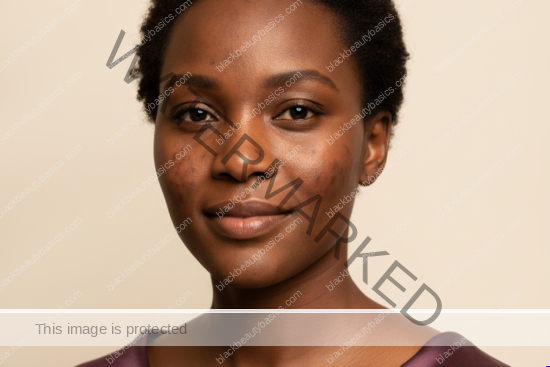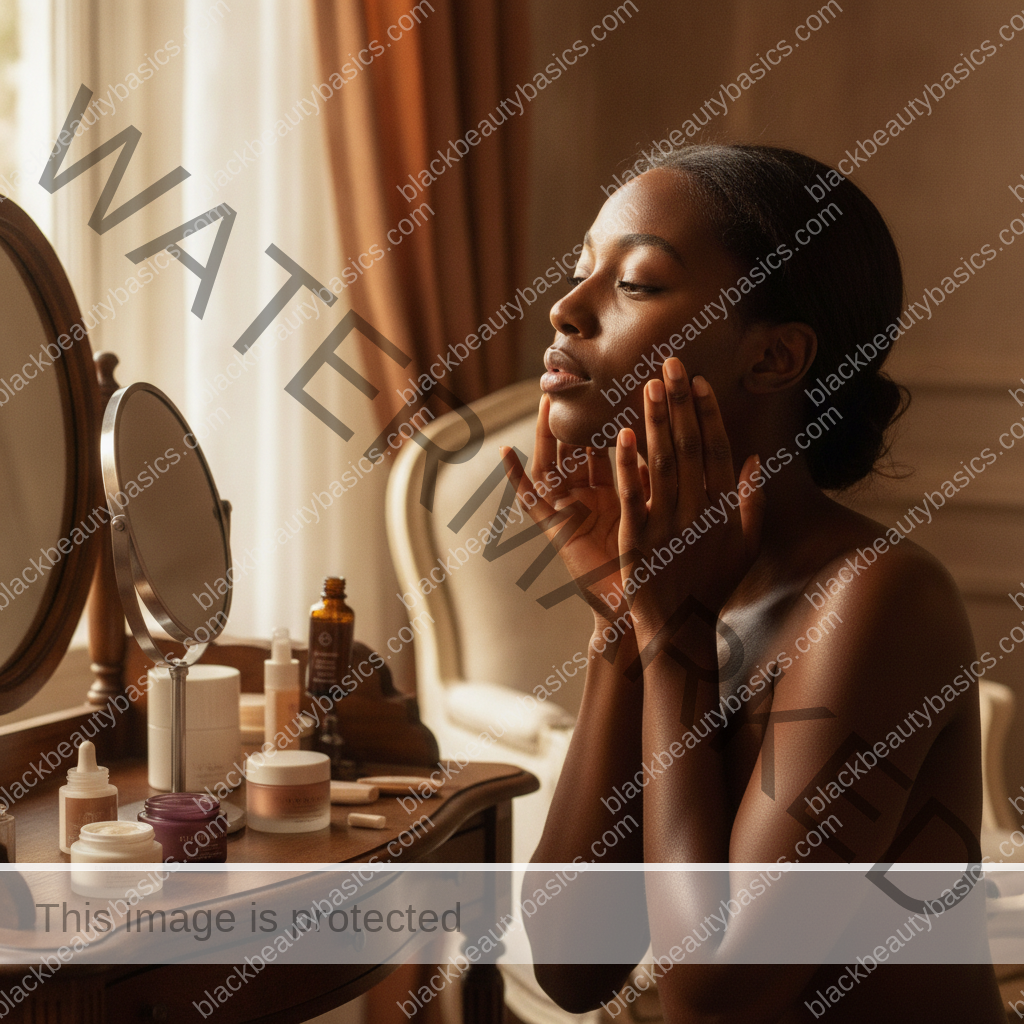
The journey of motherhood is a profound metamorphosis, a beautiful unfolding that touches every facet of a woman’s being. For those of us blessed with melanin-rich skin, this transformative period, especially postpartum, brings a unique set of changes that deserve understanding, reverence, and tailored care. Let us embark on a journey to embrace and nurture our skin as it navigates this remarkable chapter. Start with the related BBB cluster guide for the broader map.
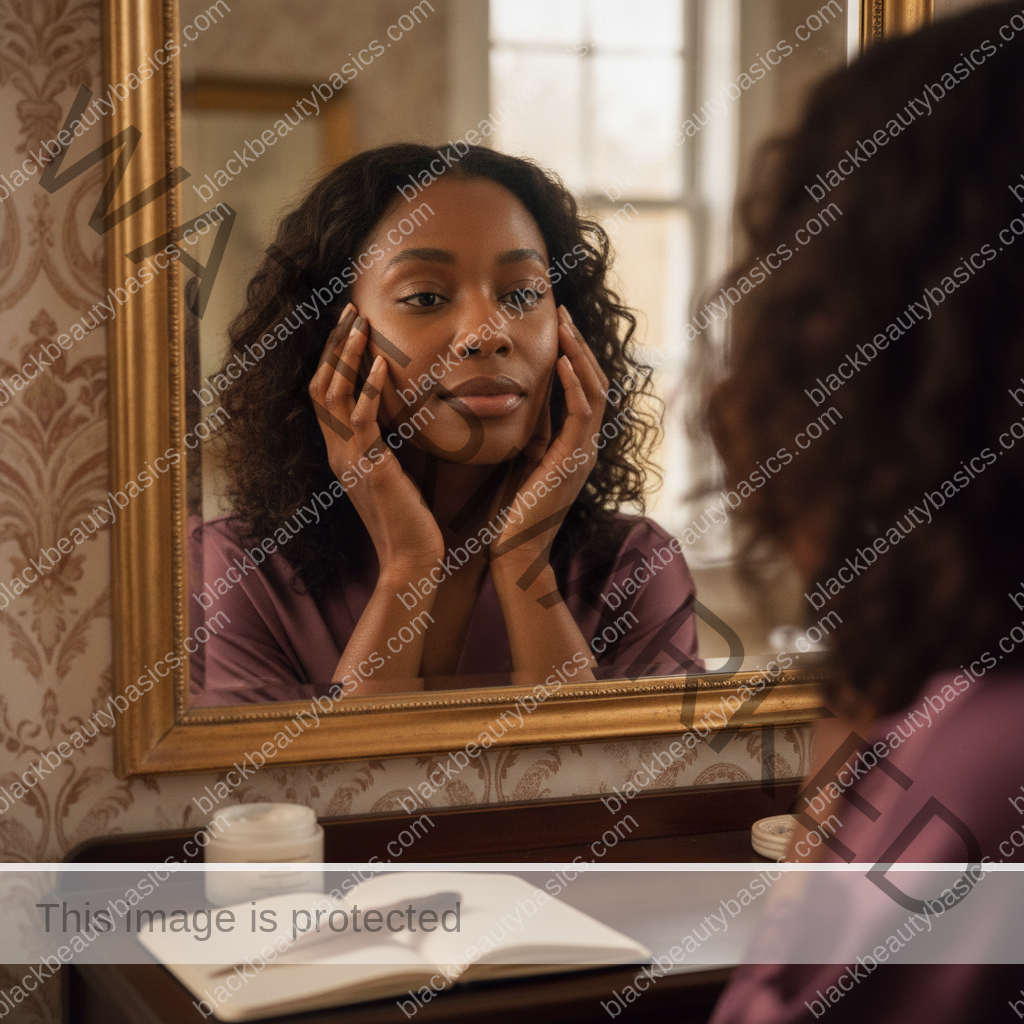
Embracing the Postpartum Glow: Understanding Melanin-Rich Skin
The arrival of a new life is an unparalleled joy, but it also ushers in a cascade of hormonal shifts that can manifest beautifully, and sometimes unexpectedly, on our skin. For Black women, our skin’s inherent richness and resilience are often celebrated, yet it also responds distinctly to internal changes, requiring a nuanced approach to postpartum care. Understanding these unique responses is the first step toward maintaining our radiant glow.
The Hormonal Symphony: What Happens After Birth?
During pregnancy, a surge of hormones like estrogen and progesterone often contributes to the fabled “pregnancy glow.” Postpartum, these hormone levels plummet dramatically, signaling the body to return to its pre-pregnancy state. This rapid decline, coupled with the demands of breastfeeding (which keeps estrogen lower) and sleep deprivation, can send our skin into a temporary tailspin. For melanin-rich skin, this hormonal roller coaster can exacerbate certain conditions, making targeted care essential.
Common Postpartum Skin Changes in Melanin-Rich Skin
Our skin tells a story, and postpartum, it narrates a tale of immense change and adaptation. While some experiences are universal, melanin-rich skin often presents specific challenges and opportunities for care. Let’s delve into the most common transformations you might encounter.
Hyperpigmentation: The Lingering Shadows
One of the most prevalent and often frustrating postpartum skin concerns for Black women is hyperpigmentation. This includes:
- Melasma (The “Mask of Pregnancy”): Characterized by dark, patchy discoloration, often on the face (forehead, cheeks, upper lip). While it often appears during pregnancy, it can persist or even worsen postpartum due to hormonal fluctuations and sun exposure.
- Post-Inflammatory Hyperpigmentation (PIH): Dark spots that remain after acne breakouts, insect bites, or any skin inflammation. The postpartum period, with its stress and hormonal shifts, can trigger new breakouts, leading to more PIH.
Melanin-rich skin is inherently more prone to hyperpigmentation because our melanocytes (the cells that produce melanin) are more active and reactive to hormonal changes, inflammation, and sun exposure. This means that even minor irritations can leave a lasting mark.
Targeting Hyperpigmentation: A Gentle Approach
Managing hyperpigmentation requires patience and a consistent regimen. Key ingredients to look for include:
- Vitamin C: A powerful antioxidant that brightens skin and inhibits melanin production.
- Niacinamide (Vitamin B3): Reduces inflammation and helps prevent melanin transfer to skin cells.
- Alpha Arbutin or Kojic Acid: Natural skin brighteners that target hyperpigmentation.
- Gentle Retinoids (after breastfeeding): Can accelerate cell turnover, but consult your doctor if breastfeeding.
- Sunscreen: Non-negotiable! Daily, broad-spectrum SPF 30+ is crucial to prevent worsening and new spots.
Shop Vitamin C Serum on Amazon
Shop Niacinamide Serum on Amazon
Shop Broad-Spectrum Sunscreen SPF 30+ on Amazon
Acne and Breakouts: The Uninvited Guests
While some women experience clearer skin during pregnancy, others find themselves battling new or worsening acne postpartum. The fluctuating hormones, increased stress, and lack of sleep can all contribute to an overproduction of sebum, leading to clogged pores and breakouts. For melanin-rich skin, these breakouts often leave behind stubborn PIH, making acne management doubly important.
Calming Postpartum Acne
- Gentle Cleansing: Use a mild, pH-balanced cleanser twice daily.
- Salicylic Acid (in moderation): Can help unclog pores; ensure it’s safe if breastfeeding.
- Benzoyl Peroxide (spot treatment): Effective for inflammatory acne, but can be drying.
- Tea Tree Oil: A natural antiseptic, diluted for spot treatments.
- Non-Comedogenic Products: Choose skincare and makeup labeled “non-comedogenic” to avoid clogging pores.
Shop Gentle Facial Cleanser on Amazon
Shop Salicylic Acid Toner on Amazon
Shop Non-Comedogenic Moisturizer on Amazon
Dryness and Sensitivity: A Thirsty Canvas
The postpartum period can also bring unexpected dryness and increased skin sensitivity. Hormonal shifts, dehydration (especially if breastfeeding), and fatigue can compromise the skin’s natural barrier function, leading to flakiness, tightness, and irritation. This can be particularly noticeable on areas like the face, hands, and body.
Hydrating and Soothing Sensitive Skin
- Humectant-Rich Moisturizers: Look for ingredients like hyaluronic acid, glycerin, and ceramides.
- Gentle, Fragrance-Free Products: Avoid harsh chemicals, dyes, and strong fragrances that can irritate sensitive skin.
- Hydrating Serums: Layer a hydrating serum under your moisturizer.
- Lukewarm Showers: Hot water can strip natural oils.
- Drink Plenty of Water: Internal hydration is key for skin health.
Shop Hyaluronic Acid Serum on Amazon
Shop Fragrance-Free Moisturizer on Amazon
Stretch Marks: A Badge of Honor
While not exclusive to postpartum, stretch marks (striae gravidarum) are a common and often permanent reminder of pregnancy. For melanin-rich skin, these can appear as darker lines (purplish, reddish-brown) on the abdomen, breasts, hips, and thighs, eventually fading to a lighter, silvery hue. While genetics and skin elasticity play a significant role, there are ways to support skin health.
Minimizing the Appearance of Stretch Marks
- Early Intervention: Moisturize regularly during pregnancy and postpartum to maintain skin elasticity.
- Ingredients: Look for products with cocoa butter, shea butter, hyaluronic acid, and vitamin E.
- Massage: Gentle massage can improve circulation and product absorption.
- Professional Treatments: For established stretch marks, treatments like microneedling or laser therapy (after consulting a dermatologist) can help improve texture and appearance.
Shop Cocoa Butter Lotion on Amazon
Shop Shea Butter Body Cream on Amazon
Hair Loss (Postpartum Alopecia): The Shedding Season
Though not strictly a skin change, postpartum hair loss is a common and often distressing experience for new mothers. The high estrogen levels during pregnancy prolong the hair growth phase. Postpartum, as estrogen levels drop, a large number of hairs simultaneously enter the resting and shedding phases, leading to noticeable hair loss, typically 2-4 months after delivery. While temporary, it can feel alarming.
Nurturing Postpartum Hair
- Gentle Hair Care: Avoid harsh styling, tight hairstyles, and excessive heat.
- Nutrient-Rich Diet: Ensure adequate intake of iron, zinc, biotin, and vitamins A, C, D, and E.
- Scalp Massage: Can stimulate blood flow to hair follicles.
- Volumizing Products: Can help hair appear fuller during this phase.
- Consult a Dermatologist: If hair loss is severe or prolonged.
Shop Gentle Shampoo and Conditioner on Amazon
Shop Hair Growth Serum on Amazon
Crafting Your Postpartum Skincare Ritual for Melanin-Rich Skin
Your postpartum skincare routine should be a sanctuary, a moment of self-care amidst the beautiful chaos of new motherhood. Simplicity, efficacy, and gentleness are your guiding principles.
The Essential Postpartum Skincare Routine
| Step | Product Type & Key Ingredients | Why It’s Crucial for Melanin-Rich Skin |
|---|---|---|
| 1. Gentle Cleanse | Cream or oil-based cleanser, pH-balanced, fragrance-free. | Removes impurities without stripping natural oils, preventing irritation that can lead to PIH. |
| 2. Treat & Target | Vitamin C serum, Niacinamide serum, Alpha Arbutin serum. | Addresses hyperpigmentation, brightens, and evens skin tone. Choose one or two based on primary concerns. |
| 3. Hydrate & Nourish | Hyaluronic acid serum, Ceramides-rich moisturizer, Squalane oil. | Replenishes moisture barrier, soothes sensitivity, and combats dryness, crucial for tired skin. |
| 4. Protect (AM Only) | Broad-spectrum SPF 30+ mineral sunscreen (zinc oxide, titanium dioxide) with no white cast. | ABSOLUTELY ESSENTIAL to prevent and fade hyperpigmentation. Non-negotiable for melanin-rich skin. |
| 5. Body Care | Rich body butter (shea, cocoa), hydrating body oil. | Maintains skin elasticity, addresses dryness, and can help with stretch mark appearance. |
Shop Cream Cleanser on Amazon
Shop Squalane Oil on Amazon
Shop Mineral Sunscreen No White Cast on Amazon
Shop Rich Body Butter on Amazon
Ingredients to Embrace and Approach with Caution
| Embrace (Generally Safe & Beneficial) | Approach with Caution (Consult Doctor if Pregnant/Breastfeeding) |
|---|---|
| Hyaluronic Acid | Retinoids (Retinol, Tretinoin) |
| Niacinamide | Hydroquinone |
| Vitamin C (Ascorbic Acid) | High-dose Salicylic Acid (e.g., peels) |
| Alpha Arbutin | Certain essential oils (e.g., high concentrations) |
| Kojic Acid | Chemical peels (AHA/BHA in high concentrations) |
| Azelaic Acid | Prescription medications for acne (e.g., oral antibiotics) |
| Shea Butter, Cocoa Butter | Formaldehyde-releasing preservatives |
| Mineral Sunscreens (Zinc Oxide, Titanium Dioxide) | Phthalates and Parabens (often best to avoid generally) |
Shop Azelaic Acid Serum on Amazon
Beyond Skincare: Holistic Wellness for Postpartum Skin
True radiance emanates from within. Skincare products are powerful tools, but they work best in conjunction with a holistic approach to your well-being. This is especially true during the demanding postpartum period.
Nutrition: Fueling Your Inner Glow
What you consume directly impacts your skin’s health. Focus on a diet rich in:
- Antioxidants: Berries, leafy greens, colorful vegetables protect against cellular damage.
- Omega-3 Fatty Acids: Salmon, flaxseeds, walnuts reduce inflammation and support skin barrier function.
- Lean Proteins: Chicken, fish, legumes, tofu are essential for collagen production and tissue repair.
- Vitamins and Minerals: Especially Vitamin A, C, E, Zinc, and Iron, which are crucial for skin and hair health.
- Water: Stay consistently hydrated to support skin elasticity and overall bodily functions.
Shop Omega-3 Supplements on Amazon
Shop Multivitamin for Postpartum on Amazon
Sleep: The Ultimate Beauty Elixir
While uninterrupted sleep might feel like a distant dream with a newborn, prioritize rest whenever possible. Even short naps can make a difference. Sleep allows your body to repair and regenerate, directly impacting skin cell turnover, collagen production, and overall radiance. Lack of sleep can exacerbate dark circles, dullness, and inflammation.
Stress Management: Taming the Inner Storm
The postpartum period is inherently stressful. Chronic stress can trigger hormonal imbalances, leading to increased inflammation, acne, and even worsening hyperpigmentation. Incorporate stress-reducing practices into your daily life:
- Mindful Moments: Even 5-10 minutes of deep breathing or meditation.
- Gentle Movement: Postpartum yoga, walking, or light stretching.
- Connect with Others: Share your experiences with trusted friends, family, or support groups.
- Delegate: Don’t be afraid to ask for help with household chores or childcare.
Sun Protection: Your Skin’s Best Friend
This cannot be overstated for melanin-rich skin, especially when dealing with hyperpigmentation. Daily, year-round use of broad-spectrum SPF 30+ (or higher) is paramount. Seek shade, wear wide-brimmed hats, and protective clothing. Sun exposure is the number one trigger for worsening melasma and PIH.
Shop Wide-Brimmed Hat on Amazon
When to Seek Professional Guidance
While a consistent home routine is foundational, sometimes professional intervention is necessary. Don’t hesitate to consult a dermatologist, especially one experienced with melanin-rich skin, if:
- Your hyperpigmentation is severe or not responding to at-home treatments.
- You experience persistent, painful, or cystic acne.
- You have concerns about unusual rashes or skin conditions.
- Postpartum hair loss is excessive or prolonged beyond 6-12 months.
- You are considering in-office treatments like chemical peels, microdermabrasion, or laser therapy for hyperpigmentation or stretch marks (ensure they are safe for your skin type and if breastfeeding).
Why this needs a dark-skin lens
For Black women and people with richly melanated skin, understanding postpartum skin changes on melanin-rich skin, including dryness, acne, uneven tone, sensitivity, fatigue, and realistic routine resets. The usual one-size-fits-all beauty advice can miss the way brown skin shows irritation, dryness, marks, texture changes, or treatment reactions. Start with the related BBB cluster guide when you want the bigger map around this topic.
Hormonal shifts can affect skin, hair, scalp, oil, dryness, shedding, sensitivity, and how quickly marks appear or fade. This article does not diagnose hormone conditions or replace medical care, but it can help you organize what you notice and decide which questions belong with a clinician.
A protective routine is not about doing the most. It is about reducing avoidable irritation, noticing patterns, keeping your skin and scalp comfortable, and knowing when a professional conversation belongs in the plan. You are allowed to ask questions before you buy a device, change a routine, start a treatment, or assume every change is your fault.
What to track gently
- Timing: cycle changes, pregnancy or postpartum shifts, menopause symptoms, treatment sessions, or device use.
- Skin response: itch, stinging, dryness, peeling, acne, irritation, dark marks, or unusual sensitivity.
- Hair and scalp response: shedding, breakage, density changes, texture shifts, tenderness, or dryness.
- Routine changes: new products, stronger actives, hair removal, devices, supplements, styling, or laundry changes.
- Quality of life: discomfort, confidence, sleep, stress, pain, or how often you feel the concern is interfering with normal life.
What to avoid while you figure it out
Avoid panic-buying every product or device that promises a fast fix. Melanin-rich skin can be more vulnerable to lingering marks after irritation, and a rushed routine can make it harder to know what helped or hurt.
Avoid harsh DIY treatments, aggressive scrubbing, over-exfoliating, and using multiple strong actives at the same time. If a product or tool makes your skin burn, swell, crust, or feel more inflamed, that is information. Pause and simplify instead of pushing through.
Avoid letting a device, app, trend, or comment section override your lived experience. If the advice does not account for deep skin, hormonal timing, scalp comfort, hyperpigmentation, or provider safety, it may not be complete enough for your situation.
What to do next
Use this guide as one step inside the larger BBB system, not as a stand-alone diagnosis. The next best move may be simplifying your routine, documenting patterns, checking a provider’s dark-skin experience, or bringing your notes to a medical professional.
- Hormonal Skin & Hair: PCOS, Pregnancy, Menopause
- The related BBB cluster guide
- hormonal skin and hair guide
- pregnancy and postpartum transitions
- pregnancy-safe beauty routines
- hormones and hair texture changes
How to make the plan realistic
The most useful routine is the one you can repeat without turning your bathroom into a lab. Choose one or two changes at a time. Give your skin, hair, or scalp enough time to respond. Write down what you changed so you are not relying on memory when emotions are high.
If this topic involves pregnancy, postpartum, menopause, PCOS, or persistent symptoms, keep professional care in the picture. A beauty routine can support comfort, but it should not carry the whole weight of a hormone-related concern. You deserve care that respects both the beauty side and the health side.
When the topic involves devices, apps, or aesthetic treatments, ask what evidence exists for deep skin, what risks are possible, and what the provider or tool does when melanin-rich skin reacts differently. Calm questions protect you. They do not make you difficult.
Most of all, do not measure your worth by how quickly your skin clears, your hair thickens, or your routine feels stable. Hormonal seasons and beauty-tech decisions can be confusing. A slower, clearer plan is still progress.
How to make the plan realistic
The most useful routine is the one you can repeat without turning your bathroom into a lab. Choose one or two changes at a time. Give your skin, hair, or scalp enough time to respond. Write down what you changed so you are not relying on memory when emotions are high.
If this topic involves pregnancy, postpartum, menopause, PCOS, or persistent symptoms, keep professional care in the picture. A beauty routine can support comfort, but it should not carry the whole weight of a hormone-related concern. You deserve care that respects both the beauty side and the health side.
When the topic involves devices, apps, or aesthetic treatments, ask what evidence exists for deep skin, what risks are possible, and what the provider or tool does when melanin-rich skin reacts differently. Calm questions protect you. They do not make you difficult.
Most of all, do not measure your worth by how quickly your skin clears, your hair thickens, or your routine feels stable. Hormonal seasons and beauty-tech decisions can be confusing. A slower, clearer plan is still progress.
How to make the plan realistic
The most useful routine is the one you can repeat without turning your bathroom into a lab. Choose one or two changes at a time. Give your skin, hair, or scalp enough time to respond. Write down what you changed so you are not relying on memory when emotions are high.
If this topic involves pregnancy, postpartum, menopause, PCOS, or persistent symptoms, keep professional care in the picture. A beauty routine can support comfort, but it should not carry the whole weight of a hormone-related concern. You deserve care that respects both the beauty side and the health side.
When the topic involves devices, apps, or aesthetic treatments, ask what evidence exists for deep skin, what risks are possible, and what the provider or tool does when melanin-rich skin reacts differently. Calm questions protect you. They do not make you difficult.
Most of all, do not measure your worth by how quickly your skin clears, your hair thickens, or your routine feels stable. Hormonal seasons and beauty-tech decisions can be confusing. A slower, clearer plan is still progress.
Frequently Asked Questions About Postpartum Skin Changes
Q1: How long do postpartum skin changes typically last?
A1: The duration varies greatly among individuals. Hormonal fluctuations are most dramatic in the first few months postpartum, and many skin issues like acne and dryness may subside as hormones stabilize, often by 6-12 months. Hyperpigmentation, particularly melasma, can be more persistent and may require ongoing management for several years or even indefinitely, especially with sun exposure. Hair loss typically peaks around 3-4 months postpartum and resolves within 6-12 months.
Q2: Is it safe to use retinoids for hyperpigmentation while breastfeeding?
A2: Generally, topical retinoids (like retinol or tretinoin) are advised against during pregnancy and breastfeeding due to potential, though unproven, risks of absorption and transfer to the baby. It’s crucial to consult with your doctor or dermatologist before incorporating any retinoid into your routine while breastfeeding. Safer alternatives for hyperpigmentation during this period include Vitamin C, Niacinamide, Azelaic Acid, and Alpha Arbutin.
Q3: Can postpartum skin changes affect other areas of the body besides the face?
A3: Absolutely. Postpartum skin changes can manifest all over the body. Stretch marks are common on the abdomen, breasts, hips, and thighs. Dryness and sensitivity can affect the entire body. Some women also experience increased body acne or changes in skin texture on their arms and legs. It’s important to extend your gentle, hydrating skincare routine to your entire body.
Q4: My skin feels dull and lacks its usual radiance. What can I do?
A4: Dullness is a common complaint postpartum, often due to dehydration, lack of sleep, and hormonal shifts affecting cell turnover. Focus on consistent hydration (both internally by drinking water and externally with humectant-rich serums and moisturizers), gentle exfoliation (1-2 times a week with a mild AHA or enzyme-based exfoliant, if safe for you), and incorporating Vitamin C serum for brightening. Prioritizing sleep and managing stress will also significantly improve skin vitality.
Q5: Are there any specific ingredients I should avoid in my postpartum skincare routine?
A5: Beyond retinoids and hydroquinone (which should be avoided or used only under strict medical supervision while pregnant/breastfeeding), it’s wise to avoid products with strong fragrances, harsh sulfates, and parabens, especially if your skin is more sensitive postpartum. Always opt for gentle, hypoallergenic, and non-comedogenic formulations. When in doubt, consult your doctor or a dermatologist.
Q6: How can I distinguish between normal postpartum skin changes and something more serious?
A6: Most postpartum skin changes are benign and temporary, like mild acne, dryness, or increased pigmentation. However, if you experience severe, painful, or rapidly spreading rashes, intense itching, skin infections, or if any skin concern causes you significant distress or discomfort, it’s always best to consult your doctor or a dermatologist. They can rule out underlying conditions and provide appropriate treatment.
Q7: Can breastfeeding impact my skin?
A7: Yes, breastfeeding can influence your skin. It keeps estrogen levels lower than normal, which can contribute to dryness and sometimes acne in some women. The demands of breastfeeding also mean increased hydration needs, and if not met, can lead to dehydrated skin. However, breastfeeding is a beautiful and natural process, and any skin changes are typically manageable with a tailored skincare routine and good hydration.
A8: There’s no single timeline, as every woman’s body and skin are unique. For many, significant improvements are seen as hormones begin to stabilize, typically around 6 months to a year postpartum. However, some changes, like melasma or stretch marks, may be more persistent. The key is to embrace your skin’s journey, provide consistent care, and celebrate its resilience rather than striving for an arbitrary “normal.”
Dearest mother, your body has performed a miracle, and your skin, a testament to this incredible journey, deserves nothing but the most tender and intentional care. Embrace these changes not as imperfections, but as a beautiful narrative of strength and new beginnings. With a thoughtful routine, nourishing ingredients, and a compassionate spirit, your melanin-rich skin will continue to radiate its inherent brilliance, reflecting the powerful, beautiful woman you are.
Continue exploring
Related posts:
 Pregnancy & Postpartum Hair Changes in Black Women: Shedding, Density, and Texture
 Postpartum Skin Reset: Pigmentation, Acne, and Barrier Repair on Melanin-Rich Skin
 Pregnancy Skin Changes on Dark Skin: Hyperpigmentation, Melasma, and Linea Nigra
 When to Consider In-Office Treatments or Hormone Therapy for Skin Changes
 When Skin & Hair Changes Should Trigger an OB/GYN or Endocrine Work-Up
 SPF and Hyperpigmentation: Why Protection Changes Treatment Results