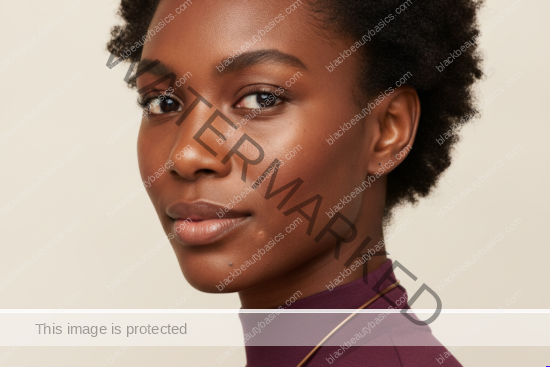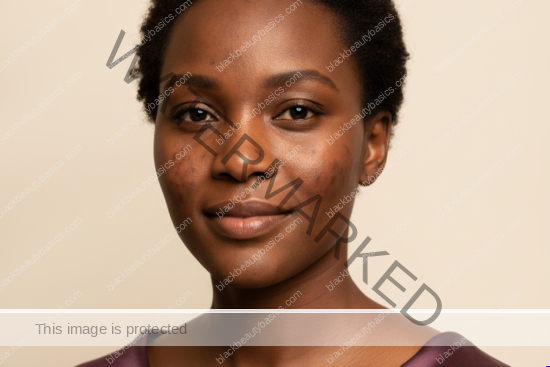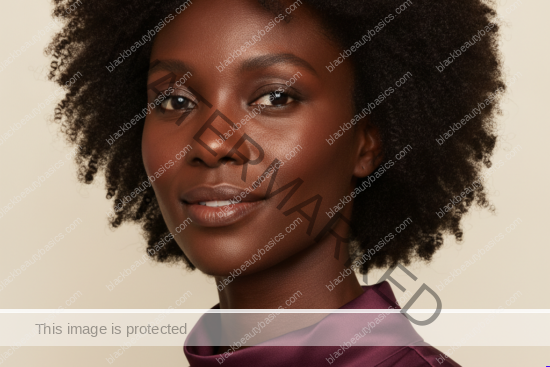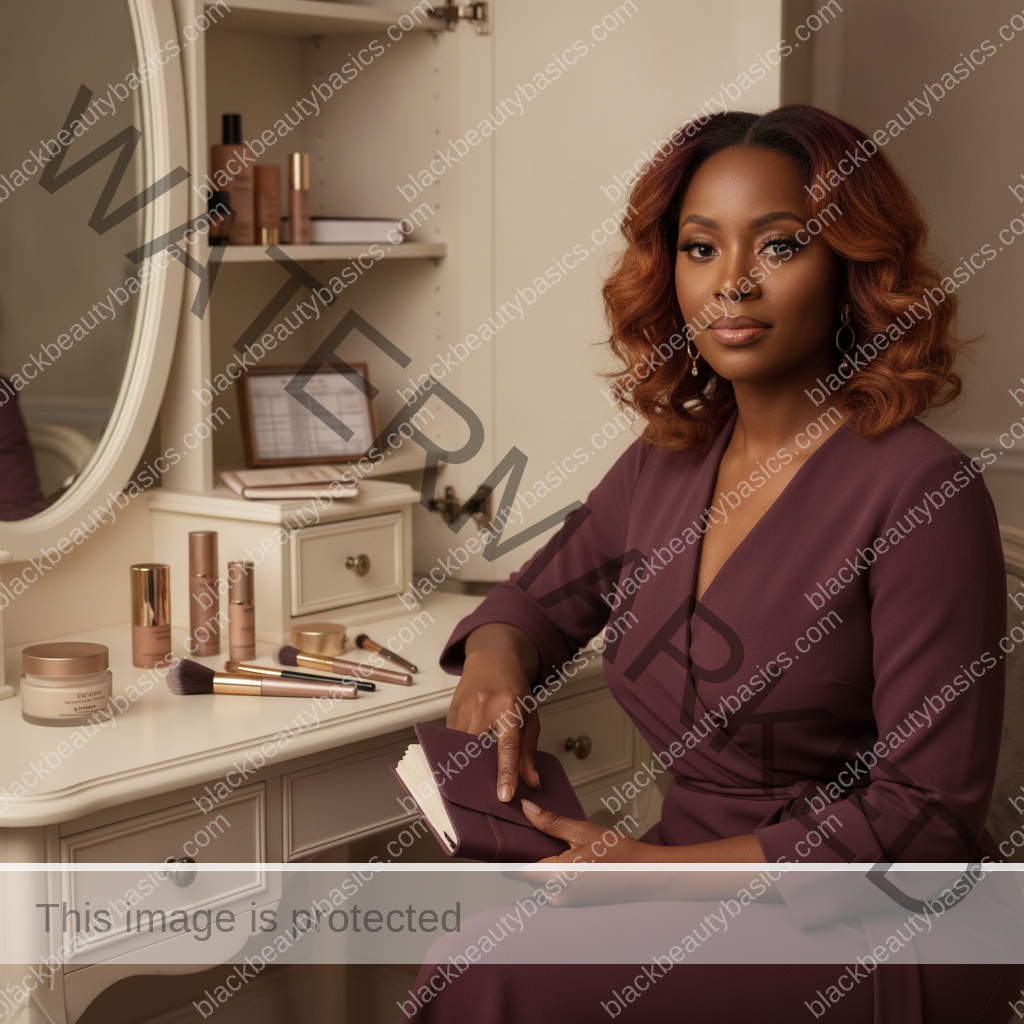
In the hallowed halls of corporate America and beyond, Black women often find themselves navigating a complex tapestry of expectations, where the brilliance of their melanin-rich skin is sometimes met with unspoken biases. This isn’t just about looking “presentable”; it’s about the insidious shadow of colorism, subtly dictating what “professional beauty” truly means, and how it impacts our self-worth and skincare rituals. Start with the related BBB cluster guide for the broader map.
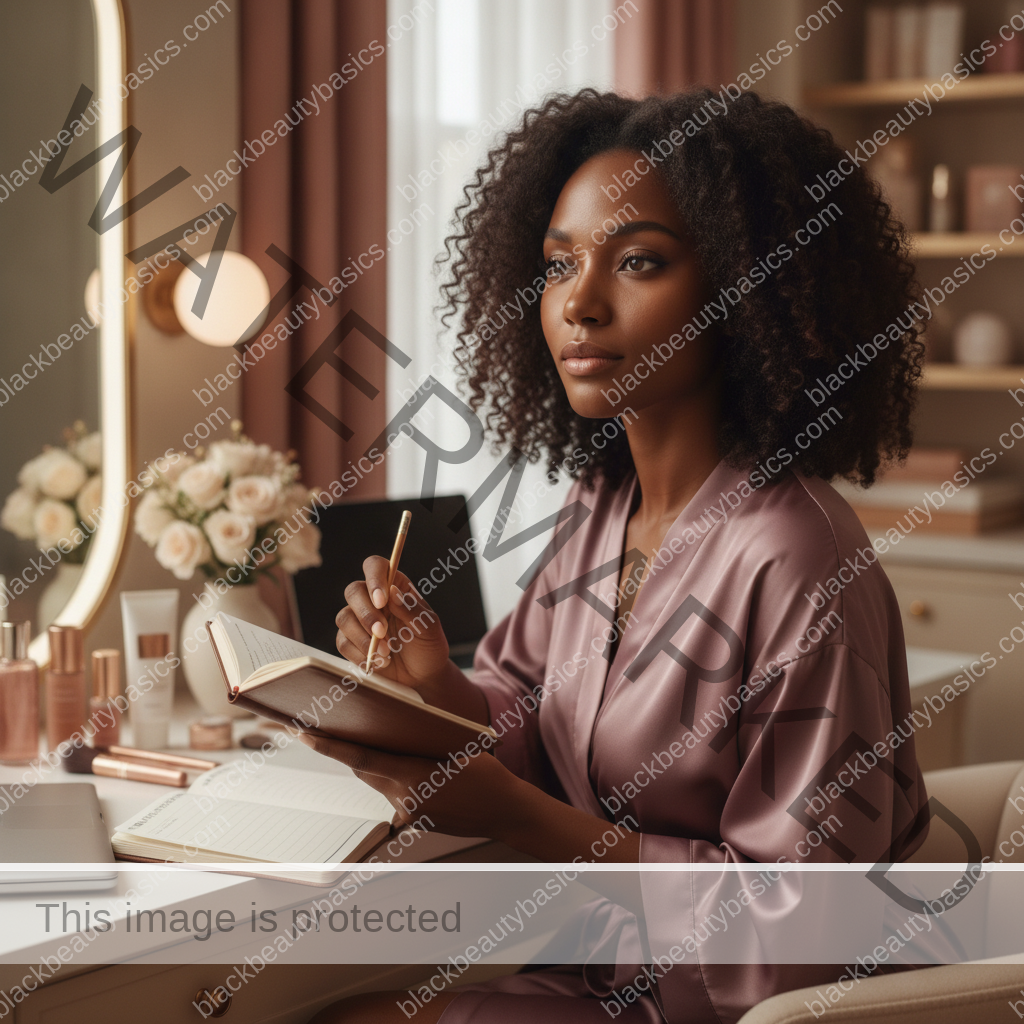
At Black Beauty Basics, we believe that true professionalism emanates from authenticity, confidence, and the radiant glow of self-acceptance. Our skincare journeys are not merely about maintaining healthy skin; they are acts of defiance, self-love, and a powerful reclamation of our inherent beauty, free from the confines of antiquated, often Eurocentric, beauty standards.
Unveiling the Layers: Colorism, Professionalism, and the Black Woman’s Skin
The concept of “professional beauty” has long been a double-edged sword for Black women. While our counterparts might worry about a stray hair or a chipped nail, we often contend with a far more profound and systemic challenge: colorism. This deeply ingrained prejudice, both within and outside our community, favors lighter skin tones, perpetuating a harmful hierarchy that impacts everything from hiring practices to perceived competence.
In the workplace, this manifests as subtle cues, microaggressions, and sometimes overt discrimination. A darker-skinned woman might be told she looks “intimidating” or “unapproachable,” while a lighter-skinned colleague might be praised for her “soft” or “approachable” demeanor. These biases, often unconscious, force many Black women to conform to a narrow, often Eurocentric, ideal of beauty, leading to immense pressure to alter their appearance, including their skin.
This pressure isn’t just about makeup; it delves into the very essence of our skin. There’s an unspoken expectation to appear “flawless,” “bright,” or “even-toned,” often interpreted through a lens that devalues the richness and depth of darker complexions. This can lead to a cycle of anxiety, self-doubt, and a desperate search for products that promise to “correct” or “lighten” what is already inherently beautiful.
At Black Beauty Basics, we advocate for a different path: one of radical self-acceptance and informed skincare that celebrates, protects, and nourishes our melanin-rich skin. Our approach is about enhancing our natural radiance, not altering our essence. It’s about understanding the unique needs of our skin and treating it with the reverence it deserves, free from the external pressures of a biased world.
The Historical Roots of Colorism in Professional Spaces
To truly dismantle the “professional beauty” pressure, we must understand its historical underpinnings. Colorism is not a new phenomenon; its roots are deeply intertwined with slavery and colonialism, where lighter skin was often associated with privilege, proximity to power, and perceived intelligence. This toxic legacy has seeped into every facet of society, including the workplace.
During the Jim Crow era, “paper bag tests” and other discriminatory practices were used to determine access to education, employment, and social circles. While these overt tests are largely gone, their spirit lingers in subtle biases. Studies consistently show that lighter-skinned Black individuals often receive preferential treatment in hiring, promotions, and even salary, highlighting the enduring impact of colorism on professional advancement.
For Black women, this historical context means that our skin tone is not just a biological trait; it carries a social and economic weight. The pressure to present a certain “look” in the workplace is often an unconscious attempt to mitigate these biases, to appear “less threatening” or “more acceptable” to dominant beauty standards. This burden is heavy, and it often manifests in our daily routines, including our skincare choices.
The Skincare Conundrum: Navigating Expectations vs. Self-Care
This external pressure creates a significant internal conflict. On one hand, we desire to present our best selves, to be seen as competent and polished. On the other hand, we want to honor our natural beauty and engage in self-care practices that genuinely nourish us, not those driven by societal biases.
This conundrum often leads to:
- Over-exfoliation and skin lightening: The pursuit of “even tone” can sometimes lead to the overuse of harsh products, damaging the skin barrier and causing irritation, hyperpigmentation, or sensitivity.
- Ignoring unique skin needs: Focusing solely on perceived flaws can distract from addressing fundamental concerns like hydration, sun protection, and barrier health, which are crucial for melanin-rich skin.
- Emotional toll: The constant feeling of not being “enough” or having to change one’s appearance takes a significant toll on mental well-being and self-esteem.
Our mission at Black Beauty Basics is to empower you to reclaim your skincare narrative. It’s about understanding that your skin, in all its glorious shades, is perfect as it is. Our focus is on fostering healthy, radiant skin through informed choices, celebrating our unique beauty, and transforming skincare into a powerful act of self-love and resilience.
Reclaiming Radiance: A Skincare Philosophy for the Professional Black Woman
Our approach to skincare is rooted in celebration, protection, and nourishment. It’s about building a routine that serves your skin’s unique needs, enhances its natural beauty, and acts as a daily ritual of self-affirmation, rather than a means to conform.
Understanding Melanin-Rich Skin: Our Unique Beauty
Melanin-rich skin possesses incredible strengths, but also has specific needs. Understanding these is the first step to building an effective and empowering skincare routine:
- Natural UV Protection: Melanin provides a natural SPF of around 13, offering some protection against sun damage and premature aging. However, it does not make us immune to sun damage, hyperpigmentation, or skin cancer. Daily SPF is still crucial.
- Hyperpigmentation Proneness: Our skin is more prone to post-inflammatory hyperpigmentation (PIH) and melasma. Even minor inflammation (acne, cuts, insect bites) can leave dark spots that linger for months or even years.
- Stronger Skin Barrier: Studies suggest melanin-rich skin often has a more compact stratum corneum and larger melanosomes, contributing to a robust skin barrier.
- Oil Production: Many Black women experience increased sebum production, leading to oily skin and a higher likelihood of acne.
- Ashiness: Due to differences in ceramide composition and transepidermal water loss (TEWL), melanin-rich skin can sometimes appear ashy if not properly moisturized.
Armed with this knowledge, we can curate skincare routines that truly cater to our skin, fostering health and radiance from within.
The Black Beauty Basics Skincare Pillars for Professional Radiance
Our philosophy is built on these foundational pillars, designed to empower you to embrace your skin with confidence and grace.
Pillar 1: Gentle Cleansing & Barrier Protection
A healthy skin barrier is your first line of defense against environmental stressors and a key to preventing hyperpigmentation. Harsh cleansers can strip natural oils, leading to irritation and exacerbating skin concerns.
- Choose Wisely: Opt for sulfate-free, hydrating cleansers that remove impurities without stripping your skin. Look for ingredients like ceramides, hyaluronic acid, and glycerin.
- Double Cleanse (Optional but Recommended): If you wear makeup or SPF daily, a gentle oil or balm cleanser followed by a water-based cleanser can ensure thorough removal without harsh scrubbing.
Shop Gentle Facial Cleansers on Amazon
Pillar 2: Targeted Treatment for Hyperpigmentation
Addressing hyperpigmentation is often a primary concern, but it requires patience and the right ingredients. Avoid harsh bleaching agents that can damage your skin.
- Key Ingredients: Look for products containing Niacinamide, Vitamin C (L-Ascorbic Acid or its derivatives), Alpha Arbutin, Kojic Acid, Azelaic Acid, and gentle AHAs (like Lactic Acid).
- Consistency is Key: Hyperpigmentation takes time to fade. Be consistent with your routine and protect your skin from further sun exposure.
- Professional Guidance: For stubborn hyperpigmentation, consult a dermatologist specializing in skin of color.
Shop Hyperpigmentation Serums on Amazon
Pillar 3: Deep Hydration & Nourishment
Well-hydrated skin is plump, supple, and less prone to ashiness. It also helps to maintain a healthy barrier function.
- Humectants: Incorporate ingredients like Hyaluronic Acid, Glycerin, and Polyglutamic Acid to draw moisture into the skin.
- Emollients & Occlusives: Follow with moisturizers containing ceramides, fatty acids, shea butter, or squalane to seal in moisture and strengthen the skin barrier.
- Layering: Apply products from thinnest to thickest consistency.
Shop Hydrating Facial Moisturizers on Amazon
Pillar 4: Non-Negotiable Sun Protection
This is perhaps the most critical step for melanin-rich skin, especially when dealing with hyperpigmentation. UV exposure is the leading cause of dark spots and premature aging.
- Daily SPF 30+: Apply a broad-spectrum sunscreen with an SPF of 30 or higher every single day, rain or shine.
- Mineral vs. Chemical: Mineral sunscreens (zinc oxide, titanium dioxide) are often preferred for sensitive skin and tend to cause less irritation. Look for tinted mineral sunscreens to avoid a white cast.
- Reapply: Reapply every two hours when exposed to direct sunlight, or more frequently if sweating or swimming.
Shop Broad Spectrum Sunscreen SPF 30+ on Amazon
Comparison Table: Skincare Approaches – Conforming vs. Celebrating
Let’s compare two distinct approaches to skincare in the context of “professional beauty” pressures.
| Aspect | Conforming to External Pressure | Celebrating Melanin-Rich Skin (Black Beauty Basics Approach) |
|---|---|---|
| Goal | To lighten, brighten, or “even out” skin to meet Eurocentric ideals; to appear “flawless” by societal standards. | To nourish, protect, and enhance the natural radiance of melanin-rich skin; to foster health and resilience. |
| Product Choices | Harsh skin lighteners, bleaching creams, aggressive exfoliants, products with undisclosed “brightening” agents. | Gentle cleansers, targeted serums (Niacinamide, Vitamin C, Alpha Arbutin), hydrating moisturizers, broad-spectrum SPF. |
| Key Concerns Addressed | Perceived “darkness,” “uneven tone” (often leading to over-correction), visible pores. | Hyperpigmentation (PIH, melasma), hydration, barrier health, sun protection, acne management, anti-aging. |
| Emotional Impact | Anxiety, self-doubt, feeling inadequate, chasing an unattainable ideal, potential skin damage. | Self-acceptance, confidence, empowerment, feeling nourished, healthy, and authentically beautiful. |
| Long-Term Outcome | Potential for skin damage, increased sensitivity, rebound hyperpigmentation, diminished self-esteem. | Healthy, resilient, glowing skin; sustained confidence; a strong sense of self-worth. |
Building Your Empowered Skincare Ritual
Your skincare routine should be a sacred ritual, a moment of peace and affirmation in your day, not another source of stress. Here’s how to build one that truly serves you.
Morning Ritual: Protection & Preparation
- Gentle Cleanse: Splash face with water or use a very mild, hydrating cleanser. Shop Hydrating Facial Cleansers on Amazon
- Treatment Serum: Apply a Vitamin C serum to brighten, protect against free radicals, and boost collagen. Or a Niacinamide serum for barrier support and anti-inflammatory benefits. Shop Vitamin C Serums for Dark Skin on Amazon
- Eye Cream: Gently pat an eye cream to hydrate and address concerns like dark circles or puffiness. Shop Hydrating Eye Creams on Amazon
- Moisturizer: A lightweight, hydrating moisturizer to lock in moisture. Shop Lightweight Facial Moisturizers on Amazon
- Sunscreen (NON-NEGOTIABLE): Finish with a broad-spectrum SPF 30+ (preferably mineral-based with no white cast). Shop Mineral Sunscreens (no white cast) on Amazon
Evening Ritual: Repair & Rejuvenation
- Double Cleanse: Start with an oil or balm cleanser to melt away makeup and SPF, followed by a gentle water-based cleanser. Shop Oil Cleansers for Face on Amazon
- Treatment Serum: This is the time for targeted treatments. Consider a gentle AHA/BHA serum (2-3 times a week) for exfoliation, or a retinoid (start slowly!) for anti-aging and acne. Alternatively, continue with a hyperpigmentation-focused serum. Shop AHA/BHA Serums for Dark Skin on Amazon
- Eye Cream: Reapply your eye cream. Shop Night Eye Creams on Amazon
- Moisturizer: A richer, more nourishing moisturizer to support skin repair overnight. Shop Rich Night Facial Moisturizers on Amazon
- Facial Oil (Optional): If your skin is dry or needs an extra boost, layer a few drops of a nourishing facial oil. Shop Nourishing Facial Oils on Amazon
Black-Owned Brands to Elevate Your Routine
Supporting Black-owned beauty brands is not just a trend; it’s an intentional act of community building and an assurance that products are formulated with our unique skin needs and concerns at the forefront. These brands are often founded by individuals who intimately understand melanin-rich skin and are dedicated to creating effective, luxurious, and culturally resonant solutions.
Here are some categories and examples of Black-owned brands that deserve a place in your empowered skincare ritual:
- Cleansers: Brands like Buttah Skin or Hyper Skin offer gentle yet effective options.
- Serums (Vitamin C, Hyperpigmentation): Topicals Faded serum is a cult favorite for hyperpigmentation, and Hyper Skin’s Brightening Dark Spot Vitamin C Serum is highly acclaimed.
- Moisturizers: Epara offers luxurious, deeply nourishing creams, while Urban Hydration provides accessible, effective options.
- Sunscreen: Black Girl Sunscreen is a pioneer in creating sun protection that leaves no white cast on darker skin tones. Bolden also offers excellent options.
- Body Care: Don’t forget your body! Brands like Hanahana Beauty provide exquisite shea butters and body oils.
Shop Black-Owned Skincare Brands on Amazon
Tips for Maintaining Your Glow & Confidence in the Workplace
Beyond your skincare routine, cultivating an inner glow and confidence is paramount when navigating professional spaces.
| Tip Category | Practical Advice |
|---|---|
| Mindset & Self-Talk |
|
| Professional Presentation |
|
| Boundary Setting & Advocacy |
|
| Wellness & Self-Care |
|
FAQ: Navigating Professional Beauty & Colorism
Q1: What exactly is colorism, and how does it differ from racism?
A1: Colorism is prejudice or discrimination against individuals with a darker skin tone, typically among people of the same ethnic or racial group. While racism is discrimination based on race, colorism is specifically about skin shade within or across racial groups. In professional settings, colorism often manifests as a preference for lighter-skinned Black individuals, who may be perceived as more “approachable” or “professional,” leading to disparities in hiring, promotions, and opportunities.
Q2: How can I identify if “professional beauty” standards are influenced by colorism in my workplace?
A2: Look for subtle cues and patterns. Are lighter-skinned colleagues consistently praised for their appearance more than darker-skinned ones? Are certain hairstyles or makeup choices deemed “unprofessional” only when worn by Black women? Are there unspoken expectations to “tone down” natural features like full lips or darker complexions? Pay attention to language used to describe colleagues’ appearances, and observe if there’s a disproportionate representation of lighter-skinned individuals in leadership roles or client-facing positions.
Q3: My skin is prone to hyperpigmentation. What are the most effective and safe ingredients to use without resorting to harsh lightening agents?
A3: For melanin-rich skin, focus on ingredients that gently inhibit melanin production, accelerate cell turnover, and protect against further damage. Key ingredients include Niacinamide (Vitamin B3), Vitamin C (L-Ascorbic Acid or its stable derivatives), Alpha Arbutin, Kojic Acid, Azelaic Acid, and gentle AHAs like Lactic Acid. Always pair these with consistent, broad-spectrum SPF 30+ to prevent new dark spots. Avoid hydroquinone unless prescribed and monitored by a dermatologist, and never use products with unknown “brightening” ingredients, as they can contain harmful chemicals.
Q4: I feel pressure to wear a full face of makeup to work to appear “polished.” How can I achieve a professional look without masking my natural beauty?
A4: Focus on enhancing, not concealing. A polished look can be achieved with minimal makeup. Start with a well-prepped, hydrated base (your skincare routine!). Then, consider a tinted moisturizer or light foundation to even out skin tone, a touch of concealer where needed, a natural brow gel, a hint of blush, and a hydrating lip product. The goal is to look refreshed and put-together, allowing your natural skin to shine through. Prioritize healthy skin over heavy coverage.
Q5: Are there specific Black-owned skincare brands that cater well to professional Black women and address concerns like hyperpigmentation and hydration?
A5: Absolutely! Many Black-owned brands are formulated specifically with melanin-rich skin in mind. For hyperpigmentation, consider Topicals Faded or Hyper Skin’s Vitamin C Serum. For hydration and overall skin health, Buttah Skin, Epara, and Kiehl’s Clearly Corrective Dark Spot Solution (while not Black-owned, is highly rated for dark spots on various skin tones) offer excellent options. For sunscreen that leaves no white cast, Black Girl Sunscreen and Bolden are fantastic choices. Supporting these brands ensures products are designed with your unique needs as a priority.
Q6: How can I advocate for myself or others if I witness colorism or biased beauty standards in the workplace?
A6: Advocacy can take many forms. If comfortable, you can address the issue directly and calmly, asking clarifying questions like, “Could you explain what you mean by ‘professional look’ in this context?” or “I noticed a pattern here, and it seems to disproportionately affect darker-skinned individuals.” Document incidents, speak to HR (if you trust them), or seek advice from mentors or employee resource groups. Building a network of allies is also crucial. Remember, you don’t have to carry this burden alone.
Q7: Is it okay to use skin-lightening products if I genuinely want a more even skin tone, or does that perpetuate colorism?
A7: This is a complex and personal decision. If your goal is to address hyperpigmentation (dark spots) and achieve a *more even* skin tone that is still within your natural range, using targeted ingredients like Vitamin C, Niacinamide, or Alpha Arbutin is generally considered safe and effective. However, if the desire is to *lighten* your overall skin tone beyond your natural complexion, it’s important to reflect on whether this desire stems from internal self-preference or external pressures influenced by colorism. Products that aggressively bleach or lighten skin can be damaging and may inadvertently reinforce harmful beauty standards. Prioritize skin health and self-acceptance over altering your natural essence.
Your journey to professional radiance is not about conforming to a narrow, biased ideal, but about embracing the magnificent spectrum of your Black beauty. Let your skincare ritual be a daily testament to your strength, resilience, and the undeniable glow of a woman who knows her worth, from the boardroom to the world. We celebrate you, in every shade and every triumph.
Why this deserves more than surface advice
For Black women, beauty is often asked to carry too much: workplace respectability, colorism, texturism, budget pressure, trend cycles, service gaps, and the quiet work of being understood. This guide focuses on naming how colorism and professional beauty pressure can shape workplace grooming expectations for Black women without making the reader responsible for bias. Start with the related BBB cluster guide if you want the wider map for this conversation.
The BBB position is clear: your skin tone, hair texture, budget, caregiving role, or refusal to chase every trend does not make you less polished, less beautiful, or less worthy of care. Beauty systems should work for your life, not punish you for having one.
A practical beauty philosophy can hold more than products. It can include boundaries, spending rules, workplace survival, cultural memory, pleasure, rest, and the right to say, “This does not fit me.” That is not opting out of beauty. It is refusing to let beauty be defined only by pressure.
What to notice before changing anything
- What expectation is shaping the decision: workplace pressure, trend pressure, budget pressure, or genuine care?
- Whether the product, service, or style respects deep skin, textured hair, and your actual needs.
- What you are hoping the purchase, routine, or style will solve emotionally.
- Which practices still support you and which ones ask you to shrink.
- What one boundary would make beauty feel more honest this season.
What to stop normalizing
Stop normalizing beauty advice that treats lighter skin, looser texture, expensive products, or constant polish as the default. Those standards are not neutral. They come from systems that often ask Black women to edit themselves before they are considered acceptable.
Stop buying from panic. A product can be popular and still not fit your undertone, scalp, curl pattern, sensitivity, budget, values, or schedule. Pausing before purchase is not deprivation. It is protection.
Stop accepting poor service in spaces that charge luxury prices but do not understand dark skin, textured hair, shade matching, scalp comfort, or respectful consultation. You are allowed to ask questions, ask for another option, or leave.
What to do next
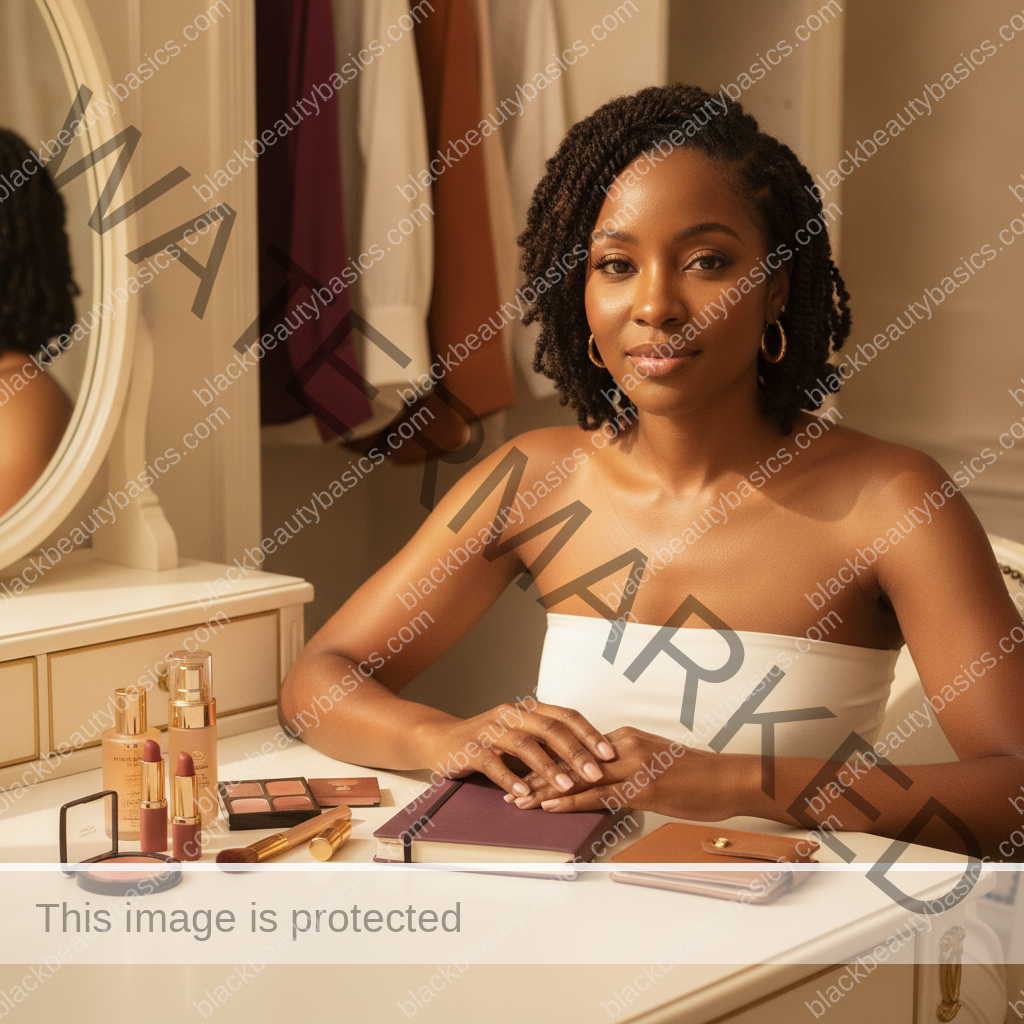
Choose one beauty pressure to name out loud: work polish, spending, trend chasing, texture respect, shade respect, service quality, or time. Then use the related guides below to keep this final cluster connected.
- Self-Care Rituals & Black-Owned Beauty
- The related BBB cluster guide
- identity, colorism, and texturism in beauty choices
- texturism and polished hair expectations
- personal beauty philosophy
- Self-Care Rituals & Black-Owned Beauty
Related next steps
Related posts:
 Defining Colorism, Featurism & Texturism in Black Beauty
 Unpacking Colorism: A Guide to Understanding, Healing, and Celebrating Every Shade of Melanin
 Getting-Ready Rituals Before Weddings, Parties, and Big Work Events
 When Dark Spots Need Professional Help Instead of More Products
 When PIH and Scarring May Need Professional Support on Melanin-Rich Skin
 Working With Professional Treatments Alongside Gentle Routines for Melanin-Rich Skin