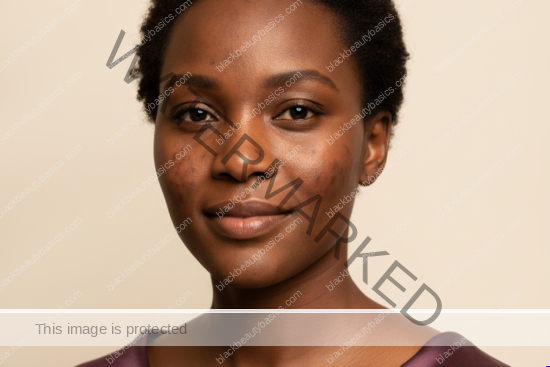
The journey to luminous, even-toned skin is one many of us know intimately. We invest in serums, creams, and treatments, diligently applying them with the hope of fading those persistent dark spots that seem to tell a story all their own. Yet, there comes a point when even the most dedicated at-home regimen feels like a whisper against a roar, and we begin to wonder if our beloved products, however luxurious, are truly enough. This is the moment to consider that perhaps, for certain dark spots, the path to clarity lies not in another jar, but in the expert hands of a professional.

The Persistent Puzzle: Understanding Hyperpigmentation in Melanin-Rich Skin
For Black women, hyperpigmentation isn’t just a cosmetic concern; it’s a deeply personal one, often stemming from the very resilience of our melanin. Our skin, blessed with a rich concentration of eumelanin, is exquisitely designed to protect against sun damage, but this very advantage makes us more prone to inflammation-induced hyperpigmentation. Whether it’s post-inflammatory hyperpigmentation (PIH) from acne, melasma triggered by hormones, or sunspots that accumulate over time, these marks can feel like an unwelcome narrative on our beautiful canvas.
Understanding the nuances of hyperpigmentation in melanin-rich skin is the first step toward effective treatment. Our melanocytes, the cells responsible for producing melanin, are highly reactive. Any trauma – a pimple, a scratch, a burn, or even excessive sun exposure – can send them into overdrive, depositing extra pigment and leaving behind a stubborn dark spot. This heightened reactivity means that approaches effective for lighter skin tones may not only be less effective for us but can sometimes even exacerbate the problem if not carefully chosen.
The Science of Skin Tone: Why Our Skin Reacts Differently
The beauty of melanin-rich skin lies in its inherent protective qualities. Melanin acts as a natural sunscreen, offering a degree of protection against UV radiation. However, this protective mechanism also means that when our skin is injured or inflamed, the melanocytes are quick to respond by producing more melanin. This overproduction leads to the dark spots we know as hyperpigmentation. For us, PIH is not just common; it’s almost an inevitable consequence of skin inflammation, making conditions like acne particularly frustrating.
Moreover, the depth of pigment deposition can vary. Some dark spots are superficial, residing in the epidermis, while others delve deeper into the dermis, making them significantly more challenging to treat. This is where the distinction between what at-home products can achieve and what professional interventions are designed to address becomes critical.
Common Types of Dark Spots Affecting Black Skin
While all dark spots are a form of hyperpigmentation, their origins and characteristics differ, influencing the most effective treatment approach.
- Post-Inflammatory Hyperpigmentation (PIH): This is arguably the most common culprit for Black women. It arises after any form of skin inflammation or injury, such as acne breakouts, eczema, insect bites, or even aggressive exfoliation. The color can range from light brown to deep black, and while it often fades with time, it can be incredibly persistent.
- Melasma: Often called the “mask of pregnancy,” melasma is characterized by symmetrical, blotchy patches of hyperpigmentation, typically on the face (cheeks, forehead, upper lip, chin). It’s primarily triggered by hormonal fluctuations (pregnancy, birth control pills) combined with sun exposure. Melasma can be particularly stubborn and prone to recurrence.
- Solar Lentigines (Sunspots/Age Spots): These are discrete, flat, dark spots that appear on sun-exposed areas of the skin, such as the face, hands, and décolletage. They are a direct result of chronic sun exposure and tend to increase with age.
- Post-Inflammatory Erythema (PIE): While not a dark spot, PIE often accompanies PIH, especially in lighter skin tones, appearing as red or purplish marks after inflammation. In melanin-rich skin, PIE can sometimes present as a darker, purplish-brown hue, making it harder to distinguish from true PIH without a professional eye.
Recognizing the specific type of hyperpigmentation you’re dealing with is paramount, as it dictates the most appropriate and effective treatment strategy. This is often where professional guidance becomes indispensable.

The Limits of At-Home Care: When Products Fall Short
We’ve all been there: a cabinet overflowing with promising serums, creams, and masks, each claiming to be the panacea for dark spots. And indeed, many over-the-counter (OTC) products contain potent ingredients that can make a significant difference. However, there’s a ceiling to what these formulations can achieve, especially when confronted with deeper, more stubborn forms of hyperpigmentation.
Understanding Product Efficacy and Penetration
The effectiveness of an at-home product hinges on several factors: the concentration of active ingredients, the formulation’s stability, and its ability to penetrate the skin’s barrier. OTC products are designed to be safe for general use, meaning their active ingredient concentrations are typically lower than those found in professional-grade or prescription treatments. While ingredients like Vitamin C, niacinamide, alpha arbutin, and even some retinoids are excellent for addressing superficial hyperpigmentation and preventing new spots, they may not have the strength or depth of penetration required for more entrenched pigment.
Moreover, the skin’s outermost layer, the stratum corneum, is a formidable barrier. While some ingredients are formulated to bypass this, many struggle to reach the deeper layers where stubborn pigment often resides. This is particularly true for dermal hyperpigmentation, where the pigment is located much deeper than topical creams can effectively reach.
Signs Your At-Home Regimen Needs a Professional Boost
How do you know when it’s time to graduate from your beloved product lineup to professional intervention? Here are some clear indicators:
- Lack of Progress After Consistent Use: You’ve been diligently using your dark spot correctors for 3-6 months, following instructions, and protecting your skin from the sun, but the spots remain unchanged or show minimal improvement.
- Deeply Embedded or Large Patches: If your dark spots are very dark, appear deeply set in the skin, or cover large, diffuse areas (like melasma), OTC products may not have the power to break them down effectively.
- Recurrent Hyperpigmentation: You’ve managed to fade spots in the past, but they keep returning, especially after sun exposure or minor inflammation. This suggests an underlying issue that needs a more targeted approach.
- Inflammatory Conditions: If your dark spots are a direct result of active, ongoing inflammatory conditions like severe acne or eczema, addressing the underlying inflammation with professional guidance is crucial before topical spot treatments can be truly effective.
- Sensitivity or Adverse Reactions: You’ve tried various products, but your skin reacts with irritation, redness, or further darkening. A professional can help identify sensitizing ingredients and recommend safer, more effective alternatives.
- Uncertainty About Spot Type: If you’re unsure whether you’re dealing with PIH, melasma, or sunspots, a dermatologist can accurately diagnose and recommend the most appropriate treatment plan.
A Comparison: At-Home vs. Professional Treatments for Dark Spots
To illustrate the distinction, consider this comparison:
| Feature | At-Home Treatments | Professional Treatments |
|---|---|---|
| Ingredient Concentration | Lower, consumer-safe concentrations | Higher, medical-grade concentrations |
| Depth of Penetration | Primarily superficial (epidermal) | Can target deeper (dermal) layers |
| Speed of Results | Slower, gradual improvement over months | Potentially faster, more dramatic results |
| Cost | Generally lower initial investment per product | Higher per-session cost, but potentially fewer total treatments needed |
| Risk of Side Effects | Lower risk, but still possible with misuse | Higher risk if not performed by experienced professional, but controlled |
| Suitability for Melanin-Rich Skin | Generally safe, but efficacy varies | Requires careful selection and expertise to avoid PIH |
| Types of Spots Addressed | Mild to moderate PIH, superficial sunspots | Stubborn PIH, melasma, deep sunspots, comprehensive skin concerns |
Shop Dark Spot Correctors on Amazon
The Power of Expertise: Professional Treatments for Melanin-Rich Skin
When at-home efforts plateau, professional treatments offer a powerful arsenal, but it’s crucial to seek out practitioners experienced with melanin-rich skin. The wrong treatment, or one performed incorrectly, can ironically lead to more hyperpigmentation. The goal is always to treat effectively without causing further inflammation.
Finding the Right Professional: A Non-Negotiable Step
Before considering any treatment, find a board-certified dermatologist or a medical aesthetician with extensive experience treating Black skin. Ask questions: “What is your experience treating hyperpigmentation in skin of color?” “What precautions do you take to prevent PIH?” “Can I see before-and-after photos of your Black patients?” A knowledgeable professional will understand the nuances of your skin and tailor treatments accordingly.
Top Professional Treatments for Stubborn Dark Spots
Here are some of the most effective professional treatments, with considerations for melanin-rich skin:
1. Chemical Peels
Chemical peels involve applying an acidic solution to the skin to exfoliate the top layers, encouraging cell turnover and shedding pigmented cells. For Black skin, superficial to medium-depth peels are generally preferred, using specific acids and lower concentrations to minimize the risk of PIH.
- Glycolic Acid Peels: Alpha hydroxy acid (AHA) peels that are effective for superficial PIH and overall skin brightening. Lower concentrations (20-30%) are often a good starting point.
- Lactic Acid Peels: Another AHA, often gentler than glycolic, making it suitable for sensitive skin and a good option for initial peels.
- Salicylic Acid Peels: A beta hydroxy acid (BHA) that is oil-soluble, making it excellent for acne-prone skin and PIH caused by breakouts.
- Jessner’s Peel: A combination peel (salicylic acid, lactic acid, resorcinol) that can be adjusted in depth. Requires careful application and post-care.
- TCA (Trichloroacetic Acid) Peels: Can be effective for deeper pigment but must be used with extreme caution and at lower concentrations (e.g., 10-15%) on Black skin due to a higher risk of PIH.
Key for Melanin-Rich Skin: Always start with superficial peels. Pre-treatment with a tyrosinase inhibitor (like hydroquinone, kojic acid, or arbutin) for 2-4 weeks is often recommended to suppress melanin production and reduce the risk of PIH post-peel. Strict sun protection is non-negotiable during and after treatment.
Shop Professional Chemical Peel Kits on Amazon
2. Microneedling (Collagen Induction Therapy)
Microneedling involves using a device with fine needles to create controlled micro-injuries in the skin. This stimulates the skin’s natural healing process, boosting collagen and elastin production, and helping to break up pigment. It can also enhance the penetration of topical serums.
- Benefits: Effective for PIH, acne scars, and overall skin texture. It’s generally considered safer for Black skin than some laser treatments because it doesn’t use heat or light, which can trigger melanocytes.
- Considerations: The depth of the needles must be carefully controlled. Combining microneedling with topical brightening serums (e.g., Vitamin C, tranexamic acid) can enhance results.
Shop Microneedling Devices on Amazon
3. Laser and Light Therapies
This category requires the most caution and expertise when treating melanin-rich skin. Certain lasers can cause hyperpigmentation or even hypopigmentation (lightening of the skin) if not used correctly. However, with the right technology and skilled practitioner, they can be highly effective.
- Picosecond Lasers (PicoSure, PicoWay): These are often considered the gold standard for hyperpigmentation in skin of color. They deliver ultra-short pulses of energy (picoseconds) that shatter pigment particles without generating significant heat, thus minimizing the risk of PIH. Excellent for stubborn PIH and melasma.
- Nd:YAG Lasers (Q-switched or Long-pulsed): Can be used cautiously for pigment. The Q-switched Nd:YAG is good for shattering pigment, while the long-pulsed version can be used for skin rejuvenation and some forms of PIH. Again, parameters must be precisely adjusted.
- IPL (Intense Pulsed Light): Generally NOT recommended for darker skin tones due to the broad spectrum of light, which can be absorbed by melanin and cause burns or PIH. Some advanced IPL devices with specific filters and settings may be used with extreme caution by experts.
- Fractional Non-Ablative Lasers (e.g., Fraxel Dual 1927nm): These create microscopic treatment zones, stimulating collagen and improving pigment, but leave surrounding tissue intact. They are generally safer than ablative lasers for darker skin, but still require careful parameter selection and pre/post-treatment care.
Key for Melanin-Rich Skin: Always seek a practitioner highly experienced with laser treatments on skin of color. Patch testing is often recommended. Pre- and post-treatment protocols with lightening agents are crucial.
Shop At-Home Laser Hair Removal Devices on Amazon (Note: This is a general laser device link, as professional aesthetic lasers are not sold for home use on Amazon)
4. Prescription Topicals
When OTC products aren’t enough, a dermatologist can prescribe stronger topical agents.
- Hydroquinone: The most potent tyrosinase inhibitor, available in prescription strengths (typically 4% or higher). Highly effective for melasma and stubborn PIH. Use should be cycled (e.g., 3-4 months on, 2-3 months off) to prevent side effects like ochronosis (bluish-black discoloration).
- Tretinoin (Retin-A): A prescription-strength retinoid that accelerates cell turnover, helping to shed pigmented cells and improve overall skin texture. Often used in combination with hydroquinone.
- Triple Combination Creams: Formulations that combine hydroquinone, tretinoin, and a mild corticosteroid (e.g., Tri-Luma) are highly effective for melasma and severe PIH. The corticosteroid helps to reduce inflammation and irritation.
- Tranexamic Acid: Available as a topical serum or oral medication, it’s gaining recognition for its efficacy in treating melasma, particularly when combined with other treatments.
- Cysteamine Cream: A non-hydroquinone option that is highly effective for pigment inhibition, often used as a maintenance treatment or for those who cannot tolerate hydroquinone.
Shop Prescription Strength Skincare Alternatives on Amazon

The Holistic Approach: Beyond the Treatment Room
Professional treatments are powerful tools, but they are most effective when integrated into a holistic skincare strategy. This means understanding that your skin’s health is a reflection of your overall well-being and consistent daily practices.
The Unsung Hero: Sun Protection
This cannot be stressed enough: without diligent sun protection, all other efforts to treat hyperpigmentation are largely in vain. UV radiation is the primary trigger and aggravator of dark spots, especially melasma and PIH.
- Broad-Spectrum SPF 30+: Use a broad-spectrum sunscreen with an SPF of 30 or higher every single day, rain or shine, indoors or out. Look for mineral sunscreens (zinc oxide, titanium dioxide) as they provide physical blockers and are often less irritating for sensitive skin. Tinted mineral sunscreens can also offer an extra layer of protection against visible light, which can also trigger hyperpigmentation in darker skin tones.
- Reapply: Reapply every two hours when outdoors, or more frequently if sweating or swimming.
- Protective Clothing: Don’t underestimate the power of wide-brimmed hats, sunglasses, and UPF (Ultraviolet Protection Factor) clothing.
Shop Mineral Sunscreen for Dark Skin on Amazon
Patience and Consistency: The Virtues of Skincare
Treating hyperpigmentation is a marathon, not a sprint. Whether you’re using at-home products or undergoing professional treatments, patience and consistency are paramount. Skin cell turnover takes time (approximately 28 days for adults), and fading established pigment can take months, sometimes even a year or more. Stick to your regimen, follow your professional’s advice, and celebrate small victories.
Lifestyle and Diet: Supporting Skin from Within
Your diet and lifestyle choices can significantly impact your skin’s health and its ability to heal and resist inflammation.
- Anti-Inflammatory Diet: Incorporate foods rich in antioxidants and anti-inflammatory compounds. Think colorful fruits and vegetables, leafy greens, berries, fatty fish (omega-3s), and green tea. Reduce processed foods, excessive sugar, and inflammatory oils.
- Hydration: Drink plenty of water throughout the day to support skin function and overall health.
- Stress Management: Chronic stress can exacerbate inflammatory conditions like acne, which in turn leads to PIH. Practice stress-reducing techniques like meditation, yoga, or spending time in nature.
- Adequate Sleep: Allow your body and skin time to repair and regenerate. Aim for 7-9 hours of quality sleep per night.
Shop Anti-Inflammatory Supplements on Amazon
The Role of Maintenance: Preventing Recurrence
Once you’ve achieved your desired results, the journey isn’t over. Hyperpigmentation, especially melasma, is prone to recurrence. A maintenance plan, often involving a combination of milder topical agents, consistent sun protection, and occasional professional touch-ups, is essential to keep your skin clear and radiant.
Tips for Navigating Your Professional Treatment Journey
- Consult Multiple Professionals: If possible, get a second opinion, especially for complex cases or before committing to expensive laser treatments.
- Be Honest About Your History: Share your complete medical history, including all products you’ve used, previous treatments, and any sensitivities.
- Ask About Pre- and Post-Care: Understand the exact protocols for preparing your skin before a treatment and caring for it afterward. This is critical for preventing complications.
- Manage Expectations: Understand that complete eradication of all dark spots may not be possible, and improvement is often gradual.
- Budget Wisely: Professional treatments can be an investment. Discuss pricing, package deals, and payment plans upfront.
- Trust Your Gut: If something feels off or a practitioner seems dismissive of your concerns about treating Black skin, seek another opinion.
Shop Post-Procedure Skincare on Amazon

What to do next
If this topic is part of your dark-spot routine, keep the next step gentle and specific. Do not add every brightening ingredient at once. Choose the one question that matters most right now, then let your routine stay steady long enough to teach you something.
- the medical escalation guide for dark spots
- PIH versus melasma on dark skin
- how long hyperpigmentation takes to fade
Frequently Asked Questions About Professional Dark Spot Treatment for Black Skin
Q1: Is hydroquinone safe for Black skin?
A: Yes, hydroquinone is considered the gold standard for treating hyperpigmentation in Black skin and is generally safe and effective when used under the guidance of a dermatologist. The key is proper usage: typically, prescription strengths (4% and above) are used for short cycles (3-4 months) followed by a break or rotation with non-hydroquinone brightening agents to prevent side effects like ochronosis (a rare, bluish-black discoloration) or rebound hyperpigmentation. A dermatologist will monitor your progress and ensure safe application.
Q2: Can lasers make my dark spots worse?
A: Unfortunately, yes, if the wrong laser is used or if the treatment parameters are not correctly adjusted for melanin-rich skin. Lasers that generate too much heat or target melanin indiscriminately can trigger post-inflammatory hyperpigmentation (PIH) or even hypopigmentation (loss of pigment). This is why it’s absolutely crucial to seek a board-certified dermatologist or aesthetician with extensive experience and specific training in treating skin of color. Picosecond and Nd:YAG lasers, when used by an expert, are generally considered safer options for darker skin tones.
Q3: How many professional treatments will I need to see results?
A: The number of treatments varies significantly depending on the type, depth, and severity of your dark spots, as well as the chosen treatment modality and your skin’s individual response. For chemical peels or microneedling, a series of 3-6 sessions, spaced several weeks apart, is common. Laser treatments might require fewer sessions, but often still involve 2-4 or more. Melasma, in particular, often requires ongoing maintenance. Your professional will provide a personalized treatment plan and realistic expectations during your consultation.
Q4: What is the downtime after professional dark spot treatments?
A: Downtime varies greatly by treatment. Superficial chemical peels might result in mild redness and flaking for a few days. Deeper peels or more aggressive laser treatments can lead to more significant redness, swelling, and peeling that can last a week or more. Microneedling typically involves a few days of redness, similar to a sunburn. Your practitioner will thoroughly explain the expected downtime for your specific treatment, and it’s essential to follow all post-care instructions to ensure proper healing and optimal results.
Q5: Can I combine professional treatments with my at-home skincare products?
A: Absolutely, and in many cases, it’s highly recommended! Professional treatments often work synergistically with a well-curated at-home regimen. Your dermatologist may prescribe specific topical agents (like hydroquinone or tretinoin) to use before and after treatments to enhance results and prevent new hyperpigmentation. Milder brightening ingredients (Vitamin C, niacinamide, arbutin) and, most importantly, consistent broad-spectrum sunscreen are crucial components of a maintenance routine. Always discuss your current at-home products with your professional to ensure they don’t interfere with or irritate your skin during treatment.
Q6: Are professional treatments for dark spots permanent?
A: While professional treatments can significantly reduce or eliminate existing dark spots, they are not always a permanent fix, especially for conditions like melasma, which can be recurrent. Factors like sun exposure, hormonal changes, and inflammation can trigger new hyperpigmentation. The goal is often long-term management and improvement. Consistent sun protection, a diligent maintenance skincare routine, and addressing underlying triggers (like acne or hormonal imbalances) are vital for sustaining your results and preventing recurrence.
Q7: What should I do if my skin gets darker after a professional treatment?
A: If your skin appears darker after a professional treatment, it’s crucial to contact your dermatologist or aesthetician immediately. This could be a sign of post-inflammatory hyperpigmentation (PIH), which can occur if the treatment was too aggressive or if post-care instructions weren’t followed. Early intervention is key. Your professional can assess the situation and recommend appropriate steps, which might include specific topical medications, adjustments to your routine, or further treatments to address the new pigmentation. Never try to treat new or worsened hyperpigmentation on your own after a professional procedure.

There comes a pivotal moment in our skincare journey when we must discern between the comforting ritual of self-care and the strategic intervention of expert hands. When those cherished products, however effective for maintenance, no longer yield the desired transformation for stubborn dark spots, it is not a sign of failure, but an invitation to elevate our approach. Embrace the power of professional guidance, trust in the wisdom of those who specialize in melanin-rich skin, and step confidently towards the radiant, even-toned complexion that truly reflects your inner glow.
Related next steps
Related posts:
 Dark Spots from Acne on Dark Skin: Step-by-Step Treatment Plan
 Retinoids for Dark Spots on Black Skin: Where They Fit in a Routine
 Best Ingredients to Fade Dark Spots on Dark Skin (Vitamin C, Azelaic, Kojic, etc.)
 HS (Hidradenitis Suppurativa) Tunnels, Scars, and Dark Spots on Dark Skin
 Niacinamide for Dark Spots and Redness on Dark Skin: Understanding Its Role and Realistic Expectations
 Skincare Products for Reducing Pigmentation and Dark Spots in Women of Color