
As the seasons gracefully transition, so too should our sacred beauty rituals. For the discerning Black woman, our melanin-rich skin is a canvas of unparalleled beauty, deserving of care that adapts and thrives through every climate shift. It’s time to embark on a mindful journey, curating a seasonal beauty closet that not only protects but elevates your inherent glow, ensuring your skin remains radiant, resilient, and utterly magnificent, year-round. Start with the related BBB cluster guide for the broader map.

Embracing the Seasonal Shift: Why Your Beauty Closet Needs an Edit
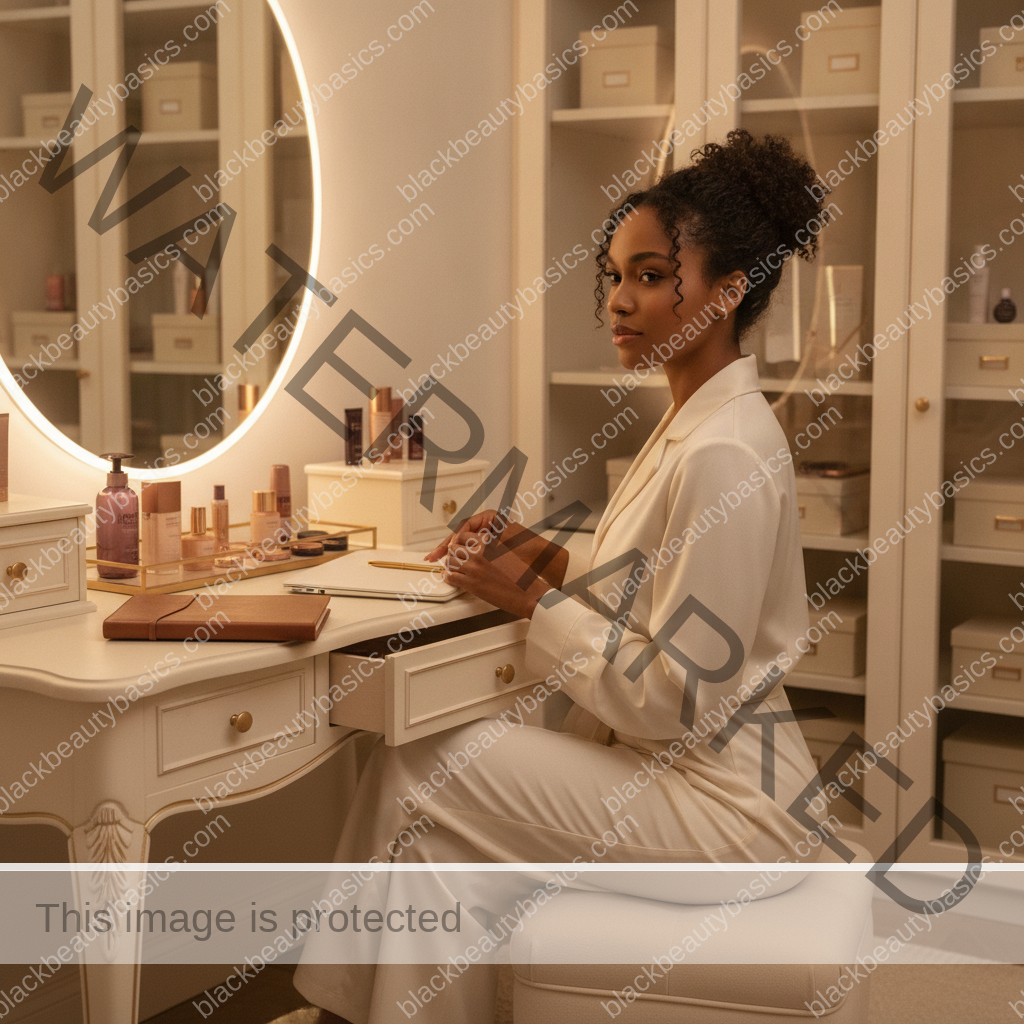
Our skin, a living, breathing testament to our heritage, responds uniquely to the ever-changing environment. From the crisp chill of winter to the humid embrace of summer, each season presents its own set of challenges and opportunities for our skincare. A seasonal beauty closet edit isn’t merely about swapping products; it’s a profound act of self-care, a conscious decision to nourish and protect your skin with precision and intention. For Black women, this practice is particularly vital, as our skin, while resilient, can be prone to specific concerns like hyperpigmentation, dryness, and sensitivity, which can be exacerbated by environmental stressors.
Consider the shift in humidity, temperature, and UV exposure. In winter, the air becomes drier, stripping our skin of its natural moisture, leading to flakiness, ashiness, and a compromised barrier. Summer, conversely, brings increased heat and humidity, which can trigger excess oil production, breakouts, and heightened sun sensitivity. Spring and autumn act as transitional periods, requiring a gentle rebalancing. By thoughtfully adjusting our skincare arsenal, we empower our skin to maintain its optimal health, vibrancy, and luminosity, no matter the forecast.
Understanding Your Skin’s Seasonal Needs
Before diving into product swaps, it’s crucial to attune yourself to your skin’s unique language. Does it feel tighter in colder months? Does it become oilier in warmer ones? Observing these subtle cues is the first step in a successful seasonal beauty transition. Our skin is a dynamic organ, and its needs are not static. Factors like age, lifestyle, and even hormonal fluctuations also play a role, but environmental conditions are a major driver of seasonal changes.
For Black women, understanding how our skin responds to these changes is paramount. We often experience post-inflammatory hyperpigmentation (PIH) more readily, meaning any irritation or breakout can leave a lasting mark. This makes barrier protection and gentle, consistent care non-negotiable throughout the year. Furthermore, while our melanin provides some natural sun protection, it does not make us immune to UV damage, making year-round SPF a critical component of our regimen.
The Foundation: Core Principles for Melanin-Rich Skin
Regardless of the season, certain principles remain steadfast for melanin-rich skin:
- Hydration is Key: Our skin thrives on moisture. Look for humectants like hyaluronic acid and glycerin, and emollients like shea butter and ceramides.
- Gentle Cleansing: Avoid harsh sulfates that strip natural oils. Opt for creamy, hydrating cleansers.
- Sun Protection: Non-negotiable, every single day, rain or shine. Choose broad-spectrum SPF 30 or higher.
- Targeted Treatment: Address concerns like hyperpigmentation with ingredients like Vitamin C, Niacinamide, and Alpha Arbutin.
- Barrier Support: Maintain a healthy skin barrier to protect against environmental aggressors and lock in moisture.
The Winter Sanctuary: Nurturing Your Skin in Colder Climates
Winter’s embrace, while often beautiful, can be unforgiving to our skin. The dry, cold air, coupled with indoor heating, conspires to deplete moisture, leaving skin feeling parched, tight, and sometimes even irritated. For melanin-rich skin, this can manifest as increased ashiness, dullness, and a heightened risk of compromised barrier function. Our winter beauty closet becomes a sanctuary of rich hydration and protective nourishment.
Winter Skincare Essentials: Hydration and Protection
The focus here is on fortifying the skin’s natural barrier and infusing it with deep, lasting moisture. Think layers of hydration, much like you’d layer your clothing for warmth.
Cleansers: Gentle and Nourishing
Swap out foaming cleansers for creamier, more hydrating alternatives. Look for ingredients like ceramides, glycerin, and colloidal oatmeal. These help to cleanse without stripping the skin of its essential oils. A micellar water can also be a gentle first step for removing makeup without harsh rubbing.
Shop Hydrating Cream Cleansers on Amazon
Serums: Hyaluronic Acid and Barrier Support
Hyaluronic acid is your winter best friend, drawing moisture from the air into your skin. Layer it under your moisturizer. Also, consider serums rich in ceramides, squalane, or fatty acids to reinforce the skin barrier. Vitamin C serums can still be used to maintain brightness and antioxidant protection, but ensure they are formulated for sensitive skin if you’re experiencing winter dryness.
Shop Hyaluronic Acid Serums on Amazon
Moisturizers: Rich and Emollient
This is where you bring out the heavy hitters. Opt for thicker creams and balms that create an occlusive layer to prevent moisture loss. Ingredients like shea butter, cocoa butter, argan oil, and petrolatum are excellent. Don’t shy away from facial oils as a final step to seal everything in.
Shop Rich Winter Moisturizers on Amazon
Sun Protection: Non-Negotiable SPF
Even in winter, UV rays are present and can cause damage. Snow reflects up to 80% of UV light, intensifying exposure. Choose a broad-spectrum SPF 30 or higher, ideally one with moisturizing benefits. Mineral sunscreens with zinc oxide or titanium dioxide often offer a gentler option.
Shop Moisturizing Mineral SPF on Amazon
Exfoliation: Gentle and Infrequent
While exfoliation is important for removing dead skin cells, in winter, it should be done with caution. Reduce frequency to once or twice a week, and opt for gentle chemical exfoliants (like lactic acid) or very fine physical exfoliants. Over-exfoliation can compromise your already vulnerable skin barrier.
Shop Gentle Lactic Acid Exfoliants on Amazon
Body Care: Head-to-Toe Hydration
Don’t forget the rest of your body! Combat ashy skin with rich body butters, oils, and lotions immediately after showering to lock in moisture. Pay special attention to elbows, knees, and shins.
Shop Rich Body Butters on Amazon
Winter Skincare Routine: A Sample Guide
Here’s a potential winter routine for your consideration:
- Morning:
- Splash face with water or use a gentle micellar water.
- Apply a hydrating serum (e.g., Hyaluronic Acid).
- Layer on a rich, emollient moisturizer.
- Finish with a broad-spectrum SPF 30+.
- Don’t forget a hydrating lip balm with SPF.
- Evening:
- Double cleanse with an oil cleanser followed by a creamy hydrating cleanser.
- Apply a treatment serum (e.g., Niacinamide or a gentle Vitamin C).
- Layer a rich night cream or facial oil.
- Once or twice a week, incorporate a hydrating mask.
Winter Skincare Swaps: Before & After
| Category | Autumn/Spring (Before) | Winter (After) |
|---|---|---|
| Cleanser | Foaming Gel Cleanser | Creamy Hydrating Cleanser |
| Serum | Lightweight Vitamin C Serum | Hyaluronic Acid + Ceramide Serum |
| Moisturizer | Light Lotion | Thick Cream or Balm |
| Exfoliation | 2-3x/week AHA/BHA | 1x/week Lactic Acid or Enzyme Mask |
| Face Oil | Optional | Essential (as last step) |
| Body Care | Light Lotion | Rich Body Butter or Oil |
Summer Radiance: Protecting and Balancing in Warmer Months
As the sun graces us with its warmth, our skin’s needs shift dramatically. Increased humidity can lead to excess oil production, clogged pores, and breakouts, while heightened UV exposure demands rigorous sun protection. For Black women, managing hyperpigmentation becomes even more critical, as sun exposure can darken existing spots and trigger new ones. Our summer beauty closet is all about lightness, protection, and maintaining a balanced, luminous complexion.
Summer Skincare Essentials: Lightness and Protection
The goal is to keep skin clear, protected, and hydrated without feeling heavy or greasy. Think gel textures, oil-free formulas, and powerful antioxidants.
Cleansers: Refreshing and Balancing
Switch to a gentle foaming or gel cleanser that effectively removes excess oil, sweat, and sunscreen without stripping. Look for ingredients like salicylic acid (for oily/acne-prone skin) or gentle fruit enzymes for a light exfoliation.
Shop Gentle Foaming Gel Cleansers on Amazon
Serums: Antioxidant Powerhouses
Vitamin C is a summer superstar. It not only brightens and evens skin tone but also provides powerful antioxidant protection against environmental damage when paired with SPF. Niacinamide is another excellent choice for controlling oil, minimizing pores, and reducing inflammation.
Shop Vitamin C Serums on Amazon
Moisturizers: Lightweight and Hydrating
Trade your heavy creams for lightweight lotions, gel-creams, or oil-free formulations. These provide essential hydration without feeling occlusive in humid weather. Look for ingredients like hyaluronic acid, glycerin, and aloe vera.
Shop Lightweight Gel-Cream Moisturizers on Amazon
Sun Protection: Your Non-Negotiable Shield
This is arguably the most critical step in your summer routine. Choose a broad-spectrum SPF 30 or higher, and reapply every two hours, especially after swimming or sweating. Look for formulas that are water-resistant and don’t leave a white cast on darker skin tones. Tinted mineral sunscreens can be a beautiful option.
Shop No White Cast SPF on Amazon
Exfoliation: Consistent and Targeted
With increased oil and sweat, regular exfoliation becomes even more important to prevent clogged pores and breakouts. Incorporate a gentle AHA/BHA toner or serum 2-3 times a week. Salicylic acid is particularly effective for oily and acne-prone skin.
Shop BHA Toners on Amazon
Body Care: Refreshing and Protecting
Opt for lighter body lotions or hydrating mists. Don’t forget to apply SPF to exposed areas of your body. After-sun care, like aloe vera gels, can be soothing after a day in the sun.
Shop Lightweight Body Lotions on Amazon
Summer Skincare Routine: A Sample Guide
Here’s a potential summer routine for your consideration:
- Morning:
- Cleanse with a gentle foaming or gel cleanser.
- Apply an antioxidant serum (e.g., Vitamin C).
- Layer a lightweight, oil-free moisturizer.
- Finish with a broad-spectrum SPF 30+ (reapply throughout the day).
- Use a lip balm with SPF.
- Evening:
- Double cleanse to remove sunscreen, makeup, and sweat.
- Apply a treatment serum (e.g., Niacinamide or a gentle BHA).
- Layer a lightweight night cream or gel moisturizer.
- Once or twice a week, use a clay mask to deep cleanse pores.
Summer Skincare Swaps: Before & After
| Category | Winter (Before) | Summer (After) |
|---|---|---|
| Cleanser | Creamy Hydrating Cleanser | Foaming Gel Cleanser |
| Serum | Hyaluronic Acid + Ceramide Serum | Vitamin C + Niacinamide Serum |
| Moisturizer | Thick Cream or Balm | Lightweight Gel-Cream |
| Exfoliation | 1x/week Lactic Acid | 2-3x/week AHA/BHA Toner |
| Face Oil | Essential | Optional (lighter, non-comedogenic) |
| Sunscreen | Moisturizing SPF | Water-Resistant, No White Cast SPF |
Spring & Autumn: The Art of Transition
Spring and autumn are seasons of gentle awakening and graceful winding down. Your beauty closet during these times should reflect this balance, gradually introducing or phasing out products to prepare your skin for the extremes of summer and winter. These transitional periods are ideal for focusing on skin barrier repair, gentle resurfacing, and maintaining overall skin health.
Spring Skincare: Renew and Rebalance
As winter’s chill recedes, your skin needs to shed its dullness and reawaken. The focus is on gentle exfoliation, antioxidant protection, and preparing for increased sun exposure.
Key Spring Adjustments:
- Lighten Up Cleansers: Transition from rich creams to slightly lighter, yet still hydrating, cleansers.
- Introduce Antioxidants: If you paused your Vitamin C in winter, bring it back to protect against environmental damage.
- Gentle Exfoliation: Increase exfoliation frequency slightly (2x a week) with AHAs or enzymes to remove dead skin cells and reveal brighter skin.
- Hydration: Opt for medium-weight moisturizers – not as heavy as winter, but not as light as summer gels.
- SPF Boost: Ensure your SPF is broad-spectrum and religiously applied, as UV index begins to climb.
Shop Spring Skincare Essentials on Amazon
Autumn Skincare: Repair and Prepare
As summer’s intensity fades, autumn offers a chance to repair any sun damage and fortify your skin barrier for the colder months ahead. This is a great time for targeted treatments.
Key Autumn Adjustments:
- Repair & Restore: Focus on ingredients that repair sun damage and strengthen the skin barrier, like ceramides, peptides, and retinoids (if not already using).
- Increase Hydration: Gradually introduce richer serums and moisturizers to pre-empt winter dryness.
- Exfoliation for Renewal: Continue with gentle exfoliation to address any summer hyperpigmentation, but be mindful not to overdo it as humidity drops.
- Consistent SPF: Even as days shorten, UV protection remains crucial.
- Eye & Lip Care: Start incorporating richer eye creams and lip balms to protect delicate areas.
Shop Autumn Skincare Essentials on Amazon
Black-Owned Beauty Brands: Curating Your Conscious Closet
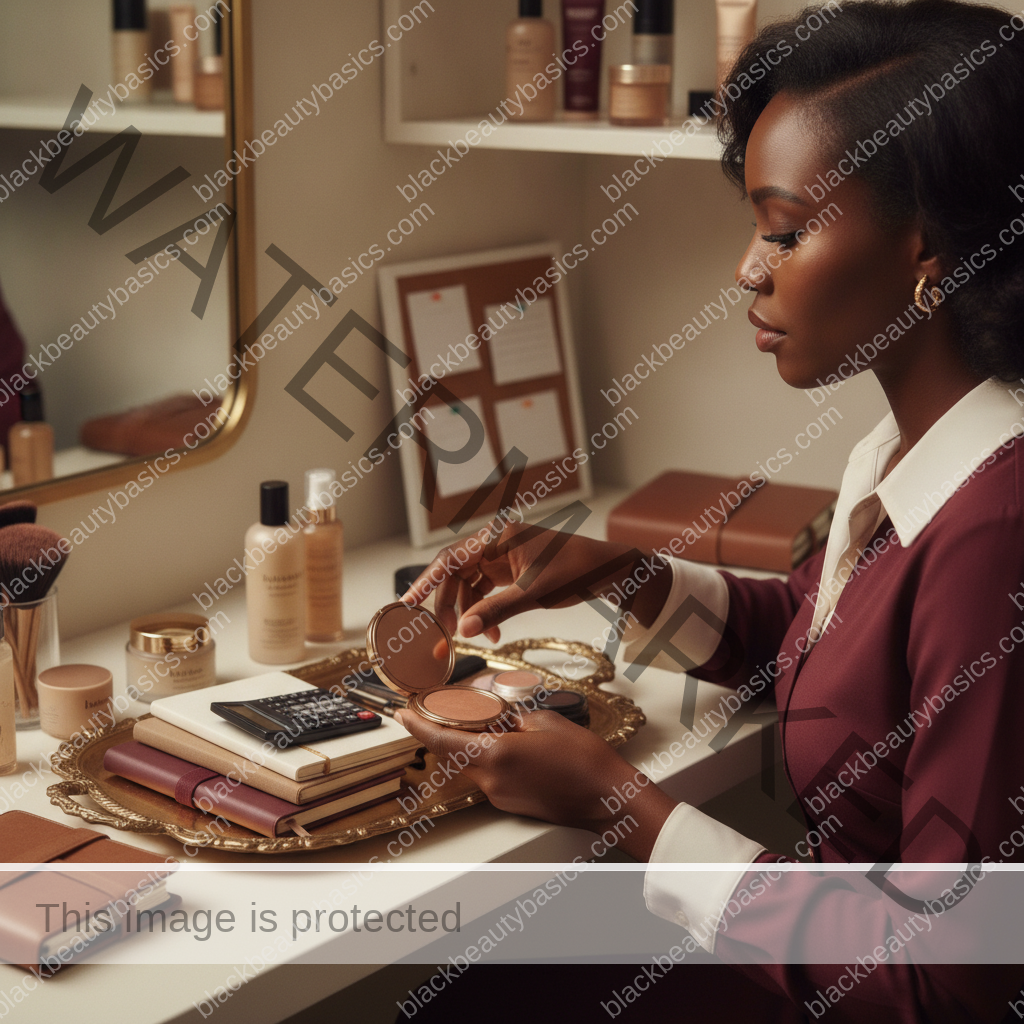
Part of the elegance of a seasonal beauty closet edit is the opportunity to intentionally support and celebrate Black-owned beauty brands. These brands are often formulated with the unique needs of melanin-rich skin in mind, offering exceptional quality, innovative ingredients, and a deep understanding of our beauty concerns. Integrating these brands into your routine is not just a purchase; it’s an affirmation of community, excellence, and cultural pride.
Why Choose Black-Owned Beauty?
- Formulated for Us: Many Black-owned brands prioritize ingredients and formulations that address common concerns for Black skin, such as hyperpigmentation, dryness, and sensitivity, ensuring products are effective and gentle.
- Diverse Representation: From shade ranges in makeup to diverse models in campaigns, these brands often lead the way in authentic representation, making you feel seen and celebrated.
- Innovation & Expertise: Black entrepreneurs are at the forefront of beauty innovation, bringing fresh perspectives and scientific rigor to product development.
- Economic Empowerment: Supporting Black-owned businesses contributes directly to the economic growth and sustainability of our communities.
Spotlight on Excellence: Black-Owned Skincare Brands to Explore
While we encourage you to discover a plethora of incredible brands, here are a few categories and examples to inspire your seasonal curation:
Hydration & Barrier Support:
- Butters & Oils: Brands specializing in rich body butters and facial oils often use ingredients like shea butter, cocoa butter, and various botanical oils known for their deeply nourishing properties. Look for brands that source ethically and focus on natural, potent ingredients.
- Ceramide-Rich Formulas: Several Black-owned brands offer moisturizers and serums packed with ceramides, essential for repairing and maintaining a healthy skin barrier, crucial for all seasons.
Shop Black-Owned Hydrating Skincare on Amazon
Targeted Treatments for Hyperpigmentation & Brightening:
- Vitamin C & Niacinamide Serums: Many Black-owned brands excel in creating stable and effective Vitamin C and Niacinamide formulations that are gentle yet powerful in addressing dark spots and uneven skin tone.
- Gentle Exfoliants: Look for brands offering lactic acid, mandelic acid, or enzyme-based exfoliants that are less irritating for melanin-rich skin, helping to reveal a brighter complexion without exacerbating hyperpigmentation.
Shop Black-Owned Hyperpigmentation Skincare on Amazon
Sun Protection:
- No White Cast SPFs: A growing number of Black-owned brands are tackling the white cast issue head-on, developing elegant SPF formulas that blend seamlessly into darker skin tones, offering essential protection without compromise.
Shop Black-Owned SPF on Amazon
Body Care:
- Luxurious Body Oils & Butters: Elevate your body care ritual with decadent body oils and butters from Black-owned brands, often infused with exquisite scents and deeply moisturizing ingredients to keep your skin supple and glowing from head to toe.
Shop Black-Owned Body Care on Amazon
Tips for Integrating Black-Owned Brands:
- Research & Reviews: Look for brands with positive reviews from individuals with similar skin types and concerns.
- Ingredient Focus: Pay attention to ingredient lists to ensure they align with your skin’s needs and preferences.
- Start Small: Introduce one or two new products at a time to see how your skin responds.
- Explore Online Marketplaces: Many platforms specifically highlight and sell Black-owned beauty products, making discovery easier.
The Ritual of the Edit: Practical Steps to Curate Your Closet
Now that we understand the ‘why’ and ‘what,’ let’s delve into the ‘how.’ The seasonal beauty closet edit is a ritual, a mindful practice that brings order and intention to your skincare routine. It’s not just about decluttering; it’s about optimizing.
Step-by-Step Guide to Your Beauty Closet Edit:
- Gather Everything: Pull out every single skincare product you own – face, body, and even those forgotten samples.
- Check Expiration Dates: This is crucial. Products, especially active serums and sunscreens, lose efficacy over time. Discard anything past its prime. Look for the PAO (Period After Opening) symbol, usually a small jar with a number inside (e.g., 12M for 12 months).
- Assess Current Season’s Needs: Based on the current season (or the upcoming one), identify what your skin truly needs. Are you moving into dry winter or humid summer?
- Categorize by Season: Create four piles (or designated storage areas):
- Current Season: Products perfectly suited for now.
- Next Season: Products you’ll transition to soon.
- Off-Season (Store): Products for future seasons (e.g., heavy winter creams in summer). Store these in a cool, dark place.
- Discard/Donate: Expired, ineffective, or simply unused products. Consider donating unopened, unexpired items to local shelters if permitted.
- Evaluate Product Performance: For each product, ask yourself:
- Does this product genuinely benefit my skin?
- Do I enjoy using it?
- Is it still relevant to my current skin concerns?
- Does it align with my seasonal needs?
- Identify Gaps: Once you’ve sorted, you might notice areas where your routine is lacking for the upcoming season. This is your cue to research and invest in new, targeted products, perhaps from a Black-owned brand you’ve been wanting to try.
- Organize Your Space: Store your current season’s products in an easily accessible, aesthetically pleasing way. Use drawer dividers, clear containers, or a dedicated shelf. Keep off-season products neatly tucked away until their time comes.
- Clean Your Tools: While you’re at it, clean your makeup brushes, sponges, and any skincare tools. A clean kit is a healthy kit.
Tips for a Seamless Transition:
- Introduce Gradually: When transitioning to new products or a new seasonal routine, introduce one new product at a time over a few days or weeks. This helps you identify any potential sensitivities.
- Listen to Your Skin: Your skin is your best guide. If something feels off, adjust.
- Stay Consistent: Even with seasonal changes, consistency in your core routine (cleansing, moisturizing, SPF) is key.
- Mind Your Lifestyle: Remember that diet, hydration, sleep, and stress also impact your skin. A holistic approach is always best.
FAQ: Your Seasonal Beauty Closet Questions Answered
Q1: How often should I do a seasonal beauty closet edit?
A1: Ideally, you should perform a full edit four times a year, at the start of each major season (winter, spring, summer, autumn). This ensures your products are always aligned with your skin’s current needs and environmental conditions. However, a quick check-in every 1-2 months to ensure products aren’t expired or causing issues is also beneficial.
Q2: Can I use the same products year-round if my skin doesn’t seem to change much?
A2: While some core products (like a gentle cleanser or a specific treatment serum) might remain consistent, it’s highly recommended to adjust at least your moisturizer and SPF. Even if your skin doesn’t show drastic changes, environmental factors (humidity, temperature, UV index) still impact your skin’s barrier and hydration levels. Adapting your routine proactively helps maintain optimal skin health and prevents potential issues before they arise.
Q3: What are the most important products to swap between seasons for Black women?
A3: For melanin-rich skin, the most crucial swaps typically involve your moisturizer and SPF. In winter, opt for richer, more occlusive moisturizers and a hydrating SPF. In summer, switch to lightweight, gel-based moisturizers and a water-resistant, no-white-cast SPF. Additionally, consider adjusting your exfoliation frequency and the type of serums you use (e.g., more barrier-repairing in winter, more antioxidant/brightening in summer).
Q4: How do I store my off-season products to keep them fresh?
A4: Store off-season products in a cool, dark, and dry place, away from direct sunlight and extreme temperature fluctuations. A drawer, cabinet, or beauty fridge (for certain products) can work well. Ensure lids are tightly sealed to prevent air exposure, which can degrade ingredients. Always check expiration dates before storing and again before bringing them back into rotation.
Q5: I have sensitive skin. How should I approach seasonal changes?
A5: For sensitive skin, gradual transitions are key. Introduce one new product at a time, patch-testing it first. Focus on barrier-supporting ingredients (ceramides, squalane, colloidal oatmeal) year-round. In winter, prioritize extra hydration and protection. In summer, opt for mineral sunscreens and gentle, soothing ingredients like aloe vera or centella asiatica. Avoid harsh exfoliants or highly concentrated actives, especially during seasonal shifts when skin might be more vulnerable.
Q6: What are some signs my skin needs a seasonal adjustment?
A6: Pay attention to these cues: increased dryness, flakiness, or tightness (winter); excessive oiliness, breakouts, or clogged pores (summer); dullness, uneven texture, or increased sensitivity. If your current products aren’t feeling effective or comfortable, it’s a strong indicator that a seasonal adjustment is needed.
Q7: Should my makeup routine also change with the seasons?
A7: Absolutely! Just like skincare, makeup benefits from seasonal adjustments. In winter, you might prefer more hydrating, dewy foundations and cream blushes. In summer, switch to oil-free, long-wear, or matte foundations, and consider lighter textures like tinted moisturizers or BB creams with SPF. Setting sprays become invaluable in humid months. Your lip care also shifts – richer balms in winter, lighter tints with SPF in summer.
Embracing the seasonal beauty closet edit is more than a routine; it’s a profound commitment to self-care, a celebration of your skin’s resilience, and an elegant dance with nature’s rhythms. By thoughtfully curating your products, honoring your skin’s unique needs, and consciously supporting brands that uplift our community, you not only ensure your glow remains vibrant year-round but also solidify your place in a legacy of timeless, radiant beauty. May your skin always be as magnificent as the woman who wears it.
Why this deserves more than surface advice
For Black women, beauty is often asked to carry too much: workplace respectability, colorism, texturism, budget pressure, trend cycles, service gaps, and the quiet work of being understood. This guide focuses on editing a beauty closet seasonally for skin, hair, makeup, body, climate, expired products, duplicates, and routine gaps. Start with the related BBB cluster guide if you want the wider map for this conversation.
The BBB position is clear: your skin tone, hair texture, budget, caregiving role, or refusal to chase every trend does not make you less polished, less beautiful, or less worthy of care. Beauty systems should work for your life, not punish you for having one.
A practical beauty philosophy can hold more than products. It can include boundaries, spending rules, workplace survival, cultural memory, pleasure, rest, and the right to say, “This does not fit me.” That is not opting out of beauty. It is refusing to let beauty be defined only by pressure.
What to notice before changing anything
- What expectation is shaping the decision: workplace pressure, trend pressure, budget pressure, or genuine care?
- Whether the product, service, or style respects deep skin, textured hair, and your actual needs.
- What you are hoping the purchase, routine, or style will solve emotionally.
- Which practices still support you and which ones ask you to shrink.
- What one boundary would make beauty feel more honest this season.
What to stop normalizing
Stop normalizing beauty advice that treats lighter skin, looser texture, expensive products, or constant polish as the default. Those standards are not neutral. They come from systems that often ask Black women to edit themselves before they are considered acceptable.
Stop buying from panic. A product can be popular and still not fit your undertone, scalp, curl pattern, sensitivity, budget, values, or schedule. Pausing before purchase is not deprivation. It is protection.
Stop accepting poor service in spaces that charge luxury prices but do not understand dark skin, textured hair, shade matching, scalp comfort, or respectful consultation. You are allowed to ask questions, ask for another option, or leave.
What to do next

Choose one beauty pressure to name out loud: work polish, spending, trend chasing, texture respect, shade respect, service quality, or time. Then use the related guides below to keep this final cluster connected.
- Self-Care Rituals & Black-Owned Beauty
- The related BBB cluster guide
- beauty rituals and reset routines
- budget beauty systems
- stop impulse-buying wrong products
- personal beauty philosophy
Related next steps
Related posts:
 The Elegant Edit: Building a Capsule Wardrobe That Celebrates Your Melanin and Style
 Mastering Seasonal Shifts: The Ultimate Winter vs. Summer Natural Hair Routine for Black Women
 Preventing Seasonal Hyperpigmentation in Dark Skin
 Beauty Habits Black Women Learned From Aunties That Still Hold Up
 Online Sisterhoods & Beauty Community: Navigating Digital Spaces for Melanin-Rich Beauty
 Budget Beauty Systems for Black Women Who Still Want Quality