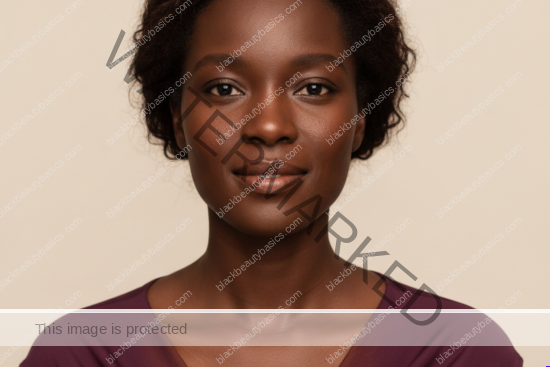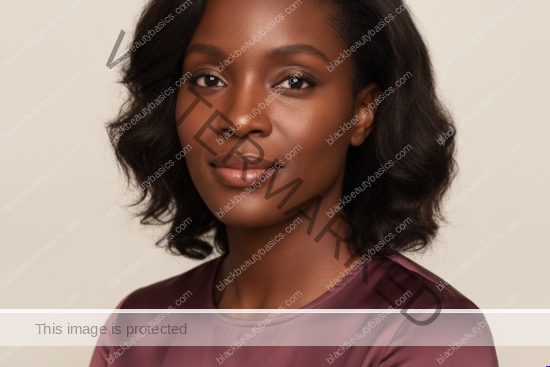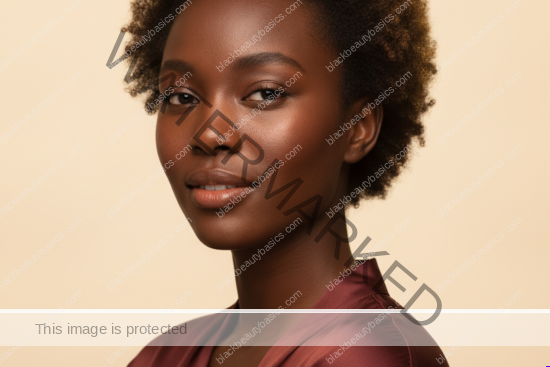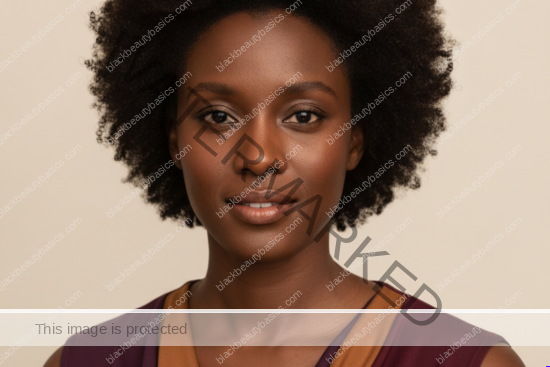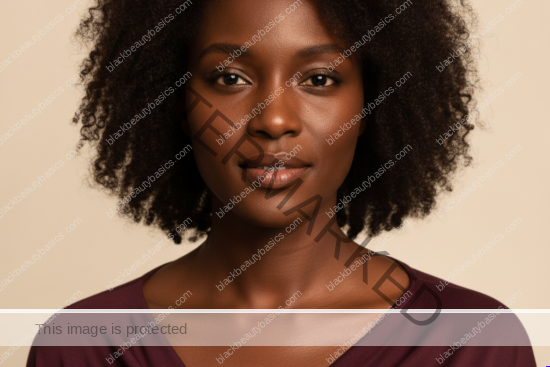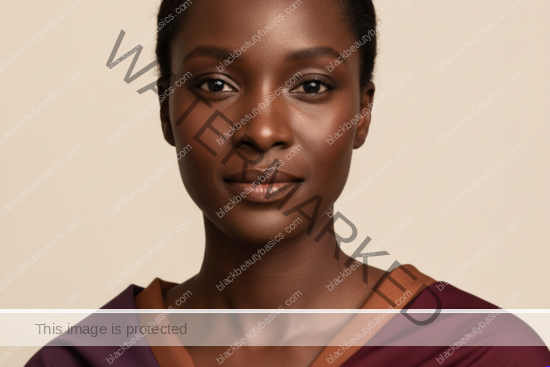
Melanin-rich skin is a masterpiece, a canvas of unparalleled depth and radiance. But let’s be real, for those of us blessed with oily complexions, maintaining that flawless, fresh-faced look throughout the day can feel like a Sisyphean task. The battle against shine, the fear of makeup sliding, creasing, or worse—turning ashy—is a tale as old as time for many Black women. We’ve all been there, starting the day with a perfectly beat face only to find our T-zone staging a full-on oil slick by lunchtime, or our foundation settling into an unwelcome, ghostly cast. It’s a unique challenge that demands a nuanced approach, one that celebrates our skin’s natural beauty while conquering its specific needs. This isn’t just about applying more powder; it’s about understanding the science, embracing the right techniques, and selecting products that truly work in harmony with our magnificent complexions. Get ready to unlock the secrets to makeup that not only lasts but looks effortlessly radiant, never heavy, never ashy, always exquisite.
The Unique Landscape of Oily Dark Skin: Understanding Your Canvas
Before we dive into product recommendations and application techniques, it’s crucial to understand the distinct characteristics of oily dark skin. Our skin, while boasting incredible resilience and a natural glow, often produces more sebum, leading to that notorious shine. This increased oil production can cause makeup to break down faster, leading to creasing, fading, and an overall diminished appearance. Furthermore, the rich melanin in our skin requires specific considerations when it comes to color matching and preventing that dreaded ashy finish.
Why Oily Skin Needs Special Attention
- Increased Sebum Production: Oily skin types, regardless of tone, produce an excess of sebum, a natural oil that can dissolve makeup binders.
- Larger Pores: Often, oily skin is accompanied by more visible pores, which can become clogged if makeup isn’t applied and removed correctly.
- Makeup Breakdown: The oil acts as a solvent, breaking down foundation, concealer, and other products, leading to a shorter wear time.
- Oxidation: Makeup, especially foundations, can oxidize on oily skin, causing it to darken or shift in color throughout the day.
The Ashy Effect: A Melanin-Rich Concern
The “ashy” look is a common frustration for Black women. It occurs when makeup products, particularly powders or foundations, have a white or grey base that doesn’t blend seamlessly with our undertones. Instead of enhancing our natural warmth, these products can leave a dull, chalky, or desaturated appearance. This is why understanding your undertones and choosing products specifically formulated for deep skin is paramount. We’re aiming for luminosity, not pallor.

The Foundation of Longevity: Skincare Prep for Oily Dark Skin
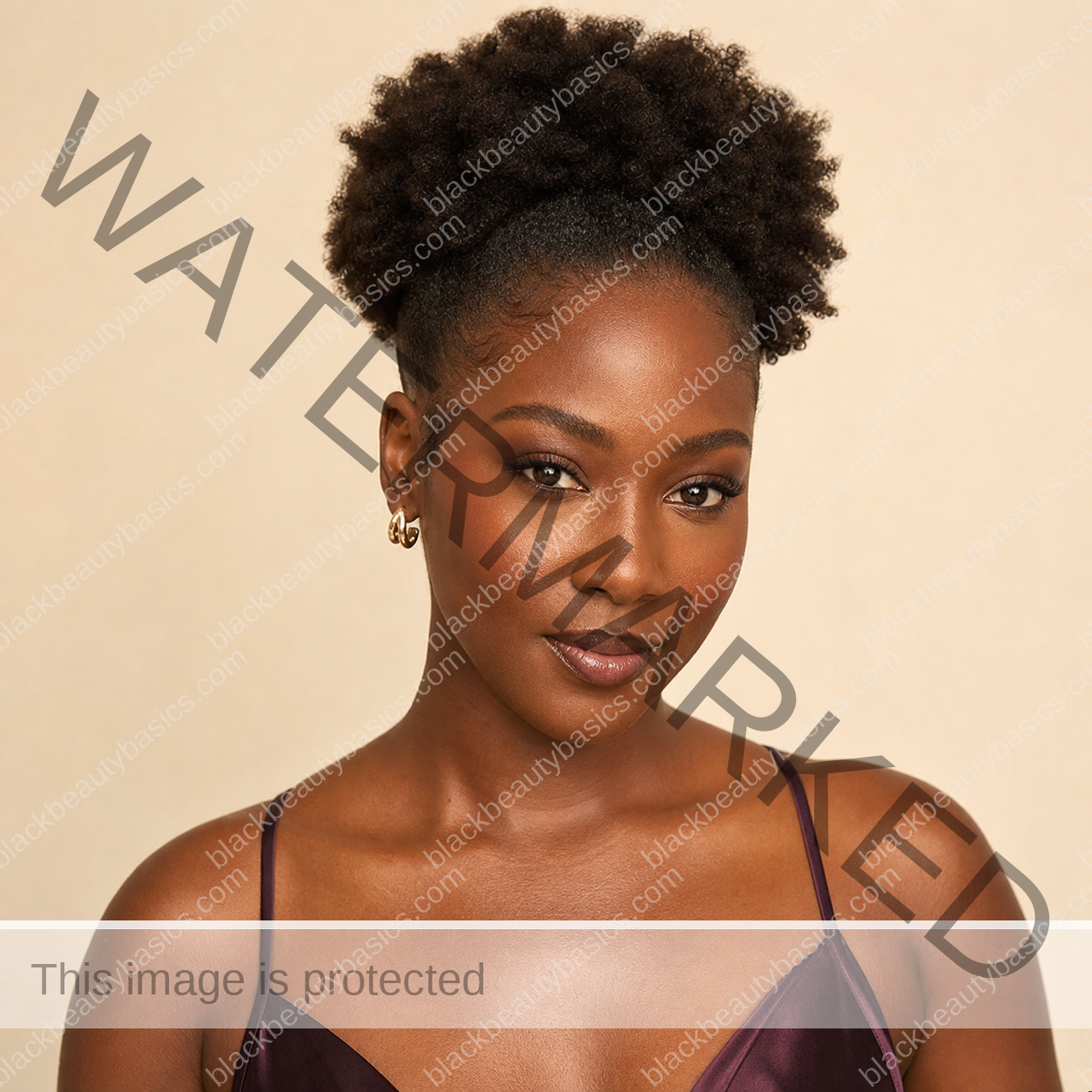
Think of your skincare routine as the primer for your primer. A well-prepped canvas is non-negotiable for makeup longevity, especially when managing oil. This isn’t just about cleansing; it’s about balancing, hydrating, and creating the optimal surface for makeup adhesion.
Step 1: Cleanse with Care
Start with a gentle, oil-balancing cleanser. Harsh cleansers can strip your skin, prompting it to produce even more oil to compensate. Look for ingredients like salicylic acid or charcoal, known for their oil-absorbing properties without over-drying.
Product Recommendation: explore Oil-Balancing Cleansers on Amazon
Step 2: Tone and Refine
A good toner can help balance your skin’s pH, minimize the appearance of pores, and remove any residual impurities. Opt for alcohol-free formulas to avoid stripping. Witch hazel or niacinamide-based toners are excellent choices for oily skin.
Product Recommendation: explore Alcohol-Free Toners on Amazon
Step 3: Hydrate, Don’t Hesitate
This is where many with oily skin go wrong, skipping moisturizer altogether. Dehydrated skin can actually produce more oil to compensate. Choose a lightweight, oil-free, non-comedogenic moisturizer that provides hydration without feeling heavy. Gel-based formulas are often ideal.
Product Recommendation: explore Lightweight Oil-Free Moisturizers on Amazon
Step 4: Sun Protection is Non-Negotiable
Yes, even for melanin-rich skin! Sunscreen protects against hyperpigmentation and premature aging. Look for a broad-spectrum, matte-finish, or gel-based SPF that won’t leave a white cast. Mineral sunscreens with zinc oxide or titanium dioxide are great, but ensure they blend seamlessly into deeper skin tones.
The Art of Application: Building a Lasting Base
Now that your canvas is prepped, it’s time to build a base that defies the elements and celebrates your complexion. The right products, applied with precision, are your secret weapons.
Primer: Your First Line of Defense
A good primer is essential for oily skin. It creates a barrier between your skin and makeup, blurs pores, and helps control oil. Look for mattifying, oil-controlling, or pore-filling primers. Apply a thin layer to your T-zone and any other oily areas.
Foundation: The Heart of Your Look
Choosing the right foundation is paramount. For oily dark skin, opt for oil-free, matte, semi-matte, or long-wear formulas. The key is finding a shade that perfectly matches your undertone to avoid any ashy or orange cast. Test shades on your jawline in natural light.
- Formulation: Look for liquid or stick foundations labeled “long-wear,” “oil-free,” “matte,” or “pore-minimizing.”
- Application: Apply foundation with a damp beauty sponge or a dense foundation brush for a seamless, natural finish. Start with a small amount and build coverage where needed, rather than applying a thick layer all at once. This prevents a heavy look.
- Color Matching: Always choose a foundation that matches your undertone (warm, cool, neutral, or olive). Many brands now offer extensive shade ranges with specific undertones for deep skin.
Concealer: Targeted Perfection
Use a long-wearing, full-coverage concealer sparingly to address dark circles or blemishes. Choose a shade that matches your foundation or is one shade lighter for brightening under the eyes. Avoid overly thick formulas that can crease.
Setting Powder: The Game Changer
This is where you lock everything in place and combat shine. However, the wrong powder can instantly lead to an ashy finish.
- Translucent Powder: A truly translucent powder (one that disappears into the skin) is ideal for setting your entire face without adding color. Ensure it’s finely milled to avoid a cakey look.
- Colored Setting Powder: If you prefer a powder with a hint of color, choose one that matches your skin tone or is slightly warmer to enhance your complexion. Banana powders can be great for brightening under the eyes for some, but ensure it doesn’t look yellow on your specific undertone.
- Application: Use a fluffy brush for a light dusting over your entire face, focusing on the T-zone. For extra oil control, try “baking” in your T-zone: apply a generous amount of powder with a damp sponge, let it sit for 5-10 minutes, then dust off the excess.
Color and Contour: Enhancing Without the Heavy Hand
Even with oily skin, you can achieve dimension and warmth without adding layers of heavy product. The key is strategic placement and product choice.
Bronzer & Contour: Sculpting with Warmth
Cream or liquid bronzers and contours can melt into the skin more seamlessly than powders, offering a natural finish that doesn’t look heavy. If using powder, choose
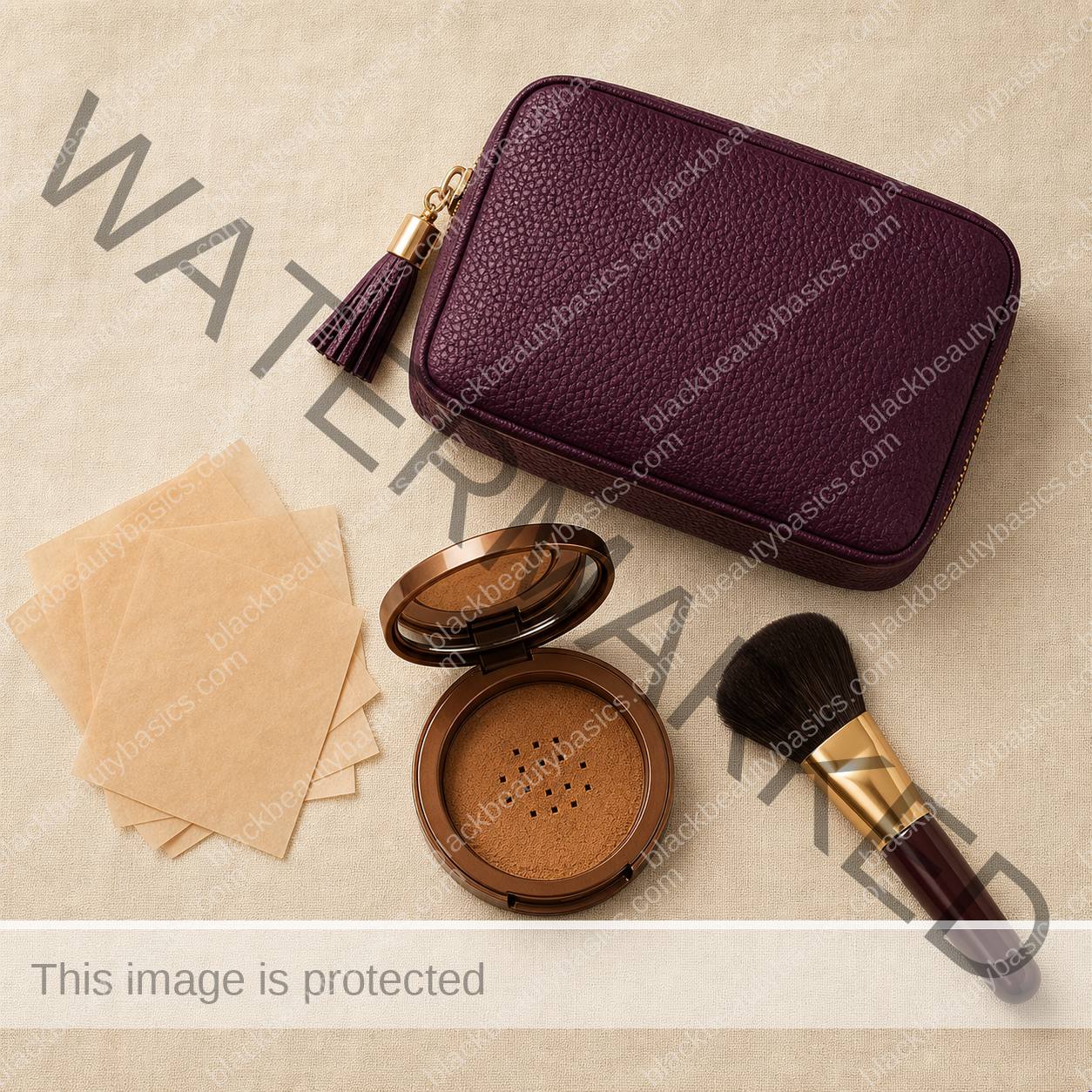
finely milled, non-ashy shades that complement your undertone. Apply sparingly to areas where the sun naturally hits or to sculpt features.
Blush: A Pop of Life
Cream or liquid blushes often perform beautifully on oily skin, offering a dewy (but not greasy) flush that lasts. If you prefer powder, opt for a highly pigmented formula that won’t require excessive layering. Rich berry, terracotta, or deep plum shades look stunning on dark skin.
Highlighter: That Inner Glow
For oily skin, liquid or cream highlighters can offer a more natural, skin-like glow that doesn’t emphasize texture. If using powder, choose finely milled formulas without chunky glitter. Apply to the high points of your face—cheekbones, brow bone, cupid’s bow—with a light hand.
The Final Seal: Setting Your Masterpiece
After all that meticulous application, don’t let your hard work go to waste. A setting spray is the ultimate finishing touch to lock everything in and ensure longevity.
Setting Spray: Your Makeup’s Best Friend
A good setting spray can melt powders into the skin for a more natural finish, and crucially, extend the wear of your makeup. For oily skin, look for mattifying or oil-control setting sprays. Hold the bottle at arm’s length and mist evenly over your face in an “X” and “T” motion.
Mid-Day Maintenance: Keeping Shine at Bay
Even with the best prep and products, oily skin may require a little touch-up throughout the day. The trick is to do it strategically to avoid disturbing your makeup or adding unnecessary layers.
Blotting Papers: Your Secret Weapon
Instead of adding more powder, which can lead to a cakey or ashy finish, use blotting papers to absorb excess oil. Gently press them onto oily areas, then lift. This removes shine without removing makeup.
Powder Puffs & Sponges: Light Touch-Ups
If you absolutely need to re-powder, use a very small amount of translucent powder on a puff or sponge, press
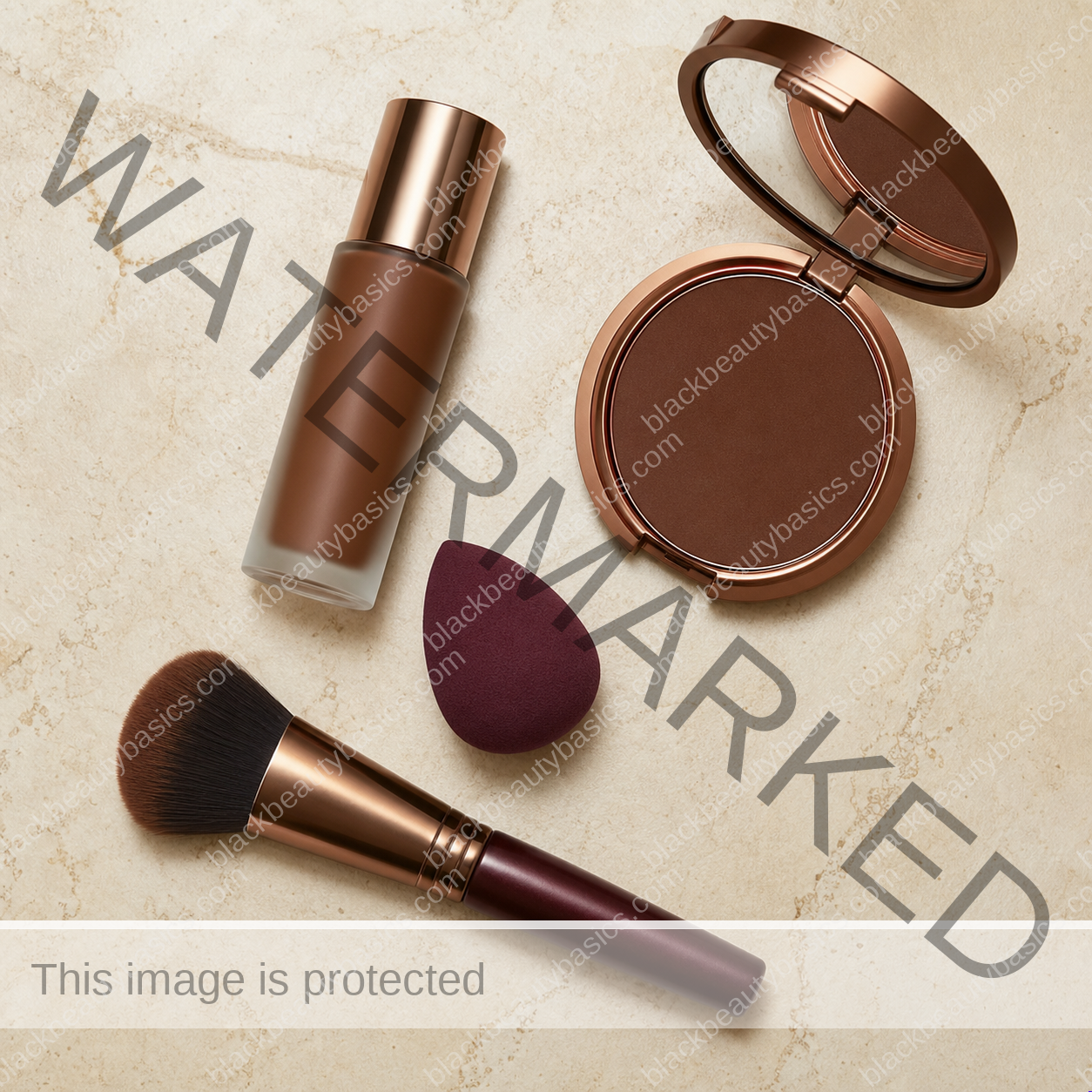
ing it gently into the skin only where needed. This “press and roll” technique helps to set without caking.
Summary of Key Strategies for Long-Lasting Makeup on Oily Dark Skin
Here’s a quick overview of the essential steps and considerations:
| Category | Key Strategy | Product Type to Look For | Why It Works |
|---|---|---|---|
| Skincare Prep | Cleanse, Tone, Hydrate, SPF | Oil-balancing cleanser, alcohol-free toner, lightweight oil-free moisturizer, matte/gel SPF | Balances sebum, refines pores, creates a smooth, hydrated base without excess oil. |
| Priming | Apply a mattifying primer | Mattifying, pore-filling, oil-control primer | Creates a barrier, blurs imperfections, and grips makeup for extended wear. |
| Foundation & Concealer | Choose long-wear, oil-free formulas; precise color match | Matte/semi-matte liquid/stick foundation, full-coverage concealer (oil-free) | Resists oil breakdown, prevents oxidation, ensures a seamless, non-ashy finish. |
| Setting Powder | Use finely milled translucent or skin-toned powder strategically | Truly translucent setting powder, finely milled colored powder (banana, deep beige) | Locks makeup, absorbs oil, prevents shine without looking heavy or ashy. |
| Color Products | Opt for cream/liquid where possible, or highly pigmented powders | Cream/liquid blush, bronzer, highlighter; finely milled powder versions | Melts into skin for natural finish, less likely to look heavy or cakey. |
| Setting Spray | Finish with a mattifying or long-wear setting spray | Mattifying, oil-control setting spray | Fuses makeup, extends wear, controls shine, and removes powdery finish. |
| Mid-Day Touch-Ups | Blot, don’t re-powder excessively | Blotting papers, minimal translucent powder with puff | Removes excess oil without disturbing makeup or adding layers. |
Product Spotlight: Ingredients That Work for Oily Dark Skin
When selecting products, understanding key ingredients can make all the difference in managing oil and ensuring a beautiful, lasting finish.
| Ingredient | Benefit for Oily Skin | Product Types Where Found |
|---|---|---|
| Salicylic Acid (BHA) | Exfoliates inside pores, reduces oil, prevents breakouts. | Cleansers, toners, primers. |
| Niacinamide (Vitamin B3) | Minimizes pore appearance, regulates oil production, improves skin barrier. | Toners, serums, moisturizers, primers. |
| Kaolin Clay / Bentonite Clay | Absorbs excess oil, detoxifies, mattifies. | Masks, primers, setting powders. |
| Silica | Provides a mattifying effect, blurs imperfections, absorbs oil. | Primers, setting powders, some foundations. |
| Dimethicone / Cyclopentasiloxane | Creates a smooth canvas, blurs pores, helps makeup glide on. | Primers, foundations. |
| Zinc Oxide / Titanium Dioxide | Mineral SPF, can offer some mattifying properties. | Sunscreens, some foundations. |
| Hyaluronic Acid (in low concentrations for oily skin) | Provides lightweight hydration without greasiness. | Lightweight moisturizers, serums. |
| Glycerin | Humectant that draws moisture, but in oil-free formulas, it hydrates without heaviness. | Oil-free moisturizers, primers. |
Common Pitfalls to Avoid
Even with the best intentions, certain habits can sabotage your long-wear makeup efforts:
- Over-Cleansing: Stripping your skin can lead to rebound oil production.
- Skipping Moisturizer: Dehydrated skin often overcompensates with more oil.
- Heavy Layers of Foundation: This is a recipe for creasing, caking, and a heavy look.
- Excessive Powdering: Can lead to an ashy, flat, or cakey appearance.
- Ignoring Undertones: Choosing the wrong foundation shade is the quickest way to an ashy or orange complexion.
- Rubbing vs. Patting: When applying or touching up, patting helps to press products into the skin, while rubbing can disrupt your base.
- Not Cleaning Brushes/Sponges: Dirty tools can transfer oil and bacteria back onto your face, causing breakouts and poor product application.
FAQ: Your Burning Questions Answered
Q1: Can I use oil-based products if I have oily skin?
A: While it might seem counterintuitive, not all oils are bad for oily skin. Some non-comedogenic oils, like jojoba or squalane, can actually help balance sebum production because their molecular structure mimics natural skin oils. However, for makeup longevity, it’s generally best to stick to oil-free or non-comedogenic makeup and skincare products, especially in your base layers, to prevent makeup breakdown. If you want to incorporate an oil, use it sparingly as part of your nighttime routine or as a very light layer before your moisturizer, ensuring it’s fully absorbed before makeup application.
Q2: How do I know my undertone to avoid an ashy look?
A: Determining your undertone is crucial for selecting the right foundation and preventing an ashy finish. There are generally three main undertones: warm (golden, peachy, yellow), cool (pink, red, blue), and neutral (a mix of both). For dark skin, olive undertones are also common. One common test is to look at the veins on your wrist: if they appear green, you likely have warm undertones; if they appear blue or purple, you’re likely cool; if you can’t tell, you might be neutral. Another method is to consider how gold and silver jewelry looks on you: gold often complements warm undertones, while silver suits cool. Many Black women have warm or golden undertones, which is why foundations with grey or pink bases can look ashy.
Q3: Is “baking” suitable for oily dark skin, or will it look too heavy?
A: “Baking” can be a highly effective technique for oily dark skin, especially in areas prone to shine like the T-zone or under the eyes, to set makeup and prevent creasing. The key is to use a finely milled, truly translucent powder or a banana powder that complements your undertone. Apply a generous amount with a damp sponge, let it sit for 5-10 minutes, and then gently dust off the excess with a fluffy brush. When done correctly, it provides a long-lasting, matte finish without looking heavy or ashy. The trick is not to overdo it or leave too much powder on the skin.
Q4: My makeup still oxidizes and turns orange. What can I do?
A: Makeup oxidation, where foundation darkens or changes color on your skin, is a common issue for oily skin, especially for deeper complexions. It often happens when the oils in your skin react with the pigments in your foundation. To combat this, ensure your skin is properly prepped with an oil-controlling primer. Choose foundations specifically formulated as “non-oxidizing” or “long-wear.” Sometimes, selecting a foundation shade that is half a shade lighter than your natural skin tone can help offset the darkening effect of oxidation. Using a good setting spray can also help create a barrier that minimizes oxidation.
Q5: How often should I clean my makeup brushes and sponges if I have oily skin?
A: For oily skin, it’s particularly important to maintain excellent hygiene with your makeup tools. Dirty brushes and sponges can harbor oil, bacteria, and old makeup, which can exacerbate oiliness, cause breakouts, and lead to streaky, uneven makeup application. Ideally, foundation and concealer brushes/sponges should be cleaned after every 1-2 uses. Eye brushes can go a bit longer, perhaps once a week. A deep clean with brush shampoo is essential, but daily spot cleaning sprays can help in between washes.
Q6: Are cream products a good idea for oily dark skin, or will they make me look greasier?
A: Cream products (like cream blush, bronzer, and highlighter) can actually be excellent for oily dark skin when chosen and applied correctly. They often melt into the skin more seamlessly than powders, providing a natural, skin-like finish that doesn’t look heavy or cakey. The key is to opt for long-wearing, non-greasy cream formulas and to set them lightly with a translucent powder, especially in your T-zone. Avoid overly emollient or dewy cream products if extreme oil control is your primary concern. When applied over a well-prepped, mattified base, cream products can offer a beautiful, lasting glow without adding unwanted shine.
Q7: What’s the best way to prevent my under-eye concealer from creasing on oily skin?
A: Preventing under-eye creasing on oily skin involves a few crucial steps. First, ensure your under-eye area is hydrated with a lightweight eye cream that absorbs fully before makeup. Apply a thin layer of a long-wearing, self-setting concealer, avoiding thick formulas. Use a damp beauty sponge to blend it out, ensuring there’s no excess product. Immediately after, lightly set the area with a finely milled translucent powder or a banana powder using a small, fluffy brush or a damp sponge. You can also try “baking” the under-eye area for a few minutes. The goal is to set the concealer before it has a chance to settle into fine lines, without applying too much product that could look heavy.
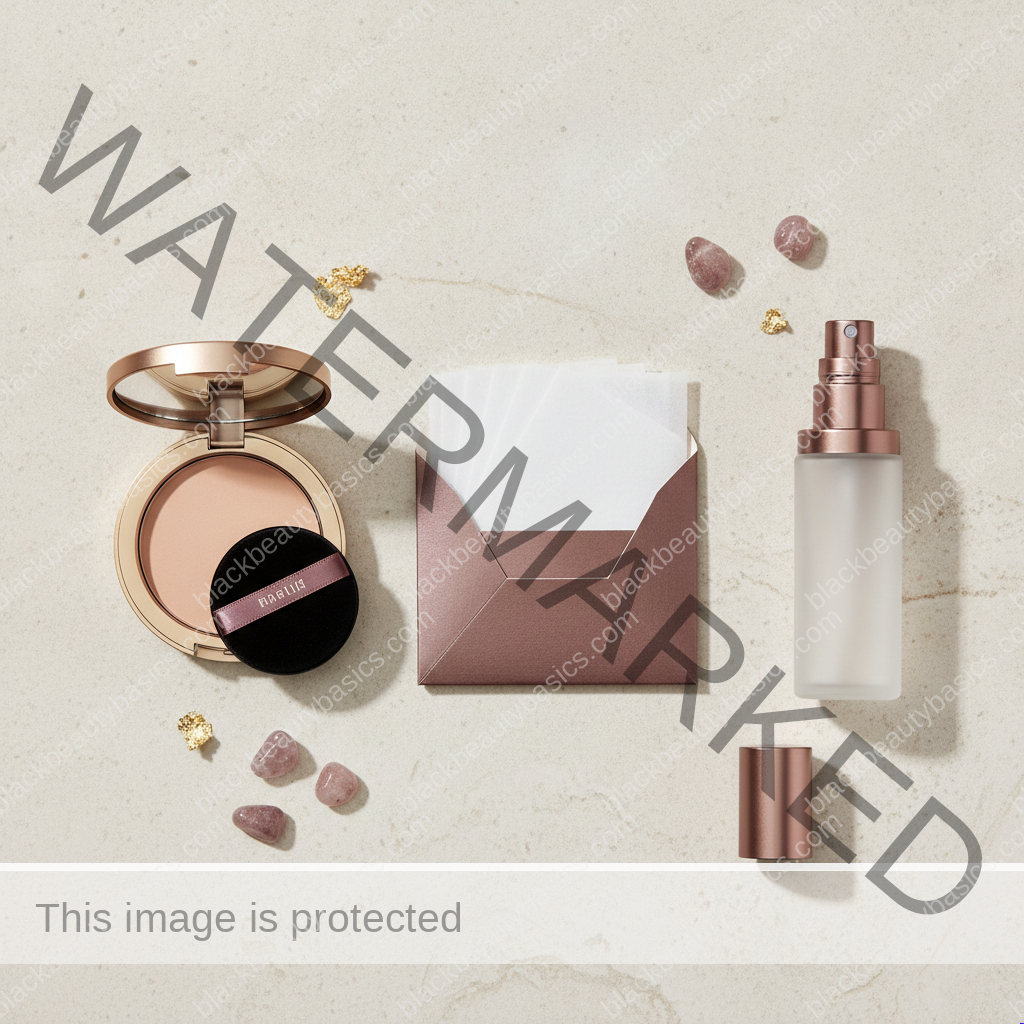
Control Shine by Zone Instead of Flattening the Whole Face
Oily skin is not a mistake, and a long-wear routine does not have to erase every point of reflection. Notice where makeup actually breaks down: around the nose, center forehead, chin, upper lip, or cheeks. Use gripping or mattifying products only where they earn their place. Keep lighter hydration and thinner complexion layers elsewhere so rich brown skin still looks dimensional.
During the day, blot before adding powder. Press rather than wipe so you do not lift foundation. Then use a small amount of powder on the specific area that needs support. Repeated full-face powdering can turn texture heavy and make some shades look dull or ashy. A targeted touch-up is faster and usually looks fresher.
What to Do Next
Wear your routine for one ordinary day and note the first place it changes. Adjust only that zone the next time. If the base separates, reduce layers or check whether the skincare and complexion formulas work together. If the color becomes gray in photos, test powder and sunscreen under flash before an event. The goal is reliable wear, not a face that never moves.
Keep this routine connected to Makeup for Deep Skin Tones. For nearby concerns, read makeup for textured skin and visible pores and how to prevent flashback on deep skin.
Separate Oil Control From Dehydration
Skin can produce oil and still feel tight or dehydrated. Stripping cleansers and skipping moisturizer may create a surface that feels squeaky but makes makeup harder to blend. Use comfortable skincare, allow layers to settle, and blot excess product before primer. If foundation breaks apart immediately, the answer may be fewer layers rather than a stronger mattifier.
Climate, hormones, medication, stress, and the amount of time you wear makeup can all change the result. Reassess the routine instead of assuming your skin is failing. A summer base may need different support than a winter base, and an eight-hour workday may need a different plan than a short event.
Plan Touch-Ups Before Leaving Home
Carry only what addresses your known breakdown point: blotting papers, a small puff, and the powder or complexion product you already used. Touch up in natural or neutral light when possible. Press separated foundation back into place before adding anything. If color has worn away, use a tiny amount rather than covering the whole face again.
A planned touch-up is not proof that the routine failed. Skin produces oil, faces move, and weather changes. The goal is a base that wears gracefully and can be refreshed without shame or panic.
Keep one photo from the start of the day and one after several hours. Compare separation, color change, flashback, and comfort rather than judging only shine. That small record makes the next adjustment specific and prevents buying a new routine every time the weather changes.
Comfort remains part of wear time. If the routine feels tight, itchy, or congested, a shorter product list may perform better than another oil-control layer.
Embrace Your Radiance: The Lasting Beauty of Melanin
Dear sisters, the journey to long-lasting, flawless makeup on oily dark skin is one of understanding, intention, and celebration. It’s about honoring the unique beauty of our complexions and equipping ourselves with the knowledge and tools to let our radiance shine through, unapologetically. No more settling for makeup that slides, creases, or leaves us looking anything less than divine. By embracing a meticulous skincare routine, selecting products tailored to our needs, mastering precise application techniques, and knowing how to maintain our glow throughout the day, we can confidently step out with makeup that not only lasts but enhances our inherent magnificence. Remember, your melanin is a gift, and with these insights, your makeup will be a testament to its enduring splendor. Continue to explore, experiment, and empower yourself with the beauty knowledge that truly serves you. Your flawless, long-lasting look awaits.
Related next steps
Related posts:
 How to Build a Skincare Routine When Your Skin Is Oily and Ashy at the Same Time
 Contour and Highlight on Deep Skin Without Looking Ashy
 Highlighters That Flatter Deep Skin Without Going Ashy
 How Sunscreen Finish Works With Makeup on Dark Skin
 Visionary Eye Shadow Stick, Shimmer Cream Eyeshadow Pencil, Long-Lasting Makeup, Safe for Sensitive & Dry Eyes, Ophthalmologist Tested (Love At First Sight)
 Smoky Eye for Deep Skin: Sultry, Ashy-Free Makeup Tutorial for Black Women