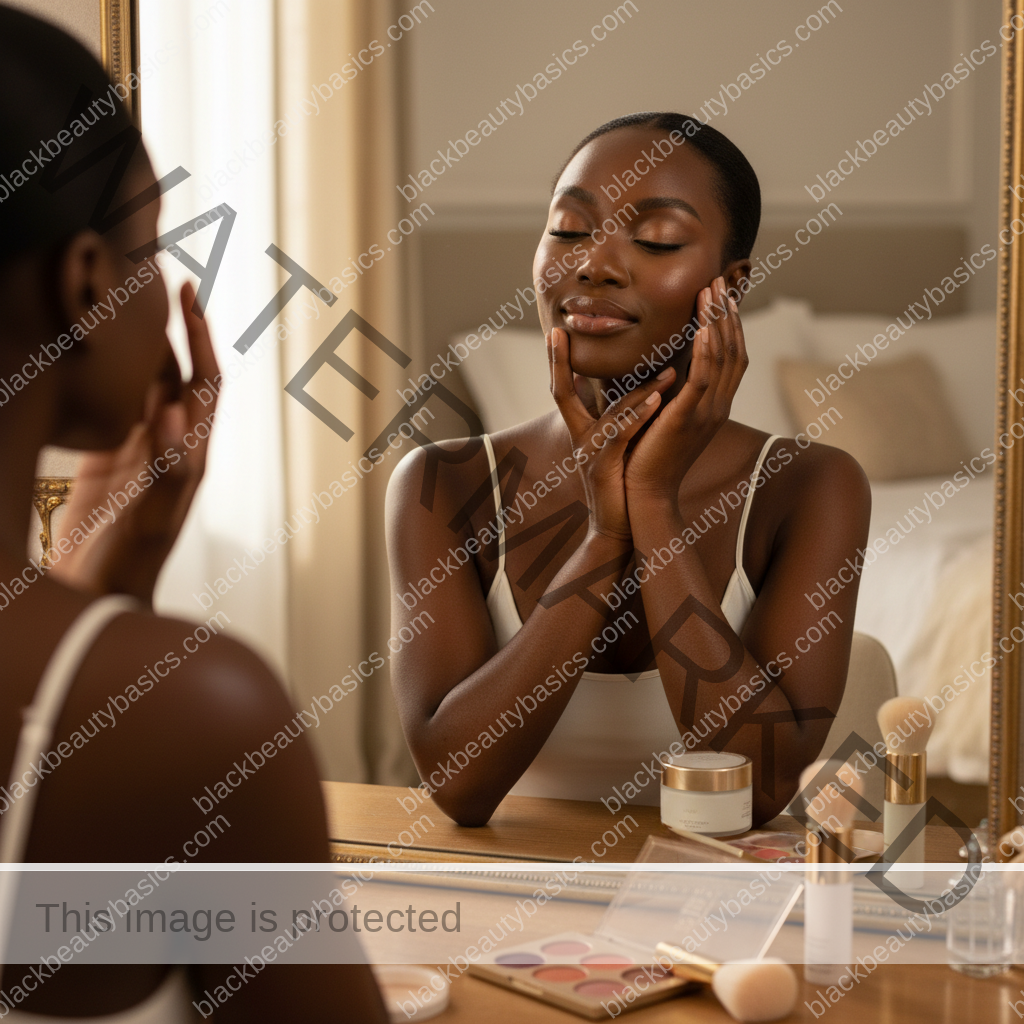
There’s an undeniable magic in a perfectly captured moment, a photograph that truly reflects the radiant glow of your melanin-rich skin. Yet, for many of us, the joy of a beautiful picture can be marred by an unwelcome guest: flashback – that ghostly, ashy cast that seems to steal our light and obscure our natural brilliance. It’s a frustrating experience, one that often leaves us feeling unseen and misrepresented, but rest assured, dear reader, your days of battling the camera’s unfair reflections are about to become a distant memory. Start with the related BBB makeup cluster guide if you want the broader map.
Embracing Your Radiance: Understanding Flashback on Deep Skin
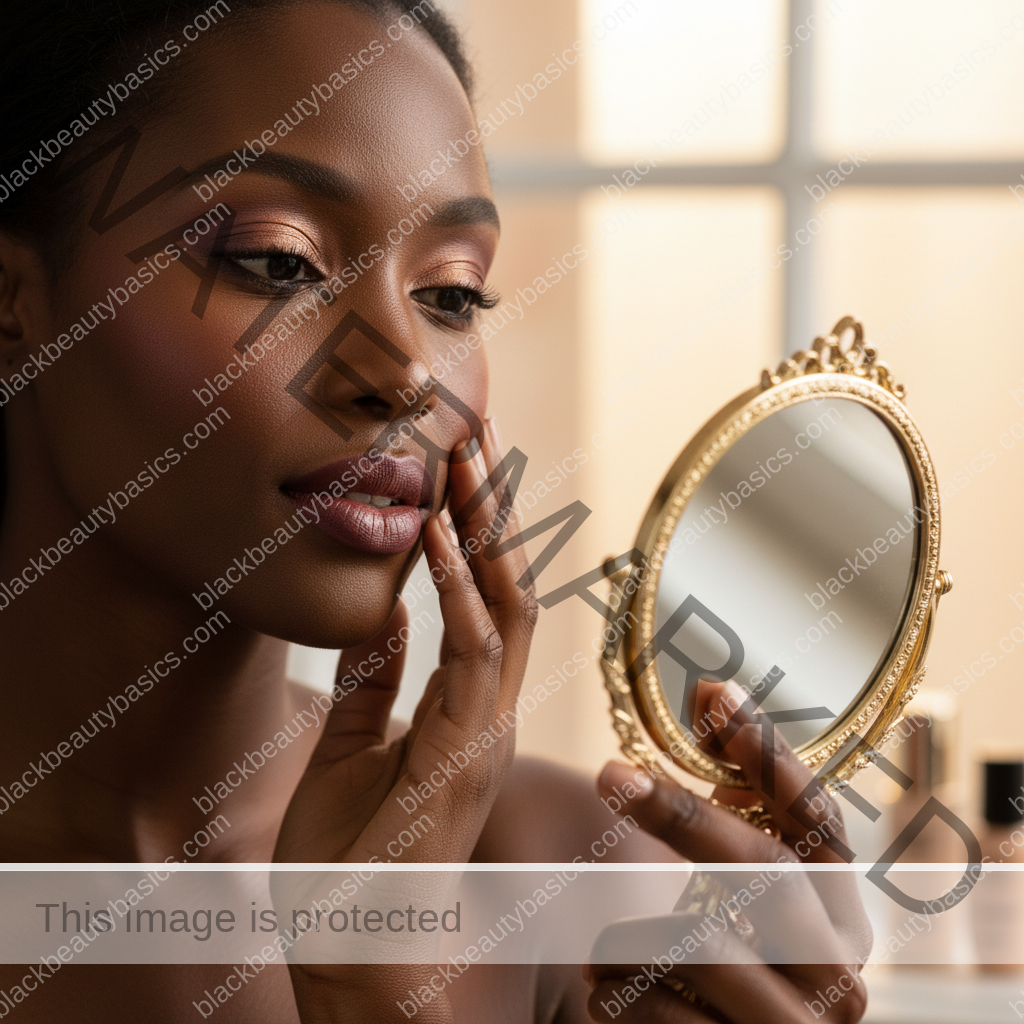
For the woman whose skin tells a story of sun-kissed warmth and profound depth, flashback isn isn’t just an inconvenience; it’s a profound misrepresentation. It’s an optical illusion where your skin, which glows with such natural luminosity in person, appears chalky, ashy, or even grey under the camera’s flash. This phenomenon is particularly pronounced on deeper skin tones, where the contrast between the natural warmth of the skin and the reflective properties of certain makeup ingredients can create a stark and unflattering effect.
At Black Beauty Basics, we believe every shade of melanin deserves to be celebrated, authentically and beautifully. Understanding why flashback occurs is the first step in reclaiming your photographic narrative, ensuring your beauty is always captured in its truest, most vibrant form. It’s not about changing your skin; it’s about mastering the art of enhancing it, so your inner light always shines through, both in life and in every cherished photograph.
The Science Behind the Ghost: Why Flashback Happens
Flashback isn’t a random act of photographic sabotage; it’s a direct consequence of how light interacts with certain ingredients in your makeup. When a camera’s flash, or even harsh artificial light, hits your face, these reflective particles bounce the light straight back to the lens, creating a bright, often white or grey, halo effect. On lighter skin tones, this might simply appear as a slight sheen, but on deeper complexions, the stark contrast can be jarring, making the skin appear significantly lighter and desaturated.
Key Culprits: Ingredients to Watch Out For
The primary culprits behind flashback are often found in products designed to provide sun protection or a matte finish. Here are the main ingredients that can betray your beauty under the flash:
- Titanium Dioxide: A mineral UV filter commonly found in sunscreens and foundations, especially those with SPF. It’s a white pigment that, while excellent for sun protection, can reflect light intensely.
- Zinc Oxide: Another mineral UV filter, similar to titanium dioxide, that offers broad-spectrum protection but can also contribute to a ghostly appearance.
- Silica: Often used in setting powders and primers to absorb oil and create a blurring effect. While fantastic for mattifying, in high concentrations, it can scatter light and cause a white cast.
- Mica: A mineral that provides shimmer and glow. While beautiful for creating a luminous finish, some forms or concentrations can be overly reflective under flash, particularly in highlighters or shimmery powders.
- Talc: A common filler in powders. While generally less reflective than silica, in large quantities or certain formulations, it can still contribute to a dull, ashy look.
It’s crucial to understand that not all products containing these ingredients will cause flashback. The concentration, particle size, and how they are formulated with other ingredients all play a role. However, being aware of their presence allows you to make more informed choices, especially when you know photographs are on the agenda.
The Foundation of Flawless: Prepping Your Canvas
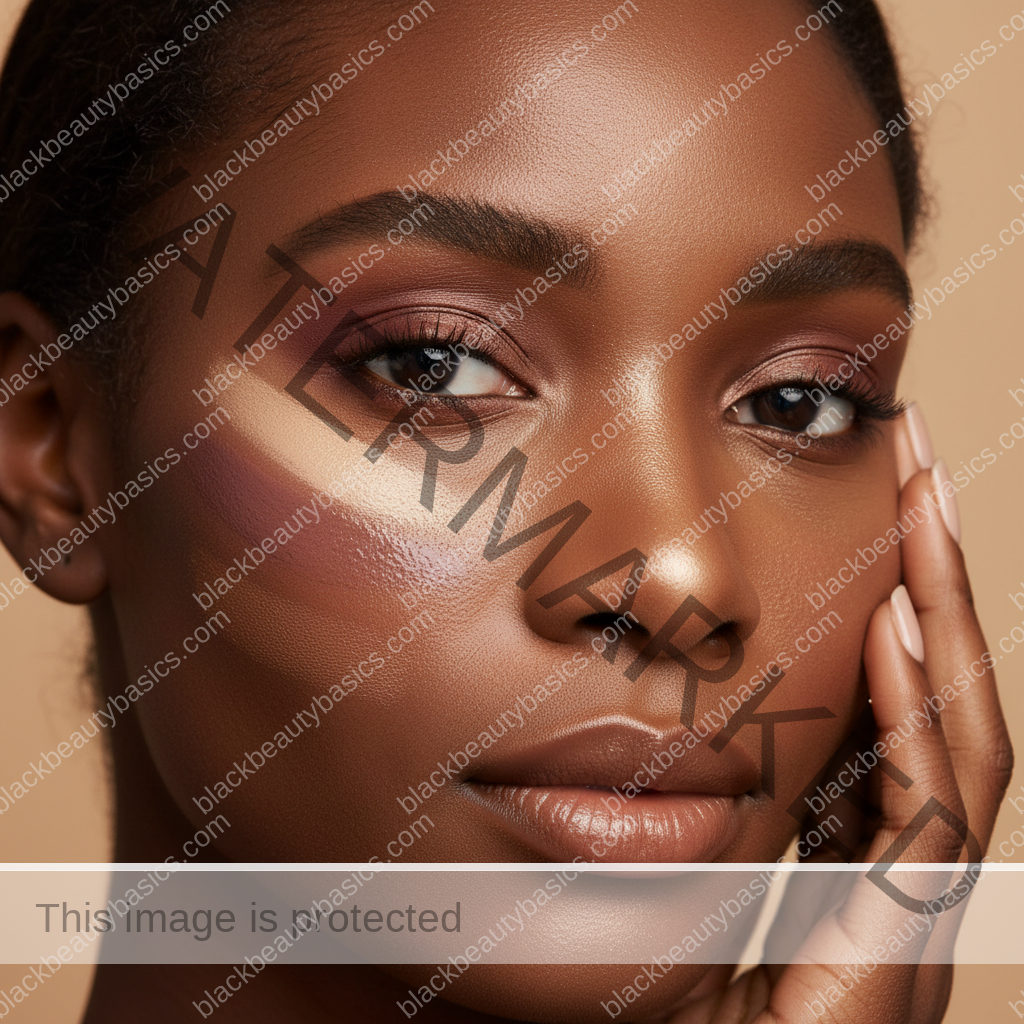
Achieving a flashback-free finish begins long before you even reach for your foundation. It starts with a meticulously prepared canvas – skin that is hydrated, balanced, and ready to receive makeup beautifully. Think of it as laying the groundwork for a masterpiece; without a solid base, even the most exquisite colors won’t truly sing.
Hydration is Key: A Luminous Start
Dry, dehydrated skin can make makeup appear patchy and dull, exacerbating any potential flashback issues. Well-hydrated skin, on the other hand, provides a smooth, supple surface that allows products to blend seamlessly and reflect light evenly, enhancing your natural glow rather than creating an artificial one.
Step-by-Step Hydration Ritual:
- Cleanse Gently: Start with a hydrating cleanser that removes impurities without stripping your skin of its natural oils. Look for ingredients like hyaluronic acid or glycerin.
- Tone and Balance: Follow with an alcohol-free toner to balance your skin’s pH and prepare it for subsequent products.
- Serum Power: Apply a hydrating serum. A hyaluronic acid serum is a game-changer for deep skin, drawing moisture into the skin and plumping it from within. Shop Hydrating Serums on Amazon
- Moisturize Generously: Lock in all that goodness with a rich, emollient moisturizer. For deeper skin tones, look for formulas that provide deep nourishment without leaving a greasy residue. Shop Emollient Moisturizers on Amazon
- Eye Cream Wisdom: Don’t forget the delicate under-eye area. A nourishing eye cream can prevent creasing and keep this area looking bright and hydrated. Shop Nourishing Eye Creams on Amazon
The Primer Paradox: Choosing Wisely
Primers are your secret weapon for a long-lasting, flawless finish, but not all primers are created equal when it comes to flashback. While mattifying primers can be tempting, many contain silica, which, as we’ve discussed, can be a flashback culprit. For deeper skin, the goal is often to achieve a balanced, radiant finish, not an overly matte one.
Primer Selection Guide:
- Hydrating Primers: These are excellent for creating a smooth, dewy base without adding reflective particles. They help makeup glide on and stay put. Shop Hydrating Primers on Amazon
- Color-Correcting Primers: If you have concerns about hyperpigmentation or uneven tone, a peach or orange-toned color-correcting primer can neutralize discoloration without adding a grey cast.
- Blurring Primers (Silicone-based): While some blurring primers contain silica, many rely on silicones to smooth texture. These can be good options, but always patch-test or check reviews for flashback potential.
- Avoid Heavy Mattifying Primers: Especially those that boast extreme oil control, as they are more likely to contain high concentrations of reflective powders.
Primer Power: Flashback-Friendly vs. Flashback-Prone
| Primer Type | Flashback Potential | Best For | Key Ingredients to Look For/Avoid |
|---|---|---|---|
| Hydrating/Dewy Primers | Low | Normal to Dry Skin, Luminous Finish | Hyaluronic Acid, Glycerin, Squalane (Look for) |
| Silicone-Based Smoothing Primers | Medium (can vary) | Minimizing Pores & Texture | Dimethicone, Cyclopentasiloxane (Look for); High Silica (Avoid) |
| Color-Correcting Primers | Low | Neutralizing Discoloration | Pigments (peach, orange) (Look for) |
| Heavy Mattifying Primers | High | Very Oily Skin (Use with caution) | High Silica, Talc (Avoid) |
| Illuminating/Shimmer Primers | High | Adding Glow (Use selectively, not all over) | Mica, Bismuth Oxychloride (Avoid all-over application) |
The Art of the Base: Foundation and Concealer Choices
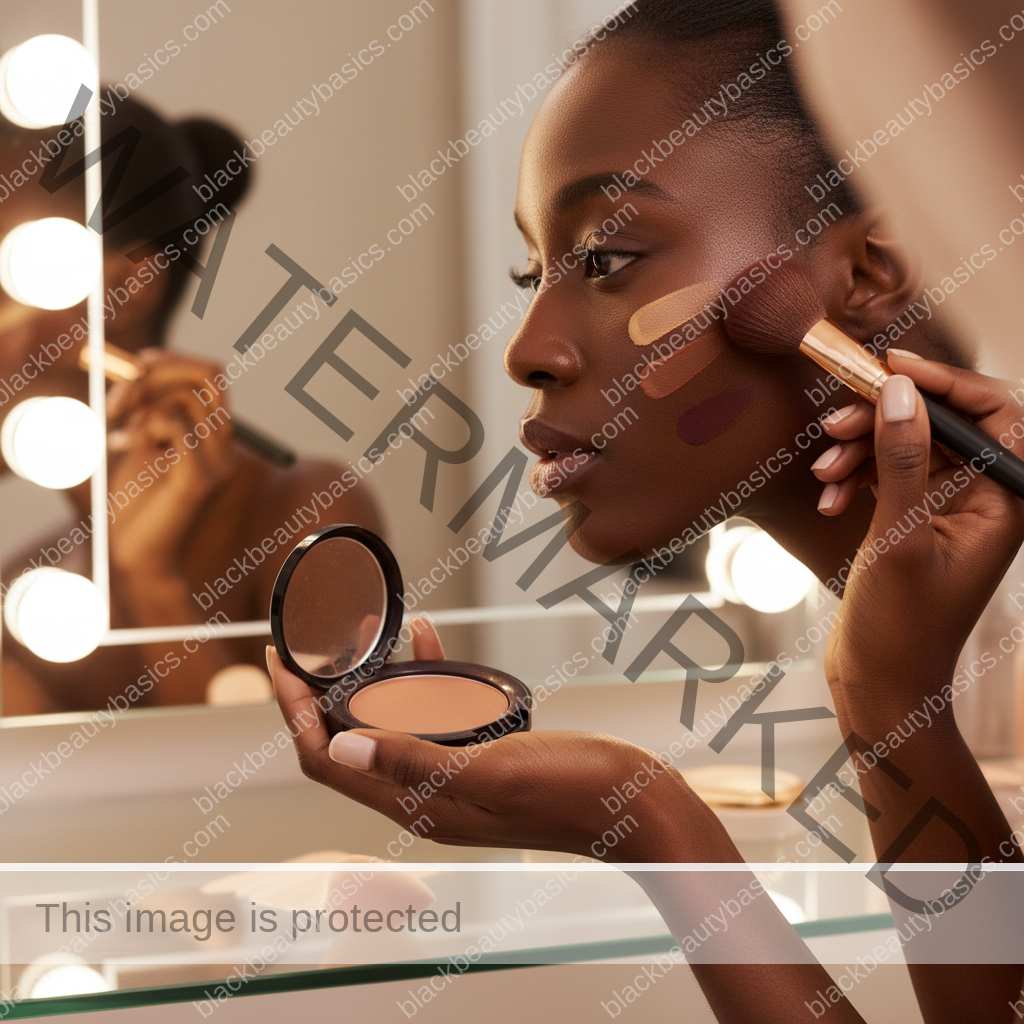
Your foundation and concealer are the backbone of your makeup look, and selecting the right formulas is paramount to avoiding flashback. This is where precision and understanding your skin’s unique needs truly come into play. For deep skin tones, it’s not just about finding the right shade, but also the right undertone and finish that will look seamless and radiant under any light.
Foundation Finesse: Finding Your Perfect Match
The quest for the perfect foundation can feel like a journey, but for deep skin, it’s about much more than just color. It’s about a formula that respects your complexion, enhances its natural warmth, and remains invisible under the flash.
Tips for Flashback-Free Foundation:
- Prioritize SPF-Free Formulas for Photos: While SPF is vital for daily wear, foundations with high SPF (especially mineral-based ones like titanium dioxide and zinc oxide) are the leading cause of flashback. For events where photos are guaranteed, opt for an SPF-free foundation and get your sun protection from a separate, non-flashback primer or moisturizer applied beforehand. Shop SPF-Free Foundations on Amazon
- Undertone Matters: Deep skin tones often have rich, warm, or golden undertones. A foundation that matches your undertone will blend seamlessly and prevent an ashy or grey appearance, which can be mistaken for flashback. Swatch on your jawline and check in natural light.
- Finish with Intention:
- Natural/Satin Finish: These are often the most flattering for deep skin, providing a healthy glow without being overly dewy or overly matte. They tend to have fewer reflective particles than extremely matte or dewy formulas.
- Avoid Overly Matte: While some matte foundations are fine, extremely matte formulas can sometimes look flat and dull on deep skin, and those relying heavily on silica can cause flashback.
- Avoid Heavily Luminous: Foundations with visible shimmer or a very “glass skin” effect can sometimes be too reflective under flash.
- Test in Different Lights: If possible, test your foundation in various lighting conditions, including with a camera flash, before a big event.
- Application Technique: Apply foundation in thin layers, building coverage where needed. A dense brush or a damp beauty sponge can help press the product into the skin for a more natural, uniform finish. Shop Foundation Brushes on Amazon Shop Beauty Sponges on Amazon
Concealer Confidence: Brightening Without the White Cast
Concealer is essential for brightening the under-eye area and spot-correcting imperfections. However, many popular brightening concealers contain light-reflecting particles or high concentrations of titanium dioxide, leading to dreaded under-eye flashback.
Concealer Strategies for Deep Skin:
- Color Correct First: For significant under-eye darkness, start with a peach or orange color corrector. This neutralizes blue/purple tones, allowing you to use less concealer and avoid a thick, cakey look that can exacerbate flashback. Shop Peach Color Correctors on Amazon
- Choose Your Shade Wisely: Select a concealer that is one shade lighter than your foundation, with a warm or golden undertone. Avoid concealers that are too light or too cool-toned, as they can appear ashy.
- Opt for Creamy, Hydrating Formulas: These tend to blend more seamlessly and are less likely to contain high concentrations of flashback-inducing powders. Look for liquid or cream concealers with a natural or satin finish. Shop Creamy Liquid Concealers on Amazon
- Minimal Application: Apply concealer sparingly, focusing only on the areas that need brightening or coverage. Blend thoroughly with a damp sponge or your ring finger.
- Check for SPF: Just like foundation, be mindful of SPF in concealers, especially those marketed as “brightening” or “illuminating.”
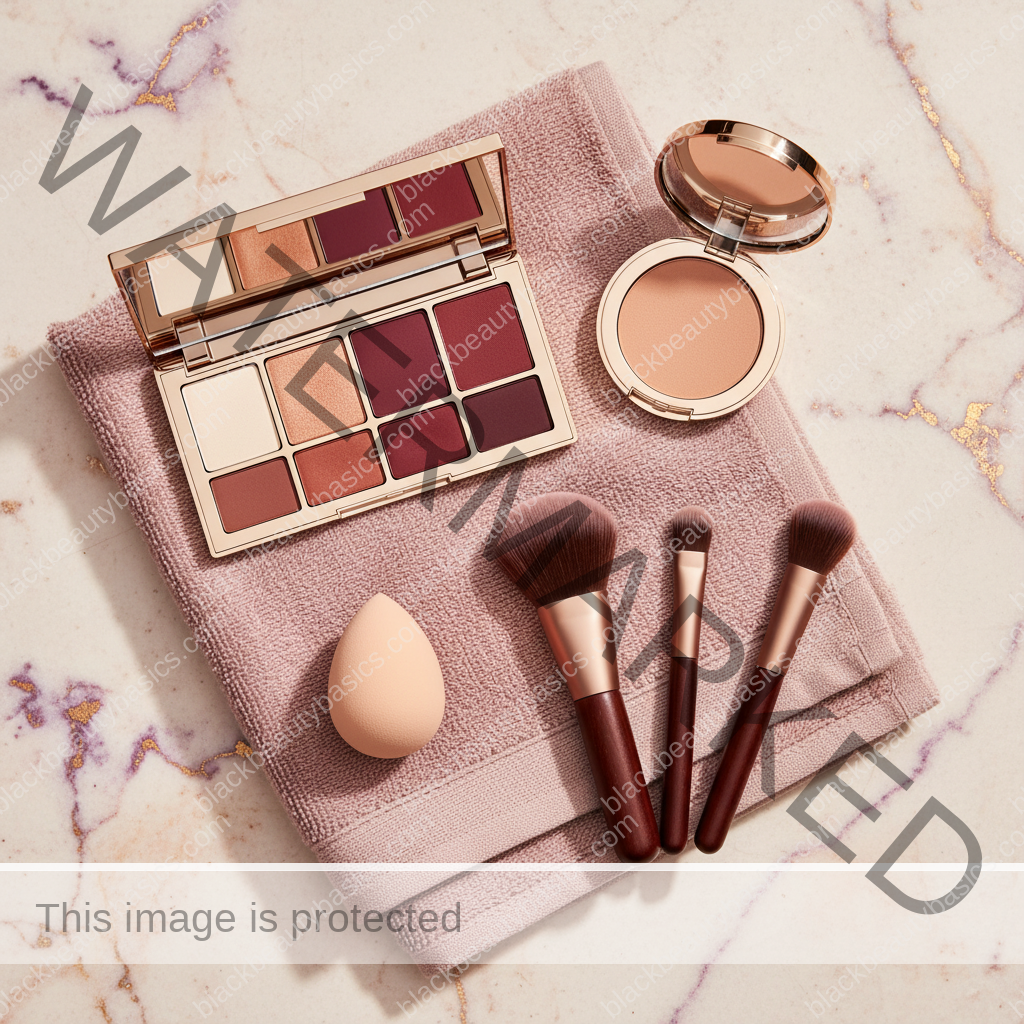
Setting the Stage: Powders, Bronzers, and Highlighters
Once your base is perfected, the next crucial step is setting your makeup. This is where many women with deep skin tones encounter the most significant flashback challenges. Powders, bronzers, and highlighters, when chosen incorrectly, can quickly turn a radiant look into a ghostly apparition under the flash. The key is strategic application and selecting products specifically formulated to enhance, not detract from, your natural warmth.
The Powder Predicament: Setting Without the Ash
Setting powder is essential for locking makeup in place, controlling shine, and blurring imperfections. However, it’s also one of the biggest culprits for flashback due to ingredients like silica and talc.
Flashback-Friendly Powder Principles:
- Translucent vs. Tinted:
- Tinted Powders: For deep skin, a finely milled, tinted setting powder that matches your skin tone or is slightly warmer is often a safer bet than a truly “translucent” powder. Many translucent powders, while appearing invisible to the eye, can still contain white pigments that cause flashback. Look for shades like “deep,” “rich,” or “banana” that complement your undertone. Shop Tinted Setting Powders for Deep Skin on Amazon
- “Flashback-Safe” Translucent Powders: Some brands specifically formulate translucent powders to be flashback-safe by using different types of silica or in lower concentrations. Always check reviews specifically from users with deep skin.
- Ingredient Check: Scrutinize the ingredient list for high concentrations of silica, titanium dioxide, or zinc oxide. While some silica is fine for oil control, excessive amounts are problematic.
- Finely Milled is Key: The finer the powder, the less likely it is to sit on top of the skin and reflect light. Loose powders are often more finely milled than pressed powders.
- Application Technique:
- Baking Caution: While baking can create a flawless finish, applying a thick layer of powder, especially under the eyes, is a prime recipe for flashback. If you must bake, use a very small amount of flashback-safe powder and dust off thoroughly after a minute or two.
- Press, Don’t Rub: Use a puff or a fluffy brush to gently press the powder into areas that tend to get oily (T-zone, under eyes). This helps the powder meld with your skin rather than sitting on top. Shop Powder Puffs on Amazon
- Less is More: Apply powder sparingly. Focus on areas where you need oil control or to set concealer. Avoid dusting your entire face if not necessary.
Bronzer & Contour: Sculpting Without the Grey
Bronzer and contour add dimension and warmth to the face, but selecting the wrong shade or finish can lead to a muddy or ashy appearance, especially under flash.
Bronzer & Contour Wisdom:
- Warmth Over Ashiness: For deep skin, choose bronzers with warm, reddish, or golden undertones. Avoid cool-toned bronzers or contour shades that can look grey or muddy.
- Matte or Satin Finish: Opt for bronzers and contour powders that are matte or have a very subtle satin finish. Shimmery bronzers, while beautiful in person, can become overly reflective under flash, creating an unnatural sheen. Shop Matte Bronzers for Deep Skin on Amazon
- Cream Products are Your Friend: Cream bronzers and contours often blend more seamlessly into deep skin and are less likely to contain flashback-inducing powders. They also provide a more natural, skin-like finish. Shop Cream Bronzers for Deep Skin on Amazon
- Blend, Blend, Blend: Ensure your bronzer and contour are seamlessly blended into your foundation to avoid harsh lines that can be exaggerated by flash.
Highlighter Harmony: Glow That Doesn’t Go Ghost
Highlighter is meant to enhance your natural luminosity, but many popular highlighters contain mica or other reflective particles that can cause severe flashback on deep skin, making you look like a metallic ghost.
Highlighting for Deep Skin:
- Golden, Copper, Bronze Tones: For deep skin, highlighters in rich gold, copper, or bronze shades are incredibly flattering. These tones complement your natural warmth and blend seamlessly. Avoid icy, silver, or champagne highlighters, which can look stark and ashy. Shop Golden Highlighters for Deep Skin on Amazon
- Cream or Liquid Formulas: Cream and liquid highlighters often provide a more natural, “lit-from-within” glow and are less prone to flashback than powder highlighters, as they typically contain fewer reflective powders. Shop Liquid Highlighters for Deep Skin on Amazon
- Subtle Sheen, Not Glitter Bomb: Look for highlighters that offer a fine, pearlescent sheen rather than chunky glitter. Glitter particles can catch the flash intensely.
- Strategic Placement: Apply highlighter only to the high points of your face where light naturally hits – cheekbones, brow bone, cupid’s bow, and a tiny touch on the bridge of the nose. Avoid applying it all over.
- Blend with Caution: Ensure your highlighter is blended seamlessly into your blush and bronzer to avoid harsh lines.
Flashback-Friendly Product Choices: A Quick Guide
| Product Type | Flashback-Friendly Choices | Flashback-Prone Choices (Avoid for photos) |
|---|---|---|
| Foundation | SPF-free, natural/satin finish, warm/golden undertones, liquid/cream formulas | High SPF (especially mineral), overly matte, very luminous/shimmery, cool/ashy undertones |
| Concealer | Creamy, hydrating, one shade lighter with warm undertone, peach/orange color corrector | High SPF, too light/cool-toned, heavily illuminating with visible shimmer, thick/cakey formulas |
| Setting Powder | Finely milled tinted (deep/banana), “flashback-safe” translucent (check reviews), minimal silica | High silica, titanium dioxide, zinc oxide, very white translucent powders, heavy baking |
| Bronzer/Contour | Warm/reddish/golden undertones, matte/satin finish, cream formulas | Cool/grey undertones, heavily shimmery, muddy/patchy formulas |
| Highlighter | Golden/copper/bronze tones, cream/liquid formulas, fine pearlescent sheen | Icy/silver/champagne tones, chunky glitter, overly reflective powder formulas |
| Setting Spray | Hydrating/dewy finish, alcohol-free, non-matte formulas | Heavy mattifying sprays with high silica, sprays with visible shimmer |
The Finishing Touch: Setting and Final Checks
You’ve meticulously chosen your products and applied them with precision. Now, the final steps are crucial to ensure your masterpiece is locked in place and truly flashback-proof. This involves setting your makeup effectively and performing a thorough “flash-test” to catch any potential issues before the cameras start clicking.
Setting Spray Savvy: Locking It All In
A good setting spray can be your best friend, not only extending the wear of your makeup but also helping to meld all the layers together for a more natural, skin-like finish. However, just like powders, not all setting sprays are created equal.
Choosing and Using Setting Spray:
- Hydrating or Natural Finish: Opt for setting sprays that promise a hydrating, dewy, or natural finish. These often contain ingredients like glycerin or botanical extracts that help fuse makeup and prevent a powdery look. Shop Hydrating Setting Sprays on Amazon
- Avoid Heavy Mattifying Sprays: While tempting for oily skin, many mattifying sprays contain alcohol or silica that can dry out the skin and potentially contribute to flashback. If you need oil control, use a flashback-safe powder sparingly in your T-zone instead.
- Application Technique: Hold the bottle about 8-10 inches away from your face and spray in an “X” and “T” motion. Allow it to air dry or gently pat it in with a clean sponge.
- Post-Powder Perfection: A setting spray can help melt powders into the skin, reducing any potential powdery finish and making your makeup look more seamless.
The Ultimate Flash Test: Your Pre-Photo Ritual
This is arguably the most important step. Before you step out the door, take a moment to perform your own flash test. This simple ritual can save you from photographic disappointment.
How to Perform a Flash Test:
- Use Your Phone Camera: Most modern smartphone cameras have a built-in flash that mimics the effect of a professional camera flash.
- Take a Selfie with Flash: Stand in front of a mirror or have a friend take a picture of you with the flash on. Take a few from different angles and distances.
- Review Critically: Examine the photos closely. Look for:
- White Cast: Is there any ghostly white or grey appearance on your face, especially under the eyes, around the nose, or on your forehead?
- Ashiness: Does your skin look dull, desaturated, or lighter than it should?
- Overly Reflective Areas: Are your cheekbones or T-zone shining intensely, almost like a mirror?
- Adjust and Re-test: If you spot any issues, gently blot away excess powder with a tissue or a clean, damp sponge. You can also lightly mist with a hydrating setting spray to re-melt makeup. If the issue is severe, you might need to re-apply a problematic product with a lighter hand or swap it out entirely.
Beyond Makeup: Lighting and Photography Tips
While makeup plays a significant role in preventing flashback, understanding how light interacts with your skin and how to communicate with photographers can further ensure your melanin-rich beauty is always captured gloriously.
Mastering the Light: Your Best Angle
Good lighting is a game-changer for any photograph, especially for deep skin tones. It can enhance your features, create dimension, and minimize the need for heavy makeup.
Lighting Wisdom for Deep Skin:
- Natural Light is Your Best Friend: Whenever possible, position yourself in soft, diffused natural light. This is the most flattering light for all skin tones, as it minimizes harsh shadows and highlights.
- Avoid Direct Overhead Flash: This is the most common culprit for flashback and harsh shadows. It flattens features and can make skin appear oily or ghostly.
- Frontal, Soft Light: If using artificial light, aim for soft, frontal lighting. A ring light or a softbox can provide even illumination that reduces shadows and enhances your glow.
- Golden Hour Glow: The hour just after sunrise or before sunset provides a warm, golden light that is incredibly flattering for deep skin, enhancing its natural radiance.
Communicating with Your Photographer
Don’t be afraid to speak up and advocate for your best photographic representation. A professional photographer should be knowledgeable about lighting for all skin tones.
Tips for Photographer Communication:
- Express Your Concerns: Politely mention your concern about flashback on deep skin and ask if they have experience lighting and editing for darker complexions.
- Show Examples: Share photos of yourself where you love how your skin looks, and perhaps one or two where flashback was an issue, so they understand your concerns.
- Request Test Shots: Ask for a few test shots with flash at the beginning of the session so you can review them together and make any necessary adjustments to makeup or lighting.
- Discuss Editing: Inquire about their editing process and if they can address any minor flashback issues in post-production.
How to make makeup choices fit your actual undertone and finish
For Black women and people with deep skin tones, makeup shopping can feel emotional because too many shade systems still treat deep complexions as an afterthought. This guide focuses on reducing flashback on deep skin with SPF awareness, powder choice, undertone, placement, lighting, and photo testing, while keeping the related BBB makeup cluster as the home base. The goal is not to make your skin easier for a brand to understand. The goal is to help you read color, finish, placement, and undertone with more confidence.
Start with what you can actually see. Does the product turn orange, red, gray, ashy, too yellow, too pink, too flat, or too icy? Does it look right in store but strange in daylight? Does it match your jaw but fight your chest? Those details matter more than a shade name that sounds flattering but does not behave well on your skin.
The strongest makeup strategy is usually the one that respects depth and dimension. Deep skin often needs warmth, balance, and enough pigment, but not every product needs to be dramatic. Sometimes the better choice is a more accurate undertone, a softer placement, a different powder tone, or a formula that dries down without changing the whole face.
What to notice gently
- Where the color shifts: face, jaw, chest, under-eye, cheek, or high points.
- Whether the undertone reads red, golden, neutral, olive, muted, orange, gray, or pink.
- How the product looks in daylight, indoor lighting, flash, and after dry-down.
- Whether the finish keeps depth and dimension or makes the face look flat.
- Which placements make the makeup feel polished without erasing your complexion.
What usually makes makeup for deep skin harder than it needs to be
The first challenge is shade language that sounds precise but is not precise enough. “Deep warm” might mean red in one brand, golden in another, orange in another, and olive in none. That is why the same person can wear one brand beautifully and look completely off in another.
The second challenge is testing makeup in conditions that hide the problem. Store lighting can soften ashiness, phone cameras can warm a shade, and wet swatches can look better than dry foundation. Deep skin deserves enough time, light, and comparison points to see what is really happening.
The third challenge is using products meant to correct a problem created by the wrong base. Too-light concealer, chalky highlight, orange bronzer, or flat powder can make the whole face feel off. Often the answer is not more product. It is better tone, placement, formula, or restraint.
What to do next
Keep this article connected to the Makeup for Deep Skin Tones system. Use the related guides below to decide whether your next step is better shade matching, a base makeup adjustment, or a color product strategy that keeps depth and dimension.
- Makeup for Deep Skin Tones
- The related makeup cluster guide
- everyday vs occasion routines
- wedding guest makeup
- camera-ready makeup
- powder strategy
Frequently Asked Questions About Flashback on Deep Skin
Q1: What exactly is flashback in photos, and why does it affect deep skin tones more noticeably?
Flashback is a phenomenon where certain makeup ingredients, primarily mineral sunscreens (titanium dioxide, zinc oxide) and mattifying agents (silica), reflect a camera’s flash directly back to the lens, creating a bright, white, or ashy cast on the skin. It’s more noticeable on deep skin tones because the stark contrast between the natural warmth of the skin and the white reflective particles creates a more pronounced and unflattering ghostly effect, whereas on lighter skin, it might appear as a subtle sheen.
Q2: Can I still use SPF in my daily routine if I want to avoid flashback in photos?
Absolutely! SPF is crucial for skin health. The trick is to separate your SPF from your photo-ready makeup. For daily wear, use a moisturizer or primer with SPF. For events where photos will be taken, opt for an SPF-free foundation and concealer. You can also use chemical sunscreens (like avobenzone, octinoxate) in your skincare, as they absorb UV rays rather than reflecting them, making them less likely to cause flashback than mineral sunscreens.
Q3: Are there any “translucent” powders that are truly flashback-safe for deep skin?
While many “translucent” powders can cause flashback, some brands have formulated powders specifically to be flashback-safe. These often use different types of silica, lower concentrations, or finely milled pigments that don’t reflect light as intensely. However, for deep skin, a finely milled tinted powder (in a shade like “banana,” “deep,” or “rich”) is often a safer and more flattering choice, as it adds warmth rather than a potentially ashy cast. Always check reviews from other deep-skinned individuals or perform a flash test before a big event.
Q4: What’s the best way to apply setting powder to avoid flashback?
Less is more! Apply setting powder sparingly, focusing only on areas that tend to get oily (T-zone) or where you’ve applied concealer (under eyes). Use a fluffy brush or a powder puff to gently press the powder into the skin, rather than sweeping it. Avoid heavy “baking” with large amounts of powder, as this is a common cause of flashback. After application, lightly dust off any excess with a clean brush.
Q5: Should I avoid all highlighters if I’m worried about flashback?
Not at all! Highlighter can beautifully enhance deep skin. The key is to choose the right formula and shade. Opt for cream or liquid highlighters in golden, copper, or bronze tones, as these tend to blend seamlessly and provide a natural, lit-from-within glow without visible reflective particles. Avoid icy, silver, or champagne powder highlighters with chunky glitter, as these are the most prone to flashback. Apply strategically to the high points of your face, not all over.
Q6: Can my setting spray cause flashback?
Yes, some setting sprays, particularly those marketed as “ultra-matte” or “oil-control,” can contain ingredients like silica or alcohol that contribute to flashback or dry out the skin, making makeup appear chalky. For flashback-free results, choose hydrating or natural-finish setting sprays. These often contain ingredients that help melt makeup into the skin for a more seamless, radiant look without adding reflective particles.
Q7: What about color correctors? Do they cause flashback?
Color correctors themselves are generally not a primary cause of flashback, as their purpose is to neutralize discoloration rather than reflect light. However, if you apply a very thick layer of a light-colored corrector (like a white or very pale peach) without blending or following up with a suitable concealer, it could potentially show through. For deep skin, peach or orange correctors are ideal for neutralizing darkness and are very unlikely to cause flashback when used correctly and sparingly.
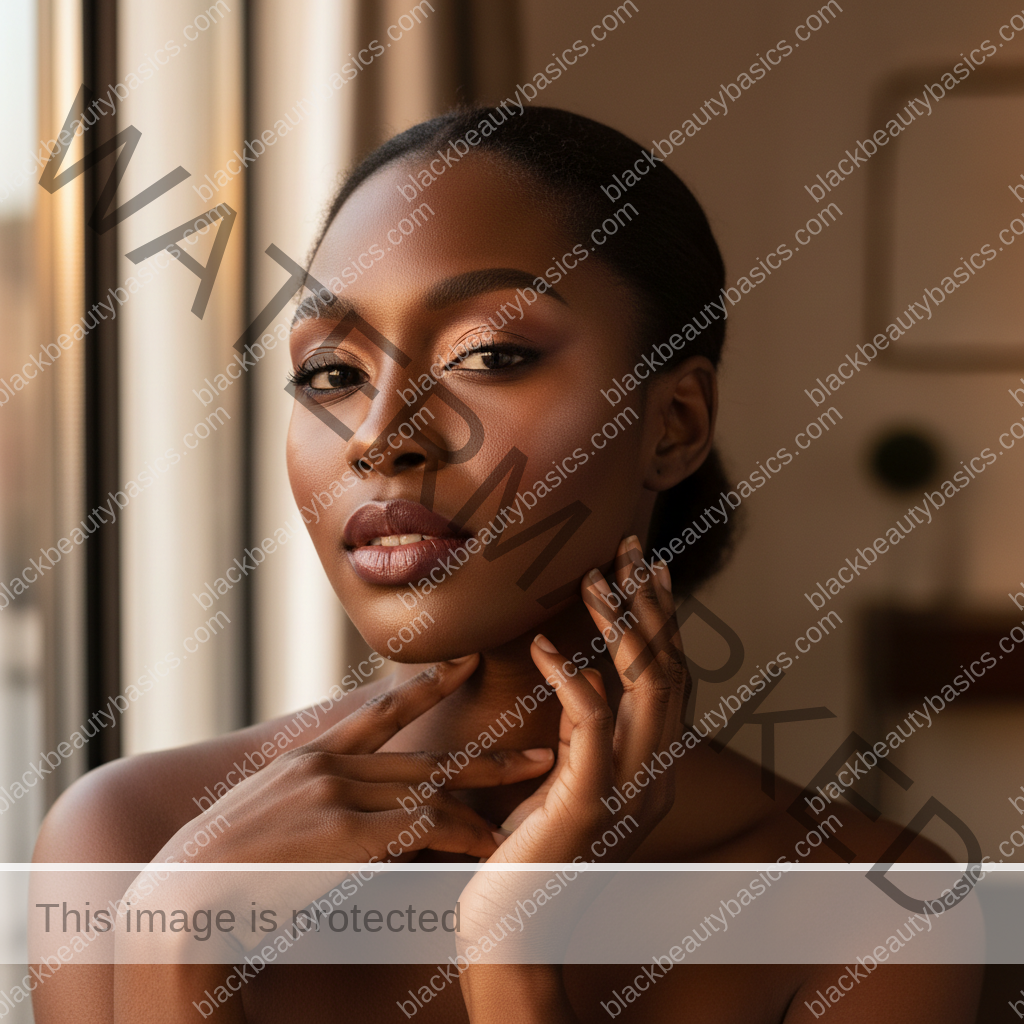
Dear one, your melanin is a masterpiece, a rich tapestry of warmth and light that deserves to be seen, celebrated, and captured without compromise. By understanding the nuances of light, product formulation, and strategic application, you now hold the power to command every lens, ensuring your radiant beauty shines through authentically in every cherished photograph. Go forth, illuminate every frame, and let your glorious light be undeniably seen.
Related next steps
Related posts:
 Makeup for Photos and Video on Deep Skin: Lighting and Products
 How to Stop Sunscreen From Making Deep Skin Look Gray
 Setting Powders and Sprays for Melanin-Rich Skin (No Flashback)
 Preparing for Skin Appointments: Photos, Timelines, and Priorities
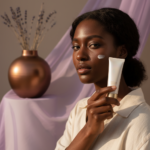 Flashback, White Cast, and Sunscreen Under Photography Lighting
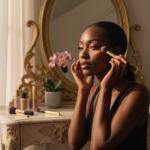 Concealer Placement on Deep Skin for Natural-Looking Brightness