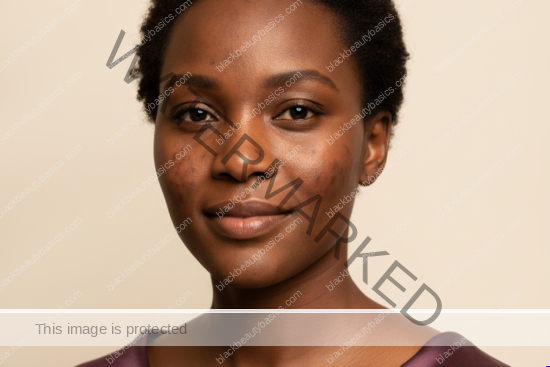
Waking up ashy after you moisturized the night before can make it feel as if your skin ignored the whole routine. It did not. Overnight dryness can reflect a cleanser that removes too much oil, a moisturizer that does not seal well enough, dry indoor air, an irritated barrier, or simply a product texture that is too light for your skin’s current needs. Ashiness is common on rich brown skin because dryness can become visible as a gray or chalky cast. It is not dirt, neglect, or a reason to scrub harder.
An overnight mask can help some routines by creating a more protective final layer. It is not automatically stronger than a night cream, and it is not a cure for eczema, persistent itching, or unexplained peeling. The useful question is whether the formula gives your skin more comfort without causing congestion, stinging, or a pile of unnecessary steps.
This guide is part of our Skincare for Black Women guide and the Routine Design for Different Goals hub. You will learn how to tell whether you need an overnight mask at all, which ingredient and texture criteria matter, how to fit one into your routine, and how to troubleshoot if you still wake up tight or ashy.
The goal is comfortable, supported skin, not a promise that one jar will make you “glow” by morning. Choose the simplest option that solves the actual problem and give your routine enough stability to learn from it.

Why Ashiness Can Show Up by Morning
Our beautiful melanin-rich skin, while blessed with natural sun protection and a youthful glow, also comes with its own distinct set of needs and challenges. We often experience transepidermal water loss (TEWL) at a higher rate, making us more prone to dryness and, yes, that dreaded ashiness. This isn’t a flaw; it’s simply a call for tailored care that respects our skin’s inherent structure and function. Understanding these nuances is the first step toward unlocking a truly radiant complexion that thrives day and night.
The science behind our skin’s resilience is fascinating. Melanin, the pigment responsible for our rich hues, also plays a role in our skin’s barrier function. However, factors like environmental stressors, harsh products, and even certain climates can compromise this barrier, leading to moisture depletion. This is where the strategic power of an overnight sleeping mask comes into play, acting as a protective, restorative cocoon for your skin while you rest.
What Overnight Dryness Is Telling You
Beyond the visible signs of dryness, there’s a deeper physiological reason why Black skin often benefits from intensive hydration. Studies suggest that the stratum corneum, the outermost layer of our skin, can be more compact in darker skin tones. While this contributes to its strength and resilience, it can also mean that when moisture is lost, it can feel more pronounced. Additionally, conditions like eczema and post-inflammatory hyperpigmentation (PIH), which are more prevalent in Black skin, can exacerbate dryness and compromise the skin barrier, making a robust hydration strategy essential.
When our skin barrier is compromised, it’s like having tiny cracks in a protective shield. Essential moisture escapes, and irritants can more easily penetrate, leading to sensitivity, flakiness, and that dull, ashy appearance. An overnight mask works diligently to repair this barrier, infusing the skin with humectants, emollients, and occlusives that lock in moisture and support its natural healing processes.
What to Stop Doing When You Wake Up Ashy
Stop scrubbing away the gray cast
Ashiness can look like something sitting on top of the skin, but aggressive scrubbing often removes more protective lipids and creates tiny areas of irritation. That can leave richly melanated skin feeling tighter and may contribute to lingering discoloration. Use a gentle cleanser or simply rinse according to your skin’s needs, then moisturize. Let the routine solve dryness instead of treating your face like a surface that needs polishing.
Stop layering every hydrating product you own
Essence, toner, serum, lotion, cream, oil, balm, and sleeping mask are not mandatory as a group. Too many layers can pill, trap heat, feel sticky, or make it impossible to identify the product causing bumps. A sleeping mask should have a clear job. Start with cleanser, any necessary treatment, moisturizer, and the mask only if the moisturizer alone is not enough.
Stop using an overnight mask over an irritated active routine
An occlusive final layer can increase how strongly some treatment products feel. If your retinoid, exfoliant, or acne medication already causes burning or peeling, sealing it under a rich mask may make discomfort worse. Review the correct order for applying skincare on dark skin, follow product or clinician directions, and do not assume more absorption is always better.
Stop confusing fragrance and luxury texture with better hydration
A beautiful scent and silky finish can make a product enjoyable, but they do not prove that it will suit sensitive or reactive skin. Read the ingredient list, consider your history with fragrance, and prioritize a texture you can use consistently. Expensive is not automatically more effective. The best mask is the one that supports comfort without forcing you to redesign the rest of your routine.
Stop expecting one night to fix a chronic pattern
A sleeping mask may make skin feel softer the next morning, but repeated dryness still deserves investigation. Indoor heating, low humidity, harsh cleansing, frequent exfoliation, eczema, medication changes, and other factors may matter. Use the mask as a tool, not as proof that you can ignore the reason your skin keeps becoming uncomfortable.

What an Overnight Mask Can and Cannot Do
Forget everything you thought you knew about traditional masks. Overnight sleeping masks are a different breed entirely. Unlike their rinse-off counterparts, these luxurious treatments are designed to be the final step in your evening routine, working synergistically with your skin’s natural regenerative cycle as you sleep. This extended contact time allows potent ingredients to deeply penetrate and perform their magic, delivering an unparalleled level of hydration and repair.
Imagine your skin going into “repair mode” while you dream. That’s precisely what an overnight mask facilitates. During sleep, our skin’s blood flow increases, and its ability to absorb active ingredients is heightened. It’s also a time of cellular regeneration, making it the perfect window for a concentrated dose of nourishing, barrier-supporting ingredients. The result? A visibly plumper, smoother, and more luminous complexion by morning. overnight sleeping mask examples for dry, melanin-rich skin
How Sleeping Masks Support Moisture Retention
The efficacy of an overnight mask lies in its extended application. While a typical mask might be on for 10-20 minutes, a sleeping mask remains on for 6-8 hours, or even longer. This prolonged exposure allows active ingredients to work more deeply and comprehensively. Many overnight masks also form a breathable, occlusive layer on the skin, which helps to prevent transepidermal water loss (TEWL) and create a micro-environment that enhances the absorption of other skincare products applied underneath. It’s like a hydrating hug for your face that lasts all night.
This occlusive effect is particularly beneficial for melanin-rich skin, which, as we’ve discussed, can be more prone to TEWL. By sealing in moisture and active ingredients, overnight masks ensure that your skin receives a continuous infusion of hydration and nutrients, preventing the dryness that leads to ashiness. They also often contain ingredients that support the skin’s barrier function, reinforcing its natural defenses against environmental stressors.
Ingredients and Textures Worth Looking For
When selecting an overnight mask, understanding the star ingredients is paramount. For melanin-rich skin prone to dryness and ashiness, certain components stand out for their exceptional hydrating, barrier-repairing, and brightening properties. Look for a synergy of humectants, emollients, and occlusives, often complemented by nourishing botanicals and gentle exfoliants.
Humectants, Emollients, and Occlusives
- Hyaluronic Acid (HA): A powerful humectant that can hold up to 1,000 times its weight in water, drawing moisture from the air and deeper layers of the skin to the surface. It provides immediate and long-lasting hydration, plumping the skin and reducing the appearance of fine lines.
- Glycerin: Another excellent humectant, glycerin is a staple in hydrating formulas. It helps to attract and retain moisture, keeping the skin soft and supple.
- Squalane: A plant-derived emollient that mimics the skin’s natural oils, providing lightweight yet effective hydration without feeling greasy. It helps to reinforce the skin barrier and prevent moisture loss.
- Ceramides: Essential lipids that make up a significant portion of our skin barrier. Replenishing ceramides helps to repair and strengthen the barrier, preventing dryness and protecting against environmental damage.
- Shea Butter & Cocoa Butter: Rich emollients that provide intense nourishment and create a protective barrier on the skin, locking in moisture. These natural butters are particularly beloved in the Black community for their deep moisturizing capabilities.
- Niacinamide (Vitamin B3): A multi-tasking ingredient that improves skin barrier function, reduces inflammation, minimizes the appearance of pores, and helps to even out skin tone. It’s a powerhouse for overall skin health.
- Peptides: Small chains of amino acids that signal the skin to produce more collagen and elastin, improving firmness and elasticity. Some peptides also have hydrating and barrier-repairing properties.
- Antioxidants (e.g., Vitamin C, Vitamin E, Green Tea Extract): Protect the skin from environmental damage, soothe inflammation, and contribute to a brighter, more even complexion.
hyaluronic-acid sleeping mask examples | ceramide sleeping mask examples | Shea Butter Masks
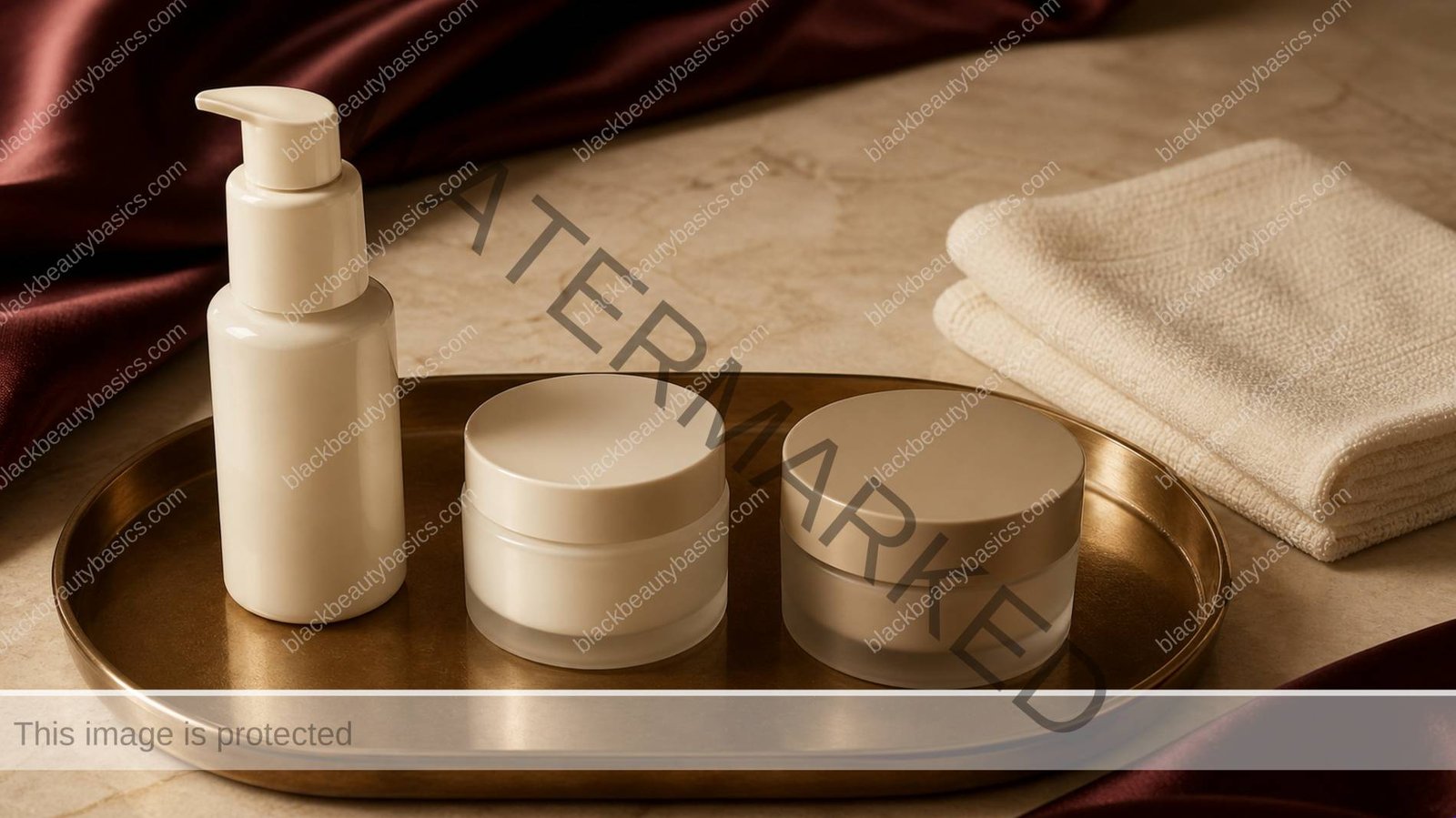
How to Add an Overnight Mask Without Overloading Your Routine
Integrating an overnight mask into your existing skincare routine is simpler than you might think, yet it can yield profound results. Think of it as the grand finale to your evening symphony of self-care, sealing in all the goodness and providing an extra layer of nourishment. The key is consistency and understanding the correct order of application to maximize its benefits.
Step-by-Step Evening Application
- Cleanse: Begin with a gentle, hydrating cleanser to remove makeup, impurities, and the day’s stresses. Opt for a sulfate-free formula that won’t strip your skin of its natural oils.
- Tone (Optional): If you use a toner, apply it now to balance your skin’s pH and prepare it for subsequent steps. Choose an alcohol-free, hydrating toner.
- Treat (Serums & Essences): This is the time for your targeted treatments – think serums for hyperpigmentation, antioxidants, or additional hydration. Apply these lightweight formulas first, allowing them to fully absorb.
- Moisturize (Optional, but Recommended for Dry Skin): For very dry skin, a light layer of your regular evening moisturizer can be applied before the mask. This adds an extra boost of hydration.
- Apply Your Overnight Mask: Scoop a generous, even layer of the mask onto your face, neck, and décolletage. Gently massage it in, allowing it to absorb for a few minutes before lying down. Unlike a traditional mask, you don’t need to apply an extremely thick, opaque layer; a visible, even film is sufficient.
- Sleep & Glow: Let the mask work its magic overnight. The beauty of these products is their ability to deliver continuous benefits while you rest.
- Morning Rinse: In the morning, gently rinse your face with lukewarm water. You’ll likely notice a softer, plumper, and more radiant complexion. Proceed with your morning routine (cleanse, tone, serum, moisturizer, SPF).
How Often to Use It
While some overnight masks are gentle enough for daily use, most are designed for 2-3 times a week, especially when you’re first introducing them. Pay attention to how your skin responds. If you have extremely dry skin, you might benefit from more frequent use. If you have combination skin, you might focus application on drier areas or use it less often. The goal is to find a rhythm that keeps your skin consistently hydrated and glowing without overwhelming it.
Consider the seasons too. Your skin might crave more intensive hydration during colder, drier months, prompting more frequent mask application. In warmer, more humid climates, you might scale back. Always remember that skincare is a journey of listening to and understanding your unique skin.

A Simple Overnight Mask Decision Guide
If your skin is dry but not irritated
Look for a cream or gel-cream with humectants that attract water, emollients that soften rough texture, and enough occlusive support to reduce overnight water loss. Apply it over slightly damp skin or over your usual moisturizer, depending on the formula. A richer texture can be useful in winter or air-conditioned rooms, while a lighter gel may feel better in humidity.
If your skin is acne-prone
Choose a texture that does not feel heavy or waxy on your skin, and introduce it on a night when you are not testing another new product. “Non-comedogenic” is a helpful clue, not a guarantee. Watch for a pattern of new clogged bumps over several uses. If that happens, return to your previous moisturizer and compare the ingredient list rather than blaming your skin.
If your barrier is irritated
Use the shortest formula you already tolerate and avoid turning the recovery period into an ingredient experiment. A ceramide-rich cream may make more sense than a fragranced “glow” mask. If plain moisturizer stings, return to the ceramide barrier-repair plan for Black skin and consider professional guidance if symptoms persist.
If you are choosing between trendy ingredients
Separate hydration from marketing. Snail mucin, peptides, botanical extracts, and fermented ingredients can make a formula appealing, but the complete product and your tolerance matter more than a single hero ingredient. Our guide to snail mucin for dark skin can help you decide whether that texture and ingredient category belong in your routine.
How to Choose Among Overnight Mask Types
Navigating the vast world of skincare can be daunting, but we’ve curated a selection of overnight masks renowned for their efficacy on melanin-rich skin. These products are celebrated for their hydrating, barrier-supporting, and glow-inducing properties, ensuring you wake up to a complexion that feels nourished and looks luminous.
When making your selection, consider your specific concerns beyond just dryness. Are you also looking to address hyperpigmentation, uneven texture, or sensitivity? Many masks offer multi-beneficial formulas that can target several issues simultaneously. Always check ingredient lists for potential irritants if you have sensitive skin, and remember that patch testing new products is always a wise practice.
Comparison Table: Which Texture Fits Your Skin?
| Product Name | Key Ingredients | Benefits for Dark Skin | Texture | Best For |
|---|---|---|---|---|
| Laneige Water Sleeping Mask | Hydro Ionized Mineral Water, Sleep-Tox™, Moisture Wrap™ | Deep hydration, brightens, soothes, prevents moisture loss. | Lightweight gel | All skin types, especially normal to dry. |
| Youth To The People Superberry Hydrate + Glow Dream Mask | Maqui, Acai, Goji, Squalane, Hyaluronic Acid, Vitamin C | Intense hydration, antioxidant protection, boosts radiance, evens tone. | Rich cream | Dry, dull, or uneven skin. |
| Kiehl’s Ultra Facial Overnight Hydrating Mask | Glacial Glycoprotein, Squalane, Desert Plant Extract | Replenishes moisture, strengthens skin barrier, reduces dryness. | Creamy balm | Very dry, sensitive, or compromised skin. |
| Glow Recipe Watermelon Glow Sleeping Mask | Watermelon Extract, Hyaluronic Acid, AHAs | Hydrates, gently exfoliates, refines pores, brightens. | Bouncy gel | Dull, combination, or slightly textured skin. |
| Tatcha The Dewy Skin Mask | Japanese Purple Rice, Okinawa Algae Blend, Hyaluronic Acid | Plumps, deeply hydrates, restores youthful radiance, rich in antioxidants. | Creamy gel | Dry, mature, or lacklustre skin. |
Laneige Water Sleeping Mask | Youth To The People Superberry Hydrate + Glow Dream Mask | Kiehl’s Ultra Facial Overnight Hydrating Mask | Glow Recipe Watermelon Glow Sleeping Mask | Tatcha The Dewy Skin Mask
How to Get More Comfort Without Using More Product
- Exfoliate Regularly: A gentle exfoliation 1-2 times a week (before your mask night) helps remove dead skin cells, allowing your mask’s ingredients to penetrate more effectively.
- Layer Wisely: Apply lighter, water-based serums first, followed by thicker, oil-based serums, and then your overnight mask as the final step.
- Don’t Forget Your Neck & Décolletage: These areas are often neglected but show signs of aging and dryness just as much as your face. Extend your mask application downwards.
- Use a Silk Pillowcase: A silk pillowcase reduces friction and absorbs less product than cotton, ensuring more of your mask stays on your skin, not your pillow.
- Stay Hydrated Internally: Drinking plenty of water throughout the day supports overall skin health and enhances the effects of topical hydration.
- Adjust for Seasons: Your skin’s needs change with the weather. Opt for richer masks in winter and lighter ones in summer, or adjust frequency.
- Patch Test New Products: Always apply a small amount of a new mask to an inconspicuous area (like behind the ear) to check for any adverse reactions before full facial application.
Silk Pillowcases
Troubleshooting When You Still Wake Up Ashy
If the mask helps for one night but dryness returns
That pattern suggests the mask is temporarily reducing water loss without changing the trigger. Review cleansing, exfoliation frequency, room humidity, and whether your daytime moisturizer is adequate. Keep a short routine log for two weeks. If your routine seems to “stop working” after a few months, use our guide to troubleshooting a skincare plateau on melanin-rich skin before buying a stronger mask.
If you wake up itchy, swollen, or covered in bumps
Stop the new product and wash gently. Do not keep applying it to “push through.” Hives, facial swelling, blistering, or breathing difficulty need urgent medical attention. Ongoing itching, scaling, or recurrent patches deserve evaluation because an overnight mask cannot diagnose or treat every source of dryness.
While overnight masks are undeniably powerful, they are most effective when part of a holistic skincare regimen that supports overall skin health. Achieving and maintaining truly radiant, ash-free skin requires attention to daily practices, internal wellness, and understanding your skin’s unique rhythm.
Daily Habits That Support Comfortable Skin
- Gentle Cleansing: Avoid harsh cleansers that strip your skin. Opt for creamy, hydrating formulas that cleanse without compromising your skin barrier.
- Consistent Moisturizing: A good daytime moisturizer with SPF is non-negotiable. Look for ingredients like ceramides, hyaluronic acid, and glycerin.
- Sun Protection: Daily broad-spectrum SPF is crucial for preventing sun damage, which can exacerbate dryness and hyperpigmentation in dark skin.
- Hydration from Within: Drinking adequate water is fundamental. Herbal teas and water-rich foods also contribute to internal hydration.
- Balanced Diet: Foods rich in antioxidants, healthy fats (omega-3s), and vitamins support skin health from the inside out. Think berries, leafy greens, avocados, and fatty fish.
- Stress Management: Chronic stress can impact skin health, leading to inflammation and barrier disruption. Incorporate stress-reducing practices like meditation or gentle exercise.
- Adequate Sleep: Beauty sleep is real! Your skin undergoes significant repair and regeneration during sleep, making it a critical component of any effective skincare routine.
Hydrating Cleansers for Dark Skin | Moisturizers with SPF for Dark Skin
Frequently Asked Questions
Q1: Can I use an overnight mask every night?
A: While some gentle formulas might be suitable for daily use, it’s generally recommended to use an overnight mask 2-3 times a week. Over-masking can sometimes lead to product buildup or overwhelm the skin. Listen to your skin’s needs; if it feels exceptionally dry, you might increase frequency, but always observe how your skin responds. Starting with a few times a week allows your skin to adapt and reap the benefits without potential irritation.
Q2: Do I need to wash my face in the morning after using an overnight mask?
A: Yes, it’s best to gently rinse your face with lukewarm water in the morning. While the mask is designed to absorb, there might be a slight residue or film left on the skin. Rinsing helps remove any remaining product and prepares your skin for your morning skincare routine and SPF application. Avoid harsh scrubbing, as your skin will be freshly nourished and potentially more delicate.
Q3: Will an overnight mask cause breakouts on oily or acne-prone dark skin?
A: Not necessarily. Many overnight masks are formulated with non-comedogenic ingredients, meaning they won’t clog pores. For oily or acne-prone skin, look for lightweight gel-based masks or those containing ingredients like niacinamide or salicylic acid (in low concentrations for gentle exfoliation) that can help balance oil production and prevent breakouts while still providing hydration. Always check product descriptions for “non-comedogenic” and “oil-free” claims. Patch testing is also highly recommended.
Q4: What’s the difference between an overnight mask and a regular night cream?
A: While both are designed for nighttime use, an overnight mask typically offers a more concentrated dose of active ingredients and a richer, more occlusive texture than a standard night cream. Night creams are for daily maintenance, providing consistent hydration and nourishment. Overnight masks are more like intensive treatments, designed to deliver a powerful boost of specific benefits (like deep hydration, repair, or brightening) over a shorter, more focused period, often forming a protective layer to prevent moisture loss.
Q5: How long does it take to see results from using an overnight mask?
A: You can often feel and see immediate results after the first use – waking up to softer, more hydrated skin. However, consistent use over several weeks (2-4 weeks, typically) will yield more significant and lasting improvements in skin texture, tone, and overall radiance. Like any skincare product, patience and consistency are key to achieving the best outcomes.
Q6: Can I use an overnight mask if I have sensitive dark skin?
A: Yes, but choose wisely. For sensitive dark skin, look for overnight masks specifically formulated for sensitive skin, often labeled as “hypoallergenic” or “fragrance-free.” Avoid masks with strong acids, high concentrations of essential oils, or artificial dyes. Focus on ingredients like ceramides, squalane, hyaluronic acid, and soothing botanicals like aloe vera or centella asiatica. Always perform a patch test before applying to your entire face.
Q7: Are there any natural DIY overnight mask options for dark skin?
A: While commercial masks offer concentrated, stable formulas, some natural ingredients can provide hydration. A simple DIY option could be a thin layer of pure aloe vera gel mixed with a few drops of a non-comedogenic oil like argan or jojoba oil. Honey is also a natural humectant and antibacterial. However, be cautious with DIY; ensure ingredients are fresh, and always patch test. For targeted results and safety, professionally formulated products are generally recommended. Aloe Vera Gel

What to Do Next
Start tonight by changing one thing. If your current moisturizer almost works, test a compatible sleeping mask one or two nights a week instead of replacing the whole routine. If your skin is irritated, skip the mask and simplify first.
Next, review the skincare plateau troubleshooting guide if results have changed over time, or check the correct order for your evening skincare before adding another layer.
Waking up to a complexion that radiates health and vitality isn’t a dream—it’s a beautiful, achievable reality for every Black woman. By embracing the transformative power of an overnight sleeping mask, you’re not just applying a product; you’re investing in a ritual of deep nourishment and self-care that honors the unique beauty of your melanin-rich skin. Let your beauty sleep be a testament to your glow, ensuring that every morning brings forth a luminous, ash-free reflection of your inner brilliance.
Related next steps
Related posts:
 ✨ My Skincare Wake-Up Call: Why I Switched to LilyAna Naturals Retinol Cream
 Skincare Routine for Black Women Who Work Overnight Shifts
 Hydrating Masks and Treatments for Women of Color
 The Best Brightening Masks for African American Women
 The Best Brightening Masks for African American Women
 DIY Hair Masks – Natural Ingredients for Moisture and Growth