
A face that feels tight after washing is not being “extra.” It is giving you useful information. That pulled, squeaky, paper-dry feeling can make the rest of your routine harder to enjoy: moisturizer may seem to disappear, makeup can catch on dry areas, and products you once tolerated may suddenly sting. For Black women, femmes, and people with richly melanated skin, that discomfort can also feel loaded when dryness leaves ashiness, uneven-looking tone, or more visible marks behind. None of that means your skin is flawed. It may simply mean your cleansing step is asking too much of it.
A cleanser does not need to leave your face feeling stripped to be effective. Its job is to lift away sunscreen, makeup, excess oil, sweat, and daily grime—not to make your skin feel bare. If you are building a more comfortable routine, start with the broader guidance in our Skincare for Black Women pillar, then use this guide to narrow down what a gentle cleanser can realistically do for your skin.
There is no one “Black skin barrier,” and race, ethnicity, pigmentation, and phototype are not interchangeable. Still, people with deeper skin tones may have particular reasons to be protective of irritation because inflammation can leave discoloration that lingers. The goal is not a perfect, complicated routine. It is a cleanser that gets your skin clean enough, leaves it comfortable enough, and makes the rest of your care feel easier rather than more demanding.
Why tightness after cleansing is worth paying attention to
Skin can feel tight after washing for several reasons. Your cleanser may be too strong for your current needs. You may be cleansing too often, using very hot water, rubbing with a washcloth, or leaving the cleanser on longer than necessary. A new active treatment, dry indoor air, travel, seasonal weather, or simply a busy stretch when your routine has become more intense can also change how your skin responds. Our cleansing and exfoliation guide places that choice inside the larger routine.
Tightness is not a reliable sign that your face is deeply clean. In fact, that “squeaky clean” finish often tells you that your skin would prefer a gentler approach. A cleanser can remove oil and debris while also disrupting the comfortable feel of the skin’s surface, especially when it contains harsher cleansing agents, strong fragrance, or ingredients that do not agree with you. Product pH can be one useful detail, but it does not tell the whole story about how mild a formula will feel in real life.
Notice what happens in the 10 to 30 minutes after cleansing. Does your face feel calm and flexible? Or do you immediately want to apply something because it feels taut around your mouth, cheeks, eyes, or hairline? Does moisturizer settle in comfortably, or does it seem like you are trying to rescue your skin every time? Those observations matter more than whether a bottle uses fashionable words like “purifying,” “detox,” or “deep clean.”
For some people, tightness comes with visible flaking. For others, it shows up as a dull, rough-looking finish or makeup that clings unevenly. On richly melanated skin, irritation may not always look bright red. It can appear as warmth, itching, sensitivity, dryness, gray or ashy cast, texture changes, or marks that become more noticeable after a flare. You do not need to wait for dramatic peeling before adjusting a cleanser that regularly leaves you uncomfortable.
If your face is oily, you may be tempted to push through that tight feeling. But oil production and surface dehydration can exist at the same time. Stripping oil aggressively may make a routine harder to balance, not easier. The better question is: can this cleanser remove what you need removed without leaving your face uncomfortable afterward?
It also helps to separate discomfort from appearance-based pressure. You do not need a cleanser that creates an instantly matte, poreless-looking finish, and you do not need to scrub away every bit of natural shine. Skin can have texture, variation, and a healthy-looking sheen. The standard is comfort and function, not an edited version of skin that no real face maintains all day.

What to pause or avoid while your skin feels stripped
When cleansing has become uncomfortable, the most useful move is often subtraction. You do not need to buy five replacement products before you understand what is irritating your skin. Give your current routine a calmer baseline so you can tell whether the cleanser is the main issue or one part of a larger pattern.
Pause the “more is more” cleansing mindset
Consider whether you need a full cleanse twice a day. Many people prefer a gentle morning cleanse, especially after sweating or using a rich nighttime routine. Others do well with a water rinse in the morning and a proper cleanse at night. There is no universal rule. If you wake up comfortable and your skin is not coated in heavy product, a shorter morning routine may be worth trying.
At night, cleanse with purpose. If you wore water-resistant sunscreen, complexion makeup, or a heavy base product, you may need a thorough first step followed by a gentle cleanser. If you did not, a single gentle cleanse may be enough. Repeatedly washing “just in case” can turn a useful habit into unnecessary friction.
Skip harsh finishing signals
Set aside cleansers that consistently leave your face squeaky, tight, itchy, or stingy. Also be cautious with strong fragrance, essential-oil-heavy formulas, abrasive scrubs, rough cleansing brushes, and alcohol-heavy products that seem to evaporate into a dry finish. “Natural” and “clean” are marketing terms, not guarantees of comfort.
Bar soaps can work for some people, but a face wash marketed as a soap-free or syndet cleanser is often easier to fit into a gentle routine. That does not make every bar cleanser harsh or every liquid cleanser mild. It simply means you should judge the formula by your skin’s response, not by the package shape.
Do not rely on exfoliating acids, enzyme powders, cleansing beads, or scrub gloves to solve the rough feeling that stripping created. Roughness can tempt you to scrub, but friction may make your skin feel more reactive. If you are already using retinoids, benzoyl peroxide, prescription treatments, exfoliating acids, or a strong acne treatment, simplify your cleansing step before adding another active product.
Change the technique, not just the bottle
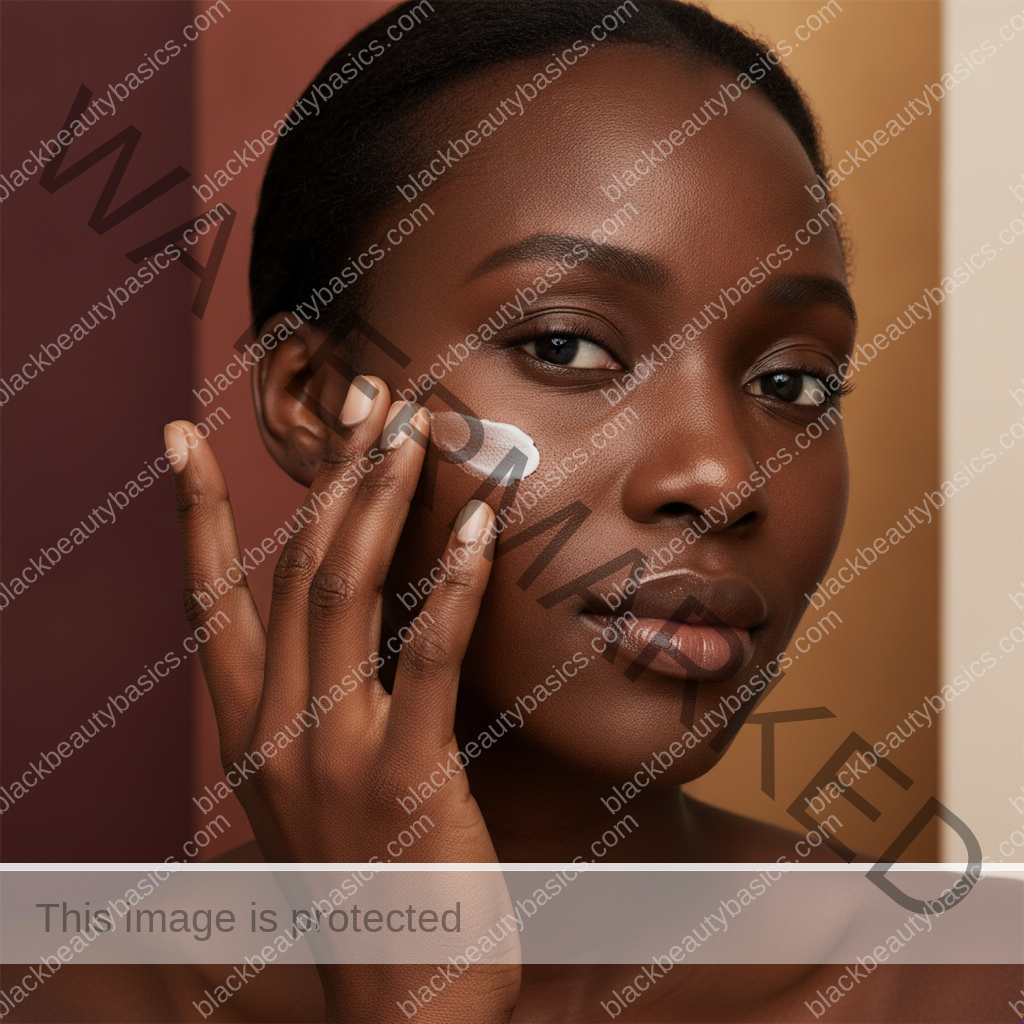
Use lukewarm water rather than hot water. Massage cleanser in with clean fingertips for about as long as it takes to cover your face evenly, then rinse thoroughly. You do not need to keep rubbing until your skin feels friction-free or polished. Pat dry with a soft towel rather than dragging it across your face.
Pay attention to the amount of cleanser, too. More product does not necessarily mean a better cleanse. A small amount spread over damp skin is often sufficient for a daily wash. If the directions on a product recommend using it on dry skin, follow those directions; otherwise, avoid extending contact time in the hope that it will work more thoroughly. A gentle routine is usually more about consistency than intensity.
Apply moisturizer while your skin is still slightly damp if that feels good to you. This can make the transition from cleansing to moisturizing feel less abrupt. If dry patches and oily zones are making product choices confusing, our guide to layering moisturizer for dry patches and oily zones can help you keep the next step targeted without overcomplicating it.
A gentle cleanser decision plan that makes shopping easier
Shopping for a cleanser can feel strangely high stakes when your skin is uncomfortable. Keep the decision simple. You are not looking for the most impressive ingredient list. You are looking for a formula and method that remove what you wear while leaving your face feeling settled.
Step one: name what the cleanser must remove
Start with your real day, not your aspirational routine. If you usually wear only sunscreen, a gentle gel, lotion, milk, or cream cleanser may be enough at night. If you wear long-wear makeup, water-resistant sunscreen, or a full beat, you may prefer a two-step approach: a makeup-removing first cleanse followed by a mild water-rinsing cleanser.
Do not assume you need the same product for every situation. One cleanser can be your everyday option, while a micellar water or balm can handle heavier makeup days. This is often gentler than trying to make one foaming cleanser work harder and longer than it needs to.
Step two: choose a texture that matches your comfort needs
Cream, lotion, milk, and non-foaming gel cleansers are common places to start when tightness is your concern. They are not automatically gentle, but their formulas are often designed to cleanse without a dramatically stripped finish. A low-foam gel may suit someone who enjoys a fresh rinse but dislikes the aftermath of a high-lather wash. A cream cleanser may feel especially comfortable if your cheeks, mouth area, or hairline tend to feel dry.
Foam is not inherently bad. Some people enjoy foaming cleansers and tolerate them well. The concern is whether a particular foaming formula leaves your skin tight, not whether bubbles are morally wrong. Let your post-wash comfort guide you.
Once you know you want a mild, low-fragrance or fragrance-free daily wash, you can browse gentle fragrance-free face cleansers as product types to compare. Read the full label, not just the front claim, and introduce only one new cleanser at a time.
Step three: look for fewer unnecessary stressors
Fragrance-free is often a sensible preference when your skin feels reactive, though it is not a promise that a product will work for everyone. Be aware that “unscented” may mean a formula has ingredients that mask odor, while “fragrance-free” generally means fragrance has not been added for scent. Neither label replaces paying attention to your own experience.
You may also prefer to avoid a cleanser packed with exfoliating acids or acne-focused actives while you are trying to identify the source of tightness. A treatment cleanser can have a place in a routine, but it is harder to troubleshoot when every step is doing multiple jobs. A simple cleanser gives you a clearer baseline.
Step four: decide how you will test it
Use a new cleanser consistently for several washes before judging it, unless it causes immediate burning, swelling, hives, or a clearly worsening reaction. Pair it with the most basic version of your existing routine: cleanser, moisturizer, and daytime sunscreen. Avoid introducing a new toner, exfoliant, mask, or serum at the same time.
Keep notes if you tend to forget what changed. You only need a few details: how your face felt immediately after washing, how it felt later in the day, whether there was stinging, and whether certain areas were worse. That is more useful than trying to inspect your face for perfection in a magnifying mirror.
How to match cleanser choices to your routine and skin situation
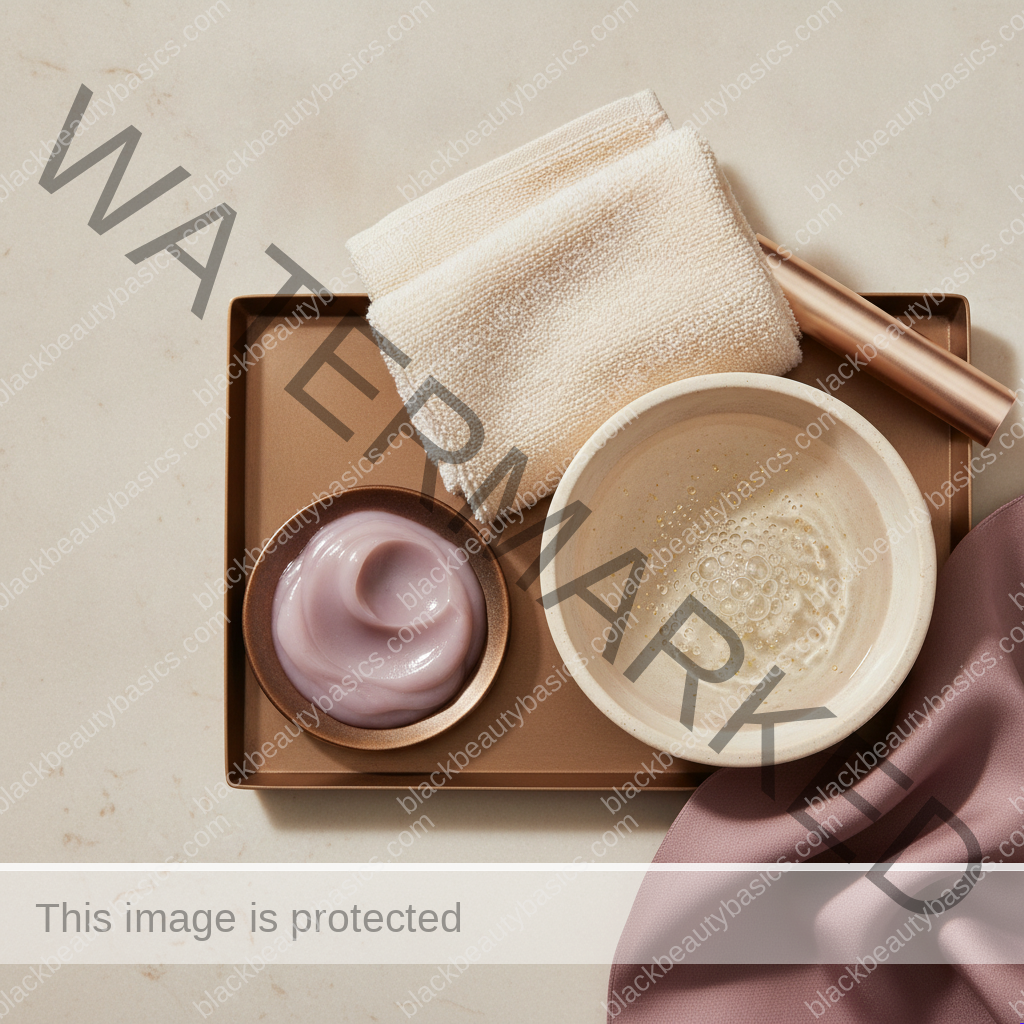
The best cleanser is rarely the one with the most universal praise. It is the one that fits your makeup habits, climate, treatment routine, and tolerance. Use these scenarios as a practical starting point rather than a fixed category you must stay in forever.
If your skin feels dry, tight, or flaky most days
Start with a cream, milk, lotion, or very low-foam cleanser. Use it once nightly, then decide whether your morning cleanse needs to be a rinse or another short, gentle wash. Follow with moisturizer promptly. Your goal is not to create a heavy film on your face; it is to stop cleansing from leaving you uncomfortable before the rest of your routine even begins.
When comparing textures, a cream cleanser for sensitive skin can be a useful category to explore. Look beyond “sensitive” on the front label. Check whether the product is fragranced, whether it contains exfoliating actives you do not currently need, and whether the directions encourage prolonged massage that may not suit your skin.
If your T-zone is oily but your cheeks feel tight
Combination skin does not require punishment. You can use one mild cleanser over your whole face and adjust what happens afterward with moisturizer placement. If your nose and forehead are shiny but your cheeks feel pulled, avoid choosing a powerful oil-control cleanser for the entire face solely because of your T-zone.
Try using less cleanser, shortening the cleanse, and applying moisturizer more generously where you feel tight. If you need an oil-control treatment, consider using it selectively and cautiously rather than turning every cleanse into an aggressive reset. The aim is balance, not a matte finish at all costs.
If you wear makeup or water-resistant sunscreen
Double cleansing can be helpful, but it should not mean double stripping. Use a first step that loosens makeup or sunscreen with minimal rubbing, then follow with a gentle rinse-off cleanser. Micellar water can be one option for lighter makeup or sunscreen days; many people prefer to rinse it off afterward, especially if their skin is easily irritated.
When you want a separate removal step, compare micellar waters for sensitive skin and choose one that does not leave your face feeling coated, stingy, or dry. Saturate a soft pad and press gently rather than repeatedly scrubbing at the same area. For long-wear makeup, a cleansing balm or oil may reduce rubbing, provided you tolerate the formula.
If you are using active treatments
Retinoids, exfoliating acids, benzoyl peroxide, and some prescription treatments can make a previously acceptable cleanser feel like too much. In that season, choose a plain cleanser with no extra active claims. It may feel less exciting, but it gives your treatment routine more room to be intentional.
If nearly every product has started to sting, do not keep switching between stronger formulas in search of a quick fix. Our guide to what to do when your skincare routine burns offers a calmer way to reduce variables and decide when professional advice is appropriate.

If your hairline is also feeling dry or irritated
Consider what reaches your face during wash day, styling, edge control, scarf use, and nighttime care. Hair products, shampoo runoff, fragranced styling products, and repeated rubbing around the hairline can all complicate a facial routine. Rinse cleanser carefully around the edges and use a soft towel rather than vigorously rubbing the area.
Also pay attention to tension and discomfort from hairstyles. Tight styles can affect the scalp and hairline, and soreness, bumps, or tenderness are worth taking seriously. A face cleanser cannot solve tension-related hair concerns, but reducing unnecessary friction around the hairline is a thoughtful part of overall care.
Troubleshooting a cleanser that still does not feel right
Even a gentle-looking formula can be wrong for your skin. Give yourself permission to stop using a product that repeatedly leaves you tight, itchy, burning, or visibly irritated. You do not owe a cleanser a longer trial because it was expensive, popular, or recommended by someone with a different routine.
Check the full routine before blaming one product
Sometimes the cleanser is only the moment when a larger problem becomes noticeable. Think through the prior 24 hours: Did you use a scrub, acid toner, retinoid, clay mask, acne spot treatment, or new sunscreen? Did you cleanse after a workout and then cleanse again before bed? Did you use a very hot shower or a rough towel? A gentle cleanser may not be enough to offset several drying steps layered together.
Also consider whether you have changed your environment. Air conditioning, central heat, travel, a new gym shower, face coverings, and a change in laundry or hair products can all affect how your face feels. You do not have to identify every possible factor at once. Start with the clearest pattern: if tightness began after a new cleanser or a more intense cleansing habit, simplify there first.
Hard water can also change how washing feels for some people, but it is not a reason to assume your water is the sole cause. Evidence around water hardness and skin is mixed and context-dependent. Before spending money on equipment, try the lower-effort changes first: lukewarm water, less cleanser, shorter contact time, gentle patting dry, and prompt moisturizing.
Know when a short reset is more useful than more shopping
If your face feels overwhelmed, simplify for several days with a gentle cleanser or water rinse as appropriate, a bland moisturizer you already know you tolerate, and sunscreen during the day. Pause exfoliating products, strong masks, and unnecessary product experiments. This is not giving up on skincare. It is creating enough quiet to understand what your skin is asking for.
Our two-week skincare reset for irritated skin can help you structure that pause without turning it into a punishing routine. If you suspect you have been overdoing treatments, review the common signs your skincare routine is doing too much before adding another corrective product.
When to seek professional care
Consider speaking with a board-certified dermatologist or another qualified clinician if you have persistent burning, swelling, hives, cracking, oozing, painful rash, significant itching, or a reaction that does not improve after you stop the suspected product. Seek timely medical care for swelling around the eyes or mouth, trouble breathing, or signs of a severe allergic reaction.
You can also seek professional guidance when discoloration, recurrent irritation, acne treatment, eczema-like symptoms, or another ongoing concern is affecting your comfort or confidence. A clinician can help sort through possibilities without reducing your experience to a trend or assuming that deeply melanated skin needs the same approach as every other complexion.

What to Do Next
Tonight, look at the cleanser you already own and ask one direct question: how does my face feel after I use this? If the answer is tight, squeaky, itchy, or immediately thirsty for moisturizer, stop treating that feeling as the price of being clean.
Choose one small adjustment for the next few washes. You might use lukewarm water, cleanse only once at night, cut out a scrub, or switch to a simple cream or low-foam cleanser. Keep the rest of your routine steady so you can read the result clearly. If you wear makeup or water-resistant sunscreen, reserve a separate removal step for those days instead of scrubbing harder with your daily cleanser.
Comfort is a valid standard. Your face can feel clean without feeling stripped, and a calmer cleanse can make every step after it feel more manageable.
Frequently Asked Questions
Should my face feel squeaky clean after washing?
No. A squeaky feeling is not required for effective cleansing. It can be a sign that the cleanser, water temperature, cleansing time, or rubbing technique is leaving your skin less comfortable than it needs to be. A well-matched cleanser should remove daily buildup while allowing your skin to feel calm, soft, and flexible afterward. If you consistently feel tightness around your cheeks, mouth, or eyes, try a gentler formula or shorten your cleanse before assuming you need a stronger moisturizer.
Can oily skin use a cream cleanser?
Yes. Oily skin can still feel tight after washing, especially if the cleanser is too aggressive or if other products in the routine are drying. A cream cleanser is not automatically too rich for an oily face. What matters is whether it removes your sunscreen and daily buildup without leaving a heavy residue or uncomfortable tightness. If you prefer a fresher rinse, a low-foam gel cleanser may be a better fit. Judge by your skin’s comfort and how well your routine performs, not by texture alone.
Is fragrance-free always better for tight skin?
Fragrance-free can be a helpful starting point when your skin feels irritated or easily reactive, because it removes one potential source of sensitivity. But it is not a guarantee that every fragrance-free cleanser will work for you. Formula texture, cleansing agents, active ingredients, how often you wash, and what else you use all matter. “Unscented” and “fragrance-free” are not identical terms, either. If you are troubleshooting, choose a simple fragrance-free cleanser and change only one routine variable at a time.
Do I need to cleanse twice a day if my face feels tight?
Not necessarily. Some people are comfortable cleansing twice daily, while others do better with a water rinse in the morning and a gentle cleanse at night. Your sunscreen, makeup, sweat level, climate, and treatment products all influence what makes sense. If your skin feels tight after both washes, try simplifying the morning step first. At night, cleanse thoroughly enough to remove what you wore, but avoid repeated washing or long scrubbing sessions. Your routine should fit your actual skin, not a rigid rule.
Can micellar water replace cleanser?
It can be useful as a makeup or sunscreen removal step, particularly on lighter-wear days, but it may not be the complete answer for everyone. Some people like to rinse micellar water off and follow with a gentle cleanser, while others use it alone when their skin tolerates it well. Pay attention to whether it leaves residue, stinging, or dryness. If you wear water-resistant sunscreen or long-wear makeup, you may need a more thorough but still gentle removal method.
How long should I test a new gentle cleanser?
Give a new cleanser several uses under otherwise steady routine conditions, unless you experience immediate burning, swelling, hives, or a clear worsening reaction. Cleansers are rinse-off products, so your first clues are often practical: how your skin feels right after washing, whether it feels tight later, and whether you notice new discomfort around sensitive areas. Avoid testing a cleanser alongside new acids, masks, serums, or treatments. A simple routine makes it easier to identify what is helping and what is not.
When is tightness after washing a reason to see a dermatologist?
Seek professional guidance if tightness comes with persistent burning, painful cracking, swelling, hives, oozing, intense itching, or a rash that continues after you stop the suspected product. It is also reasonable to book an appointment if recurring irritation, discoloration, acne treatments, or frequent flares are making it difficult to maintain a comfortable routine. A dermatologist can help evaluate ongoing concerns and recommend options suited to your history and skin needs. You deserve care that takes your symptoms seriously without shaming your texture or tone.
Related next steps
Related posts:
 How to Choose a Cleanser for Melanin-Rich Skin (By Type and Concern)
 The Pros and Cons of Co-Washing vs. Traditional Shampooing
 How Psoriasis Looks and Feels on Dark Skin
 How to Tell If Your Cleanser Is Too Harsh for Dark Skin
 How to Simplify Your Skincare Routine When Your Budget Is Tight
 Night-Out Makeup for Deep Skin That Still Feels Wearable