
There is a particular kind of skincare regret that can feel louder than it needs to: you wanted smoother, brighter-looking skin, followed the acids, and now even water, moisturizer, or your usual cleanser feels questionable. If that is where you are, you do not need to punish your skin with more products or blame yourself for wanting results. Overdoing exfoliation is common, especially when product marketing makes frequent use sound like a sign of discipline.
For Black women, femmes, and people with richly melanated skin, the stakes can feel especially high when irritation leaves behind uneven-looking tone or marks that linger longer than the original breakout or rough patch. That does not mean your skin is “difficult,” nor does it mean melanin-rich skin needs to be handled with fear. It means a calm, protective approach matters. Our broader Skincare for Black Women guide can help you build a routine that respects your skin’s needs without chasing perfection.
Reintroducing exfoliation is not about finding the strongest acid you can tolerate. It is about noticing whether your skin is ready, choosing one route back in, and giving that choice enough time to teach you something. You may decide that less frequent exfoliation is your sweet spot. You may find that a rinse-off product is easier to manage than a leave-on formula. You may also discover that your skin looks and feels better without regular acids for a while. All of those outcomes are useful.
This guide focuses on how to restart carefully after you have gone too far with chemical exfoliants, scrubs, peels, or a crowded active-heavy routine. It is not a diagnosis, and it cannot replace individualized advice from a dermatologist. Think of it as a practical reset: first reduce the noise, then assess your baseline, then make one measured decision at a time.
First, understand what “overdoing it” can look like
Over-exfoliation does not always arrive as obvious peeling. Sometimes it looks like a face that suddenly reacts to products you have used for months. Sometimes it is persistent tightness after cleansing, makeup that catches on dry areas, or a sting when you apply a basic moisturizer. You might also notice more visible redness, deeper-looking discoloration after small pimples, or a texture that feels both oily and dehydrated at once.
Acids can be useful tools, but they are still tools. Alpha hydroxy acids, beta hydroxy acids, polyhydroxy acids, exfoliating toners, peel pads, resurfacing serums, enzyme treatments, and some acne products can overlap in a routine more easily than people realize. A product does not have to call itself an “exfoliant” to contribute to a lot of activity. Layering several strong steps, using them too often, applying them to already irritated skin, or adding a scrub on top can leave skin feeling overwhelmed.
Skin-barrier research involving racial and ethnic groups is nuanced and not uniform. Race, ethnicity, visible pigmentation, and phototype are not interchangeable categories, and no single rule explains every person’s skin. What is clear enough for practical skincare is that irritation can be disruptive for anyone, and inflammation may be followed by noticeable changes in tone in richly melanated skin. That is a reason to move gently, not a reason to assume your skin is fragile or incapable of using active ingredients.
Before you decide an acid “does not work” for you, separate an adjustment from a setback. Mild, brief tingling with a product that fades quickly may be different from burning, persistent discomfort, swelling, rawness, cracking, or a rash-like reaction. The goal is not to self-diagnose from a mirror. The goal is to take signs of discomfort seriously enough to pause, simplify, and seek professional guidance when symptoms are significant.
Routine fatigue can make this harder. You may have been rotating products because your concerns felt urgent: texture, dark marks, clogged pores, acne, dullness, or uneven tone. But when everything in the cabinet promises a correction, it becomes hard to tell what your skin is responding to. A short, plain reset gives you better information than constantly swapping one active for another.
It is worth remembering that exfoliation is not the only thing that can make skin look temporarily smoother. Hydration, a supportive moisturizer, gentler cleansing, less friction, and simply leaving inflamed skin alone can change how the surface looks and feels. That matters because an immediate smooth finish is not always evidence that a routine is sustainable. Your skin deserves more than a result that looks good for one evening and feels uncomfortable for the next several days.
What to pause while your skin settles
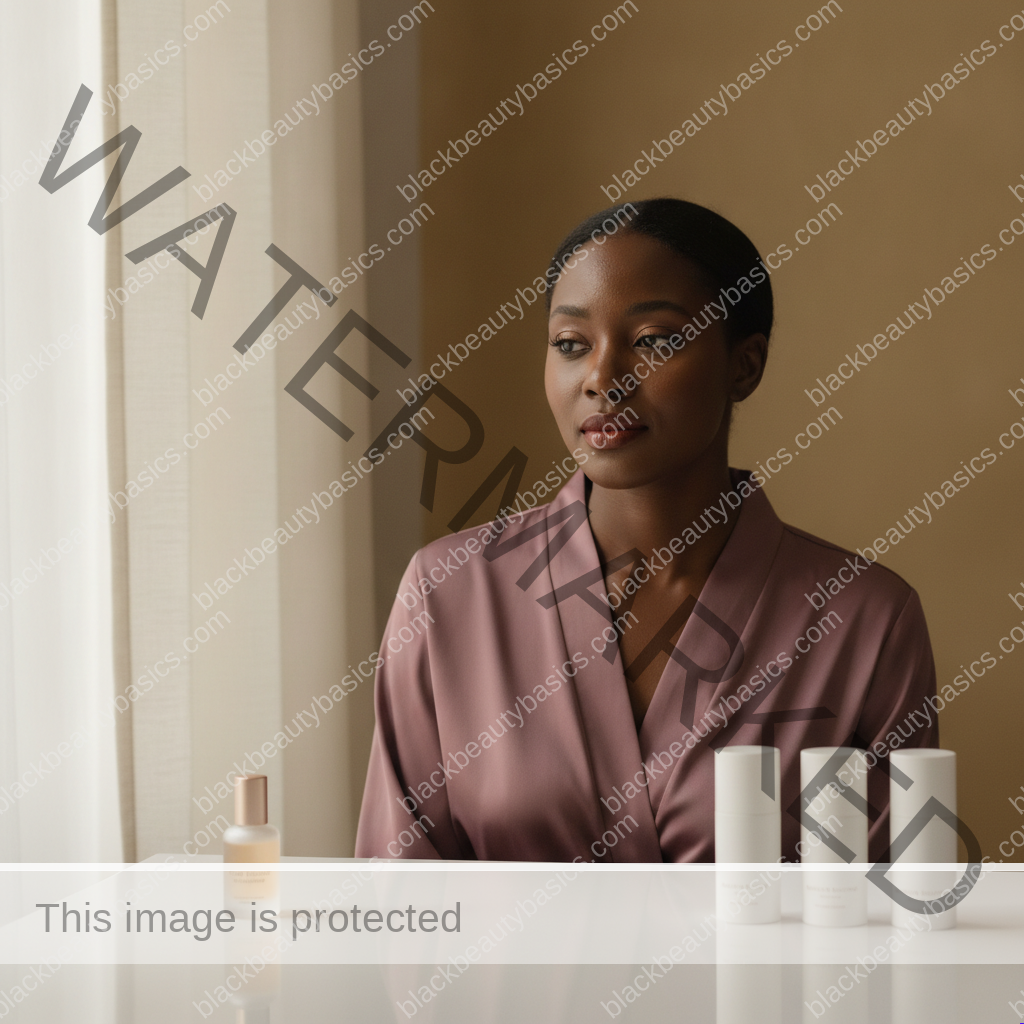
If your skin is currently stinging, burning, peeling, very tight, unusually itchy, visibly inflamed, or reactive to products that are normally comfortable, pause exfoliation. That includes leave-on acid serums, pads, exfoliating masks, strong at-home peels, scrubs, cleansing brushes, and rough washcloth methods. Do not try to “push through” a compromised-feeling moment in the hope that your skin will toughen up.
It also helps to pause the combinations that often make a routine difficult to read. That may mean stepping back from retinoids, benzoyl peroxide, strong vitamin C formulas, fragranced treatment products, acne spot treatments, or shaving methods that create extra friction. This is not a permanent ban. It is a temporary reduction in variables so you can see whether comfort returns. If you need a clearer reset framework, this no-actives skincare routine for melanin-rich sensitive skin offers a useful starting point.
Keep cleansing boring for now. Use lukewarm rather than hot water, keep showers and face washing reasonably brief, and avoid repeatedly cleansing just to check whether your skin feels clean enough. Mild cleansers can be helpful, but the label “low pH” or “gentle” does not guarantee that every formula will feel gentle on every person. Your own comfort, how often you cleanse, the amount you use, and what else is in your routine all matter.
After cleansing, apply a simple moisturizer while skin is still slightly damp if that feels comfortable. Moisturizers can combine humectant, emollient, and occlusive functions, but there is no universal best texture or ingredient list. A lightweight lotion may suit one person; a richer cream may feel better for another. The useful question is simple: does it leave your skin feeling supported without persistent sting, heat, or new discomfort?
Be cautious with home remedies presented as “natural exfoliation.” Lemon juice, baking soda, undiluted essential oils, rough sugar scrubs, and aggressive DIY masks can make an already reactive situation more unpredictable. So can picking at flakes or trying to manually scrub off peeling skin. Flaking can be frustrating, especially when makeup or sunscreen is involved, but friction can create another round of irritation.
Pause the impulse to keep buying recovery products, too. A routine does not become more soothing because it contains six new serums with “barrier” on the label. When skin is unhappy, introducing several products at once makes it much harder to identify a helpful formula or a problem ingredient. Use what is familiar and comfortable where possible. If nothing feels comfortable, that is important information rather than a reason to keep testing products every night.
Sun protection belongs in this pause period as well. Broad-spectrum sunscreen can support your everyday routine, particularly when you are managing visible tone changes after irritation. Choose a format you are willing to use consistently and that feels comfortable on your skin tone and texture. Do not use exfoliation as the only strategy for uneven-looking tone; protecting skin from additional irritation and sun exposure is part of a more measured approach.
Create a gentle decision plan before you restart
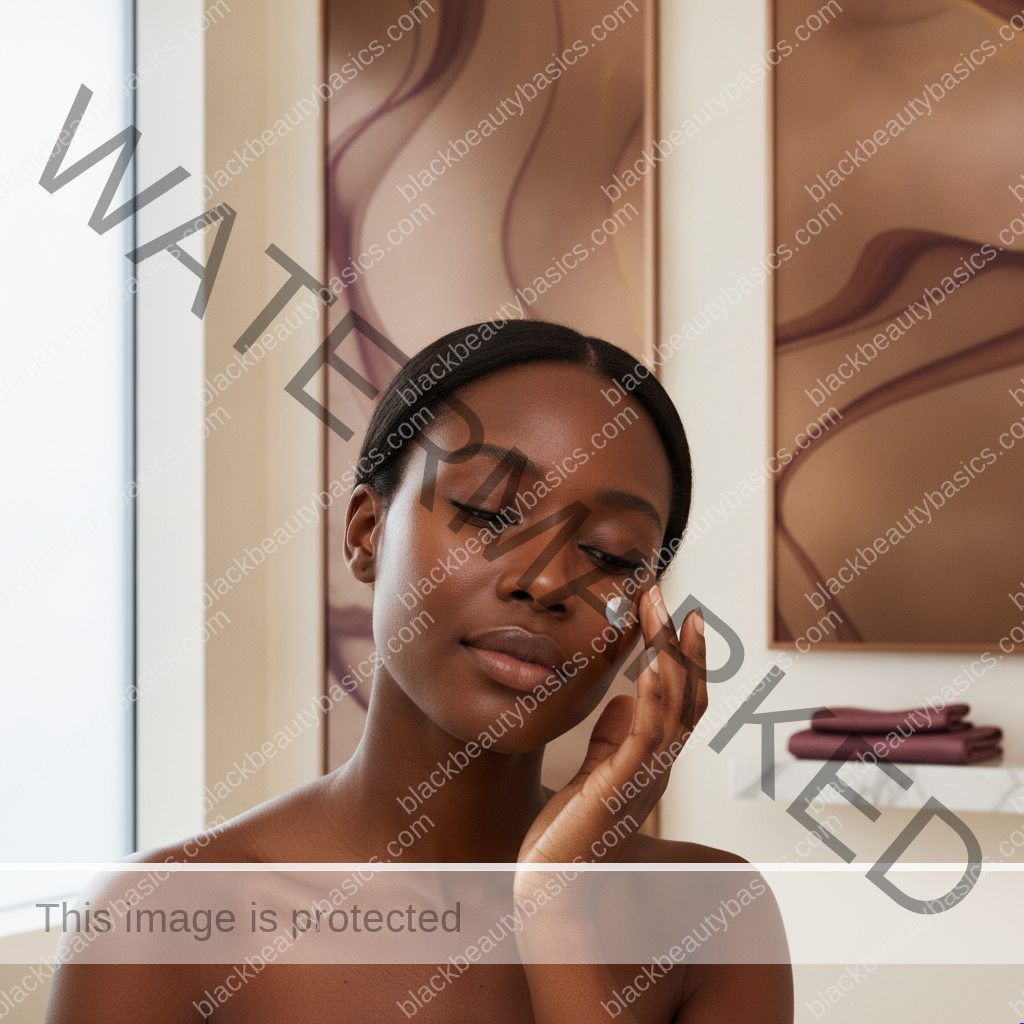
The safest restart is rarely the fastest one. Instead of putting an acid back into your routine because you miss the immediate smooth feeling, wait until your skin has returned to a more stable baseline. That baseline does not require perfectly poreless, texture-free skin. It means your routine is generally comfortable: cleansing does not sting, moisturizer does not burn, and you are not dealing with active peeling, tenderness, or a rapidly escalating reaction.
Take stock of what changed
Start by identifying what likely overwhelmed your routine. Was it frequency? A new product concentration? Combining an acid toner with retinoid nights? Using a scrub when you also had a leave-on exfoliant? Applying actives right after hair removal? A single answer is not always available, but a written list can help. Look at the full week, not just the product you used last. Many setbacks come from cumulative use rather than one dramatic application.
Include products that do not seem relevant at first. A medicated cleanser, a new foundation, a cleansing balm that requires more rubbing than usual, or hair products that run onto your forehead can change the picture. So can using more product than directed because you want faster visible results. You are not building a case against yourself. You are making the routine understandable enough to change it with care.
Choose one variable and one conservative schedule
Then choose one exfoliation category to test. Do not reintroduce an acid toner, a peel pad, a resurfacing serum, and a scrub all in the same month. One category is enough. If clogged pores are your main concern, you may be drawn to a beta hydroxy acid. If surface roughness is your concern, you may consider a gentle alpha hydroxy acid or polyhydroxy acid product. The point is not to prescribe an ingredient from a distance. It is to avoid testing several variables at once.
Use the product on a conservative schedule at first, with plenty of plain-routine days around it. Apply it exactly as directed rather than extending contact time, layering extra coats, or using it morning and night because the first use seemed fine. A comfortable first application does not automatically mean your skin will enjoy repeated use. Your skin’s response over several routine cycles is more informative than a single good night.
Keep the rest of that evening uncomplicated. A gentle cleanse, your one exfoliating product if you are using a leave-on formula, and moisturizer may be enough. Skip the instinct to add a brightening serum, retinoid, acne treatment, or facial oil simply because you are “doing skincare.” The simpler the night, the easier it is to notice whether the exfoliant is actually compatible with your current baseline.
Observe, do not overcorrect
Use a check-in that is based on both feel and appearance. The morning after, ask whether your skin feels tight, hot, tender, dry, itchy, or unusually shiny in an uncomfortable way. Over the following days, look for new flaking, sudden sensitivity, clusters of bumps, or worsening dark marks after irritation. One small pimple does not prove an exfoliant is wrong for you. But a repeating pattern of discomfort deserves your attention.
If your skin becomes uncomfortable, stop the exfoliant and return to your simple routine. This is not “failing” your test. It is information. Resist the urge to solve the reaction with another active, a strong mask, or a new treatment marketed for recovery. Return to the products that were already working, and let your skin settle before deciding your next move. For moments when your entire routine needs reducing, our guide to simplifying skincare after a reaction can help you edit without panic-shopping.
It is also fine to set a personal stop rule before you begin. For example: if a product creates burning that persists, swelling, pronounced peeling, or a reaction that grows rather than settles, you will stop using it and seek advice if needed. Having a stop rule protects you from bargaining with your own discomfort because the product was expensive or highly recommended.
Give your skin enough quiet time to reveal its actual needs. The healthiest routine is not necessarily the one with the most impressive ingredient roster. It is the one you can use consistently without feeling that every application is a risk.
Adjust your restart to your situation, not someone else’s routine
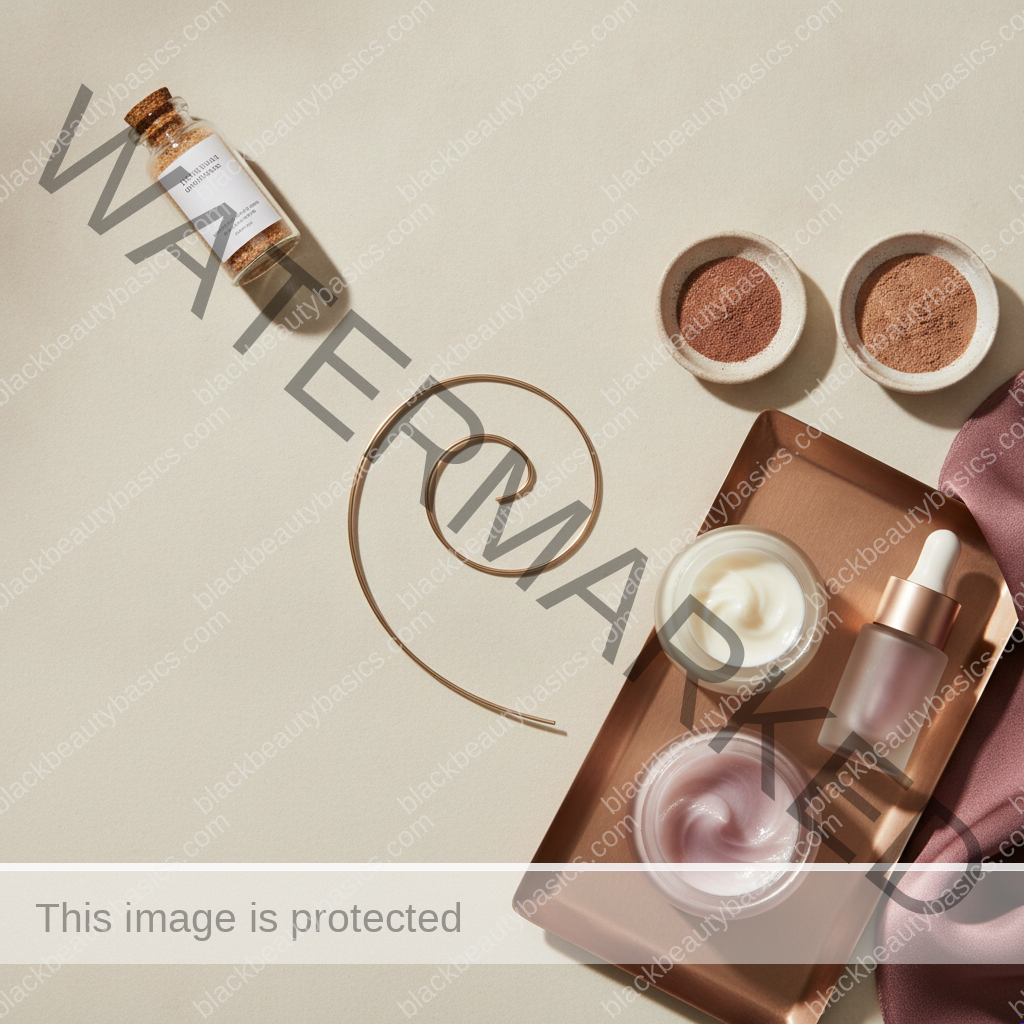
Your reason for exfoliating should shape the product and schedule you consider. A person dealing with occasional congestion does not need the same plan as someone who wants to soften dry-looking texture, and neither concern requires constant acid use. Be precise about what you want to address. “Better skin” is too broad to guide a careful restart. “I want fewer recurring clogged pores around my chin” or “I want my moisturizer to sit more smoothly on dry patches” gives you something more useful to observe.
If clogged pores and breakouts are your concern
If breakouts are part of the picture, remember that acne treatments can overlap. A cleanser, leave-on treatment, spot product, and retinoid may each be manageable alone but too much together when your skin is already stressed. If you are uncertain which treatment is doing what, simplify before adding an exfoliant back. Avoid assuming that irritation is a required stage of clearing skin.
Pay attention to where the bumps appear and whether they arrive with itch, heat, or widespread irritation. Those details may matter more than trying to force a product into a “purging” category. If acne is persistent, painful, scarring, or distressing, a dermatologist can help you sort through treatment options without requiring you to experiment endlessly on your own.
If uneven-looking tone is your concern
If uneven-looking tone is your focus, go slowly. Irritation can make tone concerns more noticeable, so aggressive exfoliation may work against the calm, even-looking result you want. A stable routine, daily sun protection, and patience may serve you better than chasing frequent resurfacing. Texture, pores, and post-breakout marks are not moral failures, and you do not need to remove every sign that your skin is living skin.
It can help to take occasional photos in similar lighting rather than inspecting your face several times a day. This is not about obsessively tracking every mark. It is a way to see gradual changes more fairly, since bathroom lighting, dehydration, sleep, and makeup can change what you notice from one day to the next. If photos make you feel worse, skip them. Your comfort matters more than documenting a perfect progress story.
If hair removal is part of your routine
If hair removal is part of your routine, build in extra care. Shaving, waxing, threading, depilatory creams, and friction from grooming can all make skin feel more reactive. Avoid placing exfoliating acids immediately around hair removal unless a clinician who knows your skin has advised otherwise. Let the skin in that area feel settled first, and be especially careful with the face, underarms, bikini line, and areas prone to ingrown hairs.
Product selection matters more than trendy wording. Look for a formula with one clear exfoliating focus rather than a crowded blend of acids, fragrance, essential oils, and multiple additional actives. Packaging and instructions should make frequency easy to understand. Consider whether a rinse-off product, a mild leave-on formula, or a less frequent treatment suits your habits. A product that requires precision you cannot realistically maintain may not be the best choice right now.
Fragrance is not automatically a problem for every person, but during a recovery period, fewer potential irritants can make a routine easier to interpret. If you are revisiting product labels, read our practical guide to fragrance-free skincare for Black women for help separating useful criteria from marketing noise.
Once you understand those criteria, you can browse gentle exfoliants for sensitive skin as optional product types to compare, not as a promise that any one formula will be right for you. Check the full ingredient list, directions, return policy, and whether the product duplicates active ingredients you already own.
Patch testing can be a reasonable extra precaution, especially after a bad experience, but it is not a guarantee that your full-face experience will be identical. Use it as one piece of information. A product can be fine on a small area yet feel too stimulating when used more broadly or more frequently. Keep your restart gradual even if an initial test seems uneventful.

Troubleshoot setbacks and know when to get support
If you restarted and your skin now feels off again, begin with the simplest response: stop the suspected exfoliant and do not add a replacement treatment immediately. Return to a gentle cleanser, a comfortable moisturizer, and daytime sun protection. Review what else changed that week, including makeup, hair products that touch your face, laundry products, new sunscreen, weather shifts, hair removal, travel, or a change in cleansing frequency.
Try not to interpret every bump as “purging.” That term is often used too loosely online. New or worsening breakouts, burning, itching, rash-like patches, swelling, or painful irritation can have many possible causes. Rather than labeling it yourself, treat a concerning reaction as a reason to pause and get individualized help if it does not settle or if it is severe.
Seek urgent medical care for symptoms such as significant facial swelling, hives, trouble breathing, blistering, eye involvement, or signs of a serious allergic reaction. Contact a dermatologist or other qualified healthcare professional promptly if you have persistent pain, cracking, oozing, extensive rash-like changes, recurring reactions, major changes in pigmentation after inflammation, or a skin concern that is affecting your daily life. You deserve care that takes your symptoms seriously.
For less urgent but persistent burning, a very stripped feeling, or a routine where nearly everything stings, stop experimenting. This guide on what to do when your skincare routine burns can help you identify which steps to remove while you decide whether professional care is needed. Do not keep applying products just to prove you can tolerate them.
Also consider the emotional part of a setback. You may feel frustrated because a product was expensive, popular, or recommended by someone whose skin looks like yours in a video. But a product’s performance on another person does not establish what your skin should endure. Put the product aside. Take notes if helpful. Your next decision can be based on your own comfort rather than pressure to keep up.

What to Do Next
For the next few days, make your routine small enough to trust. Cleanse gently if you need to cleanse, moisturize with a formula your skin has tolerated, and use sunscreen during the day. Put exfoliating products, scrubs, masks, and extra treatment steps away where you are less likely to reach for them out of frustration.
When your skin feels consistently calm again, choose one concern and one exfoliating category to revisit. Read the directions, use it conservatively, and keep the surrounding routine plain. Do not judge success only by instant smoothness. A good restart is one that leaves your skin feeling comfortable enough to continue living your life without monitoring every tingle.
If you are not ready to restart, that is a valid decision too. You can stay with a gentle baseline while you learn more through our cleansing and exfoliation best practices guide. Your skincare does not need to be intense to be intentional.
Frequently Asked Questions
How long should I wait before using acids again?
There is no universal number of days that fits every reaction or every product. A more useful marker is whether your skin has returned to a comfortable baseline: cleansing and moisturizing are not stinging, active peeling has settled, and you are not dealing with tenderness, swelling, or escalating irritation. Once things feel stable, restart only if you want to, and use one exfoliating product on a conservative schedule. If you had a strong reaction, symptoms that persist, or you are unsure whether your skin is truly settled, a dermatologist can give more individualized guidance.
Can I use a scrub instead of an acid after over-exfoliating?
A scrub is not automatically gentler simply because it is physical rather than chemical. Rough particles, cleansing brushes, textured tools, and vigorous rubbing can create friction on skin that is already sensitive. If your skin has been irritated, it is usually wise to pause both scrubs and acids while you simplify. When you eventually reintroduce exfoliation, choose one method rather than alternating several. Pay attention to pressure, frequency, and how your skin feels afterward. Smooth-looking skin is not worth soreness, rawness, or a new cycle of irritation.
Should I reintroduce exfoliation if I have dark marks from irritation?
Not immediately. Dark marks after irritation can make it tempting to exfoliate more often, but additional irritation may make uneven-looking tone more noticeable. Start with a steady, comfortable routine and daily sun protection before deciding whether an exfoliant belongs back in your routine. If you later restart, use a measured schedule and avoid stacking it with other potentially irritating products. If marks are changing quickly, very distressing, or not improving in a way that feels manageable, a dermatologist can discuss options that fit your skin history and goals.
Is tingling normal when I use an exfoliating acid?
Some people notice mild, brief tingling with certain acid products, but discomfort should not be treated as a requirement for the product to work. Burning, persistent stinging, itching, heat, swelling, rawness, or worsening discomfort are signs to stop using the product. Even a subtle sensation can be useful information if it repeats every time or is followed by dryness and flaking. Your goal is not to build tolerance through distress. Choose a formula and frequency that your skin can handle comfortably, or consider whether regular exfoliation is necessary right now.
Can I use retinol and exfoliating acids on the same night?
After you have overdone acids, combining a retinoid and an exfoliating acid on the same night is usually more complexity than you need. Both can be stimulating for some people, and using them together makes it harder to identify what caused a reaction. Rebuild your routine one active at a time. Once your skin is stable and you know how each product behaves separately, you can decide whether alternating nights is enough for your goals. If you use prescription treatments or have an ongoing skin condition, ask your prescribing clinician for direction.
What if my moisturizer burns after I stop exfoliating?
If even a familiar moisturizer burns, keep your routine very simple and pause all exfoliating products and other optional actives. Avoid testing multiple new “barrier repair” products at once, since that can add more variables. Use lukewarm water, cleanse gently only as needed, and choose the most basic product your skin has previously tolerated if it feels comfortable. Persistent burning, swelling, rash-like changes, cracking, or worsening symptoms deserve professional evaluation. You do not need to wait until a reaction becomes dramatic to ask for help.
Will I need to exfoliate forever to keep my skin smooth?
No. Exfoliation can be one optional tool, not a lifetime obligation. Your skin naturally sheds cells, and many people find that a consistent routine of gentle cleansing, moisturizing, sun protection, and targeted treatment when needed is enough. You may prefer occasional exfoliation, a seasonal adjustment, or no dedicated exfoliant at all. The best routine is not defined by a certain number of actives. It is defined by what supports your goals while keeping your skin comfortable, respected, and free from unnecessary stress.
Related next steps
Related posts:
 Body Exfoliation for Deep Skin Without Overdoing It
 Acids and Exfoliation on Dark, PIH-Prone Skin
 How to Layer Actives on Dark Skin (Vitamin C, Niacinamide, Retinoids, Acids)
 A Beginner’s Guide to Acids – AHAs, BHAs, and PHAs Explained Simply
 Exfoliating Body Routine for Black Women: Scrubs, Acids, and Tools for Melanin-Rich Skin
 Repairing Your Barrier After Over-Exfoliation on Dark Skin