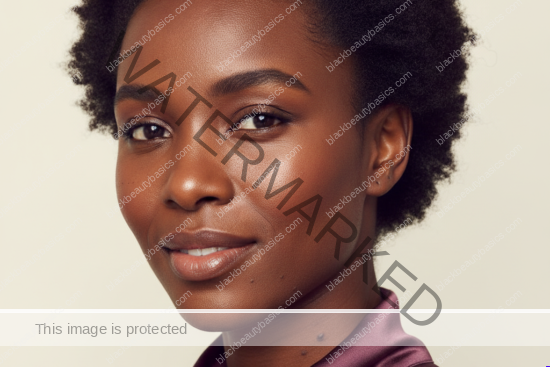
Blush Colors That Pop on Dark Skin: Cream vs Powder
For many women with deep, melanin-rich skin, the quest for the perfect blush can feel like an unending search. You’ve likely experienced the frustration: a blush that looks vibrant and promising in the pan, only to disappear into your complexion, leaving no trace of color. Or perhaps it settles into a dusty, chalky film, betraying the very warmth and radiance you sought to enhance. This common dilemma stems from a beauty industry that, for too long, has centered formulations and shade ranges around lighter skin tones, leaving those of us with richer complexions to navigate a landscape of muted options and disappointing results.
The truth is, your beautiful deep skin requires a different approach, a nuanced understanding of how pigment interacts with melanin. What reads as a soft flush on one skin tone can be entirely invisible on another. We understand that desire for a blush that not only shows up but truly sings, adding a vibrant, healthy glow that complements your natural radiance. It’s not about finding a “universal” shade, but about discovering the specific color families and formulas designed to celebrate and elevate your unique beauty.
This guide is crafted to illuminate that path, offering clear, expert guidance on the blush colors that genuinely pop on deep skin, ensuring your efforts result in a luminous, never-dull finish. We’ll delve into the distinct advantages of cream versus powder formulas, helping you discern which texture aligns best with your skin type, desired finish, and daily routine. Consider this your definitive resource for transforming your blush experience, moving beyond the guesswork to embrace shades and techniques that truly honor your complexion. This comprehensive exploration is part of our broader commitment to empowering your beauty journey, residing within our dedicated Makeup for Deep Skin Tones hub, where you’ll find interconnected wisdom on everything from foundation to contour and highlight, all tailored to celebrate the richness of Black beauty.
Why Blush Is Essential on Deep Skin
In the intricate artistry of makeup, blush often plays a pivotal, yet sometimes underestimated, role, especially for those with deep skin tones. When we apply foundation and concealer, while essential for creating an even canvas, these products can inadvertently flatten the natural contours and vibrant warmth that define our faces. This is particularly true for melanin-rich complexions, where the inherent luminosity and multi-dimensional quality of the skin can be temporarily subdued by a uniform base layer. Without the reintroduction of color and dimension, the face can appear somewhat one-dimensional, even if perfectly “done.”
Blush serves as the vital step that breathes life back into the complexion. It’s the element that restores that youthful flush, that healthy glow that emanates from within. Far from being a mere accessory, blush is a fundamental tool for re-establishing the natural vibrancy and structure of the face. It can be the singular difference between a makeup look that feels complete but perhaps a little tired, and one that radiates vitality, warmth, and an undeniable sense of polished confidence. On deep skin, where subtle shifts in tone can have a profound impact, the right blush can transform the entire perception of your makeup, making it appear more harmonious and alive.
Beyond simply adding color, blush performs several crucial functions that elevate your overall aesthetic. It’s a versatile product that can subtly sculpt, brighten, and unify your look. Understanding its multifaceted benefits is key to appreciating its indispensable place in your beauty ritual.
- Adds Visible Warmth and Health: Blush instantly infuses the skin with a healthy, natural-looking flush, mimicking the glow of a brisk walk or a moment of joy. This warmth is particularly important on deep skin, where a lack of color can sometimes translate to a dull appearance.
- Helps Sculpt Cheeks Without Harsh Contour: While contouring defines and shapes, blush can provide a softer, more natural form of sculpting. By placing it strategically, you can create the illusion of higher cheekbones or add fullness, all without the need for heavy contour products that might not always be desired for an everyday look.
- Balances Bold Eyes or Lips: When opting for a dramatic eye or a striking lip color, blush acts as a harmonizing force. It ensures that the rest of the face doesn’t appear washed out or neglected, creating a cohesive and balanced overall impression that feels intentional and sophisticated.
Shade Families That Really Pop on Dark Skin
The journey to finding blush shades that truly pop on deep, melanin-rich skin often begins with understanding which color families possess the inherent pigment and depth to stand out beautifully. Many traditional blush shades, formulated with lighter skin tones in mind, simply lack the intensity required to register against the richness of darker complexions. Instead of a vibrant flush, they can appear muted, dusty, or even disappear entirely. However, there are specific categories of colors that are consistently triumphant, offering a range of effects from a subtle glow to a bold statement.
These shade families are characterized by their saturation, depth, and ability to interact harmoniously with the diverse undertones found in Black skin. They are designed to enhance, rather than diminish, the natural beauty of deep complexions, ensuring that your blush is always a visible, radiant accent. Let’s explore these hero shades that promise to deliver that coveted pop of color.
Berry and Plum Blushes
Berry and plum tones are perhaps some of the most universally flattering and consistently impactful blush shades for deep skin. These colors, ranging from deep fuchsia to rich aubergine, possess a natural vibrancy and depth that beautifully complements the cool, neutral, and even some warmer undertones found in Black complexions. The inherent richness of these shades ensures they don’t fade into the skin but rather provide a noticeable, sophisticated flush.
They are particularly effective because they mimic the natural flush of blood under the skin on darker tones, creating an authentic and healthy glow. The cool undertones often present in these berry and plum hues can also provide a stunning contrast that brightens the complexion, making the skin appear more luminous and alive. These shades are incredibly versatile, capable of being sheered out for a subtle wash of color or built up for a more dramatic, evening-appropriate statement. They impart a regal elegance, making them a staple for those seeking a refined yet vibrant look.
You might reach for a berry or plum blush when you desire a look that exudes sophistication and depth. They are excellent choices for evening events, cooler-toned makeup looks, or whenever you want to add a touch of luxurious richness to your cheeks. Their ability to provide both a soft, everyday vibrancy and a profound, high-impact statement makes them an indispensable part of any deep-skinned woman’s blush collection. They truly offer a depth of color that enhances and celebrates the natural beauty of melanin-rich skin, ensuring your blush is always seen and admired.
Brick Red and Deep Rose Blushes
Brick red and deep rose blushes are exceptional choices for deep skin tones, offering a warmth and earthiness that beautifully mimics a natural flush. These shades are characterized by their rich, reddish-brown undertones, which prevent them from appearing too bright or artificial on darker complexions. Instead, they seamlessly blend into the skin, creating an effect that is both vibrant and incredibly natural. The warmth in these hues resonates particularly well with those who have warm or neutral undertones, enhancing their inherent glow without clashing.
What makes brick red and deep rose so effective is their ability to provide significant color payoff without looking stark. They carry enough pigment to truly show up, yet their earthy quality ensures they integrate smoothly with the skin’s natural tones. These shades are perfect for creating a sophisticated, sun-kissed look, or for adding a touch of understated drama. They can range from a muted, dusty rose with a hint of brown to a more intense, true brick red, offering versatility for various occasions and preferences.
These blushes are especially adept at creating a harmonious balance within a makeup look. They can complement warm-toned eyeshadows or lipsticks beautifully, tying the entire face together with a cohesive warmth. For an everyday look, a sheer application provides a healthy, radiant glow. For more impact, building up the color delivers a striking, yet still believable, flush. They are a testament to how red-leaning tones, when formulated with the right depth and undertone, can be incredibly flattering and essential for enhancing the natural beauty of deep skin.
Warm Coral and Orange Blushes
For those with warm or golden deep skin tones, warm coral and orange blushes are nothing short of hero shades. These vibrant hues possess an unparalleled ability to brighten and enliven the complexion, creating a radiant, sun-kissed glow that feels both fresh and sophisticated. The magic of orange and deep coral on dark skin lies in their inherent warmth and saturation; they are bold enough to truly pop without ever looking artificial or out of place. Often, what appears as a very bright orange in the pan will sheer down to a surprisingly believable and beautiful warmth on melanin-rich skin, transforming into a luminous, healthy flush.
These shades are particularly effective because they work in harmony with the golden and red undertones often found in deeper complexions, enhancing rather than clashing. A vibrant coral can instantly lift the face, making it appear more awake and vibrant. Deep oranges, when applied with a light hand or in a cream formula, can create an effect akin to a natural, joyful blush, especially stunning during warmer months or for looks that require a touch of playful energy. They are a wonderful departure from traditional pinks and reds, offering a unique and striking alternative.
It’s important to approach these shades with confidence, as their initial intensity can sometimes be intimidating. However, the transformative power of a well-chosen coral or orange blush on deep skin is undeniable. They provide a high-impact color that still manages to look incredibly natural and harmonious. Whether you opt for a soft, peachy coral for a subtle glow or a more vivid orange for a bold statement, these blushes are guaranteed to bring a dynamic and beautiful warmth to your complexion, proving that bright colors are not just for lighter skin tones but are, in fact, incredibly flattering on deeper hues.
Terracotta and Brown-Rose Blushes
Terracotta and brown-rose blushes are the unsung heroes for deep skin, offering an elegant solution for those seeking an everyday, subtle flush that also provides a touch of soft definition. These shades are characterized by their earthy, muted tones, blending the warmth of brown with hints of red or rose. They are designed to look incredibly natural, mimicking the skin’s inherent warmth and shadow, making them perfect for situations where a more understated yet polished look is desired.
What makes terracotta and brown-rose so invaluable is their versatility. They are ideal for office environments, school, or any occasion where you want to appear effortlessly put-together without an overtly “made-up” feel. On deep skin, these shades provide a gentle wash of color that enhances the complexion’s natural contours, often doubling as a soft sculpt. They add depth and dimension without the starkness of a traditional contour, making them an excellent choice for those who prefer a softer approach to shaping the face.
These blushes are particularly flattering for neutral undertones, as they bridge the gap between warm and cool, providing a harmonious balance. For those with warmer undertones, they deepen the natural glow, while for cooler undertones, they introduce a subtle warmth that prevents the skin from looking flat. They are the epitome of sophisticated subtlety, offering a way to add color and structure that feels entirely organic. A well-chosen terracotta or brown-rose blush ensures that your complexion always looks healthy, defined, and beautifully understated, proving that high impact doesn’t always mean high saturation.

Choosing Blush by Undertone on Deep Skin
Understanding your skin’s undertone is paramount to selecting blush shades that truly enhance your complexion, rather than clashing or disappearing. For Black women, whose skin tones exhibit a rich spectrum of undertones, this knowledge is particularly empowering. The wrong undertone in a blush can make your skin look sallow, ashy, or simply dull, even if the color itself is vibrant. Conversely, a blush perfectly aligned with your undertone will melt into your skin, providing a natural, harmonious glow that looks entirely authentic.
This section will guide you through selecting blush shades based on your specific undertone, ensuring that every application brings out the best in your melanin-rich skin. If you’re unsure about your undertone, we highly recommend consulting our comprehensive guide to finding your undertone as a Black woman, as this foundational knowledge will unlock a world of personalized beauty choices.
Warm / Golden Undertones
For those with warm or golden undertones in their deep skin, the goal is to select blushes that amplify this inherent radiance, creating a sun-kissed and vibrant effect. Your skin naturally leans towards yellow, peach, or olive hues, and the right blush will complement these tones beautifully, making your complexion glow from within. The best blush families for you are those that echo this warmth and vibrancy, ensuring a harmonious and luminous finish.
Best Families:
- Orange: These are your power shades. From soft tangerine to deep burnt orange, these blushes will awaken your complexion, providing a fresh, energetic flush. They might look bold in the pan, but on warm deep skin, they transform into a stunning, natural warmth.
- Terracotta: A blend of earthy brown and warm red, terracotta blushes are perfect for an everyday, sophisticated warmth. They offer a subtle sculpt and a healthy glow that feels entirely organic to your skin.
- Brick Red: Rich and deep, brick red blushes bring a sophisticated flush that mimics a natural blood flow, adding depth and a touch of drama without being overpowering. They are particularly striking for evening looks.
- Warm Coral: These shades, with their blend of pink and orange, are incredibly brightening. They infuse your cheeks with a lively, joyful pop of color that looks particularly stunning in natural light.
Caution: It is generally advisable to exercise caution with cool, dusty pinks. While some very sheer, vibrant pinks can work, those with a chalky or overly desaturated quality can appear ashy or dull against warm deep skin. They tend to create a disconnect rather than a harmonious blend, making your complexion look less vibrant. Focus on shades that have a clear warmth or a rich, deep saturation to ensure your blush always enhances your natural glow.
Cool / Red Undertones
If your deep skin possesses cool or red undertones, your complexion naturally leans towards blue, pink, or red hues. The most flattering blushes for you will be those that complement these cool tones, enhancing your natural flush with depth and vibrancy. These shades will prevent your skin from looking sallow or muted, instead bringing out a sophisticated and radiant glow.
Best Families:
- Berry: Ranging from raspberry to cranberry, berry blushes are incredibly harmonious with cool undertones. They provide a rich, juicy flush that looks incredibly natural and vibrant, mimicking the skin’s inherent redness.
- Plum: Deep and luxurious, plum blushes offer a sophisticated pop of color. They can range from a muted mauve-plum to a deep, intense violet-plum, adding depth and elegance to your cheeks.
- Wine: Similar to berry but often deeper and richer, wine-toned blushes are perfect for creating a dramatic, opulent look. They provide intense color payoff that looks stunning on cool deep skin.
- Deeper Rose: Avoid overly pale or pastel roses. Instead, opt for deeper, more saturated rose shades that have a clear cool or neutral-cool base. These will provide a classic, romantic flush that complements your undertone beautifully.
Caution: Be mindful of yellow-heavy corals or overly orange blushes. While a very sheer, balanced coral might work in some instances, those with a strong yellow or overtly warm orange base can sometimes clash with cool undertones, making the skin appear slightly off or dull. They might not provide the harmonious blend that cooler-toned blushes do, potentially creating an unnatural contrast. Stick to shades that have a clear blue or red base to ensure your blush always enhances your natural, cool radiance.
Neutral Undertones
For those with neutral undertones in their deep skin, you possess the enviable flexibility to wear both warm and cool blush shades with ease. Your skin exhibits a balanced mix of both warm and cool characteristics, allowing you to adapt your blush choice to your mood, the rest of your makeup, or the season. This versatility means you can experiment widely, but it also means having a few reliable starting points can simplify your choices.
Best Families:
- Berry: A fantastic starting point, berry blushes offer a universally flattering depth and vibrancy. They provide a rich, healthy flush that looks natural on neutral skin, whether you lean slightly cool or slightly warm.
- Terracotta: These earthy, warm-toned blushes are another excellent choice for neutral undertones. They provide a subtle, sophisticated warmth that enhances the skin’s natural glow without being overtly warm or cool. They can also offer a soft sculpting effect.
- Brown-Rose: Similar to terracotta but with a more pronounced rose hue, brown-rose blushes offer a muted, elegant flush that is perfect for everyday wear. They add depth and a hint of color that feels very organic.
Leveraging Your Versatility: The beauty of neutral undertones is your ability to choose blushes that align with the overall aesthetic of your makeup look. If you’re opting for a warm-toned eye look with golden shadows, a warm coral or brick red blush will tie everything together beautifully. Conversely, if you’re wearing cooler tones on your eyes or lips, a plum or deeper berry blush will create a cohesive and harmonious balance. Use your lip color or eye makeup as a guide to decide whether to lean warm or cool with your blush, allowing you to play with a wider spectrum of shades and create diverse looks.
Olive Undertones
Deep skin with olive undertones presents a unique and beautiful challenge when it comes to blush selection. Olive undertones typically mean your skin has a greenish-yellow or grayish-green cast, which can be subtle or more pronounced. The key is to find blushes that counteract any potential sallowness and bring warmth and life to the complexion without clashing with the underlying green. The right blush will brighten and enliven, creating a harmonious glow.
Best Families:
- Muted Terracotta: These earthy, warm shades with a hint of red or orange are excellent for olive undertones. They provide a natural warmth that counteracts any greenness, resulting in a healthy, sun-kissed flush that looks incredibly natural.
- Brown-Rose: Similar to terracotta, brown-rose blushes offer a sophisticated, muted color that adds depth and a subtle hint of warmth. They are perfect for an everyday, understated glow that enhances the skin without being too bold.
- Some Oranges: Not all oranges, but those that lean more towards a burnt orange or a deep, rich coral can be incredibly flattering. They bring a vibrant warmth that can brighten olive skin beautifully, provided they aren’t too bright or neon.
- Some Berries (not too blue): While many berry shades are cool-toned, look for berry blushes that have a warmer, redder base rather than a stark blue-purple. These can provide a lovely, natural flush that harmonizes with olive tones without making the skin look dull.
Avoid: It is crucial to avoid overly gray or dusty shades, especially those with a strong cool-pink or mauve base that lacks vibrancy. These can make olive skin appear sallow, dull, or even sickly. Similarly, blushes that are too pale or chalky will not provide enough pigment to show up and can emphasize any underlying green tones in an unflattering way. Focus on shades that have a clear warmth, a rich saturation, or a beautiful muted earthiness to ensure your blush enhances the unique beauty of your olive-toned deep skin.
Cream vs Powder Blush on Deep Skin
The choice between cream and powder blush is not merely a matter of preference; it’s a strategic decision that can significantly impact the finish, longevity, and overall harmony of your makeup on deep skin. Both formulas offer distinct advantages and can work beautifully, but the optimal choice often hinges on your skin type, the desired aesthetic, and the context of your routine. Understanding the nuances of each will empower you to select the formula that best serves your beauty needs, ensuring your blush always looks radiant and seamless.
For melanin-rich complexions, the texture of a blush can be just as important as its color. A cream blush might melt into the skin for a dewy, natural glow, while a powder blush could offer a more matte, long-lasting finish. Neither is inherently superior; rather, their effectiveness is determined by how well they align with your individual characteristics and goals. Let’s delve into the pros and cons of each, helping you make an informed decision for your unique beauty.
Cream Blush on Deep Skin: Pros and Cons
Cream blush has surged in popularity, and for good reason, especially for those with deep skin tones seeking a natural, luminous finish. Its unique texture offers several benefits that can truly enhance the look of melanin-rich complexions, though it also comes with its own set of considerations.
Pros:
- Melts into Skin for a Seamless Finish: One of the most significant advantages of cream blush is its ability to truly meld with the skin. Unlike some powder blushes that can sit on top, cream formulas sink in, creating a natural, “skin-like” finish that looks incredibly authentic. This is particularly flattering on deep skin, where a seamless blend is key to avoiding a chalky or artificial appearance.
- Dewy/Skin-Like Finish: Cream blushes inherently provide a dewy or satin finish, which is excellent for imparting a healthy, youthful glow. This luminosity is especially desirable for those who prefer a radiant, fresh-faced look over a completely matte one. It catches the light beautifully on deep skin, enhancing its natural glow.
- Great for Dry/Normal or Mature Skin: The emollient nature of cream blushes makes them exceptionally well-suited for dry, normal, or mature skin types. They add a touch of moisture and do not settle into fine lines or emphasize texture, unlike some powder formulas. This keeps the skin looking supple and vibrant.
- Often More Pigmented: Many cream blushes are formulated with a higher concentration of pigment, meaning a little goes a long way. This intense color payoff is crucial for deep skin, ensuring the blush truly shows up and provides a visible pop of color without needing excessive layering.
- Easy to Apply with Fingers: Cream blushes are often designed for effortless application, allowing you to tap and blend them onto the cheeks using just your fingertips. This makes them convenient for quick touch-ups or for those who prefer a more intuitive makeup routine.
Cons:
- May Fade Faster on Very Oily Skin Without Proper Set: While cream blushes offer a beautiful finish, their emollient nature can be a drawback for individuals with very oily skin. Without a light setting powder or proper prepping, cream blush may break down or fade more quickly throughout the day as the skin’s natural oils emerge.
- Can Move if Base is Very Wet: If applied over a very wet or unset foundation, cream blush can sometimes cause the base makeup to shift or pill. It requires a slightly tacky but not overly wet surface to adhere properly and blend seamlessly without disturbing the layers underneath.
- Less Precision for Sharp Lines: While excellent for a diffused, natural look, cream blushes can be more challenging to apply with precise lines or sharp edges compared to powders, which can be packed on with a brush for more defined placement.
Explore a wide array of cream blush options for deep skin on Amazon.
Powder Blush on Deep Skin: Pros and Cons
Powder blush remains a classic for a reason, offering reliability and a distinct finish that many prefer. For deep skin, powder formulas can be incredibly effective, provided they are chosen and applied with an understanding of their unique characteristics. However, there are also potential pitfalls to navigate to ensure a flawless application.
Pros:
- Long-Wearing: Powder blushes are generally known for their superior longevity. Once applied and set, they tend to stay put for extended periods, making them an excellent choice for long days, events, or in humid climates. Their dry nature means they are less prone to breaking down from skin oils compared to creams.
- Works Well on Oily/Combination Skin: For individuals with oily or combination skin, powder blush can be a godsend. It helps to absorb excess oil on the cheeks, contributing to a more matte or satin finish that lasts. It’s less likely to slide or fade on oilier complexions, providing a reliable pop of color.
- Easy to Layer for Intensity: Powder blushes are incredibly buildable. You can start with a sheer wash of color and gradually add more layers to achieve your desired intensity without the risk of the product looking heavy or cakey. This makes it easy to control the vibrancy and depth of your blush.
- Precise Application: With a variety of blush brushes available, powder blushes allow for very precise application. Whether you want a diffused wash or a more concentrated pop of color on the apples of your cheeks, brushes offer control over placement and blending.
- Wide Range of Finishes: Powder blushes come in a vast array of finishes, from matte to satin, shimmer, and even glitter. This variety allows for greater customization, enabling you to choose a finish that perfectly complements your desired look.
Cons:
- Can Look Chalky if Formula is Too Light/Dusty: This is a critical concern for deep skin. Many powder blushes, especially those not specifically formulated for richer complexions, can appear chalky, ashy, or dusty. This happens when the pigment lacks sufficient depth or saturation, or when the base powder is too light, creating a white cast on the skin.
- Can Emphasize Dryness or Texture: For those with dry skin or visible texture, powder blush can sometimes adhere to dry patches or settle into fine lines, making them more noticeable. It can also create a flatter, less vibrant look if the skin underneath is not adequately hydrated and prepped.
- Requires a Brush for Application: Unlike cream blushes which can often be applied with fingers, powder blushes necessitate the use of a brush for optimal application and blending. This adds an extra tool to your routine and can be less convenient for on-the-go touch-ups.
Discover various powder blush options suitable for deep skin tones on Amazon.
Layering Cream and Powder Together
For the ultimate in longevity and a multi-dimensional finish, layering cream and powder blush is a technique favored by makeup artists and beauty enthusiasts alike. This method combines the best attributes of both formulas, resulting in a vibrant, long-lasting flush that appears to emanate from within. It’s particularly effective for deep skin, where ensuring color visibility and durability is paramount.
The core principle of layering is to apply your cream blush first, directly onto your prepped and foundation-applied skin. The cream formula provides that seamless, skin-like base and initial pop of color, melting beautifully into your complexion for a natural radiance. Once the cream blush is blended to perfection, you then follow with a light dusting of a matching or complementary powder blush. This powder layer acts as a setting agent, locking the cream blush in place and enhancing its vibrancy. The powder also adds an extra layer of pigment, ensuring the color truly stands out and lasts for hours.
This technique is a game-changer for long days, special events, or in warm, humid climates where makeup longevity is a concern. The cream provides the dewy, natural base, while the powder ensures it stays put, preventing fading or shifting. When choosing your powder blush for layering, opt for a shade that is very similar to or slightly deeper than your cream blush to maintain color harmony. Apply the powder with a light hand, using a fluffy brush to gently press and diffuse the product over the cream. The result is a vibrant, resilient blush that looks incredibly natural and radiant, offering the best of both worlds without any compromise.

How to Apply Blush on Deep Skin (Placement and Intensity)
Applying blush to deep skin is an art that goes beyond simply swiping color onto the cheeks. The placement, intensity, and blending technique are all crucial for ensuring the blush truly enhances your features, provides a visible pop of color, and contributes to a harmonious overall look. For melanin-rich complexions, where features are often naturally sculpted and defined, strategic blush application can elevate your natural beauty without requiring heavy-handed techniques.
This section will guide you through the nuances of blush application, offering practical instructions tailored to deep skin tones. We’ll explore classic placement for a natural flush, adapt techniques for different face shapes, and address the common question of how much blush is truly enough to make a statement without looking overdone.
Classic Placement for a Natural Flush
The classic placement for a natural, healthy flush on deep skin involves focusing on the upper planes of the cheekbones, extending slightly towards the temples. This technique aims to mimic where the face would naturally flush, creating an effect that is both youthful and sophisticated. It’s a versatile approach that works well for most face shapes and provides a universally flattering lift.
To achieve this, begin by smiling gently to identify the apples of your cheeks. Instead of applying blush directly to the fullest part of the apple, which can drag the face down on deep complexions, start slightly above and back from the center of the apple. Sweep or tap your blush upwards and outwards, blending it along the top of your cheekbones towards your hairline, and slightly into your temples. The goal is to create a soft gradient of color that lifts the face rather than pulls it down. Avoid dropping the blush too low onto the face, specifically below the imaginary line from the bottom of your nose to the top of your ear, as this can make the face appear droopy or heavy.
This high placement is particularly effective on deep skin for several reasons. Firstly, it ensures the color is visible and prominent, as the cheekbones are naturally areas that catch light and attention. Secondly, by blending upwards and outwards, you create an illusion of lift and sculpted definition, which is incredibly flattering. Lastly, this technique prevents the blush from getting lost in the natural shadows or deeper tones of the lower cheek area, ensuring your vibrant color truly pops and contributes to a radiant, elevated appearance.
Placement Tips for Different Face Shapes
While the classic high-on-the-cheekbones placement is a reliable starting point, tailoring your blush application to your specific face shape can further enhance your features and create a more customized, flattering effect on deep skin. Understanding how to adapt placement can help to balance proportions, add definition, or soften angles, ensuring your blush works in harmony with your unique facial structure.
- Round Face: For a round face, the goal is often to create the illusion of more length and definition. To achieve this, apply blush a bit higher on the cheekbones, starting from the outer corner of the eye and blending upwards towards the temples in a more angled, diagonal sweep. Avoid placing blush directly on the apples of the cheeks, as this can make the face appear rounder. The angled application helps to create a lifting effect and adds subtle contour, making the face appear more elongated and sculpted.
- Oval Face: An oval face is often considered the most balanced, allowing for considerable flexibility in blush placement. The classic placement—starting slightly above the apples and blending upwards and outwards along the cheekbones towards the temples—works beautifully. The key is to avoid dragging the blush too far down the face, which can disrupt the natural balance. An oval face can also experiment with placing blush slightly more on the apples for a youthful flush, or higher for a more lifted, sophisticated look, depending on the desired effect.
- Long Face: For a long face, the aim is to visually shorten and widen the appearance, creating a more balanced proportion. Apply blush more horizontally, focusing the color directly on the apples of the cheeks and blending outwards towards the ears, rather than sweeping upwards towards the temples. Keeping the blush concentrated on the apples and blending horizontally helps to draw the eye outwards, creating width and visually shortening the length of the face. Avoid applying blush too high or too low, as this can further emphasize the length.
- Square Face: For a square face, the objective is to soften strong angles and add a touch of roundness. Apply blush directly to the apples of the cheeks, blending in soft, circular motions. You can also blend slightly upwards and outwards, but the primary focus should be on the rounded part of the cheek. This helps to soften the jawline and forehead, creating a more harmonious and less angular appearance.
- Heart-Shaped Face: A heart-shaped face typically has a wider forehead and a narrower chin. To balance this, apply blush along the cheekbones, starting from just below the outer corner of the eye and blending towards the earlobe. Avoid placing too much blush on the apples, as this can make the widest part of the face appear even wider. The goal is to draw attention away from the forehead and towards the mid-face, creating a softer, more balanced look.
How Much Blush Is Enough on Deep Skin?
One of the most common questions and challenges when applying blush to deep skin is determining the right amount of product. The answer is nuanced, as deep skin often requires a different approach to intensity compared to lighter complexions. What might look like a “bold” application on lighter skin can often translate to a “soft flush” on melanin-rich tones, due to the inherent pigment in the skin.
The fundamental principle is that deep skin generally needs more pigment to achieve a visible and impactful flush. Many blushes, even those designed for deeper tones, can initially appear subtle or even disappear once blended into the skin. Therefore, a common mistake is to apply too little, resulting in a blush that is barely perceptible and fails to bring life back to the face. It’s important to understand that your skin’s natural melanin will absorb and interact with the blush pigment, often muting its initial intensity.
The best approach is to apply blush incrementally. Start with a moderate amount, blend it out thoroughly, and then step back to assess the effect in natural light. Natural light is crucial because it provides the most accurate depiction of how your makeup truly looks. If the blush appears too subtle or almost invisible, add a bit more, building up the color in thin layers. Continue this process until you achieve a visible, healthy flush that complements your complexion. Don’s be afraid to add a little more than you might initially think; the goal is for the blush to be seen and to contribute to your overall radiance, not to vanish into the background. With practice, you’ll develop an intuitive understanding of how much pigment your specific skin tone requires to achieve that perfect, vibrant pop.
Blush in Your Everyday 10-Minute Routine
In the rush of daily life, an elaborate makeup routine can feel like an indulgence. Yet, even within a concise 10-minute timeframe, blush holds a powerful position, capable of transforming a basic look into one that appears polished, vibrant, and intentionally put-together. For deep skin, where a healthy flush is key to avoiding a flat complexion after foundation, integrating blush seamlessly into a quick routine is not just an option, but a strategic enhancement.
Blush often serves as the punctuation mark in a streamlined makeup sequence, bringing everything to life. It’s the step that ensures your face doesn’t look “done but tired” but rather “done and radiant.” By understanding its placement within a rapid routine, you can ensure you never skip this vital step, even when time is of the essence. For a comprehensive guide to building your efficient daily look, refer to our everyday natural makeup routine for deep skin.
Here’s how blush typically fits into a simple, efficient 10-minute sequence:
- Base (1-2 minutes): Apply your preferred foundation or tinted moisturizer, ensuring an even canvas.
- Correct/Conceal (1-2 minutes): Address any areas needing extra coverage, such as under-eye circles or blemishes.
- Set (30 seconds – 1 minute): Lightly set your T-zone or areas prone to oiliness, especially if using a powder blush.
- Brows (1-2 minutes): Define and fill in your eyebrows to frame the face.
- Eyes (1-2 minutes): A quick sweep of mascara, perhaps a touch of eyeliner or a single eyeshadow shade.
- Blush (30 seconds – 1 minute): This is where your chosen blush comes in. For speed, a cream blush applied with fingers or a quick sweep of a powder blush with a large, fluffy brush works wonders. Focus on the classic high-on-the-cheekbone placement for an instant lift and warmth.
- Lips (30 seconds – 1 minute): Finish with a lip balm, gloss, or a quick swipe of lipstick to complete the look.
For daily wear, especially in professional or casual settings, opting for softer, more understated blush shades is often preferred. Terracotta blushes, with their earthy warmth, provide a sophisticated, natural flush that enhances the complexion without being overtly dramatic. Sheer berry tones also work beautifully, offering a healthy pop of color that looks effortless and fresh. These shades provide enough vibrancy to be seen and appreciated, yet they remain subtle enough to complement a professional or relaxed aesthetic. The goal is to look refreshed and radiant, not necessarily to make a bold statement, making these nuanced shades perfect for your everyday routine.
Making Blush Last on Melanin-Rich Skin
The frustration of perfectly applied blush fading or disappearing mid-day is a common lament, particularly for those with melanin-rich skin. The unique properties of deeper complexions, combined with environmental factors and individual skin types, can sometimes challenge the longevity of blush. Cream blushes, while offering a beautiful dewy finish, can be prone to fading on oily skin, while some powder blushes, if not properly formulated or applied, can begin to look dull or patchy as the day progresses. Ensuring your blush remains vibrant and fresh from morning to evening requires a strategic approach, focusing on both preparation and setting.
Understanding why blush might fade or dull is the first step towards preventing it. Skin’s natural oils, humidity, friction, and even the natural absorption of pigment by melanin can all contribute to diminished wear. By implementing specific techniques for prepping your base and setting your blush, you can significantly extend its wear time, ensuring your radiant flush stays put. For a deeper dive into setting your entire face, consult our guide on setting powders and sprays for melanin-rich skin.
Prepping Your Base for Better Blush Wear
The longevity of your blush begins long before the brush or finger touches the product. The condition and preparation of your skin and foundation base play a crucial role in how well your blush adheres, blends, and ultimately lasts throughout the day. For deep skin, where a seamless and vibrant blush application is paramount, thoughtful base preparation is non-negotiable.
If you have oily or combination skin, lightly setting your foundation in the cheek area before applying powder blush is a highly effective strategy. This creates a slightly drier, more receptive surface for the powder to adhere to, preventing it from mixing with excess oils and breaking down prematurely. Use a translucent setting powder or a finely milled, skin-toned powder, applied sparingly with a fluffy brush, focusing on the areas where you intend to place your blush. This step creates a smooth canvas that grips the powder blush, ensuring better color payoff and extended wear without looking heavy or cakey.
Conversely, if you are using a cream blush, especially on dry or normal skin, it’s often beneficial to leave a slight “slip” to your foundation base. Cream blushes blend best over a foundation that isn’t completely dry or heavily powdered. A slightly tacky surface allows the cream to melt seamlessly into the skin, creating that coveted dewy finish. If your foundation dries down too quickly, you might consider applying a hydrating primer beforehand or working quickly with your cream blush before your base fully sets. The key is to create the optimal surface for your chosen blush formula, ensuring it has the best possible foundation for long-lasting wear and a radiant finish on your melanin-rich skin.
Setting Without Killing the Glow
The dilemma of setting blush without sacrificing its natural radiance is a common one, especially for those who cherish a healthy glow on deep skin. The goal is to lock in your blush for extended wear without making it look flat, dull, or overly powdered. The approach to setting will vary slightly depending on whether you’ve used a cream or powder blush, but the underlying principle remains the same: enhance longevity while preserving luminosity.

For cream blushes, which are celebrated for their dewy, skin-like finish, the setting strategy is about targeted control. Instead of powdering your entire face, which might diminish the cream’s natural glow, focus on setting only the areas that tend to get oily or where you need extra longevity, such as the T-zone. For the cheeks, if you desire extra staying power, a light dusting of a matching powder blush can be incredibly effective. This technique, often referred to as “blush layering” or “blush sandwich,” involves applying a cream blush first, then gently topping it with a powder blush in a similar shade. The powder acts as a sealant, locking the cream in place and intensifying the color, all while maintaining a multi-dimensional finish. The key is to use a very finely milled powder blush and a light hand to avoid caking or dulling the cream’s natural sheen.
For powder blushes, which already offer good longevity, the challenge is often to prevent them from looking too “powdery” or sitting on top of the skin. A fantastic technique to combat this and extend wear is to mist your face with a setting spray after you’ve completed your makeup. A good setting spray, especially one with a dewy or natural finish, will help to melt the powder products into the skin, making them look more seamless and skin-like. It removes any residual powdery finish and creates a protective layer that helps your makeup last longer. Hold the setting spray at arm’s length and mist your face evenly, allowing it to air dry or gently patting it in with a clean sponge. This step ensures your powder blush looks integrated and vibrant, lasting beautifully throughout the day without losing its initial impact on your melanin-rich skin.
Coordinating Blush with Contour, Highlight, and Lips
In the symphony of a beautifully composed makeup look, blush does not exist in isolation. Its true power is unleashed when it harmonizes with other elements on the face, particularly contour, highlight, and lip color. For deep skin tones, where dimension and color play are crucial, coordinating these components creates a cohesive, sophisticated, and utterly captivating aesthetic. It’s about building a narrative on your face, where each product contributes to a unified story of radiance and definition.
Understanding how blush interacts with these other elements allows you to craft a look that feels intentional and balanced, whether you’re aiming for subtle everyday elegance or dramatic evening glamour. This section will guide you through the art of coordination, ensuring your blush always complements, rather than competes with, the rest of your exquisite makeup.
Blush with Contour and Highlight
The trio of contour, blush, and highlight forms the holy grail of facial dimension, and when applied strategically on deep skin, they create a breathtakingly sculpted and luminous effect. The key to success lies in understanding their distinct roles and how they should be layered and placed in relation to one another to avoid a muddy or overwhelming appearance. This is particularly important for melanin-rich complexions, where distinct product placement ensures each element truly stands out and enhances the face without looking ashy or chalky. For a detailed exploration of achieving definition, be sure to consult our guide on contour and highlight on deep skin without looking ashy.
The optimal placement for this dimensional stack follows a logical progression that mimics the natural structure of the cheekbone:
- Contour: Begin by applying your contour product slightly underneath the cheekbone, in the hollows of your cheeks. This creates shadow and recession, defining the bone structure. Blend it upwards and inwards, ensuring there are no harsh lines.
- Blush: Next, apply your chosen blush directly on or slightly above the cheekbone. This is typically where you want the pop of color and the healthy flush to reside. Blend the blush seamlessly into the top edge of your contour, allowing the two products to transition smoothly without creating a distinct line.
- Highlight: Finally, apply your highlight product on the very top of the cheekbone, where light naturally hits the face. This adds luminosity and brings forward the highest point of your cheek. Blend the highlight upwards towards the temple and slightly into the top edge of your blush, creating a radiant glow that lifts and brightens.
The importance of undertone harmony across these three products cannot be overstated. For deep skin, mismatched undertones can lead to a disjointed or even muddy appearance. If you have warm undertones, ensure your contour has a warm, bronzy quality, your blush is a warm coral or terracotta, and your highlight has a golden or peachy sheen. Conversely, for cool undertones, opt for a cooler-toned contour, a berry or plum blush, and a silver or champagne highlight. When all three products share a similar underlying tone, they work in concert to create a cohesive and beautifully sculpted effect that feels entirely natural and sophisticated, enhancing the inherent beauty of your melanin-rich complexion.
Matching or Balancing Your Lip Color
The relationship between blush and lip color is one of subtle artistry, where harmony can create a polished, cohesive look, and intentional contrast can add a touch of playful drama. For deep skin, where a wide array of lip colors can be worn beautifully, understanding how to pair your blush with your chosen lip shade ensures your entire face feels balanced and intentional.
Here are some safe and universally flattering pairings to guide your choices:
- Berry Blush + Berry or Rose-Brown Lip: This is a classic and incredibly harmonious pairing. A rich berry blush, with its cool or neutral-cool undertones, beautifully complements a berry-toned lipstick or a sophisticated rose-brown nude. This creates a cohesive color story that feels elegant and naturally vibrant, enhancing the skin’s inherent warmth or coolness.
- Terracotta Blush + Caramel/Brown Nude: For a warm, earthy, and effortlessly chic look, pair a terracotta blush with a caramel or brown nude lip. The warm, muted tones of the blush will echo the warmth in the lip color, creating a harmonious and sophisticated aesthetic that is perfect for everyday wear or a refined evening look.
- Coral/Orange Blush + Warm Nude or Bold Lip for Fun: When opting for a vibrant coral or orange blush, you have two excellent paths for lip pairing. For a balanced, fresh look, a warm nude lip will allow the blush to be the star, providing a subtle counterpoint. Alternatively, for a more playful and bold statement, pair your coral/orange blush with a complementary bold lip color, such as a vibrant red or a deep orange-red. This creates a dynamic and energetic look that is sure to turn heads.
While these pairings offer a reliable framework, it’s important to remember that once you understand the basics of color harmony and undertone, you have the freedom to intentionally “clash” or create unexpected combinations. For instance, a cool berry blush with a warm orange lip can create a striking, fashion-forward look if executed with confidence and precision. The key is to first master the foundational principles of coordination, allowing you to then confidently break the rules and express your unique style. The goal is always to ensure that your blush and lip color work together to enhance your overall radiance and complement the beautiful depth of your melanin-rich skin.
Frequently Asked Questions
Will bright blush look “too much” on my deep skin?
On the contrary, bright blushes are often essential for deep skin to achieve a visible and vibrant flush. What appears intensely bright in the pan on lighter skin tones often sheers down to a beautiful, natural pop of color on melanin-rich complexions, simply due to the skin’s inherent pigment. Don’t shy away from saturated berry, orange, or fuchsia shades; they are designed to truly sing on your skin.
Can I wear light pink blush as a Black woman with deep skin?
While some very sheer, vibrant light pinks can work, many traditional pale or pastel pink blushes tend to look chalky, ashy, or simply disappear on deep skin. It’s generally best to opt for deeper, more saturated pinks, berries, or rose tones that have enough pigment to truly show up and complement your complexion without creating a dull cast.
Is cream or powder better if I have oily (or dry) deep skin?
For oily deep skin, powder blush often provides better longevity and helps to control shine, while cream blush may fade faster without proper setting. For dry deep skin, cream blush is typically preferred as it melts seamlessly, adds a dewy finish, and doesn’t emphasize dryness or texture like some powders can.
Should I apply blush before or after setting powder?
If you’re using powder blush, it’s generally best to apply it after your setting powder (or after lightly setting your foundation in the cheek area) to ensure it adheres smoothly and lasts longer. If using cream blush, apply it directly over your foundation before any setting powder, as creams blend best on a slightly tacky base.
How do I stop blush from looking patchy over texture or acne scars?
To prevent patchiness, ensure your skin is well-prepped and moisturized before foundation. For cream blush, tap and press the product gently with your fingers or a sponge over textured areas. For powder blush, use a very soft, fluffy brush and apply in light, tapping motions rather than dragging, building up color slowly to avoid disturbing the skin underneath.
What’s the easiest blush shade family for beginners with deep skin?
For beginners with deep skin, berry and terracotta shades are often the easiest and most universally flattering starting points. Berry blushes provide a natural, vibrant flush that suits most undertones, while terracotta offers a sophisticated, earthy warmth that enhances the complexion without being too bold.
Can I skip contour if I use the right blush color and placement?
Yes, you can absolutely skip contour and still achieve dimension with the right blush. A well-placed, slightly deeper blush shade, especially a brown-rose or terracotta, applied strategically along the cheekbones and blended upwards, can provide a soft sculpting effect and bring sufficient definition to your face, particularly for an everyday look.
Final Thoughts
The journey to mastering blush on deep, melanin-rich skin is one of empowerment and celebration. It’s a realization that blush is far from an “extra” step in your routine; it is, in fact, a pivotal element that breathes life, warmth, and dimension back into your complexion after foundation. It transforms a well-applied base from merely “done” to truly radiant, making your entire face appear more alive, vibrant, and intentionally beautiful. Once you unlock the secret to shades that truly pop and formulas that seamlessly meld with your skin, blush transcends being just another product; it becomes an indispensable tool for enhancing your natural glow and expressing your unique beauty.
Embrace the wisdom shared within these pages, understanding that knowing which colors harmonize with your undertone and which formulas best suit your skin type will revolutionize your makeup experience. Blush, when chosen and applied with intention, becomes one of the most delightful and impactful parts of your routine, offering an instant lift and a healthy flush that radiates confidence. We invite you to revisit our comprehensive Makeup for Deep Skin Tones hub, where you can further connect the dots between blush and every other aspect of your beauty regimen, from foundation and contour to lips and setting, all curated to honor and elevate the magnificent spectrum of Black beauty.
Related next steps
Related posts:
 Blush Shades and Placements That Pop on Deep Skin
 From Berry to Bronze – The Most Flattering Blush Colors for Your Skin Tone
 Eyeshadow Bases That Make Colors Pop on Deep Skin Tones (Black Beauty Basics Guide)
 The Melanin Glow: Mastering Cream Blush for Dark Skin Tones
 Lip Colors and Liners That Complement Deep Skin
 Cut Crease Mastery for Hooded Lids: Make Your Eyeshadow Pop on Melanin-Rich Skin