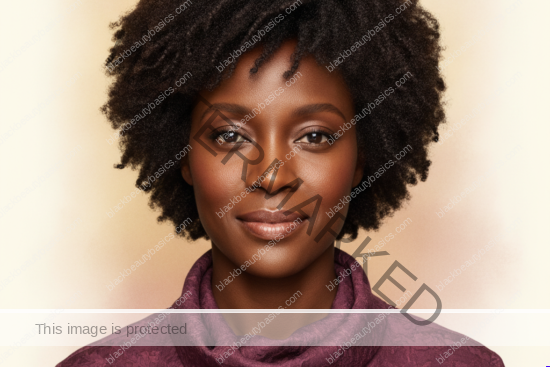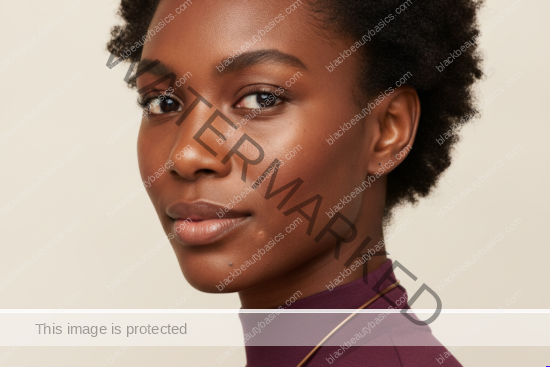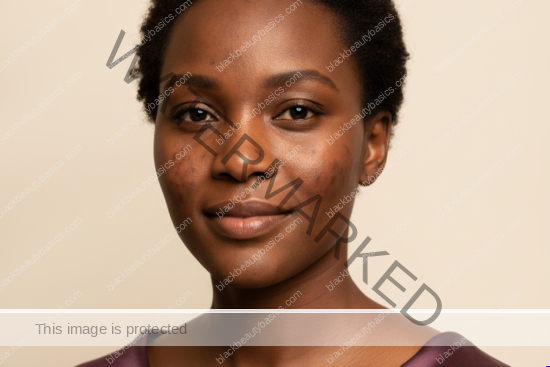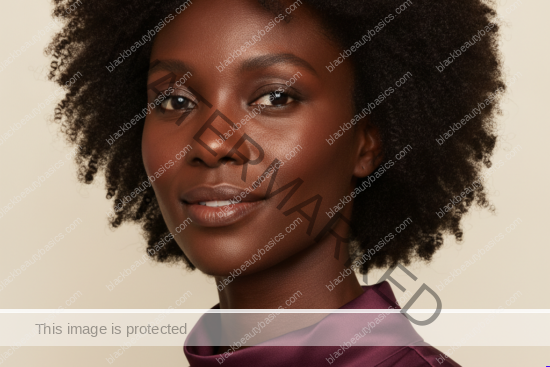
The journey of our skin, particularly for women of color, is a rich tapestry woven with resilience, radiance, and sometimes, the challenging thread of hormonal acne. It’s a deeply personal experience, often misunderstood and rarely discussed with the nuance it deserves within the context of melanin-rich complexions. But today, we peel back the layers, not just to understand the science, but to empower you with knowledge, embrace your skin’s unique story, and cultivate a path to clarity that honors your beauty at every stage.
Unveiling the Hormonal Symphony: Why Our Skin Reacts
Our skin is a magnificent organ, and for Black women, it carries an inherent glow, a protective strength, and a unique cellular memory. However, this same beautiful canvas can be particularly reactive to internal fluctuations, especially those orchestrated by our hormones. Hormonal acne isn’t just a teenage rite of passage; it’s a persistent, often perplexing concern that can manifest differently across our lifespans and even throughout our monthly cycles.
Understanding the “why” behind these breakouts is the first step toward effective management. At its core, hormonal acne is driven by fluctuations in androgens – male hormones like testosterone – which are present in both men and women. When these hormones surge, they can stimulate our sebaceous glands to produce excess oil (sebum). This overproduction, combined with dead skin cells, clogs pores, creating the perfect breeding ground for acne-causing bacteria (P. acnes), leading to inflammation, cysts, and nodules.
For Black skin, this process carries additional considerations. Our melanocytes, the cells responsible for producing melanin, are more active. While this offers natural sun protection, it also means that any inflammation or trauma to the skin, such as from acne, can trigger post-inflammatory hyperpigmentation (PIH) – those stubborn dark spots that linger long after a breakout has healed. This makes early intervention and gentle, targeted treatment paramount.
Beyond androgens, other hormones like estrogen and progesterone also play a role, particularly in the cyclical nature of breakouts. Stress hormones like cortisol can exacerbate the situation, creating a vicious cycle of stress leading to breakouts, and breakouts leading to more stress. The interplay of these internal messengers is a complex dance, but by recognizing its rhythms, we can begin to anticipate and address our skin’s needs with greater precision.
The Endocrine Ensemble: Key Hormones and Their Skin Impact
Let’s delve deeper into the hormonal players that dictate our skin’s fate:
- Androgens (Testosterone, DHEA-S): These are the primary culprits. Elevated levels lead to increased sebum production, larger sebaceous glands, and follicular hyperkeratinization (excessive shedding of skin cells that clog pores). Think of them as the conductors of the oil orchestra.
- Estrogen: Often seen as the skin’s friend, estrogen can improve skin hydration, elasticity, and wound healing. Its levels fluctuate throughout the menstrual cycle, dropping before menstruation, which can allow androgens to exert more influence, leading to pre-period breakouts.
- Progesterone: While generally less directly implicated in acne than androgens, progesterone’s rise in the latter half of the menstrual cycle can sometimes contribute to oiliness and pore congestion in some individuals.
- Insulin & Insulin-like Growth Factor 1 (IGF-1): These hormones are influenced by diet, particularly high glycemic index foods. Elevated levels can stimulate androgen production and sebaceous gland activity, linking diet directly to acne.
- Cortisol (Stress Hormone): Chronic stress elevates cortisol, which can increase inflammation throughout the body, including the skin. It can also indirectly stimulate androgen production, making stress management a crucial component of acne control.
Mapping the Melanin-Rich Canvas: Hormonal Acne Patterns by Age
Hormonal acne isn’t a static condition; it evolves with us. The patterns, triggers, and even the presentation of breakouts can shift dramatically as we move through different life stages. For Black women, understanding these age-specific nuances is vital for effective and preventative care, especially concerning the heightened risk of PIH.
Teenage Years: The First Hormonal Surge (Ages 12-19)
Puberty brings a cascade of hormonal changes, primarily a surge in androgens. For many young Black women, this is the first encounter with significant acne. Breakouts typically appear in the T-zone (forehead, nose, chin), but can extend to the cheeks and jawline. They often present as blackheads, whiteheads, papules, and pustules.
Key Considerations for Dark Skin: The inflammatory nature of teenage acne makes PIH a significant concern. Aggressive picking or harsh treatments can worsen scarring and dark spots. Gentle cleansing, non-comedogenic products, and early intervention are crucial.
Typical Patterns:
- Location: T-zone, sometimes cheeks and jawline.
- Type: Comedones (blackheads, whiteheads), inflammatory papules, pustules.
- Triggers: Pubertal androgen surge, diet (less common as a sole trigger, but can exacerbate), stress.
Young Adulthood: Persistent & Perplexing (Ages 20s-Early 30s)
Acne in young adulthood can be particularly frustrating, often defying the expectation that it “should have cleared up.” This stage frequently sees acne shift from the T-zone to the lower face – jawline, chin, and around the mouth. Breakouts are often deeper, more cystic, and tender. This is a common time for conditions like Polycystic Ovary Syndrome (PCOS) to manifest or be diagnosed, which can significantly impact hormonal balance and acne severity.
Key Considerations for Dark Skin: Cystic and nodular acne is highly inflammatory and almost guarantees PIH on darker skin tones. Scarring, both textural and pigmentary, becomes a major concern. Stress from career, relationships, and life transitions can also play a role.
Typical Patterns:
- Location: Jawline, chin, perioral area, neck.
- Type: Deeper, tender cysts and nodules, inflammatory papules.
- Triggers: Persistent androgen sensitivity, premenstrual flares, stress, PCOS, diet.
Mid-Life & Beyond: Hormonal Shifts and Perimenopause (Ages Late 30s-50s)
Just when you thought you were done with acne, perimenopause can usher in another wave of hormonal fluctuations. Estrogen levels begin to decline erratically, allowing androgens to have a relatively stronger effect. This can lead to new-onset or recurring acne, often mirroring the patterns seen in young adulthood – deep, cystic lesions on the lower face.
Key Considerations for Dark Skin: Skin can become drier and more sensitive during this period, requiring a careful balance of acne treatment with hydration and barrier support. PIH remains a concern, and healing can sometimes be slower. The psychological impact of adult acne can be profound.
Typical Patterns:
- Location: Jawline, chin, neck, sometimes chest/back.
- Type: Cystic, nodular, often persistent.
- Triggers: Declining and fluctuating estrogen, relative androgen dominance, stress, perimenopausal changes.
Age-Specific Hormonal Acne Patterns on Dark Skin
| Age Group | Common Acne Location | Typical Breakout Type | Key Considerations for Dark Skin |
|---|---|---|---|
| Teenage Years (12-19) | T-zone (forehead, nose, chin), sometimes cheeks | Blackheads, whiteheads, papules, pustules | High risk of PIH. Gentle cleansing and non-comedogenic products are vital. Avoid picking. |
| Young Adulthood (20s-Early 30s) | Jawline, chin, perioral area, neck | Deeper, tender cysts and nodules, inflammatory papules | Significant PIH and potential for textural scarring. Consider PCOS screening. Stress management is key. |
| Mid-Life & Beyond (Late 30s-50s) | Jawline, chin, neck, sometimes chest/back | Cystic, nodular, often persistent | Skin may be drier/more sensitive. Focus on barrier support alongside treatment. PIH and psychological impact. |
Shop Skincare for Hormonal Acne on Amazon
The Monthly Rhythm: Hormonal Acne and Your Cycle
Beyond the broader age-related shifts, our monthly menstrual cycle is a powerful, recurring influencer of hormonal acne. For many Black women, breakouts predictably flare up at specific points in their cycle, offering a roadmap to understanding and managing these cyclical eruptions.
Understanding Your Menstrual Cycle and Skin
A typical menstrual cycle is about 28 days, though variations are common. It’s divided into phases, each characterized by different hormone levels:
- Menstrual Phase (Day 1-5): Estrogen and progesterone are at their lowest. Skin might feel dry or dull. Existing inflammation from previous breakouts might be healing.
- Follicular Phase (Day 1-13): Estrogen begins to rise, peaking just before ovulation. This is often the “glow-up” phase – skin tends to be clearer, more hydrated, and resilient.
- Ovulation (Day 14): A surge in Luteinizing Hormone (LH) and Follicle-Stimulating Hormone (FSH), along with a peak in estrogen, triggers the release of an egg. Skin generally looks good.
- Luteal Phase (Day 15-28): Progesterone rises significantly, and estrogen drops after ovulation, then rises again before falling just before menstruation. This is the most common time for hormonal acne flares. The rise in progesterone can stimulate sebum production and cause mild swelling that can trap oil and dead skin cells in pores. As estrogen drops, the relative influence of androgens increases, exacerbating oiliness and inflammation.
Cycle Timing and Breakout Patterns
Most women experience hormonal acne flares in the luteal phase, typically 7-10 days before their period begins. This timing aligns perfectly with the hormonal shifts described above – the rise in progesterone and the subsequent drop in estrogen, allowing androgens to take center stage.
- Pre-Period (Luteal Phase): This is prime time for breakouts. Expect deeper, more painful cysts and nodules, particularly along the jawline, chin, and neck. These are often slow to heal and leave significant PIH.
- During Period (Menstrual Phase): Breakouts might still be active, or new ones might emerge as hormones are at their lowest. Skin can be more sensitive, making harsh treatments counterproductive.
- Post-Period (Follicular Phase): As estrogen rises, skin typically begins to clear. This is an excellent time to focus on healing PIH and maintaining skin barrier health.
Tracking Your Cycle for Skin Clarity
Becoming intimately familiar with your cycle is one of the most empowering steps you can take for managing hormonal acne. Use a period tracking app or a simple calendar to note:
- The start and end dates of your period.
- When breakouts occur, their location, and severity.
- Any other symptoms (mood changes, fatigue, cravings).
Over a few months, you’ll likely identify predictable patterns, allowing you to proactively adjust your skincare routine and lifestyle choices to mitigate flares before they even begin.
Strategic Skincare for Hormonal Acne on Dark Skin
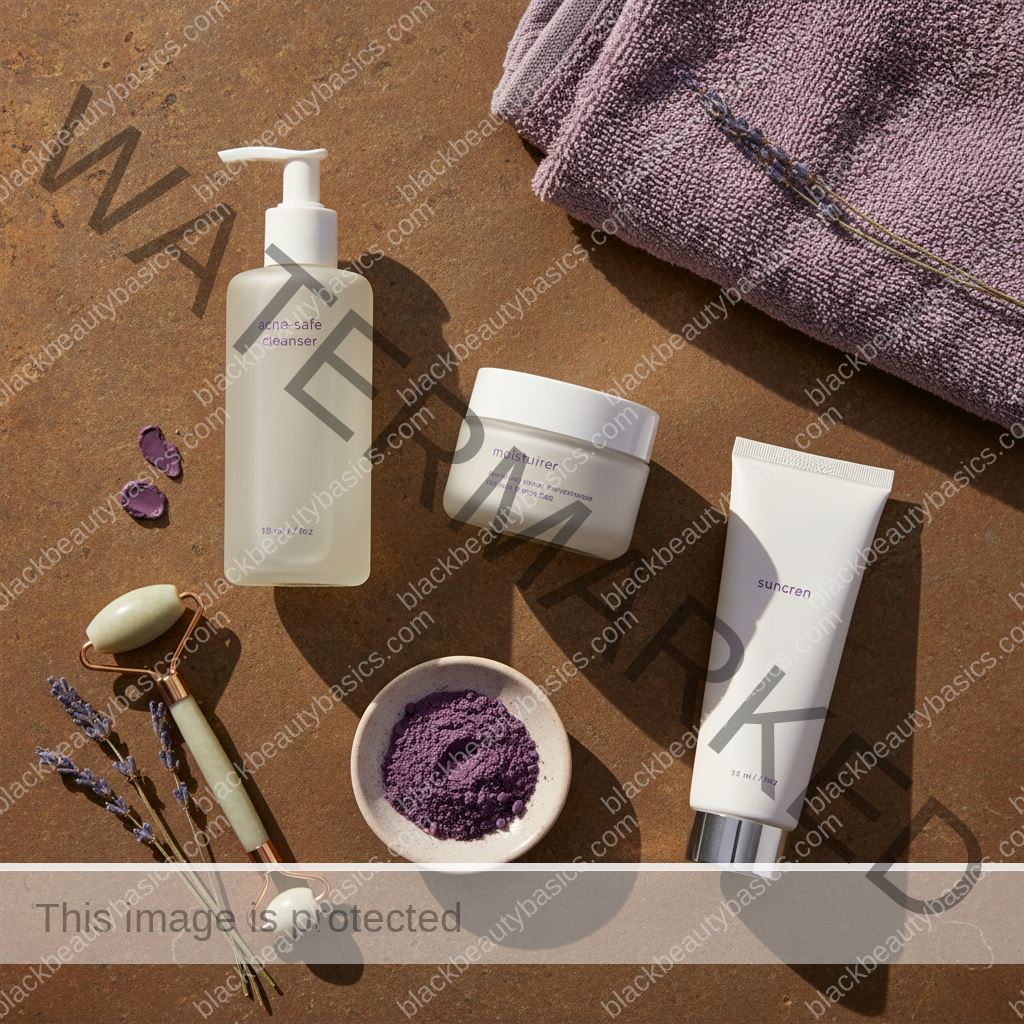
Treating hormonal acne on dark skin requires a delicate balance: powerful enough to address breakouts, yet gentle enough to prevent PIH and preserve the skin barrier. Aggressive treatments can often do more harm than good, leading to prolonged discoloration.
Core Principles for Melanin-Rich Skin
- Gentle Cleansing: Avoid harsh, stripping cleansers that compromise the skin barrier. Opt for sulfate-free, pH-balanced formulas.
- Targeted Actives: Incorporate ingredients that address acne without excessive irritation.
- Hydration & Barrier Support: Healthy skin is resilient skin. Maintain hydration to prevent dryness and irritation, which can worsen PIH.
- Sun Protection: Non-negotiable! Sun exposure darkens existing PIH and can trigger new spots. Use a broad-spectrum SPF 30+ daily.
- Patience & Consistency: Results take time. Stick to a routine for at least 6-8 weeks before evaluating its effectiveness.
Key Skincare Ingredients and How to Use Them
- Salicylic Acid (BHA): A lipid-soluble exfoliant that penetrates oil to unclog pores. Excellent for blackheads, whiteheads, and mild inflammatory acne. Use as a cleanser, toner, or serum. Shop Salicylic Acid Cleansers on Amazon
- Benzoyl Peroxide: Kills acne-causing bacteria and helps shed dead skin cells. Start with a lower concentration (2.5-5%) to minimize irritation, which can lead to PIH. Use as a spot treatment or short-contact therapy. Shop Benzoyl Peroxide Spot Treatments on Amazon
- Retinoids (Tretinoin, Adapalene, Retinol): These are superstars for acne and PIH. They increase cell turnover, prevent clogged pores, and improve skin texture and tone. Adapalene (Differin) is often well-tolerated on darker skin. Start slowly (2-3 times a week) to build tolerance. Shop Adapalene Gel on Amazon
- Niacinamide (Vitamin B3): A powerhouse ingredient that reduces inflammation, minimizes pore appearance, improves skin barrier function, and helps fade PIH. Incorporate as a serum. Shop Niacinamide Serums on Amazon
- Azelaic Acid: An excellent choice for dark skin. It has antibacterial, anti-inflammatory, and gentle exfoliating properties, and is particularly effective at reducing PIH. Available over-the-counter and by prescription. Shop Azelaic Acid Serums on Amazon
- Alpha Arbutin / Tranexamic Acid / Vitamin C: These ingredients are not direct acne treatments but are crucial for fading PIH and brightening overall skin tone. Introduce them once active breakouts are under control. Shop Alpha Arbutin Serums on Amazon
Skincare Routine for Hormonal Acne (Morning & Evening)
| Step | Morning Routine | Evening Routine |
|---|---|---|
| 1. Cleanse | Gentle, hydrating cleanser. | Gentle, hydrating cleanser (double cleanse if wearing makeup/SPF). |
| 2. Treat (Targeted) | Niacinamide serum OR Azelaic Acid serum. | Retinoid (2-3x/week, increasing frequency as tolerated) OR Salicylic Acid/Benzoyl Peroxide (spot treat). |
| 3. Hydrate | Lightweight, non-comedogenic moisturizer. | Rich, non-comedogenic moisturizer. |
| 4. Protect | Broad-spectrum SPF 30+ (mineral or chemical, whichever you prefer and leaves no white cast). | N/A |
| Optional Boost | Vitamin C serum for antioxidant protection and brightening. | Hydrating serum (Hyaluronic Acid) if skin feels dry. |
Shop Non-Comedogenic Moisturizers on Amazon
Beyond the Topical: Holistic Approaches to Hormonal Balance
While topical skincare is essential, true management of hormonal acne, especially on dark skin, often requires a holistic approach that addresses internal factors. Our bodies are interconnected, and what we put in, how we live, and how we manage stress profoundly impacts our skin.
Dietary Considerations
While diet isn’t a direct cause of hormonal acne for everyone, certain foods can exacerbate it by influencing insulin and androgen levels. Consider an elimination diet to identify potential triggers, but generally, focus on:
- Low Glycemic Index Foods: Reduce refined sugars, white bread, and processed foods. Opt for whole grains, fruits, and vegetables.
- Omega-3 Fatty Acids: Found in fatty fish (salmon, mackerel), flaxseeds, and walnuts, these have anti-inflammatory properties. Shop Omega-3 Supplements on Amazon
- Probiotics: A healthy gut microbiome can positively influence skin health and reduce inflammation. Shop Probiotic Supplements on Amazon
- Spearmint Tea: Some studies suggest spearmint tea has anti-androgenic effects and can help reduce hormonal acne.
Lifestyle Adjustments
- Stress Management: Chronic stress elevates cortisol, which can worsen acne. Incorporate stress-reducing practices like meditation, yoga, deep breathing, or spending time in nature.
- Adequate Sleep: Aim for 7-9 hours of quality sleep per night. Sleep deprivation can disrupt hormone balance and increase inflammation.
- Regular Exercise: Physical activity can help regulate hormones, reduce stress, and improve circulation, benefiting skin health.
- Hydration: Drink plenty of water throughout the day to support overall bodily functions, including skin health.
When to Seek Professional Help
Sometimes, topical treatments and lifestyle changes aren’t enough. If your hormonal acne is severe, painful, persistent, or significantly impacting your quality of life, it’s time to consult a dermatologist. They can offer advanced treatments:
- Prescription Topical Medications: Stronger retinoids, antibiotics, or dapsone.
- Oral Medications:
- Oral Antibiotics: To reduce bacteria and inflammation (usually for short-term use).
- Spironolactone: An anti-androgen medication that can be highly effective for hormonal acne, especially on the jawline and chin.
- Oral Contraceptives: Certain birth control pills can regulate hormones and reduce androgen levels, leading to clearer skin.
- Isotretinoin (Accutane): A powerful retinoid reserved for severe, recalcitrant acne, including cystic forms.
- In-Office Procedures: Chemical peels, laser treatments, or extractions can complement your routine, especially for PIH and textural scarring.
A dermatologist experienced with dark skin will be able to recommend treatments that are effective while minimizing the risk of PIH and scarring.
Pattern tracking should inform care, not create obsession
Hormonal-pattern acne often shows up around the chin, jaw, lower cheeks, and neck, but timing matters as much as location. Breakouts that flare predictably before a period, during high-stress weeks, after sleep disruption, or during life-stage shifts can point toward a pattern worth observing. That does not mean you can diagnose your hormones from a mirror. It means your skin may be giving you useful information.
On richly melanated skin, the aftermath can feel louder than the breakout. A bump that lasts a week may leave a mark that stays visible for months. That is why the routine has to reduce inflammation without creating new irritation. Harsh scrubs, random acids, or constant product switching can turn one pattern into several problems.
The goal is to log enough to notice trends: timing, location, tenderness, product changes, cycle timing, stress, and sleep. Bring that information to a dermatologist if acne is painful, cystic, scarring, or not improving. A pattern log can make professional care more precise.
What to track gently
- Location of breakouts without judging your face.
- Cycle timing, stress, sleep, and new products.
- Tenderness, cyst-like bumps, or repeated marks.
- When to pause home experiments and seek professional support.
What to do next
Keep this guide connected to the rest of the Acne & Sensitive Skin in Black Women series. Acne care on deep skin works best when the routine considers triggers, active ingredients, sensitive skin, and the dark marks that can follow inflammation.
- forehead acne from hair products and sweat
- chin and jaw acne on dark skin
- patch test acne products on Black skin
Frequently Asked Questions About Hormonal Acne on Dark Skin
Q1: Why is hormonal acne worse for Black women in terms of PIH?
A1: Melanin-rich skin has more active melanocytes, the cells that produce pigment. Any inflammation, trauma, or irritation to the skin, such as from an acne lesion, can trigger these melanocytes to overproduce melanin, leading to dark spots (post-inflammatory hyperpigmentation or PIH) that can linger for months or even years. This makes gentle, effective treatment and sun protection even more critical for Black women.
Q2: Can diet really impact my hormonal acne? What should I avoid?
A2: While diet is not the sole cause, certain foods can exacerbate hormonal acne for some individuals. High glycemic index foods (refined sugars, white bread, processed snacks) can spike insulin, which in turn can increase androgen activity and sebum production. Dairy products are also a common trigger for some. Focus on a whole-foods diet rich in fruits, vegetables, lean proteins, and healthy fats. Consider an elimination diet under guidance to identify your personal triggers.
Q3: What’s the best way to fade existing dark spots (PIH) from hormonal acne?
A3: Fading PIH requires patience and a multi-pronged approach. Key ingredients include Niacinamide, Azelaic Acid, Alpha Arbutin, Tranexamic Acid, and Vitamin C. Retinoids (like Adapalene or Tretinoin) are also excellent for accelerating cell turnover and improving overall skin tone. Consistent daily use of broad-spectrum SPF 30+ is non-negotiable, as UV exposure will darken PIH and prevent healing. Chemical peels or laser treatments performed by a dermatologist experienced with dark skin can also be very effective.
Q4: Is it safe to use retinoids on dark skin, especially with PIH concerns?
A4: Yes, retinoids are generally safe and highly effective for dark skin, both for treating acne and improving PIH. However, it’s crucial to introduce them slowly (e.g., 2-3 times a week) and gradually increase frequency as your skin builds tolerance to minimize irritation, which could otherwise worsen PIH. Adapalene (Differin) is often a good starting point as it tends to be less irritating than Tretinoin. Always pair retinoid use with a good moisturizer and daily SPF.
Q5: How can I tell if my acne is hormonal versus just regular acne?
A5: Hormonal acne often presents with specific characteristics: it typically appears on the lower face (jawline, chin, around the mouth, neck), consists of deeper, more painful cysts and nodules rather than superficial pustules, and tends to flare up predictably around your menstrual cycle (especially in the week leading up to your period). If your acne fits these patterns, it’s highly likely to be hormonal.
Q6: What role do birth control pills play in treating hormonal acne?
A6: Certain types of oral contraceptive pills (OCPs) are FDA-approved for treating acne. They work by regulating hormone levels, specifically by reducing the amount of free testosterone in the body, which in turn decreases sebum production. Not all OCPs are the same, so it’s essential to discuss options with your gynecologist or dermatologist to find one that is suitable for you and specifically targets acne.
Q7: Can stress really cause hormonal acne?
A7: Yes, stress can significantly contribute to hormonal acne. When you’re stressed, your body releases cortisol, a stress hormone. Elevated cortisol levels can indirectly stimulate the sebaceous glands to produce more oil and can also increase inflammation throughout the body, including the skin. This creates a more favorable environment for acne breakouts. Managing stress through practices like meditation, exercise, and adequate sleep is a vital part of a holistic acne treatment plan.
Embracing the complexities of hormonal acne on dark skin is a journey of self-discovery, resilience, and ultimately, triumph. By understanding your body’s unique rhythms, arming yourself with targeted knowledge, and committing to a holistic approach, you are not just treating breakouts – you are honoring your skin’s inherent beauty and reclaiming your radiant confidence. Remember, your skin tells a story, and with every step toward clarity, you write a chapter of empowerment and grace.
Related next steps
Related posts:
 Hormonal-Pattern Acne on Melanin-Rich Skin: Jawline, Chin, and Cycle-Linked Flares
 Acne and Stress on Black Women: Routine Timing and Flare Awareness
 Chin and Jaw Acne on Dark Skin: How to Think Through Common Patterns
 Fungal-Like Acne Patterns on Forehead, Chest, and Back in Dark Skin
 How to Observe and Log Your Acne Patterns on Dark Skin
 Menopause Hyperpigmentation: Age Spots & Melasma on Dark Skin