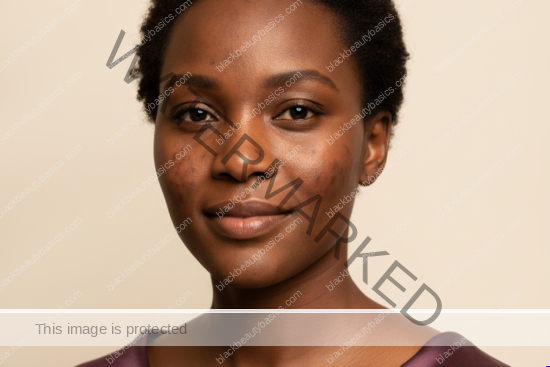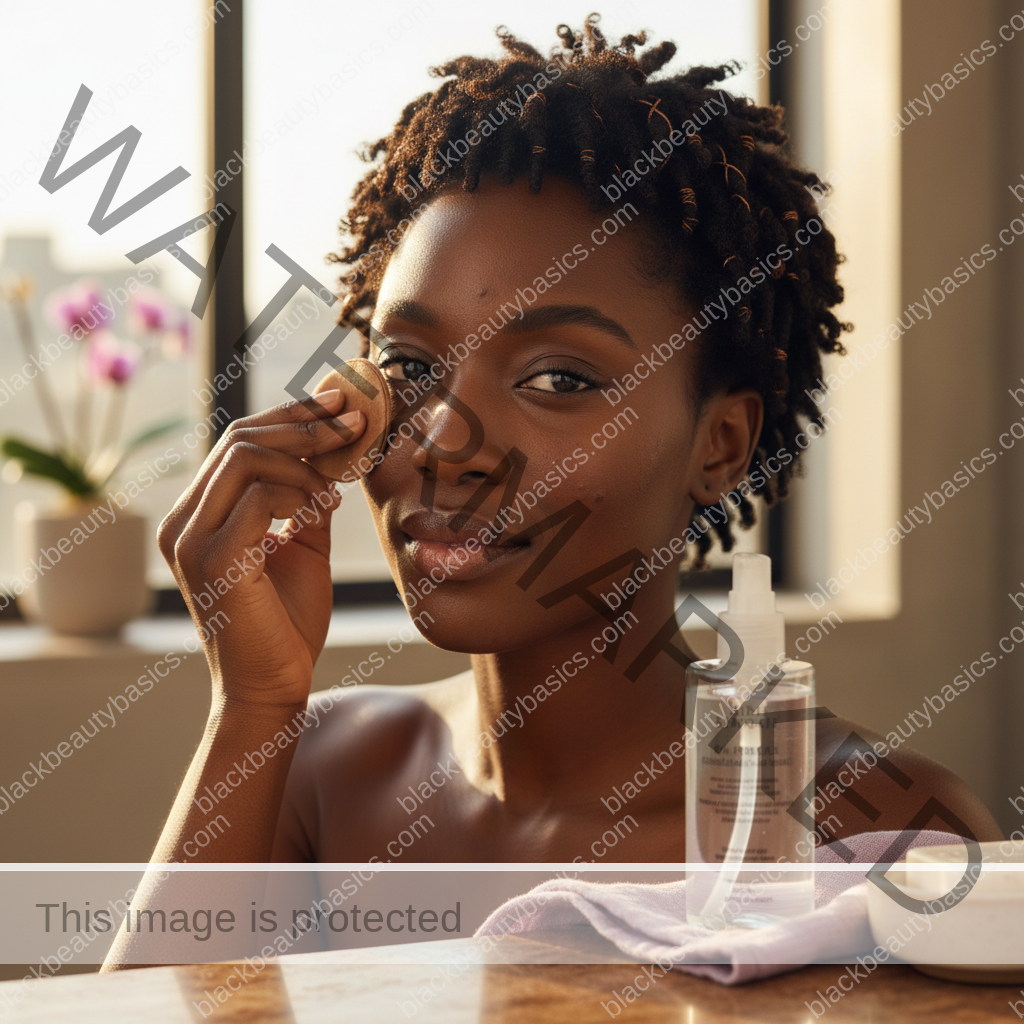
For the woman of color, our skin tells a story of resilience, radiance, and undeniable beauty. Yet, even the most luminous complexions can face the challenge of breakouts, especially when coupled with the desire to adorn ourselves with exquisite makeup. The ritual of removing makeup, far from being a mere chore, becomes a sacred act of preservation—a vital step in safeguarding our melanin-rich skin from the very blemishes we seek to conceal.
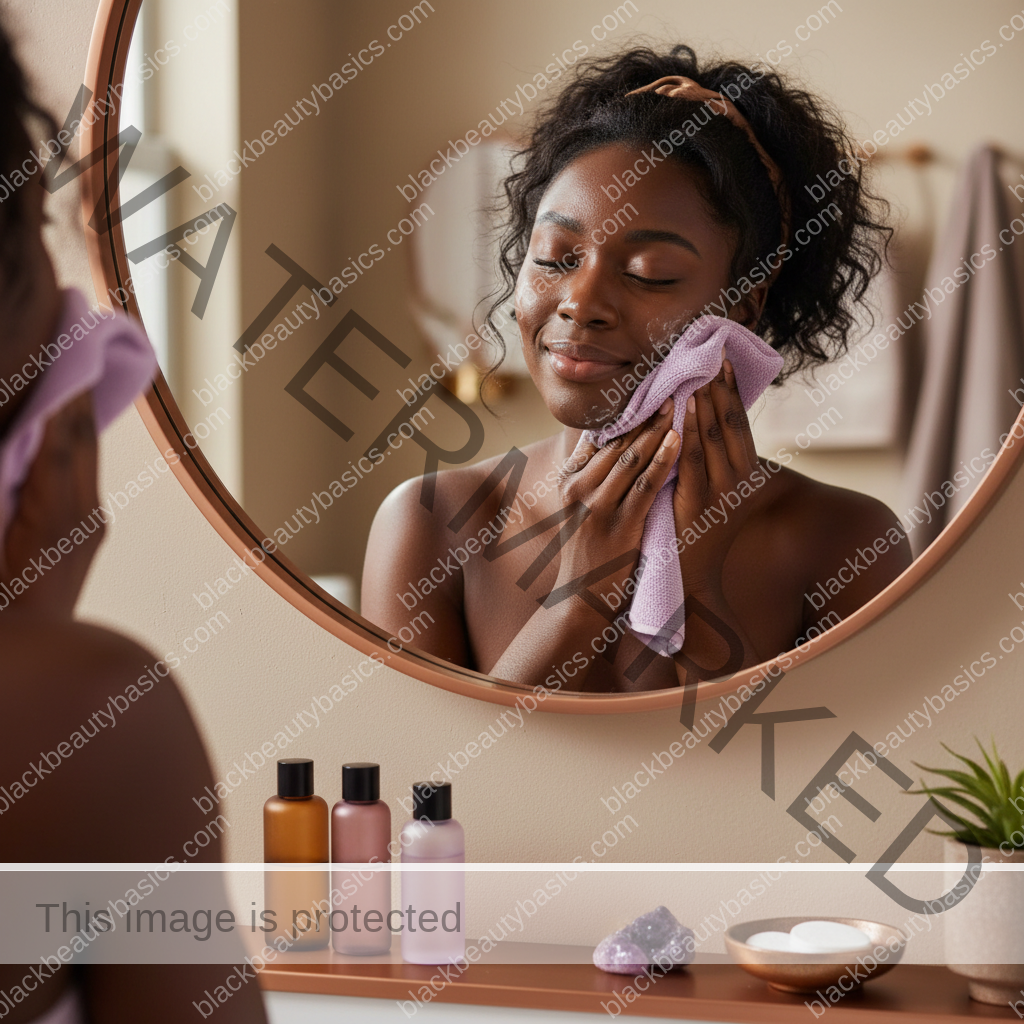
This comprehensive guide is crafted for you, the discerning woman who understands that true elegance begins with healthy, clear skin. We delve into the nuanced art of makeup removal for breakout-prone skin, ensuring your nightly routine is not just effective, but also a luxurious, empowering embrace of your natural glow.
The Delicate Balance: Understanding Breakout-Prone Skin and Makeup
Our skin, particularly for women of color, possesses unique characteristics that influence how it responds to products and environmental factors. Melanin-rich skin, while often more resilient to sun damage, can be prone to post-inflammatory hyperpigmentation (PIH) after breakouts, leaving behind stubborn dark spots that can linger for months. This makes preventing breakouts not just about clear skin, but about maintaining an even, radiant complexion.
When you have breakout-prone skin, every product you apply, and crucially, every product you remove, plays a role in your skin’s health. Makeup, while transformative, can become a breeding ground for bacteria, clog pores, and exacerbate inflammation if not removed meticulously. The challenge lies in finding a removal method that is powerful enough to dissolve stubborn makeup, yet gentle enough to respect your skin’s delicate barrier and avoid triggering new blemishes.
Why Traditional Makeup Removal Can Fall Short for Breakout-Prone Skin
Many conventional makeup removers, or even just a quick wash with face wash, simply don’t cut it for breakout-prone skin. Here’s why:
- Incomplete Removal: Residual makeup, especially foundation, concealer, and SPF, can settle into pores, leading to blockages and the perfect environment for acne-causing bacteria.
- Harsh Ingredients: Some removers contain alcohol, strong fragrances, or irritating surfactants that strip the skin’s natural oils, leading to dryness, irritation, and a compromised skin barrier. This can paradoxically trigger more oil production and breakouts.
- Excessive Rubbing: Aggressive scrubbing with cotton pads or cloths can irritate inflamed skin, spread bacteria, and worsen existing breakouts, potentially leading to more PIH.
- pH Imbalance: Products that disrupt the skin’s natural pH can weaken its protective acid mantle, making it more susceptible to bacterial invasion.
For us, the goal is not just to clean, but to purify, soothe, and prepare our skin for its nightly repair cycle, all while preserving our precious melanin and preventing unwanted discoloration.
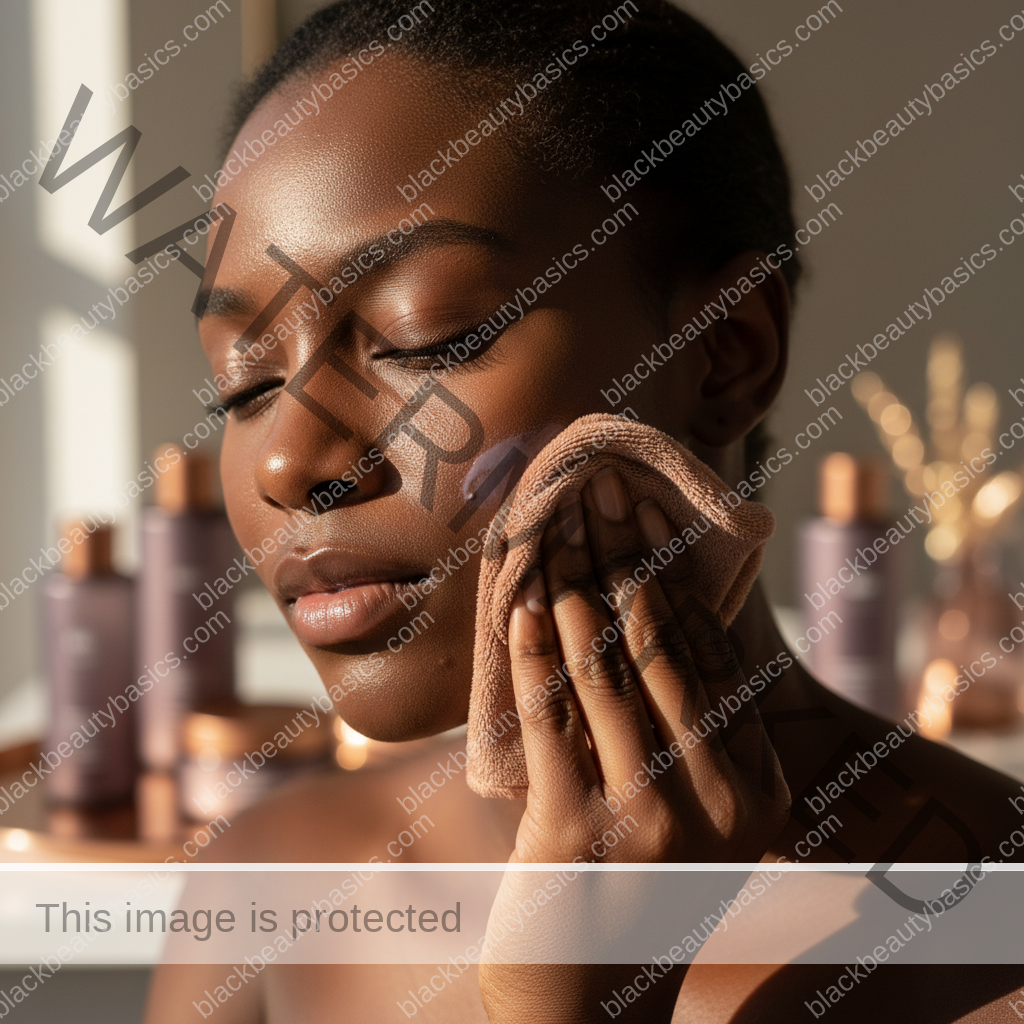
The Double Cleanse: Your Foundation for Flawless Skin
The cornerstone of effective makeup removal for breakout-prone skin, particularly for women of color, is the double cleanse. Originating from Korean beauty traditions, this method has become a global standard for its unparalleled ability to thoroughly cleanse the skin without stripping it. It’s a two-step process that addresses different types of impurities, ensuring nothing is left behind to clog pores or irritate your complexion.
Step 1: The Oil-Based Cleanser – Dissolving the Day Away
The first step in the double cleanse utilizes an oil-based cleanser. This might seem counterintuitive for oily or breakout-prone skin, but it’s pure genius. The principle is “like dissolves like.” Oil-based cleansers (whether cleansing oils, balms, or milks) are incredibly effective at breaking down oil-soluble impurities:
- Makeup: Foundation, waterproof mascara, long-wear lipstick, and even heavy stage makeup.
- SPF: Mineral and chemical sunscreens, which are often formulated to be water-resistant and adhere tightly to the skin.
- Sebum: Excess oil produced by your skin throughout the day.
- Environmental Pollutants: Grime and particulate matter that accumulate on the skin.
These cleansers work by emulsifying these impurities, making them easy to rinse away without harsh scrubbing. For melanin-rich skin, this gentle approach is crucial for preventing irritation and subsequent hyperpigmentation.
Choosing Your Oil-Based Cleanser: A Guide for Breakout-Prone Skin
When selecting an oil-based cleanser, look for formulations that are non-comedogenic (won’t clog pores) and free from irritating fragrances or essential oils that can trigger sensitivity. Here are some excellent choices:
- Cleansing Oils: Lightweight and easy to spread, they emulsify beautifully with water. Look for formulas with ingredients like jojoba oil, sunflower oil, or squalane.
- Cleansing Balms: A solid form of cleansing oil that melts into a luxurious oil upon contact with skin. Often richer and more nourishing, they can be particularly soothing.
- Micellar Water (Oil-Infused): While traditional micellar water is water-based, oil-infused versions offer a gentle, no-rinse option for lighter makeup days or as a first step. However, for full makeup removal, a dedicated oil cleanser is usually more effective.
Ingredients to Seek:
- Jojoba Oil: Mimics the skin’s natural sebum, making it excellent for balancing oily skin.
- Sunflower Seed Oil: Rich in linoleic acid, which can be beneficial for acne-prone skin.
- Squalane: A non-comedogenic emollient that hydrates and soothes.
- Polysorbate 80 or PEG-20 Glyceryl Triisostearate: Emulsifiers that ensure the oil rinses cleanly without leaving a residue.
Ingredients to Avoid (if sensitive or breakout-prone):
- Coconut Oil: Highly comedogenic for many, though some can tolerate it.
- Mineral Oil: While often non-comedogenic, some prefer plant-based alternatives.
- Heavy Fragrances/Essential Oils: Can be irritating and trigger breakouts.
Shop Cleansing Balms on Amazon
Step 2: The Water-Based Cleanser – Purifying and Refreshing
After the oil-based cleanser has done its work, the second step involves a gentle, water-based cleanser. This step removes any remaining traces of the oil cleanser, dissolved makeup, and water-soluble impurities like sweat, dirt, and dead skin cells. It ensures your skin is impeccably clean, creating a pristine canvas for your subsequent skincare treatments.
Choosing Your Water-Based Cleanser: The Gentle Touch
For breakout-prone skin, the key here is gentleness. Avoid harsh foaming cleansers that leave your skin feeling “squeaky clean”—this often means they’ve stripped your skin’s natural barrier. Instead, opt for mild, pH-balanced formulas that cleanse effectively without causing dryness or irritation.
- Gel Cleansers: Often lightweight and refreshing, they can be excellent for oily and combination skin.
- Foaming Cleansers (Gentle): Look for “low-foam” or “cream-to-foam” formulas that don’t contain harsh sulfates (like SLS).
- Cream Cleansers: More hydrating and soothing, ideal for skin that leans dry or is easily irritated, even if breakout-prone.
Ingredients to Seek:
- Salicylic Acid (BHA): A superstar ingredient for acne-prone skin. It’s oil-soluble, meaning it can penetrate pores to dissolve sebum and dead skin cells, preventing breakouts. Look for concentrations around 0.5-2%.
- Glycolic Acid (AHA): A water-soluble exfoliant that helps shed dead skin cells from the surface, improving texture and brightness. Use with caution if your skin is very sensitive or inflamed.
- Niacinamide (Vitamin B3): Anti-inflammatory, helps reduce redness, regulate oil production, and strengthen the skin barrier.
- Ceramides: Essential lipids that help restore and maintain the skin’s barrier function.
- Hyaluronic Acid: Provides hydration without clogging pores.
- Glycerin: A humectant that draws moisture into the skin.
Ingredients to Avoid:
- Sodium Lauryl Sulfate (SLS) / Sodium Laureth Sulfate (SLES): Common harsh sulfates that can strip the skin.
- Strong Fragrances/Dyes: Potential irritants.
- Physical Scrubs with Large, Irregular Particles: Can cause micro-tears and spread bacteria.
Shop Water-Based Cleansers on Amazon
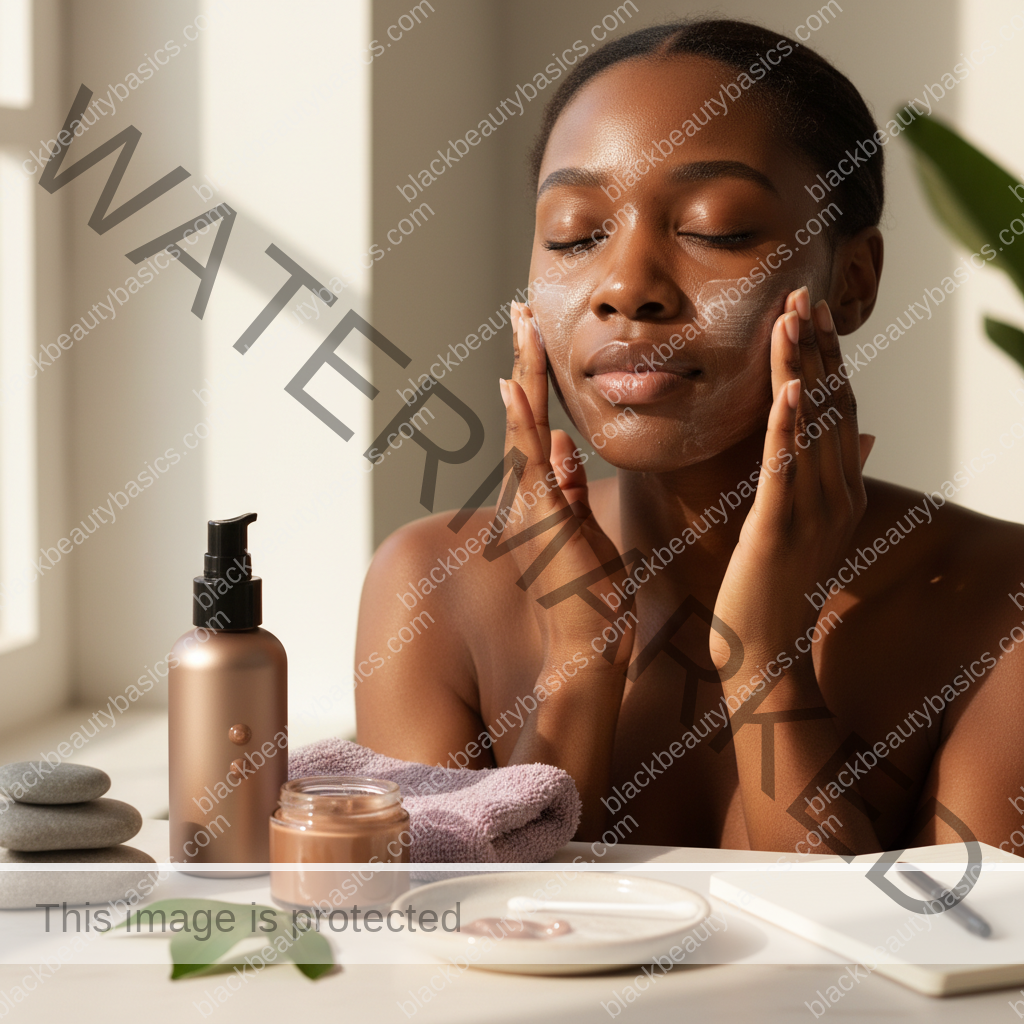
The Art of Application: How to Double Cleanse Effectively
The technique of application is just as important as the products themselves. Gentle, deliberate movements are key to preventing irritation and ensuring thorough cleansing.
Step-by-Step Guide to the Perfect Double Cleanse
- Start with Dry Hands and Face (for oil cleanser/balm): Dispense a generous amount of your oil cleanser or balm into your dry palms.
- Massage Gently: Apply the oil cleanser to your dry face. Using circular motions, gently massage it over your entire face, including eyes and lips, for 60 seconds. Feel the makeup melt away. Be extra gentle around the delicate eye area.
- Emulsify: Wet your hands with a little warm water and continue to massage your face. The oil cleanser will emulsify, turning into a milky texture. This is crucial for it to rinse cleanly.
- Rinse Thoroughly: Rinse your face with lukewarm water until all traces of the oil cleanser are gone. You can use a clean, soft washcloth (dedicated solely for your face) to gently aid in removal, but avoid scrubbing.
- Follow with Water-Based Cleanser: Dispense your chosen water-based cleanser into your wet hands.
- Lather and Cleanse: Gently massage the cleanser onto your damp face for another 60 seconds, focusing on areas prone to breakouts.
- Rinse and Pat Dry: Rinse thoroughly with lukewarm water. Gently pat your face dry with a clean, soft towel. Avoid rubbing.
Essential Tools for Makeup Removal
While your hands are often the best tools, a few additions can enhance your makeup removal ritual:
- Soft Microfiber Cloths: Far gentler than traditional terry cloth, these can help remove makeup and cleanser residue without irritation. Ensure they are clean for each use. Shop Microfiber Face Cloths on Amazon
- Cotton Pads/Swabs: Useful for targeted removal of eye makeup or lipstick, especially when using micellar water or a dedicated eye makeup remover. Opt for organic, unbleached cotton. Shop Organic Cotton Pads on Amazon
- Silicone Face Cleansing Devices: Some women find these helpful for a deeper clean and gentle exfoliation. Choose one with soft, non-abrasive bristles and use it sparingly, especially if your skin is inflamed. Shop Silicone Face Cleansing Devices on Amazon
Beyond the Double Cleanse: Targeted Solutions and Best Practices
While the double cleanse forms the backbone of your routine, there are additional considerations and products that can further refine your approach to makeup removal when you’re breakout-prone.
Special Considerations for Eye Makeup
The skin around our eyes is incredibly delicate and prone to milia (small white bumps) if makeup is not removed properly. Waterproof mascara and eyeliner require a bit more attention.
- Biphasic Eye Makeup Removers: These removers contain both oil and water phases, which you shake to combine. The oil phase dissolves stubborn waterproof makeup, while the water phase lifts it away without harsh rubbing. Shop Biphasic Eye Makeup Removers on Amazon
- Application Technique: Soak a cotton pad with the remover, gently press it onto your closed eyelid for 10-20 seconds to allow the product to dissolve the makeup, then gently swipe downwards. Avoid rubbing back and forth.
The Role of Toners and Treatments Post-Cleanse
After cleansing, your skin is primed to receive treatments. This is where you can further address breakout concerns.
- Exfoliating Toners: A toner with a low concentration of AHAs (glycolic, lactic) or BHAs (salicylic acid) can help remove any lingering dead skin cells and keep pores clear. Introduce these slowly, 2-3 times a week, to avoid over-exfoliation. Shop Exfoliating Toners on Amazon
- Hydrating Toners: For sensitive or easily irritated skin, a hydrating toner with ingredients like hyaluronic acid, ceramides, or rose water can soothe and prepare the skin for serums. Shop Hydrating Toners on Amazon
- Serums: Follow with targeted serums for acne (e.g., niacinamide, benzoyl peroxide, retinoids) or hyperpigmentation (e.g., Vitamin C, alpha arbutin), as prescribed by your dermatologist or based on your skin’s needs. Shop Acne Treatment Serums on Amazon
Makeup Wipes: Friend or Foe?
Makeup wipes are often convenient, but for breakout-prone skin, they are generally a foe. They rarely remove makeup thoroughly, often contain irritating ingredients, and require excessive rubbing, which can lead to irritation and breakouts. Consider them a last resort for emergencies, never a replacement for a proper cleanse.
Shop Gentle Makeup Wipes on Amazon (for emergencies only)
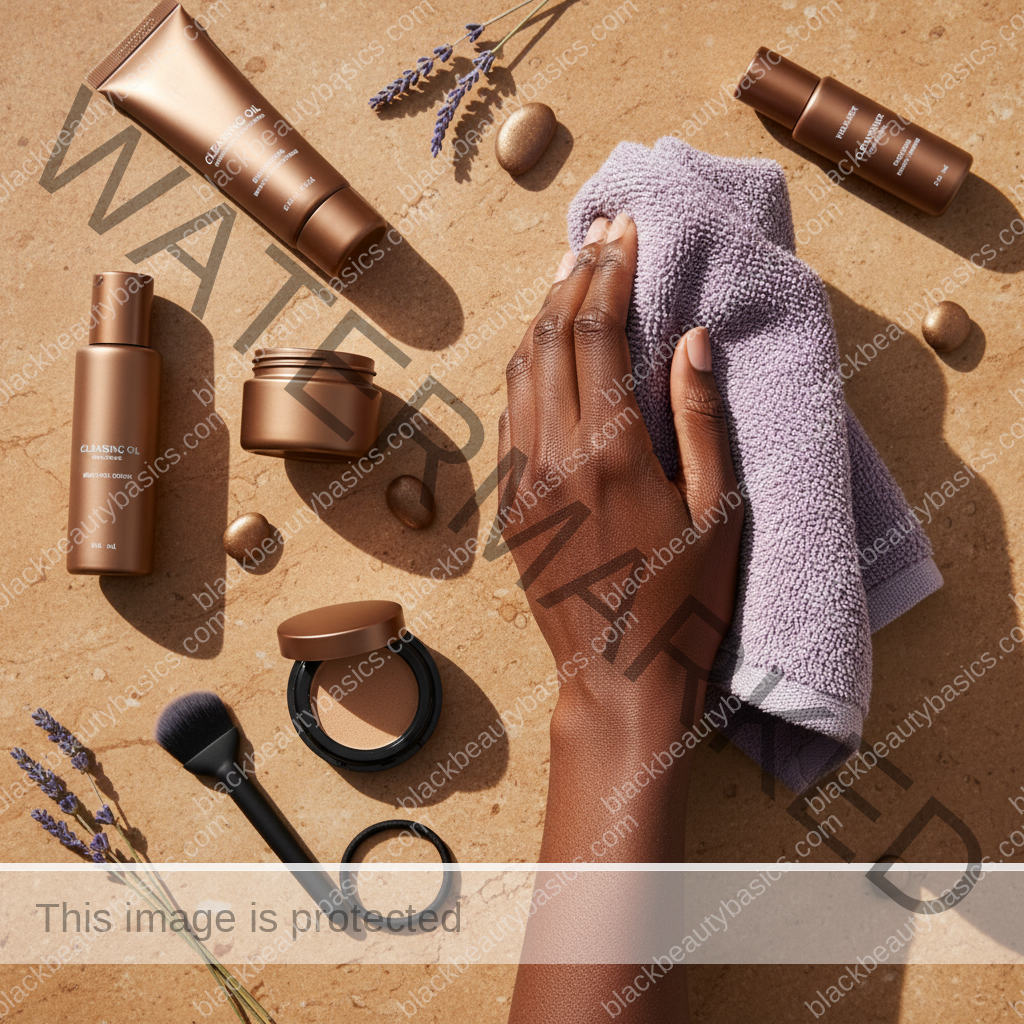
Comparison: Makeup Removal Methods for Breakout-Prone Skin
To help you navigate the myriad of options, here’s a comparison of common makeup removal methods and their suitability for breakout-prone skin.
Table 1: Makeup Removal Methods at a Glance
| Method | Pros for Breakout-Prone Skin | Cons for Breakout-Prone Skin | Best For |
|---|---|---|---|
| Double Cleansing (Oil + Water) | Thoroughly removes all makeup/SPF without stripping; gentle; prevents clogged pores; allows for targeted treatment. | Requires two steps, more time. | Daily full makeup removal; all levels of makeup. |
| Micellar Water (Traditional) | Gentle, no-rinse, good for sensitive skin; removes light makeup. | May not fully remove heavy/waterproof makeup or SPF; leaves residue if not rinsed; requires cotton pads. | Light makeup days; quick refresh; pre-cleanse for very light makeup. |
| Cleansing Balms/Oils (Single Step) | Excellent for dissolving heavy/waterproof makeup; often nourishing; less rubbing. | May leave a slight film if not rinsed thoroughly; some may still prefer a second cleanse for a “clean” feel. | Heavy makeup days; dry/sensitive breakout-prone skin. |
| Makeup Wipes | Convenient, portable. | Ineffective at thorough removal; often contain irritants; requires rubbing; leaves residue; can spread bacteria. | Emergency only; never a daily solution. |
| Foaming Cleansers (Single Step) | Quick, refreshing. | Often too harsh; can strip skin, leading to increased oil production and irritation; may not fully remove makeup. | No makeup days; as a second cleanse only if very gentle. |
Table 2: Key Ingredients for Breakout-Prone Skin in Cleansers
| Ingredient | Benefit for Breakout-Prone Skin | Found In | Notes for Melanin-Rich Skin |
|---|---|---|---|
| Salicylic Acid (BHA) | Exfoliates inside pores; anti-inflammatory; dissolves oil; prevents blackheads/whiteheads. | Water-based cleansers, toners. | Excellent for PIH prevention; use consistently but gently. |
| Niacinamide (Vitamin B3) | Reduces inflammation/redness; regulates oil production; strengthens skin barrier; fades PIH. | Water-based cleansers, serums, toners. | Highly beneficial for evening skin tone and reducing post-acne marks. |
| Jojoba Oil | Mimics skin’s sebum; non-comedogenic; balances oil production; gentle. | Oil cleansers, balms. | Soothes and cleanses without stripping; good for all skin types. |
| Squalane | Non-comedogenic emollient; hydrates; soothes; strengthens barrier. | Oil cleansers, balms. | Provides hydration without heaviness; reduces irritation. |
| Glycerin / Hyaluronic Acid | Humectants; draw moisture to skin; hydrate without clogging pores. | Water-based cleansers, toners. | Maintains hydration, crucial for preventing barrier damage and irritation. |
| Ceramides | Strengthens skin barrier; prevents moisture loss; reduces sensitivity. | Water-based cleansers, moisturizers. | Repairs and protects, making skin less reactive to breakouts. |
Maintaining Skin Health: Beyond Makeup Removal
While impeccable makeup removal is paramount, it’s part of a larger ecosystem of skin health. For breakout-prone melanin-rich skin, a holistic approach yields the best results.
Daily Rituals for Clearer Skin
- Cleanse Twice Daily: Double cleanse at night to remove makeup and impurities. In the morning, a gentle water-based cleanse is usually sufficient.
- Moisturize Religiously: Even oily skin needs hydration. Choose a lightweight, non-comedogenic moisturizer to support your skin barrier. Dehydrated skin can produce more oil, leading to breakouts. Shop Non-Comedogenic Moisturizers on Amazon
- Sun Protection is Non-Negotiable: SPF 30 or higher, every single day, rain or shine. This is crucial for preventing post-inflammatory hyperpigmentation (PIH) from darkening and lingering. Look for mineral-based sunscreens with zinc oxide or titanium dioxide that don’t leave a white cast on darker skin tones. Shop No White Cast Mineral Sunscreens on Amazon
- Change Pillowcases Frequently: At least once a week, ideally more often. Pillowcases accumulate oil, dirt, and bacteria, which can transfer to your skin.
- Clean Your Makeup Brushes: Weekly cleaning of brushes and sponges prevents the transfer of bacteria and old makeup to your face. Shop Makeup Brush Cleaners on Amazon
- Hands Off: Avoid touching, picking, or popping breakouts. This can spread bacteria, worsen inflammation, and lead to scarring and PIH.
- Mindful Makeup Choices: Opt for non-comedogenic, oil-free, and mineral-based makeup when possible.
When to Seek Professional Guidance
If you’re consistently struggling with breakouts despite a diligent skincare routine, it’s wise to consult a dermatologist, especially one experienced with melanin-rich skin. They can offer personalized advice, prescription treatments, and in-office procedures that can make a significant difference.
FAQ: Your Questions Answered
Q1: Can I use just micellar water to remove makeup if I have breakout-prone skin?
A: While micellar water is gentle and can remove light makeup, it’s generally not sufficient for thorough makeup removal, especially if you wear foundation, waterproof mascara, or SPF. It often leaves a residue that can clog pores, and it doesn’t effectively break down oil-based impurities. For breakout-prone skin, it’s best used as a quick refresh, or as a first step followed by a proper water-based cleanser, but ideally, a full double cleanse is recommended for complete removal.
Q2: How often should I double cleanse if I don’t wear a lot of makeup?
A: If you wear any makeup (even just tinted moisturizer or mascara) or SPF, a double cleanse every evening is highly recommended. Even without makeup, your skin accumulates sebum, dirt, and environmental pollutants throughout the day. The oil-based cleanser effectively removes these oil-soluble impurities, while the water-based cleanser cleanses the skin’s surface, ensuring a truly clean canvas for your nighttime routine. It’s a preventative measure that benefits breakout-prone skin regardless of makeup intensity.
Q3: Will oil cleansers make my oily, breakout-prone skin worse?
A: This is a common misconception! The right oil cleanser will not make your oily, breakout-prone skin worse; in fact, it can significantly improve it. “Like dissolves like” means that an oil-based cleanser effectively binds to and dissolves excess sebum, makeup, and sunscreen without stripping your skin. When skin is stripped, it often overcompensates by producing more oil. By using a gentle, non-comedogenic oil cleanser, you can effectively clean your pores and help balance your skin’s oil production. Always follow with a water-based cleanser to ensure no oily residue is left behind.
Q4: What’s the best way to remove waterproof mascara without irritating my eyes or causing breakouts around the eyes?
A: For waterproof mascara, a biphasic (oil and water) eye makeup remover is your best friend. Shake the bottle to combine the two phases, then saturate a soft cotton pad. Gently press the pad onto your closed eyelid and lashes for 10-20 seconds. This allows the oil to dissolve the mascara. Then, gently swipe downwards, lifting the makeup away. Avoid harsh rubbing, which can irritate the delicate eye area, pull out lashes, and potentially lead to milia or breakouts.
Q5: I have sensitive skin in addition to being breakout-prone. Are there specific ingredients I should look for or avoid?
A: Yes, absolutely. For sensitive, breakout-prone skin, prioritize gentle, fragrance-free, and alcohol-free formulas. Look for oil cleansers with soothing ingredients like jojoba oil or squalane. For water-based cleansers, opt for cream or gel textures with ingredients like ceramides, hyaluronic acid, niacinamide, and glycerin. Avoid harsh sulfates (SLS/SLES), strong essential oils, physical exfoliants with jagged particles, and high concentrations of active ingredients (like salicylic acid) initially. Introduce new products slowly and patch test to ensure no adverse reactions.
Q6: How can I prevent post-inflammatory hyperpigmentation (PIH) after a breakout, especially during makeup removal?
A: Preventing PIH starts with preventing breakouts themselves, and gentle makeup removal is a key part of that. When removing makeup:
- Be Gentle: Avoid any harsh rubbing or scrubbing, which can worsen inflammation and lead to darker marks.
- Don’t Pick: Never pick or pop pimples, as this almost guarantees PIH.
- Use Anti-Inflammatory Ingredients: Incorporate ingredients like niacinamide in your cleansers or serums, which can help reduce inflammation.
- Consistent SPF: Daily, broad-spectrum SPF 30+ is non-negotiable. Sun exposure darkens existing PIH and makes it last longer.
- Targeted Treatments: After cleansing, use serums with ingredients like Vitamin C, alpha arbutin, azelaic acid, or retinoids (under professional guidance) to help fade existing PIH.
Q7: Is it okay to use makeup wipes if I’m in a hurry or traveling?
A: While makeup wipes offer convenience, they are generally not recommended for breakout-prone skin, even when in a hurry or traveling. They rarely clean thoroughly, often leave residue, and require rubbing that can irritate the skin and spread bacteria. If you must use them in an emergency, choose a very gentle, alcohol-free, and fragrance-free option, and follow up with a proper cleanse as soon as possible. For travel, consider decanting your favorite oil and water cleansers into travel-sized bottles, or opt for solid cleansing balms that are mess-free.
A: If your skin feels tight and dry after cleansing, it’s a clear sign that your cleanser is too harsh and is stripping your skin’s natural oils and compromising its barrier. This can lead to increased oil production and breakouts. Switch to a more gentle, pH-balanced, hydrating water-based cleanser (look for cream or gel formulas with ceramides, hyaluronic acid, or glycerin). Ensure your oil cleanser is also non-stripping and emulsifies well. Always follow cleansing with a lightweight, non-comedogenic moisturizer to replenish hydration and support your skin barrier.
As women of color, our skin is a canvas of unparalleled beauty, deserving of a skincare ritual that honors its unique needs. By embracing the art of thorough, gentle makeup removal, you’re not just cleansing your face; you’re nurturing your skin, preventing future concerns, and reaffirming your commitment to a radiant, confident self. Let this be the foundation upon which your most luminous complexion flourishes, always.
Makeup removal should be thorough, not aggressive
Breakout-prone skin needs makeup removed fully, but harsh removal can create its own problems. Scrubbing, drying wipes, hot water, or repeated rubbing can inflame the skin and make dark marks more likely. The best removal routine dissolves makeup, rinses clean, and leaves the barrier intact.
A cleansing balm, oil cleanser, micellar water, or gentle first cleanse may help remove makeup before a mild second cleanse. The exact format depends on your skin and makeup, but the principle is the same: loosen first, cleanse second, do not attack the skin.
Pay attention to the hairline, jaw, around the nose, and under the chin. These are places makeup, sunscreen, and sweat can linger.
Removal routine steps
- Break down makeup first instead of scrubbing dry skin.
- Follow with a gentle cleanser if needed.
- Use soft cloths only if your skin tolerates them.
- Moisturize after cleansing so the barrier does not feel stripped.
What to do next
Keep this guide connected to the rest of the Acne & Sensitive Skin in Black Women series. Acne care on deep skin works best when product choices, makeup habits, body routines, stress patterns, and PIH prevention are treated as one connected system.
- acne-safe makeup routine workdays
- acne routine sensitive skin
- over-exfoliated acne-prone skin recovery
Related next steps
Related posts:
 Pre-Makeup Skin Prep for Acne-Prone Melanin-Rich Skin
 Over-Exfoliated Acne-Prone Skin on Dark Tones: How to Recover
 Basic AM and PM Routines for Acne-Prone Melanin-Rich Skin
 How to Add Actives Without Overwhelming PIH-Prone Skin
 Acids and Exfoliation on Dark, PIH-Prone Skin
 Choosing Foundation and Concealer for Acne-Prone Dark Skin