The journey to radiant, healthy skin is often envisioned as a smooth, linear path, but for many of us, it’s a nuanced exploration, sometimes marked by unexpected detours. When introducing powerful new actives into our skincare routines, especially those designed to accelerate cellular turnover, a phenomenon known as “skin purging” can occur. For melanin-rich skin, understanding this process isn’t just about managing breakouts; it’s about discerning between a temporary, beneficial detox and a genuine adverse reaction, ensuring our pursuit of glow doesn’t inadvertently lead to post-inflammatory hyperpigmentation – a concern we navigate with particular care.
At Black Beauty Basics, we believe in empowering you with precise, culturally aligned knowledge, celebrating every facet of your beautiful complexion. This comprehensive guide will demystify skin purging specifically for melanin-rich skin, offering clarity, practical advice, and the confidence to navigate this phase with grace and expertise. We’ll explore what purging truly looks like, how it differs from a breakout, which ingredients are typically responsible, and most importantly, how to support your skin through this transformative period to reveal the luminous, even-toned complexion you deserve.
Understanding Skin Purging: A Deep Dive for Melanin-Rich Skin
Skin purging is a temporary skin reaction that occurs when certain active ingredients accelerate the skin’s natural exfoliation process. This rapid cell turnover brings underlying congestion—such as trapped sebum, dead skin cells, and microscopic impurities—to the surface more quickly than usual. The result? A sudden, albeit temporary, eruption of breakouts, blackheads, whiteheads, or small cysts. While it can be disheartening to see new blemishes emerge when you’re diligently working towards clearer skin, purging is often a sign that your new product is actively working to improve your skin’s health from within.
For melanin-rich skin, understanding purging is critically important. Our skin types are often more prone to post-inflammatory hyperpigmentation (PIH) – those persistent dark spots that linger long after a blemish has healed. This heightened risk means distinguishing between purging and a true breakout (which might indicate an irritation or allergy) is paramount. A misdiagnosis can lead to unnecessary discomfort, prolonged PIH, and a loss of trust in beneficial ingredients.
The key distinction lies in the mechanism: purging is a *fast-forwarding* of existing issues, not the creation of new ones. Imagine your skin as a busy highway. Purging is like clearing out traffic jams that were already forming, bringing them to the surface quickly. A true breakout, however, is like a new accident occurring on the highway, unrelated to existing congestion. This process typically occurs in areas where you already experience breakouts or congestion, and the blemishes tend to heal faster than typical breakouts.
The duration of purging is also a crucial indicator. It generally lasts for one full skin cycle, which is typically 4-6 weeks for adults. If breakouts persist beyond this timeframe, or if they appear in areas where you don’t usually experience blemishes, it’s more likely an adverse reaction to the product, not purging.
The Science Behind the Surface: Why Purging Happens
To truly appreciate the purging process, we must delve into the cellular mechanisms at play. Our skin is constantly renewing itself, with new cells forming in the basal layer and migrating upwards to the surface, where they eventually shed. This process, known as cellular turnover, typically takes about 28 days for young, healthy skin, but can slow down with age or due to various skin conditions.
Certain active ingredients are designed to accelerate this cellular turnover. By speeding up the shedding of dead skin cells and encouraging the rise of fresh, new cells, these ingredients effectively “de-clog” pores from the inside out. However, before the new, clear skin can emerge, any existing micro-comedones (tiny, invisible blockages within the pores) and nascent blemishes that were forming beneath the surface are pushed to the forefront. This rapid expulsion is what manifests as purging.
Think of it as a deep clean: the active ingredients are essentially sweeping out all the accumulated debris from your pores. While this temporary eruption can be unsettling, it’s a necessary step in clearing out the old to make way for healthier, clearer skin. The blemishes that surface during purging are often those that would have eventually appeared anyway, just at a slower rate. The active ingredients simply expedite their arrival and, ideally, their departure.
Understanding this scientific basis helps us frame purging not as a setback, but as an active, albeit temporary, phase of skin transformation. It’s a sign that your chosen product is engaging with your skin’s natural processes to achieve long-term improvement.
Distinguishing Purging from Breakouts on Melanin-Rich Skin
The most critical skill to develop when introducing new skincare is the ability to differentiate between purging and a true breakout or irritation. For melanin-rich skin, this distinction is not merely academic; it directly impacts the risk and severity of post-inflammatory hyperpigmentation (PIH). A misstep here can mean weeks or even months of dealing with dark spots.
The Purging Playbook: What to Look For
- Location, Location, Location: Purging typically occurs in areas where you commonly experience breakouts or congestion. If you usually get blemishes on your chin, forehead, or around your nose, and new ones pop up there, it’s a strong indicator of purging.
- Type of Blemishes: Purging often manifests as small, red bumps, blackheads, whiteheads, or small cysts that resemble your typical breakouts. They tend to have a shorter lifespan and heal more quickly than usual.
- Duration: The purging phase generally lasts for one full skin cycle, which is about 4-6 weeks. If the new breakouts subside within this timeframe and your skin begins to improve, it was likely purging.
- Healing Time: Blemishes from purging tend to heal faster than regular breakouts because the active ingredients are also working to accelerate cell turnover and repair.
- Active Ingredients: Purging is almost exclusively caused by specific active ingredients known to increase cell turnover (more on these below). If your new product doesn’t contain these, it’s less likely to be purging.
The Breakout Blueprint: Red Flags to Heed
- New Territory: If breakouts appear in areas where you *never* typically experience blemishes, this is a major red flag. This suggests an adverse reaction to an ingredient.
- Unusual Blemishes: Large, painful, cystic acne that doesn’t resemble your usual breakouts, or an increase in itchiness, redness, or burning, points towards irritation or an allergic reaction.
- Persistent Problem: If breakouts continue or worsen beyond the 4-6 week mark, or if your skin feels generally irritated and uncomfortable, it’s highly likely a true breakout or sensitivity.
- Slow Healing: Blemishes that linger for extended periods, or seem to multiply, indicate your skin is struggling to cope with the product.
- Ingredient Sensitivity: If the product contains common irritants (e.g., high concentrations of fragrance, essential oils, harsh alcohols) and you’re experiencing new breakouts, it might be a sensitivity reaction.
Comparison Table: Purging vs. Breakout on Melanin-Rich Skin
| Feature | Skin Purging | True Breakout/Irritation |
|---|---|---|
| Trigger | Cell-turnover accelerating actives (Retinoids, AHAs, BHAs, Vitamin C, etc.) | Irritating ingredients, comedogenic ingredients, allergic reaction, hormonal changes, stress |
| Location | Areas where you typically experience congestion/breakouts | New areas where you don’t usually break out, or widespread irritation |
| Type of Blemishes | Small bumps, whiteheads, blackheads, cysts; typical of your usual breakouts | Large, painful cysts, hives, excessive redness, itching, burning, unusual rashes |
| Duration | Typically 4-6 weeks (one full skin cycle) | Persists beyond 6 weeks, or worsens over time |
| Healing Time | Blemishes heal faster than usual | Blemishes linger, heal slowly, or worsen |
| Skin Feel | Skin may feel slightly sensitive, but generally improving beneath the surface | Persistent discomfort, itchiness, burning, dryness, tightness, overall irritation |
| Outcome | Clearer, smoother, more radiant skin after the phase | Continued breakouts, increased sensitivity, potential damage to skin barrier |
| PIH Risk | Moderate, but often manageable with proper care | High, especially if irritation leads to picking or prolonged inflammation |
When in doubt, always err on the side of caution. If your skin feels excessively irritated, painful, or if the breakouts are severe and persistent, discontinue the product and consult with a dermatologist, particularly one experienced with melanin-rich skin. Their expertise can be invaluable in navigating these complex skin responses.
The Usual Suspects: Ingredients That Cause Purging
Not all skincare actives cause purging. This phenomenon is primarily associated with ingredients that actively accelerate cellular turnover. Understanding which ingredients are the “usual suspects” can help you anticipate and prepare for a potential purging phase when introducing new products into your routine.
Key Purging-Inducing Actives
- Retinoids (Retinol, Tretinoin, Adapalene, Tazarotene):
Retinoids are arguably the most potent and well-known purgers. They work by binding to retinoid receptors in skin cells, which influences gene expression and dramatically speeds up cell turnover. This rapid exfoliation pushes existing congestion to the surface. For melanin-rich skin, starting retinoids slowly and consistently is crucial to minimize irritation and subsequent PIH. Shop Retinoids on Amazon
- Alpha Hydroxy Acids (AHAs) (Glycolic Acid, Lactic Acid, Mandelic Acid):
AHAs are water-soluble exfoliants that work on the skin’s surface, dissolving the “glue” that holds dead skin cells together. By loosening these bonds, they facilitate the shedding of old cells and promote the emergence of new ones. Stronger concentrations or frequent use of AHAs can trigger purging. Mandelic acid is often a gentler option for melanin-rich skin due to its larger molecular size, which penetrates more slowly. Shop AHA Exfoliants on Amazon
- Beta Hydroxy Acids (BHAs) (Salicylic Acid):
Unlike AHAs, BHAs are oil-soluble, allowing them to penetrate deeper into the pores. Salicylic acid is particularly effective at dissolving sebum and dead skin cells within the follicle, making it excellent for treating blackheads, whiteheads, and acne. This deep-cleaning action can bring existing blockages to the surface, causing purging. Shop BHA Exfoliants on Amazon
- Vitamin C (L-Ascorbic Acid and its derivatives):
While primarily known for its antioxidant and brightening properties, Vitamin C, especially in potent forms like L-Ascorbic Acid, can also accelerate cell turnover and stimulate collagen production. For some individuals, particularly those with underlying congestion, this can lead to a mild purging phase as impurities are brought to the surface. Shop Vitamin C Serum on Amazon
- Enzymatic Exfoliants (Papain, Bromelain):
Derived from fruits like papaya and pineapple, enzymatic exfoliants gently digest dead skin cells on the surface. While generally milder than AHAs or retinoids, in some cases, especially with consistent use, they can still encourage a faster turnover that leads to minor purging. Shop Enzymatic Exfoliants on Amazon
It’s important to note that not everyone will experience purging with these ingredients. The likelihood and severity depend on individual skin type, existing congestion, and the concentration and formulation of the product. However, if you’re introducing a product containing one of these actives, it’s wise to be prepared for a potential purging phase.
Navigating the Purging Phase: A Skincare Strategy for Melanin-Rich Skin
Successfully navigating skin purging, especially for melanin-rich skin, requires a strategic, gentle, and patient approach. The goal is to support your skin through this temporary phase while minimizing irritation and the risk of post-inflammatory hyperpigmentation (PIH). Here’s a comprehensive strategy.
1. Start Low and Go Slow
This is perhaps the most crucial advice for melanin-rich skin when introducing potent actives. Instead of jumping straight into daily use, begin with a lower concentration of the active ingredient and apply it less frequently. For example, with retinoids, start with a pea-sized amount 2-3 times a week, gradually increasing frequency as your skin tolerates it. This allows your skin to acclimate and reduces the shock to its system, potentially lessening the severity of purging and irritation. Shop Gentle Retinol Serum on Amazon
2. Prioritize Barrier Support
During purging, your skin barrier can become compromised due to increased cell turnover and potential dryness. A healthy skin barrier is your first line of defense against irritation and moisture loss. Focus on incorporating nourishing, barrier-repairing ingredients into your routine. Look for:
- Ceramides: Essential lipids that make up a significant portion of your skin barrier. Shop Ceramide Moisturizer on Amazon
- Hyaluronic Acid: A powerful humectant that draws moisture into the skin, keeping it plump and hydrated. Shop Hyaluronic Acid Serum on Amazon
- Niacinamide (Vitamin B3): Helps strengthen the skin barrier, reduce inflammation, and minimize the appearance of pores. Shop Niacinamide Serum on Amazon
- Squalane: A non-comedogenic emollient that mimics natural skin oils, providing moisture and preventing water loss. Shop Squalane Oil on Amazon
Use a rich, emollient moisturizer morning and night, and consider “sandwiching” your active (applying moisturizer before and after) to buffer its intensity. Shop Rich Emollient Moisturizer on Amazon
3. Simplify Your Routine
When purging, less is often more. Temporarily pare down your routine to the essentials: a gentle cleanser, your active ingredient (applied cautiously), a barrier-supporting moisturizer, and sunscreen. Avoid introducing other new actives, harsh scrubs, or multiple exfoliating products during this time, as this can overwhelm your skin and exacerbate irritation. Shop Gentle Facial Cleanser on Amazon
4. Sun Protection is Non-Negotiable
Melanin-rich skin is naturally more protected from the sun’s harmful rays, but it is still susceptible to sun damage, especially when using exfoliating actives that can make the skin more sensitive. Furthermore, sun exposure can significantly worsen post-inflammatory hyperpigmentation. Use a broad-spectrum sunscreen with an SPF of 30 or higher every single day, rain or shine. Reapply every two hours if you’re outdoors. Look for mineral sunscreens (zinc oxide, titanium dioxide) if you have sensitive skin, or chemical sunscreens formulated to be invisible on deeper skin tones. Shop Broad-Spectrum Sunscreen for Melanin-Rich Skin on Amazon
5. Resist the Urge to Pick
This cannot be stressed enough for melanin-rich skin. Picking, squeezing, or aggressively treating purging blemishes will almost certainly lead to increased inflammation, prolonged healing, and more severe and persistent post-inflammatory hyperpigmentation. Allow the blemishes to run their course. If a spot is particularly bothersome, a hydrocolloid patch can help protect it, absorb exudate, and potentially speed healing without manual manipulation. Shop Hydrocolloid Patches on Amazon
6. Be Patient and Consistent
Purging is a temporary phase, but it requires patience. Stick with your chosen product for at least 4-6 weeks, provided your skin isn’t experiencing severe irritation or pain. Consistency is key for the active ingredient to do its work. If you stop and start, you prolong the process. Trust the process, and remember that clearer, healthier skin is the eventual reward.
7. Consult a Professional
If you’re unsure whether your skin is purging or having an adverse reaction, or if the purging is severe and causing significant distress, do not hesitate to consult a board-certified dermatologist, especially one who has experience with melanin-rich skin. They can provide personalized advice, adjust your routine, or prescribe alternative treatments if necessary.
By following these guidelines, you can navigate the purging phase with confidence, knowing you are supporting your skin’s health and paving the way for a truly radiant, even-toned complexion.
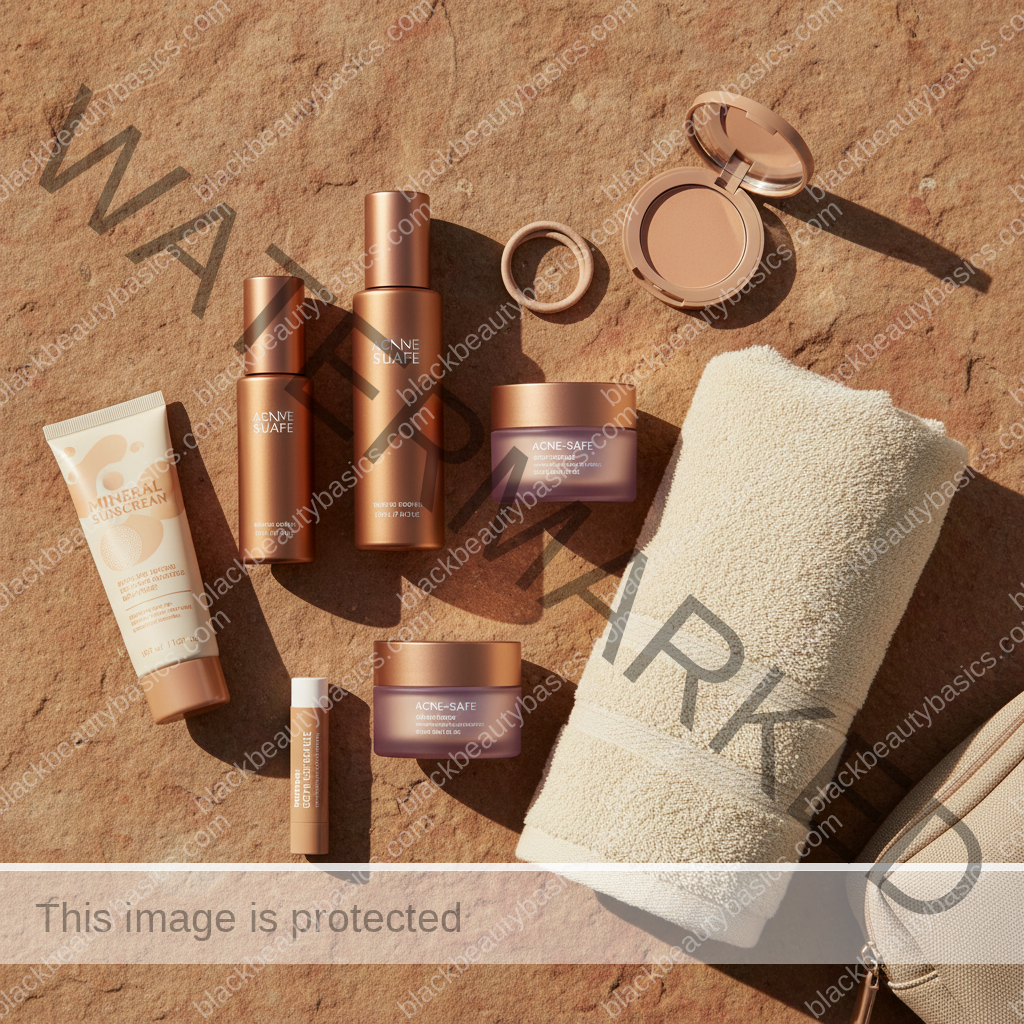
Post-Purging Care: Maintaining Radiance and Preventing PIH
Once the purging phase subsides, and your skin begins to reveal its newfound clarity, the journey isn’t over. This post-purging period is crucial for maintaining your results, solidifying your skin barrier, and actively preventing or treating any residual post-inflammatory hyperpigmentation (PIH). For melanin-rich skin, this preventative and corrective focus is paramount.
1. Continue with Barrier Support
Even after purging, maintaining a strong skin barrier remains foundational. Continue to use moisturizers rich in ceramides, hyaluronic acid, and other emollients. A healthy barrier ensures your skin can effectively protect itself, retain moisture, and better tolerate your active ingredients in the long term. Consider incorporating a hydrating toner or essence into your routine to layer moisture. Shop Hydrating Toner on Amazon
2. Sustain Your Active, Adjusting as Needed
Do not immediately stop using the active ingredient that caused the purge once your skin clears. This ingredient is likely responsible for maintaining your improved complexion. Continue using it as directed, gradually increasing frequency or concentration if your skin tolerates it well and you desire further results. If you were using it every other night, you might transition to nightly use. Always listen to your skin and adjust accordingly. Shop Skincare Actives for Clear Skin on Amazon
3. Targeted PIH Treatment and Prevention
Despite best efforts, some PIH may still occur. This is where targeted treatments become vital for melanin-rich skin. Incorporate ingredients known for their brightening and melanin-inhibiting properties:
- Niacinamide: Reduces inflammation and helps prevent the transfer of pigment to skin cells. Shop Niacinamide for Hyperpigmentation on Amazon
- Vitamin C: A powerful antioxidant that brightens skin and inhibits melanin production. Shop Vitamin C for Dark Spots on Amazon
- Alpha Arbutin: A gentler alternative to hydroquinone, it inhibits tyrosinase, the enzyme responsible for melanin production. Shop Alpha Arbutin Serum on Amazon
- Kojic Acid: Another tyrosinase inhibitor, effective for lightening dark spots. Shop Kojic Acid Cream on Amazon
- Azelaic Acid: Reduces inflammation, kills acne-causing bacteria, and inhibits tyrosinase, making it excellent for both acne and PIH. Shop Azelaic Acid for PIH on Amazon
Introduce these brightening agents slowly and ensure they don’t irritate your skin, especially if you’re still using a potent active like a retinoid. Layering correctly is key. Shop Dark Spot Corrector for Melanin-Rich Skin on Amazon
4. Consistent Sun Protection
This cannot be overemphasized. Sun exposure is the number one culprit for exacerbating and prolonging PIH. Even after your active breakouts have healed, daily, diligent use of broad-spectrum SPF 30+ is essential to prevent existing dark spots from darkening further and to protect your newly refined skin. Shop Daily Face Sunscreen on Amazon
5. Consider Professional Treatments
For stubborn PIH or to accelerate results, consider professional treatments tailored for melanin-rich skin. These might include:
- Chemical Peels: Superficial peels with ingredients like lactic acid or mandelic acid can be very effective when performed by an experienced professional. Shop Professional Chemical Peel Products on Amazon
- Microneedling: Can help improve skin texture and reduce PIH by stimulating collagen production. Shop Microneedling Devices at Home on Amazon
- Laser Treatments: Specific lasers (e.g., PicoSure, Nd:YAG) can be safe and effective for treating PIH on darker skin tones when performed by a dermatologist skilled in treating skin of color.
Always seek a dermatologist or aesthetician with proven expertise in treating melanin-rich skin to avoid adverse effects. Shop Skincare Professional Tools on Amazon
Tips for Post-Purging Maintenance on Melanin-Rich Skin
| Focus Area | Action Steps | Recommended Products/Ingredients |
|---|---|---|
| Barrier Health | Continue daily use of rich, emollient moisturizers. Introduce hydrating toners/essences. | Ceramides, Hyaluronic Acid, Squalane, Colloidal Oatmeal. Shop Barrier-Repair Moisturizer on Amazon |
| Active Ingredient Use | Maintain consistent use of your purging-inducing active. Gradually increase frequency/concentration as tolerated. | Retinoids, AHAs, BHAs (as per your skin’s needs). Shop Consistent Skincare Actives on Amazon |
| PIH Prevention/Treatment | Integrate brightening agents into your routine. Apply to affected areas. | Niacinamide, Vitamin C, Alpha Arbutin, Kojic Acid, Azelaic Acid. Shop Brightening Serum for Dark Spots on Amazon |
| Sun Protection | Daily, year-round application of broad-spectrum SPF 30+. Reapply as needed. | Mineral or chemical sunscreens that blend seamlessly into darker skin tones. Shop Invisible Sunscreen for Dark Skin on Amazon |
| Lifestyle Factors | Stay hydrated, eat a balanced diet, manage stress, get adequate sleep. | Water bottle, nutrient-rich foods, stress-relief practices, comfortable sleep mask. Shop Wellness Products for Skin Health on Amazon |
| Professional Guidance | Regular check-ups with a dermatologist experienced with melanin-rich skin. | No product link, but emphasize finding a qualified professional. |
By diligently caring for your skin in the post-purging phase, you not only solidify the benefits of your active ingredients but also actively work to maintain a clear, even-toned, and resplendent complexion that truly celebrates your melanin-rich beauty.
Purging should have boundaries
Purging is often described too casually online. It can happen when ingredients that affect skin-cell turnover bring existing congestion to the surface, but not every new breakout is purging. On melanin-rich skin, the difference matters because irritation can leave dark marks long after the experiment ends.
A likely purge usually appears in areas where you already break out and has a timeline connected to a new active such as a retinoid or exfoliant. A reaction may feel itchy, rash-like, swollen, hot, or appear in unusual places. If the skin barrier feels angry, do not keep pushing just because someone online said it gets worse before it gets better.
Track what changed, where bumps appear, how the skin feels, and whether marks are multiplying. If acne is painful, cystic, or scarring, get professional guidance instead of trying to outlast irritation.
Purging vs reaction clues
- Likely purge: familiar breakout zones and a clear active ingredient change.
- Possible reaction: itching, swelling, burning, or rash-like bumps.
- Slow down if dark marks increase quickly.
- Seek help for painful, cystic, or scarring acne.
What to do next
Keep this guide connected to the rest of the Acne & Sensitive Skin in Black Women series. Acne care on deep skin works best when product choices, makeup habits, body routines, stress patterns, and PIH prevention are treated as one connected system.
Frequently Asked Questions About Skin Purging on Melanin-Rich Skin
Q1: How long does skin purging typically last for melanin-rich skin?
A1: Skin purging generally lasts for one full skin cycle, which is typically 4 to 6 weeks for adults. For melanin-rich skin, it’s crucial to monitor this timeframe. If breakouts persist significantly beyond 6 weeks, or if your skin becomes increasingly irritated, it’s more likely an adverse reaction to the product rather than purging. Patience and consistent observation are key during this period. Shop Skincare Routine Tracker on Amazon
Q2: Can purging cause post-inflammatory hyperpigmentation (PIH) on darker skin tones?
A2: Yes, absolutely. Melanin-rich skin is inherently more prone to post-inflammatory hyperpigmentation (PIH) following any inflammation or trauma, including breakouts from purging. This is why a gentle approach, consistent sun protection, and avoiding picking or squeezing blemishes during the purging phase are critically important. Managing PIH effectively often requires targeted brightening ingredients and diligent sun protection. Shop PIH Treatment for Dark Skin on Amazon
Q3: Should I stop using the product if I experience purging?
A3: If you are certain it is purging (i.e., breakouts are in typical areas, healing quickly, and not accompanied by severe irritation or pain), it is generally recommended to continue using the product. Stopping and restarting can prolong the purging phase. However, if the purging is severe, painful, or accompanied by excessive redness, burning, or breakouts in new areas, discontinue use immediately and consult a dermatologist. Shop Gentle Skincare for Sensitive Skin on Amazon
Q4: How can I minimize the severity of purging on my melanin-rich skin?
A4: To minimize purging, always “start low and go slow” when introducing new active ingredients. Begin with a lower concentration and apply it less frequently (e.g., 2-3 times a week). Prioritize skin barrier support with ceramides and hyaluronic acid, and ensure consistent, broad-spectrum SPF use. Avoid introducing multiple new actives simultaneously. Shop Skincare Starter Kit on Amazon
Q5: What’s the difference between purging and an allergic reaction on melanin-rich skin?
A5: Purging typically involves breakouts in areas you usually experience congestion, and the blemishes tend to heal faster. An allergic reaction, however, might manifest as widespread redness, itching, burning, hives, swelling, or breakouts in areas where you don’t typically break out. Allergic reactions do not improve with continued use and often worsen. If you suspect an allergic reaction, stop the product immediately. Shop Hypoallergenic Skincare on Amazon
Q6: Can I use spot treatments during a purging phase?
A6: Yes, gentle spot treatments can be used cautiously. Look for ingredients like salicylic acid or benzoyl peroxide in low concentrations, or hydrocolloid patches. Avoid harsh, drying spot treatments that can cause further irritation and increase the risk of PIH on melanin-rich skin. Focus on calming and healing rather than aggressive drying. Shop Gentle Acne Spot Treatment on Amazon
Q7: Are there specific ingredients that are safer for melanin-rich skin during purging?
A7: While any cell-turnover active can cause purging, some are often better tolerated. Mandelic acid (an AHA) is larger and penetrates slower, making it gentler than glycolic acid. Adapalene (a retinoid) is often considered less irritating than tretinoin for some. Niacinamide and Azelaic Acid are excellent supporting ingredients as they reduce inflammation and help with PIH, making the purging process more manageable. Shop Skincare for Sensitive Melanin-Rich Skin on Amazon
Avoid other exfoliants, harsh scrubs, or new actives during this period. Focus on hydration, protection, and allowing your primary active to work. Shop Basic Skincare Routine Products on Amazon
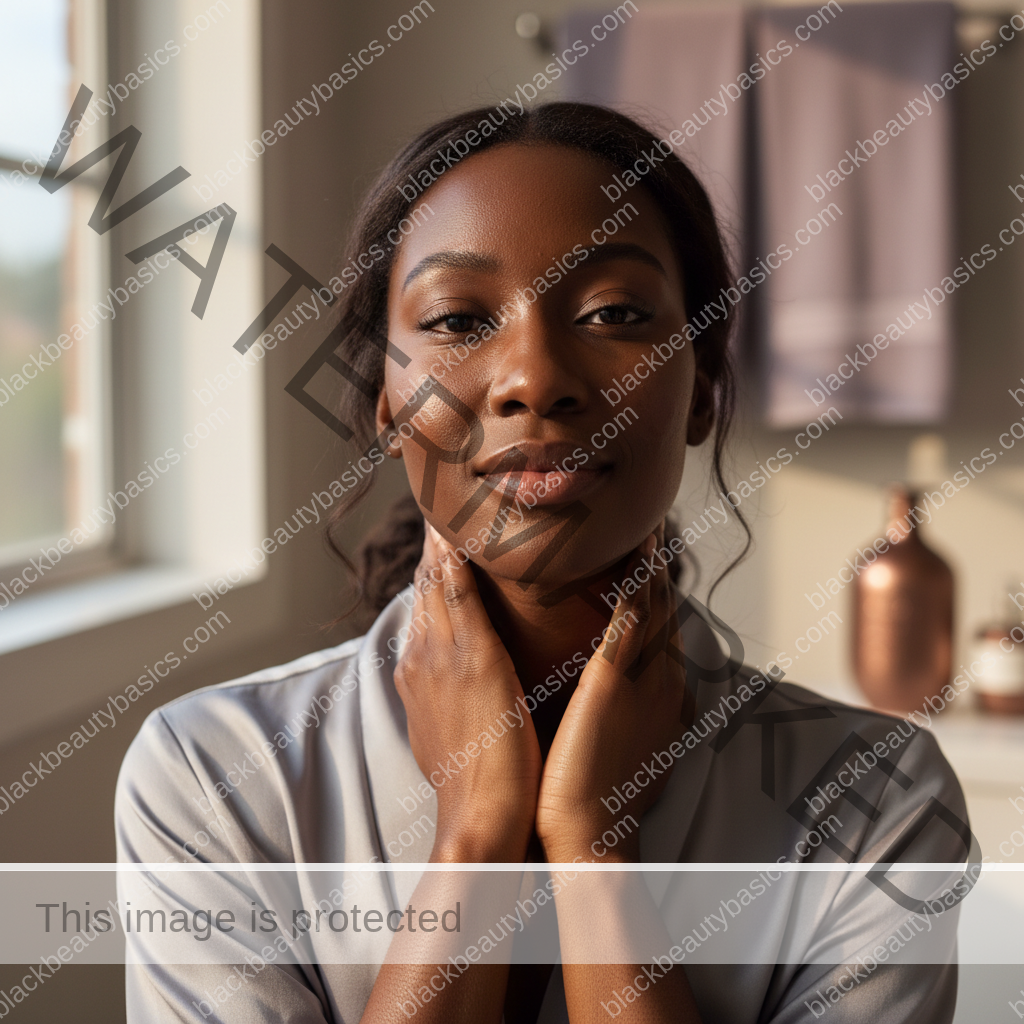
Embracing a new skincare journey with potent actives is an act of self-care, a commitment to revealing the most luminous version of your skin. While the purging phase can test your patience, remember that it is often a temporary bridge to lasting clarity and radiance, especially for our melanin-rich complexions. By understanding its nuances, approaching it with strategic care, and prioritizing your skin’s health and protection, you empower yourself to navigate this transformation with confidence and grace. Trust in the process, honor your skin’s unique needs, and step forward into the glow that is uniquely yours.
Related next steps
Related posts:
 Layering Base Products for Everyday vs. Occasion Looks on Melanin-Rich Skin
 How Psoriasis Looks and Feels on Dark Skin
 How Hormonal Acne from PCOS Looks on Dark Skin
 The Ultimate Winter Makeup Guide for African American Women: In-Depth Looks and Product Recommendations
 Monochrome Eye Looks – How to Use a Single Shadow for a Quick, Chic Effect
 How PCOS-Related Thinning Looks on Black Scalps