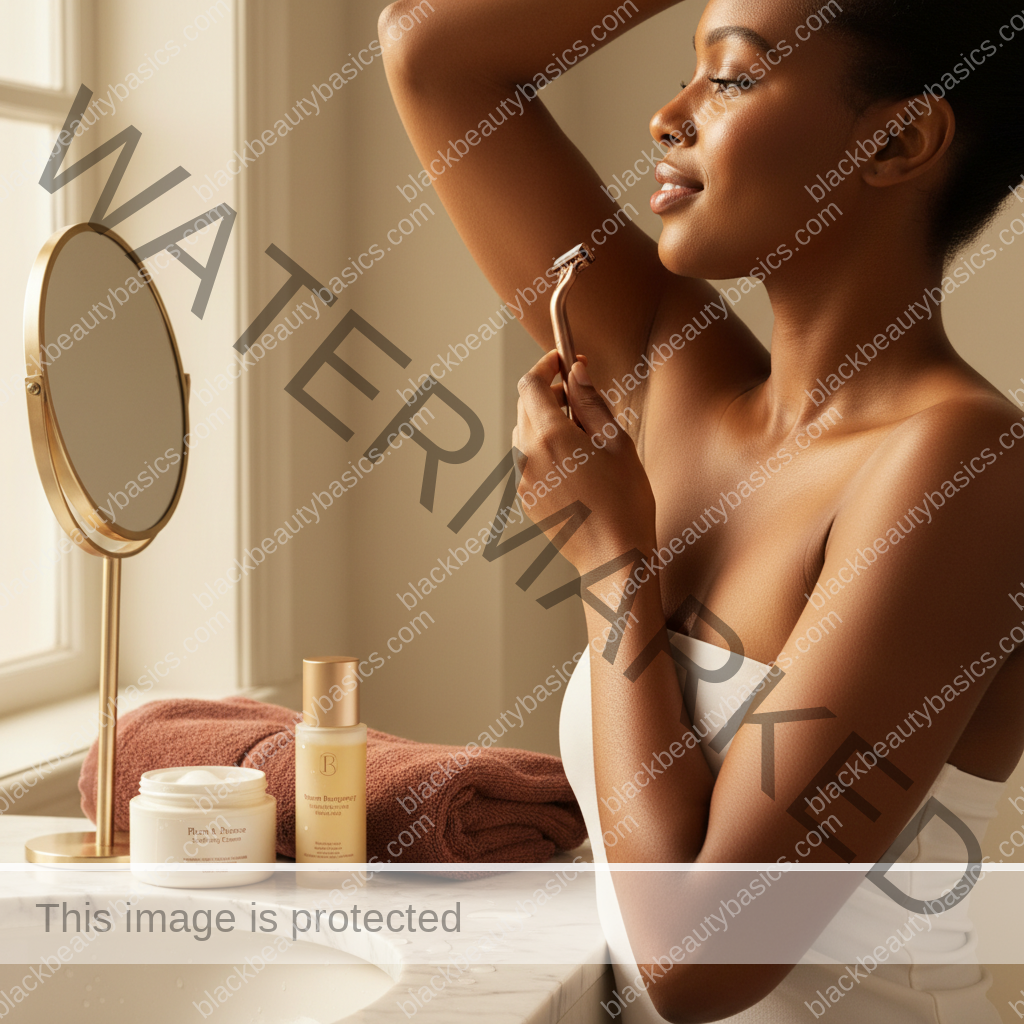
The delicate canvas of our skin, particularly underarms, deserves a regimen that honors its unique beauty and resilience. For women of color, the journey to smooth, irritation-free underarms can often feel like navigating a minefield of ingrown hairs, hyperpigmentation, and razor bumps. But what if we told you that achieving that coveted silky finish, without compromising your skin’s health and radiance, is not just a dream but an attainable reality? Start with the related BBB body-care cluster guide if you want the broader map.

The Art of Underarm Care: A Melanin-Rich Perspective
Our skin, rich in melanin, possesses an unparalleled luminosity and strength, yet it also comes with its own set of considerations, especially when it comes to hair removal. The quest for smooth underarms often leads us down paths of irritation, ingrown hairs, and post-inflammatory hyperpigmentation – those stubborn dark spots that seem to linger long after the initial discomfort. At Black Beauty Basics, we believe in empowering you with knowledge and techniques that celebrate your skin, ensuring that every beauty ritual enhances its natural splendor.
Shaving, while a quick and convenient method, can be particularly challenging for melanin-rich skin. The curly nature of our hair, combined with the delicate skin of the underarm area, creates a perfect storm for issues like razor burn and folliculitis. But fear not, for with the right approach, tools, and aftercare, you can transform your shaving routine from a necessary chore into a luxurious act of self-care. This comprehensive guide will illuminate the path to achieving impeccably smooth, irritation-free underarms, honoring the unique needs of your beautiful skin.
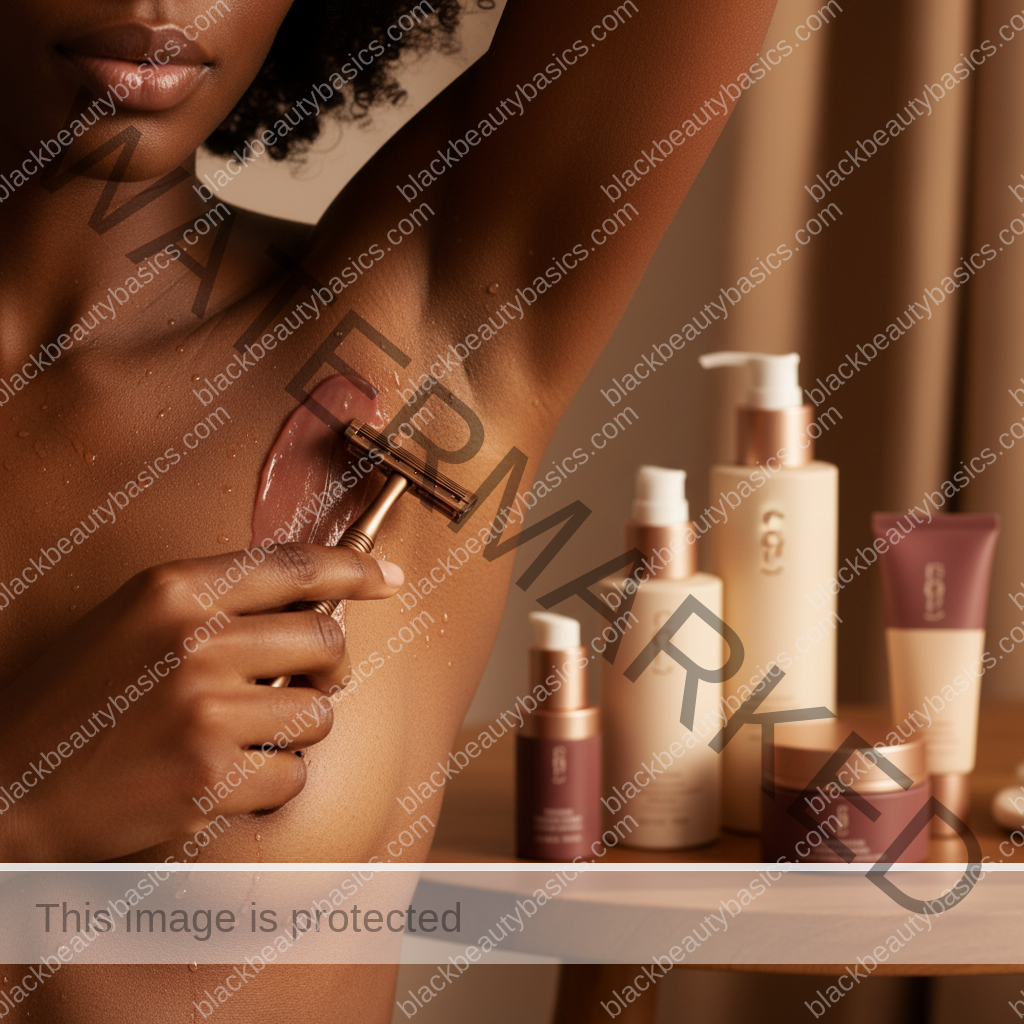
Understanding Your Skin: Why Melanin-Rich Skin Needs Special Attention
Before we delve into the how-to, it’s crucial to understand the ‘why.’ Melanin, the pigment responsible for our gorgeous skin tones, also makes our skin more prone to certain conditions, particularly post-inflammatory hyperpigmentation (PIH). Any trauma to the skin – be it a cut, scrape, or even the friction from a razor – can trigger an overproduction of melanin, leading to dark spots. This is why minimizing irritation is paramount when shaving.
Furthermore, the hair follicles on melanin-rich skin often produce hair that is naturally curlier or coiled. When these hairs are cut short, they can curl back into the skin as they grow, leading to painful ingrown hairs (pseudofolliculitis barbae). The underarm area, being warm and moist, provides an ideal environment for these issues to flourish if not properly managed. Our goal is to prevent these concerns before they even begin, ensuring your underarms remain as flawless as the rest of your skin.
Pre-Shave Rituals: Preparing Your Canvas
The secret to a successful, irritation-free shave lies largely in the preparation. Think of it as priming a masterpiece – you wouldn’t start painting without a perfectly prepared canvas, would you? Your underarms deserve the same meticulous attention. This stage is about softening the skin, lifting the hairs, and creating a protective barrier.
Step 1: The Warm Embrace – Cleansing and Steaming
Begin your underarm shaving ritual in the shower or bath. The warm water is your ally, softening the skin and hair follicles, making them more pliable and easier to cut. This reduces tugging and pulling, which are major culprits of irritation.
- Warm Shower/Bath: Allow the warm water to run over your underarms for at least 2-3 minutes. This helps to open up pores and relax the hair.
- Gentle Cleansing: Use a mild, pH-balanced cleanser to gently wash the underarm area. Opt for formulas that are free from harsh sulfates and fragrances, which can strip the skin of its natural moisture and cause irritation. Look for ingredients like aloe vera, chamomile, or colloidal oatmeal. Shop Gentle Body Cleansers on Amazon
- Light Exfoliation (Optional, but Recommended): Once or twice a week, consider a very gentle exfoliation. This helps to remove dead skin cells that can trap hairs and lead to ingrowns. Use a soft washcloth or a mild physical exfoliant designed for sensitive skin. Avoid harsh scrubs, especially just before shaving, as they can create micro-tears. Chemical exfoliants like lactic or glycolic acid (in very low concentrations) can be beneficial for preventing ingrowns over time, but should not be used immediately before or after shaving.
Step 2: The Perfect Lather – Shaving Cream or Gel Selection
This is where many go wrong. Skipping shaving cream or using a harsh soap can lead to significant irritation. A high-quality shaving cream or gel creates a protective cushion between the razor and your skin, allowing the blade to glide smoothly without causing friction or nicks. For melanin-rich skin, look for formulas that are:
- Hydrating: Ingredients like glycerin, shea butter, and hyaluronic acid are excellent.
- Soothing: Aloe vera, allantoin, and chamomile extract help to calm the skin.
- Fragrance-Free: Artificial fragrances are a common irritant.
- Non-Foaming or Low-Foaming: These often provide a better glide and allow you to see where you’re shaving.
Apply a generous, even layer to your underarms. Let it sit for a minute or two to further soften the hair before you begin shaving. Shop Hydrating Shaving Creams on Amazon
The Shaving Technique: Precision and Patience
Now that your skin is perfectly prepped, it’s time for the main event. This stage requires a delicate touch, the right tools, and a mindful approach to ensure a close shave without compromising your skin’s integrity.
Step 3: The Right Tool – Choosing Your Razor Wisely
Your razor is your most important tool. For melanin-rich skin, a sharp, clean blade is non-negotiable. Dull blades drag and pull, leading to irritation, razor burn, and a higher risk of ingrown hairs. Consider these options:
- Multi-Blade Razors: While popular, some multi-blade razors can cut hair below the skin’s surface, increasing the risk of ingrowns, especially for curly hair. If you use one, ensure it’s a high-quality, fresh blade.
- Single-Blade or Double-Edge Safety Razors: Many find these to be superior for preventing ingrowns on curly hair. They cut the hair at the skin’s surface rather than beneath it. There’s a slight learning curve, but the results can be transformative. Shop Safety Razors on Amazon
- Electric Shavers/Trimmers: These can be a good option for sensitive skin as they don’t provide as close a shave, thus reducing the chance of irritation and ingrowns. However, they may not give the silky smooth finish some desire.
Regardless of your choice, always use a fresh blade for every 5-7 shaves, or sooner if you notice any tugging. Store your razor in a dry place to prevent rust and bacterial growth.
Step 4: The Art of the Stroke – Technique Matters
This is where precision comes into play. The goal is to remove hair efficiently with minimal passes and pressure.
- Stretch the Skin: Gently pull your underarm skin taut with your free hand. This creates a flatter surface, allowing the razor to glide more smoothly and reducing the chance of nicks and uneven cuts.
- Shave with the Grain First: For the first pass, always shave in the direction of hair growth. This is the least irritating method and helps to prevent ingrown hairs. Underarm hair often grows in multiple directions, so pay attention to the pattern.
- Rinse Frequently: After every 1-2 strokes, rinse your razor under warm water to clear away hair and shaving cream. A clogged razor is an ineffective and irritating razor.
- Reapply Lather (if needed): If you need a closer shave, reapply a thin layer of shaving cream.
- Shave Across or Against the Grain (with caution): If you desire an even closer shave, you can make a second pass across the grain (perpendicular to hair growth) or, with extreme caution, against the grain. However, for melanin-rich skin prone to irritation, we strongly recommend sticking to with-the-grain or across-the-grain shaving only. If you do shave against the grain, do so very gently and with minimal pressure.
- Light Pressure: Let the razor do the work. Pressing too hard is a common cause of razor burn and irritation.
Shaving Techniques: With the Grain vs. Against the Grain
| Feature | Shaving With the Grain | Shaving Against the Grain |
|---|---|---|
| Definition | Shaving in the direction your hair grows. | Shaving in the opposite direction of hair growth. |
| Closeness of Shave | Less close, but still smooth. | Very close, often “baby smooth.” |
| Risk of Irritation | Lowest risk of razor burn, bumps, and ingrowns. | Highest risk of razor burn, bumps, and ingrowns. |
| Recommended for Melanin-Rich Skin | Highly Recommended for first pass and sensitive areas. | Use with Extreme Caution; generally not recommended for prone skin. |
| Hair Type Suitability | Ideal for curly, coarse hair to prevent ingrowns. | May be tolerated by straight, fine hair, but still risky. |
| Best Practice | Always start with this method. | Only attempt if skin is not prone to irritation, and after a “with the grain” pass. |
Post-Shave Sanctuary: Soothing and Protecting
The shaving is done, but your ritual isn’t complete. The post-shave care is just as critical as the preparation, especially for preventing those unwelcome dark spots and ensuring your skin remains calm, hydrated, and radiant.
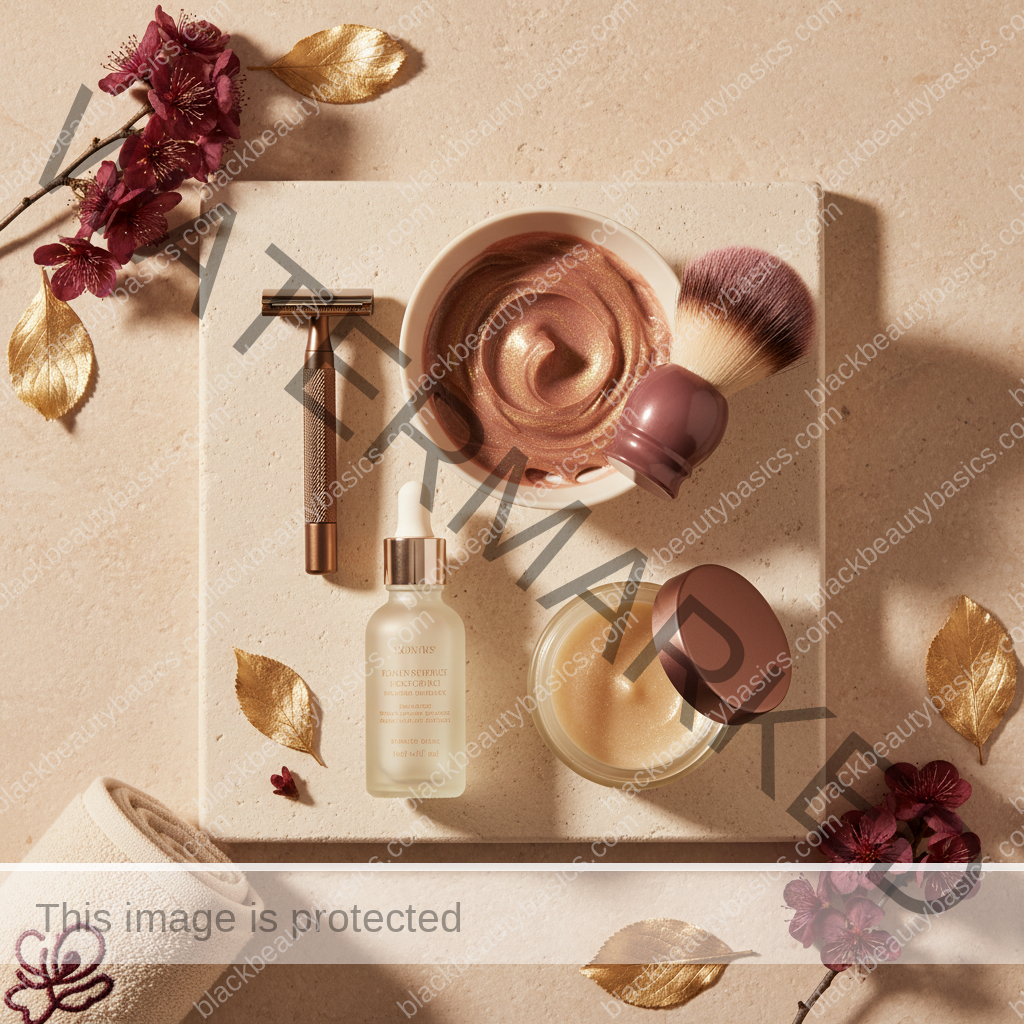
Step 5: The Cool Down – Rinsing and Patting Dry
Once you’ve achieved your desired smoothness, rinse your underarms thoroughly with cool water. This helps to close the pores and calm any immediate redness. Gently pat the area dry with a clean, soft towel. Avoid rubbing, as this can cause further irritation.
Step 6: The Soothing Elixir – Post-Shave Treatment
This step is non-negotiable for melanin-rich skin. Immediately after patting dry, apply a soothing, hydrating, and anti-inflammatory post-shave treatment. Look for ingredients that calm, heal, and prevent hyperpigmentation:
- Aloe Vera: A classic for soothing and healing.
- Witch Hazel (Alcohol-Free): A natural astringent that can reduce inflammation without drying.
- Niacinamide: Excellent for reducing inflammation, strengthening the skin barrier, and helping to prevent post-inflammatory hyperpigmentation.
- Hyaluronic Acid: Provides deep hydration without feeling heavy.
- Centella Asiatica (Cica): Known for its wound-healing and anti-inflammatory properties.
- Alpha Hydroxy Acids (AHAs) like Lactic or Glycolic Acid (low concentration): These can be beneficial for preventing ingrowns and gently exfoliating, but introduce them slowly and not immediately after a very close shave. Avoid if you have any nicks or cuts.
- Salicylic Acid (BHA) (low concentration): Excellent for penetrating pores and preventing ingrowns, but again, use with caution and not on freshly irritated skin.
Apply a thin layer and allow it to absorb fully before moving to the next step. Shop Post-Shave Serums on Amazon
Step 7: The Hydration Lock – Moisturizing
Even after a soothing treatment, locking in moisture is key. Choose a rich, emollient-rich moisturizer that is fragrance-free and non-comedogenic. This helps to keep the skin barrier healthy and supple, reducing dryness and irritation. Ingredients like shea butter, ceramides, and squalane are excellent choices. Shop Fragrance-Free Body Moisturizers on Amazon
Step 8: The Deodorant Dilemma – Choosing Wisely
After shaving, your underarms are particularly sensitive. Many deodorants and antiperspirants contain alcohol, fragrances, and harsh chemicals that can cause stinging, irritation, and even exacerbate hyperpigmentation. Opt for:
- Aluminum-Free Deodorants: Less likely to irritate.
- Fragrance-Free Formulas: Avoid potential allergens.
- Natural Deodorants: Often contain soothing ingredients, but patch test first as some natural ingredients can still cause sensitivity.
- Wait Time: If possible, wait at least 30 minutes to an hour after shaving before applying any deodorant, allowing your skin to fully recover.
Shop Sensitive Skin Deodorants on Amazon
Advanced Care & Prevention: Beyond the Shave
Achieving consistently smooth, clear underarms is an ongoing commitment. These advanced tips focus on long-term prevention and maintenance.
Preventing Ingrown Hairs and Hyperpigmentation
These are the two most common concerns for melanin-rich skin. Proactive measures are your best defense.
- Regular, Gentle Exfoliation: 2-3 times a week, use a mild chemical exfoliant (like a toner with low-concentration AHA/BHA) or a very soft physical exfoliant. This helps to keep pores clear and prevents hair from getting trapped.
- Consistent Hydration: Well-hydrated skin is more resilient and less prone to irritation.
- Topical Treatments: For existing hyperpigmentation, consider products with ingredients like niacinamide, vitamin C, alpha arbutin, or tranexamic acid. Consult a dermatologist for stronger options like hydroquinone if needed. Shop Dark Spot Correctors on Amazon
- Loose Clothing: After shaving, wear loose-fitting clothing made of breathable fabrics (like cotton) to reduce friction and allow the skin to breathe.
Alternative Hair Removal Methods
While this guide focuses on shaving, it’s worth noting other options if shaving consistently causes irritation:
- Depilatory Creams: These dissolve hair at the surface. Look for formulas specifically for sensitive skin and always patch test first. They can sometimes cause chemical burns or irritation.
- Waxing: Pulls hair from the root, offering longer-lasting smoothness. However, it can be painful and cause significant irritation, leading to hyperpigmentation and ingrowns for some. Professional waxing is recommended.
- Sugaring: A gentler alternative to waxing, often preferred for sensitive skin.
- Laser Hair Removal: A long-term solution that significantly reduces hair growth. It’s crucial to choose a clinic experienced with treating melanin-rich skin, as certain lasers can cause hyperpigmentation or burns if not used correctly. This is often the most effective way to prevent ingrowns and reduce hair density permanently.
Hair Removal Methods for Melanin-Rich Skin
| Method | Pros | Cons | Best For |
|---|---|---|---|
| Shaving | Quick, convenient, affordable. | High risk of irritation, ingrowns, hyperpigmentation if not done correctly. | Daily/frequent hair removal, cost-conscious. |
| Depilatory Creams | Painless, quick, longer lasting than shaving. | Risk of chemical burns/irritation, strong odor, not for very sensitive skin. | Those seeking a shave alternative without pulling hair. |
| Waxing/Sugaring | Long-lasting smoothness (weeks), finer regrowth over time. | Painful, risk of irritation, ingrowns, hyperpigmentation, requires hair growth. | Those who tolerate pain well and want longer-lasting results. Sugaring is gentler. |
| Laser Hair Removal | Permanent hair reduction, significant reduction in ingrowns/irritation. | Expensive, requires multiple sessions, specific lasers needed for dark skin, not suitable for all hair colors. | Long-term solution for significant hair reduction and prevention of issues. |
Troubleshooting Common Issues
Even with the best intentions, issues can arise. Here’s how to address them.
Razor Bumps (Pseudofolliculitis Barbae)
These are inflamed bumps caused by hair curling back into the skin.
- Treatment: Stop shaving the area immediately. Apply warm compresses to help open pores. Use topical treatments containing salicylic acid, glycolic acid, or benzoyl peroxide (sparingly) to reduce inflammation and exfoliate.
- Prevention: Shave with the grain only. Use a single-blade razor. Exfoliate regularly.
Hyperpigmentation (Dark Spots)
Dark spots left behind after irritation or ingrowns.
- Treatment: Consistency is key. Use topical treatments with niacinamide, vitamin C, alpha arbutin, tranexamic acid, or azelaic acid. Sun protection is crucial (though less relevant for underarms, it’s good practice for any hyperpigmentation).
- Prevention: Minimize irritation during shaving. Treat ingrowns promptly.
Razor Burn
Red, irritated skin caused by friction from shaving.
- Treatment: Apply cool compresses. Use soothing ingredients like aloe vera, hydrocortisone cream (short-term), or colloidal oatmeal. Avoid tight clothing.
- Prevention: Use a sharp razor, ample shaving cream, light pressure, and shave with the grain.
How to build the routine around what your skin is actually telling you
For Black women and people with richly melanated skin, body care is rarely just about feeling smooth for one day. The larger goal is comfort, less irritation, fewer preventable bumps, and fewer marks left behind after friction, shaving, dryness, or inflammation. This guide focuses on shaving underarms gently around sweat, deodorant, friction, fragrance, bumps, and post-shave tenderness, while keeping the correct body-care cluster as the home base.
The first step is to stop treating every body concern as a need for stronger products. Dryness may need better moisture timing. Bumps may need less pressure and less friction. Texture may need gentle exfoliation, not daily scrubbing. Dark marks may need the irritation cycle to calm down before any brightening step can make sense. When the routine starts with the real cause, the skin has less to recover from.
This is also where tone matters. A body-care routine should never imply that lighter, perfectly even, poreless skin is the goal. Rich brown skin can have texture, deeper areas, stretch, folds, hair, and changing tone. The goal is not to erase your body. The goal is to care for it in a way that feels steady, respectful, and repeatable.
A practical checkpoint before you add anything new
- Notice whether the issue is dryness, friction, bumps, hair removal, sweat, or product residue.
- Keep the routine simple enough to repeat for several weeks.
- Add only one new treatment step at a time so irritation is easier to trace.
- Use moisture and barrier support as the default, not as an afterthought.
- Pause any step that causes burning, rawness, swelling, or new persistent dark marks.
What usually makes this worse
The biggest mistake is trying to force a fast result. Whether you are dealing with ashiness, bumps, shaving irritation, or dark marks, pushing harder usually creates more inflammation. Melanin-rich skin can respond to that inflammation with marks that last longer than the original problem. That is why slow, boring consistency is often more protective than a dramatic reset.
Another common issue is mixing too many strong steps in the same week. A harsh scrub, an exfoliating acid, shaving, fragrance, tight clothing, and a drying cleanser can all overlap. Each step may seem small by itself, but together they can leave body skin tender and reactive. When that happens, simplify before you intensify.
Finally, do not ignore friction. Waistbands, sports bras, underwear seams, leggings, deodorant, shaving direction, towels, and even how quickly you moisturize after a shower can change how the skin behaves. If friction is part of the pattern, product alone will not carry the whole routine.
What to do next
Keep this article connected to the Body Care & Hair Removal on Dark Skin system. The most useful next read depends on whether your main issue is moisture, exfoliation, shaving, ingrowns, or post-shave dark marks.
- Body Care & Hair Removal on Dark Skin
- The related body-care cluster guide
- shaving routines for dark skin
- pre- and post-hair removal care
- ingrown hair prevention after shaving
Frequently Asked Questions
Q1: How often should I shave my underarms to prevent irritation?
A: The frequency depends on your hair growth rate and skin sensitivity. For many with melanin-rich skin, shaving daily can be too irritating. Aim for every 2-3 days, or even less frequently, to give your skin time to recover. If you’re prone to irritation, consider waiting longer between shaves or exploring alternative hair removal methods. Listen to your skin – if it feels sensitive or shows signs of irritation, give it a break.
Q2: Can I use body lotion as a substitute for shaving cream?
A: While body lotion is better than nothing, it’s not an ideal substitute for dedicated shaving cream or gel. Shaving creams are specifically formulated to create a thick, protective barrier that allows the razor to glide smoothly without friction, and they often contain ingredients that soften the hair. Body lotions are designed for hydration, not lubrication for shaving, and may not provide adequate protection, leading to razor burn and nicks.
Q3: What’s the best way to deal with existing dark spots under my arms?
A: Addressing existing dark spots (post-inflammatory hyperpigmentation) requires patience and a consistent routine. Incorporate products with brightening ingredients like niacinamide, vitamin C, alpha arbutin, kojic acid, or tranexamic acid into your daily regimen. Gentle exfoliation (chemical exfoliants like low-concentration AHAs/BHAs) can also help accelerate cell turnover. Always ensure you’re preventing new irritation, as that’s the primary cause of these spots. For stubborn spots, consult a dermatologist who can recommend stronger prescription treatments or in-office procedures.
Q4: Is it okay to use an exfoliating scrub on my underarms?
A: Yes, but with extreme caution and moderation. If you choose to use a physical scrub, opt for a very fine-grained, gentle formula and use it no more than 1-2 times a week, never immediately before or after shaving. Chemical exfoliants (like toners with low-concentration lactic or glycolic acid) are often preferred for melanin-rich skin as they provide exfoliation without the physical friction that can cause micro-tears and irritation. Introduce any exfoliant slowly to see how your skin reacts.
Q5: My underarms are still getting ingrown hairs even after following all the steps. What else can I do?
A: If ingrown hairs persist, it might be time to re-evaluate your razor or consider alternative hair removal methods. Ensure you’re using a single-blade or double-edge safety razor, as these are often better for curly hair. Double-check that you are *only* shaving with the grain, or at most, across the grain. Consistent, gentle chemical exfoliation is also crucial. If the problem is severe, a dermatologist can prescribe topical treatments or discuss laser hair removal, which is highly effective in reducing ingrowns long-term.
Q6: Can I use the same razor for my underarms and other body parts?
A: While technically you can, it’s generally recommended to use a separate razor, or at least a fresh blade, for your underarms. The underarm area is particularly sensitive and prone to irritation, and hair here can be thicker. Using a fresh, sharp blade specifically for your underarms ensures the best glide and minimizes tugging. If you must use the same razor, always make sure the blade is clean and sharp before using it on your underarms.
Q7: How can I tell if my deodorant is causing irritation?
A: Signs of deodorant-induced irritation include redness, itching, stinging, burning, rash, or increased hyperpigmentation in the underarm area. If you experience these symptoms, try switching to an aluminum-free, fragrance-free, and baking soda-free deodorant (baking soda can be irritating for some). Patch testing a new deodorant on a small area of skin for a few days before full application can also help identify potential irritants.
A: Yes, absolutely! Daily moisturization is crucial for maintaining a healthy skin barrier, which in turn helps prevent dryness, irritation, and makes your skin more resilient to shaving. Well-hydrated skin is less likely to develop ingrown hairs and hyperpigmentation. Treat your underarms with the same care you would your face – consistent hydration is key to their long-term health and appearance.
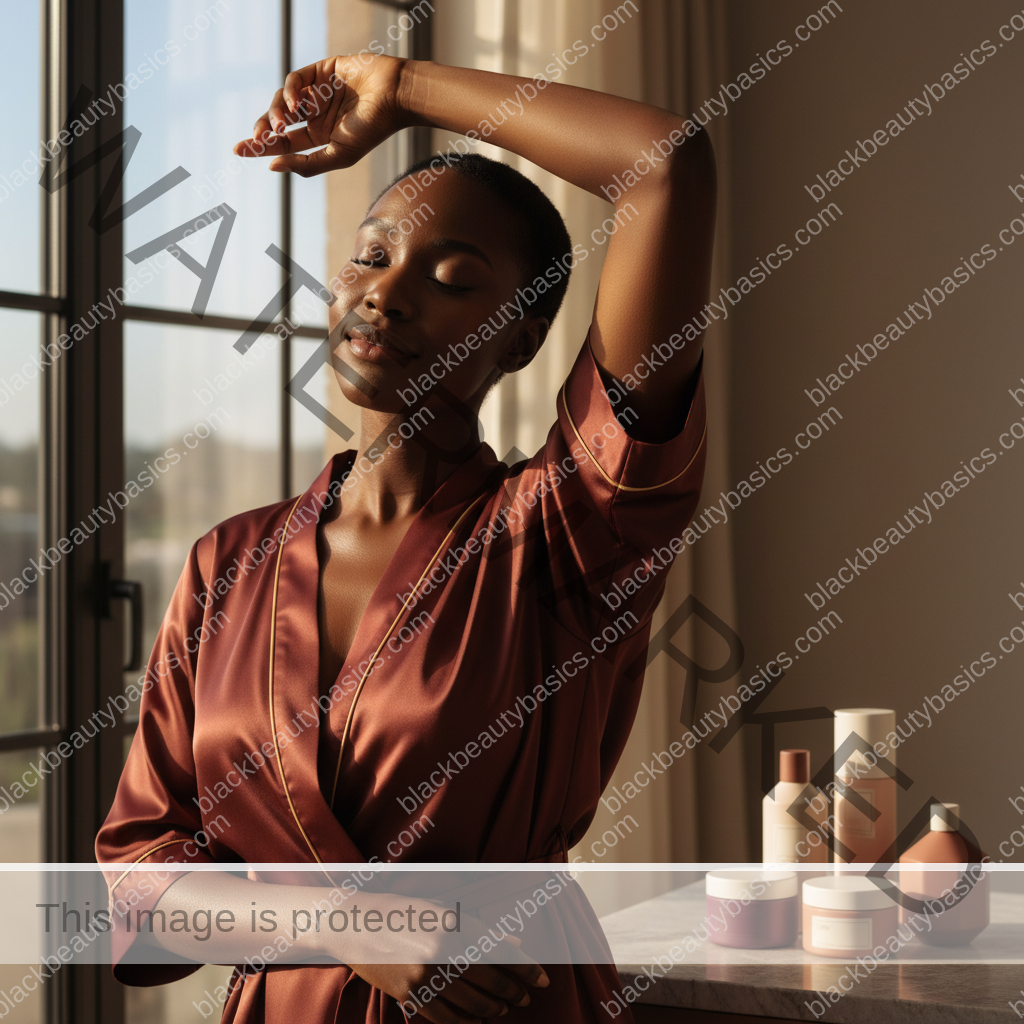
The journey to flawlessly smooth, irritation-free underarms on melanin-rich skin is a testament to the power of informed, intentional self-care. By embracing these rituals—from meticulous preparation to precise technique and nurturing aftercare—you’re not just removing hair; you’re honoring the exquisite canvas of your skin. Let every stroke be a celebration of your beauty, leaving you with a confidence that radiates from within. Your underarms, like every part of you, deserve nothing less than this elegant, empowering approach to beauty.
Related next steps
Related posts:
 How to Shave Legs on Dark Skin With Fewer Bumps
 How to Treat Post-Shave Dark Marks on the Bikini Line
 How to Use Vitamin C Without Irritation on Dark Skin
 Hair Removal Routine for Sensitive Underarms on Deep Skin
 The Billionaire Look for Less: Mastering the Chocolate Brown Monochrome Trend
 Body Care for Friction Darkening on Thighs and Underarms