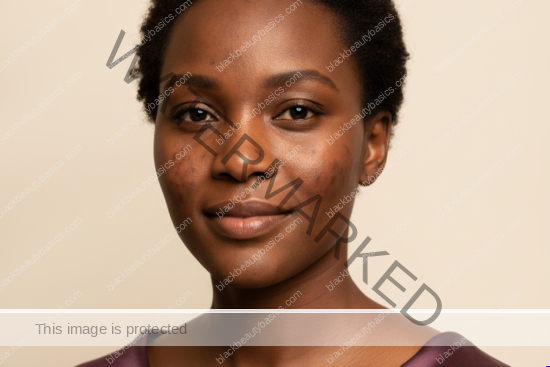
The journey through womanhood is a tapestry woven with profound transformations, each phase bringing its unique beauty and challenges. For the elegant Black woman, navigating menopause is no different – a powerful transition that, while natural, can usher in unexpected shifts, particularly for our radiant skin. When the hormonal tides begin to turn, the luminous glow we’ve cherished can feel threatened by an unwelcome guest: dryness. But fear not, for understanding is power, and with the right adjustments, your skin can continue to reflect the timeless grace and resilience that defines you. Start with the related BBB cluster guide for the broader map.
Embracing the Change: Understanding Menopause and Melanin-Rich Skin
Menopause is not merely a cessation of menstruation; it’s a systemic shift orchestrated by declining estrogen levels. This hormonal ebb impacts nearly every bodily function, and our skin, being the body’s largest organ, is particularly susceptible. For Black women, our melanin-rich skin, while often celebrated for its natural sun protection and slower visible aging, is not immune to these changes. In fact, the way menopause manifests on darker skin tones can sometimes be overlooked or misunderstood, making tailored care all the more essential.
The Science Behind Menopausal Skin Dryness
Estrogen plays a pivotal role in maintaining skin health. It stimulates collagen production, which provides skin’s structure and elasticity, and aids in the synthesis of hyaluronic acid, a powerful humectant that draws and holds moisture. Estrogen also supports the skin’s natural barrier function, ensuring it remains intact and capable of retaining hydration. As estrogen levels decline during perimenopause and menopause, several critical changes occur:
- Decreased Collagen Production: The skin loses its plumpness and elasticity, leading to increased fine lines and wrinkles, and a thinner, more fragile appearance.
- Reduced Hyaluronic Acid: The skin’s ability to attract and retain water diminishes significantly, leading to profound dryness and a lack of suppleness.
- Compromised Skin Barrier: The protective lipid barrier weakens, making the skin more vulnerable to environmental aggressors and further moisture loss. This can lead to increased sensitivity, irritation, and even conditions like eczema.
- Slower Cell Turnover: The rate at which skin cells renew themselves slows down, resulting in a duller complexion and a buildup of dead skin cells that can exacerbate dryness.
- Changes in Sebaceous Gland Activity: While some women experience increased oiliness due to androgen dominance, many find their skin becomes considerably drier as oil production decreases.
Why Darker Skin Tones Need Specific Attention
While the underlying hormonal changes are universal, the presentation and management of menopausal skin dryness on melanin-rich skin require a nuanced approach. Our skin naturally has a higher ceramide content and a more compact stratum corneum, which theoretically should make it more resilient. However, when the skin barrier is compromised, the impact can be more pronounced. Post-inflammatory hyperpigmentation (PIH), a common concern for darker skin tones, can be exacerbated by irritation and dryness. Furthermore, the ashiness that results from severe dryness can be particularly noticeable on deeper complexions, affecting the skin’s natural luminosity. It’s not just about hydration; it’s about preserving our inherent radiance and even tone.
Reclaiming Radiance: Essential Routine Adjustments for Menopausal Skin
The good news is that with informed choices and a commitment to nurturing your skin, you can effectively combat menopausal dryness and restore your complexion’s vibrant health. This isn’t about fighting aging; it’s about embracing wisdom and adapting your skincare ritual to meet your skin’s evolving needs. Think of it as a sophisticated upgrade, not a complete overhaul.
Cleansing with Compassion: The Foundation of Hydration
The first step in any skincare routine is cleansing, and during menopause, this step becomes paramount for preserving moisture. Harsh cleansers can strip the skin of its natural oils, exacerbating dryness and compromising the barrier. Opt for gentle, hydrating formulas.
H3: Product Picks for Gentle Cleansing
- Cream Cleansers: These are typically non-foaming and designed to cleanse without stripping. Look for ingredients like ceramides, glycerin, and hyaluronic acid. Shop Cream Cleansers on Amazon
- Oil Cleansers: Excellent for dissolving makeup and impurities without disrupting the skin’s natural barrier. They leave a soft, nourished feel. Follow with a gentle cream cleanser if you prefer a double cleanse. Shop Oil Cleansers on Amazon
- Balm Cleansers: Similar to oil cleansers, these luxurious formulas melt away impurities while imparting rich moisture. Shop Balm Cleansers on Amazon
H3: Cleansing Techniques for Dry Skin
- Lukewarm Water Only: Hot water can strip natural oils.
- Gentle Massage: Use your fingertips to gently massage the cleanser onto your skin, avoiding harsh scrubbing.
- Pat Dry: Instead of rubbing, gently pat your face dry with a soft towel, leaving a slight dampness for better product absorption.
Serum Savvy: Concentrated Hydration and Repair
Serums are your power players, delivering concentrated doses of active ingredients deep into the skin. For menopausal dryness, focus on serums that replenish moisture, strengthen the barrier, and stimulate collagen.
H3: Key Serum Ingredients to Seek Out
- Hyaluronic Acid: A humectant superstar, it draws moisture from the air and deeper skin layers to the surface, plumping and hydrating. Layering it on damp skin enhances its efficacy. Shop Hyaluronic Acid Serums on Amazon
- Ceramides: These lipids are crucial components of the skin barrier. Replenishing ceramides helps to repair and strengthen the barrier, preventing moisture loss and protecting against irritants. Shop Ceramide Serums on Amazon
- Peptides: These short chains of amino acids are the building blocks of proteins like collagen and elastin. Peptide serums can signal the skin to produce more collagen, improving firmness and elasticity. Shop Peptide Serums on Amazon
- Niacinamide (Vitamin B3): A multi-tasking ingredient that improves skin barrier function, reduces inflammation, minimizes pore appearance, and can help with hyperpigmentation. Shop Niacinamide Serums on Amazon
- Antioxidants (Vitamin C, Ferulic Acid, Vitamin E): Protect the skin from environmental damage, brighten the complexion, and support collagen synthesis. Vitamin C is particularly beneficial for its brightening effects on hyperpigmentation. Shop Antioxidant Serums on Amazon
Moisturize, Moisturize, Moisturize: Sealing in the Goodness
This is arguably the most critical step for combating dryness. Your moisturizer acts as a protective shield, locking in the hydration from your serums and preventing transepidermal water loss. For menopausal skin, you’ll likely need richer, more emollient formulas than you did in your younger years.
H3: Choosing the Right Moisturizer
- Rich Creams and Balms: Look for formulations that are thick and luxurious, providing intense hydration. Ingredients like shea butter, squalane, glycerin, and petrolatum are excellent occlusives and emollients. Shop Rich Face Creams on Amazon
- Ceramide-Rich Moisturizers: As mentioned, ceramides are vital for barrier repair. A moisturizer packed with these lipids will significantly improve skin health and hydration. Shop Ceramide Moisturizers on Amazon
- Humectant-Heavy Formulas: Ensure your moisturizer also contains humectants like hyaluronic acid or glycerin to draw moisture into the skin. Shop Humectant Moisturizers on Amazon
Sun Protection: Your Non-Negotiable Daily Shield
Even with the best hydrating routine, sun damage can undo all your efforts. UV radiation further breaks down collagen and elastin, exacerbates dryness, and significantly worsens hyperpigmentation. For melanin-rich skin, while we have some natural protection, it’s not enough. Daily SPF is non-negotiable.
H3: Selecting Sunscreen for Menopausal Skin
- Broad-Spectrum SPF 30+: Protects against both UVA (aging) and UVB (burning) rays. Shop Broad-Spectrum SPF 30+ Sunscreens on Amazon
- Mineral Sunscreens (Zinc Oxide, Titanium Dioxide): Often gentler for sensitive, dry skin and provide immediate physical protection. Many modern formulations blend beautifully into darker skin tones without leaving a white cast. Shop Mineral Sunscreens on Amazon
- Hydrating Formulas: Look for sunscreens that also contain moisturizing ingredients to offer an extra layer of hydration. Shop Hydrating Sunscreens on Amazon
Targeted Treatments: Addressing Specific Concerns
Beyond the core routine, specific treatments can address the unique challenges of menopausal skin.
H3: Exfoliation: Gentle is Key
Cell turnover slows, leading to dullness and flakiness. However, harsh physical scrubs or aggressive chemical exfoliants can irritate and further dry out menopausal skin. Opt for:
- Gentle Chemical Exfoliants: AHAs like lactic acid (known for its hydrating properties) or PHAs (polyhydroxy acids, even milder) at low concentrations, used sparingly (1-2 times a week). Shop Gentle Lactic Acid Exfoliants on Amazon
- Enzyme Exfoliants: Fruit enzymes like papaya or pineapple gently dissolve dead skin cells without scrubbing. Shop Enzyme Exfoliants on Amazon
H3: Retinoids: The Gold Standard, with Caution
Retinoids (retinol, retinaldehyde, tretinoin) are unmatched for stimulating collagen and accelerating cell turnover, making them excellent for anti-aging. However, they can be drying and irritating, especially for menopausal skin. Introduce them slowly and at lower concentrations.
- Start Low, Go Slow: Begin with a low-concentration retinol (0.01-0.03%) once or twice a week, gradually increasing frequency as tolerated. Shop Low Concentration Retinols on Amazon
- Buffer with Moisturizer: Apply your retinoid after your moisturizer or mix it with your moisturizer to reduce irritation.
- Prioritize Hydration: Ensure your routine is packed with hydrating and barrier-repairing ingredients to counteract potential dryness from retinoids.
H3: Facial Oils: An Extra Layer of Nourishment
Facial oils can be a luxurious and effective addition to seal in moisture, especially at night. They provide essential fatty acids and antioxidants.
- Squalane Oil: Lightweight, non-comedogenic, and deeply moisturizing. Shop Squalane Oils on Amazon
- Rosehip Oil: Rich in vitamins and essential fatty acids, known for its regenerative properties and ability to help with hyperpigmentation. Shop Rosehip Oils on Amazon
- Jojoba Oil: Mimics the skin’s natural sebum, making it well-tolerated and balancing. Shop Jojoba Oils on Amazon
Apply a few drops as the last step in your evening routine, after your moisturizer, to lock everything in.
Beyond the Bottle: Lifestyle Adjustments for Skin Health
True skin radiance is an inside-out endeavor. While your topical routine is crucial, supporting your body through lifestyle choices will amplify your results.
Internal Hydration: Drink Up!
It sounds simple, but adequate water intake is fundamental. Aim for at least 8 glasses of water daily. Herbal teas and water-rich fruits and vegetables also contribute to overall hydration.
Nutrition for Skin: Fueling Your Glow
Your diet plays a significant role in skin health. Focus on:
- Omega-3 Fatty Acids: Found in fatty fish (salmon, mackerel), flaxseeds, chia seeds, and walnuts. These are anti-inflammatory and crucial for maintaining a healthy skin barrier.
- Antioxidant-Rich Foods: Berries, leafy greens, colorful vegetables. These combat free radical damage that accelerates aging and dryness.
- Phytoestrogens: Found in soy products, flaxseeds, and legumes. While not a replacement for medical hormone therapy, some women find these beneficial for managing menopausal symptoms, including skin changes.
Stress Management: The Silent Skin Saboteur
Stress can wreak havoc on your hormones and skin. Cortisol, the stress hormone, can impair the skin barrier and exacerbate dryness and inflammation. Incorporate stress-reducing practices into your daily life:
- Meditation or deep breathing exercises
- Gentle exercise like yoga or walking
- Adequate sleep (aim for 7-9 hours)
- Spending time in nature
Humidify Your Environment: An Invisible Ally
Especially during dry seasons or if you live in an arid climate, a humidifier in your bedroom can make a significant difference. It adds moisture to the air, preventing your skin from losing hydration overnight. Shop Bedroom Humidifiers on Amazon
Comparison Table: Pre-Menopause vs. Menopause Skincare
To illustrate the shift in focus, here’s a quick comparison:
| Skincare Aspect | Pre-Menopause (Typical Focus) | Menopause (Adjusted Focus) |
|---|---|---|
| Cleanser | Foaming gels, salicylic acid for breakouts | Cream, oil, or balm cleansers; hydrating, non-stripping |
| Exfoliation | Regular physical scrubs, stronger AHAs/BHAs | Gentle chemical (lactic, PHA) or enzyme exfoliants, less frequent |
| Serums | Vitamin C for brightening, salicylic acid for acne | Hyaluronic acid, ceramides, peptides, niacinamide for hydration & barrier repair |
| Moisturizer | Light lotions, gel-creams | Rich creams, balms, occlusive ingredients (shea butter, squalane) |
| Retinoids | Higher strength, more frequent | Lower strength, gradual introduction, buffered, prioritized hydration |
| Sunscreen | SPF 30+ daily | SPF 30+ mineral or hydrating formulas, diligent reapplication |
| Additional | Spot treatments, oil control masks | Facial oils, overnight masks, humidifiers, internal hydration |
Tip List: Quick Adjustments for Immediate Relief
Sometimes, you need quick solutions to soothe immediate dryness and discomfort. Here are some actionable tips:
- Hydrating Facial Mists: Keep a hydrating mist (with ingredients like rose water, glycerin, or hyaluronic acid) handy to spritz throughout the day, especially if you’re in a dry environment. Shop Hydrating Facial Mists on Amazon
- Overnight Masks: Incorporate a rich, occlusive overnight mask 2-3 times a week to provide an intense boost of hydration and barrier repair while you sleep. Shop Overnight Face Masks on Amazon
- Body Care Matters: Don’t forget the rest of your body! Use hydrating body washes and follow immediately with rich body creams or oils on damp skin. Shop Hydrating Body Creams on Amazon
- Avoid Long, Hot Showers: While tempting, hot water strips the skin. Opt for warm, shorter showers and apply moisturizer immediately after.
- Gentle Towel Use: Pat, don’t rub, your skin dry after washing to minimize friction and moisture loss.
- Consider a Dermatologist: If severe dryness, itching, or new skin conditions arise, consult a dermatologist who understands melanin-rich skin. They can offer prescription-strength treatments or discuss hormone replacement therapy (HRT) options.
FAQ: Your Menopausal Skin Questions Answered
Q1: Can menopausal dryness lead to new skin conditions on dark skin?
A1: Yes, absolutely. The compromised skin barrier and reduced moisture can make melanin-rich skin more susceptible to conditions like eczema, contact dermatitis, and increased sensitivity. The resulting inflammation can also lead to more pronounced and persistent post-inflammatory hyperpigmentation (PIH), which is a common concern for darker skin tones. It’s crucial to address dryness proactively to prevent these secondary issues.
Q2: Is hormone replacement therapy (HRT) an option for improving menopausal skin dryness?
A2: Hormone replacement therapy (HRT) can be a highly effective treatment for many menopausal symptoms, including skin dryness. By replenishing estrogen levels, HRT can help restore collagen production, improve skin elasticity, and enhance the skin’s ability to retain moisture. However, HRT is a significant medical decision with potential risks and benefits that vary for each individual. It’s essential to have a thorough discussion with your doctor or gynecologist to determine if HRT is a suitable option for you, considering your overall health history.
Q3: How do I know if my skin dryness is due to menopause or something else?
A3: Menopausal dryness typically emerges or significantly worsens during perimenopause (the transition leading to menopause) and menopause, often accompanied by other symptoms like hot flashes, irregular periods, or mood changes. If your dryness is sudden, severe, accompanied by itching, redness, or scaling, and doesn’t respond to increased hydration, it’s wise to consult a dermatologist. They can rule out other causes such as thyroid issues, eczema, or specific skin conditions that might mimic menopausal dryness.
Q4: Are there specific ingredients to avoid when dealing with menopausal skin dryness on dark skin?
A4: Yes, certain ingredients can exacerbate dryness and irritation on menopausal melanin-rich skin. Avoid harsh sulfates in cleansers, which can strip natural oils. High concentrations of alcohol (often found in toners or astringents) are also drying. Strong physical exfoliants with jagged particles can cause micro-tears and irritation. While beneficial, be cautious with high concentrations of AHAs (like glycolic acid) or BHAs (salicylic acid) and retinoids; introduce them slowly and at lower strengths, always prioritizing hydration and barrier support.
Q5: How long does it take to see improvements after adjusting my skincare routine?
A5: Consistency is key. You might notice an immediate improvement in comfort and suppleness within a few days of switching to a more hydrating routine. However, significant changes in skin barrier function, elasticity, and overall radiance can take several weeks to a few months (typically 4-8 weeks for cell turnover cycles to complete). Be patient and diligent with your new regimen, and remember that lifestyle factors also play a role.
Q6: Can I still use makeup if my skin is very dry? What kind should I choose?
A6: Absolutely! The right makeup can even offer an extra layer of protection and comfort. Opt for hydrating, dewy foundations or tinted moisturizers instead of matte or full-coverage formulas, which can settle into dry patches and emphasize texture. Look for products containing hyaluronic acid, glycerin, or nourishing oils. Prep your skin meticulously with a rich moisturizer and a hydrating primer before applying makeup. Avoid excessive powder, and consider a setting spray with hydrating properties to keep your complexion looking fresh and luminous. Shop Hydrating Foundations on Amazon
Q7: Should I adjust my routine seasonally?
A7: Yes, seasonal adjustments are highly recommended, especially for menopausal skin. In colder, drier months, you’ll likely need richer moisturizers, heavier facial oils, and perhaps more frequent use of overnight masks. During warmer, more humid months, you might be able to scale back slightly on the heaviest occlusives, but maintaining consistent hydration with serums and a good cream remains essential. Always ensure your sunscreen is adequate for the season and your outdoor activities.
A8: While not a substitute for topical care or medical advice, certain supplements can support skin health from within. Omega-3 fatty acids (fish oil, flaxseed oil) can help maintain skin barrier integrity and reduce inflammation. Collagen peptides may support skin elasticity and hydration, though research is ongoing. Vitamin D is crucial for overall health and can impact skin function. Always consult with your doctor before starting any new supplement regimen, especially during menopause, to ensure it’s appropriate for your individual needs and doesn’t interact with other medications.
Embrace Your Evolving Radiance
The journey through menopause is a testament to your strength and resilience. While your skin may be undergoing changes, it is still inherently beautiful, still deserving of the most exquisite care. By understanding its evolving needs and adjusting your routine with intention and grace, you can navigate this phase not with trepidation, but with confidence, ensuring your radiant, melanin-rich skin continues to tell your magnificent story. Embrace these adjustments, and let your glow be a beacon of wisdom and timeless beauty.
Why this needs a dark-skin lens
For Black women and people with richly melanated skin, adjusting cleansing, moisturizing, exfoliation, sunscreen, body care, and comfort habits when menopause-related dryness affects dark skin. The usual one-size-fits-all beauty advice can miss the way brown skin shows irritation, dryness, marks, texture changes, or treatment reactions. Start with the related BBB cluster guide when you want the bigger map around this topic.
Hormonal shifts can affect skin, hair, scalp, oil, dryness, shedding, sensitivity, and how quickly marks appear or fade. This article does not diagnose hormone conditions or replace medical care, but it can help you organize what you notice and decide which questions belong with a clinician.
A protective routine is not about doing the most. It is about reducing avoidable irritation, noticing patterns, keeping your skin and scalp comfortable, and knowing when a professional conversation belongs in the plan. You are allowed to ask questions before you buy a device, change a routine, start a treatment, or assume every change is your fault.
What to track gently
- Timing: cycle changes, pregnancy or postpartum shifts, menopause symptoms, treatment sessions, or device use.
- Skin response: itch, stinging, dryness, peeling, acne, irritation, dark marks, or unusual sensitivity.
- Hair and scalp response: shedding, breakage, density changes, texture shifts, tenderness, or dryness.
- Routine changes: new products, stronger actives, hair removal, devices, supplements, styling, or laundry changes.
- Quality of life: discomfort, confidence, sleep, stress, pain, or how often you feel the concern is interfering with normal life.
What to avoid while you figure it out
Avoid panic-buying every product or device that promises a fast fix. Melanin-rich skin can be more vulnerable to lingering marks after irritation, and a rushed routine can make it harder to know what helped or hurt.
Avoid harsh DIY treatments, aggressive scrubbing, over-exfoliating, and using multiple strong actives at the same time. If a product or tool makes your skin burn, swell, crust, or feel more inflamed, that is information. Pause and simplify instead of pushing through.
Avoid letting a device, app, trend, or comment section override your lived experience. If the advice does not account for deep skin, hormonal timing, scalp comfort, hyperpigmentation, or provider safety, it may not be complete enough for your situation.
What to do next
Use this guide as one step inside the larger BBB system, not as a stand-alone diagnosis. The next best move may be simplifying your routine, documenting patterns, checking a provider’s dark-skin experience, or bringing your notes to a medical professional.
- Hormonal Skin & Hair: PCOS, Pregnancy, Menopause
- The related BBB cluster guide
- hormonal skin and hair guide
- perimenopause and menopause changes
- menopause hair thinning
- hormones and hair texture changes
Continue exploring
Related posts:
 Building a Perimenopause/Menopause Skin Routine for Dark Skin: Nurturing Your Radiance Through Change
 Menopause Hyperpigmentation: Age Spots & Melasma on Dark Skin
 Dermatoses in Perimenopause & Menopause on Melanin-Rich Skin
 Example Care Pathways: PCOS, Pregnancy, Period Flares & Menopause
 Menopause Hair Thinning on Black Women
 How to Use Organic Wild Yam Cream for Natural Menopause and PMS Relief