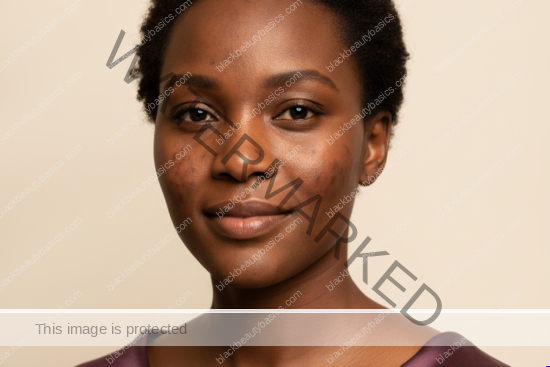
The journey to radiant, even-toned skin for the melanin-rich woman is often a testament to resilience and meticulous care. We understand the unique challenges that come with post-inflammatory hyperpigmentation (PIH) – those lingering echoes of past blemishes that can disrupt the beautiful symphony of our complexions. But what if there was a gentle yet powerful ally, a whisper of clarity that could help restore your skin’s luminous harmony?

Embracing Azelaic Acid: Your Ally Against PIH
For far too long, the narrative around hyperpigmentation solutions has overlooked the specific needs and nuances of Black skin. Harsh treatments can often do more harm than good, leading to further irritation and even more PIH. Enter azelaic acid – a true gem in the skincare world, particularly for those of us navigating the landscape of dark spots and uneven tone. This naturally occurring dicarboxylic acid, derived from grains like barley, wheat, and rye, offers a multifaceted approach to skin clarity, making it an indispensable component of any PIH-focused routine.
Its gentle yet effective nature makes it a standout ingredient, providing significant benefits without the common side effects associated with more aggressive actives. For melanin-rich skin, where inflammation can easily translate into persistent dark marks, azelaic acid’s anti-inflammatory properties are nothing short of revolutionary. It works diligently to calm irritated skin, prevent new spots from forming, and gradually fade existing ones, revealing the luminous canvas beneath.

The Science Behind the Glow: How Azelaic Acid Works
Understanding how an ingredient works empowers us to use it more effectively. Azelaic acid’s prowess against PIH stems from several key mechanisms:
1. Tyrosinase Inhibition
At the heart of PIH lies melanin overproduction. Tyrosinase is an enzyme crucial for melanin synthesis. Azelaic acid acts as a tyrosinase inhibitor, meaning it helps to slow down the production of melanin in hyperactive melanocytes (the cells responsible for producing pigment). This targeted action ensures that new dark spots are less likely to form and existing ones begin to lighten over time. Crucially, it selectively targets abnormal melanocytes, leaving healthy skin cells unaffected, which is vital for preventing hypopigmentation.
2. Anti-Inflammatory Properties
Inflammation is the precursor to PIH. Whether it’s from acne, eczema, or even minor skin trauma, inflammation triggers a cascade of events that can lead to post-inflammatory darkening. Azelaic acid possesses potent anti-inflammatory and antioxidant properties. It helps to calm redness and irritation, reducing the initial inflammatory response that often leads to PIH. By mitigating inflammation, it prevents the very root cause of many dark spots, making it a preventative and corrective powerhouse.
3. Antibacterial Action
While not directly related to PIH fading, azelaic acid’s antibacterial properties are highly beneficial for those whose PIH stems from acne. It effectively reduces the growth of acne-causing bacteria (P. acnes) on the skin, thereby preventing new breakouts. Fewer breakouts mean less inflammation, and ultimately, fewer new dark spots to contend with. This makes it an excellent ingredient for managing both active acne and its lingering aftermath.
4. Exfoliating Benefits (Gentle)
Azelaic acid also offers mild exfoliating properties, helping to gently unglue dead skin cells from the surface. This cellular turnover aids in bringing newer, less pigmented skin cells to the forefront, contributing to a more even and radiant complexion. Unlike harsher exfoliants, its action is gentle, minimizing the risk of irritation that could exacerbate PIH.
Azelaic Acid vs. Other PIH Powerhouses: A Comparison
When building a PIH-focused routine, you’ll encounter several celebrated ingredients. Let’s see how azelaic acid stands alongside some of its counterparts, specifically for melanin-rich skin.
| Ingredient | Primary Mechanism for PIH | Benefits for Melanin-Rich Skin | Potential Drawbacks/Considerations |
|---|---|---|---|
| Azelaic Acid | Tyrosinase inhibitor, anti-inflammatory, antibacterial. | Gentle, well-tolerated, reduces inflammation (key for PIH prevention), safe for long-term use. | Mild tingling/itching initially, slower results than some aggressive treatments. |
| Hydroquinone | Potent tyrosinase inhibitor, cytotoxic to melanocytes. | Highly effective for severe PIH/melasma. | Risk of ochronosis (bluish-black discoloration) with prolonged use, rebound hyperpigmentation, irritation, photosensitivity. Often used for limited periods under medical supervision. |
| Alpha Hydroxy Acids (AHAs – Glycolic, Lactic) | Exfoliation, cellular turnover. | Improves skin texture, brightens, can aid in fading surface PIH. | Can be irritating if overused, potential for post-inflammatory hyperpigmentation if skin barrier is compromised or sun protection is neglected. Start low, go slow. |
| Retinoids (Retinol, Tretinoin) | Increases cellular turnover, inhibits tyrosinase. | Effective for PIH, acne, and anti-aging. | Significant irritation, dryness, peeling, and sun sensitivity, especially initially. Can exacerbate PIH if not introduced carefully and buffered. |
| Vitamin C (L-Ascorbic Acid) | Antioxidant, tyrosinase inhibitor, brightens. | Brightens complexion, protects against environmental damage, boosts collagen. | Can be unstable, some formulations can be irritating for sensitive skin. |
| Niacinamide (Vitamin B3) | Inhibits melanosome transfer, anti-inflammatory, strengthens barrier. | Excellent for reducing redness, improving barrier function, gentle. | Generally well-tolerated, but some may experience flushing or irritation at high concentrations. |
As you can see, azelaic acid stands out for its unique combination of efficacy and gentleness, making it a cornerstone for those prioritizing safety and long-term skin health alongside PIH correction.

Crafting Your Azelaic Acid PIH Routine: A Step-by-Step Guide
A successful PIH routine is a symphony of carefully chosen products, each playing its part to restore balance and radiance. Here’s how to integrate azelaic acid seamlessly into your regimen, always remembering that consistency is key.
Morning Routine
Step 1: Gentle Cleansing
Begin your day by washing away impurities and excess oil without stripping your skin. Opt for a mild, hydrating cleanser that respects your skin’s natural barrier. Harsh cleansers can lead to irritation, which, as we know, can trigger PIH.
Shop Gentle Facial Cleansers on Amazon
Step 2: Antioxidant Serum (Optional but Recommended)
A vitamin C serum can be a powerful addition here. It offers antioxidant protection against environmental aggressors, brightens the complexion, and further aids in inhibiting melanin production. Apply a few drops to dry skin.
Shop Vitamin C Serums on Amazon
Step 3: Azelaic Acid Application
This is where our star ingredient shines. Apply a pea-sized amount of your azelaic acid product (serum, gel, or cream) evenly over your entire face, or specifically to areas of concern. Allow it to absorb fully for a minute or two before moving to the next step. If you’re new to azelaic acid, start with a lower concentration (e.g., 10%) and use it every other day, gradually increasing frequency as your skin adapts.
Shop Azelaic Acid Serums on Amazon
Step 4: Hydrating Moisturizer
Follow with a nourishing, non-comedogenic moisturizer to replenish hydration and support your skin barrier. This is crucial, especially when using active ingredients, to prevent dryness and irritation.
Shop Hydrating Facial Moisturizers on Amazon
Step 5: Non-Negotiable Sun Protection
This step cannot be overstated, especially for melanin-rich skin prone to PIH. Sun exposure is the number one culprit for darkening existing dark spots and triggering new ones. Use a broad-spectrum sunscreen with at least SPF 30, preferably SPF 50, every single day, rain or shine. Look for mineral sunscreens with zinc oxide and titanium dioxide for a gentler approach and often less white cast on deeper skin tones.
Shop Broad-Spectrum SPF 50 Sunscreens on Amazon
Evening Routine
Step 1: Double Cleansing (If Wearing Makeup/SPF)
If you wear makeup or heavy sunscreen, start with an oil-based cleanser or micellar water to dissolve product, followed by your gentle water-based cleanser. This ensures all impurities are removed, allowing your evening treatments to penetrate effectively.
Shop Oil Cleansers on Amazon
Shop Micellar Water on Amazon
Step 2: Toning (Optional)
A hydrating, alcohol-free toner can help balance skin pH and provide an extra layer of hydration. Avoid astringent toners that can cause dryness.
Shop Hydrating Facial Toners on Amazon
Step 3: Azelaic Acid Application
Apply azelaic acid again, following the same technique as your morning routine. Consistency is key for optimal results.
Shop Azelaic Acid Creams on Amazon
Step 4: Targeted Treatment (Optional, but synergistic)
If your skin tolerates it, you can layer another PIH-fighting ingredient. Niacinamide is an excellent, gentle choice that pairs well with azelaic acid. Apply a niacinamide serum before or after azelaic acid. Alternatively, if you’re using a retinoid, apply it on alternate nights with azelaic acid, or buffer it with moisturizer to minimize irritation. Consult with a dermatologist for guidance on combining potent actives.
Shop Niacinamide Serums on Amazon
Shop Retinoid Serums on Amazon
Step 5: Rich Night Cream
Seal everything in with a rich, reparative night cream. This helps to support your skin’s overnight regeneration process and ensures maximum hydration.
Shop Rich Night Creams on Amazon

Tips for Maximizing Azelaic Acid’s Efficacy in Melanin-Rich Skin
To truly unlock the potential of azelaic acid, consider these refined tips tailored for our unique complexions:
1. Start Low, Go Slow (The Golden Rule)
This principle is paramount for melanin-rich skin. Begin with a lower concentration (e.g., 10%) and use it 2-3 times a week, gradually increasing frequency as your skin adapts. Observe how your skin responds. Any signs of excessive redness, burning, or peeling indicate you need to reduce usage or concentration. Patience is your greatest virtue.
2. Consistency is Key
Azelaic acid is not a quick fix. Its magic unfolds over weeks and months of consistent use. Expect to see noticeable improvements in PIH after 8-12 weeks, with optimal results often taking 4-6 months. Incorporate it into your daily routine without fail.
3. Prioritize Sun Protection Above All Else
We cannot stress this enough. Without diligent sun protection, any efforts to fade PIH will be undermined. Sun exposure reactivates melanin production, making your dark spots darker and more persistent. Reapply sunscreen every 2-3 hours if you’re outdoors or sweating.
4. Listen to Your Skin
Your skin is constantly communicating with you. If you experience excessive dryness, irritation, or increased sensitivity, scale back on your azelaic acid use or other actives. You might need to reduce frequency, apply it over a moisturizer (buffering), or take a short break to allow your skin barrier to recover.
5. Pair Wisely
Azelaic acid is generally well-tolerated and plays nicely with many other ingredients. It can be particularly effective when combined with niacinamide, vitamin C, or even gentle retinoids (used cautiously and potentially on alternate nights). Avoid combining it with multiple strong exfoliants or other potent actives simultaneously, especially when first introducing it.
6. Consider Formulation
Azelaic acid comes in various formulations: serums, gels, and creams. Gels and serums are often lighter and absorb quickly, suitable for oily or combination skin. Creams might be more nourishing for drier skin types. Choose a formulation that suits your skin type and preferences.
7. Be Patient and Document Your Progress
PIH fades gradually. Take “before” photos in consistent lighting to track your progress. Sometimes, the daily reflection doesn’t show the subtle improvements that photos can reveal over time. Celebrate every small victory!
8. Consult a Professional
If your PIH is severe, persistent, or if you’re unsure how to integrate azelaic acid into your routine, consult with a dermatologist. They can offer personalized advice, prescribe stronger concentrations if needed, and guide you on the best approach for your unique skin concerns.
Advanced Tips for Stubborn PIH
For those particularly stubborn dark spots, you might consider these advanced strategies, always with caution and ideally under professional guidance:
1. Short Contact Therapy
If you experience initial irritation, try applying azelaic acid for a shorter duration (e.g., 30 minutes to an hour) before rinsing it off. As your skin adapts, gradually increase the contact time until you can leave it on overnight.
2. Layering with Hydrators
Apply a hydrating serum (like hyaluronic acid) or a light moisturizer before your azelaic acid. This can create a buffer, reducing direct contact and potential irritation, especially for sensitive skin types.
Shop Hyaluronic Acid Serums on Amazon
3. Consider Professional Treatments
For deep-seated PIH, professional treatments like superficial chemical peels (lactic acid, mandelic acid), microdermabrasion, or certain laser therapies (e.g., Q-switched, picosecond lasers) performed by a dermatologist experienced with melanin-rich skin can accelerate results. Azelaic acid can often be used as a preparatory or post-treatment product to enhance and maintain the effects.
| Do’s | Don’ts |
|---|---|
| DO patch test new products. | DON’T expect overnight results; patience is key. |
| DO apply to clean, dry skin. | DON’T use on broken or irritated skin. |
| DO use SPF 30+ daily, religiously. | DON’T combine with multiple harsh exfoliants. |
| DO moisturize generously. | DON’T pick or squeeze blemishes (major PIH trigger!). |
| DO consult a dermatologist for severe PIH. | DON’T ignore persistent irritation or discomfort. |
How to Keep Azelaic Acid From Becoming Too Much
Azelaic acid is often described as gentle, but gentle does not mean your skin can never feel overwhelmed. If your face starts feeling tight, itchy, unusually shiny, or tender after cleansing, treat that as useful information. It may mean the product is fine but the schedule is too ambitious. On richly melanated skin, the goal is not to force through irritation. The goal is to keep inflammation low enough that your dark-spot plan can actually do its job.
A good reset is simple: pause exfoliating acids, scrubs, and extra brightening serums for a few days. Keep cleanser, moisturizer, sunscreen, and azelaic acid only if your skin is comfortable with it. When you restart, try every other night or two to three mornings a week. If your skin feels calm for two full weeks, then consider increasing. This slower rhythm may feel less dramatic, but it is often the more respectful route for PIH-prone skin.
A calmer weekly rhythm
- Two or three azelaic nights: cleanse, apply azelaic acid, moisturize, and stop there.
- Barrier nights: skip actives and focus on moisture, especially if your skin feels tight.
- Daily sunscreen: keep SPF steady so the marks you are treating are not being re-triggered.
- One change at a time: do not introduce azelaic acid, retinoids, exfoliation, and vitamin C in the same week.
What to do next
If this topic is part of your dark-spot routine, keep the next step gentle and specific. Do not add every brightening ingredient at once. Choose the one question that matters most right now, then let your routine stay steady long enough to teach you something.
- the ingredient guide for dark spots
- retinoids for dark spots on Black skin
- how long hyperpigmentation takes to fade
Frequently Asked Questions About Azelaic Acid and PIH
Q1: How long does it take to see results from azelaic acid for PIH?
A: Patience is paramount with azelaic acid. While some individuals might notice a reduction in redness and inflammation within a few weeks, significant fading of PIH typically takes 8-12 weeks of consistent use. For deeper or more stubborn spots, it can take 4-6 months or even longer. Consistent daily application and diligent sun protection are crucial for achieving optimal results. Remember to take progress photos to truly track your journey, as daily changes can be subtle.
Q2: Can azelaic acid be used during pregnancy or breastfeeding?
A: Azelaic acid is generally considered safe for use during pregnancy and breastfeeding, making it an excellent alternative to ingredients like retinoids or hydroquinone, which are often restricted. It has a low systemic absorption rate, meaning very little of the product enters the bloodstream. However, it is always best to consult with your obstetrician or dermatologist before introducing any new skincare product during these periods, just to ensure it aligns with your specific health considerations.
Q3: What concentration of azelaic acid should I use for PIH?
A: Azelaic acid is commonly available in over-the-counter (OTC) formulations at concentrations of 10% and in prescription strengths up to 15% or 20%. For most individuals starting out with PIH, a 10% OTC formulation is an excellent starting point. It’s effective yet gentle enough for most skin types, including sensitive skin. If after consistent use you feel you need a stronger option, consult a dermatologist who can assess your skin and potentially prescribe a higher concentration.
Q4: Can I use azelaic acid with other active ingredients like Vitamin C or Retinol?
A: Yes, azelaic acid is known for its compatibility with many other active ingredients, making it a versatile addition to a PIH routine. It pairs particularly well with Vitamin C in the morning for enhanced antioxidant protection and brightening. When combining with retinoids (like retinol or tretinoin), it’s often recommended to use them on alternate nights or to apply azelaic acid in the morning and the retinoid at night. If you have sensitive skin, introduce one active at a time and observe your skin’s reaction. Always moisturize well and prioritize sun protection when using multiple actives.
Q5: What are the common side effects of azelaic acid, especially for melanin-rich skin?
A: Azelaic acid is generally well-tolerated, but some initial side effects can occur, especially when first introducing it. These may include mild tingling, itching, redness, or dryness. For melanin-rich skin, any irritation can potentially lead to new PIH, so it’s crucial to start slowly and listen to your skin. These side effects usually subside as your skin adjusts. If irritation is persistent or severe, reduce frequency, buffer with moisturizer, or discontinue use and consult a dermatologist. Unlike some other actives, azelaic acid is less likely to cause hyperpigmentation in darker skin tones if used correctly.
Q6: Does azelaic acid help with active acne as well as PIH?
A: Absolutely! Azelaic acid is a fantastic multi-tasker. Its antibacterial properties help to reduce the growth of acne-causing bacteria (P. acnes), and its anti-inflammatory effects calm redness and swelling associated with breakouts. By addressing active acne, it simultaneously prevents new inflammatory lesions that would otherwise lead to new PIH. This dual action makes it an ideal ingredient for those who experience both active breakouts and their lingering dark marks.
Q7: How should I store my azelaic acid product?
A: To maintain its efficacy, store your azelaic acid product in a cool, dry place away from direct sunlight and extreme temperatures. Most formulations do not require refrigeration unless specifically stated on the packaging. Always ensure the cap is tightly sealed after each use to prevent air exposure, which can degrade some active ingredients over time.

The journey to skin clarity is a beautiful, personal one, marked by dedication and self-care. With azelaic acid as your trusted companion, you are not just treating spots; you are nurturing your skin, honoring its resilience, and unveiling the luminous, even-toned complexion that has always been yours. Embrace this gentle powerhouse, and watch as your skin tells a story of renewed radiance and confidence.
Related next steps
Related posts:
 Azelaic and Tranexamic Acid for Stubborn Hyperpigmentation on Melanin-Rich Skin
 Glow-Focused Routine for Melanin-Rich Skin
 Ingredient-Based Solutions for Hyperpigmentation & Dark Spots on Melanin-Rich Skin: Vitamin C, Niacinamide, Azelaic, Tranexamic, Retinoids
 Best Ingredients to Fade Dark Spots on Dark Skin (Vitamin C, Azelaic, Kojic, etc.)
 Focused Care for Knees, Elbows, Heels, and Inner Thighs
 Tranexamic Acid for Hyperpigmentation on Melanin-Rich Skin