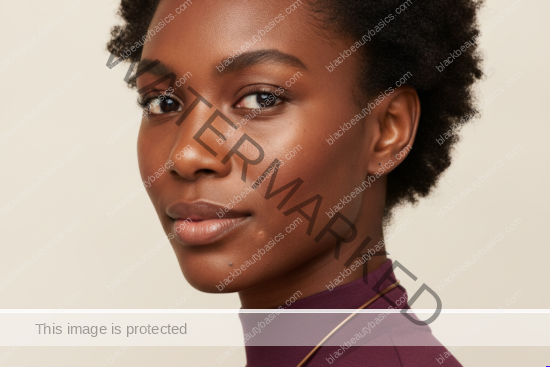
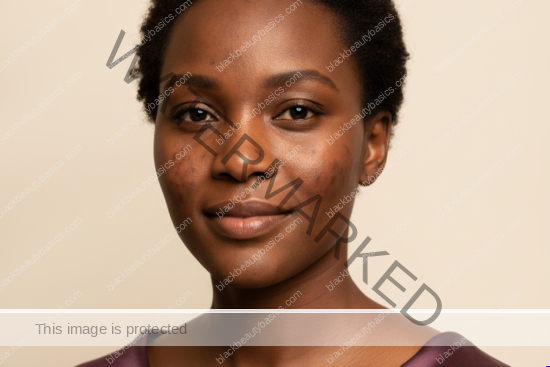
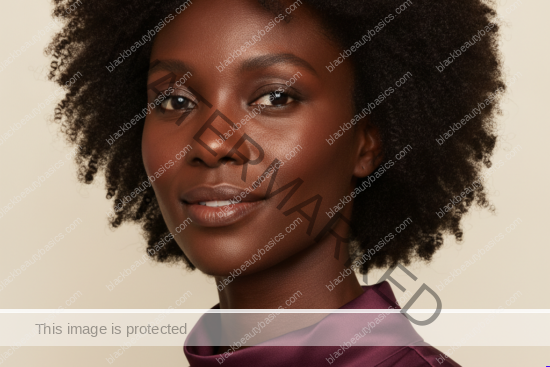
Our melanin-rich skin is a testament to resilience and radiance, a canvas of unparalleled beauty. Yet, even the most luminous complexions can sometimes face the challenge of hyperpigmentation, leaving behind dark spots that whisper tales of past inflammation or sun exposure. For those seeking to reclaim an even, vibrant glow, the journey often leads to a powerful ally: retinoids.

Unveiling the Power of Retinoids for Melanin-Rich Skin
For generations, the quest for luminous, even-toned skin has been a cornerstone of beauty rituals across cultures. In the realm of modern skincare, few ingredients command as much respect and scientific backing as retinoids. Often lauded as the gold standard for anti-aging, these vitamin A derivatives hold profound potential for addressing one of the most common and persistent concerns for African American women: post-inflammatory hyperpigmentation (PIH) and other forms of dark spots.
Understanding retinoids isn’t just about knowing their name; it’s about appreciating their intricate dance with our skin cells. These potent compounds work by accelerating cellular turnover, encouraging old, pigmented skin cells to shed more rapidly, and making way for fresh, unblemished ones. Beyond this exfoliation, retinoids also play a crucial role in regulating melanin production, helping to prevent the overactivity of melanocytes that leads to dark spots in the first place.
However, the conversation around retinoids for Black skin has historically been fraught with misconceptions and concerns, primarily revolving around potential irritation. The truth is, with the right knowledge, approach, and product selection, retinoids can be a transformative tool, not a cause for apprehension. This guide will demystify retinoids, illuminate their specific benefits for melanin-rich skin, and meticulously outline how to seamlessly integrate them into your existing skincare routine to effectively diminish dark spots and reveal your most radiant self.

The Science Behind Retinoids and Hyperpigmentation
At the heart of retinoids’ efficacy lies their ability to communicate directly with skin cells. When applied topically, retinoids bind to specific receptors within the skin, triggering a cascade of beneficial cellular activities. For those battling dark spots, these actions are particularly impactful:
- Accelerated Cell Turnover: This is perhaps the most well-known benefit. Retinoids speed up the rate at which skin cells are produced and shed. This means that pigmented cells, which contribute to dark spots, are brought to the surface and exfoliated away more quickly, allowing new, unpigmented cells to emerge.
- Melanin Regulation: Beyond simply shedding pigmented cells, retinoids also influence the melanocytes – the cells responsible for producing melanin. They help to inhibit the transfer of melanin to keratinocytes (the main skin cells), and can also reduce the activity of tyrosinase, a key enzyme involved in melanin synthesis. This dual action helps to both fade existing dark spots and prevent new ones from forming.
- Collagen Production: While not directly related to dark spots, increased collagen production improves overall skin texture and resilience, making the skin less prone to inflammation and subsequent hyperpigmentation.
- Anti-inflammatory Properties: Some retinoids possess anti-inflammatory effects, which can be beneficial in preventing post-inflammatory hyperpigmentation (PIH) by calming the skin and reducing the initial inflammatory response that triggers melanin overproduction.
The key takeaway is that retinoids don’t just bleach dark spots; they work at a cellular level to normalize skin function, leading to a more even and luminous complexion over time.
Shop Retinoid Serums on Amazon
Types of Retinoids: Understanding the Spectrum
The term “retinoid” is an umbrella term encompassing various forms of vitamin A. Their potency and how they interact with the skin vary significantly. Understanding these differences is crucial for choosing the right product for your skin and concerns.
Prescription-Strength Retinoids
- Tretinoin (Retin-A, Renova, Refissa): This is the most potent and well-researched retinoid. It is pure retinoic acid, meaning it doesn’t need to be converted by the skin to become active. Tretinoin is highly effective for severe acne, significant hyperpigmentation, and advanced signs of aging. Due to its potency, it requires a prescription and careful supervision from a dermatologist, especially for melanin-rich skin prone to irritation.
- Adapalene (Differin Gel): Once prescription-only, a lower concentration of Adapalene is now available over-the-counter. It’s a synthetic retinoid known for being more stable and often better tolerated than tretinoin, with a targeted action on cell differentiation and inflammation. It’s an excellent choice for acne and associated hyperpigmentation.
- Tazarotene (Tazorac): Another prescription-strength retinoid, Tazarotene is even more potent than tretinoin and is typically reserved for severe acne and psoriasis. It’s generally not the first choice for hyperpigmentation due to its higher irritation potential, but can be effective under strict medical guidance.
Over-the-Counter (OTC) Retinoids
- Retinol: The most common OTC retinoid. Retinol needs to undergo two conversion steps in the skin (retinol to retinaldehyde, then retinaldehyde to retinoic acid) to become active. This conversion process makes it less potent than tretinoin but also significantly less irritating. It’s an excellent starting point for those new to retinoids or with sensitive skin.
- Retinaldehyde (Retinal): This form is one conversion step closer to retinoic acid than retinol, making it more potent than retinol but less irritating than tretinoin. It’s a fantastic middle-ground option for those who find retinol too mild but tretinoin too strong.
- Retinyl Esters (e.g., Retinyl Palmitate, Retinyl Acetate): These are the mildest forms of retinoids, requiring multiple conversion steps to become active retinoic acid. They are often found in entry-level anti-aging products and are best for very sensitive skin or as a first step before moving to stronger forms.
- Bakuchiol: While not a retinoid, Bakuchiol is a plant-derived alternative that offers similar benefits to retinoids (collagen stimulation, anti-inflammatory, improved texture) without the associated irritation. It’s an excellent option for pregnant or breastfeeding individuals, or those with extremely sensitive skin who cannot tolerate traditional retinoids.
Integrating Retinoids into Your Skincare Routine: A Gentle Approach
The journey with retinoids, especially for melanin-rich skin, is one of patience and mindful integration. Our skin, while resilient, can be prone to post-inflammatory hyperpigmentation if irritated. Therefore, a slow and steady approach is paramount to harness the benefits without triggering adverse reactions.

The “Retinoid Sandwich” Method and Other Application Techniques
The “retinoid sandwich” method is a beloved technique for minimizing irritation, particularly when starting with a new retinoid or using a stronger formulation. It involves layering your skincare products to buffer the retinoid’s direct contact with the skin.
- Cleanse: Start with a gentle, hydrating cleanser. Avoid harsh cleansers that strip the skin, as this can exacerbate irritation.
- First Layer of Moisturizer: Apply a thin layer of a rich, non-comedogenic moisturizer to clean, dry skin. This creates a protective barrier.
- Apply Retinoid: Dispense a pea-sized amount of your retinoid product onto your fingertips. Gently apply it evenly over your entire face, avoiding the immediate eye area, corners of the nose, and mouth, which are often more sensitive.
- Second Layer of Moisturizer: Once the retinoid has absorbed for a minute or two, apply another layer of your moisturizer. This “sandwiches” the retinoid between two layers of hydration, significantly reducing direct contact and potential irritation.
Other Application Tips:
- Start Low, Go Slow: Begin with the lowest concentration of retinoid available and apply it only 2-3 times a week. Gradually increase frequency as your skin tolerates it, eventually aiming for every other night or nightly if comfortable.
- Apply to Dry Skin: Always apply retinoids to completely dry skin (wait 15-20 minutes after cleansing). Damp skin can increase absorption and irritation.
- Pea-Sized Amount: A small amount goes a long way. Using more will not speed up results and will only increase irritation.
- Nighttime Use: Retinoids are best applied at night because they can be photodegraded by UV light and can increase skin’s photosensitivity.
Shop Gentle Cleansers on Amazon
Essential Companion Products for Retinoid Users
Using retinoids effectively means building a supportive routine around them. Certain products are non-negotiable to ensure comfort, efficacy, and protection.
1. Hydrating Cleanser
A gentle, non-stripping cleanser is crucial. Look for formulas that contain hydrating ingredients like ceramides, hyaluronic acid, or glycerin. Avoid harsh exfoliants or foaming agents that can compromise your skin barrier.
Shop Hydrating Cleansers on Amazon
2. Rich Moisturizer
This is your retinoid’s best friend. A thick, occlusive moisturizer will help to repair and maintain your skin barrier, reducing dryness, flaking, and irritation. Ingredients like ceramides, cholesterol, fatty acids, shea butter, and squalane are excellent.
Shop Rich Facial Moisturizers on Amazon
3. Broad-Spectrum Sunscreen (Non-Negotiable!)
Retinoids make your skin more sensitive to the sun. Daily, consistent use of a broad-spectrum sunscreen with an SPF of 30 or higher is absolutely mandatory, even on cloudy days or indoors near windows. For melanin-rich skin, choose mineral sunscreens (zinc oxide, titanium dioxide) or chemical sunscreens that don’t leave a white cast. Sunscreen not only protects against irritation but also prevents new dark spots and ensures the existing ones don’t darken.
Shop Broad-Spectrum Sunscreens on Amazon
4. Hydrating Serums/Essences
On nights you’re not using retinoids, or even before your first layer of moisturizer on retinoid nights, consider a hydrating serum with hyaluronic acid, polyglutamic acid, or glycerin to boost moisture levels.
Shop Hydrating Serums on Amazon
5. Antioxidant Serum (Morning)
In the morning, after cleansing, an antioxidant serum (like Vitamin C) can provide additional protection against environmental damage and further enhance brightening effects.
Shop Vitamin C Serums on Amazon
When to Use Retinoids in Your Routine: A Sample Schedule
Consistency is key, but so is giving your skin time to adapt. Here’s a sample weekly schedule for introducing retinoids:
Week 1-2: Introduction Phase
- Monday PM: Cleanse > Moisturizer > Retinoid > Moisturizer
- Tuesday PM: Cleanse > Hydrating Serum > Moisturizer
- Wednesday PM: Cleanse > Moisturizer > Retinoid > Moisturizer
- Thursday PM: Cleanse > Hydrating Serum > Moisturizer
- Friday PM: Cleanse > Hydrating Serum > Moisturizer
- Saturday PM: Cleanse > Hydrating Serum > Moisturizer
- Sunday PM: Cleanse > Hydrating Serum > Moisturizer
(Daily AM: Cleanse > Antioxidant Serum > Moisturizer > SPF)
Week 3-4: Gradual Increase
- Monday PM: Cleanse > Moisturizer > Retinoid > Moisturizer
- Tuesday PM: Cleanse > Hydrating Serum > Moisturizer
- Wednesday PM: Cleanse > Moisturizer > Retinoid > Moisturizer
- Thursday PM: Cleanse > Hydrating Serum > Moisturizer
- Friday PM: Cleanse > Moisturizer > Retinoid > Moisturizer
- Saturday PM: Cleanse > Hydrating Serum > Moisturizer
- Sunday PM: Cleanse > Hydrating Serum > Moisturizer
(Daily AM: Cleanse > Antioxidant Serum > Moisturizer > SPF)
Week 5+: Consistent Use (if tolerated)
- Every Other Night/Nightly PM: Cleanse > Moisturizer > Retinoid > Moisturizer
- Off Nights PM: Cleanse > Hydrating Serum > Moisturizer
(Daily AM: Cleanse > Antioxidant Serum > Moisturizer > SPF)
Listen to your skin! If you experience excessive dryness, redness, flaking, or stinging, reduce the frequency or take a break for a few days. You can always revert to a less frequent schedule until your skin adapts.
Navigating Potential Side Effects and Sensitivities on Melanin-Rich Skin
While retinoids are powerful, they are not without their potential challenges, especially for melanin-rich skin. The key is to anticipate these and have strategies in place to manage them, ensuring your journey to radiant skin is smooth and successful.

Common Side Effects and How to Mitigate Them
The initial phase of retinoid use is often referred to as the “retinization period,” during which your skin adapts. During this time, you might experience:
- Dryness and Flaking: This is very common. Combat it with generous application of rich moisturizers, especially using the “retinoid sandwich” technique. Consider adding a hydrating serum with hyaluronic acid.
Shop Hyaluronic Acid Serums on Amazon - Redness and Irritation: Melanin-rich skin can show irritation as a darker, purplish hue rather than bright red. Reduce frequency of application, use a gentler retinoid form, or take a short break until irritation subsides. Ensure your other skincare products are mild and fragrance-free.
- Purging: Some individuals experience an initial breakout phase as retinoids accelerate cell turnover, bringing underlying congestion to the surface. This is usually temporary (4-6 weeks). Resist the urge to pick, and maintain consistency. If it’s severe or prolonged, consult a dermatologist.
- Increased Sun Sensitivity: As mentioned, retinoids make your skin more vulnerable to UV damage. Daily, diligent use of broad-spectrum SPF 30+ is non-negotiable to prevent sunburn and, crucially for melanin-rich skin, to avoid worsening hyperpigmentation.
When to Consult a Dermatologist
While many retinoid journeys can be managed at home, there are times when professional guidance is invaluable:
- Severe or Persistent Irritation: If you experience extreme burning, stinging, swelling, or redness that doesn’t subside with reduced frequency or a break.
- Worsening Hyperpigmentation: If your dark spots appear to be getting darker or new ones are forming, especially with irritation, it’s essential to seek professional advice. This could indicate an adverse reaction or that the retinoid is too strong.
- No Improvement After Several Months: If you’ve been consistent for 3-6 months with an OTC retinoid and see no significant improvement in dark spots, a dermatologist can prescribe a stronger retinoid or suggest alternative treatments.
- Underlying Skin Conditions: If you have rosacea, eczema, or other sensitive skin conditions, a dermatologist can help you safely integrate retinoids or recommend alternatives.
- Pregnancy or Breastfeeding: Retinoids are generally not recommended during pregnancy or breastfeeding. A dermatologist can advise on safe alternatives like Bakuchiol.
Comparison: Retinoids vs. Other Dark Spot Treatments
While retinoids are powerful, they are often part of a multi-faceted approach to dark spots. Here’s how they compare to other popular ingredients:
| Treatment | Primary Mechanism for Dark Spots | Pros for Melanin-Rich Skin | Cons for Melanin-Rich Skin | Best Paired With |
|---|---|---|---|---|
| Retinoids | Accelerates cell turnover, regulates melanin production, prevents new spots. | Long-term efficacy, anti-aging benefits, improves texture. | Initial irritation, dryness, sun sensitivity, potential for PIH if overused. | Hydrators, SPF, Niacinamide, Vitamin C. |
| Hydroquinone | Directly inhibits tyrosinase (melanin production). | Very effective for stubborn dark spots, fast-acting. | Prescription-only (higher concentrations), potential for ochronosis (blue-black discoloration) with prolonged, unsupervised use, irritation. | Retinoids (synergistic), SPF. Use under dermatologist guidance. |
| Vitamin C (Ascorbic Acid) | Antioxidant, inhibits tyrosinase, brightens, collagen booster. | Gentle, provides antioxidant protection, boosts radiance. | Can be unstable, less potent for deep spots than retinoids/HQ, can oxidize. | Retinoids (AM), SPF, Niacinamide. |
| Niacinamide (Vitamin B3) | Inhibits melanosome transfer, anti-inflammatory, barrier support. | Well-tolerated, reduces redness, strengthens skin barrier, versatile. | Slower results for severe spots, some may experience flushing. | Retinoids, Vitamin C, AHAs. |
| Alpha Hydroxy Acids (AHAs – Glycolic, Lactic) | Exfoliates surface skin cells, promotes cell turnover. | Improves texture, immediate brightening, can be gentle. | Can cause irritation, sun sensitivity, potential for PIH if overused or too strong. | Hydrators, SPF, Niacinamide. Use on alternate nights from retinoids. |
| Azelaic Acid | Reduces inflammation, inhibits tyrosinase, antibacterial. | Gentle, effective for PIH and rosacea, well-tolerated by most skin types. | Can cause mild itching/stinging initially, slower results. | Retinoids, SPF, Niacinamide. |
Shop Niacinamide Serums on Amazon
Tips for Success with Retinoids on Black Skin
To ensure the most effective and comfortable experience with retinoids, keep these tailored tips in mind:
- Prioritize Hydration: Melanin-rich skin can be prone to transepidermal water loss. A robust moisturizing routine is your first line of defense against retinoid-induced dryness and irritation.
- Patch Test: Before applying to your entire face, test the retinoid on a small, inconspicuous area (like behind the ear or on the jawline) for a few nights to gauge your skin’s reaction.
- Patience is a Virtue: Significant results for dark spots typically take 3-6 months. Don’t get discouraged by the initial purging or slow progress. Consistency is key.
- Avoid Over-Exfoliation: Do not combine retinoids with other strong exfoliants (like AHAs, BHAs, or harsh scrubs) on the same night, especially when starting out. Alternate them on different nights or use gentler exfoliants in the morning.
- Protect Your Barrier: If your skin barrier feels compromised (tight, sensitive, stinging), pause retinoid use and focus solely on gentle cleansing, moisturizing, and SPF until it recovers.
- Consider “Short Contact Therapy”: For very sensitive skin, apply the retinoid for a shorter duration (e.g., 30 minutes to an hour) before rinsing it off, then apply moisturizer. Gradually increase contact time as tolerated.
- Don’t Forget the Neck and Chest: These areas are often more sensitive. Start with even lower frequency and concentration here.
- Professional Guidance: When in doubt, consult a dermatologist who understands the nuances of treating melanin-rich skin. They can recommend appropriate strengths, formulations, and complementary treatments.
A Retinoid Routine Should Have Rest Built In
The mistake many people make with retinoids is treating them like a punishment for dark spots. More nights, more peeling, and more tightness can feel like proof that something is happening. For Black skin and other richly melanated skin tones, that approach can backfire. Irritation is not just uncomfortable; it can become another reason the skin produces extra pigment.
A better routine gives retinoids space to work without asking your skin to perform under stress. That may mean two retinoid nights per week at first, with several recovery nights in between. It may mean avoiding exfoliating acids until your skin has adjusted. It may mean choosing a less intense over-the-counter retinol before considering prescription options with a dermatologist.
Signs to slow down
- Stinging after bland moisturizer: pause the retinoid and rebuild the barrier.
- New darkening around treated areas: treat irritation as a warning sign, not a phase to push through.
- Peeling plus tenderness: reduce frequency and remove other actives for now.
- No sunscreen habit yet: build SPF consistency before chasing stronger retinoid results.
What to do next
If this topic is part of your dark-spot routine, keep the next step gentle and specific. Do not add every brightening ingredient at once. Choose the one question that matters most right now, then let your routine stay steady long enough to teach you something.
- the ingredient guide for dark spots
- how to fade dark spots without wrecking your barrier
- sunscreen habits while treating dark spots
Frequently Asked Questions About Retinoids for Dark Spots on Black Skin
Q1: Can retinoids make dark spots worse on Black skin?
A1: While retinoids are highly effective for fading dark spots, improper use can sometimes lead to irritation, which, in melanin-rich skin, can trigger new or worsen existing post-inflammatory hyperpigmentation (PIH). This is why starting with a low concentration, gradually increasing frequency, and using ample hydration and daily SPF are crucial. If irritation occurs, reduce usage or pause until skin recovers. Consulting a dermatologist can help prevent and manage this.
Q2: How long does it take to see results for dark spots with retinoids?
A2: Patience is key with retinoids. You might start to see improvements in skin texture and overall radiance within 6-8 weeks. However, significant fading of dark spots typically takes 3-6 months of consistent use. Deeper or older spots may require even longer. It’s a marathon, not a sprint, for lasting results.
Q3: Which type of retinoid is best for beginners with dark spots?
A3: For beginners, especially those with melanin-rich skin, starting with an over-the-counter retinol or retinaldehyde (retinal) is highly recommended. These forms are less potent than prescription tretinoin, allowing your skin to gradually adapt with less risk of irritation. Look for formulations that also include hydrating and soothing ingredients.
Shop Beginner Retinol Serums on Amazon
Q4: Can I use retinoids and Vitamin C together for dark spots?
A4: Yes, you can! In fact, they make an excellent team. However, it’s generally recommended to use Vitamin C in the morning (for its antioxidant protection) and retinoids at night. If you prefer to use them at the same time, apply Vitamin C first, wait for it to absorb, then apply your retinoid. Alternatively, use them on alternate nights to minimize potential irritation.
Q5: Is Bakuchiol a good alternative to retinoids for dark spots on Black skin?
A5: Bakuchiol is an excellent plant-derived alternative, especially for those with very sensitive skin, or during pregnancy/breastfeeding when retinoids are contraindicated. It offers similar benefits like improving skin texture, reducing fine lines, and helping with hyperpigmentation, but with less irritation. While it may not be as potent as prescription retinoids for severe dark spots, it’s a fantastic, gentle option for overall skin health and mild discoloration.
Shop Bakuchiol Serums on Amazon
Q6: Do I need to use sunscreen every day when using retinoids?
A6: Absolutely, unequivocally YES! Daily, consistent use of a broad-spectrum sunscreen with an SPF of 30 or higher is non-negotiable when using retinoids. Retinoids increase your skin’s sensitivity to the sun, making it more prone to sunburn and, critically for melanin-rich skin, to new or worsened hyperpigmentation. Sunscreen protects your investment in your skin and ensures the retinoids can do their job effectively without counteracting effects.
Q7: What other ingredients should I avoid when using retinoids?
A7: When first starting retinoids, it’s best to temporarily avoid other strong active ingredients like high concentrations of AHAs (Glycolic Acid, Lactic Acid), BHAs (Salicylic Acid), and physical exfoliants, especially on the same night. Over-exfoliation can compromise your skin barrier and lead to irritation and PIH. Once your skin adapts, you might be able to alternate these ingredients on different nights, but always proceed with caution and listen to your skin.
A8: Yes, retinoids are highly effective for both! For acne, they help to unclog pores and reduce inflammation. For the dark spots (post-inflammatory hyperpigmentation) that often follow acne, they accelerate cell turnover and regulate melanin production, leading to a more even skin tone. For pitted or ice-pick scars (atrophic scars), retinoids can improve texture over time by stimulating collagen, but they may not fully erase deep scars, which might require in-office procedures.

Embrace the journey to luminous, even-toned skin with the wisdom and grace it deserves. Retinoids, when approached with care and understanding, can be a profound ally in revealing the radiant complexion that is uniquely yours. Trust in the process, honor your skin’s needs, and step forward with confidence, knowing your beauty is celebrated in every shade.
Related next steps
Related posts:
 Ingredient-Based Solutions for Hyperpigmentation & Dark Spots on Melanin-Rich Skin: Vitamin C, Niacinamide, Azelaic, Tranexamic, Retinoids
 Retinoids for Uneven Tone on Melanin-Rich Skin: A Gentle, Informed Approach
 How to Layer Actives on Dark Skin (Vitamin C, Niacinamide, Retinoids, Acids)
 Retinoids for Black Women: Anti‑Aging and Hyperpigmentation Without Irritation
 Retinoids on Melanin-Rich Skin: Navigating Acne and PIH with Grace
 Routine Frameworks That Support Fading Dark Spots Over Time