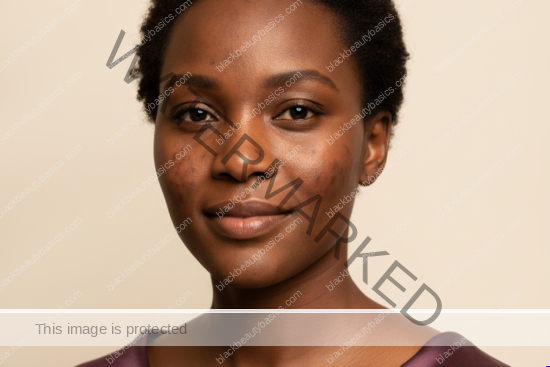
For the woman of color, our skin tells a story — a rich tapestry of heritage, resilience, and unparalleled beauty. Yet, within this exquisite narrative, hyperpigmentation often emerges as an unwelcome chapter, leaving behind dark spots that can feel like a persistent whisper of past inflammations or sun exposures. While we diligently pursue treatments to unveil our most luminous complexion, there’s one non-negotiable, foundational practice that transcends all others in this journey: the steadfast, intelligent use of sunscreen.

The Unseen Adversary: How UV Rays Sabotage Your Dark Spot Treatment
Our melanin-rich skin, while blessed with natural protection against the sun’s harsher rays, is also uniquely predisposed to hyperpigmentation. When exposed to UV radiation, melanocytes – the cells responsible for producing melanin – go into overdrive, creating an excess of pigment that manifests as dark spots. This means that even the most potent serums and advanced treatments for fading hyperpigmentation can be rendered ineffective, or worse, exacerbate the problem, without a robust sunscreen strategy.
Think of it this way: you’re meticulously repairing a beautiful silk garment, but every day, you expose it to a harsh, damaging element. The repair work becomes a Sisyphean task. Similarly, treating dark spots without consistent, correct sunscreen application is like trying to empty a bathtub with the faucet still running. It’s a battle you’re destined to lose.

Understanding the Science: Melanin, UV, and Hyperpigmentation
Melanin is our skin’s natural defense mechanism against UV radiation. It absorbs UV light, dissipating it as heat and preventing DNA damage. This is why women of color generally have a lower incidence of skin cancer compared to lighter skin tones. However, this protective mechanism also has a downside when it comes to aesthetics: post-inflammatory hyperpigmentation (PIH) and melasma.
- Post-Inflammatory Hyperpigmentation (PIH): This occurs after an inflammatory event, such as acne, eczema, or even a minor cut. In melanin-rich skin, the inflammation triggers melanocytes to produce excess melanin, leaving a dark spot once the inflammation subsides. UV exposure intensifies these spots, making them darker and more persistent.
- Melasma: Often called the “mask of pregnancy,” melasma is characterized by symmetrical, blotchy hyperpigmented patches on the face. Hormonal fluctuations are a key trigger, but UV exposure is the primary exacerbating factor, making melasma notoriously difficult to treat without stringent sun protection.
The sun’s UVA rays penetrate deeper into the skin, contributing to premature aging, while UVB rays are the primary cause of sunburn. Both types of rays stimulate melanin production. Broad-spectrum sunscreen is essential because it protects against both UVA and UVB, acting as a shield for your delicate skin as it heals and regenerates.
The Non-Negotiable Daily Ritual: Your Sunscreen Selection Guide
Choosing the right sunscreen is paramount. It’s not just about slapping on any product; it’s about selecting a formulation that aligns with your skin’s needs, your lifestyle, and your aesthetic preferences. For women of color, avoiding a white cast is often a top priority, making mineral sunscreens a particular area of consideration.
Mineral vs. Chemical: Decoding Your Options
There are two primary types of sunscreens, each with its own mechanism of action:
Mineral Sunscreens (Physical Blockers)
These sunscreens use zinc oxide and/or titanium dioxide to create a physical barrier on the skin’s surface, reflecting UV rays away. Historically, mineral sunscreens were notorious for leaving a noticeable white cast, especially on darker skin tones. However, advancements in formulation have led to micronized and tinted mineral options that blend seamlessly.
- Pros: Gentle on sensitive skin, immediate protection upon application, excellent for those prone to irritation or acne. Often preferred for their “clean” ingredient profiles.
- Cons: Can still leave a slight white cast if not formulated well or if applied too thickly. May feel heavier on the skin for some.
Shop Mineral Sunscreens on Amazon
Chemical Sunscreens
These sunscreens absorb UV radiation and convert it into heat, which is then released from the skin. Common active ingredients include oxybenzone, avobenzone, octinoxate, and octisalate. They tend to be lighter in texture and absorb without a white cast.
- Pros: Lightweight, invisible finish, easy to blend, often found in combination with other skincare ingredients.
- Cons: Some ingredients can be irritating for very sensitive skin. Requires about 15-20 minutes to become effective after application.
Shop Chemical Sunscreens on Amazon
The Golden Standard: SPF 30+ and Broad-Spectrum
When selecting your sunscreen, two terms are non-negotiable:
- SPF 30 or Higher: SPF (Sun Protection Factor) primarily measures protection against UVB rays. An SPF 30 blocks approximately 97% of UVB rays, while SPF 50 blocks about 98%. The difference in protection above SPF 30 is marginal but can be beneficial for those with hyperpigmentation.
- Broad-Spectrum: This indicates that the sunscreen protects against both UVA and UVB rays. UVA protection is crucial for preventing premature aging and, more importantly for our discussion, for preventing the darkening of existing hyperpigmentation.
Recommended Sunscreen Formulations for Melanin-Rich Skin
To help you navigate the myriad of options, here’s a guide to formulations that often work beautifully on deeper skin tones:
Tinted Mineral Sunscreens
These are a godsend for minimizing white cast. The tint, often a universal shade or available in a range of skin tones, helps to neutralize any chalkiness. They can also double as a light foundation or primer.
Shop Tinted Mineral Sunscreens on Amazon
Invisible Chemical Sunscreens
Many brands have perfected chemical formulations that are truly transparent, leaving no residue. These are excellent for everyday wear, especially under makeup.
Shop Invisible Chemical Sunscreens on Amazon
Hybrid Sunscreens
These formulations combine both mineral and chemical filters, aiming to offer the best of both worlds – broad-spectrum protection with a more elegant, less visible finish.
Shop Hybrid Sunscreens on Amazon
Sunscreen Sticks and Powders for Reapplication
These are fantastic for on-the-go reapplication over makeup. While not ideal for initial application (it’s hard to get enough product), they are perfect for touch-ups throughout the day.
Shop Sunscreen Sticks on Amazon
Shop Sunscreen Powders on Amazon
Mastering the Art of Application: Your Daily Sunscreen Habits
Selecting the right product is only half the battle. Consistent, correct application is where the magic truly happens. This isn’t just about applying it once in the morning; it’s about making it a foundational, unwavering step in your daily regimen.

The “Two-Finger Rule” and Beyond
A common mistake is not applying enough sunscreen. For your face and neck, a good rule of thumb is the “two-finger rule”: squeeze two lines of sunscreen onto your index and middle fingers. This amount typically provides adequate coverage.
Step-by-Step Application Guide:
- Cleanse and Tone: Start with a fresh, clean canvas.
- Serums and Treatments: Apply your dark spot treatments, antioxidants (like Vitamin C), and any other serums. Allow them to fully absorb.
- Moisturizer: Apply your daily moisturizer. This creates a smooth base and ensures your skin is hydrated.
- Sunscreen (The Grand Finale): This is the last step in your skincare routine before makeup.
- Dispense a generous amount (two-finger rule) onto your fingertips.
- Dot it evenly across your face, neck, and décolletage.
- Gently massage it in using upward and outward strokes until fully absorbed. Pay extra attention to areas prone to hyperpigmentation.
- Allow a few minutes for it to set before applying makeup.
- Makeup (Optional): If you wear makeup, apply it after your sunscreen has settled. Consider makeup products with added SPF, but remember these are supplementary, not a replacement for your dedicated sunscreen.
Reapplication: The Unsung Hero of Sun Protection
This is where many fall short, and it’s particularly critical when treating dark spots. Sunscreen efficacy diminishes over time due to sweat, oil, friction, and environmental exposure. For continuous protection:
- Every Two Hours: Reapply at least every two hours when you’re outdoors, especially after swimming or sweating.
- Indoors But Near Windows: Even if you’re indoors, if you’re near windows (in an office, car, or at home), UVA rays can still penetrate glass. Reapply every 4-5 hours.
- Over Makeup: Use a sunscreen mist, powder, or stick for easy reapplication over makeup. These are designed to be lightweight and non-disruptive.
Comparison Table: Sunscreen Application & Reapplication Habits
| Habit | Effective for Dark Spot Treatment | Ineffective/Detrimental for Dark Spot Treatment |
|---|---|---|
| Application Amount | “Two-finger rule” for face & neck; generous coverage. | Skimping on product, applying a thin layer. |
| Application Timing | Last step before makeup (mineral) or 15-20 mins before sun exposure (chemical). | Applying too early, mixing with other products, or applying after makeup. |
| Reapplication Frequency (Outdoor) | Every 2 hours, or immediately after sweating/swimming. | Applying once in the morning and forgetting it. |
| Reapplication Frequency (Indoor) | Every 4-5 hours if near windows, or if spending time outdoors briefly. | Assuming indoor settings offer complete UV protection. |
| Coverage Areas | Face, neck, ears, décolletage, back of hands. | Only applying to the face. |
| Product Type | Broad-spectrum SPF 30+ (mineral, chemical, or hybrid). | Low SPF, non-broad-spectrum, or relying solely on SPF in makeup. |
Beyond the Bottle: Complementary Sun Protection Strategies
Sunscreen is your primary defense, but it’s not the only one. Layering protection offers an even more robust shield for your skin.
- Seek Shade: Especially during peak hours (10 AM – 4 PM), seek shade under trees, umbrellas, or awnings.
- Wide-Brimmed Hats: A stylish wide-brimmed hat (at least 3 inches all around) offers excellent protection for your face, neck, and ears.
Shop Wide-Brimmed Sun Hats on Amazon
- UV-Protective Clothing: Look for clothing with a UPF (Ultraviolet Protection Factor) rating. This is particularly useful for extended outdoor activities.
Shop UPF Clothing on Amazon
- Sunglasses: Protect the delicate skin around your eyes and help prevent sun-induced squinting, which can contribute to fine lines.
Shop UV Protection Sunglasses on Amazon
Integrating Sunscreen with Your Dark Spot Treatment Regimen
Your journey to even-toned, luminous skin involves a multi-faceted approach. Sunscreen doesn’t just prevent new dark spots; it actively supports the fading process of existing ones by preventing them from re-darkening and allowing your treatments to work effectively.
The Synergy of Ingredients and Protection
Many popular dark spot treatments, such as retinoids, AHAs, BHAs, and certain brightening agents (hydroquinone, arbutin, kojic acid, Vitamin C), can increase skin sensitivity to the sun. This makes diligent sunscreen use not just beneficial, but absolutely critical.
- Retinoids (Retinol, Tretinoin): These powerful ingredients accelerate cell turnover, bringing new, unpigmented skin cells to the surface. However, this process can make your skin more vulnerable to UV damage. Sunscreen is non-negotiable.
- Alpha Hydroxy Acids (AHAs) & Beta Hydroxy Acids (BHAs): Exfoliants like glycolic acid, lactic acid, and salicylic acid remove dead skin cells, revealing brighter skin. This exfoliation can also thin the stratum corneum temporarily, increasing sun sensitivity.
- Vitamin C: While a potent antioxidant that helps brighten the skin and protect against environmental damage, it doesn’t replace sunscreen. In fact, using Vitamin C under sunscreen can boost its protective benefits.
- Hydroquinone & Other Brighteners: These ingredients work by inhibiting melanin production. If the skin is continually exposed to UV without protection, the melanocytes will continue to be stimulated, undermining the treatment’s efficacy and potentially leading to rebound hyperpigmentation.

Building Your Morning Routine: A Layering Guide
For optimal results, consider this layering sequence for your morning skincare ritual:
- Cleanse: Gentle cleanser suitable for your skin type.
Shop Gentle Cleansers on Amazon
- Tone (Optional): Hydrating or balancing toner.
Shop Hydrating Toners on Amazon
- Targeted Serums: Vitamin C serum for antioxidant protection and brightening, or other dark spot specific serums. Allow to fully absorb (1-2 minutes).
Shop Vitamin C Serums on Amazon
Shop Dark Spot Treatment Serums on Amazon
- Eye Cream: Apply around the delicate eye area.
Shop Eye Creams on Amazon
- Moisturizer: A hydrating moisturizer to lock in moisture.
Shop Hydrating Moisturizers on Amazon
- Sunscreen: Your broad-spectrum SPF 30+ (or higher) sunscreen. This is your ultimate shield.
Tip List: Sunscreen Habits for Dark Spot Success
- Consistency is Key: Apply sunscreen every single day, rain or shine, indoors or out. UV rays penetrate clouds and windows.
- Generous Application: Use enough product. The “two-finger rule” is a good starting point for face and neck.
- Reapply Diligently: Every two hours when outdoors, or every 4-5 hours if mostly indoors near windows. Use mists or powders for over-makeup reapplication.
- Broad-Spectrum & SPF 30+: Always choose a sunscreen that protects against both UVA and UVB rays, with an SPF of 30 or higher.
- Find Your Match: Experiment with mineral, chemical, or hybrid formulations to find one that feels good and leaves no white cast on your skin. Tinted options are excellent.
- Layer Up: Sunscreen is the last step in your skincare before makeup. It works synergistically with your dark spot treatments.
- Don’t Forget Exposed Areas: Extend sunscreen to your neck, décolletage, ears, and hands – areas often overlooked but prone to sun damage and hyperpigmentation.
- Embrace Sun-Protective Accessories: Hats, sunglasses, and UPF clothing provide an extra layer of defense.
- Be Patient: Fading dark spots takes time and consistent effort. Sunscreen ensures your efforts aren’t undone.
- Check Expiration Dates: Sunscreen loses efficacy over time. Replace expired products.
The Habit That Makes Dark-Spot Treatments Worth It
Sunscreen can feel boring compared with a new serum, but it is the habit that protects the work. If you are using vitamin C, azelaic acid, retinoids, tranexamic acid, exfoliating acids, or professional treatments, daily sun protection helps keep the pigment process quieter. Without it, the same dark marks you are trying to fade can keep getting the signal to deepen.
This does not mean you need to become afraid of the sun or hide your skin. It means you build a realistic habit that fits your life. Keep one sunscreen at your bathroom sink, one in your bag, and one backup if you can. Choose textures that do not make you dread the step. For deep skin, that may mean invisible chemical formulas, tinted mineral formulas, or hybrid formulas that settle without ashiness.
Make SPF easier to repeat
- Use enough: a too-thin layer gives less protection than the label promises.
- Let it set: give sunscreen a moment before makeup so it can form an even layer.
- Reapply when exposure is real: outdoor errands, car time, sweating, and long window exposure all count.
- Do not depend on makeup SPF alone: it can help, but it usually is not applied heavily enough to be your only protection.
What to do next
If this topic is part of your dark-spot routine, keep the next step gentle and specific. Do not add every brightening ingredient at once. Choose the one question that matters most right now, then let your routine stay steady long enough to teach you something.
- the treatment routines guide for dark spots
- how long hyperpigmentation takes to fade
- vitamin C without irritation on dark skin
Frequently Asked Questions About Sunscreen and Dark Spots
Q1: Do I really need sunscreen if I have dark skin? Doesn’t melanin protect me?
A: Yes, absolutely. While melanin provides some natural protection against UV radiation, it does not offer complete immunity. Melanin-rich skin is highly prone to hyperpigmentation (dark spots) and melasma when exposed to UV rays. Sunscreen is essential to prevent these conditions from worsening or recurring, and to allow your dark spot treatments to work effectively without constant re-stimulation of melanin production.
Q2: Can I just use a moisturizer or makeup with SPF?
A: While moisturizers and makeup with SPF offer some level of protection, they are generally not sufficient as your primary sun defense, especially when treating dark spots. To achieve the stated SPF, you would need to apply a much larger quantity of these products than most people typically do. It’s always best to use a dedicated broad-spectrum sunscreen with an SPF of 30 or higher as the last step in your skincare routine, and then layer SPF makeup on top for supplementary protection.
Q3: How do I reapply sunscreen over makeup without ruining it?
A: Reapplying sunscreen over makeup has become much easier with modern formulations. You can use:
- Sunscreen mists or sprays: Hold about 6-8 inches from your face, close your eyes and mouth, and spray evenly. Pat gently if needed.
Shop Sunscreen Mists on Amazon
- Sunscreen sticks: Gently glide the stick over areas like your forehead, cheeks, nose, and chin, then lightly pat with your fingertips or a sponge to blend.
Shop Sunscreen Sticks on Amazon
- Sunscreen powders: Use a brush to lightly dust a translucent or tinted SPF powder over your face. This also helps with oil control.
Shop Sunscreen Powders on Amazon
The key is to apply gently and in thin layers.
Q4: What’s the difference between UVA and UVB, and why do I need broad-spectrum?
A: UVA (Ultraviolet A) rays penetrate deeper into the skin and are primarily responsible for premature aging (wrinkles, fine lines, loss of elasticity) and, crucially for our topic, the darkening of existing hyperpigmentation and melasma. UVB (Ultraviolet B) rays are shorter and primarily cause sunburn and contribute to skin cancer. Broad-spectrum sunscreen protects against both UVA and UVB rays, offering comprehensive protection vital for preventing new dark spots and ensuring your current ones fade effectively.
Q5: I’m indoors all day. Do I still need sunscreen?
A: Yes, you do. UVA rays, which are a major contributor to hyperpigmentation, can penetrate through windows. If you work near a window, drive frequently, or spend time in a home with ample natural light, your skin is still exposed. Consistent daily sunscreen application, even indoors, is a crucial habit for preventing and treating dark spots.
Q6: Can certain skincare ingredients make my skin more sensitive to the sun?
A: Absolutely. Many effective dark spot treatments and exfoliating ingredients increase your skin’s photosensitivity. These include retinoids (retinol, tretinoin), alpha hydroxy acids (AHAs like glycolic or lactic acid), beta hydroxy acids (BHAs like salicylic acid), and even some brightening agents. When using these products, diligent and consistent sunscreen application becomes even more critical to prevent irritation, damage, and the worsening of hyperpigmentation.
Q7: How much sunscreen should I apply to my face and neck?
A: A common guideline is the “two-finger rule”: squeeze a line of sunscreen onto your index finger and another line onto your middle finger. This amount, roughly a quarter teaspoon, is generally considered sufficient for the face and neck. Applying less than this significantly reduces the stated SPF protection.
A: To avoid a white cast, especially with mineral sunscreens, look for:
- Micronized or Nanoparticle Zinc Oxide/Titanium Dioxide: These smaller particles blend more seamlessly.
- Tinted Mineral Sunscreens: The added tint helps to counteract the white cast.
- Chemical Sunscreens: These typically absorb invisibly on all skin tones.
- Hybrid Formulations: Combining mineral and chemical filters can offer a good balance of protection and aesthetic finish.
Reading reviews from other women of color can also be incredibly helpful in finding truly invisible formulations.

In the pursuit of radiant, even-toned skin, remember that sunscreen is not merely an optional step, but the very cornerstone of your regimen. It is the unwavering guardian that protects your investment in serums and treatments, allowing your natural luminosity to emerge unhindered. Embrace this daily ritual with the elegance and diligence it deserves, and watch as your complexion transforms, reflecting the brilliance that is uniquely yours.
Related next steps
Related posts:
 Smooth Confidence: The Definitive Guide to Treating and Preventing Razor Bumps and Dark Spots on Melanin-Rich Skin
 Treating Active Ingrown Hairs, Bumps, and Dark Marks on Melanin-Rich Skin
 Understanding and Treating Post-Inflammatory Hyperpigmentation on the Body
 Sun Protection for Babies and Young Kids With Dark Skin: Nurturing Healthy Habits from the Start
 Bath and Shower Habits for Eczema, Psoriasis, and Sensitive Dark Skin
 Dark Spots from Acne on Dark Skin: Step-by-Step Treatment Plan