
Knees and elbows are allowed to be darker than the rest of your body. They bend, rub, lean, kneel, press against desks, meet fabric, and carry normal texture. On deep skin, these areas may naturally look richer or more shadowed. That said, if knee or elbow discoloration has become darker, rougher, or more noticeable than usual, a gentle routine can help you care for the skin without attacking it.
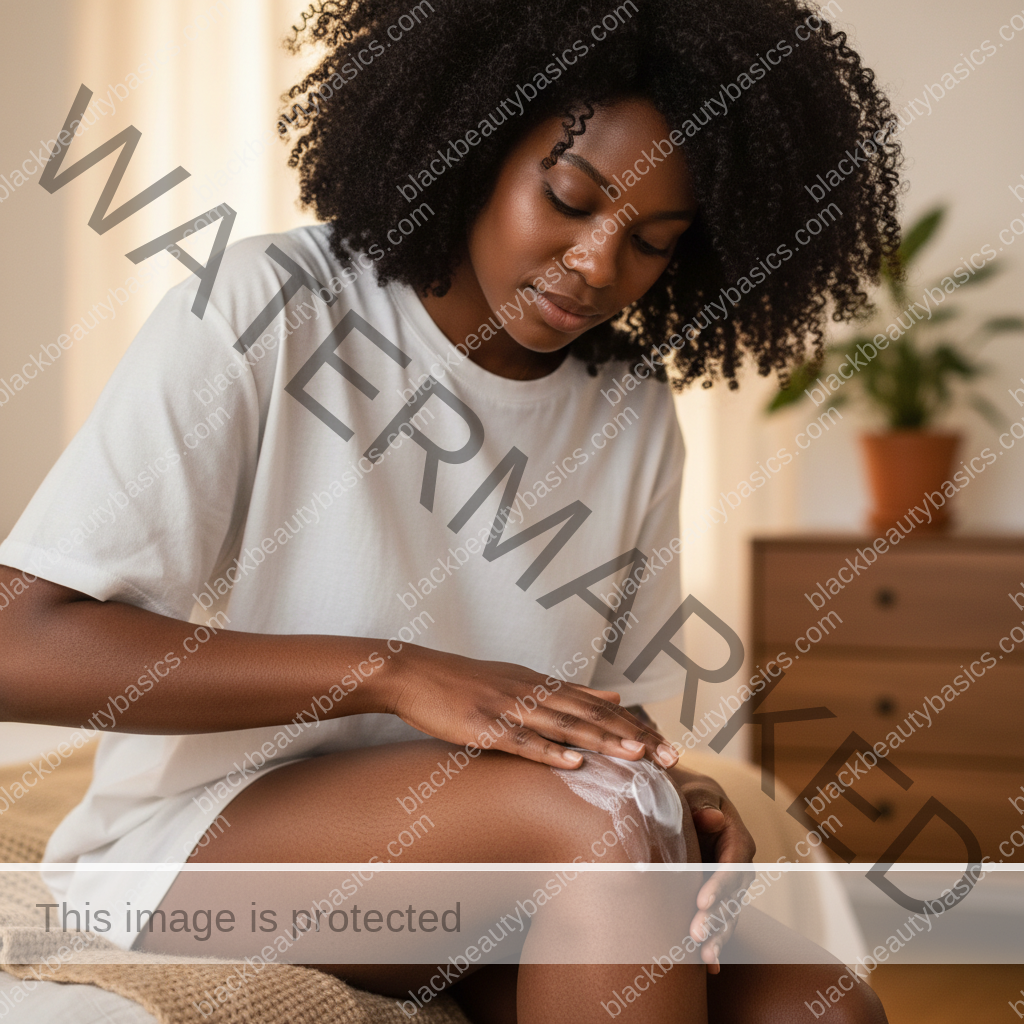
This guide covers knee and elbow discoloration on deep skin from a routine-building lens. We will talk about friction, dryness, pressure, exfoliation, moisture, sunscreen, and when discoloration may need professional input. For the broader body-care context, start with BBB’s body hyperpigmentation guide.
Why Knees and Elbows Darken
Knees and elbows often look darker because the skin is thicker, drier, and exposed to more friction and pressure. The skin bends and stretches constantly. It may also build texture from leaning, kneeling, exercise, dry weather, or clothing. On melanin-rich skin, repeated friction or irritation can lead to more visible pigment.
Dryness can make discoloration look more obvious. When the surface is rough or ashy, light reflects unevenly, and the area can look darker. This does not mean dryness is the only cause, but it is one of the easiest things to improve gently.
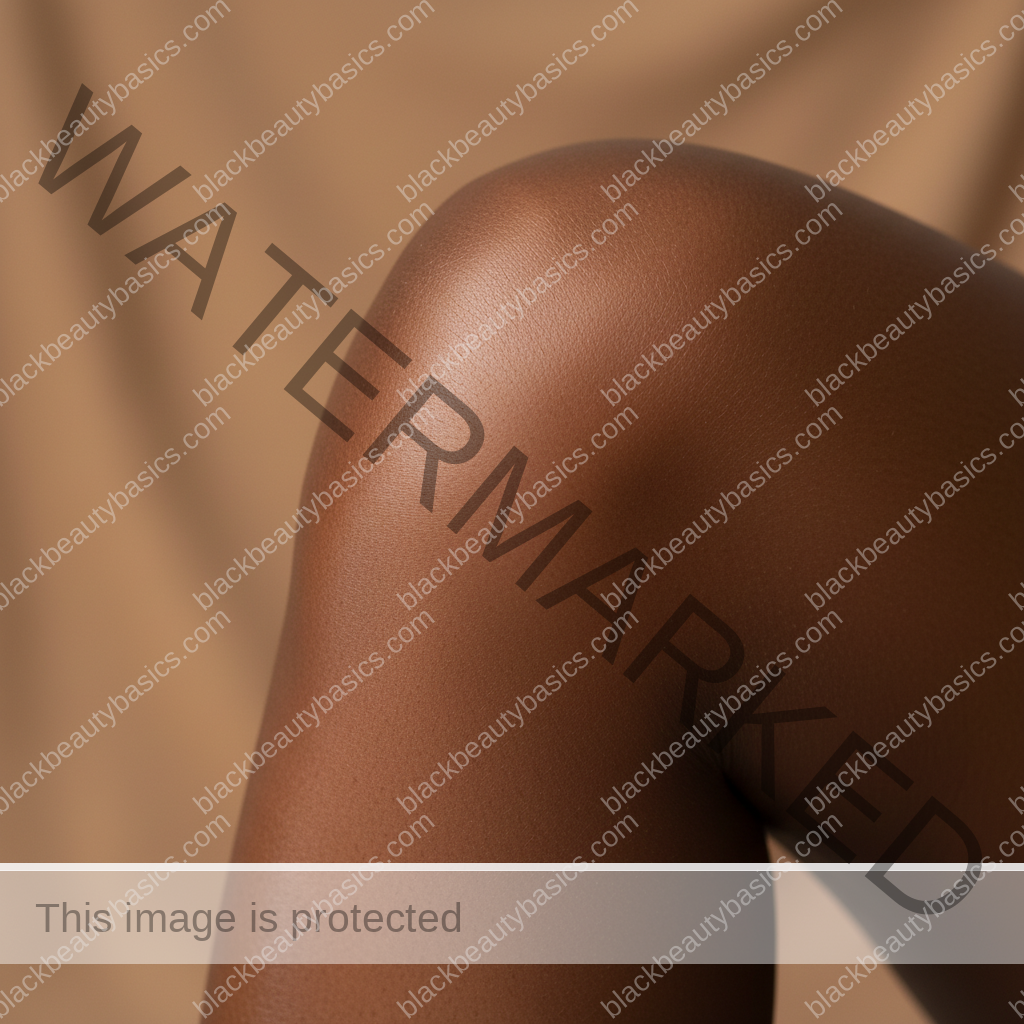
Post-inflammatory hyperpigmentation can also play a role. Scrapes, eczema, bug bites, friction, ingrown hairs, or irritation from harsh products can leave marks on the body. If the area is itchy, thickened, painful, or rash-like, treat the underlying skin issue first instead of focusing only on pigment.
What to Avoid
Avoid lemon juice, baking soda, and harsh DIY bleaching routines. These can irritate the skin and make discoloration worse. Knees and elbows may be tougher than the face, but they are still skin. Burning them into brightness is not care.
Avoid daily rough scrubbing. A scrub may make the area feel smoother for a moment, but aggressive friction can thicken and irritate the skin over time. If your routine leaves elbows or knees tender, shiny, cracked, or darker, pull back.
Avoid expecting these areas to become the exact same shade as your inner arm or face. The goal is comfort, smoother texture, and less irritation, not erasing natural depth. Anti-colorist care means we do not treat every deeper area as a problem.
A Gentle Routine for Knees and Elbows
Start in the shower with a gentle body wash. If scented washes dry you out, choose fragrance-free or less stripping options. Wash with hands or a soft cloth rather than rough tools. If you need examples, compare gentle body wash for dry sensitive skin, then choose by how your skin feels after rinsing.
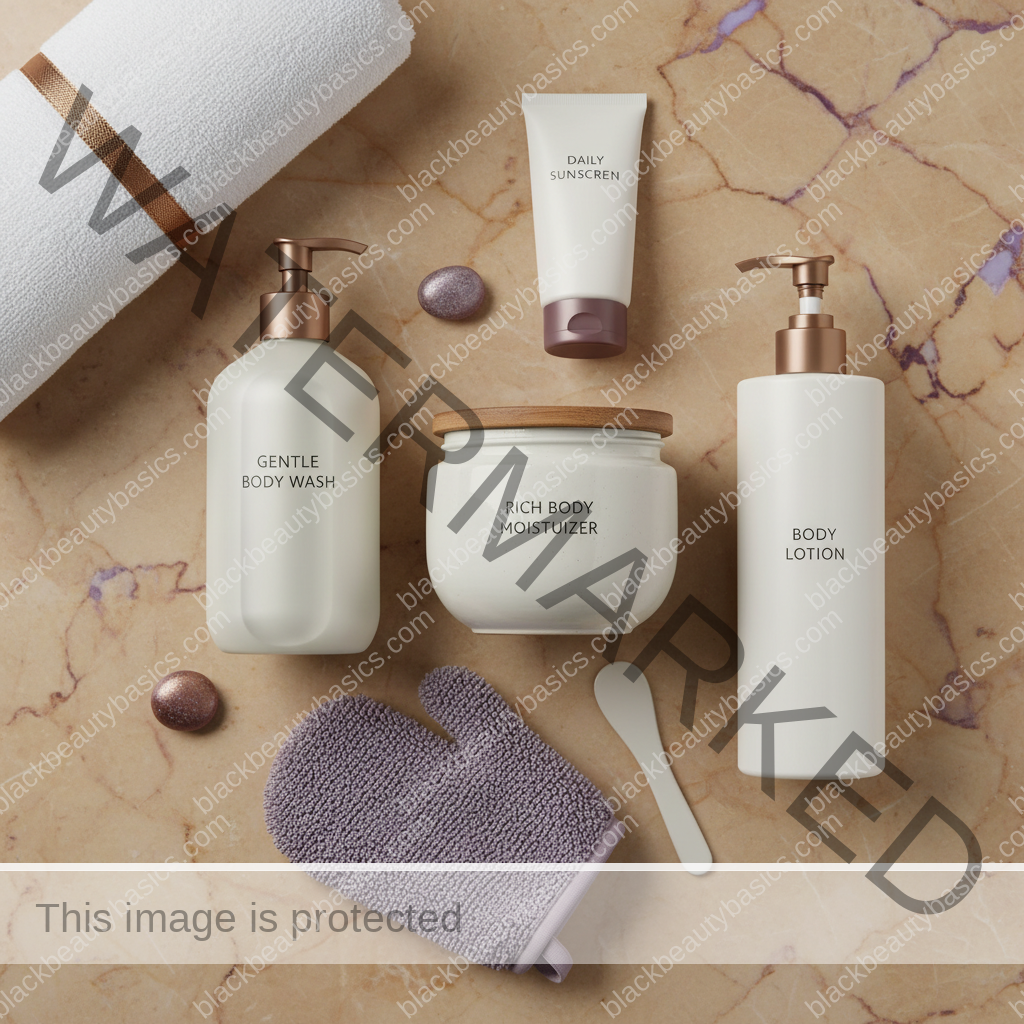
Moisturize daily while the skin is slightly damp. Rich body creams, lotions with humectants, and occlusive layers can help soften roughness. For very dry elbows or knees, a thicker cream may work better than a thin lotion. You can compare options like rich fragrance-free body cream for dry skin, but the right product is the one you will actually use.
Use exfoliation modestly. Once or twice a week may be enough for many people, and some people need less. Chemical exfoliating body lotions or gentle exfoliating products can help texture, but they should not sting or crack the skin. Do not layer several exfoliants because you are impatient.
Use sunscreen when knees or elbows are exposed. If you wear shorts, skirts, sleeveless tops, or spend time outside, SPF can help prevent UV exposure from deepening existing marks. Search-based options like body sunscreen for dark skin with no white cast can help you compare textures.
Troubleshooting
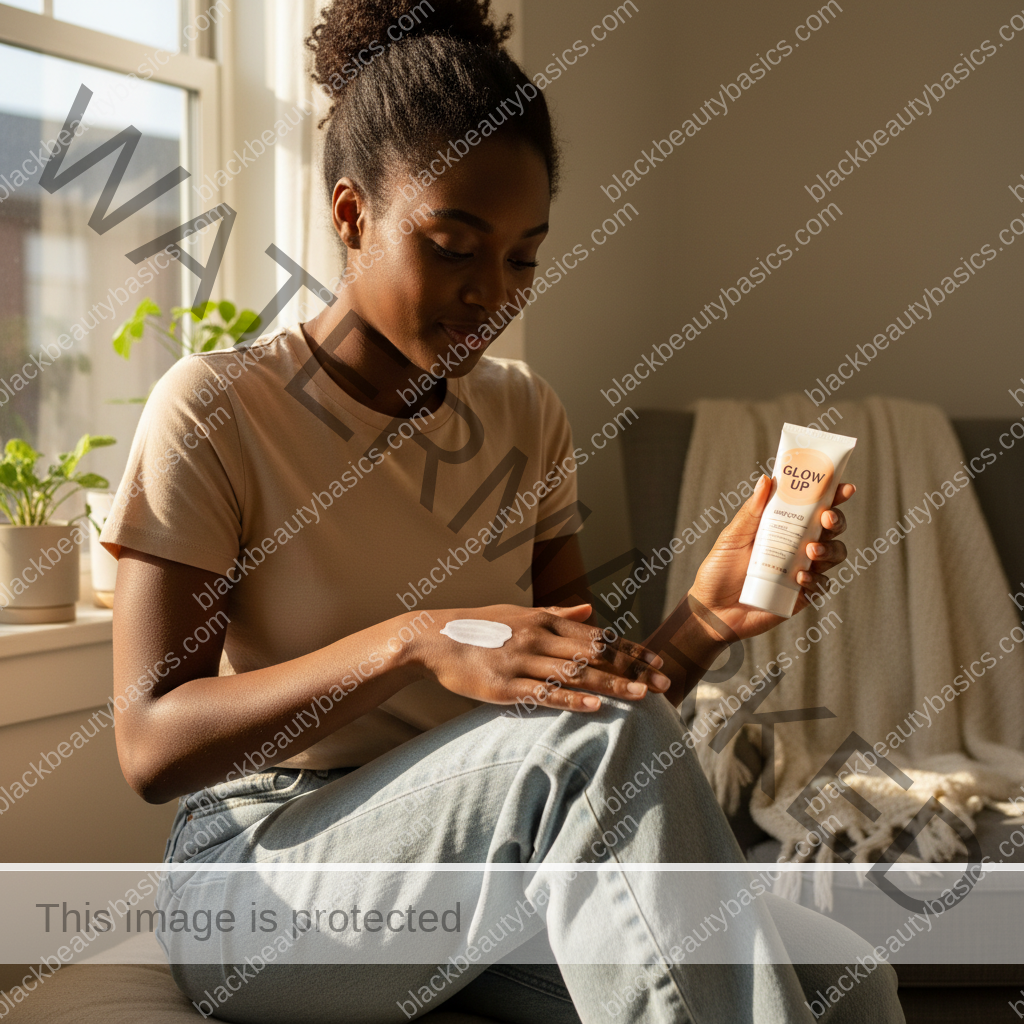
If the skin is thick, itchy, or scaly, consider whether eczema or another condition is involved. Treating the texture with scrubs may worsen irritation. If there is persistent itching, cracking, pain, or rash, get professional guidance.
If the area is only slightly darker but comfortable, you may not need an aggressive routine. Moisture and sun protection may be enough. If the discoloration is sudden, widespread, velvety, or appears with other symptoms, ask a clinician. Skin changes can sometimes reflect more than friction.
Frequently Asked Questions
1. Is it normal for knees and elbows to be darker?
Yes. These areas often have thicker skin, more friction, more pressure, and more texture. On deep skin, that can look like a richer tone. The goal is not perfect color matching; it is comfortable, healthy skin.
2. Can scrubbing lighten knees and elbows?
Aggressive scrubbing can irritate the skin and worsen discoloration. Gentle exfoliation may help texture once or twice a week, but moisture and friction reduction matter too. If it hurts, burns, or cracks, it is too much.
3. Should I use body acids?
Some people tolerate body lotions with gentle exfoliating ingredients, but they should be introduced slowly. Do not use them on cracked, irritated, or rashy skin. Moisturizer and sunscreen should stay in the routine.
4. How long does knee and elbow discoloration take to improve?
It can take months, especially if the area is still exposed to friction, pressure, or dryness. Texture may improve before color changes. Slow progress is normal on melanin-rich skin.
5. Can sunscreen help elbows and knees?
Yes, when the areas are exposed. Sunscreen helps prevent UV exposure from making discoloration look darker or more persistent. It is especially useful during warmer months or outdoor activity.
6. What if my knees or elbows are itchy?
Itching may mean dryness, eczema, irritation, or another skin issue. Avoid harsh exfoliation and focus on moisture. If itching persists, cracks, or spreads, see a dermatologist.
7. When should I get medical advice?
Seek advice if discoloration is sudden, velvety, widespread, painful, very itchy, or connected to other symptoms. A clinician can help rule out conditions that need more than body care.

What to Do Next
Build your routine around gentle cleansing, daily moisture, modest exfoliation if tolerated, and sunscreen when exposed. Do not chase perfectly uniform skin. Chase comfort, less roughness, and fewer irritation cycles.
For related body concerns, read underarm darkening on dark skin and inner-thigh discoloration care. Your knees and elbows deserve practical care, not punishment.
Related next steps
Related posts:
 Inner-Thigh Discoloration on Melanin-Rich Skin: A Practical Care Guide
 Building a 4C and Tightly Coiled Hair Routine: Your Guide to Effortless Care and Lasting Radiance
 Building an Everyday Office-Ready Makeup Routine for Deep Skin
 Psoriasis Flares and Lingering Discoloration on Dark Skin
 Building a Perimenopause/Menopause Skin Routine for Dark Skin: Nurturing Your Radiance Through Change
 Building a Cycle-Aware Skin Routine for Dark Skin