Our crowns, in all their glorious textures and coils, are a testament to our strength and heritage. Yet, beneath the surface of their magnificent beauty lies a delicate balance, a constant dialogue between the elements that sustain their health and vitality. Understanding this conversation—the nuanced whispers of whether your natural hair yearns for deep moisture or fortifying protein—is not merely a haircare task; it is an act of profound self-care, a journey into the very essence of what makes our strands thrive. Start with the related BBB natural-hair cluster guide if you want the broader map.
The Sacred Science of Natural Hair: Understanding Moisture and Protein
For the discerning woman of color, natural hair is more than just an aesthetic; it’s a statement, a legacy, and a canvas for self-expression. To nurture it optimally, we must delve into the fundamental building blocks that dictate its strength, elasticity, and luster: moisture and protein. These two pillars are not adversaries but allies, working in concert to ensure our tresses remain resilient, supple, and breathtakingly beautiful.
The Essence of Moisture: Hydration for Supple Strands
Imagine a lush, vibrant garden. What does it need most to flourish? Water. Our natural hair, particularly with its unique coil patterns, is no different. Moisture is the lifeblood that keeps our strands soft, pliable, and resistant to breakage. It allows our curls to clump beautifully, reduces frizz, and imparts that coveted healthy sheen. Without adequate moisture, our hair becomes brittle, rough, and prone to tangles, losing its inherent bounce and vibrancy.
Why Our Hair Craves Moisture
Our beautiful coil patterns, while magnificent, present a unique challenge: the natural oils produced by our scalp (sebum) struggle to travel down the entire length of the hair shaft. This makes our hair inherently prone to dryness, a characteristic often exacerbated by environmental factors, styling practices, and even the very products we choose. Therefore, intentional and consistent moisturizing is not just a recommendation; it’s a necessity for maintaining the integrity and beauty of our natural hair.
The Power of Protein: Building Blocks for Strength
If moisture is the water that nourishes the garden, then protein is the sturdy framework that gives it structure and resilience. Our hair is primarily composed of a protein called keratin. When our hair is damaged—whether from heat styling, chemical treatments, environmental stressors, or even routine manipulation—these keratin bonds can become weakened or broken. Protein treatments work by temporarily patching these gaps, reinforcing the hair shaft, and restoring its internal strength. This leads to reduced breakage, improved elasticity, and a more robust feel.
Understanding Keratin and Hair Structure
Each strand of hair is like a miniature cable, made up of three main layers: the cuticle (outer protective layer), the cortex (middle layer containing keratin and pigment), and the medulla (innermost layer, not always present). The cortex, rich in keratin, is responsible for hair’s strength and elasticity. When this protein structure is compromised, the hair loses its ability to stretch and return to its original state, leading to snapping and brittleness. Protein treatments, often containing hydrolyzed proteins (broken down into smaller molecules for better penetration), help to temporarily rebuild and strengthen these vital structures.
Decoding Your Hair’s Language: Signs It Needs Moisture or Protein
Our hair is constantly communicating with us, if only we learn to listen. The signs it gives are often subtle at first, then increasingly pronounced. Recognizing these cues is the first step towards providing the precise care it needs to flourish. This isn’t about guessing; it’s about informed observation and understanding your hair’s unique dialogue.
Signs Your Hair is Thirsty: The Call for Moisture
A lack of moisture is perhaps the most common lament among those with natural hair. The symptoms are often unmistakable, signaling a deep thirst that needs to be quenched.
1. Dry, Brittle Texture
Does your hair feel rough, straw-like, or crunchy to the touch? This is a primary indicator of dehydration. Well-moisturized hair should feel soft, smooth, and pliable. If it feels stiff or coarse, it’s begging for hydration.
2. Lack of Elasticity (Snaps Easily)
Take a single strand of hair and gently stretch it. Does it stretch a bit before returning to its original state? Or does it snap almost immediately with little to no give? If it snaps, your hair is likely dry and lacks the flexibility that moisture provides.
3. Excessive Frizz and Flyaways
While some frizz is natural for textured hair, excessive frizz, especially immediately after styling or in humid conditions, often points to a lack of moisture. The hair cuticle lifts in an attempt to pull moisture from the air, leading to a frizzy appearance. Properly moisturized hair has smoother cuticles, which lay flatter and reduce frizz.
4. Dullness and Lack of Shine
Healthy, moisturized hair reflects light beautifully, giving it a natural luster. If your hair appears dull, lifeless, or lacks a healthy sheen, it’s likely dehydrated. The cuticle layers are not smooth enough to reflect light effectively.
5. Difficulty Detangling
Dry hair is more prone to tangles and knots. If you find yourself struggling to detangle, experiencing significant snagging, or noticing increased breakage during the process, your hair is likely parched. Moisture helps to lubricate the strands, making them easier to separate.
6. Product Sits on Top of Hair
If your moisturizing products seem to just sit on the surface of your hair without absorbing, it can be a sign that the cuticle is too open or that the hair is so dry it’s struggling to take in the product. This can also happen if there’s product buildup, but often, it’s a dryness indicator.
Signs Your Hair Needs a Boost: The Call for Protein
While less common than moisture deficiency, protein imbalance can be equally detrimental. Recognizing the signs of protein need can prevent significant damage and restore your hair’s structural integrity.
1. Limp, Mushy, or Overly Soft Hair
This is a classic sign of protein deficiency, often referred to as “hygral fatigue” or “over-moisturized” hair. If your hair feels unusually soft, mushy, or gummy when wet, and lacks its usual bounce or firmness, it’s likely over-moisturized and needs protein to restore its structure. It might feel like wet cotton candy.
2. Excessive Elasticity (Stretches Too Much)
Perform the strand test again. If your hair stretches significantly—like a rubber band—but doesn’t snap back to its original length, or even breaks after stretching excessively, it’s a strong indicator of protein deficiency. It lacks the internal framework to hold its shape.
3. Increased Breakage and Shedding
While breakage can be caused by many factors, if you notice an increase in hair strands snapping off (not just shedding from the root), especially when wet or during styling, it could be due to weakened protein bonds. The hair simply isn’t strong enough to withstand manipulation.
4. Lack of Curl Definition and Bounce
Protein contributes to the structure of your curl pattern. If your curls are looking limp, elongated, or losing their natural spring and definition, a protein treatment can help to temporarily restore their shape and bounce.
5. Hair Feels Weak and Fragile
Overall, your hair might just feel generally weak, fragile, or unable to hold a style. It might not have the resilience it once did, feeling delicate and easily damaged.
The Delicate Dance: Finding Your Hair’s Balance
The key to truly thriving natural hair lies in understanding that moisture and protein are not mutually exclusive; they are complementary. The goal is not to choose one over the other but to find the perfect equilibrium for your unique strands. Too much of either can lead to problems, creating an imbalance that manifests as various hair woes.
Over-Moisturized Hair (Hygral Fatigue)
While it might seem counterintuitive, you can have too much of a good thing when it comes to moisture. Over-moisturized hair, often called hygral fatigue, occurs when the hair cuticle is constantly swollen with water. This repeated swelling and deswelling can weaken the hair shaft, leading to a mushy, limp, and overly elastic texture that is prone to breakage. It’s often a sign that your hair needs a protein boost to restore its internal structure and prevent excessive water absorption.
Over-Proteinized Hair
Conversely, too much protein can also be detrimental. Over-proteinized hair feels stiff, hard, and brittle, almost like plastic. It lacks flexibility and can snap easily, even more so than dry hair. This happens when the protein bonds become too rigid, making the hair inflexible. If your hair feels excessively stiff and breaks with minimal manipulation after a protein treatment, you’ve likely overdone it. The solution here is to clarify your hair to remove excess protein and then follow up with a deep moisturizing treatment.
The Porosity Factor: Your Hair’s Absorption Rate
Understanding your hair’s porosity is crucial in determining its moisture and protein needs. Porosity refers to your hair’s ability to absorb and retain moisture. It’s determined by the state of your hair’s cuticle layer.
Low Porosity Hair
- Characteristics: Cuticles are tightly packed and lie flat. Hair is often shiny, takes a long time to get wet, and products tend to sit on top.
- Needs: Struggles to absorb moisture but retains it well once absorbed. Benefits from lightweight, water-based products, heat to open cuticles (e.g., steam, hooded dryer), and less frequent, lighter protein treatments.
- Products: Lightweight Leave-in Conditioners, Humectant-rich products, Clarifying shampoos to prevent buildup.
Medium Porosity Hair
- Characteristics: Cuticles are slightly raised, allowing for good absorption and retention. Considered the “ideal” porosity.
- Needs: Generally well-balanced. Benefits from a regular routine of moisturizing and occasional protein treatments.
- Products: A wide range of products work well. Balancing Shampoos and Conditioners, Deep conditioners, and styling creams.
High Porosity Hair
- Characteristics: Cuticles are raised or damaged, creating gaps. Hair absorbs moisture quickly but loses it just as fast. Prone to frizz, tangles, and breakage.
- Needs: Requires heavy moisture, sealing products, and more frequent protein treatments to fill in gaps and strengthen the cuticle.
- Products: Heavy moisturizing deep conditioners, leave-in conditioners, heavy butters, and protein treatments.
The Porosity Test: A Simple At-Home Assessment
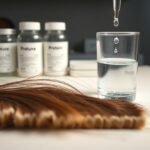
To determine your hair’s porosity, take a few clean, product-free strands of hair and drop them into a glass of room-temperature water.
- Floats: Low porosity
- Sinks slowly/stays in middle: Medium porosity
- Sinks quickly: High porosity
Crafting Your Regimen: Tailoring Care to Your Hair’s Needs
Once you’ve deciphered your hair’s language, the next step is to build a regimen that speaks directly to its needs. This is where the art of natural haircare truly shines, allowing you to curate a routine that fosters unparalleled health and beauty.
When to Reach for Moisture: Your Hydration Ritual
If your hair is exhibiting signs of dryness, your regimen should prioritize deep hydration. Consistency is key here, as our hair needs a steady supply of moisture to remain supple and strong.
Moisture-Focused Regimen Tips:
- Co-washing/Sulfate-Free Cleansing: Opt for sulfate-free co-washes or moisturizing sulfate-free shampoos to cleanse without stripping natural oils.
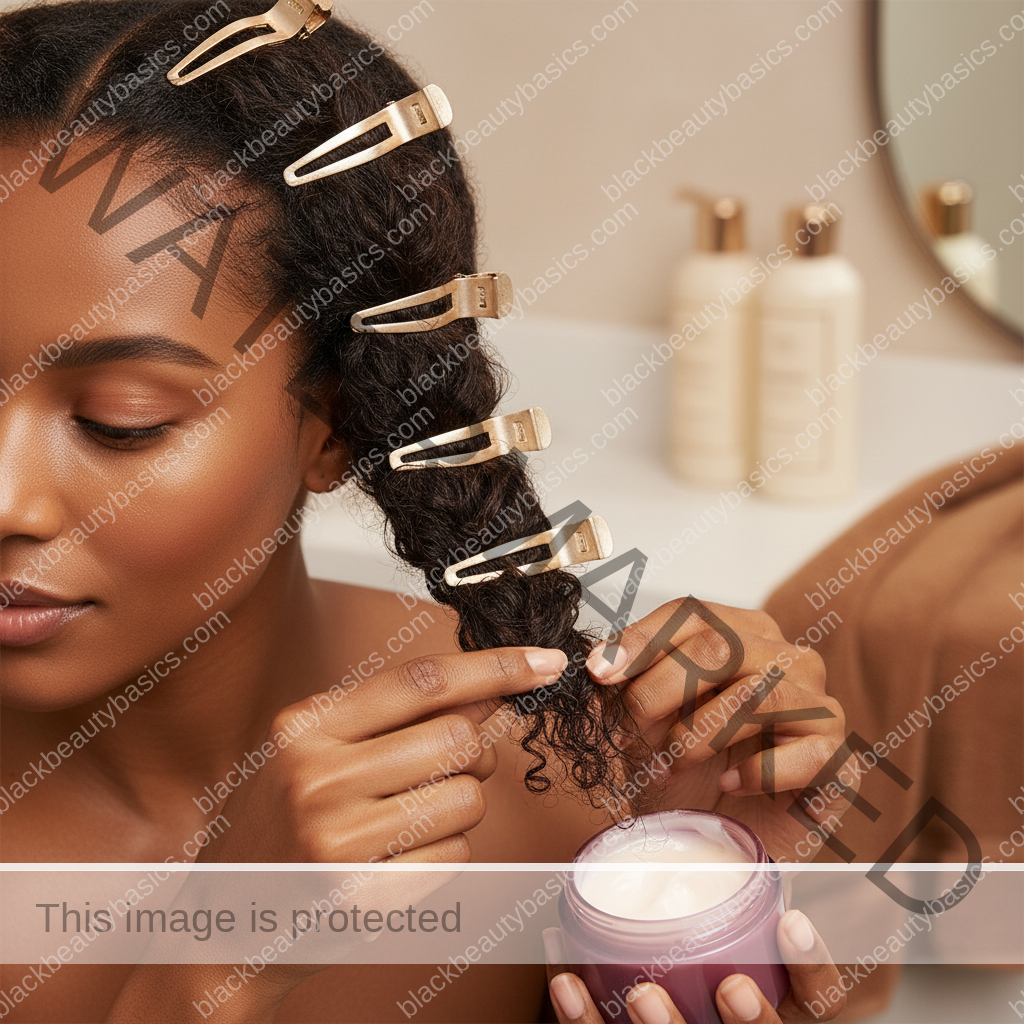
- Deep Conditioning: Make deep conditioning a weekly ritual. Look for ingredients like shea butter, aloe vera, glycerin, honey, and various oils. Apply heat (with a hair steamer or heated cap) to enhance penetration.
- Leave-In Conditioner: Always follow washing with a good leave-in conditioner to provide a base layer of hydration.
- LOC/LCO Method: Seal in moisture using the LOC (Liquid, Oil, Cream) or LCO (Liquid, Cream, Oil) method. Use water or a leave-in as your liquid, a nourishing oil (like jojoba, argan, or grapeseed), and a rich cream or butter.
- Regular Moisturizing: Don’t wait for wash day. Spritz your hair daily or every few days with a water-based mist or lightweight moisturizer, then seal with an oil or cream.
- Protective Styling: Embrace protective styles to minimize manipulation and exposure to drying elements.
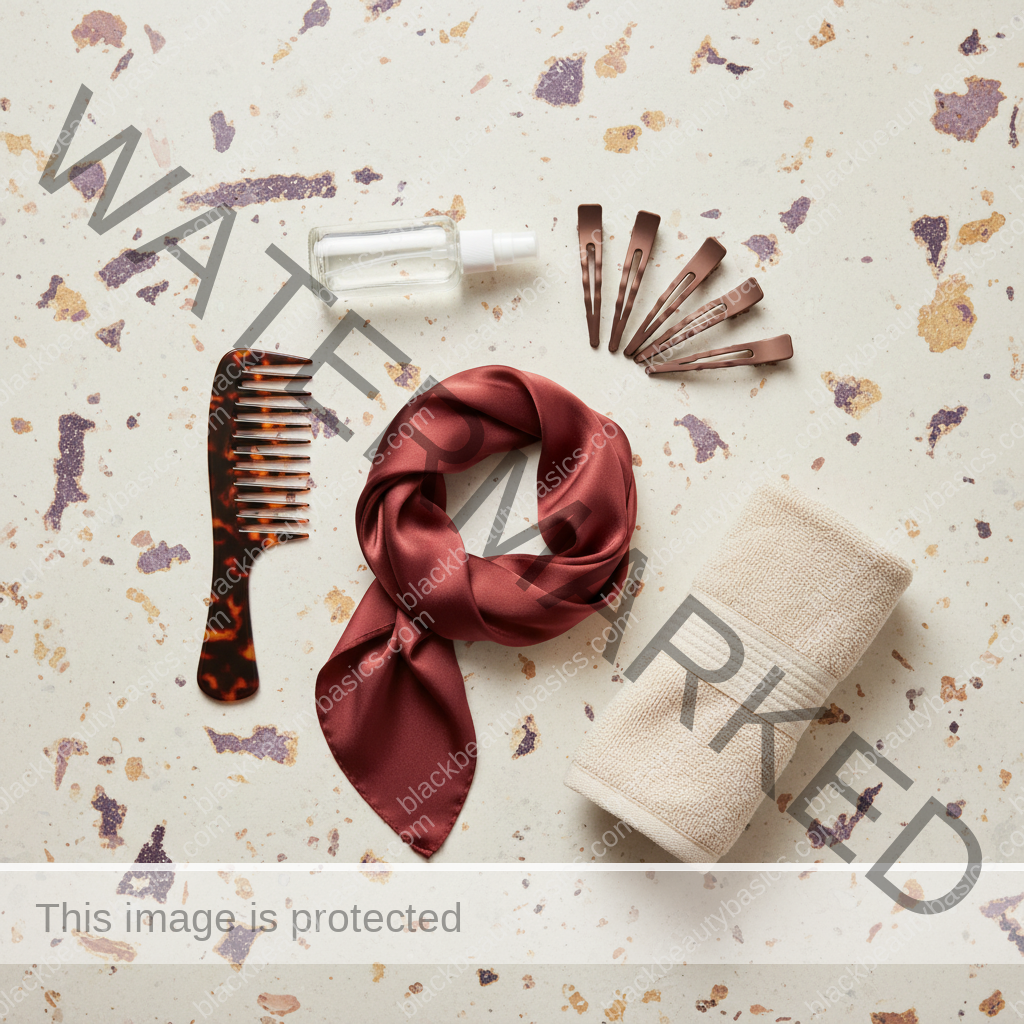
- Nighttime Protection: Always sleep on a silk pillowcase or wear a satin bonnet to prevent moisture loss.
When to Incorporate Protein: Your Strengthening Strategy
If your hair is feeling weak, mushy, or overly elastic, it’s time to introduce protein. The frequency and strength of protein treatments will depend on your hair’s porosity and the extent of the damage.
Protein-Focused Regimen Tips:
- Protein Treatments: Incorporate a light protein treatment (like a protein-rich deep conditioner) every 2-4 weeks. For more severe damage, a stronger protein reconstructor might be needed every 4-6 weeks, but use with caution and follow instructions meticulously.
- Balance with Moisture: Always follow a protein treatment with a deep moisturizing conditioner to restore flexibility and prevent stiffness. This is crucial for maintaining balance.
- Protein-Rich Products: Look for products (shampoos, conditioners, leave-ins) that contain hydrolyzed proteins (e.g., wheat, rice, silk, keratin). These are smaller molecules that can penetrate the hair shaft.
- Avoid Over-Processing: Minimize heat styling, chemical treatments (relaxers, color), and harsh manipulation, as these can severely deplete protein.
- Listen to Your Hair: If your hair starts to feel stiff or brittle after a protein treatment, you’ve likely used too much or too strong a product. Scale back immediately and focus on moisture.
Table 1: Moisture vs. Protein: Key Differences & Benefits
| Feature | Moisture | Protein |
|---|---|---|
| Primary Function | Hydrates, softens, increases pliability, reduces frizz. | Strengthens, rebuilds, improves elasticity, reduces breakage. |
| Hair Feel (Healthy) | Soft, smooth, supple, bouncy, shiny. | Strong, firm, resilient, good elasticity, defined curls. |
| Hair Feel (Deficient) | Dry, brittle, rough, crunchy, dull, frizzy. | Limp, mushy, overly soft, weak, excessive stretch, undefined. |
| Common Ingredients | Water, humectants (glycerin, honey), emollients (shea butter, oils), fatty alcohols. | Hydrolyzed proteins (wheat, rice, silk, keratin), amino acids. |
| Frequency of Use | Daily/every few days (leave-ins, mists), weekly (deep conditioners). | Every 2-8 weeks (treatments), regular use of protein-containing products. |
| Risk of Overuse | Hygral fatigue (mushy, limp, weak hair). | Stiff, brittle, hard, easily snapping hair. |
Table 2: Hair Porosity & Its Impact on Moisture/Protein Needs
| Porosity Type | Cuticle State | Moisture Absorption/Retention | Protein Needs | Recommended Products |
|---|---|---|---|---|
| Low Porosity | Tightly packed, flat | Difficult to absorb, good retention once in | Less frequent, lighter protein (every 4-8 weeks) | Lightweight leave-ins, humectants, heat for deep conditioning, clarifying shampoos. |
| Medium Porosity | Slightly raised | Good absorption and retention | Balanced, occasional protein (every 4-6 weeks) | Balanced shampoos/conditioners, regular deep conditioners, versatile styling products. |
| High Porosity | Raised, gaps, damaged | Absorbs quickly, loses quickly | More frequent, stronger protein (every 2-4 weeks) | Heavy moisturizers, leave-ins, butters, oils, protein treatments, sealing products. |
Navigating Product Labels: Becoming an Ingredient Savvy Queen
The beauty aisle can be a labyrinth of promises and potions. To truly understand if a product will deliver moisture or protein, you must become adept at reading ingredient labels. Manufacturers are required to list ingredients in descending order of concentration, so the first few ingredients are the most important.
Identifying Moisturizing Ingredients:
- Water (Aqua): Always the first ingredient in true moisturizing products.
- Humectants: Glycerin, honey, panthenol, hyaluronic acid, propylene glycol. These draw moisture from the air into your hair.
- Emollients: Plant oils (jojoba, argan, olive, coconut, avocado, grapeseed), shea butter, cocoa butter, mango butter. These soften and smooth the hair.
- Fatty Alcohols: Cetyl alcohol, stearyl alcohol, cetearyl alcohol. These are “good” alcohols that condition and moisturize, unlike drying alcohols.
- Aloe Vera: A natural humectant and emollient, known for its soothing and hydrating properties.
Shop Moisturizing Hair Products on Amazon
Identifying Protein Ingredients:
- Hydrolyzed Proteins: Hydrolyzed wheat protein, hydrolyzed rice protein, hydrolyzed silk protein, hydrolyzed keratin, hydrolyzed soy protein. The term “hydrolyzed” means the protein has been broken down into smaller molecules, making it easier for hair to absorb.
- Amino Acids: Silk amino acids, keratin amino acids. These are the building blocks of protein.
- Collagen: Can be found in some protein treatments.
Shop Protein Hair Treatments on Amazon
Ingredients to Approach with Caution:
- Sulfates: (e.g., Sodium Laureth Sulfate, Sodium Lauryl Sulfate) Can be overly stripping, leading to dryness. Opt for sulfate-free shampoos.
- Drying Alcohols: (e.g., Alcohol Denat., Isopropyl Alcohol, Ethanol) Can evaporate quickly, taking moisture with them.
- Silicones: (e.g., Dimethicone, Cyclopentasiloxane) Can provide slip and shine but can also build up and prevent moisture penetration over time. Water-soluble silicones are generally preferred if you use them. Consider silicone-free options.
The Journey Continues: A Lifetime of Learning Your Crown
The relationship with your natural hair is dynamic. It changes with the seasons, with your diet, with stress, and with the products you use. What works perfectly today might need slight adjustments tomorrow. The true beauty of this journey lies in the continuous learning, the attentive observation, and the empowered choices you make for your crown. Embrace the process, celebrate its nuances, and revel in the magnificent health and vitality of your natural hair.
How to read what your hair needs now
For Black women with textured hair, hair-care choices can feel emotional because they sit at the intersection of identity, time, styling expectations, budget, and all the advice we have been given about what our hair “should” do. This guide focuses on reading dryness, mushy strands, snapping, roughness, limpness, elasticity, and routine history before choosing moisture or protein, while keeping the related BBB natural-hair cluster as the home base. The goal is not to force every curl, coil, kink, or section into the same behavior. The goal is to build a routine that protects the hair you actually have.
Begin with what changed, not with a label on a jar. Notice whether your hair feels rough after washing, loses softness as it dries, stretches without springing back, or breaks while you detangle. Think about the last few wash days and the products you added. One difficult style is not a diagnosis. A short record of how your hair behaves after cleansing, conditioning, and drying gives you more useful clues than a single strand test.
A useful reset keeps the routine simple enough to read. Cleanse as you normally would, condition and detangle gently, then notice how your hair feels before layering on another treatment. If the question is moisture versus protein, changing several products at once hides the answer. The aim is comfortable, manageable hair, not winning a contest to use the most intensive mask or the longest list of ingredients.
What to notice gently
- Where your hair tangles first: ends, nape, crown, edges, or interior sections.
- How your hair responds to water, conditioner, gels, creams, oils, and drying time.
- Which steps leave your hair softer, rougher, stretched, shrunken, defined, or weighed down.
- How much manipulation your schedule and strands can realistically handle.
- What improves the style without making wash day feel impossible.
What can blur a moisture-or-protein decision
One trap is treating every dry-looking strand as proof that you need more oil. Oil may change how hair feels on the surface, but it does not tell you why the strand feels rough or brittle. Check whether buildup, a drying styling product, or a rushed detangling session changed the result before deciding that a new treatment is the only answer.
Another trap is adding a protein treatment because your hair broke once. Breakage can happen for many reasons, including tension and rough handling. Review when the snapping happened and how the hair felt before it broke. If you recently layered multiple strengthening products, pause and simplify rather than adding another one without a clear reason.
It is also easy to keep switching between heavy conditioning and strengthening treatments every time a style disappoints you. Give one manageable change a chance to show you what it does across wash days. If the hair stays fragile, sheds differently than usual, or the scalp becomes uncomfortable, professional guidance is more useful than another guess from a product label.
What to do next
For your next wash day, choose one question to answer: is the hair more comfortable after a simpler moisturizing routine, or does it still feel unusually weak and overstretched? The related guides below can help you compare a balanced wash day with a gentler styling routine. You do not need to solve every hair concern in one session.
- Natural Hair Care & Protective Styles
- The related natural-hair cluster guide
- moisture, protein, and strength balance
- protein overload on textured hair
- high-porosity wash day
- low-porosity wash day
Frequently Asked Questions About Moisture and Protein
Q1: Can I use moisturizing and protein products at the same time?
A1: Yes, absolutely! In fact, it’s often recommended to use them in conjunction, especially after a protein treatment. A common practice is to follow a protein treatment with a deep moisturizing conditioner to restore softness and flexibility. Many products also contain a balance of both. The key is to ensure your overall regimen provides both, not necessarily in the same step, but within the same wash cycle or weekly routine to maintain balance.
Q2: How often should I do a protein treatment?
A2: The frequency depends heavily on your hair’s porosity, current condition, and lifestyle. For generally healthy hair, a light protein treatment every 4-6 weeks is often sufficient. If you have high porosity hair, chemically treated hair, or frequently use heat, you might benefit from a light protein treatment every 2-4 weeks. If your hair is severely damaged, a stronger reconstructor might be used every 4-6 weeks, but always follow with a moisturizing deep conditioner and monitor your hair closely to avoid over-proteinization. Listen to your hair’s specific needs, as too much protein can make hair stiff and brittle.
Q3: What’s the difference between a light protein treatment and a strong protein reconstructor?
A3: Light protein treatments typically contain smaller amounts of hydrolyzed proteins or amino acids and are designed for regular maintenance to fortify the hair. They are often found in protein-rich deep conditioners. Strong protein reconstructors, on the other hand, contain higher concentrations of proteins and are formulated to temporarily repair severely damaged hair by filling in larger gaps in the cuticle. These are more intensive and should be used sparingly and with caution, as overuse can lead to stiff, brittle hair.
Q4: My hair feels mushy and limp. Does it need moisture or protein?
A4: This is a classic sign of over-moisturized hair, also known as hygral fatigue. Your hair is likely lacking protein. When hair is constantly saturated with water, the cuticle can swell and weaken, leading to that mushy, overly soft, and limp feeling. A protein treatment will help to strengthen the hair’s internal structure and restore its firmness and elasticity. Remember to follow up with a moisturizing deep conditioner to prevent stiffness.
Q5: Can diet affect my hair’s moisture and protein balance?
A5: Absolutely. What you consume plays a significant role in the overall health of your hair. A diet rich in protein (lean meats, fish, eggs, legumes), healthy fats (avocado, nuts, seeds), vitamins (especially B vitamins, Vitamin A, C, E), and minerals (iron, zinc) provides the necessary building blocks for strong, healthy hair growth. Hydration from within by drinking plenty of water also contributes to your hair’s moisture levels. A deficiency in any of these can manifest as weak, dry, or brittle hair.
Q6: How do I know if I’ve over-proteinized my hair? What should I do?
A6: Over-proteinized hair will feel stiff, hard, brittle, and may snap easily, much like dry hair, but with a distinct lack of flexibility. It might also have a dull appearance. If this happens, immediately stop using protein-rich products. Clarify your hair with a clarifying shampoo to remove excess protein buildup. Then, follow up with an intensive, moisturizing deep conditioner. Focus on moisture-rich products for the next few weeks until your hair regains its softness and flexibility.
Q7: Should I use products specifically labeled “moisture” or “protein”?
A7: While product labels can be a helpful guide, it’s more important to look at the ingredient list. Some products may be labeled “moisturizing” but contain light proteins, and vice versa. Always check the first few ingredients to understand the product’s primary function. For targeted treatments, products explicitly labeled for “protein treatment” or “deep hydration” are usually formulated to deliver a concentrated dose of the respective ingredient.
As you continue your journey with your magnificent crown, remember that true beauty emanates from a place of understanding and intentional care. By learning to discern the subtle whispers of your natural hair—whether it yearns for the quenching embrace of moisture or the fortifying strength of protein—you are not just maintaining; you are honoring a legacy. May your strands forever be vibrant, resilient, and a radiant reflection of the queen you are.
Related next steps
Related posts:
 How Porosity and Texture Change Your Moisture and Protein Needs
 How to Tell If Your Hair Needs More Moisture or More Protein
 The Moisture-Protein Balance – How to Tell What Your Hair Needs and Avoid Breakage
 Recovering from Protein Overload or Moisture Overload: A Gentle Reset for Your Natural Hair
 Protein Overload on Textured Hair: What It Can Look Like
 Building a Moisture and Strength Rotation for Natural Hair