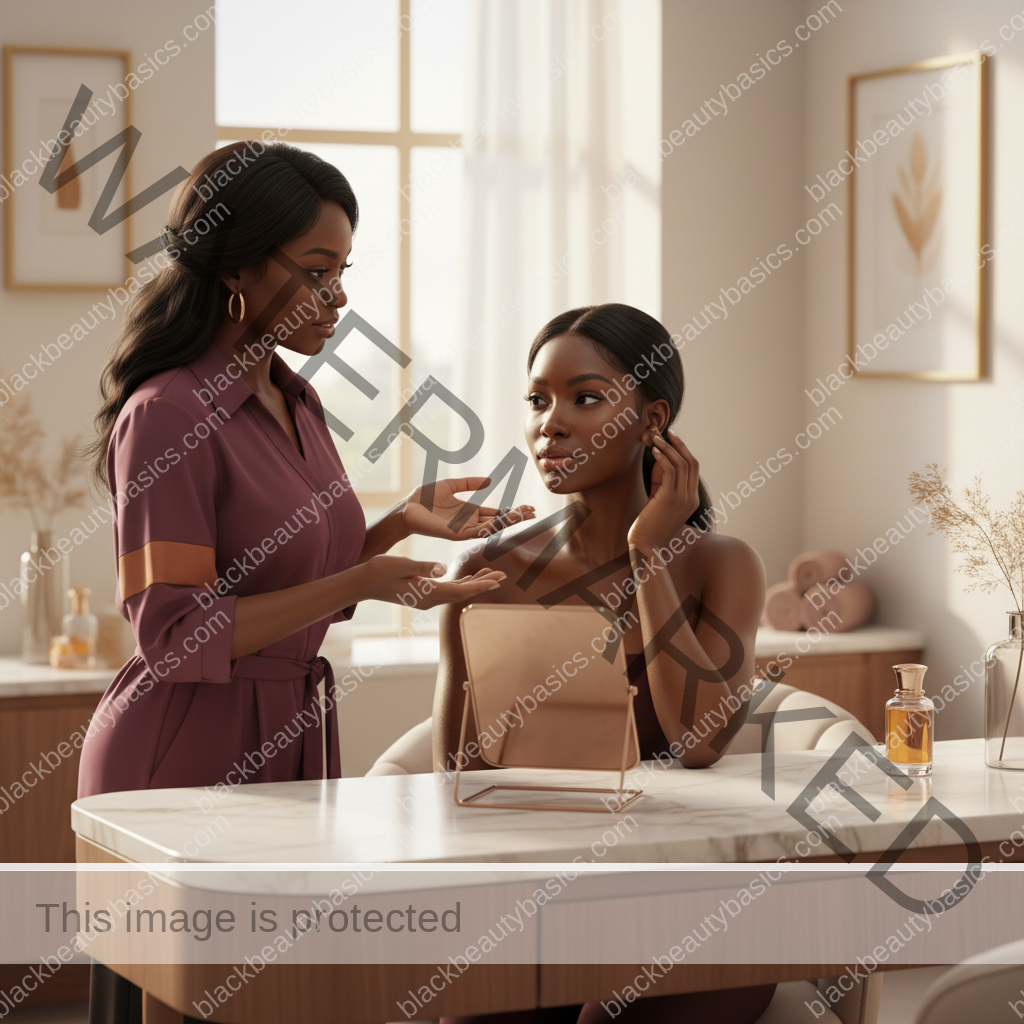
Our skin, a magnificent canvas of rich hues and intricate textures, tells stories of resilience and beauty. Yet, for many Black women, this very canvas can sometimes present unique challenges, particularly when it comes to healing after a minor trauma. The journey through life often involves small nicks, the joy of a new piercing, or the routine of shaving, and for those with keloid-prone skin, these moments can lead to more than just a memory—they can manifest as keloids, those raised, often misunderstood scars that demand a tailored approach to care and prevention. Start with the related BBB care cluster guide if you want the broader map.
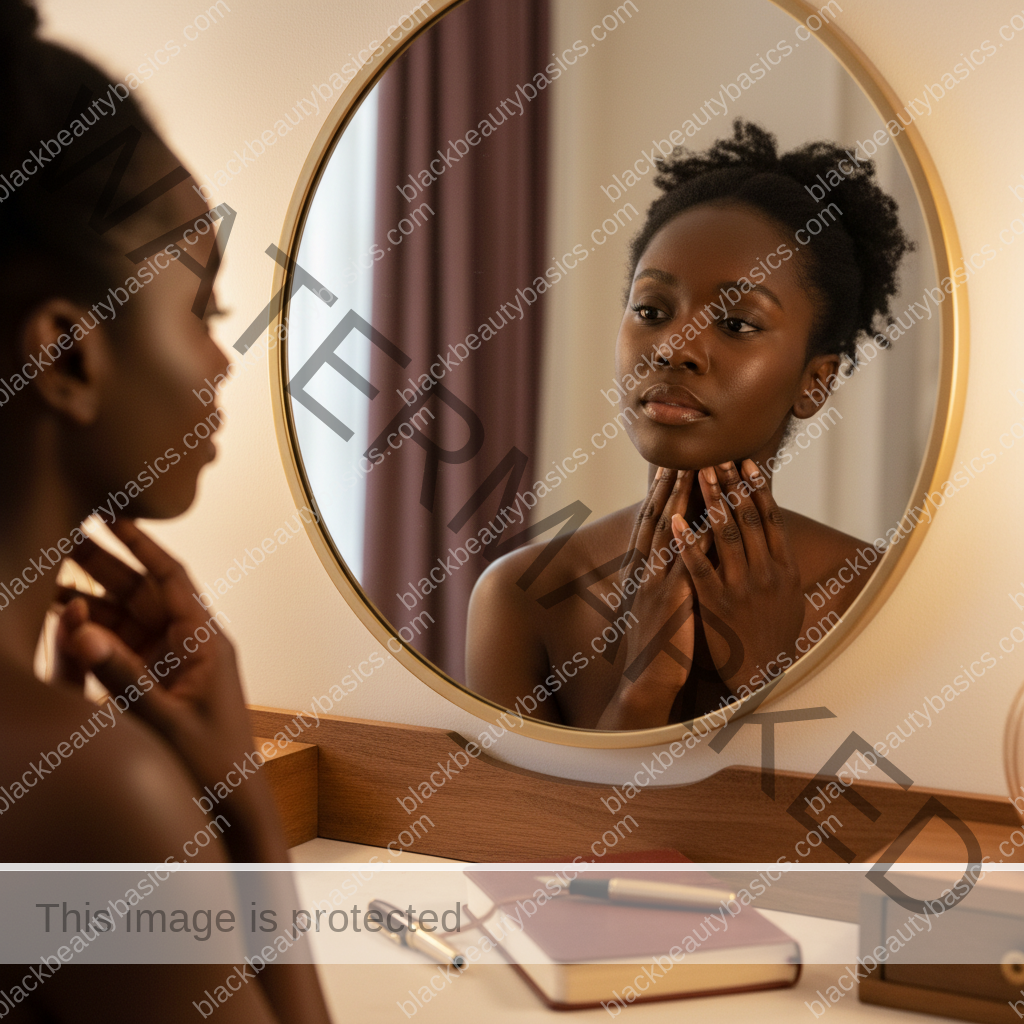
Understanding Keloids: More Than Just a Scar
Keloids are not your average scars. While most scars heal within the boundaries of the original wound, keloids extend beyond them, forming smooth, hard, benign growths that can range in color from pink to dark brown. They are a unique response of the skin to injury, an overproduction of collagen during the healing process. For melanin-rich skin, the predisposition to keloid formation is significantly higher, making understanding and proactive management crucial.
The Science Behind the Scar: Why Melanin-Rich Skin is More Susceptible
The increased prevalence of keloids in individuals with darker skin tones is a well-documented dermatological fact. While the exact genetic mechanisms are still being researched, it’s understood that certain cellular processes involved in wound healing are more active or dysregulated in these skin types. Fibroblasts, the cells responsible for producing collagen, can become overactive after trauma, leading to the excessive tissue growth characteristic of keloids. This genetic predisposition means that even a minor scratch can trigger a significant response, making awareness and preventive measures paramount for our community.

Common Triggers: Piercings, Shaving, and Everyday Injuries
Keloids don’t just appear; they are typically initiated by some form of skin trauma. For Black women, certain activities and common injuries are particularly noteworthy triggers.
The Allure of Adornment: Keloids After Piercings
Ear piercings, especially in the cartilage, are a common site for keloid development. While a new piercing can be a beautiful form of self-expression, it’s also a deliberate injury to the skin. The body’s healing response, if predisposed to keloid formation, can lead to a raised, firm growth around the piercing site. Navigating this means making informed choices about where to pierce, the type of jewelry, and diligent aftercare.
The Daily Ritual: Shaving and Pseudofolliculitis Barbae
Shaving, a routine for many, can be a significant trigger, particularly for keloids on the face, neck, and bikini line. The act of shaving can cause micro-traumas to the skin and hair follicles. For those prone to ingrown hairs (pseudofolliculitis barbae), the inflammation and repeated irritation can further exacerbate the risk of keloid formation. This is especially true for individuals with curly hair, where the hair shaft can curl back into the skin, causing irritation.
Unforeseen Events: Keloids from Cuts, Burns, and Acne
Beyond piercings and shaving, keloids can arise from a variety of other skin injuries. Surgical incisions, accidental cuts, burns, insect bites, and even severe acne lesions can all serve as triggers. The key takeaway is that any break in the skin barrier, no matter how small, has the potential to initiate keloid formation in susceptible individuals. Understanding this broad range of triggers empowers us to be more vigilant in our daily lives.
Prevention is Key: Proactive Steps for Keloid-Prone Skin
When it comes to keloids, an ounce of prevention is truly worth a pound of cure. Taking proactive steps can significantly reduce the likelihood of these unwelcome growths.
Before the Blade: Shaving Techniques and Alternatives
For those who shave, adopting specific techniques can make a world of difference. Consider these practices:
- Exfoliate Gently: Before shaving, gently exfoliate the skin to lift hairs and prevent ingrowns. Shop Gentle Exfoliators on Amazon
- Shave with the Grain: Always shave in the direction of hair growth, not against it, to minimize irritation.
- Use a Sharp, Clean Razor: Dull blades tug at hair, increasing irritation. Replace razors frequently. Shop Razors for Sensitive Skin on Amazon
- Hydrate and Lubricate: Use a rich shaving cream or gel to create a protective barrier. Shop Shaving Creams on Amazon
- Post-Shave Care: Apply a soothing, anti-inflammatory balm or serum immediately after shaving. Look for ingredients like aloe vera, chamomile, or salicylic acid (in low concentrations). Shop Post-Shave Balms on Amazon
For some, shaving may need to be replaced with alternatives:
- Depilatory Creams: These dissolve hair rather than cutting it. Always patch test first. Shop Depilatory Creams on Amazon
- Electric Shavers/Trimmers: These cut hair slightly above the skin, reducing the risk of ingrowns. Shop Electric Shavers on Amazon
- Laser Hair Removal: A more permanent solution that significantly reduces hair growth and can prevent ingrowns and keloids. Consult with a dermatologist experienced with dark skin tones.
Piercing Protocol: Safe Practices and Aftercare
If you’re considering a piercing and know you’re keloid-prone, careful consideration is paramount.
Table: Piercing Considerations for Keloid-Prone Skin
| Do’s | Don’ts |
|---|---|
| Consult a dermatologist beforehand. | Pierce cartilage (ears, nose) if highly prone. |
| Choose a reputable, experienced piercer. | Use cheap, low-quality jewelry. |
| Opt for hypoallergenic metals (surgical steel, titanium, gold). | Touch or fiddle with the piercing frequently. |
| Follow strict aftercare with saline solution. | Apply harsh chemicals or alcohol to the piercing. |
| Monitor for signs of irritation or early keloid formation. | Ignore persistent redness, swelling, or pain. |
Aftercare is critical. Clean the piercing twice daily with a sterile saline solution. Avoid harsh soaps, alcohol, or hydrogen peroxide, which can irritate the healing tissue. Shop Sterile Saline Solution on Amazon
Injury Management: Minimizing Risk After Trauma
For accidental cuts, scrapes, or burns, immediate and proper wound care is essential to minimize keloid risk.
- Cleanse Gently: Wash the wound with mild soap and water.
- Keep it Moist: Apply a thin layer of petroleum jelly or a wound healing ointment to keep the wound moist and prevent scab formation, which can sometimes exacerbate keloid risk. Shop Wound Healing Ointments on Amazon
- Cover and Protect: Use a non-stick bandage to protect the wound from further trauma.
- Silicone Sheets/Gels: Once the wound has closed, consider applying silicone sheets or gels. These are clinically proven to help prevent and reduce the appearance of scars, including keloids. Shop Silicone Scar Sheets on Amazon
- Sun Protection: Protect healing skin from the sun to prevent hyperpigmentation and further irritation. Use a broad-spectrum SPF 30+ sunscreen. Shop Sunscreen for Dark Skin on Amazon

Treating Existing Keloids: Professional and At-Home Approaches
If a keloid has already formed, there are various treatment options, ranging from at-home remedies to professional medical interventions. It’s crucial to consult with a dermatologist experienced in treating keloids on dark skin, as some treatments can carry a risk of hyperpigmentation or further scarring if not performed correctly.
Dermatological Interventions: When to Seek Professional Help
For established keloids, professional treatment is often the most effective route. A dermatologist can assess the keloid’s size, location, and age to recommend the best course of action.
- Corticosteroid Injections: This is a common first-line treatment. Steroids are injected directly into the keloid to reduce inflammation and shrink the scar. Multiple sessions are usually required.
- Cryotherapy: Freezing the keloid with liquid nitrogen can help flatten it. This is often combined with corticosteroid injections for better results.
- Surgical Excision: While surgery can remove the keloid, there’s a high risk of recurrence, often with a larger keloid. It’s typically combined with other treatments like radiation therapy or steroid injections post-surgery to minimize recurrence.
- Laser Treatment: Pulsed dye lasers can reduce redness and flatten keloids, while fractional lasers can improve texture. Results vary and multiple sessions are needed.
- Radiation Therapy: Used cautiously, often immediately after surgical removal, to prevent recurrence.
- Pressure Therapy: Applying constant pressure to the keloid with specialized garments or devices can help flatten it over time.
- 5-Fluorouracil Injections: An anti-cancer drug that can inhibit fibroblast growth and is sometimes used in combination with corticosteroids.
At-Home Management and Supportive Care
While professional treatments are often necessary for significant keloids, at-home care can support healing and manage symptoms.
- Silicone Scar Products: Continued use of silicone sheets or gels can help flatten and soften keloids over time, and reduce itching and discomfort. Consistency is key. Shop Silicone Scar Gels on Amazon
- Massage: Gentle massage with a moisturizing oil can help break down collagen fibers and improve the keloid’s texture. Use oils like rosehip, vitamin E, or argan oil. Shop Scar Massage Oils on Amazon
- Over-the-Counter Scar Creams: While not as potent as prescription treatments, some creams containing ingredients like onion extract or allantoin may offer minor improvement for new, small keloids. Shop OTC Scar Creams on Amazon
- Sun Protection: Protect keloids from sun exposure to prevent darkening and hyperpigmentation, which can make them more noticeable. Shop Mineral Sunscreen on Amazon
Living with Keloid-Prone Skin: A Holistic Approach
Managing keloid-prone skin extends beyond just physical treatments; it involves a holistic approach that embraces self-care, education, and emotional well-being.
Embracing Your Skin: Confidence and Self-Acceptance
Living with keloids can sometimes impact self-esteem. It’s vital to remember that your beauty is not defined by a scar. Embrace your skin, understand its unique characteristics, and focus on self-care that nurtures both your physical and emotional health. Connect with communities that share similar experiences to find support and inspiration.
Diet and Lifestyle: Supporting Skin Health from Within
While no specific diet can prevent keloids, a nutrient-rich diet supports overall skin health and healing. Focus on:
- Antioxidants: Found in colorful fruits and vegetables, these combat free radical damage.
- Vitamin C: Essential for collagen synthesis and wound healing.
- Zinc: Plays a crucial role in immune function and tissue repair.
- Hydration: Drink plenty of water to keep skin supple and support cellular function.
Minimize inflammatory foods like excessive sugar and processed items, which can potentially hinder healthy healing. Manage stress, as chronic stress can impact the body’s healing processes.
The Importance of a Trusted Dermatologist
For Black women, finding a dermatologist who understands and specializes in treating skin of color is paramount. They possess the expertise to differentiate keloids from other skin conditions, recommend appropriate treatments that minimize hyperpigmentation risk, and offer culturally competent care. Don’t hesitate to seek second opinions and advocate for your skin’s unique needs.
FAQ: Your Questions Answered
Q1: What’s the difference between a keloid and a hypertrophic scar?
A1: This is a common question! Both are raised scars, but the key difference lies in their boundaries. A hypertrophic scar remains within the confines of the original wound, often appearing red and raised for a few months before gradually flattening. A keloid, however, grows beyond the original wound boundaries, invading surrounding healthy tissue, and tends to be firmer, often darker, and can continue to grow for years. Keloids are also more common in melanin-rich skin.
Q2: Can keloids be completely removed or cured?
A2: While keloids can be significantly reduced in size and appearance, and their symptoms managed, a complete “cure” in the sense of making them disappear entirely without any trace is challenging. Surgical removal often carries a high risk of recurrence, sometimes with an even larger keloid. The goal of treatment is usually to flatten the keloid, reduce its size, alleviate symptoms like itching or pain, and prevent further growth. Long-term management and vigilance are often necessary.
Q3: Are keloids painful or itchy?
A3: Yes, keloids can often be symptomatic. Many individuals report itching, tenderness, or pain, especially when the keloid is irritated or growing. They can also feel tight or cause a pulling sensation, particularly if they are located over a joint. The degree of discomfort varies from person to person and depends on the keloid’s size and location.
Q4: Is there anything I can do immediately after an injury to prevent a keloid?
A4: Absolutely! Immediate and proper wound care is crucial. Clean the wound gently with mild soap and water, then apply a thin layer of petroleum jelly or a wound healing ointment to keep it moist. Cover it with a non-stick bandage. Once the wound has closed and is no longer open, begin using silicone scar sheets or gel consistently for several months. Protecting the area from sun exposure is also vital. If you know you are highly keloid-prone, consult a dermatologist as soon as possible after an injury for early intervention.
Q5: Can keloids develop years after an injury?
A5: While most keloids develop within weeks to months after an injury, it is possible for them to appear or grow years later, though this is less common. The body’s healing response can sometimes be delayed, or a minor, unnoticed trauma could trigger a keloid much later. However, the vast majority of keloids manifest within the first year or two post-injury.
Q6: Are there any natural remedies that effectively treat keloids?
A6: While some natural remedies like tea tree oil, apple cider vinegar, or aloe vera are sometimes suggested, there is limited scientific evidence to support their effectiveness in treating established keloids, especially compared to medical interventions. They might offer some soothing properties for itching or inflammation, but they are unlikely to significantly shrink or remove a keloid. Silicone-based products are the most evidence-backed non-prescription option for scar management. Always consult your dermatologist before trying any natural remedies, especially on open skin.
Q7: How long does it take for keloid treatments to show results?
A7: The timeline for results varies significantly depending on the keloid’s size, age, and the type of treatment. Corticosteroid injections, for example, often require multiple sessions over several weeks or months to see noticeable flattening. Silicone therapy requires consistent use for at least 3-6 months, sometimes longer. Surgical excision provides immediate removal, but the post-operative prevention regimen (like radiation or injections) can take months. Patience and consistency are key with keloid treatments.
How to notice patterns without blaming your skin
For Black women and people with melanin-rich skin, skin concerns can feel especially frustrating because many examples, provider trainings, and product explanations still center lighter skin. This guide focuses on understanding keloid-prone skin risk after piercings, shaving, cuts, burns, acne, and injuries without panic or shame, while keeping the related BBB care cluster as the home base. The goal is not to diagnose yourself from a screen. The goal is to notice patterns clearly enough to ask better questions and make safer choices.
Start with what changed. Did the concern appear after a new product, procedure, fabric, detergent, shave, piercing, medication, flare, weather shift, or stressful season? Does the area itch, hurt, sting, thicken, darken, lighten, scale, drain, burn, or keep returning? On dark skin, color changes can be subtle or show up as purple, gray, brown, red-brown, or deeper marks rather than bright redness.
The strongest home-care plan is usually the one that reduces irritation, protects the barrier, avoids harsh experiments, and makes room for professional care when symptoms are persistent, painful, spreading, or connected to scarring. You deserve care that takes your skin seriously without making you feel dramatic.
What to notice gently
- Where the concern appears and whether it keeps returning in the same place.
- What symptoms come with it: itch, pain, scale, bumps, drainage, burning, or tenderness.
- What changed before the flare: products, fabrics, treatments, hair removal, stress, or weather.
- How the color looks on dark skin: brown, purple, gray, red-brown, lighter, or darker.
- What improves, worsens, or fails to change the pattern.
What usually makes dark-skin concerns harder to read
The first challenge is that many educational photos do not show how inflammation, irritation, psoriasis, eczema, keloids, or post-procedure reactions can appear on brown and deep skin. A flare can be serious even if it is not bright red. A mark can be meaningful even if someone else dismisses it as “just discoloration.”
The second challenge is trying too many fixes at once. Strong exfoliants, fragranced products, scrubs, peels, new detergents, and tight clothing can all blur the picture. When the skin is already reactive, simplifying can make the pattern easier to understand and safer to discuss with a professional.
The third challenge is not wanting to be dismissed. You are allowed to document symptoms, ask about dark-skin experience, request clear aftercare, and pause a treatment if the answers feel vague. Safety questions are not disrespectful. They are part of caring for melanin-rich skin.
What to do next

Keep this article connected to the BBB dark-skin care system. Use the related guides below to decide whether your next step is trigger tracking, barrier support, better documentation, or provider-safety questions.
- Skin Conditions on Dark Skin
- The related BBB care cluster guide
- keloid-prone skin risk zones and triggers
- documenting symptoms before a dermatologist visit
- medical navigation for dark skin
- skin conditions on dark skin
How to keep care calm while you gather clarity
A good care plan does not have to be dramatic to be useful. Write down the products, treatments, fabrics, shaving habits, procedures, or lifestyle changes that happened before the concern appeared. Take photos in similar lighting if the issue changes over time. Keep the notes simple enough that you can actually maintain them.
When irritation is active, avoid turning the skin into a testing ground. Pause harsh scrubs, random acids, heavily fragranced products, and anything that burns or makes the area more uncomfortable. Gentle consistency is often more useful than chasing a stronger fix.
If you are considering a procedure, the same calm approach applies. Ask what can go wrong on dark skin, how the provider prevents post-inflammatory hyperpigmentation, what aftercare looks like, and what they do if your skin reacts. A confident provider should be able to answer without making you feel difficult.
Most importantly, your symptoms are worth documenting and discussing. You are not being vain, dramatic, or too sensitive. Black women deserve skin care and professional care that sees both the medical side and the emotional weight of being dismissed.
How to keep care calm while you gather clarity
A good care plan does not have to be dramatic to be useful. Write down the products, treatments, fabrics, shaving habits, procedures, or lifestyle changes that happened before the concern appeared. Take photos in similar lighting if the issue changes over time. Keep the notes simple enough that you can actually maintain them.
When irritation is active, avoid turning the skin into a testing ground. Pause harsh scrubs, random acids, heavily fragranced products, and anything that burns or makes the area more uncomfortable. Gentle consistency is often more useful than chasing a stronger fix.
If you are considering a procedure, the same calm approach applies. Ask what can go wrong on dark skin, how the provider prevents post-inflammatory hyperpigmentation, what aftercare looks like, and what they do if your skin reacts. A confident provider should be able to answer without making you feel difficult.
Most importantly, your symptoms are worth documenting and discussing. You are not being vain, dramatic, or too sensitive. Black women deserve skin care and professional care that sees both the medical side and the emotional weight of being dismissed.
How to think about prevention without living in fear
Small prevention choices can protect your healing history.
Keloid-prone skin can make small decisions feel bigger than they should: a piercing, a shave, a scratch, a bump, a burn, a breakout. The goal is not to live afraid of your skin. The goal is to know where you may need extra caution and when a professional opinion is worth getting before the skin is injured.
Before a piercing or elective procedure, ask about placement, aftercare, healing time, and what to do if the area starts to thicken. If you have a history of keloids, say that clearly before the service starts. For shaving, be gentle with prep and avoid repeatedly going over the same area. If a bump forms and keeps growing, itching, hurting, or spreading beyond the original injury, that is a reason to get medical guidance rather than keep trying random home fixes.
It is also important to separate caution from shame. A keloid is not proof that you did something wrong. It is a healing pattern. You can still make beauty choices, but you deserve enough information to make them with your skin’s history in mind.
Related next steps
Related posts:
 Post-Injury and Post-Procedure Care to Lower Keloid Risk
 Who Counts as “Keloid-Prone” on Dark Skin?
 Managing Friction, Sweat, and Heat for HS and Keloid-Prone Skin
 Bikini-Line and Intimate Shaving for PIH-Prone Skin: A Gentle Approach for Melanin-Rich Skin
 Common Triggers: Piercings, Surgery, Acne, Braids, and More
 Talking to Doctors, Piercers, and Stylists About Keloid Risk