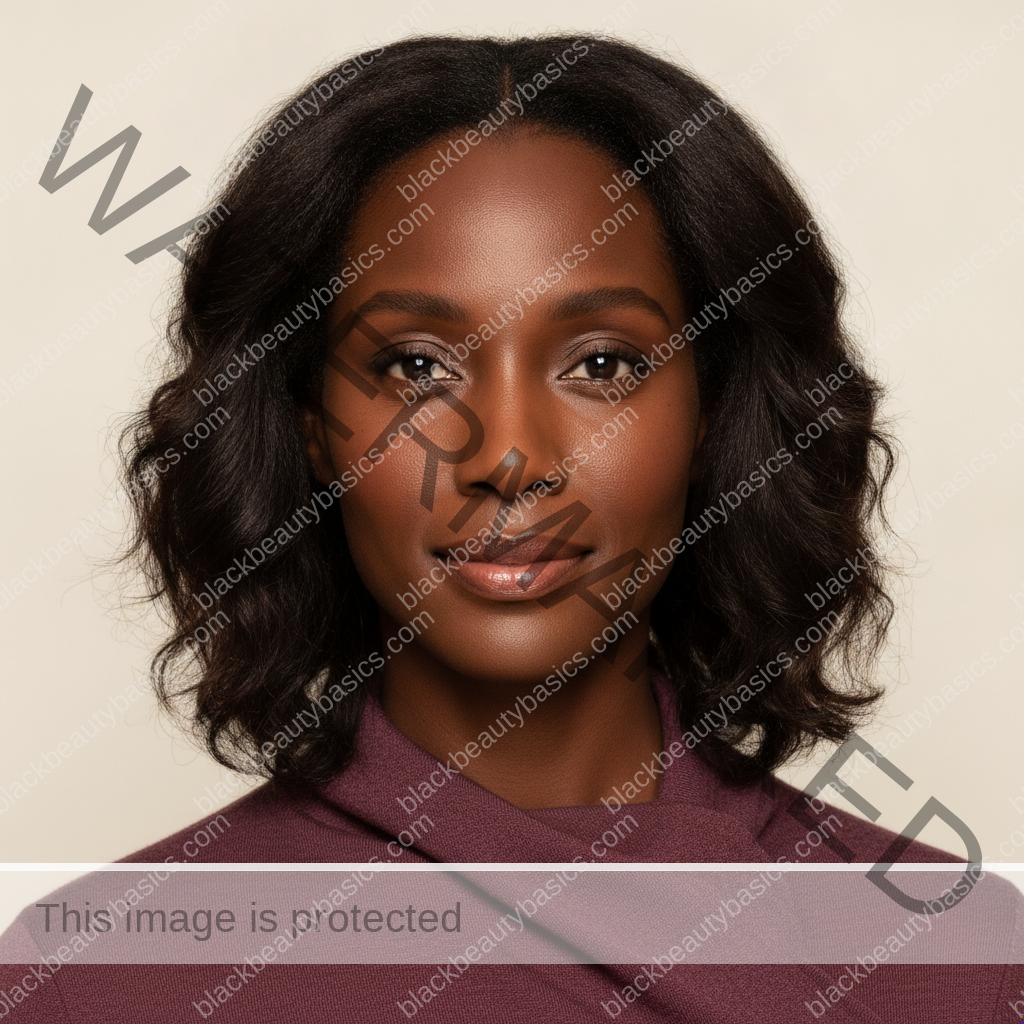
Hard water can make a thoughtful skincare routine feel unexpectedly frustrating. You may cleanse gently, moisturize faithfully, and still leave the bathroom with a face that feels tight, looks dull, or seems more reactive than it did before you washed it. If you have melanin-rich skin, that irritation may also be followed by uneven-looking tone or dark marks. None of this means you are failing at skincare, that your skin is dirty, or that you need to scrub harder. It may mean your routine needs to account for the water in your home.
Hard water contains higher levels of dissolved minerals, commonly calcium and magnesium. Those minerals are not automatically dangerous, and hard water is not a diagnosis. But for some people with dry or easily irritated skin, mineral-rich water can be one part of a larger picture that includes hot showers, cleanser residue, cold weather, indoor heating, friction, and strong treatment products. Research on hard water and skin barrier function is still limited. The strongest association evidence involves childhood eczema, and it does not prove that hard water causes every case of dry skin or that a water softener will solve it.
Still, your daily experience matters. If your skin changed after a move, after spending more time in a different location, or after switching to a shower with visible mineral buildup, it is reasonable to make practical adjustments. This hard-water skin reset is for Black women who want a calmer routine without a shame-based, colorist, or overly complicated approach. Black women are not one skin type, and Black skin is not biologically identical from person to person. Race, skin tone, ancestry, pigment level, and skin-barrier behavior are not interchangeable. Your skin history matters more than stereotypes about Black skin being “thick,” automatically oily, or able to tolerate irritation.
The goal is not perfect skin. It is to reduce unnecessary stress around cleansing, support comfort, and make your routine easier to understand. For a wider foundation, begin with our Skincare for Black Women guide, then use this article to tailor your habits for hard water and dry skin.
How hard water can complicate dry, melanin-rich skin
Hard water is water with a higher concentration of minerals. You may notice it through white spots on glassware, buildup around faucets, cloudy shower doors, rough-feeling towels, or soap that seems difficult to rinse away. These household signs cannot tell you exactly what is happening on your face, but they can offer a useful clue when a familiar skincare routine suddenly feels less comfortable.
Your skin has an outer protective layer often called the skin barrier. In plain language, it is the surface system that helps retain water and helps reduce the impact of irritants from the outside world. Cleansing, dry air, weather changes, friction, over-exfoliation, and some acne or pigment treatments can all challenge that barrier. Hard water may be another stressor for some people, particularly when it interacts with a harsh cleanser or encourages longer, hotter, more aggressive washing.
A systematic review of hard water, eczema, and skin barrier function found that the picture is more nuanced than internet skincare advice often suggests. Hard water has been associated with eczema risk in some studies, especially among children. However, trials of water softeners did not show that they improved established eczema severity. This does not mean your water cannot affect how your skin feels. It means hard water should not be presented as a universal cause or a problem with one guaranteed solution.
For dry skin, a more useful question is: what happens after you wash your face in this water? Notice whether you feel immediate tightness, rough patches, stinging when you apply a plain moisturizer, flaky makeup, or a persistent sense that cleanser has not rinsed away. These details are not trivial. They can help you make one smart adjustment instead of buying several products that may create more irritation.
Dryness can look different on deeper skin tones. Rather than obvious redness, you may see ashiness, gray or muted-looking areas, rough texture, fine flaking, darker-looking marks after irritation, or patches that look lighter or deeper as they heal. You may feel burning or tenderness before there is much visible change. Do not let anyone dismiss your discomfort because your skin does not look bright red. Your sensory experience, texture changes, and shifts in tone are valid information.
At the same time, not every dark mark, breakout, rough patch, or sting is caused by hard water. Dryness can overlap with acne, eczema, contact irritation, seborrheic dermatitis, reactions to hair products, and other concerns that deserve individualized care. Reviews of skin-barrier research in racial and ethnic groups note that methods and definitions are inconsistent. Race, ethnicity, pigmentation, and phototype should not be treated as the same thing. Avoid broad claims that assume every Black woman’s skin will react in the same way.

Hard water can affect a routine indirectly, too. When cleanser does not seem to rinse easily, it is tempting to use hotter water, wash longer, scrub with a cloth, cleanse twice, or use a stronger soap to get that “clean” feeling. For dry skin, those habits may become more important than the mineral content itself. A hard-water reset is not about fighting your plumbing with a ten-step routine. It is about lowering the stress you can control.
If you rent, travel often, share a bathroom, or cannot change the plumbing, you still have options. Your water temperature, cleanser texture, cleansing frequency, moisturizer timing, and sunscreen formula can all affect how manageable your skin feels. Start with those practical choices before assuming you need an expensive household system.
What to avoid when hard water and dry skin are both in the picture
The first step in a reset is often subtraction. Dry skin does not always need more active ingredients, more exfoliation, or a stronger cleanser. It often needs fewer sources of friction and fewer chances for the barrier to become overwhelmed. This is not about becoming fearful of skincare. It is about being discerning enough to stop treating discomfort as proof that a product is working.
Avoid very hot water on your face. A long steaming shower may feel comforting, especially in cold weather, but hot water can leave dry skin feeling tighter afterward. Use lukewarm water when possible. You do not need icy water or a complicated splash routine. A modest reduction in water temperature is enough to test whether your skin feels more comfortable after cleansing.
Be cautious with traditional bar soaps, strongly fragranced cleansers, and products that leave your face squeaky-clean. “Squeaky” is not the goal. Research on skin cleansing shows that mildness depends on a product’s full formula and how it is used, not only on a pH claim printed on the label. A product can be marketed as pH-balanced, natural, or dermatologist-tested and still be too stripping for your individual skin. The after-feel matters.
Pause the instinct to exfoliate away flakes every day. Rough washcloths, cleansing brushes, sugar scrubs, peeling gels, multiple acid toners, and frequent masks can make a dry cycle more irritated. On melanin-rich skin, repeated irritation can raise the risk of post-inflammatory hyperpigmentation, which means dark marks that linger after inflammation. Exfoliation is not automatically wrong, but it is rarely the first answer when your skin feels tight, raw, or visibly ashy.
Avoid changing everything at once. If you add a new cleanser, a toner, a facial oil, a stronger serum, a new sunscreen, and a shower filter in the same week, you will not know what helped or what caused a problem. A useful reset is simple enough to interpret. Change one meaningful variable, then observe your skin without panic.
Try not to over-cleanse after sweating. Sweat, sunscreen, makeup, and city grime can make an evening cleanse worthwhile, but a full cleanse every morning is not automatically necessary for everyone with dry skin. If you wake up comfortable and do not have heavy product residue, a water rinse or brief gentle cleanse may be enough. Your climate, workout schedule, skin type, and prescription instructions all matter.
Do not confuse burning with effectiveness. Some products can create a brief sensation when applied, but persistent stinging, itching, warmth, cracking, swelling, or worsening dryness are not signs to push through. If you use a prescription acne treatment, retinoid, pigment treatment, or another medicated topical, follow your prescriber’s directions. Do not stop, reduce, or change a prescription independently. Contact the prescriber or pharmacist before changing how often you use it or adding potentially irritating products around it.
Also avoid shame-based skincare advice. You do not need to detox, bleach, lighten, scrub, or punish your skin because it looks dull during a dry spell. Dullness is often a surface comfort and moisture issue, not a moral failure and not an invitation to chase a lighter complexion. Healthy skin can be deep, rich, radiant, matte, dewy, textured, freckled, or marked. The goal is supported skin, not colorist beauty standards.
A gentle hard-water skin reset: morning, evening, and shower habits
A practical reset has only a few repeatable steps. Keep the routine simple for a couple of weeks unless a clinician has given you a different plan. This is not a promise that every concern will resolve on a fixed schedule. It is a way to create enough consistency that you can notice whether your skin feels calmer, tighter, more comfortable, or more irritated.
Morning: cleanse only as much as your skin needs. If you wake up dry, comfortable, and without heavy product residue, rinse with lukewarm water or use a small amount of cleanser. If you are oily on waking, sweat overnight, use a thick overnight product, or need to remove a prescribed treatment residue, a gentle cleanse may make sense. Massage lightly with clean hands for a short time. There is no prize for washing until your face feels stripped.
Choose a cleanser based on function. Look for one that feels gentle, is easy to rinse without vigorous rubbing, and does not leave your skin feeling tight afterward. Cream, lotion, gel-cream, and mild low-foam textures can work well for dry skin, but texture alone is not a guarantee. If you need a starting point after considering those criteria, you can compare gentle fragrance-free face cleanser options by looking at the ingredient list, packaging size, texture, and cost rather than assuming the most expensive option is best.
After cleansing, pat your skin rather than rubbing it with a towel. Leave a little water on the surface, then apply moisturizer while your face is still slightly damp. This can make a dry-skin routine feel more comfortable because moisturizer helps support surface softness and water balance. Dermatologists commonly recommend gentle cleansing and applying moisturizer after bathing for dry skin. The advice is simple, but simple does not mean unimportant.
Moisturize with a formula that does more than one job. Moisturizers may contain humectants, emollients, and occlusives. Humectants, including glycerin, help bind water in the outer layers of skin. Emollients help smooth and soften rough-feeling areas. Occlusives form a surface layer that can reduce water loss. You do not need every trendy ingredient or the heaviest cream available. You need a formula that feels comfortable enough to use consistently.
For a closer look at these categories, read our guide to ceramides, glycerin, petrolatum, and other barrier-supporting ingredients. No single ingredient is best for every person, and a richer product is not automatically superior if it makes you avoid using moisturizer altogether. The right texture is one your dry areas tolerate and one that works with your daily life.
Finish with broad-spectrum sunscreen before daylight exposure. Sunscreen is not an overnight fix for existing dark marks, but consistent sun protection can help reduce the added UV exposure that may worsen uneven-looking tone. Choose a formula that does not leave your skin uncomfortably dry or visibly cast in a way that keeps you from using enough. A sunscreen finish that works on deeper skin tones is a practical need, not vanity.

Evening: remove the day without overworking your face. If you wore sunscreen, makeup, or had a sweaty day, cleanse once with a gentle cleanser. Some people prefer a first step to remove makeup followed by a mild water-based cleanser. Others do well with one careful cleanse. Let your skin and your actual product use guide the decision. If double cleansing leaves you tight every night, it may be more than your skin needs.
After cleansing, apply treatment products you already use as directed. If you are considering a new non-prescription active, such as an exfoliating acid or retinoid, do not begin it during the most reactive phase of your reset. First make the cleanse-moisturize-sunscreen routine comfortable. Then introduce one active gradually according to the product directions, watching for dryness and irritation. If you use a prescription treatment, ask your prescriber how to fit moisturizer and cleanser around it rather than changing the treatment plan on your own.
Follow with moisturizer. If the corners of your nose, mouth, cheeks, or under-eye area are especially dry, you may prefer a slightly richer cream at night. Some people like a thin layer of a plain occlusive product over moisturizer on intact dry areas. This is optional, not mandatory, and it may not suit every face or every climate. A heavy layer that feels unpleasant is less useful than a comfortable routine you can repeat.
When choosing a moisturizer, prioritize fragrance tolerance, texture, and whether your skin still feels comfortable the next morning. If you are comparing accessible options after setting those criteria, browse fragrance-free face moisturizer options. Think of these as product types to evaluate, not cures or guaranteed answers.
In the shower: include the rest of your skin in the reset. Keep showers reasonably brief, use warm rather than very hot water, and apply body moisturizer soon after drying off. Hard water can feel frustrating on the body, especially on shins, hands, elbows, knees, and the chest. Use a gentle body cleanser where needed rather than scrubbing your entire body with harsh soap every day.
If you enjoy fragranced body products, you do not have to abandon them forever. Consider keeping them away from areas that are actively itchy, cracked, or irritated while you reset. A shower filter may improve the shower experience for some households, but treat it as optional. Filters vary in what they remove, and many do not truly soften hard water. A filter cannot replace gentle cleansing, moisturizing, or medical care when symptoms need professional attention.
How to adapt the routine for travel, workouts, weather, and busy weeks
Your water and your schedule may change more often than your skincare shelf does. A routine that works at home may feel different at a hotel, in a new apartment, at a partner’s home, during a work trip, or after a move. This does not mean your skin is being dramatic. Skin responds to a mix of environment, product use, stress, friction, weather, sleep, and consistency.
When traveling, bring the basics you already tolerate: a gentle cleanser, moisturizer, sunscreen, and any prescribed products. Hotel soap is often strongly fragranced and can be a rough substitute when your face is already dry. If the water feels especially hard or your skin seems reactive, use less cleanser, shorten the wash, moisturize promptly, and avoid trying a new exfoliant in the middle of the trip.
For gym days, cleanse based on what is actually on your skin. If you sweat heavily, a gentle cleanse after exercise may feel best. If you had a lighter workout and cannot wash immediately, blot sweat with a clean towel or rinse when you get home rather than repeatedly using harsh wipes. Fragranced wipes can be convenient, but they are not always comfortable for dry, reactive skin. Reapply sunscreen if you are returning to daylight exposure.
Cold weather and indoor heating often call for a richer moisturizer or a more intentional evening layer. Humid weather can make a heavy cream feel uncomfortable, but dry skin may still need support. Adjust the texture before deciding moisturizer is the problem. A lighter lotion in the morning and a cream at night can be more realistic than asking one product to do everything in every season.
Night shifts, caregiving, commuting, and long workdays can make a neat morning-and-evening routine unrealistic. Anchor your steps to events instead of the clock. Cleanse after you remove makeup or sunscreen, moisturize after washing, and apply sunscreen before daylight exposure. Our guide to lifestyle-driven skincare routines for gym days, night shifts, and travel can help you build around your actual life rather than an idealized schedule.
If you share a bathroom, keep your essentials in a basket or toiletry pouch so your routine remains easy to reach. If your budget is limited, prioritize the foundation: a cleanser you tolerate, one dependable moisturizer, and sunscreen. You do not need a ten-step collection to care for dry skin in hard water. Consistency with a few well-chosen basics is often more useful than frequent product turnover.
Troubleshooting tightness, flakes, dullness, and product buildup
If your skin still feels dry after simplifying, troubleshoot in order. Start with how you cleanse, then look at moisturizer timing, then examine treatment products and product layers. This approach can keep you from blaming your skin for a problem created by routine friction.
If your face feels tight immediately after washing: reduce the water temperature, use less cleanser, shorten cleansing time, and avoid rubbing with a towel. Consider whether your cleanser is too foamy, heavily fragranced, or being used more often than your skin needs. Do not replace it with several cleansers at once. Choose one gentler option and observe.
If you see flakes around the nose, mouth, or brows: resist picking or using a scrub. Apply moisturizer on slightly damp skin and consider a richer layer at night. Flaking can result from dryness, irritation, treatment products, or a skin condition that needs professional evaluation. If it persists, spreads, or comes with significant itching or discomfort, speak with a dermatologist or other qualified clinician.
If your complexion looks dull or ashy: think comfort before brightness. Ashiness often reflects dryness at the surface. Better moisturization, gentler cleansing, and sun protection may help skin look more even over time, but avoid harsh brightening products as a reflex. Darker skin is not dull because it is dark. It deserves formulas and skincare conversations that honor its depth instead of treating melanin as something to correct.

If moisturizer pills or rolls up: the issue may be product layering rather than hard water. Use smaller amounts, allow each layer a moment to settle, and avoid repeatedly rubbing over drying layers. Silicone-heavy sunscreen, a thick moisturizer, primer, and makeup can sometimes conflict. Read our guide on how to avoid pilling with serum, moisturizer, and SPF for practical ways to adjust order and amount without throwing everything away.
If you break out after switching to richer products: do not panic and strip your skin. A richer texture may not suit every area of your face, or the timing may overlap with hormonal changes, makeup, hair products, stress, or a new treatment. Try using the richer moisturizer on dry zones while using a lighter formula on oilier areas. If breakouts are painful, deep, widespread, or leaving persistent marks, professional guidance can be especially helpful.
If your skin burns when you apply basic products: stop introducing new actives, fragrance, scrubs, and masks. Return to the mildest routine you already tolerate, and seek clinical advice if burning is persistent, severe, or paired with swelling, oozing, cracks, or eye-area involvement. A dermatologist can help distinguish simple dryness from contact dermatitis, eczema, infection, or another concern requiring different care.
Track progress through practical signs: fewer moments of tightness, less urge to scrub, more comfortable makeup application, less flaking, and skin that feels calmer after cleansing. Do not judge your whole routine through one mirror check in unforgiving bathroom lighting. Our article on how to know whether a skincare routine is working offers a steadier way to assess changes without obsessing over every pore.
What to Do Next
Start with one calm reset week. Use lukewarm water, cleanse gently in the evening, moisturize after washing, and use sunscreen before daylight exposure. In the morning, cleanse only as much as your skin truly needs. Put rough scrubs, strong acids, new masks, and unnecessary product experiments on pause while you learn what your baseline feels like.
Next, identify your likeliest friction point. Is it hot showers? A cleanser that leaves your face squeaky? A moisturizer you skip because it pills beneath sunscreen? A travel schedule that leaves you using hotel soap? Choose one adjustment that addresses that specific problem. Small changes are easier to sustain and easier to evaluate.
If your skin remains uncomfortable, simplify further instead of escalating. Our guide to what to keep and pause during a skin reset can help you decide what belongs in your routine while your barrier feels vulnerable. If symptoms are painful, persistent, spreading, or affecting your daily comfort, seek professional care. You deserve support without being told to tolerate irritation because your skin is Black, dark, or supposedly resilient.
Frequently Asked Questions
Can hard water cause dry skin on Black women?
Hard water may contribute to dryness or discomfort for some Black women, but it cannot explain every dry-skin concern. Hard water contains dissolved minerals, and research suggests it may interact with cleansing and skin-barrier function in certain situations. Evidence is not strong enough to treat hard water as a universal cause or diagnosis. Melanin-rich skin can show irritation through ashiness, texture changes, stinging, and dark marks after inflammation, which may make the concern more noticeable. Focus on your personal pattern: how your skin feels after washing, whether a move changed your skin, and whether gentler cleansing improves comfort.
Do I need a shower filter or water softener for hard-water dry skin?
No. A shower filter or water softener is optional, not a requirement for healthy skin. Some people enjoy the feel of filtered water or notice less household mineral buildup, but filters vary and many do not actually soften water. Research has not shown that water softeners improve established eczema severity, so they should not be viewed as skincare cures. Before making a large purchase, try lower-cost changes: lukewarm water, a milder cleanser, less rubbing, and moisturizer applied promptly after washing. If a filter suits your home and budget, it can be a personal experiment with realistic expectations.
Should I wash my face with bottled or distilled water?
Most people do not need to wash their face with bottled or distilled water. It can be inconvenient, expensive, and wasteful as a daily habit. If you are traveling, dealing with an unusual water disruption, or trying to understand whether a new environment affects your skin, a brief personal test may give you useful information. It should not replace a gentle routine, though. For dry skin, the bigger gains often come from reducing harsh cleansing, avoiding very hot water, applying moisturizer on slightly damp skin, and pausing unnecessary exfoliation. Seek clinical advice if your skin is persistently painful, inflamed, or cracking.
What kind of cleanser is best for dry skin in hard water?
Look for a cleanser that feels gentle, rinses without aggressive rubbing, and does not leave your skin tight or squeaky afterward. Many people with dry skin prefer fragrance-free, low-foam, cream, lotion, or gel-cream cleansers, but texture alone does not guarantee mildness. A cleanser’s overall formula and how frequently you use it matter more than one marketing term. Use lukewarm water and clean hands instead of a rough cloth. If you wear heavy makeup or water-resistant sunscreen, you may need more thorough removal at night, but your final cleanse should still leave your skin comfortable enough to moisturize without stinging.
Why does dry skin sometimes look gray, ashy, or uneven on deeper skin tones?
Dry skin can scatter light differently across the surface, making deeper skin tones look gray, muted, or ashy. Rough texture and fine flaking can interrupt the smoother appearance of skin. Irritation may also lead to uneven-looking tone or dark marks as it settles, particularly when skin is rubbed, picked, or over-exfoliated. This does not mean darker skin needs lightening. It is a sign to support comfort and reduce irritation. Gentle cleansing, moisturizer, sun protection, and avoiding unnecessary friction are more respectful responses than harsh brightening routines built around colorist standards.
Can I still use retinoids, exfoliating acids, or acne treatments during a hard-water reset?
You may be able to, but avoid adding multiple strong products while your skin is dry or stinging. If an over-the-counter active is new, consider waiting until your basic cleanser-and-moisturizer routine feels comfortable before introducing it gradually according to the label. If you use a prescription retinoid, acne treatment, pigment treatment, or another prescribed topical, follow your prescriber’s instructions. Do not stop, reduce, or change a prescription independently because of dryness. Contact the prescriber or pharmacist for guidance on application order, moisturizer use, and whether your symptoms warrant a routine adjustment.
How long should I wait before deciding whether my hard-water reset is helping?
Give simple changes enough consistency to observe a pattern rather than judging after one wash. You may notice immediate comfort changes from cooler water or a gentler cleanser, while texture and uneven-looking tone may take longer to settle. There is no universal timeline because dry skin can be influenced by weather, hormones, sleep, stress, medications, treatments, and other exposures. Watch for practical signs: less tightness after cleansing, fewer dry patches, reduced stinging, and easier makeup or sunscreen application. If symptoms worsen, become painful, or do not improve with a simpler routine, seek personalized advice from a qualified clinician.
Related next steps
Related posts:
 Morning Skincare Routine for Black Women by Skin Type (Oily, Dry, Combo)
 Morning Skincare Routine for Black Women in Dry Climates: Hydration, Barrier Care, and SPF
 Moisturizer Layering for Black Women With Dry Patches and Oily Zones
 How to tell the difference between dry skin and dehydrated skin on deep tones
 The best skincare routine for Black women who use prescription acne treatments
 Skincare for Hot, Dry Climates on Dark Skin