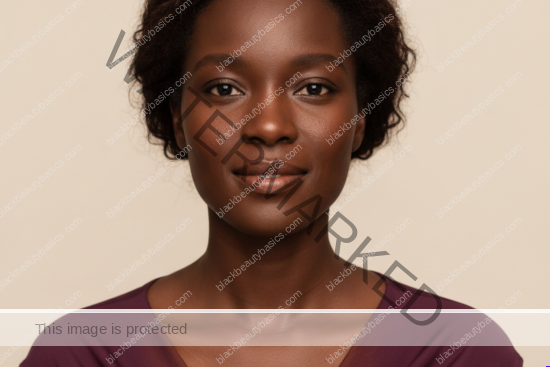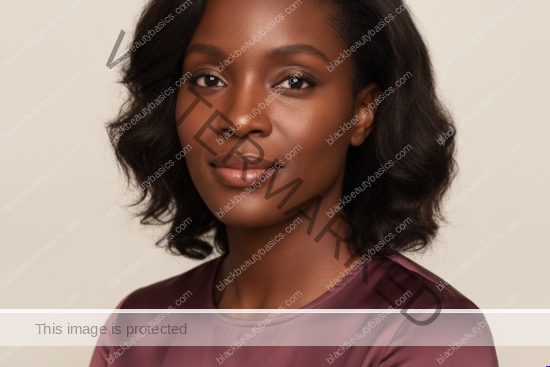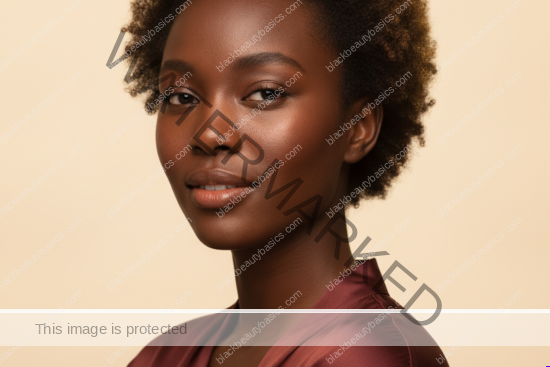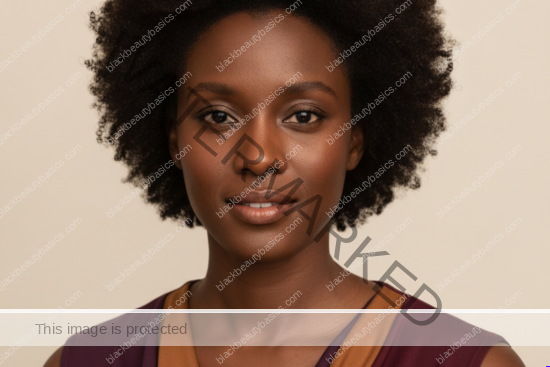
When your skin barrier has been irritated, healing can feel almost too quiet to trust. You may be waiting for your dark marks to disappear, your texture to become smooth overnight, or your glow to come back in one dramatic moment. But barrier recovery usually starts smaller than that: less stinging after cleansing, fewer flakes, less tightness, products sitting more comfortably, and a face that no longer feels like it is arguing with every step of your routine.
For Black women and people with richly melanated skin, this matters because irritation often leaves a visible memory. A breakout, rash, over-exfoliation moment, or harsh cleanser can calm down before the uneven tone fully fades. That can make you feel like nothing is improving, even when your skin is actually becoming less inflamed and more resilient underneath.
This guide will help you recognize the signs your skin barrier is healing before you expect perfect tone or texture. If your whole routine still feels confusing, start with BBB’s skincare routine design guide. If you are recovering after trying too many products, pair this with our routine reset guide. Here, we are focusing on the checkpoints that tell you your skin is moving in a calmer direction.
What the Skin Barrier Actually Does
Your skin barrier is the outer protective layer that helps keep water in and irritants out. Think of it as your skin’s first line of defense. When the barrier is functioning well, your skin usually feels more comfortable, tolerates products better, and recovers from everyday stress more easily. When it is stressed, almost everything feels harder: cleansing, moisturizing, sunscreen, makeup, shaving, exfoliating, and even touching your face.
A damaged or stressed barrier can show up as stinging, burning, tightness, rough texture, sudden sensitivity, flaking, redness or visible irritation, new bumps, and a feeling that products that used to work no longer feel right. On melanin-rich skin, the visible signs may not always look like classic redness. Irritation may show as darkening, ashiness, grayness, uneven tone, or rough patches instead.
This is one reason generic skincare advice can miss the mark. A guide may tell you to look for redness, but your skin may be telling the story through tightness, texture, itching, or hyperpigmentation. BBB’s approach is to listen to all of those signals, not just the ones that show up most clearly on lighter skin.
Barrier healing is not the same as every concern disappearing. A barrier can be recovering while dark marks are still present. A barrier can be calmer while texture is still improving. A barrier can be stronger even if your skin is not perfectly even. Those distinctions matter because they stop you from over-treating too early.
The goal is not to make your skin prove itself through fast results. The goal is to notice when it is safer to continue, when it is better to pause, and when you may need professional support.
What to Stop Doing While Your Barrier Is Healing
Barrier repair requires restraint. That can be emotionally hard when you are frustrated with dullness, dark marks, or roughness. But this is the season where less truly can do more.
Stop treating stinging as normal
If your moisturizer, sunscreen, or cleanser stings every time you use it, your skin is asking for a pause. Some active ingredients can tingle, but repeated discomfort from basic products is not a badge of seriousness. It is a sign that the barrier may still be reactive. For melanin-rich skin, pushing through irritation can increase the risk of more inflammation and lingering marks.
Stop exfoliating every patch of roughness
Roughness can be dead skin buildup, but it can also be dryness, irritation, or barrier stress. If your skin is tight, burning, flaking, or sensitive, exfoliating may worsen the problem. During healing, rough texture often needs moisture, time, and gentleness before it needs acids or scrubs.
Stop switching products every few days
A healing barrier needs predictability. If you keep changing cleanser, moisturizer, serum, and sunscreen, your skin never gets a stable environment. It also becomes impossible to know what is helping. Keep the routine quiet long enough to read the response.
Stop chasing dark marks before irritation is controlled
This is a big one. Dark marks can feel urgent, especially when they sit on deeper skin. But tone treatments tend to work better when the skin is not actively irritated. If the barrier is still stinging, peeling, or flaring, brightening products can become too much. Prevention of new irritation is part of treating hyperpigmentation.
Stop using harsh cleansers to feel “extra clean”
If your cleanser leaves your face squeaky, tight, or shiny in a stripped way, it may be slowing the reset. Cleansing should remove buildup without making the skin feel punished. If this sounds familiar, read BBB’s cleanser guide for dark skin before adding more treatments.
Stop judging recovery by perfect skin
Healing is not the same as flawless. A calmer face is progress. Less itching is progress. Makeup applying without catching is progress. Fewer new marks are progress. Do not ignore those wins because an old spot is still fading.
The Signs Your Skin Barrier Is Healing
Barrier recovery is a pattern, not one single sign. Look for several of these changes over days or weeks. You do not need all of them at once.
1. Cleansing no longer leaves your skin tight
One of the first signs of improvement is comfort after washing. If your face used to feel tight immediately after cleansing and now feels more neutral, your barrier may be holding water better. This does not mean you need a stronger cleanser. It means your current routine may finally be letting the skin settle.
2. Moisturizer stops stinging
When the barrier is stressed, even plain moisturizer can burn. As the skin heals, moisturizers often begin to feel soothing again. That is a meaningful sign. It suggests your skin is less reactive and better able to tolerate basic support.
If your current moisturizer still burns after several calm days, it may not be the right fit. A product category like gentle barrier moisturizer can help you compare simpler options, but choose by comfort and ingredient fit, not hype.
3. Flaking starts to reduce
Flakes can make you want to scrub, but reduced flaking after gentle care is a better sign than artificially smooth skin after harsh exfoliation. If flakes are lifting less, your skin may be retaining moisture better. Keep the routine calm. Do not rush back to strong actives the moment you see improvement.
4. Your skin tolerates sunscreen better
Sunscreen can feel difficult on a stressed barrier. It may sting, pill, or sit oddly because the products underneath are not absorbing well. When the barrier is healing, sunscreen may begin to apply more evenly and feel less irritating. That matters because sunscreen is part of protecting melanin-rich skin from worsening uneven tone.
If pilling is the main issue, the problem may be layering rather than barrier damage. Use BBB’s serum, moisturizer, and SPF layering guide once your skin feels calm enough to troubleshoot.
5. You get fewer new irritation bumps
A healing barrier often means fewer new bumps from rubbing, product sensitivity, or over-treatment. Existing bumps may still take time, and dark marks may linger. But if fewer new irritation spots are forming, your routine is becoming less inflammatory. That is a serious win.
6. Makeup sits more evenly
Makeup can reveal barrier status. When the skin is irritated, foundation may cling to flakes, separate around rough patches, or look gray because the surface is uneven. As the barrier improves, base products often glide better with less effort. This is not about covering your skin. It is about texture becoming calmer.
7. Your skin feels less reactive across the day
A stressed barrier can make the face feel like it changes every hour: tight after cleansing, oily by midday, itchy by afternoon, irritated by evening. Healing often feels like steadiness. Your skin may still have concerns, but it is less dramatic from one moment to the next.
8. Your routine feels boring in a good way
This sign is underrated. When skincare stops feeling like a crisis, you may feel like nothing is happening. But a boring routine that keeps skin comfortable is often exactly what recovery needs. Excitement can come later. First, stability.
How to Support Barrier Healing Without Overdoing It
Once you notice healing signs, the instinct may be to add products back immediately. Try not to. The skin needs time to practice being calm.
Keep the baseline simple
For most people, the healing baseline is gentle cleanser, moisturizer, and sunscreen during daylight exposure. If your skin is very reactive, even that may need adjusting. But keep the structure simple. A stable baseline teaches you what your skin feels like when it is not constantly being challenged.
Choose moisture based on comfort
Barrier support is not about finding the most expensive cream. It is about reducing tightness, stinging, and dryness. Some people need a light lotion. Others need a richer cream. Oily skin can still need moisture. Acne-prone skin can still need barrier support. Choose a texture you can repeat without clogging, burning, or avoiding it.
Protect from daylight while marks fade
If you are dealing with dark marks, sunscreen matters. It does not erase marks overnight, and it should not be framed that way. But consistent protection can help keep irritation aftermath from becoming more noticeable. The best sunscreen is the one you can wear consistently on your skin tone.
Reintroduce treatments slowly
When the skin feels calmer, bring back one optional treatment at a time. Give it several days to a week before adding another. If stinging, itching, roughness, or new bumps return, pause that product and go back to baseline. This is how you learn without spiraling.
Keep your hands off healing skin
Picking flakes, squeezing bumps, and rubbing rough areas can create more inflammation. If you feel the urge to touch, redirect the impulse: moisturize, step away from the mirror, or write down what you are noticing instead.
Respect hairline and jawline triggers
For many Black women, irritation does not only come from skincare. Hair products, edge control, bonnets, scarves, wigs, mask friction, and phone contact can affect the hairline and jaw. Healing means reducing repeated irritation in those zones too.
When Healing Is Not Really Happening Yet
Sometimes the skin seems calmer for a day or two, then flares again. That does not mean you failed. It means the routine or environment still has a trigger.
If stinging keeps returning
Review the basics first. Is the cleanser too harsh? Is the moisturizer fragranced or active-heavy? Is sunscreen irritating? Are you using hot water? Are you exfoliating too soon? Remove the newest or strongest variable first.
If you are still getting new rough patches
Look for repeated friction or dryness. This might be a towel, mask, pillowcase, scarf, shaving habit, or product near the hairline. Barrier healing is not only about ingredients. It is also about how the skin is treated physically.
If your skin is oily and ashy together
That combination often means the skin is not balanced yet. It may have surface oil while still lacking water or barrier comfort. BBB’s oily-and-ashy skin routine can help you adjust without stripping.
If dark marks are still present
Old marks can remain after the barrier feels better. That does not mean healing is fake. It means tone recovery has a longer timeline. Do not restart aggressive brightening too soon. Wait until the skin consistently feels calm, then reintroduce treatment carefully.
If symptoms are painful or spreading
Home skincare has limits. If your skin is painful, swollen, infected-looking, blistering, or not improving with gentle care, see a dermatologist or qualified clinician. If possible, choose someone experienced with skin of color. Getting help is not a failure of your routine; it is protection.
Frequently Asked Questions
1) How long does it take for a skin barrier to heal?
It depends on the level of irritation and what caused it. Mild barrier stress may feel better in a week or two with gentle care. More intense irritation can take longer and may need professional support. Watch for comfort signals: less stinging, less tightness, fewer flakes, and better tolerance of basic products.
2) Can my barrier be healing if my dark marks are still there?
Yes. Dark marks can fade more slowly than irritation calms, especially on melanin-rich skin. Your barrier may be improving even if old hyperpigmentation remains. Fewer new irritation marks, better comfort, and less reactivity are still meaningful signs of progress.
3) Should I exfoliate flakes while my barrier heals?
Usually, no. If your skin is stinging, tight, or sensitive, exfoliation can make irritation worse. Let flakes soften with gentle cleansing and moisturizer first. Once your skin is consistently calm, you can consider reintroducing exfoliation slowly if it has a clear purpose.
4) What ingredients should I avoid while healing?
Pause products that tend to be strong or irritating for you, such as exfoliating acids, retinoids, fragranced products, harsh cleansers, and strong masks. Not every ingredient is bad for everyone, but during healing, fewer variables help you understand your skin better.
5) Why does moisturizer burn when my barrier is damaged?
When the barrier is stressed, the skin may be more sensitive to ingredients that normally feel fine. Even a basic product can sting if the outer layer is irritated. If burning is persistent, simplify the routine and consider switching to a plainer moisturizer. Seek care if discomfort is severe.
6) When can I restart brightening products?
Wait until your skin feels consistently calm: no repeated stinging, less tightness, fewer flakes, and better tolerance of cleanser, moisturizer, and sunscreen. Restart one product at a time. If irritation returns, pause again. Brightening works best when the skin is not constantly inflamed.
7) When should I see a dermatologist?
See a dermatologist if irritation is painful, persistent, spreading, infected-looking, or affecting your quality of life. Also seek help if acne, eczema-like flares, or discoloration keeps returning despite a gentle routine. Professional support can help you avoid more trial-and-error damage.
What to Do Next
For the next week, measure progress by comfort before appearance. Ask: does cleansing sting less? Does moisturizer feel better? Are flakes calming down? Is sunscreen easier to wear? Are you getting fewer new irritation bumps? Those answers tell you whether your barrier is becoming steadier.
If you are still in product chaos, go back to the routine reset guide. If your cleanser keeps leaving you tight, read the cleanser guide. If your skin feels oily and ashy at the same time, use that focused routine. Do not rush the next active just because you are tired of waiting.
Your skin does not have to look perfect to be healing. Sometimes the first sign of progress is simply that your face feels less defensive. Honor that. Protect it. Build from there.
Related next steps
Related posts:
 Signs of a Damaged Skin Barrier on Melanin-Rich Skin: A Guide for Black Women
 Signs of Over-Cleansing & Over-Exfoliating on Melanin-Rich Skin
 Unpacking Colorism: A Guide to Understanding, Healing, and Celebrating Every Shade of Melanin
 Postpartum Skin Reset: Pigmentation, Acne, and Barrier Repair on Melanin-Rich Skin
 Sensitivity and Stinging on Dark Skin: Understanding Your Skin’s Early Warning Signs
 Adjusting Makeup Habits During Acne Flares and Healing Phases