In the sacred spaces of our homes, where light streams through the windows, we often find solace and a sense of security. But for the discerning Black woman, a question whispers in the sunbeams: does this sanctuary truly shield our precious melanin from the sun’s persistent gaze? The answer, as with many truths about our unique beauty, is nuanced, yet unequivocally clear – and it’s a conversation we must have with precision and pride.
The Unseen Rays: Why Melanin Needs More Than Just a Window
For generations, a pervasive myth has circulated, suggesting that melanin-rich skin is inherently impervious to sun damage. While our beautiful complexions do offer a natural SPF equivalent to approximately 13.4, providing a remarkable defense against immediate sunburn, this protection is not absolute. The sun emits various types of ultraviolet (UV) radiation, and not all are blocked by window glass or by our glorious melanin in the ways we might assume.
Understanding the UV Spectrum: UVA, UVB, and Beyond
To truly appreciate the necessity of indoor sun protection, we must first understand the invisible forces at play:
- UVB Rays (Burning Rays): These are the primary culprits behind sunburn and contribute significantly to skin cancer. Fortunately, most standard window glass effectively blocks the majority of UVB rays. This is why you’re less likely to get a sunburn sitting by a window.
- UVA Rays (Aging Rays): These rays penetrate deeper into the skin, contributing to premature aging (fine lines, wrinkles, hyperpigmentation), and play a significant role in the development of skin cancers. Crucially, standard window glass blocks only about 25-50% of UVA rays, meaning a substantial amount can still reach your skin indoors.
- Visible Light (VL) and High Energy Visible Light (HEV Light/Blue Light): While not UV, emerging research suggests that these light spectrums, particularly HEV light emitted from screens and the sun, can also contribute to hyperpigmentation and oxidative stress in melanin-rich skin. This is especially pertinent for those prone to conditions like melasma.
This scientific distinction is vital for Black women. Our skin’s primary concern isn’t typically sunburn, but rather the cumulative effects of UVA and visible light exposure: persistent hyperpigmentation, uneven skin tone, and the subtle yet relentless breakdown of collagen and elastin that leads to premature aging. These are the very concerns that often bring us to our dermatologists and estheticians.

The Melanin Paradox: Protection vs. Vulnerability
Our melanin is a magnificent shield, a testament to our ancestral strength and resilience. It provides a natural photoprotection that delays the onset of visible aging and reduces the incidence of certain skin cancers compared to lighter skin tones. However, this protection can sometimes foster a false sense of security, leading to a neglect of sun care that ultimately undermines our skin’s long-term health and aesthetic vibrancy.
Hyperpigmentation: The Melanin Response
One of the most common and frustrating skin concerns for Black women is hyperpigmentation – dark spots, uneven patches, and post-inflammatory hyperpigmentation (PIH) that linger long after a blemish has healed. Our melanocytes (the cells that produce melanin) are highly reactive. When exposed to UV radiation, even the UVA rays filtering through a window, they go into overdrive, producing more melanin as a protective response. This often results in the very dark spots we strive to prevent or fade.
Collagen Degradation and Premature Aging
While we may not see the immediate redness or peeling of a sunburn, UVA rays are silently working beneath the surface. They penetrate the dermis, where collagen and elastin fibers reside, gradually breaking them down. Over time, this leads to a loss of skin elasticity, firmness, and the eventual appearance of fine lines and wrinkles. While our skin may age gracefully, consistent UVA exposure can accelerate this process, diminishing the youthful radiance we cherish.
Skin Cancer: A Silent Threat
It’s a dangerous misconception that Black women don’t get skin cancer. While the incidence is lower, diagnoses often occur at later, more advanced stages, making treatment more challenging and outcomes less favorable. This delay is often due to a lack of awareness and a lower index of suspicion from both patients and sometimes even medical professionals. Prolonged, unprotected UV exposure, even indoors, contributes to the cumulative DNA damage that can lead to skin cancers like melanoma, squamous cell carcinoma, and basal cell carcinoma.
The Indoor Sunscreen Imperative: Practical Steps for Protection
Given the persistent nature of UVA rays and their impact on melanin-rich skin, incorporating sunscreen into your daily indoor routine, especially if you spend significant time near windows, is not just a recommendation—it’s an imperative. It’s an act of self-care, a commitment to preserving the health and luminosity of your skin.
Choosing the Right Sunscreen for Indoor Use
When selecting a sunscreen for indoor wear, focus on formulations that offer broad-spectrum protection and are comfortable for daily use. Look for:
- Broad-Spectrum SPF 30+: This ensures protection against both UVA and UVB rays.
- Mineral Sunscreens (Zinc Oxide & Titanium Dioxide): These physical blockers sit on top of the skin and reflect UV rays. They are often preferred for sensitive skin and can be excellent for those prone to hyperpigmentation, as zinc oxide also offers some protection against visible light. Modern formulations are much less likely to leave a white cast on darker skin tones. Shop Mineral Sunscreen for Dark Skin on Amazon
- Tinted Sunscreens: Many brands now offer tinted mineral sunscreens that blend seamlessly into darker complexions, providing light coverage while protecting. The tint itself can also offer some additional protection against visible light. Shop Tinted Sunscreen for Dark Skin on Amazon
- Formulations with Antioxidants: Ingredients like Vitamin C, E, ferulic acid, and niacinamide can boost sunscreen’s efficacy by neutralizing free radicals generated by UV exposure and visible light, further safeguarding your skin.
Application: Consistency is Key
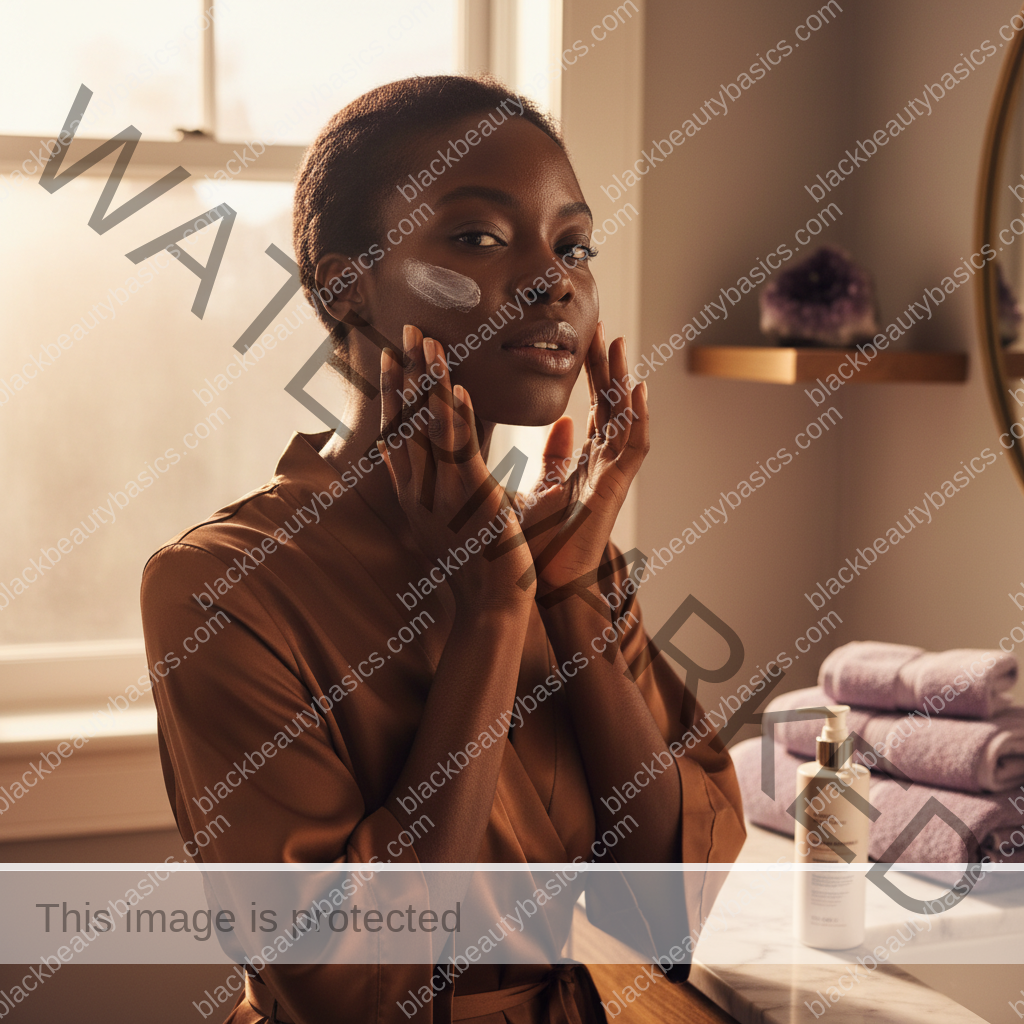
Apply a generous amount of sunscreen as the last step in your morning skincare routine, before makeup. A good rule of thumb is the “two-finger” method: squeeze a line of sunscreen onto your index and middle fingers, then apply to your face and neck. Remember to reapply every 2-3 hours if you are directly in front of a window for extended periods, or if you’re engaging in activities that might rub it off.
Beyond Sunscreen: Additional Indoor Protection Strategies
While sunscreen is paramount, it’s just one component of a comprehensive indoor sun protection strategy. Consider these additional measures to create an optimal environment for your skin:
Window Treatments: Your First Line of Defense
Investing in appropriate window coverings can significantly reduce the amount of UV radiation entering your space.
- UV-Blocking Window Film: These films can be applied directly to existing windows and are designed to block up to 99% of UVA and UVB rays without significantly altering visibility. They are a discreet and effective solution. Shop UV Blocking Window Film on Amazon
- Blinds and Curtains: While not as effective as film, drawing blinds or curtains during peak sun hours (typically 10 AM to 4 PM) can provide a physical barrier. Opt for thicker, opaque fabrics for maximum protection.
Strategic Workspace Planning
If your desk or primary indoor activity spot is by a window, consider its orientation. A north-facing window typically receives less direct sunlight throughout the day, while east, west, and south-facing windows can be intense. Adjust your seating arrangement if possible to minimize direct exposure.
Antioxidant-Rich Skincare
Incorporate serums and moisturizers rich in antioxidants into your routine. These ingredients help to neutralize free radicals generated by any UV or visible light that bypasses your sunscreen, providing an additional layer of defense against environmental damage. Look for ingredients like Vitamin C, E, ferulic acid, green tea extract, and niacinamide. Shop Antioxidant Serum for Dark Skin on Amazon
Protective Clothing Indoors
For those who spend extended periods by very sunny windows, or have particularly sensitive skin prone to hyperpigmentation, consider wearing lightweight, long-sleeved clothing. Fabrics with a tight weave offer better protection. While perhaps not a daily necessity for everyone indoors, it’s an option for maximum caution.
Comparison: Indoor vs. Outdoor Sunscreen Needs
While the active ingredients in sunscreens remain the same, the context of indoor versus outdoor exposure can influence your product choice and application frequency.
| Feature | Indoor Sunscreen Needs (Near Windows) | Outdoor Sunscreen Needs (Direct Sun) |
|---|---|---|
| Primary Concern | UVA rays, visible light, hyperpigmentation, premature aging | UVB & UVA rays, sunburn, skin cancer, hyperpigmentation |
| SPF Level | SPF 30+ (broad-spectrum) is generally sufficient | SPF 30-50+ (broad-spectrum) recommended, higher for extended exposure |
| Reapplication Frequency | Every 2-3 hours if directly by a window for extended periods | Every 2 hours, or immediately after swimming/sweating |
| Formula Preference | Lightweight, comfortable, often mineral or tinted for seamless wear | Water-resistant, durable, often chemical or hybrid formulas for active use |
| Additional Protection | Window films, blinds, antioxidants in skincare | Hats, sunglasses, UV-protective clothing, shade seeking |
| Key Ingredients | Zinc Oxide, Titanium Dioxide, Antioxidants (Vit C, E, Niacinamide) | Zinc Oxide, Titanium Dioxide, Avobenzone, Octinoxate, etc. |
Tips for Integrating Sunscreen into Your Daily Indoor Routine
Making sunscreen a non-negotiable part of your indoor beauty ritual doesn’t have to be a chore. Here are some tips to make it seamless:
- Make it the Last Step: Always apply sunscreen as the final step in your morning skincare routine, after moisturizers and serums, but before makeup.
- Keep it Visible: Place your chosen indoor sunscreen prominently on your vanity or bathroom counter as a visual reminder.
- Find Your Perfect Match: Experiment with different formulations (creams, gels, tinted, untinted) until you find one that feels good on your skin and doesn’t interfere with your makeup.
- Set a Reminder: If you’re prone to forgetting reapplication, set a discreet reminder on your phone for every few hours.
- Consider SPF in Makeup: While not a substitute for dedicated sunscreen, makeup with SPF can offer a minor boost. However, always apply a standalone sunscreen first. Shop Makeup with SPF for Dark Skin on Amazon
- Don’t Forget the Neck and Hands: These areas are often exposed to light from windows and are prone to showing signs of aging. Extend your sunscreen application to these often-neglected spots.
FAQ: Your Indoor Sun Protection Questions Answered
Q1: Is my car window enough to protect me from the sun?
A: No, standard car windows typically block most UVB rays but allow a significant amount of UVA rays to penetrate. The windshield usually offers better UVA protection than side and rear windows. If you spend considerable time driving, especially during daylight hours, sunscreen on exposed areas like your face, neck, and hands is crucial. Consider professional UV window tinting for your car for enhanced protection.
Q2: Can I get a tan indoors near a window?
A: Yes, you can. Tanning is a sign of UV damage. Since UVA rays, which penetrate windows, stimulate melanin production, prolonged exposure can lead to a tan or darkening of existing hyperpigmentation, even if you don’t experience a sunburn.
Q3: What about blue light from screens? Does sunscreen protect against that?
A: While traditional sunscreens are primarily designed for UV protection, some mineral sunscreens, particularly those with a high concentration of zinc oxide and iron oxides (often found in tinted formulas), offer some protection against visible light, including blue light. Emerging research suggests blue light can contribute to hyperpigmentation in melanin-rich skin. For comprehensive protection, consider a combination of tinted mineral sunscreen, antioxidant-rich skincare, and blue light filters for your devices.
Q4: Do I need to wear sunscreen indoors on a cloudy day?
A: Absolutely. Clouds can block some direct sunlight, but they do not block all UV radiation. Up to 80% of UV rays can penetrate clouds. Therefore, whether it’s sunny or overcast, if you’re near a window, your skin is still exposed to harmful UVA rays.
Q5: How much sunscreen should I apply for indoor use?
A: The general recommendation is to apply about a quarter teaspoon for your face and neck, often approximated by the “two-finger rule” (a line of sunscreen on your index and middle fingers). It’s better to be generous than to skimp, as under-application significantly reduces the stated SPF.
Q6: Are there any specific sunscreen ingredients Black women should look for or avoid?
A: For Black women, mineral sunscreens containing zinc oxide and titanium dioxide are often recommended as they are less likely to cause irritation and have the added benefit of potentially blocking visible light. Modern formulations blend beautifully without a white cast. If using chemical sunscreens, ensure they are broad-spectrum. Avoid sunscreens with a strong fragrance if you have sensitive skin, as this can exacerbate hyperpigmentation. Look for “non-comedogenic” formulas to prevent breakouts.
Q7: My foundation has SPF. Is that enough for indoor protection?
A: While foundation with SPF offers a minimal layer of protection, it’s generally not enough on its own. To achieve the stated SPF on the label, you would need to apply a much thicker layer of foundation than most people typically wear. It’s always best to apply a dedicated broad-spectrum SPF 30+ sunscreen underneath your makeup for adequate protection.
The journey to radiant, healthy skin for the Black woman is one of knowledge, intention, and unwavering care. Embracing sunscreen indoors, especially near windows, isn’t about fear; it’s about empowerment. It’s a conscious choice to protect our precious melanin from the subtle yet persistent forces that can diminish its glow and compromise its health. By understanding the science and adopting these simple yet profound practices, we continue to honor our beauty, ensuring it shines brightly, resiliently, and vibrantly for years to come. This is the essence of luxury skincare: informed, intentional, and deeply rooted in self-love.
Indoor SPF Should Be Realistic, Not Fearful
The point of indoor sunscreen is not to make you afraid of your home, your office, or a sunny window. It is to understand exposure. If you spend most of the day far away from windows, your needs may be different from someone working beside a bright window, driving often, or treating stubborn hyperpigmentation. Context matters.
For melanin-rich skin, daily SPF becomes especially useful when dark spots are active. UVA rays can pass through glass and contribute to pigment staying darker. Visible light may also matter for some forms of hyperpigmentation, especially melasma. That does not mean you need panic. It means a morning sunscreen habit can be a simple protective baseline.
When indoor SPF matters most
- You work near windows: daily SPF is a smart default.
- You drive often: side-window exposure can add up.
- You are treating dark spots: protection helps preserve progress.
- You rarely see daylight indoors: keep the habit flexible, not obsessive.
What to do next
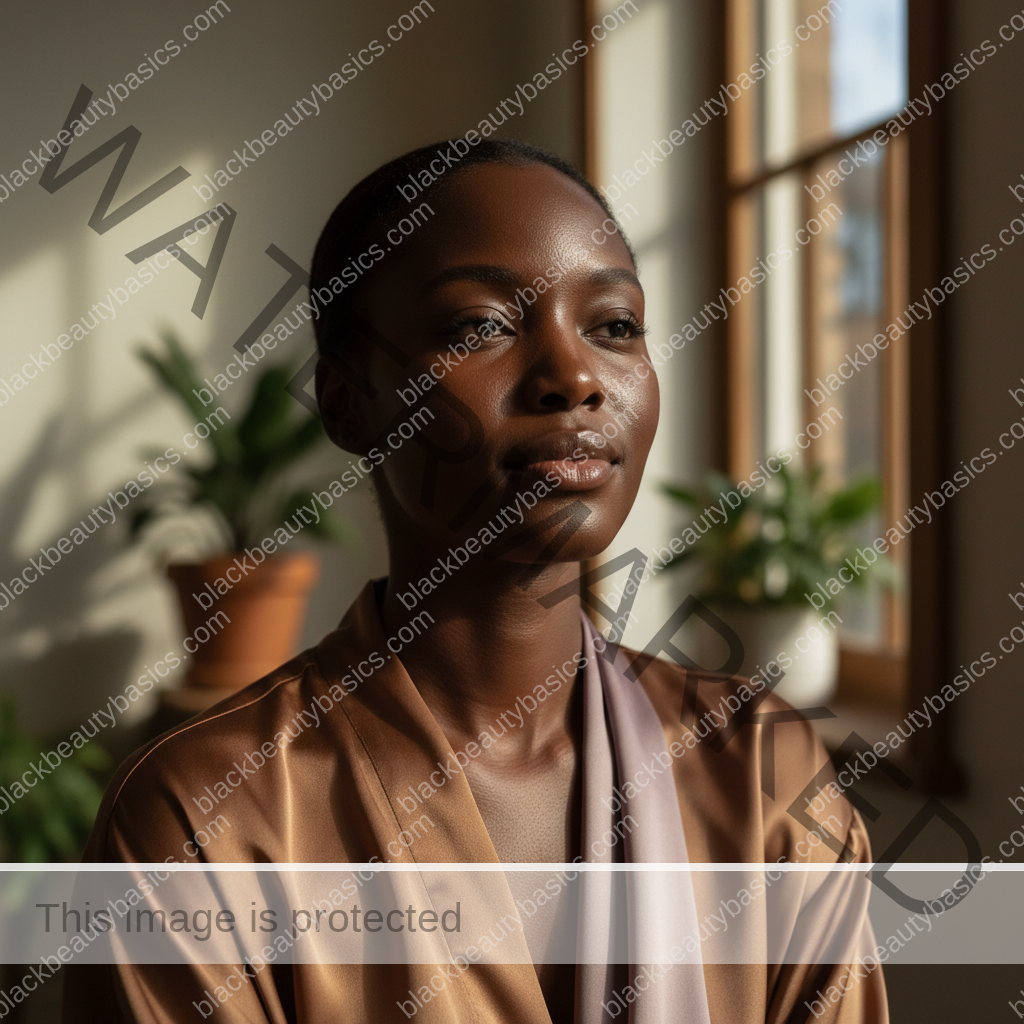
Keep this SPF step connected to the rest of the Sunscreen for Dark Skin series. The goal is not a perfect routine that only works on quiet days. The goal is a sunscreen habit that still works with makeup, sweat, body care, texture preferences, and real Black women’s lives.
How to decide when indoor sunscreen is worth it
Indoor sunscreen does not need to become another reason to feel watched by your routine. The real question is exposure. If you spend most of the day away from windows, step outside only briefly, and are not actively treating dark spots, your indoor SPF decision may look different from someone who works beside a bright window for eight hours. A calm routine looks at the light you actually get, the skin goals you have, and how much effort is realistic.
Window glass can block some UVB rays, the rays most associated with sunburn, but UVA can still pass through many windows. UVA is relevant because it can contribute to long-term skin changes and can matter for hyperpigmentation-prone skin. That does not mean you need to panic every time you sit in a sunny room. It means that if your desk, couch, vanity, or driver seat puts your face in steady daylight, sunscreen can be a reasonable protective habit even when you are technically indoors.
Visible light is another reason some people with melanin-rich skin choose daily SPF, especially when they are managing dark marks. Tinted sunscreens with iron oxides may be helpful for some hyperpigmentation routines because they can offer additional visible-light support. This is not a promise that a tint will erase spots. It is simply one reason a well-matched tinted SPF may be worth considering if discoloration is your main concern and the formula looks good on your skin.
The most realistic rule is to connect SPF to your morning routine when daylight is part of your day. If you work nights, stay in a low-light room, or are home sick and away from windows, the routine can be simpler. If you are near windows, driving, stepping outside for errands, or sitting where sun warms your face, applying sunscreen in the morning is a sensible choice. Reapplication depends on the day. A quick indoor workday is not the same as sitting by a window, sweating, then going out for lunch.
This conversation also needs gentleness. Many Black women grew up hearing that sunscreen was optional, unnecessary, or only for vacation. Then the internet swung hard in the other direction and made SPF sound like a moral test. BBB sits in the middle: sunscreen is useful, especially for protecting skin and supporting dark-spot routines, but you are not a bad person if you are still building the habit. Start with the exposure that happens most often, then improve from there.
A calm indoor SPF checklist
- Wear morning SPF if you sit near bright windows, drive during daylight, or leave the house most days.
- Consider tinted SPF if hyperpigmentation is a major concern and the tint matches your deep skin well.
- Do not force reapplication on low-exposure indoor days unless your routine or clinician calls for it.
- Use shade, curtains, hats, and seat choice as support; sunscreen does not have to do every job alone.
Indoor sunscreen is also about consistency
For many people, the strongest argument for indoor sunscreen is not one dramatic window exposure. It is consistency. When sunscreen becomes part of the same morning rhythm as brushing your teeth, moisturizing, or doing your edges, you do not have to make a new decision every time you leave the house. That matters because most exposure is ordinary. It is the walk to the mailbox, the school drop-off line, the sunny kitchen table, the commute, the quick coffee run, or the seat near the office window.
This is especially relevant if you are working on hyperpigmentation. Dark marks can be stubborn on richly melanated skin, and repeated light exposure may keep them looking more noticeable for longer. Sunscreen is not the whole dark-spot plan, and it should not be framed as a miracle. But it can support the rest of the work you are doing, especially when paired with gentle cleansing, barrier-friendly moisture, and patience. If you are using exfoliants, retinoids, or dermatologist-prescribed treatments, daily SPF becomes even more important because your routine is asking your skin to renew itself.
You can keep the habit simple. Put the sunscreen somewhere you will see it. Choose a formula that does not make you dread the step. If the first one looks gray or feels sticky, that is a formula problem, not proof that SPF is not for you. Try another texture, look for better shade compatibility, or use the broader sunscreen guides in this cluster to narrow your options. The goal is a routine that protects your skin without making your morning feel heavy.
If you are unsure where to start, use a one-week observation test. Notice where you sit, drive, work, and relax during daylight hours. If your face is regularly in bright window light, make morning sunscreen your default. If most days are low exposure, keep sunscreen ready for the days that include errands, commuting, or time near windows. That approach is more useful than guilt because it teaches you how your real life works.
And if you miss a day, simply return the next morning. A supportive sunscreen habit is built through repetition, not shame. Black women deserve sun protection advice that is accurate, wearable, and emotionally steady enough to live with.
Small, steady protection still counts, especially when your routine is honest about your life.
Related next steps
Related posts:
 Inner Thigh Darkening Near the Groin: Friction, Hair, and Fabrics
 Daily Sunscreen Routine for Black Women Who Wear Makeup
 Tinted Sunscreen vs Clear Sunscreen on Dark Skin
 Body Sunscreen Routine for Black Women Who Hate Sticky Lotion
 Matte Sunscreen vs Dewy Sunscreen on Deep Skin
 Sunscreen Routine for Black Women at the Beach