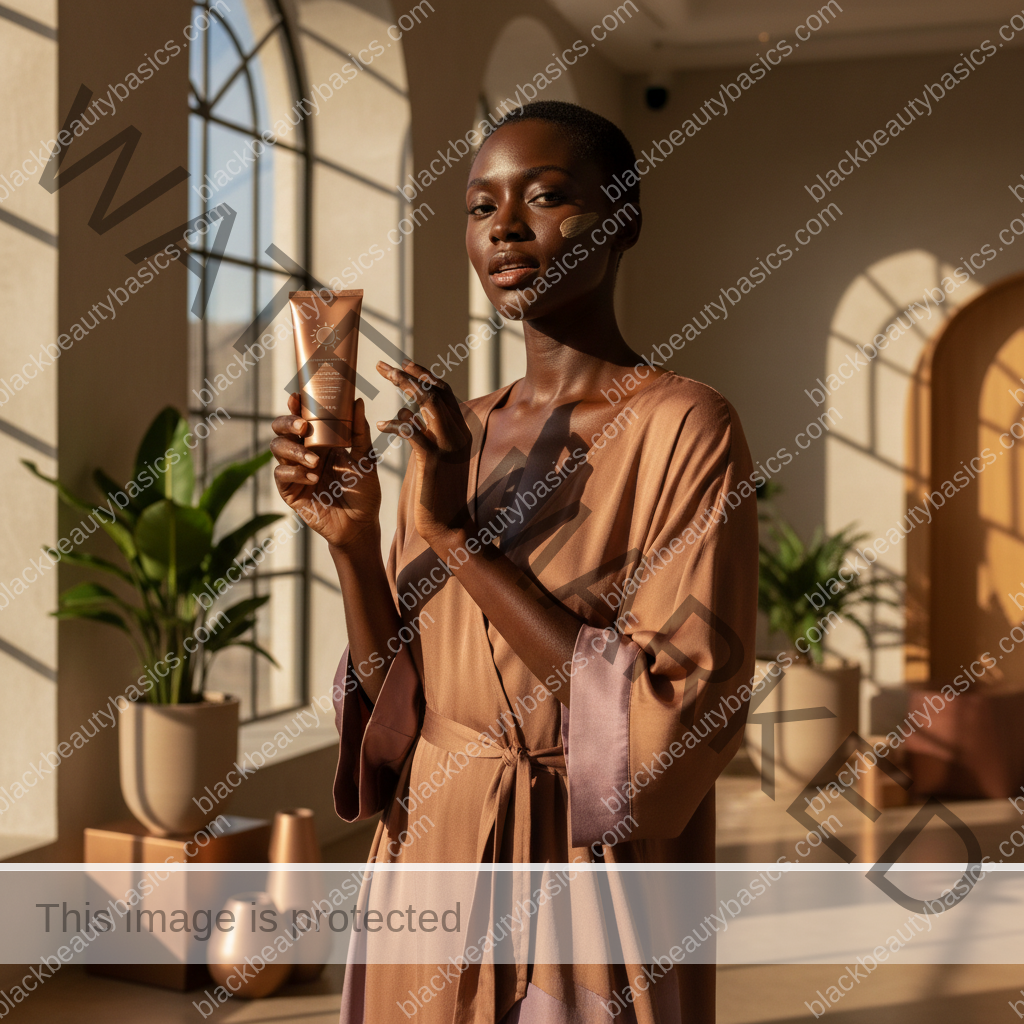
For too long, the narrative around sunscreen for melanin-rich skin has been shrouded in misconception, leading many of us to believe our beautiful complexions are inherently immune to the sun’s embrace. But darling, the truth is far more nuanced and empowering: our skin, while blessed with natural protection, thrives and truly glows when shielded with intention and care. This is not just about preventing sunburn; it’s about preserving the radiant legacy of our skin, safeguarding its health, and ensuring its luminous future.
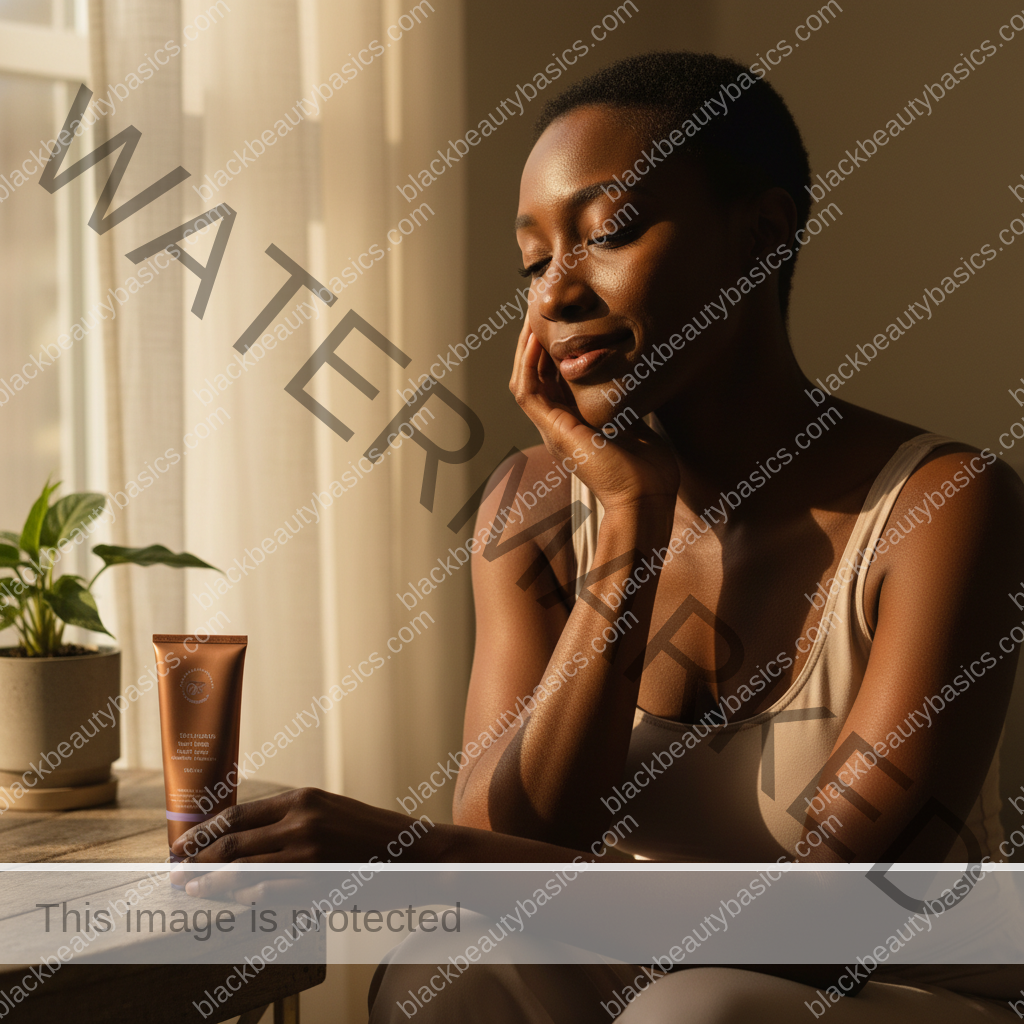
Embracing Your Melanin: Why Sunscreen is Non-Negotiable for Dark Skin
There’s a persistent myth that dark skin doesn’t need sunscreen. Let’s dismantle that right here, right now. While melanin (the pigment responsible for our gorgeous skin tones) does offer a natural SPF of up to 13, it’s simply not enough to provide comprehensive protection against the full spectrum of sun damage. We are not immune to the sun’s harmful effects; we are merely less prone to immediate sunburn, which can often be a deceptive blessing.
Beyond the Burn: Understanding Sun Damage on Dark Skin
The sun emits two primary types of ultraviolet (UV) radiation that impact our skin: UVA and UVB. UVB rays are primarily responsible for sunburn, which, while less common for us, can still occur. UVA rays, however, penetrate deeper into the skin and are the silent culprits behind premature aging, hyperpigmentation, and perhaps most critically, skin cancer. For Black women, the signs of sun damage often manifest differently than on lighter skin tones, making it easy to overlook their severity.
Hyperpigmentation: The Sun’s Unwanted Souvenir
One of the most common and frustrating effects of sun exposure on dark skin is hyperpigmentation. This includes post-inflammatory hyperpigmentation (PIH) from acne or other skin injuries, melasma, and sunspots. When our skin is exposed to UV radiation, it triggers melanocytes (the cells that produce melanin) to go into overdrive, leading to an uneven distribution of pigment. This can result in dark spots and patches that are notoriously difficult to fade without consistent sun protection.
Imagine spending months diligently treating a breakout, only for the resulting dark mark to linger for even longer because it wasn’t protected from the sun. Sunscreen is your ultimate ally in preventing new hyperpigmentation and ensuring that your efforts to fade existing marks are not undone by daily UV exposure.
Premature Aging: The Silent Creep
While our melanin provides some defense against the visible signs of aging like fine lines and wrinkles, it doesn’t offer complete immunity. UVA rays break down collagen and elastin, the proteins that keep our skin firm and supple. Over time, this leads to a loss of elasticity, sagging, and a duller complexion. Consistent sunscreen use helps to preserve the youthful bounce and radiant texture of your skin, ensuring your natural beauty endures.
Skin Cancer: A Serious, Often Underestimated Risk
Perhaps the most critical reason to wear sunscreen daily is the risk of skin cancer. While melanoma is less common in people of color, it is often diagnosed at a later, more advanced stage, making it more difficult to treat and leading to poorer prognoses. This delay in diagnosis is partly due to the misconception that dark skin is immune, leading to less frequent screenings and a lack of awareness among both patients and some medical professionals. Sunscreen significantly reduces your risk of developing all types of skin cancer, including squamous cell carcinoma, basal cell carcinoma, and melanoma.
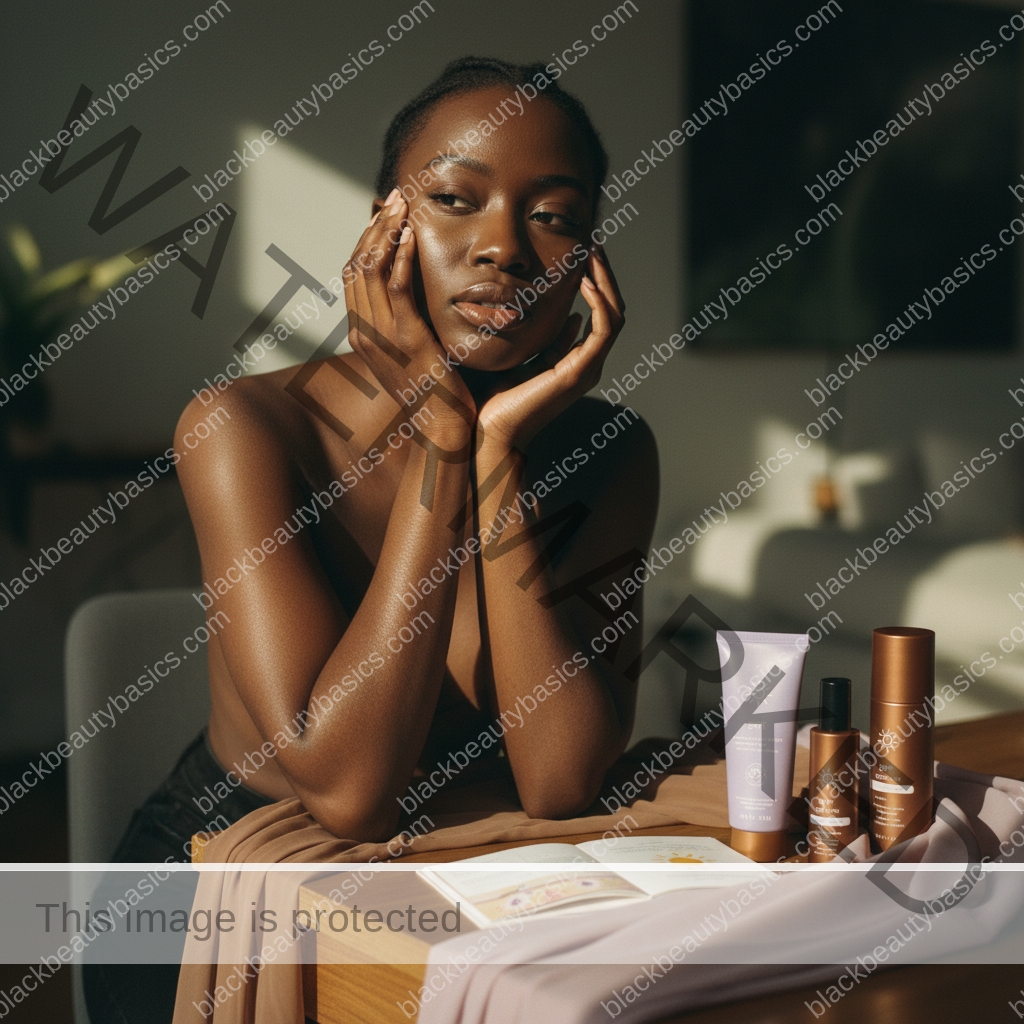
Decoding SPF and PA: What Do Those Numbers Really Mean?
Navigating the world of sunscreen can feel like deciphering a secret code, but understanding SPF and PA ratings is crucial for effective protection. These aren’t just arbitrary numbers; they are indicators of how well a product shields your skin from different types of UV radiation.
SPF: Your Shield Against UVB Rays
SPF stands for Sun Protection Factor, and it primarily measures a sunscreen’s ability to protect against UVB rays – the ones that cause sunburn. The number indicates how much longer it would take for your skin to redden with sunscreen compared to without it. For example, an SPF 30 means it would take 30 times longer for your skin to burn. However, this isn’t a linear scale:
- SPF 15: Blocks about 93% of UVB rays.
- SPF 30: Blocks about 97% of UVB rays.
- SPF 50: Blocks about 98% of UVB rays.
Notice that the difference between SPF 30 and SPF 50 is only 1%. No sunscreen can block 100% of UV rays. For daily use, dermatologists generally recommend an SPF of 30 or higher. For prolonged outdoor activity or if you have a history of hyperpigmentation, an SPF 50+ is an excellent choice.
PA Rating: Your Defense Against UVA Rays
While SPF focuses on UVB, the PA rating system (Protection Grade of UVA) measures a sunscreen’s protection against UVA rays – the ones responsible for premature aging and hyperpigmentation. This system, originating in Japan, uses plus signs to indicate the level of protection:
- PA+: Some UVA protection.
- PA++: Moderate UVA protection.
- PA+++: High UVA protection.
- PA++++: Extremely high UVA protection.
Always look for “broad-spectrum” on your sunscreen label, which indicates it protects against both UVA and UVB rays. If a product has a PA rating, aim for PA+++ or PA++++ for optimal daily protection, especially if hyperpigmentation is a concern.
Mineral vs. Chemical: Understanding the Two Main Types
Sunscreen formulations generally fall into two categories: mineral (physical) and chemical. Both are effective, but they work in different ways and have distinct characteristics that might make one more suitable for your skin type and preferences.
Mineral Sunscreens (Physical Blockers)
Mineral sunscreens contain active ingredients like zinc oxide and titanium dioxide. These natural minerals sit on top of your skin, creating a physical barrier that reflects and scatters UV rays away from your skin. Think of them as tiny mirrors.
- Pros:
- Gentle on sensitive skin.
- Less likely to cause irritation or allergic reactions.
- Provide broad-spectrum protection immediately upon application.
- Often recommended for children and those with rosacea or eczema.
- Cons:
- Can sometimes leave a white cast, especially on darker skin tones (though micronized and tinted formulas have significantly improved this).
- May feel thicker or heavier on the skin.
- Can be harder to blend seamlessly into makeup.
Shop Mineral Sunscreens on Amazon
Chemical Sunscreens
Chemical sunscreens contain organic compounds such as oxybenzone, avobenzone, octinoxate, and octisalate. These ingredients absorb UV rays as they penetrate the skin, converting them into heat and releasing them from the skin. They work by chemical reaction, not by physical barrier.
- Pros:
- Tend to be lighter in texture and easier to blend.
- Less likely to leave a white cast.
- Often more cosmetically elegant and suitable for daily wear under makeup.
- Cons:
- Can sometimes cause irritation or allergic reactions in sensitive individuals.
- Need to be absorbed into the skin to be effective, requiring application 15-20 minutes before sun exposure.
- Some ingredients have raised environmental concerns (e.g., coral reef safety).
Shop Chemical Sunscreens on Amazon
Hybrid Sunscreens: The Best of Both Worlds
Many modern sunscreens are now formulated as hybrids, combining both mineral and chemical filters. These often aim to deliver the broad-spectrum protection and gentleness of mineral sunscreens with the cosmetically elegant finish of chemical sunscreens, often minimizing the white cast issue. They can be an excellent option for those who want comprehensive protection without compromise.
Shop Hybrid Sunscreens on Amazon
The Quest for the Invisible: Finding a Sunscreen That Disappears on Dark Skin
The number one complaint from Black women about sunscreen is the dreaded white cast. This chalky, ashy residue is not only aesthetically unpleasing but also a major deterrent to consistent use. The good news is that formulations have come a long way, and finding a truly invisible sunscreen for dark skin is no longer a pipe dream. It requires knowing what to look for and understanding the nuances of different products.
Key Features to Look For
When you’re on the hunt for your daily sunscreen, keep these characteristics in mind:
1. No White Cast (The Holy Grail)
This is paramount. For mineral sunscreens, look for “micronized” or “nano-particle” zinc oxide and titanium dioxide. These smaller particles are less likely to leave a visible film. Tinted mineral sunscreens, often with iron oxides, can also be a game-changer, as the tint helps to counteract the white hue and blend seamlessly into darker skin tones. For chemical sunscreens, the white cast is rarely an issue, making them a popular choice for many.
Shop Tinted Mineral Sunscreens on Amazon
2. Lightweight & Non-Greasy Texture
No one wants to feel like they’ve slathered their face in heavy cream, especially if you have oily or combination skin. Look for formulations described as “fluid,” “gel,” “serum,” “lotion,” or “milk.” These tend to be lighter and absorb more quickly without leaving a sticky or greasy residue. A pleasant texture makes daily application a joy, not a chore.
Shop Lightweight Sunscreens on Amazon
3. Hydrating, Not Heavy
Many sunscreens now incorporate hydrating ingredients like hyaluronic acid, glycerin, or ceramides. This is a fantastic bonus, especially if you have dry or normal skin, as it allows your sunscreen to double as a moisturizer. However, ensure it’s hydrating without being occlusive or heavy, especially if you live in a humid climate or have oily skin.
Shop Hydrating Sunscreens on Amazon
4. Non-Comedogenic & Non-Acnegenic
If you’re prone to breakouts, these terms are your friends. They indicate that the product has been formulated not to clog pores, reducing the likelihood of acne. This is particularly important for facial sunscreens.
5. Water-Resistant (If Active)
If you’re exercising, swimming, or spending time outdoors where you might sweat, opt for a water-resistant formula. These sunscreens maintain their SPF for a certain duration (usually 40 or 80 minutes) even when wet. Remember, “waterproof” is a misleading term; no sunscreen is truly waterproof.
Shop Water-Resistant Sunscreens on Amazon
Comparison Table: Mineral vs. Chemical Sunscreens for Dark Skin
To help you decide, here’s a quick comparison tailored for our skin needs:
| Feature | Mineral Sunscreen (Zinc Oxide/Titanium Dioxide) | Chemical Sunscreen (Oxybenzone, Avobenzone, etc.) |
|---|---|---|
| White Cast Potential | High (unless micronized or tinted) | Low to none |
| Texture | Often thicker, can feel heavier | Generally lighter, more fluid |
| Skin Sensitivity | Excellent for sensitive skin, less irritating | Can cause irritation for some sensitive skin types |
| Application Time | Effective immediately upon application | Needs 15-20 minutes to absorb before sun exposure |
| Reef Safety | Generally considered reef-safe (non-nano zinc oxide/titanium dioxide) | Some ingredients (oxybenzone, octinoxate) are not reef-safe |
| Best For | Sensitive skin, post-procedure skin, those preferring natural ingredients, good tinted options | Daily wear under makeup, active individuals, those who dislike thicker textures |
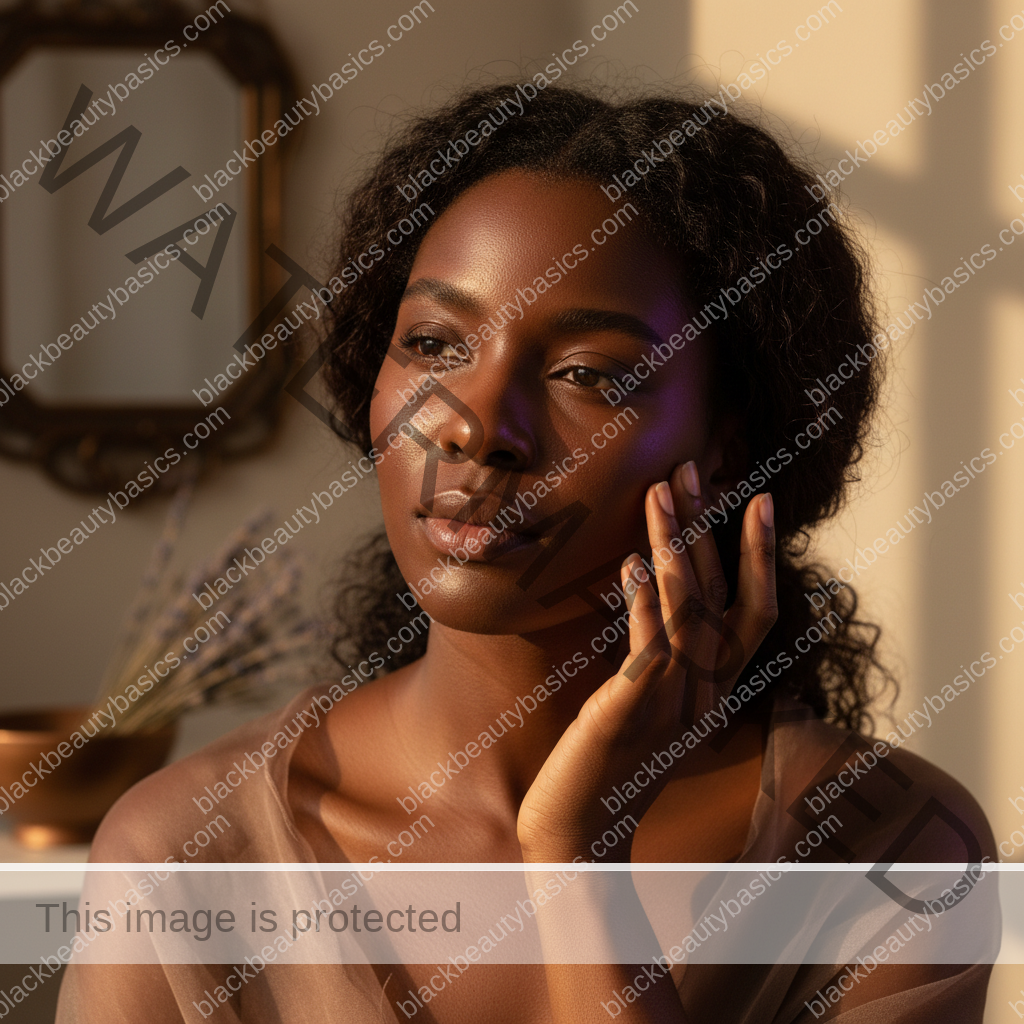
Your Daily Ritual: How to Incorporate Sunscreen Seamlessly
Finding the right sunscreen is only half the battle; the other half is making it a non-negotiable part of your daily routine. Consistency is key to unlocking its full benefits.
The Golden Rules of Sunscreen Application
1. Apply Generously (The Two-Finger Rule)
Most people don’t apply enough sunscreen. For your face and neck, use the “two-finger rule”: squeeze a line of sunscreen along the length of your index and middle fingers. This amount typically provides the advertised SPF. Don’t forget your ears, hairline, and décolletage!
2. Last Step in Skincare, First Step in Makeup
Sunscreen should always be the very last step in your morning skincare routine, after your serums and moisturizer. Allow it a few minutes to set before applying makeup. If you use a tinted moisturizer or foundation with SPF, remember that the SPF in makeup is often not enough on its own; it’s best to layer it over a dedicated sunscreen.
Shop Facial Sunscreens on Amazon
3. Reapply, Reapply, Reapply
This is perhaps the most overlooked step. Sunscreen’s effectiveness diminishes over time due to sweat, oil, water, and simple degradation. Reapply every two hours, or immediately after swimming or excessive sweating. For makeup wearers, sunscreen mists, powders, or sticks can be convenient for reapplication throughout the day without disturbing your look.
Shop Sunscreen Mists on Amazon
Shop Sunscreen Sticks on Amazon
4. Don’t Forget Your Body
While we often focus on our faces, the rest of our body needs protection too! Pay special attention to exposed areas like arms, legs, hands, and feet. Look for body-specific sunscreens that come in larger sizes and are often more budget-friendly.
Shop Body Sunscreens on Amazon
Tips for Making Sunscreen a Habit
- Find Your Perfect Match: Experiment with different brands, formulations, and textures until you find one you genuinely love. This is the most crucial step.
- Keep it Visible: Place your sunscreen next to your toothbrush or daily moisturizer so you see it every morning.
- Set a Reminder: If you struggle with reapplication, set a reminder on your phone for every two hours when you’re outdoors.
- Educate Yourself: The more you understand the benefits, the more motivated you’ll be to use it.
- Integrate with Makeup: Choose a sunscreen that layers well under your foundation, or opt for a tinted sunscreen that can replace your foundation on light makeup days.
- Travel-Friendly Options: Keep a travel-sized sunscreen in your bag, car, or desk for easy reapplication on the go.
Beyond the Bottle: Holistic Sun Protection Strategies
While sunscreen is your primary defense, it’s part of a broader strategy for comprehensive sun protection. Think of it as layering your defenses for maximum efficacy.
Seek Shade
The simplest and most effective way to protect yourself from the sun’s harshest rays is to seek shade, especially between 10 AM and 4 PM when UV radiation is strongest. Sit under trees, umbrellas, or awnings whenever possible.
Wear Protective Clothing
Clothing is an excellent physical barrier against the sun. Look for fabrics with a UPF (Ultraviolet Protection Factor) rating, which indicates how much UV radiation a fabric blocks. A UPF of 30+ is recommended. Long-sleeved shirts, wide-brimmed hats, and sunglasses are stylish and effective ways to shield your skin and eyes.
Shop UPF Clothing on Amazon
Shop Wide-Brim Hats on Amazon
Shop Sunglasses on Amazon
Be Mindful of Reflective Surfaces
Water, sand, snow, and even concrete can reflect UV rays, intensifying your exposure. This means you can still get sun damage even when in the shade or on cloudy days. Always apply sunscreen, regardless of the weather or your immediate environment.
Diet and Antioxidants
While not a substitute for sunscreen, a diet rich in antioxidants (found in colorful fruits and vegetables) can help your body’s natural defenses against free radical damage caused by UV exposure. Think of it as an internal support system for your skin’s health.
FAQ: Your Sunscreen Questions Answered
Q1: Do I really need sunscreen every single day, even indoors or on cloudy days?
A: Yes, absolutely. UVA rays, which are primarily responsible for aging and hyperpigmentation, can penetrate clouds and even glass windows. So, whether you’re working by a window, driving, or just stepping out for a moment on an overcast day, your skin is still exposed. Consistent daily application is crucial for long-term skin health and preventing cumulative damage.
Q2: My makeup has SPF. Is that enough?
A: While makeup with SPF offers some protection, it’s generally not enough on its own. To achieve the SPF stated on the label, you’d need to apply a much thicker layer of foundation or tinted moisturizer than most people typically wear. Additionally, makeup’s SPF often doesn’t provide broad-spectrum protection against UVA rays. It’s always best to layer a dedicated broad-spectrum sunscreen (SPF 30 or higher) underneath your makeup. Think of the SPF in your makeup as an added bonus, not your primary defense.
Q3: How much sunscreen should I apply to my face and neck?
A: The general recommendation is about a quarter teaspoon for your face alone. A good rule of thumb is the “two-finger rule”: squeeze a line of sunscreen along the length of your index and middle fingers. This amount should adequately cover your face and neck. Don’t skimp on application, as using too little significantly reduces the stated SPF protection.
Q4: How often should I reapply sunscreen, especially if I wear makeup?
A: Sunscreen should be reapplied every two hours, or immediately after swimming, sweating heavily, or towel drying. If you’re wearing makeup, reapplication can be tricky. Consider using a sunscreen mist, a brush-on mineral powder sunscreen, or a sunscreen stick over your makeup. These options allow you to refresh your protection without disturbing your carefully applied look. Some women also find success gently patting a thin layer of liquid sunscreen over their makeup with a beauty blender.
Q5: Can sunscreen cause breakouts on dark skin?
A: Any product can potentially cause breakouts, but modern sunscreen formulations are much less likely to. If you’re prone to acne, look for sunscreens labeled “non-comedogenic” (meaning they won’t clog pores) and “oil-free.” Mineral sunscreens with zinc oxide can sometimes be beneficial for acne-prone skin due to zinc’s anti-inflammatory properties. Experiment with different textures (gels, fluids) to find one that doesn’t exacerbate your breakouts.
Q6: I have sensitive skin. What type of sunscreen should I use?
A: For sensitive skin, mineral sunscreens containing zinc oxide and titanium dioxide are generally recommended. These ingredients sit on the skin’s surface and physically block UV rays, making them less likely to cause irritation compared to some chemical filters. Look for formulas that are fragrance-free, alcohol-free, and paraben-free to minimize potential irritants. Always patch-test a new product on a small area of your skin before applying it all over your face.
Q7: What’s the difference between “reef-safe” and regular sunscreen? Do I need it?
A: “Reef-safe” sunscreens are formulated without oxybenzone and octinoxate, two chemical UV filters that have been shown to be harmful to coral reefs and marine life. If you plan on swimming in oceans, lakes, or rivers, especially in areas with delicate ecosystems (like Hawaii, which has banned these ingredients), choosing a reef-safe mineral sunscreen is an environmentally responsible choice. Even if you’re not swimming in natural waters, many people prefer reef-safe options for their overall environmental impact.
My dear, embracing sunscreen as a daily ritual is not just a beauty choice; it’s an act of profound self-care, a testament to your commitment to nurturing the magnificent canvas that is your skin. Let this be the season you finally find that perfect, invisible shield, allowing your inner radiance to shine through, protected and truly celebrated.
Daily sunscreen is a compatibility search, not a character test
The sunscreen you will actually wear every day has to pass more than a label check. It has to look good on your skin, feel comfortable, fit your budget, work with your morning routine, and not make you dread the mirror. For Black women and people with deep skin, that often means solving for cast, texture, eye sting, makeup compatibility, and whether the product behaves in heat, cold, or humidity.
Start with your deal breakers. If gray cast makes you stop using SPF, prioritize invisible or well-tinted formulas. If breakouts are your fear, look for lightweight textures and patch test before using a new sunscreen all over. If dry skin makes everything cling, choose a more moisturizing base. If you wear makeup, test the SPF underneath your real foundation instead of judging it alone.
Do not let the internet make this more expensive than it has to be. A sunscreen does not need luxury packaging to protect your skin. It needs broad-spectrum protection, a wearable texture, and enough comfort that you will use the right amount. Once you find a daily option, you can keep specialty formulas for beach days, workouts, or photography-heavy events.
Your daily SPF decision filter
- Pick the skin issue that usually makes you quit SPF: cast, grease, dryness, breakouts, or eye sting.
- Choose two or three formulas that solve that issue first.
- Test each one with your real routine for several days when possible.
- Keep the winner visible in your morning routine so the habit becomes automatic.
What to do next

Keep this guide connected to the rest of the Sunscreen for Dark Skin series. The goal is not to treat SPF like a one-size-fits-all rule. The goal is to build sun protection that works with deep skin, real schedules, makeup, body care, outdoor plans, and hyperpigmentation goals.
Related next steps
Related posts:
 Daily Sunscreen Routine for Black Women Who Wear Makeup
 The Ultimate Review of the Long Wear Frosted Liquid Lipstick Pack (‘Paparazzi’, ‘Couture’, ‘Sex Symbol’)
 Ditch the Discomfort: How This No-Itch Spray Transforms Braid & Wig Wear
 How to Make Any Lipstick Last All Day — Long-Wear Tips for Smooth, Flawless Lips
 Tinted vs Clear SPF on Dark Skin: What Actually Shows Up
 Matte Sunscreen vs Dewy Sunscreen on Deep Skin