The journey to radiant, even-toned skin is a deeply personal one, often marked by moments of frustration and self-discovery. For Black women, navigating the complexities of skin concerns like acne and hyperpigmentation requires a nuanced approach, one that honors the unique beauty and resilience of melanin-rich skin. Today, we delve into a powerful ally in this journey: adapalene, a retinoid that, when introduced thoughtfully, can transform your complexion, revealing the luminous skin you deserve.
Embracing Adapalene: A Gentle Introduction for Melanin-Rich Skin
Adapalene, a third-generation topical retinoid, has garnered significant attention for its efficacy in treating acne. Unlike some of its more potent counterparts, adapalene is often lauded for its gentler profile, making it an excellent choice for those with sensitive skin, including melanin-rich complexions prone to post-inflammatory hyperpigmentation (PIH). For Black women, the prospect of using retinoids can sometimes be daunting due to concerns about irritation leading to dark spots. However, with the right knowledge and a carefully constructed routine, adapalene can be a game-changer, not just for clearing breakouts but also for improving overall skin texture and tone.
Our goal at Black Beauty Basics is to empower you with the precise information needed to integrate adapalene into your skincare regimen safely and effectively. We understand that every step counts when it comes to maintaining the health and vibrancy of your skin. This comprehensive guide will walk you through the essential steps, product recommendations, and expert tips to ensure your adapalene journey is one of success and radiant transformation.

Understanding Adapalene: How It Works for You
At its core, adapalene works by regulating cell turnover and reducing inflammation. It targets the root causes of acne by preventing clogged pores, which are the precursors to blackheads, whiteheads, and inflammatory lesions. By normalizing the shedding of skin cells, it keeps pores clear and reduces the formation of new blemishes. Furthermore, its anti-inflammatory properties help to calm existing breakouts and minimize redness and swelling.
For melanin-rich skin, this mechanism is particularly beneficial. The reduction in inflammation is crucial because inflammation is a primary trigger for post-inflammatory hyperpigmentation (PIH) – those stubborn dark spots that often linger long after a breakout has healed. By proactively addressing inflammation, adapalene helps to prevent PIH from forming in the first place, or at least reduces its severity. Over time, consistent use can also contribute to a more even skin tone and improved texture, making your skin feel smoother and look more refined.
The Benefits of Adapalene for Melanin-Rich Skin:
- Acne Treatment: Effectively clears existing acne and prevents new breakouts.
- Pore Clearing: Unclogs pores by regulating skin cell turnover.
- Anti-inflammatory: Reduces redness and swelling associated with acne.
- PIH Prevention: Minimizes the likelihood and severity of post-inflammatory hyperpigmentation by controlling inflammation.
- Texture Improvement: Promotes smoother skin texture over time.
- Gentler Profile: Often better tolerated than other retinoids, reducing the risk of irritation.
It’s important to remember that adapalene is a marathon, not a sprint. Patience and consistency are key. Initial purging, characterized by a temporary increase in breakouts, can occur as the skin adjusts. This is a sign that the product is working to bring underlying congestion to the surface. With the right supportive routine, this phase is manageable and leads to clearer, healthier skin.
Preparing Your Canvas: The Essential Pre-Adapalene Routine
Before you even consider applying adapalene, establishing a robust, gentle, and hydrating skincare routine is paramount. Think of it as preparing a rich canvas for a masterpiece. Melanin-rich skin thrives on nourishment and protection, especially when introducing a potent active like adapalene. This foundational routine will act as a buffer, minimizing potential irritation and maximizing the benefits of your new treatment.
Step 1: Gentle Cleansing
The first rule of skincare, particularly when using retinoids, is to cleanse with care. Harsh cleansers can strip the skin’s natural oils, compromising its barrier function and making it more susceptible to irritation. Opt for a mild, hydrating cleanser that effectively removes impurities without leaving your skin feeling tight or dry.
- Product Type: Hydrating Cream Cleanser or Gentle Foaming Cleanser.
- Why it’s essential: Removes dirt, oil, and makeup without stripping the skin. A healthy skin barrier is your best defense against adapalene-induced irritation.
- Application: Use lukewarm water. Gently massage onto damp skin for 30-60 seconds, then rinse thoroughly. Pat dry with a soft towel.
Shop Hydrating Cream Cleansers on Amazon
Shop Gentle Foaming Cleansers on Amazon
Step 2: Hydration is Key – The Power of a Hydrating Serum
Immediately after cleansing, while your skin is still slightly damp, apply a hydrating serum. This step is crucial for layering moisture and preparing your skin for the retinoid. Look for serums rich in humectants like hyaluronic acid, glycerin, and ceramides. These ingredients draw moisture into the skin and help to fortify the skin barrier.
- Product Type: Hyaluronic Acid Serum or Ceramide-Rich Serum.
- Why it’s essential: Provides an immediate boost of hydration, plumping the skin and creating a protective layer. This can help mitigate dryness and sensitivity often associated with adapalene.
- Application: Dispense 2-3 drops onto your fingertips and gently press into your face and neck. Allow it to absorb for a minute or two.
Shop Hyaluronic Acid Serums on Amazon
Shop Ceramide-Rich Serums on Amazon
Step 3: Moisturize, Moisturize, Moisturize
A rich, occlusive moisturizer is your skin’s best friend when using adapalene. This step is non-negotiable. It locks in the hydration from your serum and provides a protective barrier against external irritants. For melanin-rich skin, which can sometimes be prone to transepidermal water loss, a robust moisturizer is even more critical.
- Product Type: Rich, Non-Comedogenic Moisturizer (cream or balm).
- Why it’s essential: Reinforces the skin barrier, prevents dryness, flakiness, and irritation. Look for ingredients like ceramides, shea butter, squalane, and cholesterol.
- Application: Apply a generous amount to your face and neck, gently massaging it in. Allow it to fully absorb before proceeding to adapalene (if applying at night).
Shop Rich, Non-Comedogenic Moisturizers on Amazon
The Beginner Adapalene Routine: Slow and Steady Wins the Race
Introducing adapalene requires a strategic, gradual approach. “Slow and steady wins the race” is not just a saying; it’s the golden rule for integrating any retinoid into your routine, especially for melanin-rich skin. The goal is to allow your skin to acclimatize without overwhelming it, thereby minimizing irritation and preventing the dreaded post-inflammatory hyperpigmentation.
Phase 1: The “Sandwich” Method and Gradual Introduction
The “sandwich” method is a beloved technique for beginners, particularly those with sensitive skin. It involves applying a layer of moisturizer before and after your adapalene, effectively buffering its potency. This significantly reduces direct contact and potential irritation.
Evening Routine (Adapalene Application):
- Cleanse: Use your gentle cleanser. Pat skin almost dry, leaving it slightly damp.
- Hydrate: Apply your hydrating serum.
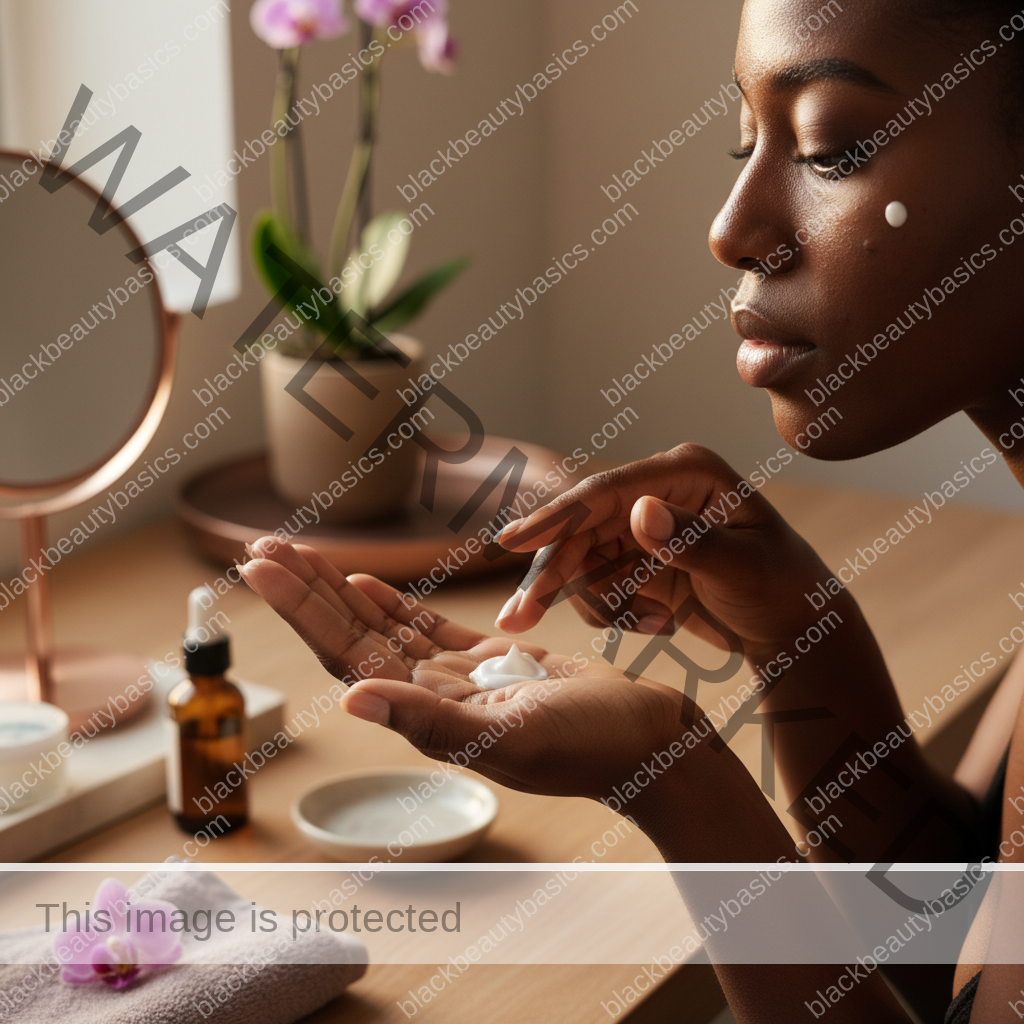
- First Layer of Moisturizer: Apply a generous layer of your rich moisturizer. Allow it to absorb for 5-10 minutes. This creates the first “slice” of your sandwich.
- Adapalene Application (Pea-Sized Amount): Squeeze a pea-sized amount of adapalene gel or cream onto your fingertip. Dot it onto your forehead, cheeks, chin, and nose. Gently spread a thin, even layer over your entire face, avoiding the delicate eye area, corners of the nose, and mouth. Do not apply more than a pea-sized amount – more is not better and will only increase irritation.
- Second Layer of Moisturizer: Once the adapalene has absorbed for a minute or two, apply another generous layer of your rich moisturizer. This completes the “sandwich.”
Starting Frequency:
- Week 1-2: Apply adapalene 2 times a week (e.g., Monday and Thursday evenings).
- Week 3-4: If tolerated well (minimal dryness, redness, or irritation), increase to 3 times a week (e.g., Monday, Wednesday, Friday evenings).
- Week 5 onwards: Gradually increase to every other night, then eventually nightly, if your skin continues to tolerate it without significant irritation. Some individuals may find their sweet spot at 3-4 times a week, and that is perfectly fine. Listen to your skin.
Shop Adapalene Gel on Amazon
Phase 2: The Morning After – Protection and Repair
Your morning routine is just as crucial, focusing on repairing, hydrating, and protecting your skin, especially when using adapalene at night. Sun protection is non-negotiable.
Morning Routine:
- Gentle Cleansing: Cleanse your face with your gentle cleanser.
- Hydrating Serum: Apply your hydrating serum to replenish moisture.
- Moisturizer: Apply your rich, non-comedogenic moisturizer.
- Sunscreen (Non-Negotiable): This is the most critical step. Adapalene increases your skin’s sensitivity to the sun. For melanin-rich skin, sun protection is vital not only to prevent sun damage but also to prevent and treat hyperpigmentation. Choose a broad-spectrum sunscreen with an SPF of 30 or higher, preferably one that leaves no white cast. Reapply every two hours if exposed to direct sunlight.
Shop Broad-Spectrum Sunscreen (no white cast) on Amazon

Navigating the Adapalene Journey: Tips for Success
The path to clear, radiant skin with adapalene isn’t always linear. There will be good days and days where your skin feels a bit temperamental. These tips are designed to help you navigate the journey with grace and confidence.
Essential Tips for Adapalene Users with Melanin-Rich Skin:
- Patch Test: Before applying adapalene to your entire face, do a patch test on a small, inconspicuous area (e.g., behind your ear or on your jawline) for a few nights to check for any adverse reactions.
- Less is More: A pea-sized amount is truly all you need for your entire face. Using more will not speed up results and will only increase the likelihood of irritation.
- Avoid Sensitive Areas: Steer clear of the delicate skin around your eyes, nostrils, and lips, as these areas are more prone to irritation.
- Be Patient: It takes time for adapalene to work. You may not see significant improvements for 8-12 weeks, and initial purging is common. Don’t get discouraged.
- Listen to Your Skin: If your skin becomes excessively dry, red, or irritated, reduce the frequency of application. You might need to take a break for a few days and then reintroduce it at a lower frequency.
- Simplify Your Routine: While adjusting to adapalene, avoid introducing other potent actives like AHA/BHA exfoliants, Vitamin C serums (especially L-Ascorbic Acid), or other retinoids. Keep your routine simple and focused on hydration and protection.
- Moisturize Generously: Never skip your moisturizer, especially the “sandwich” method. It’s your skin’s protective shield.
- Consistent Sun Protection: Rain or shine, indoors or out, apply and reapply your broad-spectrum SPF 30+ sunscreen daily. This is non-negotiable for preventing PIH and sun damage.
- Stay Hydrated Internally: Drink plenty of water throughout the day to support overall skin health.
- Consult a Dermatologist: If you experience severe irritation, persistent breakouts, or have concerns, consult a dermatologist who understands melanin-rich skin. They can provide personalized advice and adjust your treatment plan.
Ingredients to Embrace & Avoid While on Adapalene
When using adapalene, your supporting cast of skincare products is crucial. Here’s a quick guide to what to look for and what to temporarily sideline.
Ingredients to Embrace:
| Ingredient | Benefit for Adapalene Users |
|---|---|
| Hyaluronic Acid | Powerful humectant that draws and holds moisture, preventing dryness and plumping the skin. |
| Glycerin | Another excellent humectant that hydrates and supports skin barrier function. |
| Ceramides | Essential lipids that make up the skin barrier, helping to repair and strengthen it, reducing irritation. |
| Niacinamide (Vitamin B3) | Soothes inflammation, strengthens the skin barrier, reduces redness, and can help with hyperpigmentation. Introduce carefully if sensitive. |
| Squalane | Emollient that mimics skin’s natural oils, providing lightweight yet effective moisture without clogging pores. |
| Shea Butter / Jojoba Oil | Rich emollients that provide deep nourishment and occlusive protection for very dry skin types. |
| Oat Extract / Allantoin | Soothing agents that can help calm irritated or sensitive skin. |
Shop Niacinamide Serums on Amazon
Ingredients to Temporarily Avoid (or Use with Extreme Caution):
| Ingredient/Product Type | Reason for Caution |
|---|---|
| Alpha Hydroxy Acids (AHAs) (Glycolic, Lactic Acid) | Exfoliating acids that can increase sensitivity and irritation when combined with adapalene. |
| Beta Hydroxy Acids (BHAs) (Salicylic Acid) | Exfoliating acids that can increase sensitivity and irritation. Often found in acne washes. |
| Benzoyl Peroxide | Can be very drying and irritating when used concurrently with adapalene. If needed, use at different times of day (BP in AM, Adapalene in PM) or on alternate days, but generally best to avoid initially. |
| Vitamin C (L-Ascorbic Acid) | While beneficial, highly potent forms can be irritating when combined with adapalene. If you must use Vitamin C, opt for gentler derivatives or use it in your morning routine, separate from adapalene. |
| Physical Scrubs/Exfoliants | Can cause micro-tears and excessive irritation to skin already sensitized by adapalene. Avoid entirely. |
| Astringents/Toners with Alcohol | Extremely drying and irritating, they will compromise your skin barrier and exacerbate adapalene side effects. |
| Other Retinoids (Retinol, Tretinoin) | Do not combine different retinoids unless specifically instructed by a dermatologist. This will lead to severe irritation. |
Shop Gentle Vitamin C Serums on Amazon
Troubleshooting Common Adapalene Side Effects for Melanin-Rich Skin
Even with the most careful introduction, some side effects are common. The key is to distinguish between normal adjustment and signs that you need to scale back or seek professional advice. For melanin-rich skin, the primary concern is that irritation can lead to post-inflammatory hyperpigmentation (PIH), so managing side effects proactively is crucial.
1. Dryness and Flakiness:
- What it is: Your skin may feel tight, look dull, and shed tiny flakes. This is very common as adapalene speeds up cell turnover.
- Solution: Double down on hydration and moisturization. Apply your hydrating serum to damp skin and layer a generous amount of rich moisturizer. Consider adding an occlusive balm (like petroleum jelly or a thick cream) on top of your moisturizer on non-adapalene nights or on particularly dry areas. Ensure you’re using the “sandwich” method.
- When to adjust: If dryness is severe, painful, or persistent, reduce adapalene frequency (e.g., from 3x a week to 2x a week) or take a short break for a few days until your skin recovers.
2. Redness and Sensitivity:
- What it is: Your skin may appear flushed, feel warm, or sting slightly when applying other products.
- Solution: Ensure you’re using a pea-sized amount and applying it to dry skin (after moisturizer, if using the sandwich method). Avoid applying adapalene to freshly washed, damp skin directly. Simplify your routine further, eliminating any other active ingredients. Focus solely on cleansing, hydrating, moisturizing, and sun protection.
- When to adjust: If redness is intense, accompanied by burning or significant discomfort, stop adapalene for several days until your skin calms down. Reintroduce at a much lower frequency (e.g., once a week) and consider applying it over a thicker layer of moisturizer.
3. “The Purge”:
- What it is: A temporary increase in breakouts (blackheads, whiteheads, small pimples) during the first few weeks or months of use. This happens as adapalene brings underlying congestion to the surface.
- Solution: This is a sign that the product is working. Continue with your routine, focusing on gentle cleansing, hydration, and sun protection. Do not pick or pop blemishes, as this will worsen PIH.
- When to adjust: The purge typically lasts 2-6 weeks. If it extends beyond 8-10 weeks, or if new breakouts are severe, painful cysts, or unlike your usual acne, consult a dermatologist. It might be that adapalene isn’t the right retinoid for you, or your routine needs adjustment.
4. Post-Inflammatory Hyperpigmentation (PIH):
- What it is: Dark spots that appear after a breakout or irritation. While adapalene helps prevent PIH, irritation from improper use can sometimes worsen it.
- Solution: The absolute best defense is prevention: use sunscreen religiously, avoid picking at breakouts, and manage irritation effectively. If PIH occurs, continue with adapalene (as it helps with cell turnover) and ensure meticulous sun protection. Ingredients like niacinamide, alpha arbutin, and azelaic acid can be introduced cautiously (after your skin has fully adjusted to adapalene, and on separate nights or in the morning) to help fade existing spots.
- When to adjust: If you notice new, significant dark spots appearing due to irritation from adapalene, scale back your frequency and ensure your skin barrier is fully supported. If PIH is severe or persistent, a dermatologist can recommend stronger treatments.
Adapalene needs patience, moisture, and sunscreen
Adapalene is an over-the-counter retinoid used for acne, but “available” does not mean casual. On melanin-rich skin, irritation from starting too fast can lead to peeling, tenderness, and new dark marks. A beginner routine should protect the barrier while the skin adjusts.
Start with a simple night routine: cleanse gently, let skin dry, apply a pea-sized amount for the face if tolerated, and moisturize. Some people prefer the moisturizer sandwich method at first. Frequency matters more than bravery. Two or three nights weekly may be plenty at the beginning.
Sunscreen during the day is not optional when using retinoids. Neither is patience. Early dryness or small breakouts can happen, but severe irritation is not a badge of honor. If acne is cystic, painful, or scarring, a dermatologist can help you build a safer plan.
Adapalene starter checks
- Use a pea-sized amount, not a heavy layer.
- Start a few nights weekly and increase only if comfortable.
- Moisturize generously and avoid extra exfoliation at first.
- Use daily sunscreen and pause for severe irritation.
What to do next
Keep this guide connected to the rest of the Acne & Sensitive Skin in Black Women series. Acne care on deep skin works best when the routine considers triggers, active ingredients, sensitive skin, and the dark marks that can follow inflammation.
Frequently Asked Questions About Adapalene for Melanin-Rich Skin
Q1: Can adapalene cause hyperpigmentation on melanin-rich skin?
A: Adapalene itself does not directly cause hyperpigmentation. In fact, by reducing inflammation and promoting healthy cell turnover, it can actually help prevent and improve post-inflammatory hyperpigmentation (PIH) over time. However, if adapalene causes excessive irritation, dryness, or inflammation due to improper use (e.g., using too much, too often, or without adequate hydration and sun protection), this irritation can, in turn, trigger PIH in melanin-rich skin. The key is to introduce it slowly, moisturize diligently, and use sunscreen religiously to prevent irritation.
Q2: How long does it take to see results with adapalene?
A: Patience is crucial with adapalene. While some individuals may notice subtle improvements in texture or reduced oiliness within a few weeks, significant results for acne clearance typically take 8-12 weeks of consistent use. The “purging” phase, where acne may temporarily worsen, usually occurs within the first 2-6 weeks. Full benefits, including improvement in skin texture and tone, can take 3-6 months or even longer. Consistency and adherence to the routine are paramount.
Q3: Is it okay to use adapalene every night?
A: For beginners, especially those with melanin-rich or sensitive skin, starting with adapalene every night is not recommended. It’s best to begin 2-3 times a week and gradually increase frequency as your skin tolerates it. Some individuals may reach a point where they can use it nightly without irritation, while others may find their optimal frequency is every other night or 3-4 times a week. Always listen to your skin; if you experience dryness, redness, or irritation, reduce the frequency.
Q4: Can I use other active ingredients like Vitamin C or AHAs with adapalene?
A: When you first start using adapalene, it’s best to simplify your routine and avoid other potent active ingredients like AHAs (glycolic acid, lactic acid), BHAs (salicylic acid), and strong Vitamin C serums (L-Ascorbic Acid). Combining them can lead to increased irritation, dryness, and sensitivity. Once your skin has fully acclimated to adapalene (typically after several months of consistent use without irritation), you may cautiously reintroduce other actives. It’s generally recommended to use them on alternate nights or use Vitamin C in the morning and adapalene at night. Always introduce one new active at a time and observe your skin’s reaction.
Q5: What should I do if my skin becomes very irritated or peels excessively?
A: If you experience significant irritation, redness, burning, stinging, or excessive peeling, it’s a sign that your skin barrier is compromised. Stop using adapalene immediately for a few days to allow your skin to recover. During this time, focus on a very gentle, hydrating, and barrier-repairing routine: cleanse with a mild cleanser, apply a hydrating serum, and use a rich, soothing moisturizer. Once your skin has calmed down, reintroduce adapalene at a much lower frequency (e.g., once a week) and ensure you are using the “sandwich” method with ample moisturizer. If irritation persists or is severe, consult a dermatologist.
Q6: Do I still need to use sunscreen if I’m only using adapalene at night?
A: Absolutely, yes! Sunscreen is non-negotiable when using adapalene, regardless of when you apply it. Adapalene makes your skin more sensitive to the sun, increasing your risk of sunburn and, crucially for melanin-rich skin, post-inflammatory hyperpigmentation. Use a broad-spectrum sunscreen with an SPF of 30 or higher every single morning, even on cloudy days or if you’re staying indoors. Reapply every two hours if exposed to direct sunlight. This step is vital for protecting your skin and maximizing the benefits of your adapalene routine.
Q7: Can adapalene help with existing dark spots (PIH)?
A: Yes, over time, adapalene can help improve existing post-inflammatory hyperpigmentation (PIH). By accelerating cell turnover, it helps to shed pigmented skin cells more quickly, revealing fresher, less pigmented skin underneath. Its anti-inflammatory properties also help prevent new PIH from forming. However, for stubborn or severe PIH, you may eventually need to incorporate other targeted ingredients like niacinamide, alpha arbutin, or azelaic acid into your routine (once your skin is fully acclimated to adapalene) or consult a dermatologist for prescription-strength treatments.
A: The safety of topical retinoids, including adapalene, during pregnancy and breastfeeding is a subject of ongoing discussion and varying recommendations. While systemic absorption of topical adapalene is generally considered minimal, it’s a standard medical precaution to avoid retinoids during pregnancy and while breastfeeding. Always consult your obstetrician or dermatologist before using adapalene if you are pregnant, planning to become pregnant, or breastfeeding.
Your Journey to Luminous Skin: A Final Word

Embarking on an adapalene journey is an investment in the health and radiance of your melanin-rich skin. It requires dedication, patience, and a deep understanding of your skin’s unique needs. Remember that true beauty emanates from a place of care and intention. By embracing this beginner adapalene routine with the wisdom and grace we’ve outlined, you’re not just treating acne; you’re nurturing your skin, celebrating its resilience, and unveiling the luminous complexion that is inherently yours. Trust the process, honor your skin, and let your inner glow shine through.
Related next steps
Related posts:
 Beginner Benzoyl Peroxide Routine for Dark Skin
 Night Skincare Routine for Melanin-Rich Skin When You Are Too Tired for a Full Routine
 Beginner’s Guide to Eye Makeup on Deep Skin (Neutrals & Color)
 What Skin Purging Looks Like on Melanin-Rich Skin
 Chest and Back Acne Routine for Melanin-Rich Skin
 A Beginner’s Guide to Acids – AHAs, BHAs, and PHAs Explained Simply