There’s a unique vulnerability that comes with nurturing melanin-rich skin, especially when it’s prone to acne. We strive for that radiant, even-toned glow, often leading us down a path of diligent skincare, sometimes with a little too much zeal. When the pursuit of clarity turns into a battle against irritation, redness, and an unexpected surge of breakouts, it can feel disheartening, leaving our precious skin compromised and craving gentle restoration.
The Delicate Dance: Understanding Over-Exfoliation in Melanin-Rich Skin
For Black women, our skin is a masterpiece of resilience and beauty, yet it carries specific considerations. Melanin, while offering natural sun protection, also makes our skin more prone to post-inflammatory hyperpigmentation (PIH) and keloids. This inherent sensitivity means that aggressive treatments, including over-exfoliation, can have more pronounced and lasting consequences. When acne-prone skin, already navigating inflammation and bacterial imbalances, is then subjected to excessive exfoliation, it’s a recipe for a compromised skin barrier, leading to a cascade of issues that can feel overwhelming.
What Exactly is Over-Exfoliation?
Over-exfoliation occurs when you strip away too many layers of the stratum corneum – the outermost protective layer of your skin – too frequently or too aggressively. This layer is crucial for maintaining hydration, defending against environmental aggressors, and keeping harmful bacteria out. When it’s compromised, your skin becomes vulnerable, leading to a host of symptoms that can mimic or worsen existing acne concerns.
Why Melanin-Rich Skin Reacts Differently
Our skin’s natural protective mechanisms are finely tuned. When disrupted, the inflammatory response can be heightened. For Black women, this often translates to:
- Increased Risk of PIH: Any inflammation or trauma to the skin can stimulate melanocytes (the cells that produce melanin) to overproduce pigment, leading to stubborn dark spots that are harder to fade. Over-exfoliation is a direct trigger for this.
- Barrier Compromise: Our skin barrier, while robust, can be more susceptible to irritation from harsh chemicals or physical scrubs, especially if not formulated with our unique needs in mind.
- Dehydration & Sensitivity: A damaged barrier struggles to retain moisture, leading to dryness, tightness, and heightened sensitivity, making it react poorly to products it once tolerated.
Signs Your Acne-Prone Skin is Over-Exfoliated
Recognizing the signs of over-exfoliation is the first crucial step toward recovery. It’s easy to mistake these symptoms for worsening acne or other issues, leading to further misguided treatments. Pay close attention to these indicators:
Visual & Tactile Clues
- Unusual Redness or Pinkness: While some redness can be normal with active breakouts, persistent, widespread redness or a pinkish hue (which can be more subtle on darker skin tones) that wasn’t there before is a red flag.
- Increased Sensitivity & Stinging: Products that once felt fine now sting, burn, or itch upon application, even gentle ones. Your skin feels reactive to touch, water, or even air.
- Dryness, Flakiness, or Peeling: Despite using moisturizers, your skin feels perpetually dry, tight, and may exhibit visible flaking or peeling, especially in areas you’ve been exfoliating.
- Shiny, “Waxy” Appearance: Your skin might look unnaturally smooth, almost plastic-like or overly shiny, because the natural texture of the stratum corneum has been stripped away.
- New or Worsening Breakouts: This is particularly frustrating for acne-prone skin. Over-exfoliation compromises the skin barrier, making it easier for bacteria to penetrate and thrive, leading to more whiteheads, pustules, and even cystic acne.
- Rough or Uneven Texture: Paradoxically, while it might look shiny, the texture can feel rough or bumpy due to underlying irritation and dehydration.
- Dilated Capillaries (Telangiectasias): In severe cases, constant irritation can lead to visible tiny red blood vessels near the surface of the skin.
The Difference: Over-Exfoliation vs. Active Breakouts
It’s vital to distinguish between signs of over-exfoliation and typical acne flare-ups. This table helps clarify:
| Symptom | Typical Acne Breakout | Over-Exfoliated Skin |
|---|---|---|
| Redness | Localized around individual blemishes. | Widespread, diffuse, persistent redness; general irritation. |
| Sensitivity | Localized pain/tenderness at breakout sites. | Generalized stinging, burning, itching, even with gentle products or water. |
| Texture | Bumps, pustules, cysts; otherwise skin may feel normal. | Dry, flaky, tight, rough, or unnaturally shiny/waxy. |
| Breakouts | Clogged pores, blackheads, whiteheads, inflammatory lesions. | New, sudden onset of inflammatory acne (pustules, cysts) in areas previously clear or worsening existing acne due to barrier damage. |
| Product Tolerance | May tolerate usual products, perhaps some irritation from actives. | Intolerance to almost all products, even previously gentle ones. |
| Hydration | Skin can still feel hydrated overall. | Persistent dryness, tightness, dehydration despite moisturizing. |
If your symptoms align more with the “Over-Exfoliated Skin” column, it’s time to shift your approach from treating acne to repairing your skin barrier.
The Road to Recovery: A Gentle, Intentional Approach
Healing over-exfoliated, acne-prone skin on dark tones requires patience, precision, and a profound commitment to gentleness. Your primary goal is to repair the compromised skin barrier, reduce inflammation, and then, and only then, gently reintroduce targeted acne treatments. This isn’t a race; it’s a marathon of restoration.
Phase 1: Immediate SOS – Stop, Soothe, Simplify
This phase is about hitting the reset button. It’s crucial to eliminate anything that could be further irritating your skin.
Halt All Exfoliation (Physical & Chemical)
- Stop AHAs, BHAs, PHAs: Put away your glycolic, lactic, salicylic acids, and even gentler polyhydroxy acids.
- Cease Retinoids/Retinols: Pause all retinoid use, including prescription tretinoin and over-the-counter retinols.
- No Physical Scrubs or Brushes: Absolutely no abrasive scrubs, cleansing brushes, or harsh washcloths.
- Avoid Vitamin C Serums: While beneficial, high concentrations of Vitamin C can be irritating to a compromised barrier.
This is non-negotiable. Your skin needs a complete break from anything that could further disrupt its healing process.
Embrace a Minimalist Routine
Strip your routine down to the absolute essentials:
- Gentle Cleanser: Opt for a creamy, hydrating, non-foaming cleanser. Look for ingredients like ceramides, hyaluronic acid, and glycerin. Avoid harsh sulfates or strong fragrances. Shop Creamy Hydrating Cleansers on Amazon
- Soothing Serum: Introduce a serum focused on calming and hydration. Ingredients like niacinamide (at 5% or less), centella asiatica (Cica), colloidal oatmeal, or panthenol are excellent for reducing redness and inflammation. Shop Soothing Niacinamide Serums on Amazon
- Barrier-Repairing Moisturizer: This is your hero product. Choose a rich, emollient moisturizer packed with ceramides, fatty acids, cholesterol, and hyaluronic acid. These ingredients mimic your skin’s natural barrier components, helping to rebuild it. Shop Ceramide-Rich Moisturizers on Amazon
- Broad-Spectrum SPF 30+: Even indoors, sun protection is paramount, especially for melanin-rich skin prone to PIH. Choose a mineral-based SPF with zinc oxide and titanium dioxide, as these are generally less irritating. Shop Mineral SPF 30+ for Dark Skin on Amazon
Stick to this routine twice a day, morning and night, for at least 2-4 weeks, or until your skin shows significant improvement.
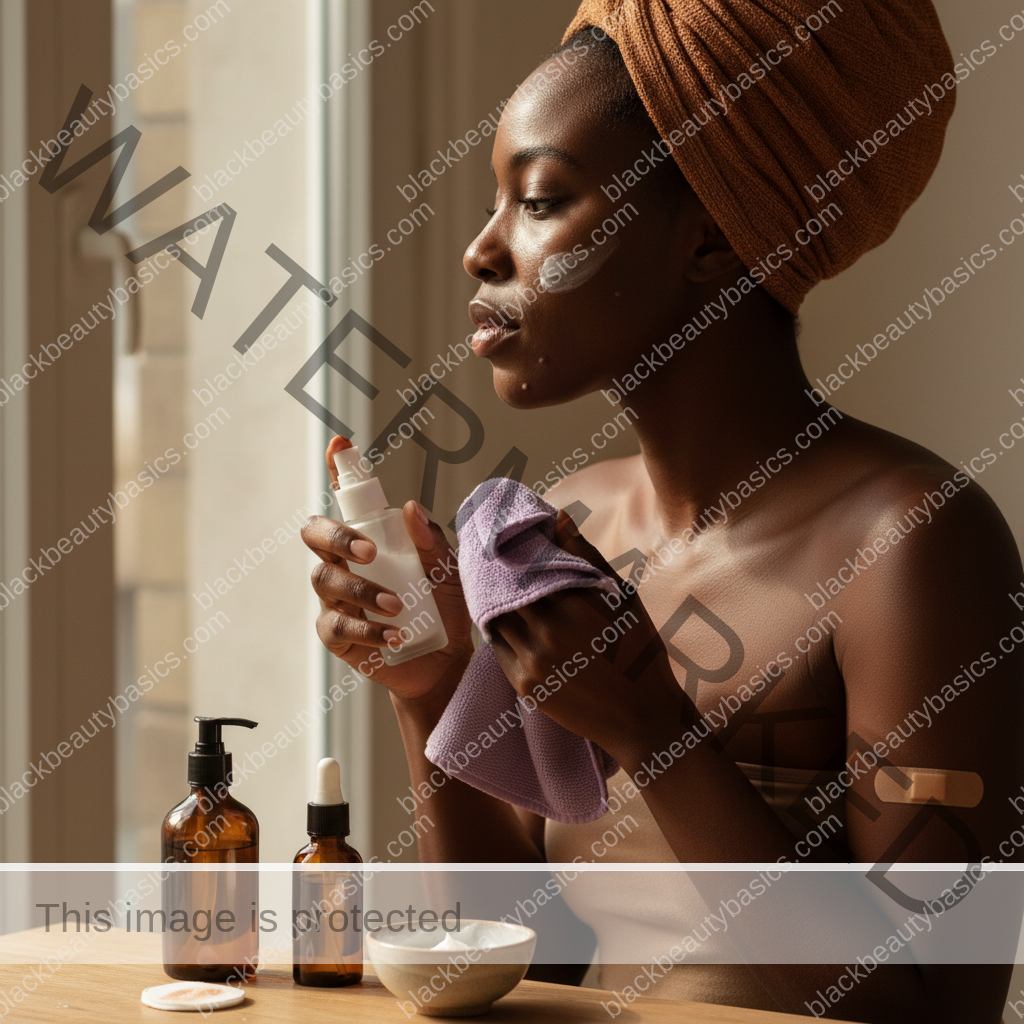
Phase 2: Nurturing & Repairing – The Healing Journey
Once the immediate irritation subsides, you can focus on deeper repair and fortification.
Ingredient Focus for Barrier Repair
Prioritize ingredients that actively rebuild and protect your skin’s natural defenses:
- Ceramides: Essential lipids that make up 50% of your skin barrier. They are crucial for holding skin cells together and preventing moisture loss.
- Hyaluronic Acid: A powerful humectant that draws moisture from the air into your skin, providing deep hydration without feeling heavy.
- Glycerin: Another excellent humectant that helps to hydrate and soften the skin.
- Squalane: A non-comedogenic emollient that mimics natural skin oils, providing moisture and improving skin elasticity.
- Fatty Acids (e.g., Linoleic Acid, Oleic Acid): Help to strengthen the skin barrier and reduce inflammation.
- Niacinamide (Vitamin B3): At lower concentrations (2-5%), it calms inflammation, reduces redness, strengthens the barrier, and can help regulate oil production without irritation. Shop Low Concentration Niacinamide Serums on Amazon
- Centella Asiatica (Cica): Known for its wound-healing and anti-inflammatory properties, excellent for soothing irritated skin. Shop Centella Asiatica Serums on Amazon
- Oat Extract/Colloidal Oatmeal: A natural anti-inflammatory and soothing agent, perfect for sensitive skin. Shop Colloidal Oatmeal Skincare on Amazon
Lifestyle Adjustments for Skin Health
Your skin health is deeply intertwined with your overall well-being. Consider these holistic approaches:
- Hydration from Within: Drink plenty of water throughout the day to support skin hydration and overall bodily functions.
- Balanced Diet: Focus on anti-inflammatory foods rich in antioxidants, omega-3 fatty acids, and vitamins. Think leafy greens, berries, fatty fish, and nuts. Limit processed foods, excessive sugar, and dairy if you suspect they trigger your acne.
- Stress Management: Stress can exacerbate acne and inflammation. Incorporate stress-reducing practices like meditation, yoga, deep breathing, or spending time in nature.
- Adequate Sleep: Your skin repairs itself most effectively while you sleep. Aim for 7-9 hours of quality sleep per night.
- Clean Pillowcases: Change your pillowcase every 2-3 days to minimize bacterial transfer to your face.
- Avoid Touching Your Face: Keep hands away from your face to prevent introducing bacteria and further irritation.
Phase 3: Mindful Reintroduction – The Path Forward
Once your skin feels calm, hydrated, and resilient again (this can take weeks to months), you can slowly, cautiously reintroduce acne treatments. The key word here is slowly.
Reintroducing Actives – One at a Time
When your barrier feels completely restored, you can consider reintroducing one active ingredient at a time, starting with the gentlest options and lowest concentrations.
- Start with a Gentle BHA (Salicylic Acid): Begin with a low concentration (0.5-1%) salicylic acid cleanser or serum, used only 2-3 times a week. Salicylic acid is oil-soluble, making it excellent for penetrating pores and addressing acne, and it has anti-inflammatory properties. Shop Gentle Salicylic Acid Cleansers on Amazon
- Consider Azelaic Acid: This is a fantastic multi-tasker for acne-prone, sensitive, and melanin-rich skin. It helps with breakouts, reduces redness, and can even help fade PIH, all while being relatively gentle. Start with a 10% concentration, 2-3 times a week. Shop Azelaic Acid Serums on Amazon
- Gradual Retinoid Introduction: If your skin tolerates BHA or Azelaic Acid well, and you still need more potent acne treatment, consider reintroducing a gentle retinoid. Start with an over-the-counter retinol or retinaldehyde, once or twice a week, applied after your moisturizer (the “sandwich method”). Gradually increase frequency as tolerated. Shop Gentle Retinol for Sensitive Skin on Amazon
- AHAs (Glycolic, Lactic Acid): Reintroduce these only if your primary concern is texture and PIH, and only after your acne is well-controlled and your barrier is robust. Start with a low concentration (5-8% lactic or glycolic acid) 1-2 times a week. Lactic acid is generally gentler and more hydrating. Shop Gentle Lactic Acid Serums on Amazon
Important Considerations for Reintroduction:
- Patch Test: Always patch test a new product on a small, inconspicuous area of your skin for a few days before applying it to your entire face.
- Observe & Adjust: Pay close attention to how your skin reacts. Any sign of redness, stinging, or increased sensitivity means you need to scale back.
- Cycle Actives: Instead of using multiple actives every day, consider cycling them. For example, use BHA on Monday, Azelaic Acid on Wednesday, Retinoid on Friday, and barrier repair on other nights.
- Professional Guidance: If you’re struggling, consult a board-certified dermatologist who understands the nuances of melanin-rich skin. They can provide personalized advice and prescription-strength treatments if necessary.
Essential Tips for Maintaining a Healthy Skin Barrier on Acne-Prone Dark Tones
Prevention is always better than cure. Once you’ve recovered from over-exfoliation, adopt these practices to keep your skin barrier strong and your acne managed without compromise.
Do’s and Don’ts for Barrier Health & Acne Management
| DO’S | DON’TS |
|---|---|
| DO use lukewarm water for cleansing; hot water strips natural oils. | DON’T use harsh physical scrubs or cleansing brushes daily. Reserve gentle exfoliation for 1-2 times a week, if at all. |
| DO pat your skin dry with a soft towel instead of rubbing. | DON’T layer too many active ingredients at once, especially if your skin is sensitive. |
| DO apply products to damp skin to enhance absorption and hydration. | DON’T pick or squeeze blemishes, as this can worsen inflammation and lead to PIH. |
| DO listen to your skin; if it feels irritated, scale back. | DON’T ignore persistent redness, stinging, or dryness – these are signs of barrier damage. |
| DO prioritize ceramides, hyaluronic acid, and niacinamide in your routine. | DON’T use products with high concentrations of alcohol, strong fragrances, or essential oils if you have sensitive skin. |
| DO use a broad-spectrum SPF 30+ daily, even on cloudy days. | DON’T expect overnight results; skin healing takes time and consistency. |
| DO consult a dermatologist for persistent acne or barrier issues. | DON’T fall for marketing hype; research ingredients and choose products wisely. |
Top Tips for Long-Term Skin Resilience
- Understand Your Skin’s Unique Rhythm: Melanin-rich skin has its own needs. Learn to recognize what your skin is telling you.
- Consistency Over Intensity: A consistent, gentle routine is far more effective than sporadic, aggressive treatments.
- Ingredient Knowledge is Power: Educate yourself on what ingredients do and how they interact. This empowers you to make informed choices.
- Patch Testing is Your Best Friend: Always test new products, especially actives, on a small area first.
- Hydration is Non-Negotiable: A well-hydrated skin barrier is a strong skin barrier. Never skip your moisturizer.
- Sun Protection, Always: Protect your skin from UV damage to prevent PIH and maintain overall skin health.
- Seek Expert Advice: Don’t hesitate to consult a dermatologist, particularly one experienced with skin of color, for personalized guidance.
Recovery starts by doing less on purpose
Over-exfoliation can feel like acne getting worse, but the skin is often irritated, stripped, and inflamed. On darker skin tones, that irritation can become roughness, tenderness, unexpected breakouts, and new hyperpigmentation. The first step is not another acid. It is a pause.
A recovery routine should be boring: gentle cleanser, moisturizer, sunscreen, and no scrubs, peels, retinoids, or layered acids until the skin feels calm. That does not mean acne care is over. It means the barrier has to recover before active treatment can make sense again.
When you restart, choose one active, use it less often, and give the skin time to answer. If the skin burns or peels again, the routine is still too much.
Barrier recovery steps
- Pause exfoliating acids, scrubs, and extra actives.
- Use a gentle cleanser and supportive moisturizer.
- Wear sunscreen to protect irritated, mark-prone skin.
- Restart slowly with one active only after comfort returns.
What to do next
Keep this guide connected to the rest of the Acne & Sensitive Skin in Black Women series. Acne care on deep skin works best when product choices, makeup habits, body routines, stress patterns, and PIH prevention are treated as one connected system.
Keep the routine protective after the breakout
Recovery is not falling behind. It is how you stop the routine from creating more inflammation. For Black women and people with richly melanated skin, acne care is rarely only about making the bump smaller. It is also about lowering inflammation, protecting the skin barrier, and reducing the chance that every flare leaves a new dark mark. That means the routine has to be effective without becoming harsh.
When the skin starts feeling raw, tight, hot, itchy, or unusually tender, treat that as useful feedback. Pause the extras, return to a gentle cleanser and moisturizer, keep sunscreen steady in the morning, and restart actives only when the skin feels calmer. A routine that your skin can tolerate for months will usually serve you better than a dramatic routine that creates a setback in a week.
Frequently Asked Questions About Over-Exfoliated Acne-Prone Skin on Dark Tones
Q1: How long does it take for over-exfoliated skin to recover?
A: The recovery time varies greatly depending on the severity of the damage and your skin’s individual healing capacity. Mild cases might improve within 2-4 weeks with a stripped-down, barrier-repairing routine. More severe cases, especially those with significant inflammation and breakouts, can take 1-3 months or even longer. Patience and consistent adherence to a gentle routine are crucial. Rushing the process will only set you back.
Q2: Can over-exfoliation cause permanent damage or worsen hyperpigmentation?
A: While over-exfoliation typically isn’t permanent if addressed promptly, it can certainly worsen and prolong post-inflammatory hyperpigmentation (PIH) in melanin-rich skin. The inflammation and trauma caused by over-exfoliation trigger melanocytes to produce excess melanin, leading to darker, more stubborn spots. In very rare, extreme cases, severe barrier damage could potentially lead to long-term sensitivity or changes, but with proper care, your skin can usually recover its health and resilience.
Q3: What’s the best way to cleanse over-exfoliated skin without causing further irritation?
A: Use a very gentle, creamy, non-foaming, sulfate-free cleanser. Apply it with clean fingertips, using light, circular motions. Rinse thoroughly with lukewarm (never hot) water, and gently pat your skin dry with a soft, clean towel. Avoid rubbing or using any cleansing tools like brushes or harsh washcloths. The goal is to remove impurities without stripping natural oils or causing friction.
Q4: Are there any natural remedies that can help soothe over-exfoliated skin?
A: While scientific formulations are often more potent for barrier repair, certain natural ingredients can offer soothing benefits. Aloe vera, known for its anti-inflammatory properties, can be applied as a pure gel. Colloidal oatmeal masks can calm redness and itching. Green tea extract, rich in antioxidants, can also help reduce inflammation. However, always ensure any natural remedy is pure, free of irritants, and patch-tested first, as even natural ingredients can cause reactions in compromised skin. Focus primarily on proven barrier-repairing ingredients like ceramides and hyaluronic acid.
Q5: How can I tell if my skin barrier is fully recovered before reintroducing actives?
A: Your skin barrier is likely recovered when it no longer exhibits the signs of over-exfoliation. This means: no persistent redness, no stinging or burning upon product application (even with water), no unusual dryness or flakiness, and a generally comfortable, hydrated feeling. Your skin should feel resilient and look calm, with any active breakouts having subsided or significantly reduced. It’s a feeling of overall comfort and normalcy. When in doubt, give it more time.
Q6: Can I use makeup on over-exfoliated skin?
A: It’s generally best to avoid makeup, especially foundation and concealer, during the initial recovery phase. Makeup can sometimes clog pores, introduce bacteria, and make it harder for your skin to breathe and heal. If you must wear makeup, opt for minimal, non-comedogenic, mineral-based formulas. Ensure your brushes and applicators are impeccably clean. Always double cleanse gently at the end of the day to ensure all makeup is removed without harsh scrubbing.
Q7: What if my acne gets worse during the recovery phase?
A: It’s not uncommon for acne to flare up initially when you stop all active treatments. This can be a “purging” effect as your skin adjusts, or it can be a sign that your barrier is still compromised, making your skin more susceptible to breakouts. If acne worsens significantly or becomes painful, it’s crucial to consult a dermatologist. They can assess if it’s a normal part of the healing process or if you need a different approach, potentially incorporating very gentle, non-exfoliating acne treatments like clindamycin or metronidazole, which require a prescription.

The journey to radiant, healthy skin is deeply personal, especially for us. When over-exfoliation leaves our melanin-rich canvas feeling vulnerable, it’s a powerful reminder that true beauty lies in nurturing, not stripping. Embrace this period of recovery as an act of profound self-care, a testament to your skin’s resilience, and a commitment to a skincare philosophy rooted in gentleness and respect. Your skin, in all its magnificent glory, deserves nothing less than your most tender, informed devotion.
How to know recovery is working
Barrier recovery can look quiet at first. Your skin may not become perfectly clear right away, but it may sting less, feel less tight after cleansing, and stop forming as many irritated patches. Those early comfort signs matter because acne-prone dark skin needs a calmer environment before stronger treatment can make sense again.
During recovery, resist the urge to test progress by adding another active. Give the simple routine enough time to show whether redness, tenderness, roughness, and new marks are slowing down. If your skin feels calmer for a full week or two, then you can choose one acne treatment to restart slowly.
Related next steps
Related posts:
 Pre-Makeup Skin Prep for Acne-Prone Melanin-Rich Skin
 Choosing Foundation and Concealer for Acne-Prone Dark Skin
 Basic AM and PM Routines for Acne-Prone Melanin-Rich Skin
 Sulfur-Based Options for Acne-Prone Melanin-Rich Skin
 Ingredient and Formula Checklist for Acne-Prone Deep Skin
 How to Choose a Moisturizer When Your Skin Is Acne-Prone but Dehydrated