
The ritual of hair removal, for many of us, is a deeply personal journey, often intertwined with the pursuit of smooth, radiant skin that truly reflects our inner glow. Yet, for melanin-rich skin, this journey can sometimes be fraught with unique challenges, particularly when it comes to shaving. The quest for silky-smooth legs, free from the shadow of razor bumps and irritation, is not just about aesthetics; it’s about comfort, confidence, and celebrating the inherent beauty of our complexion. Start with the related BBB body-care cluster guide if you want the broader map.
At Black Beauty Basics, we understand that your skin deserves a regimen as sophisticated and nuanced as you are. This comprehensive guide is crafted with precision and pride, offering an elegant roadmap to achieving an impeccably smooth shave, minimizing irritation, and embracing the luminous beauty of your legs.
The Unique Canvas: Understanding Melanin-Rich Skin and Shaving
Our skin, a magnificent tapestry of rich tones, possesses distinct characteristics that influence how it responds to hair removal. While universally beautiful, melanin-rich skin is more prone to certain conditions, such as post-inflammatory hyperpigmentation (PIH) and pseudofolliculitis barbae (PFB), commonly known as razor bumps or ingrown hairs. These aren’t mere cosmetic nuisances; they are signals from our skin, asking for a more thoughtful, tailored approach.
Why Melanin-Rich Skin Requires Special Care
The structure of our hair follicles and the way our hair grows play a significant role. African American hair tends to be curlier and coarser, whether on the scalp or the body. When this hair is shaved, the cut tip can retract beneath the skin’s surface. As it regrows, its natural curl can cause it to re-enter the skin, leading to an ingrown hair. This triggers an inflammatory response, resulting in the characteristic red, itchy, and sometimes painful bumps we know as PFB.
Furthermore, our melanocytes – the cells responsible for producing melanin – are more reactive. Any inflammation or trauma to the skin, such as that caused by razor burn or ingrown hairs, can stimulate these cells to produce excess pigment, leading to dark spots (PIH) that can linger long after the bump has healed. This is why a preventative, gentle, and intentional shaving routine is paramount.
The Pre-Shave Ritual: Setting the Stage for Smoothness
A truly exceptional shave begins long before the razor touches your skin. This preparatory phase is not a mere suggestion; it’s a non-negotiable act of self-care that primes your skin and hair for the smoothest, most bump-free experience possible.
Step 1: The Warm Embrace of a Shower or Bath
Never shave on dry skin. The warmth and steam from a shower or bath are your allies. They soften the hair follicles, making the hair more pliable and easier to cut. Aim for at least 5-10 minutes in warm water before you begin. This also opens up your pores, allowing for a closer, less irritating shave.
Step 2: Gentle Exfoliation – The Key to Unclogged Pores
Exfoliation is crucial for preventing ingrown hairs. By gently sloughing away dead skin cells, you prevent them from trapping hair beneath the surface. However, the key word here is “gentle.” Harsh scrubs can irritate the skin, exacerbating the problem. Opt for a mild physical exfoliant or, even better, a chemical exfoliant with AHAs or BHAs a few times a week, not immediately before shaving.
- Physical Exfoliants: Look for fine-grain scrubs with natural ingredients like sugar or finely ground oats. Apply with light, circular motions. Shop Gentle Body Scrubs on Amazon
- Chemical Exfoliants: Products containing salicylic acid (BHA) or glycolic acid (AHA) can be incredibly effective at dissolving dead skin cells and preventing clogged pores. Use these regularly, but perhaps skip the day of shaving if your skin is sensitive. Shop AHA/BHA Body Exfoliants on Amazon
Step 3: Pre-Shave Oil – Your Skin’s Best Friend
A pre-shave oil creates a protective barrier between your skin and the razor, allowing for a smoother glide and reducing friction. This is especially beneficial for sensitive or bump-prone skin. It also further softens the hair, preparing it for an effortless cut.
- Application: Apply a thin layer of oil to your legs after cleansing and before your shaving cream.
- Ingredients to look for: Jojoba oil, grapeseed oil, argan oil, or a blend specifically designed for shaving. Shop Pre-Shave Oils on Amazon
The Shaving Act: Precision and Grace
With your skin perfectly prepped, the actual shaving process becomes a refined art. This is where technique, tools, and product choices converge to deliver that coveted, bump-free finish.
Step 1: The Right Shaving Cream or Gel
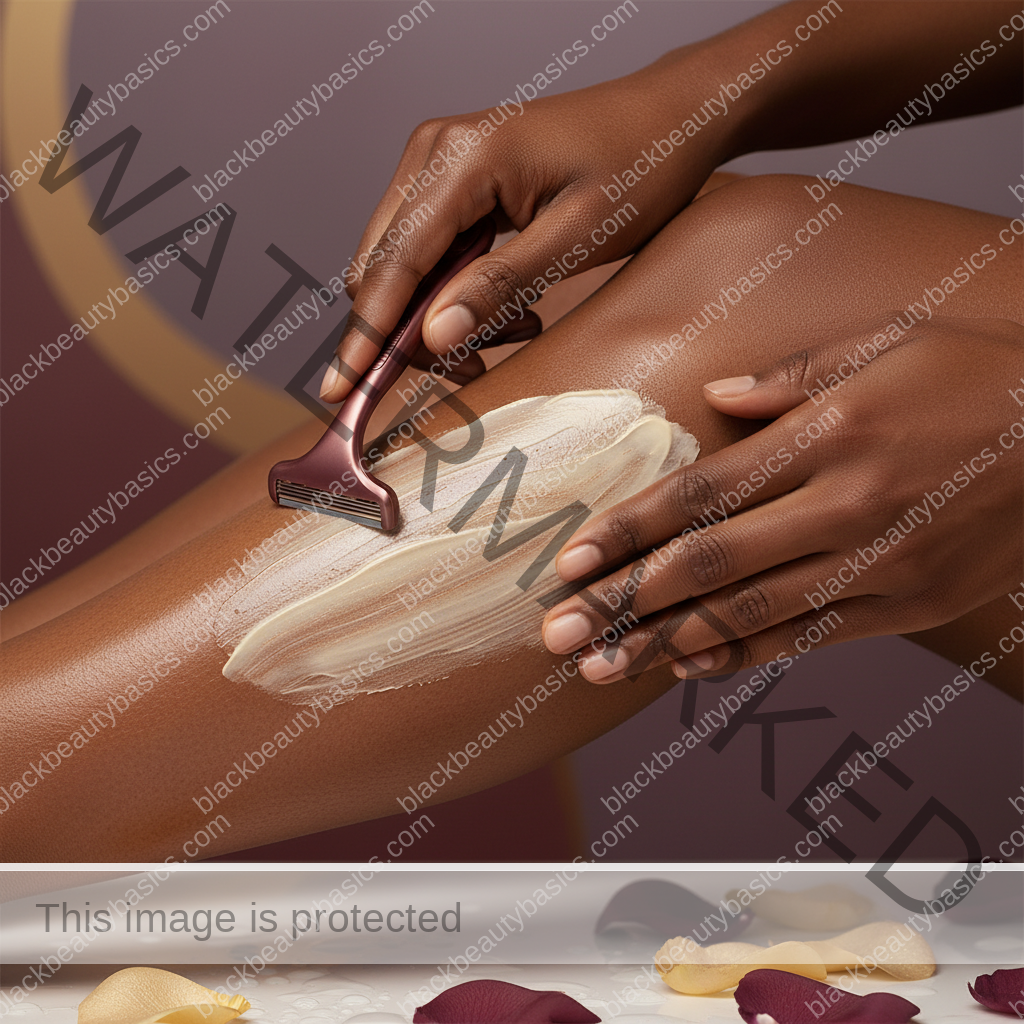
Forget harsh soaps or dry shaving – these are recipes for disaster. A high-quality shaving cream or gel is essential. It provides lubrication, helps the razor glide effortlessly, and protects your skin from nicks and irritation. Look for formulas that are hydrating and soothing.
- Hydrating Ingredients: Aloe vera, shea butter, glycerin, and natural oils.
- Avoid: Products with excessive fragrance, alcohol, or harsh chemicals that can dry out or irritate your skin. Shop Hydrating Shaving Creams on Amazon
Step 2: The Art of the Razor
Your choice of razor is paramount. For bump-prone skin, less is often more when it comes to blades. A single-blade safety razor or a razor with 2-3 blades is generally preferred over multi-blade razors (4-5 blades), which can cut the hair too short and increase the likelihood of ingrowns.
Razor Comparison: Multi-Blade vs. Safety Razor
| Feature | Multi-Blade Razor (4-5 blades) | Single-Blade Safety Razor |
|---|---|---|
| Blade Count | 4-5 blades | 1 blade |
| Shave Closeness | Very close, cuts hair below skin surface | Close, cuts hair at skin surface |
| Ingrown Hair Risk | Higher, due to hair being cut too short and pulled | Lower, cleaner cut prevents hair from retracting below skin |
| Irritation Risk | Higher, more passes/friction on skin | Lower, single pass with less friction |
| Cost (Blades) | Higher, cartridges are expensive | Lower, single blades are very affordable |
| Learning Curve | Low, easy to use | Moderate, requires practice for best results |
- Safety Razors: These offer a very close, clean cut without pulling the hair. They require a bit of practice but are often hailed as the holy grail for preventing ingrowns. Shop Safety Razors on Amazon
- Disposable Razors: If using disposable, opt for those with 2-3 blades and a lubricating strip. Change them frequently! Shop 2-3 Blade Disposable Razors on Amazon
Always use a fresh, sharp blade. Dull blades tug at the hair, leading to irritation and an uneven shave. Replace your blade every 5-7 shaves, or sooner if you feel any drag.
Step 3: The Direction of the Shave – With the Grain, Always
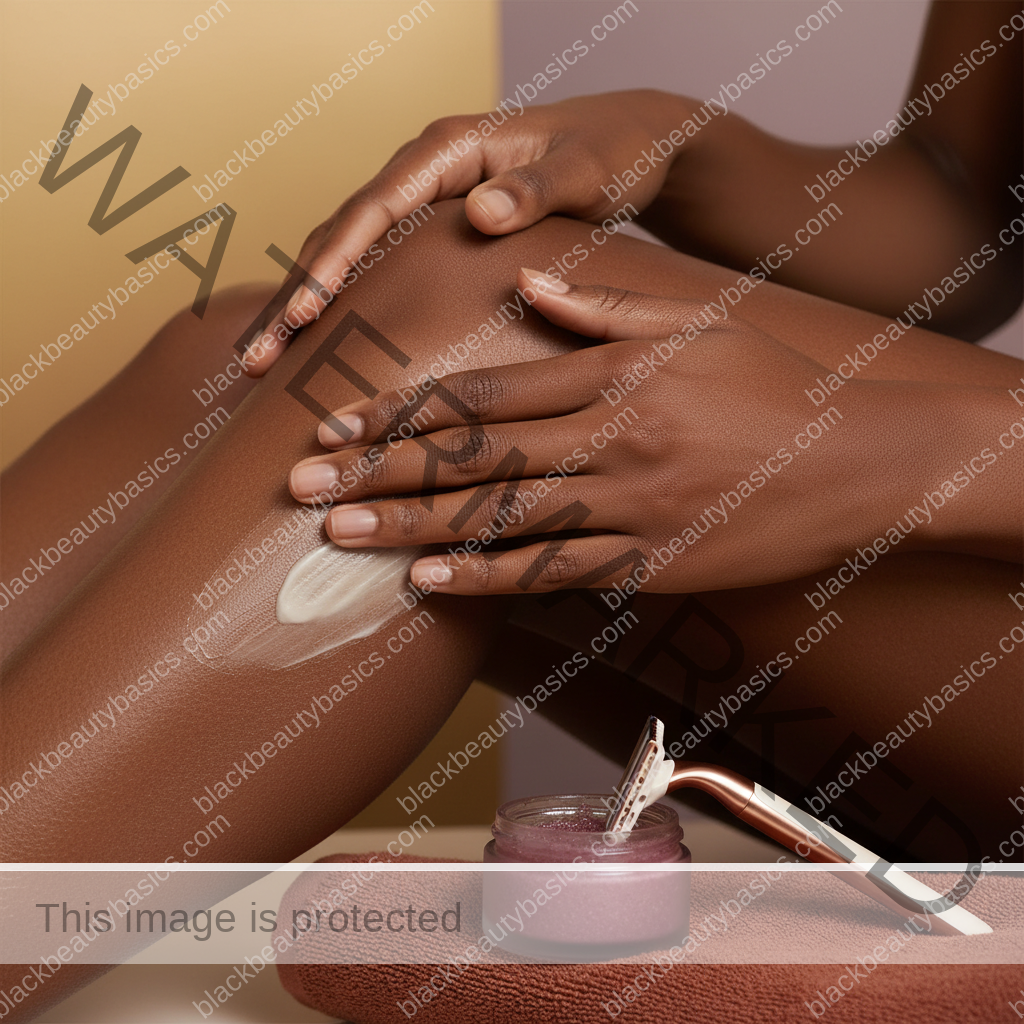
This is perhaps the most critical technique for preventing razor bumps on dark skin. Shaving against the grain (opposite to hair growth) provides a very close shave, but it also increases the likelihood of the hair being cut too short and retracting beneath the skin, setting the stage for ingrowns. For sensitive or bump-prone areas, always shave with the grain.
- Technique: Use light, short, gentle strokes. Do not apply excessive pressure. Let the razor do the work.
- Rinse: Rinse your razor frequently under warm water to prevent clogging and ensure a clean cut.
- Reapply Shaving Cream: If you need to go over an area, reapply shaving cream first. Never dry shave or shave over skin that has lost its lubrication.
Step 4: The Rinse
After shaving, rinse your legs thoroughly with cool water. This helps to close the pores and remove any remaining shaving cream or stray hairs.
The Post-Shave Sanctuary: Soothing and Protecting
The care doesn’t stop once the razor is put away. The post-shave routine is just as vital for calming the skin, preventing irritation, and locking in moisture.
Step 1: Pat Dry, Don’t Rub
Gently pat your legs dry with a clean, soft towel. Rubbing can cause friction and irritation to freshly shaved skin.
Step 2: Soothe and Treat
Immediately after drying, apply a soothing, alcohol-free aftershave balm or lotion. Look for ingredients that calm inflammation and prevent ingrown hairs.
- Key Ingredients: Aloe vera, chamomile, witch hazel (alcohol-free), salicylic acid, lactic acid, niacinamide.
- Purpose: These ingredients help to reduce redness, soothe irritation, and gently exfoliate to keep hair follicles clear. Shop Alcohol-Free Aftershave Balms on Amazon
- Targeted Treatment: If you are prone to ingrowns, consider a dedicated ingrown hair serum or pad containing salicylic acid or glycolic acid. Apply this to the affected areas. Shop Ingrown Hair Serums on Amazon
Step 3: Deep Hydration – The Glow Factor
Lock in moisture with a rich, nourishing body lotion or oil. Hydrated skin is healthy skin, less prone to irritation and more resilient. This step also enhances the natural luminosity of melanin-rich skin.
- Ingredients: Shea butter, cocoa butter, hyaluronic acid, ceramides, squalane, natural oils (jojoba, argan, almond).
- Application: Apply generously, massaging into your skin until absorbed. Shop Hydrating Body Lotions on Amazon
Advanced Strategies and Long-Term Care for Luminous Legs
Beyond the immediate shaving routine, adopting certain lifestyle practices and considering alternative hair removal methods can further enhance your results and maintain the health of your skin.
Consistency is Key
A consistent routine is more effective than sporadic bursts of intense care. Stick to your chosen pre-shave, shave, and post-shave steps. Your skin will thank you with fewer bumps and a more even tone.
Shaving Frequency
How often you shave depends on your hair growth and skin sensitivity. For some, daily shaving is fine, while others may need to space it out every 2-3 days to allow the skin to recover. Listen to your skin.
Clothing Choices
After shaving, avoid tight clothing that can rub against your skin and cause friction, leading to irritation and ingrown hairs. Opt for loose, breathable fabrics like cotton for at least a few hours post-shave.
Sun Protection
If you’re prone to PIH, sun protection is non-negotiable. UV exposure can darken existing hyperpigmentation and make it last longer. Always apply a broad-spectrum sunscreen to exposed skin, especially your legs, even on cloudy days. Shop Mineral Sunscreens for Dark Skin on Amazon
Diet and Hydration
Healthy skin starts from within. A balanced diet rich in antioxidants, vitamins, and essential fatty acids supports skin health. Adequate hydration is also crucial for maintaining skin elasticity and barrier function.
When to Seek Professional Help
If you consistently struggle with severe razor bumps, persistent hyperpigmentation, or painful ingrown hairs despite following a diligent routine, consider consulting a dermatologist. They can offer prescription-strength treatments, in-office procedures like chemical peels, or discuss alternative hair removal methods.
Alternative Hair Removal Methods: Beyond the Blade
While this guide focuses on shaving, it’s worth exploring other options, especially if shaving continues to be a challenge for your skin. Each method has its pros and cons, particularly for melanin-rich skin.
Hair Removal Methods Comparison for Dark Skin
| Method | Pros for Dark Skin | Cons for Dark Skin | Considerations |
|---|---|---|---|
| Depilatory Creams | Painless, quick, no sharp blades, hair grows back softer. | Can cause chemical burns or irritation if left on too long; strong odor; patch test essential; not for sensitive skin. | Look for formulas specifically for sensitive skin. Patch test extensively. Shop Depilatory Creams on Amazon |
| Waxing/Sugaring | Removes hair from root, longer-lasting smoothness, can reduce hair growth over time. | Painful, risk of skin lifting, ingrown hairs (especially if not done correctly), can cause PIH due to trauma. | Seek experienced professionals specializing in dark skin. Exfoliate regularly. Shop Sugaring Kits on Amazon |
| Epilators | Removes hair from root, long-lasting results, can be done at home. | Painful, risk of ingrown hairs, can cause irritation and PIH if not used correctly. | Exfoliate diligently. Use on clean, dry skin. Shop Epilators on Amazon |
| Laser Hair Removal (LHR) | Permanent hair reduction, highly effective for ingrowns. | Requires specific laser types (Nd:YAG) to be safe for dark skin (risk of burns/PIH with incorrect laser). Can be expensive. | Crucial to choose a reputable clinic with experience treating dark skin and using Nd:YAG lasers. Shop At-Home IPL Devices (use with caution for dark skin) on Amazon |
| Electrolysis | Permanent hair removal, safe for all hair and skin types. | Time-consuming, can be painful, expensive. | Highly effective for individual stubborn hairs. Seek a certified electrologist. |
How to build the routine around what your skin is actually telling you
For Black women and people with richly melanated skin, body care is rarely just about feeling smooth for one day. The larger goal is comfort, less irritation, fewer preventable bumps, and fewer marks left behind after friction, shaving, dryness, or inflammation. This guide focuses on prepping the legs, shaving with less friction, moisturizing after, and lowering the chance of bumps and dark marks, while keeping the correct body-care cluster as the home base.
The first step is to stop treating every body concern as a need for stronger products. Dryness may need better moisture timing. Bumps may need less pressure and less friction. Texture may need gentle exfoliation, not daily scrubbing. Dark marks may need the irritation cycle to calm down before any brightening step can make sense. When the routine starts with the real cause, the skin has less to recover from.
This is also where tone matters. A body-care routine should never imply that lighter, perfectly even, poreless skin is the goal. Rich brown skin can have texture, deeper areas, stretch, folds, hair, and changing tone. The goal is not to erase your body. The goal is to care for it in a way that feels steady, respectful, and repeatable.
A practical checkpoint before you add anything new
- Notice whether the issue is dryness, friction, bumps, hair removal, sweat, or product residue.
- Keep the routine simple enough to repeat for several weeks.
- Add only one new treatment step at a time so irritation is easier to trace.
- Use moisture and barrier support as the default, not as an afterthought.
- Pause any step that causes burning, rawness, swelling, or new persistent dark marks.
What usually makes this worse
The biggest mistake is trying to force a fast result. Whether you are dealing with ashiness, bumps, shaving irritation, or dark marks, pushing harder usually creates more inflammation. Melanin-rich skin can respond to that inflammation with marks that last longer than the original problem. That is why slow, boring consistency is often more protective than a dramatic reset.
Another common issue is mixing too many strong steps in the same week. A harsh scrub, an exfoliating acid, shaving, fragrance, tight clothing, and a drying cleanser can all overlap. Each step may seem small by itself, but together they can leave body skin tender and reactive. When that happens, simplify before you intensify.
Finally, do not ignore friction. Waistbands, sports bras, underwear seams, leggings, deodorant, shaving direction, towels, and even how quickly you moisturize after a shower can change how the skin behaves. If friction is part of the pattern, product alone will not carry the whole routine.
What to do next
Keep this article connected to the Body Care & Hair Removal on Dark Skin system. The most useful next read depends on whether your main issue is moisture, exfoliation, shaving, ingrowns, or post-shave dark marks.
- Body Care & Hair Removal on Dark Skin
- The related body-care cluster guide
- shaving routines for dark skin
- prevent ingrown hairs after shaving
- body exfoliation without overdoing it
How to keep the routine realistic for real life
A routine that only works when you have unlimited time is not a routine most people can keep. Build a short version and a slower version. The short version might be cleanse, moisturize, and avoid the habit that causes the most irritation. The slower version can include exfoliation, shaving prep, richer moisture, or more careful aftercare when you have the space for it.
Budget matters too. You do not need the most expensive body product to care for dark skin well. You need textures your skin tolerates, ingredients that make sense for the job, and a rhythm you can repeat. If the product is lovely but you use it once a month because it feels too precious, it may not be the best daily tool.
Watch the skin over several weeks instead of judging every morning. Is there less tightness, less itching, fewer bumps, fewer angry patches, or less picking? Those are meaningful signs. Progress on body skin can be quiet before it becomes visible. Give your body room to respond without turning every mark into a crisis.
If irritation becomes painful, spreads, blisters, bleeds, scars, or keeps returning despite a careful routine, bring in a dermatologist or qualified clinician. Home care can support the skin, but it should not replace professional care when the pattern is persistent, severe, or confusing.
Frequently Asked Questions About Shaving Dark Skin
Q1: Why do I get razor bumps specifically on my dark skin?
A: Melanin-rich skin is more prone to razor bumps (pseudofolliculitis barbae or PFB) due to the nature of our hair. Our hair tends to be curlier and coarser. When cut, especially too short or against the grain, the hair can retract beneath the skin’s surface and, as it regrows, curl back into the skin. This triggers an inflammatory response, leading to red, itchy, and sometimes painful bumps. Our skin’s melanocytes are also more reactive, making us more susceptible to post-inflammatory hyperpigmentation (dark spots) from this irritation.
Q2: Is it better to shave with or against the grain for dark skin?
A: For melanin-rich skin, it is almost always recommended to shave with the grain (in the direction of hair growth). Shaving against the grain provides a closer shave but significantly increases the risk of cutting the hair too short, causing it to retract and become ingrown. Shaving with the grain minimizes irritation and reduces the likelihood of razor bumps and ingrown hairs.
Q3: What kind of razor is best for preventing bumps on dark skin?
A: For bump-prone skin, a single-blade safety razor or a razor with 2-3 blades is generally preferred. Multi-blade razors (4-5 blades) can cut the hair too short, pulling it below the skin’s surface before cutting, which contributes to ingrown hairs. A sharp, single blade provides a clean cut at the skin’s surface, reducing irritation. Always use a fresh blade.
Q4: How often should I exfoliate my legs if I shave regularly?
A: Gentle exfoliation is crucial for preventing ingrown hairs. Aim to exfoliate 2-3 times a week, but avoid doing so immediately before shaving if your skin is sensitive. On shaving days, exfoliate gently with a mild scrub. On non-shaving days, a chemical exfoliant containing AHAs or BHAs can be very effective at keeping pores clear and preventing hair from getting trapped.
Q5: Can I use a regular body lotion after shaving, or do I need a special aftershave product?
A: While a good hydrating body lotion is essential for overall skin health, a dedicated alcohol-free aftershave balm or lotion is highly recommended immediately after shaving. These products are formulated with soothing, anti-inflammatory ingredients like aloe vera, chamomile, or witch hazel, and often contain mild exfoliants like salicylic acid to specifically target and prevent razor bumps and irritation. Follow up with your regular hydrating body lotion for deep moisture.
Q6: How can I treat existing dark spots (hyperpigmentation) from past razor bumps?
A: Treating PIH requires patience and a consistent routine. Look for products containing ingredients known to lighten dark spots, such as niacinamide, vitamin C, alpha arbutin, kojic acid, or azelaic acid. Gentle exfoliation can also help. Always use broad-spectrum sunscreen on affected areas to prevent further darkening. For stubborn spots, a dermatologist can recommend prescription-strength treatments or in-office procedures like chemical peels or microdermabrasion.
Q7: Is laser hair removal safe for dark skin?
A: Yes, laser hair removal can be safe and very effective for dark skin, but it requires the correct type of laser. The Nd:YAG laser (1064nm wavelength) is specifically designed to bypass the melanin in the skin and target the hair follicle, significantly reducing the risk of burns or hyperpigmentation. It is crucial to choose a reputable clinic with experienced technicians who specialize in treating melanin-rich skin and use the appropriate laser technology. Avoid IPL devices or Alexandrite lasers, which are generally not safe for darker skin tones.
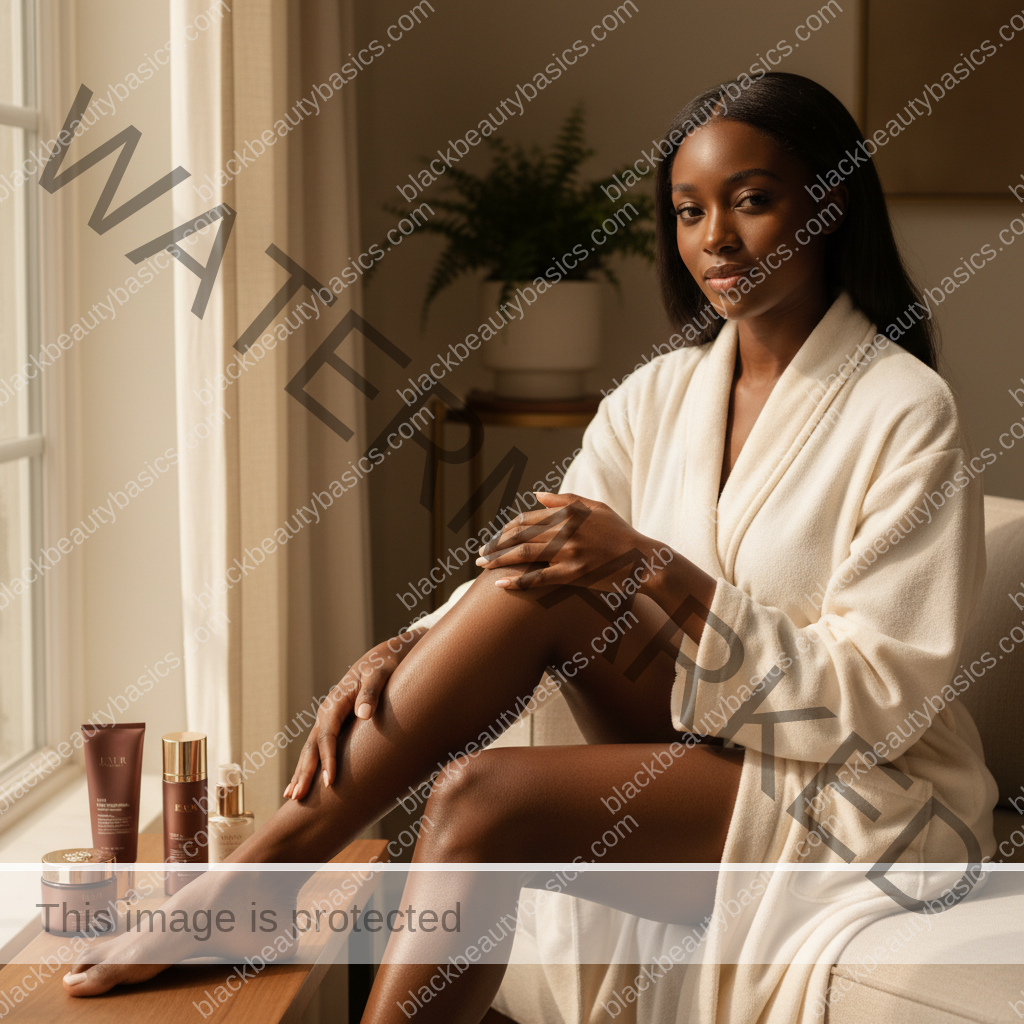
The journey to impeccably smooth, bump-free legs is an act of intention and self-reverence. By embracing these refined techniques and choosing products that honor the unique beauty of your melanin-rich skin, you’re not just shaving; you’re cultivating a ritual of care that celebrates your radiance. May your legs be ever luminous, a testament to the elegance and strength that resides within you.
Related next steps
Related posts:
 Shaving the Bikini Line on Dark Skin: Step‑by‑Step for Fewer Razor Bumps
 How to Shave Underarms on Dark Skin With Less Irritation
 How to Treat Post-Shave Dark Marks on the Bikini Line
 Razor Bumps vs Ingrown Hairs on Dark Skin
 Strawberry Legs on Dark Skin: Exfoliation and Treatment Plan
 How Body Sunscreen Supports Hyperpigmentation Work on Shoulders, Chest, and Legs