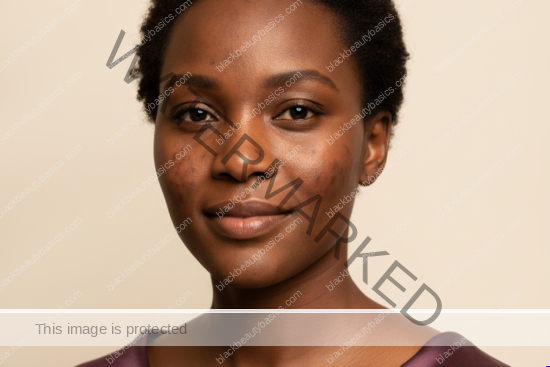
For generations, the ritual of hair removal has been a deeply personal journey for Black women, often fraught with unique challenges that speak to the very nature of our beautiful, resilient skin and hair. We understand the frustration, the discomfort, and the silent struggle that can accompany the pursuit of smooth, radiant skin, especially when confronted with the persistent vexation of razor bumps and ingrown hairs. This is not merely a cosmetic concern; it’s a matter of comfort, confidence, and reclaiming the narrative of our skin’s health. Start with the related BBB body-care cluster guide if you want the broader map.
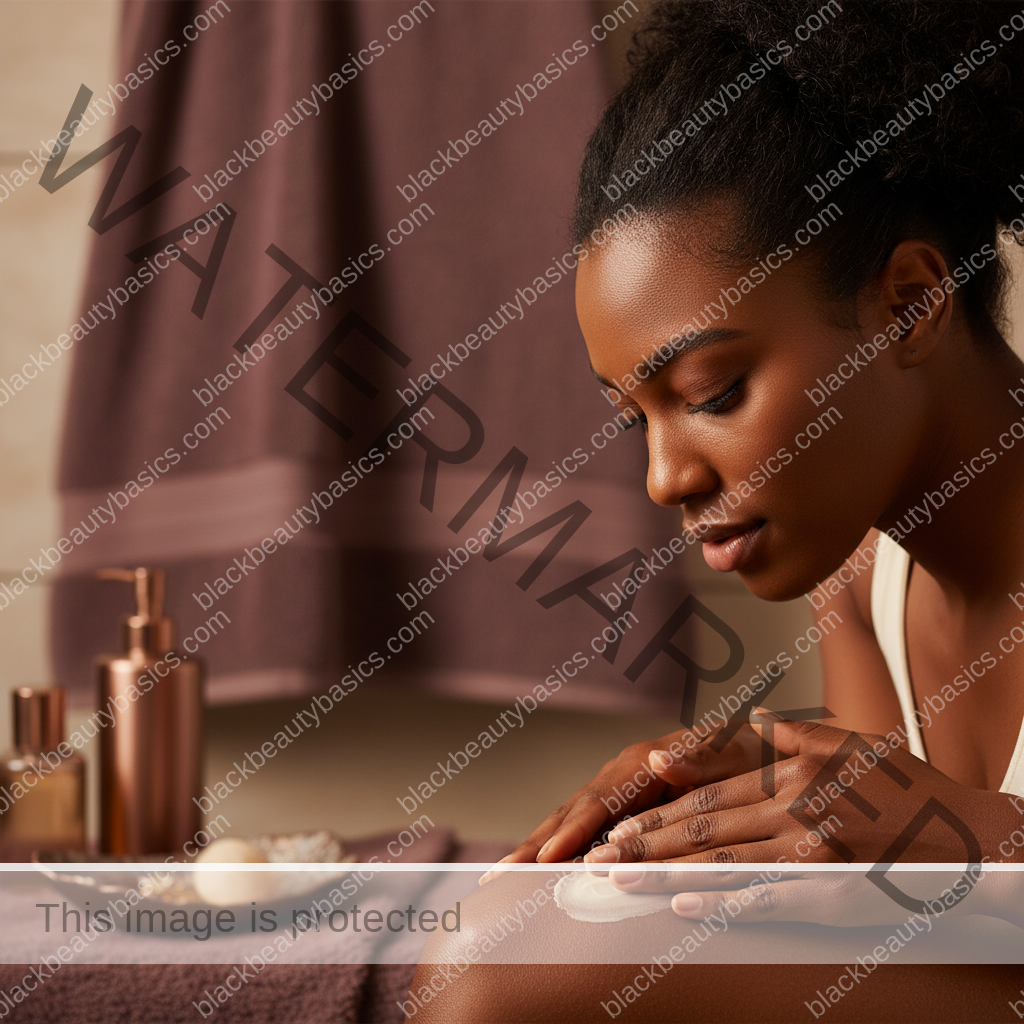
At Black Beauty Basics, we believe in empowering you with knowledge that transcends surface-level solutions, diving deep into the science and care tailored specifically for melanin-rich skin. Today, we unravel the often-confused world of razor bumps and ingrown hairs, dissecting their origins, understanding their distinct characteristics, and, most importantly, equipping you with the sophisticated strategies to prevent and treat them, ensuring your skin remains as flawless and cherished as it deserves to be.
The Distinctive Canvas: Understanding Melanin-Rich Skin and Hair
Our skin, a masterpiece of nature, possesses unique characteristics that influence how it interacts with hair removal. Melanin, the pigment responsible for our rich complexions, also contributes to a denser, more compact dermis, making our skin often more prone to hyperpigmentation and scarring. Our hair, typically coarse, curly, and strong, is another key player in the narrative of razor bumps and ingrown hairs. These intrinsic qualities, while beautiful, require a nuanced approach to skincare and hair removal.
The Science of Our Strands: Why Curly Hair is Prone to Ingrowns
The natural curl pattern of our hair is a double-edged sword. While it contributes to our hair’s magnificent volume and texture, it also means that the hair follicle itself is often curved. When hair is cut, especially too short or against the grain, the sharp tip can easily recoil and grow back into the skin instead of out of it. This phenomenon is exacerbated by the natural tendency of curly hair to coil back towards the skin surface as it grows, making it particularly susceptible to becoming trapped beneath the skin’s surface.
The Inflammatory Response: Why Darker Skin Reacts Differently
When hair grows back into the skin, or when the skin is irritated by shaving, our immune system perceives this as a foreign invasion. For melanin-rich skin, this inflammatory response can be more pronounced and often leads to a condition known as Post-Inflammatory Hyperpigmentation (PIH). This means that even after the bump or ingrown hair resolves, a dark spot can linger, sometimes for months, creating an uneven skin tone that requires its own dedicated care. Understanding this propensity for PIH is crucial in selecting both preventive and treatment strategies.
Razor Bumps (Pseudofolliculitis Barbae) vs. Ingrown Hairs (Folliculitis)
While often used interchangeably, razor bumps and ingrown hairs are distinct conditions, though they frequently coexist and share similar origins. Precision in diagnosis is the first step towards effective treatment.
What Are Razor Bumps (Pseudofolliculitis Barbae – PFB)?
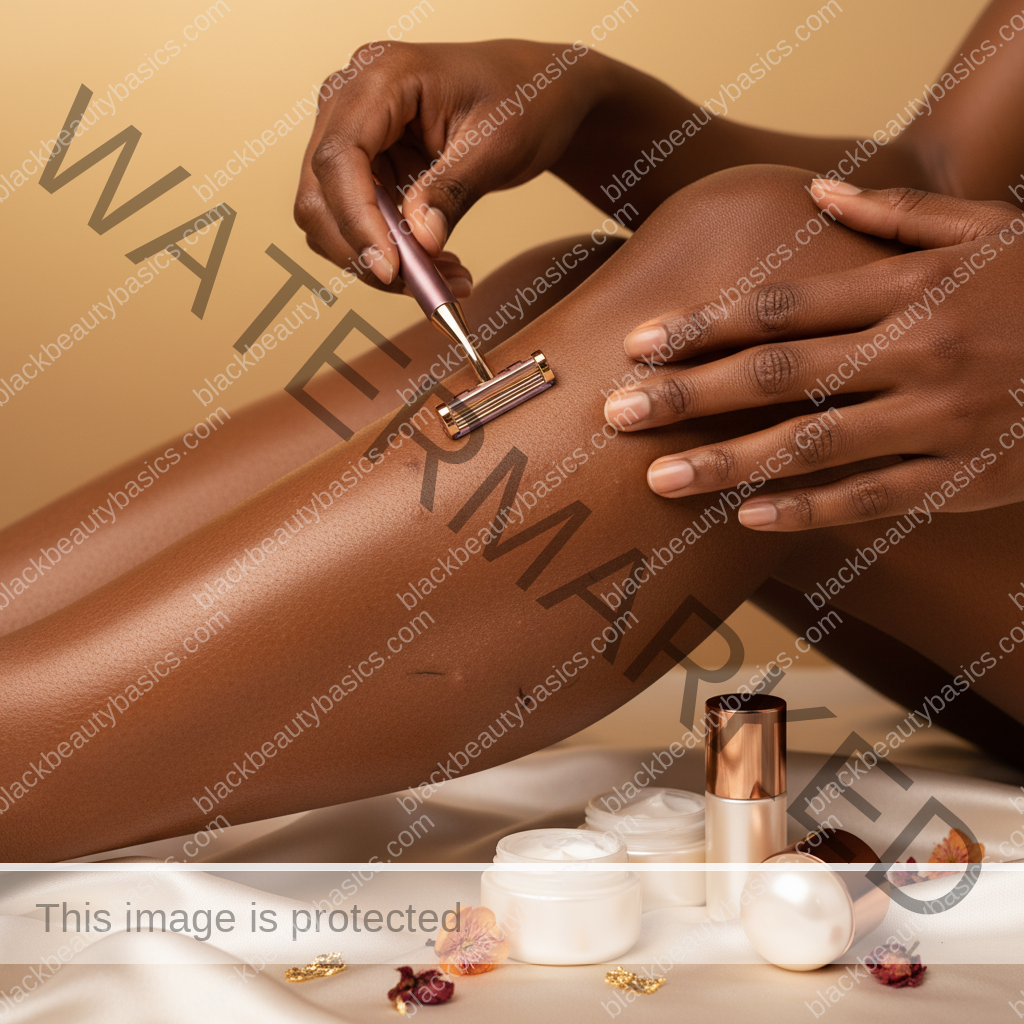
Pseudofolliculitis Barbae, commonly known as razor bumps, is an inflammatory condition that occurs primarily in individuals with curly hair. It’s a direct result of improper shaving techniques. When hair is cut too short, especially below the skin’s surface, the sharp tip can curl back into the skin as it grows, or it can pierce the side of the follicle wall. This triggers an inflammatory reaction, leading to red, itchy, and sometimes painful bumps that can resemble acne. These bumps often contain a trapped hair and sometimes pus.
Key Characteristics of Razor Bumps:
- Occur predominantly in areas subjected to shaving (face, neck, bikini line, legs).
- Appear as small, red, inflamed papules or pustules.
- Often have a visible hair trapped within or beneath the bump.
- Can be itchy, tender, and painful.
- May lead to hyperpigmentation and scarring if left untreated or picked.
What Are Ingrown Hairs (Folliculitis)?
Ingrown hairs, or folliculitis, are a broader category. While razor bumps are a specific type of ingrown hair caused by shaving, ingrown hairs can occur from any hair removal method that severs the hair, including waxing, epilating, or even plucking. An ingrown hair happens when a hair strand, instead of growing out of the skin, curls back or grows sideways into the skin. This can happen if the hair follicle is blocked by dead skin cells, or if the hair is cut or pulled in a way that encourages it to grow inward.
Key Characteristics of Ingrown Hairs:
- Can occur anywhere hair is removed, or even in areas where hair is naturally coarse and curly.
- Appear as small, red, sometimes pus-filled bumps.
- May or may not have a visible hair trapped.
- Can be itchy and irritating.
- Can also lead to hyperpigmentation and scarring.
The Overlap and The Distinction
The critical distinction lies in the cause: razor bumps are almost exclusively caused by shaving, specifically the way the hair is cut. Ingrown hairs can be caused by shaving, but also by other hair removal methods or even naturally. All razor bumps are a type of ingrown hair, but not all ingrown hairs are razor bumps. Both conditions involve the hair growing back into the skin, triggering an inflammatory response, and both are significantly more prevalent and problematic for individuals with curly hair and darker skin tones due to hair structure and skin’s inflammatory response.
Comparison Table: Razor Bumps vs. Ingrown Hairs
| Feature | Razor Bumps (Pseudofolliculitis Barbae) | Ingrown Hairs (Folliculitis) |
|---|---|---|
| Primary Cause | Improper shaving techniques (cutting hair too short, against the grain) | Hair growing back into the skin after any hair removal (shaving, waxing, plucking) or naturally |
| Hair Type Predisposition | Highly prevalent in individuals with curly, coarse hair | More common in individuals with curly, coarse hair |
| Appearance | Red, inflamed, sometimes pus-filled bumps; often with a visible hair loop or tip | Red, sometimes pus-filled bumps; hair may or may not be visible |
| Location | Typically areas that are shaved (face, neck, bikini line, legs) | Anywhere hair is removed or grows (face, neck, bikini line, legs, armpits) |
| Inflammation | Significant inflammatory response due to hair piercing skin | Inflammatory response due to hair trapped under skin |
| Risk of Hyperpigmentation | High, especially for darker skin tones | High, especially for darker skin tones |
Prevention is Key: Cultivating a Smooth Skin Ritual
The cornerstone of managing razor bumps and ingrown hairs, especially for melanin-rich skin, is a meticulous and consistent prevention strategy. This involves thoughtful preparation, careful hair removal, and diligent post-care. Remember, your skin is a canvas, and each step is an act of reverence.
Pre-Hair Removal Preparation: The Foundation of Flawless Skin
Before any hair removal, proper skin preparation is paramount. This sets the stage for a smoother experience and significantly reduces the likelihood of irritation and ingrowns.
1. Exfoliation: Gentle Yet Effective
Regular exfoliation is crucial to prevent dead skin cells from clogging follicles, which can trap growing hairs. For darker skin, chemical exfoliants are often preferred over harsh physical scrubs, as they are less likely to cause micro-tears and subsequent hyperpigmentation. Look for products containing Alpha Hydroxy Acids (AHAs) like glycolic or lactic acid, or Beta Hydroxy Acids (BHAs) like salicylic acid.
- AHAs (Glycolic Acid, Lactic Acid): Work on the surface of the skin to loosen dead skin cells, promoting cell turnover and revealing smoother skin. Ideal for general exfoliation and improving skin texture.
- BHAs (Salicylic Acid): Oil-soluble, meaning they can penetrate deeper into the pores to dissolve sebum and dead skin cells, making them excellent for preventing clogged follicles and reducing inflammation.
Incorporate a gentle exfoliating cleanser or toner 2-3 times a week, or a dedicated exfoliating serum. Shop Chemical Exfoliants on Amazon
2. Warm Compress or Shower: Softening the Strands
Before shaving or waxing, apply a warm compress to the area for a few minutes or take a warm shower. The warmth helps to open pores, soften the hair follicles, and make the hair shafts more pliable, allowing for a cleaner cut and reducing tugging and irritation. This step is often overlooked but is incredibly effective.
3. Cleansing: A Clean Slate
Always cleanse the skin thoroughly before hair removal to remove dirt, oil, and bacteria. Use a gentle, pH-balanced cleanser that won’t strip the skin of its natural moisture. Clean skin minimizes the risk of infection if a follicle is irritated. Shop Gentle Cleansers on Amazon
Hair Removal Techniques: The Art of Precision
The method and technique of hair removal are critical determinants in preventing razor bumps and ingrown hairs.
1. Shaving: The Mindful Approach
If shaving is your preferred method, adopt these mindful techniques:
- Use a Sharp, Clean Razor: A dull blade tugs at the hair, leading to irritation and an uneven cut that increases the risk of ingrowns. Replace your razor blade every 5-7 shaves or at the first sign of dullness. Opt for a single or double-blade razor, as multi-blade razors can cut hair too short, below the skin’s surface. Shop Single Blade Safety Razors on Amazon
- Shave with the Grain: Always shave in the direction of hair growth. While shaving against the grain might give a closer shave, it significantly increases the risk of razor bumps by cutting the hair at an acute angle, making it easier for it to curl back into the skin.
- Use a Quality Shaving Cream or Gel: A rich, moisturizing shaving cream or gel creates a protective barrier, allowing the razor to glide smoothly and reducing friction. Look for formulas with soothing ingredients like aloe vera or shea butter. Avoid harsh soaps that can dry out the skin. Shop Moisturizing Shaving Creams on Amazon
- Rinse the Blade Frequently: This prevents hair and cream buildup, ensuring a clean cut with each stroke.
- Avoid Pressing Too Hard: Let the razor do the work. Excessive pressure can irritate the skin and lead to a cut that’s too close.
- Stretch the Skin, Don’t Pull: Gently stretch the skin taut to create a flat surface for the razor, but avoid pulling it excessively.
2. Waxing and Sugaring: Professional Precision
While waxing and sugaring remove hair from the root, they can still lead to ingrown hairs, especially if the hair breaks instead of being pulled cleanly. Ensure you go to a reputable aesthetician who understands the nuances of dark skin and curly hair. Post-waxing care is crucial, including gentle exfoliation and moisturizing.
3. Depilatory Creams: A Chemical Approach
Depilatory creams dissolve hair just above the skin’s surface. They can be a good option for those prone to razor bumps, as there’s no sharp cut involved. However, patch test first, as some formulas can be irritating to sensitive skin. Look for gentle formulas designed for sensitive areas. Shop Sensitive Skin Depilatory Creams on Amazon
4. Electric Shavers/Trimmers: The Safe Distance
Electric shavers or trimmers that don’t cut hair below the skin’s surface can be an excellent alternative, especially for those highly prone to razor bumps. While they may not provide a completely “baby-smooth” finish, they significantly reduce irritation and the risk of ingrowns. Shop Electric Shavers for Women on Amazon
5. Laser Hair Removal: A Long-Term Solution
For a more permanent reduction in hair growth and a significant decrease in ingrown hairs and razor bumps, laser hair removal is an effective option. However, it requires a skilled professional experienced with treating darker skin tones, as improper settings can lead to hyperpigmentation or burns. The right laser (e.g., Nd:YAG) is crucial for safety and efficacy on melanin-rich skin. This is an investment, but for many, it offers unparalleled relief. Shop At-Home Laser Hair Removal Devices on Amazon
Post-Hair Removal Care: Soothing and Protecting
The moments immediately following hair removal are just as important as the preparation.
1. Rinse with Cool Water: Closing the Pores
After hair removal, rinse the area with cool water to close the pores and soothe the skin. Gently pat dry with a clean towel.
2. Soothe and Hydrate: Calming the Canvas
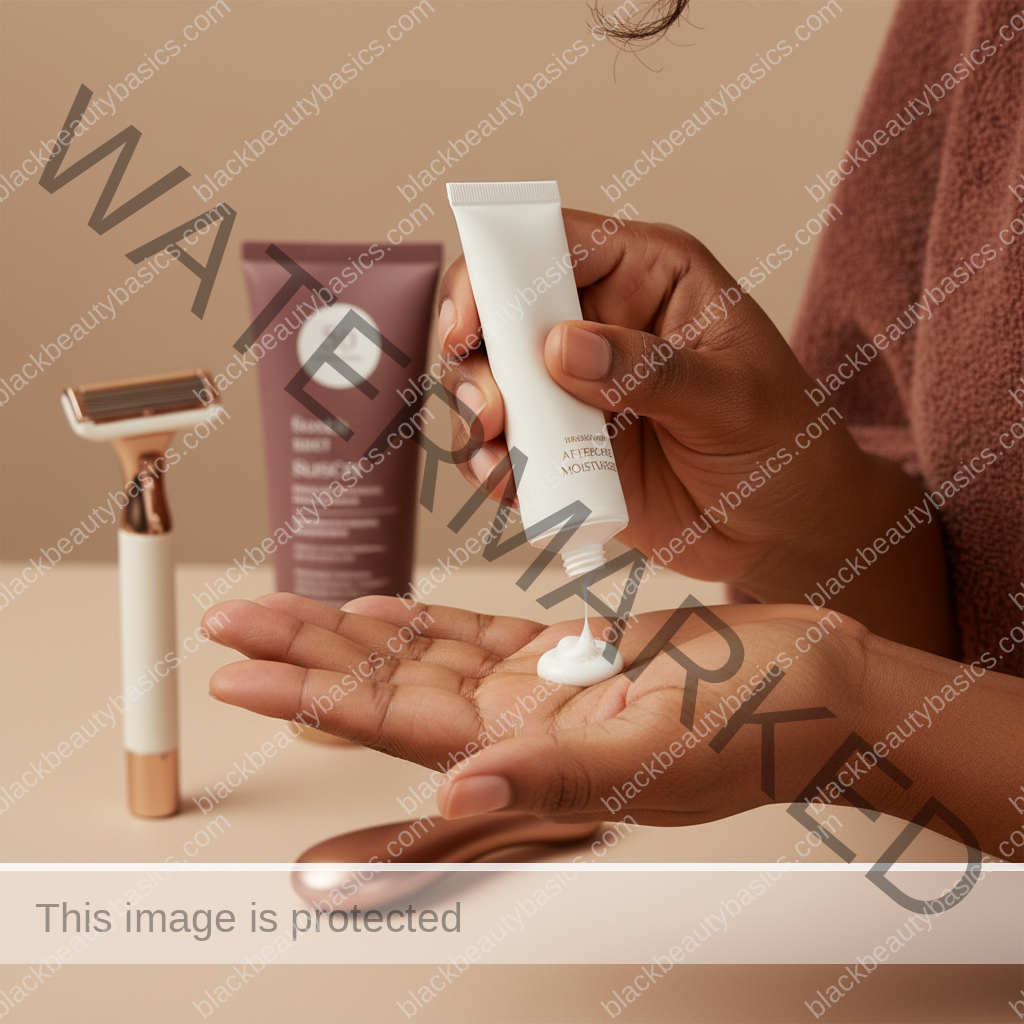
Apply a soothing, alcohol-free aftershave balm or moisturizer immediately. Look for ingredients like aloe vera, chamomile, allantoin, or hyaluronic acid to calm irritation and provide hydration. Avoid products with harsh fragrances or alcohol, which can dry out and irritate the skin. Shop Soothing Aftershave Balms on Amazon
3. Ingrown Hair Treatments: Targeted Intervention
For those still prone to ingrowns, incorporate a specialized ingrown hair serum or lotion. These often contain mild exfoliants (like salicylic or glycolic acid) or anti-inflammatory ingredients to keep follicles clear and prevent new ingrowns. Apply daily, especially in the days following hair removal. Shop Ingrown Hair Serums on Amazon
4. Loose Clothing: Allowing Skin to Breathe
Immediately after hair removal, wear loose-fitting clothing made from breathable fabrics (like cotton) to prevent friction and allow the skin to breathe. Tight clothing can rub against freshly treated skin, causing irritation and potentially pushing hairs back into the skin.
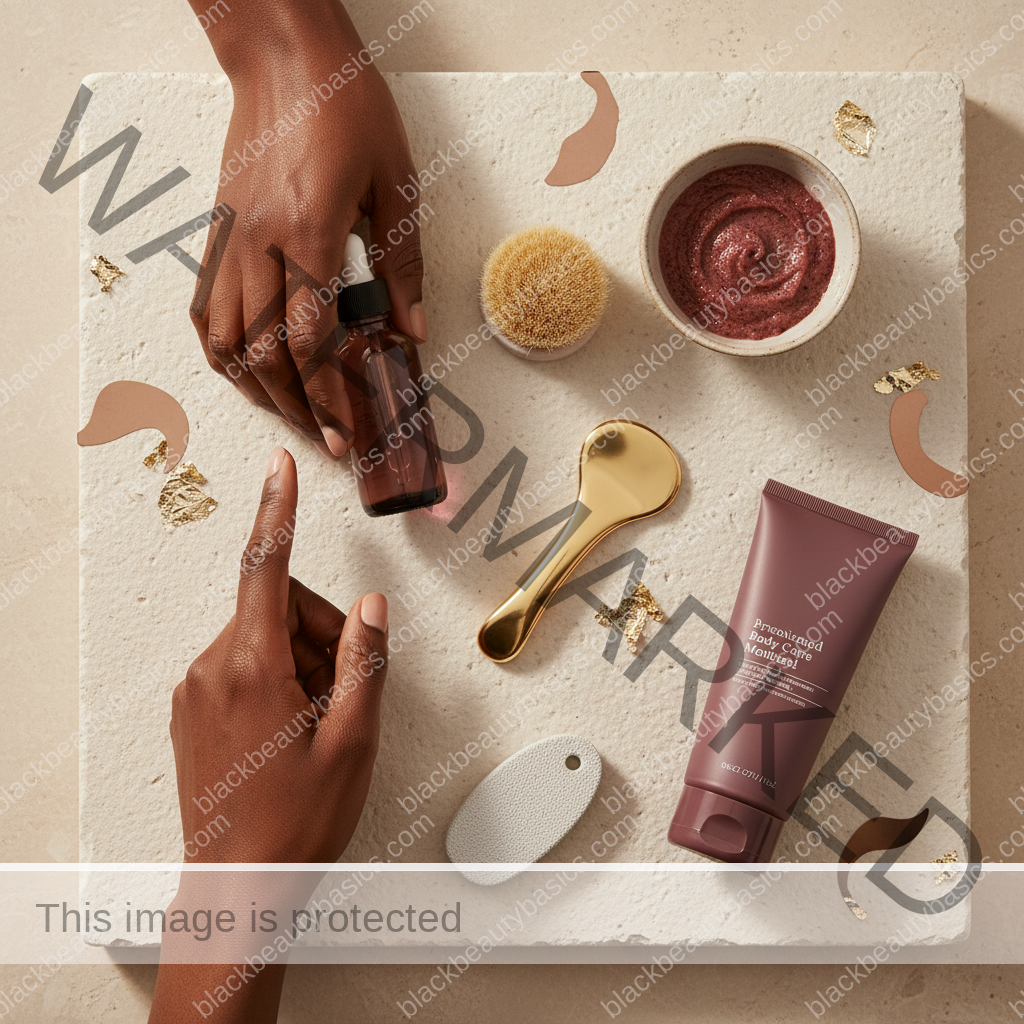
Treating Existing Razor Bumps and Ingrown Hairs
Despite our best efforts, sometimes a stubborn bump or ingrown hair emerges. The key is to treat it gently and effectively to prevent further irritation, infection, and hyperpigmentation.
Do Not Pick or Squeeze!
This cannot be stressed enough. Picking or squeezing ingrown hairs or razor bumps is the fastest way to introduce bacteria, cause infection, and guarantee post-inflammatory hyperpigmentation and potential scarring. Resist the urge, no matter how tempting.
Targeted Treatments for Active Bumps:
1. Warm Compresses: Encouraging Release
Apply a warm, moist compress to the affected area for 10-15 minutes, several times a day. This helps to soften the skin, open the pore, and encourage the trapped hair to emerge naturally. If the hair tip becomes visible, you can gently tease it out with sterile tweezers, but never dig for it.
2. Topical Exfoliants: Clearing the Path
Continue using gentle chemical exfoliants containing salicylic acid or glycolic acid. These help to dissolve dead skin cells that might be trapping the hair and reduce inflammation. Apply a small amount directly to the bump. Shop Salicylic Acid Spot Treatments on Amazon
3. Anti-Inflammatory Agents: Calming the Redness
Over-the-counter hydrocortisone cream (1%) can help reduce redness and itching associated with inflamed bumps. Use sparingly and for short periods, as prolonged use can thin the skin. Natural anti-inflammatory ingredients like aloe vera or colloidal oatmeal can also provide relief. Shop Hydrocortisone Cream on Amazon
4. Antibacterial Solutions: Preventing Infection
If bumps appear infected (pus-filled, very painful, warm to the touch), a topical antibacterial ointment (like bacitracin or neomycin) can be applied. For persistent or widespread infection, consult a dermatologist, as oral antibiotics may be necessary. Shop Topical Antibacterial Ointments on Amazon
Addressing Post-Inflammatory Hyperpigmentation (PIH):
Once the bumps have subsided, you may be left with dark spots. Treating PIH on dark skin requires patience and specific ingredients:
- Niacinamide: Helps to reduce inflammation and inhibit the transfer of pigment to skin cells. Shop Niacinamide Serums on Amazon
- Vitamin C: A powerful antioxidant that brightens skin and inhibits melanin production. Shop Vitamin C Serums on Amazon
- Alpha Arbutin or Kojic Acid: Natural skin brighteners that target melanin production. Shop Alpha Arbutin Serums on Amazon
- Retinoids (Retinol, Tretinoin): Accelerate cell turnover, helping to shed pigmented skin cells faster. Start with a low concentration and use sparingly, as they can cause irritation. Shop Retinol Creams on Amazon
- Sunscreen: Non-negotiable! UV exposure darkens existing PIH and makes new spots more likely. Use a broad-spectrum SPF 30+ daily, even indoors. Shop Sunscreen for Dark Skin on Amazon
When to Seek Professional Help:
If you experience any of the following, it’s time to consult a dermatologist:
- Persistent, painful, or widespread bumps that don’t respond to at-home care.
- Signs of severe infection (fever, spreading redness, significant pus).
- Deep, cystic bumps.
- Significant hyperpigmentation or scarring.
- If you’re considering laser hair removal or prescription-strength treatments.
Essential Tips for Managing Razor Bumps & Ingrown Hairs on Dark Skin
| Category | Key Tip | Why It Matters for Dark Skin |
|---|---|---|
| Exfoliation | Prioritize chemical exfoliants (AHAs/BHAs) over harsh physical scrubs. | Minimizes micro-tears and irritation that can lead to post-inflammatory hyperpigmentation (PIH). |
| Shaving Technique | Always shave with the grain of hair growth; use a single or double-blade razor. | Prevents hair from being cut too short or at an angle that encourages it to curl back into the skin. |
| Razor Care | Use a sharp, clean blade and replace frequently (every 5-7 shaves). | Dull blades tug and irritate, increasing inflammation and the risk of ingrowns and PIH. |
| Moisturization | Hydrate skin immediately after hair removal with soothing, alcohol-free products. | Maintains skin barrier integrity, reduces dryness, and calms inflammation, all crucial for preventing irritation and PIH. |
| Sun Protection | Apply broad-spectrum SPF 30+ daily to treated areas, even when bumps are healing. | Crucial for preventing existing PIH from darkening and new spots from forming. |
| Patience & No Picking | Resist the urge to pick, squeeze, or dig for trapped hairs. | Picking introduces bacteria, causes infection, and almost guarantees severe PIH and scarring, which are more prominent on dark skin. |
| Professional Consultation | Consult a dermatologist for persistent issues, severe inflammation, or laser hair removal. | Dermatologists experienced with dark skin can offer tailored treatments, prescription options, and safe laser settings to prevent complications. |
How to think through this body-care concern without overcorrecting
For Black women and people with richly melanated skin, body care works best when it starts with the real pattern. This guide focuses on telling razor bumps and ingrown hairs apart without diagnosing from a mirror, while keeping the related BBB body-care cluster as the home base. The goal is not a perfectly poreless or one-shade body. The goal is comfort, less irritation, fewer preventable marks, and a routine you can repeat.
The most protective first move is usually to reduce the thing that keeps restarting the problem. That may be friction, pressure, fragrance, shaving too closely, exfoliating too often, skipping moisture, or exposing fresh marks to daylight without protection. Products can help, but they work better when the routine stops creating new irritation every week.
Melanin-rich skin can hold onto evidence of irritation. A bump, nick, rash, or raw patch may fade slowly, especially on areas that rub against clothing or get shaved often. That does not mean your skin is doing something wrong. It means the routine needs to respect inflammation, barrier support, and time.
A gentler decision framework
- Name the main issue before adding a new product.
- Reduce friction and pressure where you can.
- Keep moisture steady, especially after cleansing or hair removal.
- Use exfoliation as a measured tool, not a daily punishment.
- Seek professional care for painful, spreading, infected-looking, or scar-forming concerns.
What usually makes this harder
One common mistake is stacking too many corrective steps. Shaving, scrubbing, acids, fragrance, tight clothing, and sweat can pile up quickly. When the skin starts to sting, burn, peel, or mark more easily, simplify the routine instead of adding another active.
Another mistake is treating darker areas as if they are dirty. Knees, elbows, underarms, thighs, bikini lines, and areas with hair removal can all be deeper in tone. Care can help with comfort and irritation, but the language matters. The goal is not to bleach your body into sameness.
The third issue is judging too fast. Body skin often needs several weeks of less irritation before it looks calmer. Track comfort first: less itching, less tenderness, fewer bumps, and less rawness. Visible tone changes usually follow after the irritation cycle quiets down.
What to do next
Keep this article connected to the Body Care & Hair Removal on Dark Skin system. Choose the next guide based on whether your main issue is bumps, hair removal, friction, texture, body SPF, or post-care.
- Body Care & Hair Removal on Dark Skin
- The related body-care cluster guide
- razor bumps and barber-related concerns
- ingrown hair prevention and management
- prevent ingrown hairs after shaving
Frequently Asked Questions About Razor Bumps & Ingrown Hairs on Dark Skin
Q1: Why are Black women more prone to razor bumps and ingrown hairs?
A1: Black women are more prone due to the unique characteristics of our hair and skin. Our hair is naturally curly and coarse, meaning it’s more likely to curl back into the skin after being cut. Additionally, our skin has a higher melanin content, which makes us more susceptible to inflammation and post-inflammatory hyperpigmentation (PIH) when irritation occurs. This means bumps are not only more common but also more likely to leave behind dark spots.
Q2: Can I still get razor bumps if I wax instead of shave?
A2: Yes, you can still get ingrown hairs from waxing, though they are technically not “razor bumps” (Pseudofolliculitis Barbae) which are specific to shaving. Waxing removes hair from the root, but if the hair breaks off below the skin’s surface or if the follicle becomes clogged, the new hair growth can still get trapped and grow inwards. Proper exfoliation and post-waxing care are crucial to minimize this risk.
Q3: What’s the best type of razor to use for dark skin to prevent bumps?
A3: For dark skin and curly hair, a single-blade safety razor or a good quality electric shaver/trimmer is often recommended. Multi-blade razors can cut hair too short, below the skin’s surface, increasing the likelihood of the hair curling back into the skin. A single blade cuts the hair at skin level, reducing this risk. Electric trimmers are also excellent as they don’t cut the hair as close, leaving a slight stubble but significantly reducing irritation.
Q4: How long does it take for razor bumps and ingrown hairs to heal on dark skin?
A4: The healing time varies. A simple ingrown hair might resolve in a few days with proper care. However, inflamed razor bumps can take weeks to subside. The subsequent post-inflammatory hyperpigmentation (dark spots) can linger for several weeks to several months, or even longer, depending on the severity and individual skin’s healing response. Consistency in treatment and sun protection is key to faster resolution of PIH.
Q5: Are there any natural remedies that can help with razor bumps and ingrown hairs?
A5: While not a substitute for medical advice, some natural remedies can offer soothing relief. Aloe vera gel can calm inflammation and hydrate the skin. Tea tree oil, diluted with a carrier oil, has antiseptic properties that can help prevent infection in minor bumps. Witch hazel can act as a mild astringent and anti-inflammatory. Always patch test any new product, natural or otherwise, to ensure no adverse reaction.
Q6: Can I use chemical exfoliants like salicylic acid or glycolic acid daily?
A6: For most individuals, daily use of chemical exfoliants, especially in higher concentrations, might be too aggressive and lead to irritation, which can worsen hyperpigmentation on dark skin. It’s generally recommended to start with 2-3 times a week and adjust based on your skin’s tolerance. Always follow product instructions and listen to your skin. If irritation occurs, reduce frequency or switch to a milder product.
Q7: What is the role of sunscreen in managing razor bumps and ingrown hairs?
A7: Sunscreen is absolutely critical, especially for dark skin. When skin is inflamed or healing from razor bumps/ingrown hairs, it’s more susceptible to hyperpigmentation. UV exposure significantly darkens these post-inflammatory dark spots and prolongs their fading. Applying a broad-spectrum SPF 30 or higher daily to affected areas, even if they are covered by clothing, is non-negotiable for preventing and treating PIH.
Embracing the journey of smooth, healthy skin is an act of self-love, a testament to your commitment to nurturing your body with the finest care and deepest understanding. By discerning the nuances between razor bumps and ingrown hairs and adopting these refined rituals, you are not just treating a symptom; you are honoring the exquisite nature of your melanin-rich skin. Continue to seek knowledge, practice patience, and adorn your skin with the elegance it so richly deserves, for it is a canvas of strength, beauty, and undeniable grace.
Related next steps
Related posts:
 Treating Active Ingrown Hairs, Bumps, and Dark Marks on Melanin-Rich Skin
 How to Prevent Ingrown Hairs After Shaving Curly Body Hair
 Smooth Confidence: The Definitive Guide to Treating and Preventing Razor Bumps and Dark Spots on Melanin-Rich Skin
 Shaving the Bikini Line on Dark Skin: Step‑by‑Step for Fewer Razor Bumps
 Dark Spots After Ingrown Hairs on the Bikini Line
 Why Ingrown Hairs Are More Common on Melanin-Rich, Coily Hair