
The journey to radiant, even-toned skin is a sacred one, especially for us. Yet, the delicate dance of hair removal often leaves behind an unwelcome guest: those stubborn post-shave dark marks along the bikini line. This isn’t just about aesthetics; it’s about reclaiming confidence in our own skin, understanding its unique needs, and nurturing it with the reverence it deserves. Start with the related BBB body-care cluster guide if you want the broader map.
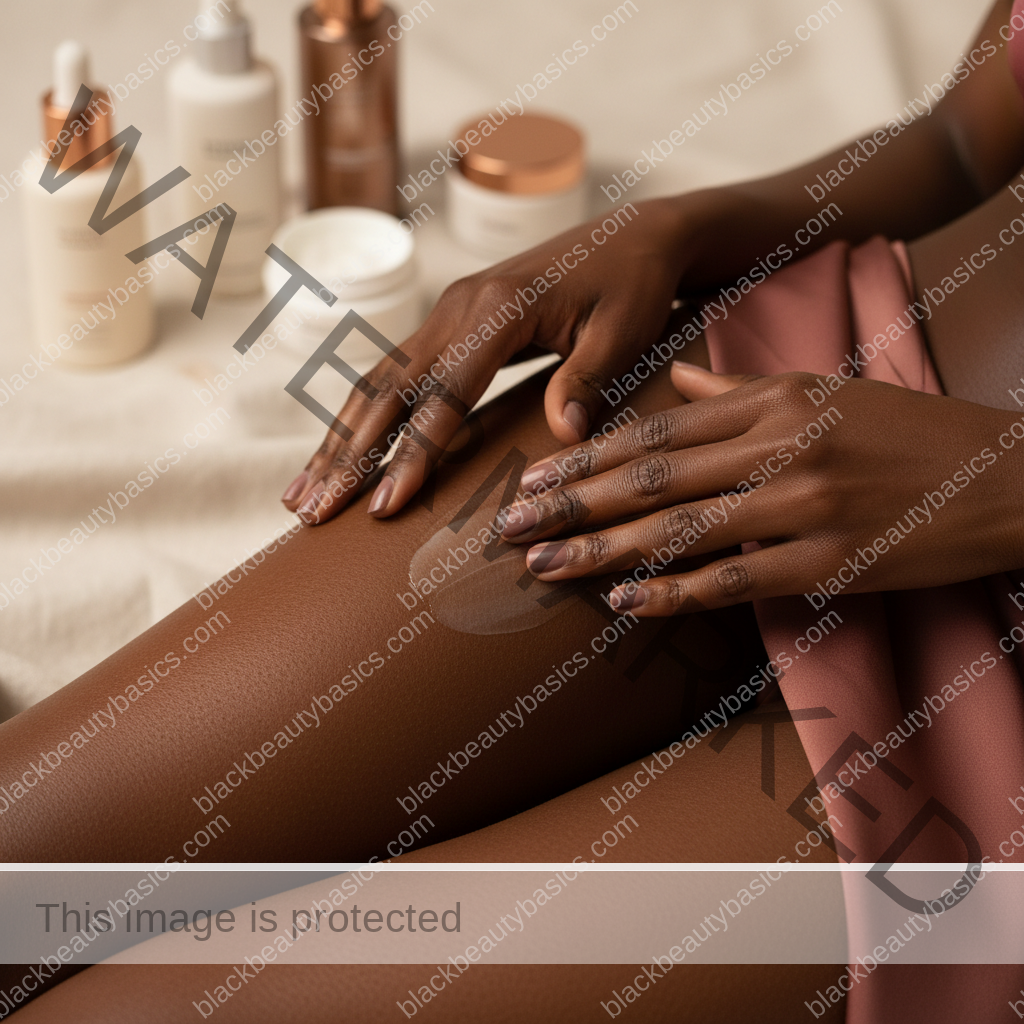
Understanding the Melanin Magic: Why Dark Marks Appear on Our Skin
Our melanin-rich skin is a masterpiece, a testament to resilience and beauty. However, this very richness, while providing natural protection and a stunning glow, also means our skin is more prone to a phenomenon known as Post-Inflammatory Hyperpigmentation (PIH). When our skin experiences trauma – like the micro-abrasions from shaving – it responds by producing extra melanin, leading to those persistent dark spots. It’s not a flaw, but a powerful protective mechanism that sometimes needs a gentle guiding hand.
The bikini line area is particularly susceptible due to several factors:
- Thicker Hair Follicles: Hair in this region tends to be coarser and curlier, increasing the likelihood of ingrown hairs when shaved.
- Friction and Heat: The area is often subject to friction from clothing and can retain heat, exacerbating inflammation.
- Delicate Skin: Despite its resilience, the skin around the bikini line is delicate and can be easily irritated.
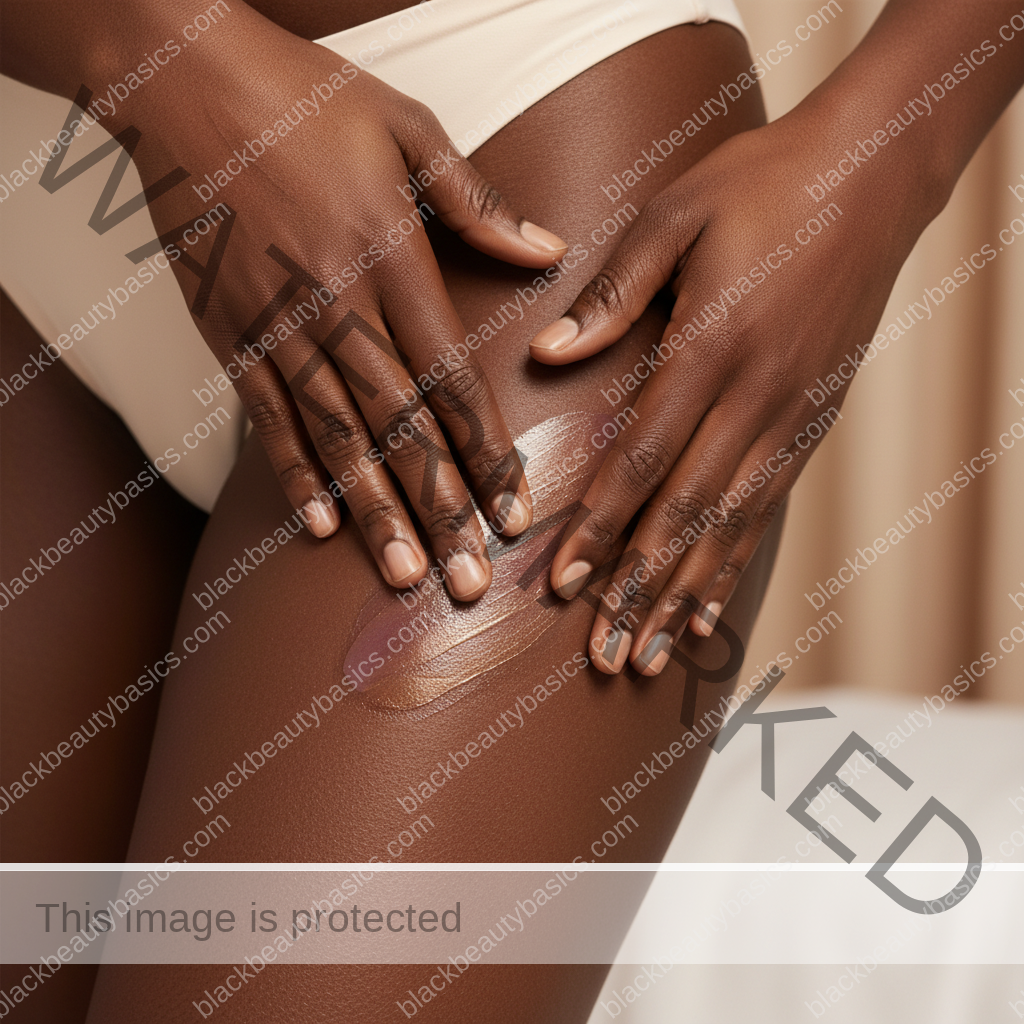
The Science Behind the Shade: Post-Inflammatory Hyperpigmentation (PIH)
PIH is essentially the skin’s memory of an injury. When inflammation occurs, specialized cells called melanocytes go into overdrive, producing an excess of melanin. This melanin then gets deposited in the upper layers of the skin (epidermal PIH) or deeper into the dermis (dermal PIH). For us, with a higher concentration of active melanocytes, this response is more pronounced and the resulting dark marks can be more persistent and deeper in color.
Understanding this process is the first step towards effective treatment. It’s not just about fading the mark, but about calming the inflammation that caused it and preventing future occurrences. This requires a holistic approach that respects our skin’s unique biology.
The Art of Prevention: Minimizing Dark Marks Before They Start
The most effective treatment is always prevention. By refining our hair removal rituals, we can significantly reduce the incidence of irritation and subsequent dark marks. This isn’t just about what products we use, but how we approach the entire process – with intention, care, and a deep understanding of our skin.
Pre-Shave Preparation: Setting the Stage for Smoothness
Think of pre-shave prep as laying the foundation for a masterpiece. It’s crucial for softening hair, opening follicles, and creating a smooth canvas for the razor.
- Exfoliate Gently: 24-48 hours before shaving, use a gentle physical or chemical exfoliant. This removes dead skin cells that can trap hairs and cause ingrowns. Look for products with mild AHAs like lactic acid or fine, rounded beads. Shop Gentle Exfoliating Scrubs on Amazon
- Warm Compress/Shower: A warm shower or bath for at least 5-10 minutes softens both the skin and hair, making it easier for the razor to glide without tugging.
- Cleanse the Area: Use a mild, pH-balanced cleanser to ensure the skin is free of oils and bacteria. Shop pH-Balanced Body Cleansers on Amazon
The Shaving Ritual: Precision and Care
This is where many missteps occur. Elevating your shaving technique from a chore to a ritual can make all the difference.
- Choose the Right Razor: Invest in a sharp, clean razor with multiple blades. A dull razor requires more pressure, leading to irritation and razor burn. Consider a single-blade safety razor for ultimate precision and less tugging. Replace blades frequently – every 3-5 shaves. Shop High-Quality Razors on Amazon
- Use a Quality Shaving Cream/Gel: Never dry shave. A rich, moisturizing shaving cream or gel creates a protective barrier, allowing the razor to glide effortlessly. Look for formulas with soothing ingredients like aloe vera, shea butter, or glycerin. Shop Moisturizing Shaving Creams on Amazon
- Shave with the Grain: While shaving against the grain might give a closer shave, it significantly increases the risk of irritation, ingrown hairs, and subsequent dark marks, especially for coarse, curly hair. Shave in the direction of hair growth. For a closer shave, you can do a second pass across the grain, but never against it.
- Light Pressure, Short Strokes: Let the razor do the work. Applying too much pressure can cause nicks and irritation. Use short, controlled strokes, rinsing the razor frequently to prevent clogging.
Post-Shave Soothing: Calming the Skin
The moments immediately after shaving are critical for preventing inflammation.
- Rinse with Cool Water: This helps to close pores and soothe the skin.
- Apply a Soothing Balm: Immediately follow with a fragrance-free, alcohol-free soothing balm or serum. Ingredients like aloe vera, chamomile, allantoin, and niacinamide are excellent for calming irritation and reducing redness. Shop Post-Shave Soothing Balms on Amazon
- Avoid Tight Clothing: For at least a few hours after shaving, opt for loose, breathable cotton underwear and clothing to prevent friction and allow the skin to breathe.
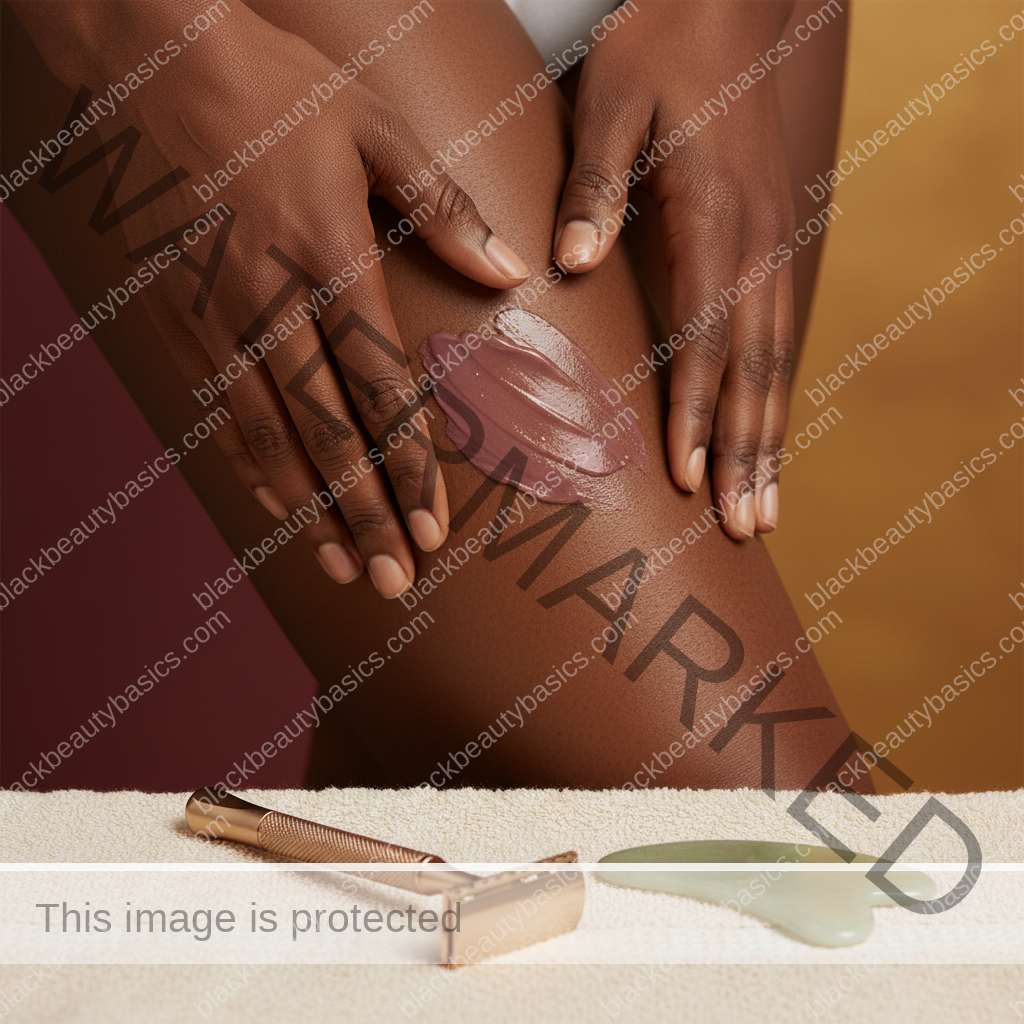
Targeting Dark Marks: Active Ingredients for Luminous Skin
Once dark marks have appeared, a targeted approach with specific active ingredients is necessary to gently and effectively fade them. The key is consistency and patience, understanding that our skin’s healing journey takes time.
The Powerhouse Ingredients for Hyperpigmentation
When selecting products, look for a combination of ingredients that work synergistically to inhibit melanin production, exfoliate gently, and promote cell turnover.
1. Exfoliants: Gently Unveiling Brighter Skin
- Alpha Hydroxy Acids (AHAs): Glycolic acid and lactic acid are excellent for superficial exfoliation, helping to shed pigmented skin cells and improve skin texture. Lactic acid is often preferred for sensitive areas due to its larger molecular size and hydrating properties. Start with lower concentrations (5-10%) and use a few times a week. Shop Lactic Acid Serums on Amazon
- Beta Hydroxy Acids (BHAs): Salicylic acid is oil-soluble, allowing it to penetrate deeper into pores, making it ideal for addressing ingrown hairs and preventing future breakouts that can lead to PIH. It also has anti-inflammatory properties. Shop Salicylic Acid Body Treatments on Amazon
2. Tyrosinase Inhibitors: Halting Melanin Production
These ingredients work by blocking the enzyme (tyrosinase) responsible for melanin synthesis.
- Niacinamide (Vitamin B3): A true multi-tasker, niacinamide reduces inflammation, strengthens the skin barrier, and significantly reduces the transfer of melanin to skin cells. It’s well-tolerated by most skin types and is a must-have for PIH. Shop Niacinamide Body Lotions on Amazon
- Vitamin C (L-Ascorbic Acid and derivatives): A powerful antioxidant that brightens skin, inhibits tyrosinase, and boosts collagen production. Look for stable forms in serums or creams. Shop Vitamin C Body Serums on Amazon
- Kojic Acid: Derived from mushrooms, kojic acid is a potent tyrosinase inhibitor. It’s often found in brightening soaps and creams. Shop Kojic Acid Soaps on Amazon
- Alpha Arbutin: A natural derivative of hydroquinone, alpha arbutin offers similar brightening effects without the potential irritation. Shop Alpha Arbutin Serums on Amazon
- Licorice Root Extract: Contains glabridin, which inhibits tyrosinase, and liquiritin, which helps disperse melanin. It also has anti-inflammatory properties. Shop Licorice Root Extract Skincare on Amazon
3. Retinoids (Retinol/Retinaldehyde): Accelerating Cell Turnover
While often associated with facial anti-aging, retinoids are incredibly effective for PIH. They accelerate cell turnover, bringing new, unpigmented skin cells to the surface faster, and also inhibit tyrosinase. Start with a low concentration and gradually increase frequency to avoid irritation, especially in sensitive areas. Use only at night. Shop Retinol Body Lotions on Amazon
Building Your Treatment Regimen: A Step-by-Step Guide
Consistency is paramount. A simple, yet effective routine will yield the best results.
- Cleanse: Use a gentle, pH-balanced cleanser daily.
- Exfoliate (2-3 times a week): Apply an AHA/BHA toner or serum. Alternatively, use a body wash with these ingredients.
- Target Treatment (Daily, AM and/or PM): Apply a serum or cream containing niacinamide, Vitamin C, alpha arbutin, or kojic acid. If using retinol, apply it at night.
- Moisturize (Daily): Follow with a rich, hydrating moisturizer to support the skin barrier. Look for ceramides, hyaluronic acid, and shea butter. Shop Hydrating Body Moisturizers on Amazon
- Sun Protection (Daily): This is non-negotiable. UV exposure darkens existing marks and triggers new ones. Use a broad-spectrum SPF 30+ daily, even if covered by clothing, as UV rays can penetrate fabric. Shop Mineral Sunscreens for Dark Skin on Amazon
Beyond Shaving: Alternative Hair Removal Methods and Their Impact
While shaving is convenient, it’s not the only option, and for some, it may be the primary culprit for dark marks. Exploring alternative methods can be a game-changer for reducing irritation and PIH.
Comparing Hair Removal Methods for Melanin-Rich Skin
Each method has its pros and cons, especially concerning ingrown hairs and hyperpigmentation. Understanding these differences can help you choose the best path for your skin.
| Method | Pros for Dark Skin | Cons for Dark Skin | PIH Risk Level |
|---|---|---|---|
| Shaving | Quick, inexpensive, accessible. | High risk of razor bumps (pseudofolliculitis barbae) and ingrown hairs, leading to PIH. | High |
| Depilatory Creams | Painless, dissolves hair at the surface, no razor contact. | Can cause chemical burns or irritation if left on too long, strong odor. Patch test crucial. | Medium (if irritation occurs) |
| Waxing/Sugaring | Removes hair from the root, results last longer, hair grows back finer. | Painful, risk of folliculitis, ingrown hairs, and skin lifting/trauma, especially if not done correctly. | Medium to High (if irritation/trauma occurs) |
| Epilation | Removes hair from the root, results last longer. | Painful, can cause ingrown hairs, requires multiple passes. | Medium to High |
| Laser Hair Removal (LHR) | Permanent hair reduction, significantly reduces ingrown hairs and PIH over time. | Requires specialized lasers (Nd:YAG) for dark skin to avoid burns/hyperpigmentation. Can be costly. | Low (if performed by experienced professional with appropriate laser) |
| Electrolysis | Permanent hair removal for all hair and skin types. | Time-consuming, can be painful, requires multiple sessions, risk of scarring if not done by skilled professional. | Low to Medium (if performed by experienced professional) |
Choosing Your Path: Recommendations for Minimizing PIH
For those prone to PIH, a strategic shift in hair removal can be transformative.
- Consider Laser Hair Removal: If budget allows, LHR with an Nd:YAG laser is often the gold standard for long-term hair reduction and significant reduction in ingrown hairs and associated PIH for darker skin tones. Ensure you go to a reputable clinic with experience treating melanin-rich skin.
- Sugaring Over Waxing: Sugaring is often gentler than waxing. The sugar paste adheres only to the hair and dead skin cells, not live skin, reducing trauma. It’s also removed in the direction of hair growth, further minimizing ingrowns.
- Depilatory Creams with Caution: If using depilatories, always perform a patch test first. Look for formulas designed for sensitive skin and follow instructions precisely to avoid chemical burns.
- Trimming: For those who don’t need a completely bare look, simply trimming the hair can be a great way to maintain neatness without any risk of ingrowns or PIH.
Lifestyle and Holistic Care: Nurturing Your Skin from Within
The journey to clear, even-toned skin extends beyond topical treatments. Our lifestyle choices play a significant role in skin health and its ability to heal and regenerate.
The Inner Glow: Nutrition and Hydration
- Antioxidant-Rich Diet: Incorporate plenty of fruits and vegetables, especially those high in Vitamin C and E, which protect skin cells from damage and support healing. Berries, leafy greens, and citrus fruits are excellent choices.
- Omega-3 Fatty Acids: Found in fatty fish, flaxseeds, and walnuts, omega-3s are powerful anti-inflammatory agents that can help calm irritated skin. Shop Omega-3 Supplements on Amazon
- Stay Hydrated: Drinking plenty of water is fundamental for healthy skin barrier function and overall skin vitality.
Mindful Movement and Stress Reduction
- Reduce Friction: Opt for loose-fitting, breathable fabrics, especially cotton, to minimize friction on the bikini line.
- Manage Stress: Stress can trigger inflammatory responses in the body, which can exacerbate skin conditions, including PIH. Incorporate stress-reducing practices like meditation, yoga, or deep breathing into your routine.
- Adequate Sleep: Quality sleep is when our bodies, including our skin, repair and regenerate. Aim for 7-9 hours of restful sleep each night.
Patience and Persistence: The True Elixir
Fading dark marks, especially PIH, is a marathon, not a sprint. Melanin production and turnover cycles take time. Expect to see noticeable improvements over several weeks to months, not days. Consistency with your chosen regimen and a gentle approach are far more effective than aggressive, short-term solutions that can further irritate the skin.
Do’s and Don’ts for Treating Dark Marks
| DO’S | DON’TS |
|---|---|
| DO use gentle exfoliants (AHAs/BHAs) 2-3 times a week. | DON’T pick or scratch at ingrown hairs or dark spots. |
| DO apply soothing and brightening ingredients daily (Niacinamide, Vitamin C, Alpha Arbutin). | DON’T use harsh physical scrubs or loofahs on irritated skin. |
| DO moisturize generously to support skin barrier. | DON’T skip daily sun protection, even indoors or under clothing. |
| DO shave with the grain using a sharp, clean razor. | DON’T dry shave or use dull razors. |
| DO consider alternative hair removal methods like LHR or sugaring. | DON’T expect immediate results; consistency is key. |
| DO wear loose, breathable clothing. | DON’T ignore persistent irritation or worsening marks; consult a dermatologist. |
When to Seek Professional Guidance: Your Skin’s Allies
While home care can be incredibly effective, there are times when the expertise of a board-certified dermatologist, particularly one experienced with melanin-rich skin, is invaluable. They can offer stronger treatments and personalized advice.
Dermatological Treatments for Stubborn PIH
- Prescription-Strength Retinoids: Tretinoin (Retin-A) is more potent than over-the-counter retinol and can significantly accelerate cell turnover and melanin dispersion.
- Hydroquinone: A powerful skin-lightening agent that inhibits tyrosinase. It’s often prescribed in concentrations of 2-4% and used under strict medical supervision due to potential side effects with prolonged use.
- Chemical Peels: Superficial peels with higher concentrations of AHAs (e.g., glycolic, lactic) or BHAs (salicylic) can be performed by a professional to exfoliate pigmented layers more effectively.
- Laser Treatments: In addition to hair removal, certain lasers (like Q-switched Nd:YAG or PicoSure) can target and break down melanin deposits more precisely, but require careful selection and experienced practitioners for dark skin to avoid adverse effects.
Always disclose your full skin history and concerns to your dermatologist. They are your partners in achieving your skin goals, ensuring treatments are safe and effective for your unique complexion.
How to build the routine around what your skin is actually telling you
For Black women and people with richly melanated skin, body care is rarely just about feeling smooth for one day. The larger goal is comfort, less irritation, fewer preventable bumps, and fewer marks left behind after friction, shaving, dryness, or inflammation. This guide focuses on calming irritation, preventing new bumps, protecting the barrier, and fading bikini-line marks without harsh lightening pressure, while keeping the correct body-care cluster as the home base.
The first step is to stop treating every body concern as a need for stronger products. Dryness may need better moisture timing. Bumps may need less pressure and less friction. Texture may need gentle exfoliation, not daily scrubbing. Dark marks may need the irritation cycle to calm down before any brightening step can make sense. When the routine starts with the real cause, the skin has less to recover from.
This is also where tone matters. A body-care routine should never imply that lighter, perfectly even, poreless skin is the goal. Rich brown skin can have texture, deeper areas, stretch, folds, hair, and changing tone. The goal is not to erase your body. The goal is to care for it in a way that feels steady, respectful, and repeatable.
A practical checkpoint before you add anything new
- Notice whether the issue is dryness, friction, bumps, hair removal, sweat, or product residue.
- Keep the routine simple enough to repeat for several weeks.
- Add only one new treatment step at a time so irritation is easier to trace.
- Use moisture and barrier support as the default, not as an afterthought.
- Pause any step that causes burning, rawness, swelling, or new persistent dark marks.
What usually makes this worse
The biggest mistake is trying to force a fast result. Whether you are dealing with ashiness, bumps, shaving irritation, or dark marks, pushing harder usually creates more inflammation. Melanin-rich skin can respond to that inflammation with marks that last longer than the original problem. That is why slow, boring consistency is often more protective than a dramatic reset.
Another common issue is mixing too many strong steps in the same week. A harsh scrub, an exfoliating acid, shaving, fragrance, tight clothing, and a drying cleanser can all overlap. Each step may seem small by itself, but together they can leave body skin tender and reactive. When that happens, simplify before you intensify.
Finally, do not ignore friction. Waistbands, sports bras, underwear seams, leggings, deodorant, shaving direction, towels, and even how quickly you moisturize after a shower can change how the skin behaves. If friction is part of the pattern, product alone will not carry the whole routine.
What to do next
Keep this article connected to the Body Care & Hair Removal on Dark Skin system. The most useful next read depends on whether your main issue is moisture, exfoliation, shaving, ingrowns, or post-shave dark marks.
- Body Care & Hair Removal on Dark Skin
- The related body-care cluster guide
- pre- and post-hair removal care
- bikini-line shaving routine
- prevent ingrown hairs after shaving
Frequently Asked Questions About Bikini Line Dark Marks
Q1: How long does it take for dark marks to fade on the bikini line?
A1: The fading process varies greatly depending on the depth and severity of the marks, your skin’s natural healing rate, and the consistency of your treatment regimen. Superficial marks (epidermal PIH) may begin to fade within 6-12 weeks, while deeper marks (dermal PIH) can take 6-12 months, or even longer, to fully resolve. Patience and consistent application of brightening and exfoliating ingredients, along with diligent sun protection, are crucial.
Q2: Can I use facial products for dark marks on my bikini line?
A2: Yes, many facial products containing active ingredients like niacinamide, Vitamin C, AHAs, BHAs, and retinol can be safely and effectively used on the bikini line. In fact, facial-grade products are often formulated with higher quality ingredients and better delivery systems. However, always perform a patch test first, especially if the product is potent, as the skin on the bikini line can be sensitive. Avoid heavily fragranced products.
Q3: Is exfoliating daily too much for the bikini line?
A3: For most people, daily exfoliation on the bikini line is too aggressive and can lead to irritation, compromising the skin barrier, and potentially worsening dark marks. It’s generally recommended to exfoliate 2-3 times a week, especially when using chemical exfoliants like AHAs or BHAs. Listen to your skin – if you notice redness, dryness, or increased sensitivity, reduce the frequency.
Q4: What’s the best way to prevent ingrown hairs that lead to dark marks?
A4: Prevention is key! Start with proper pre-shave prep: exfoliate gently 24-48 hours before, and soften hair with warm water. During shaving, use a sharp, clean razor and shave with the grain. Post-shave, apply a soothing balm and avoid tight clothing. Incorporating products with salicylic acid can also help keep follicles clear. For persistent issues, consider alternative hair removal methods like laser hair removal or sugaring.
Q5: Can sun exposure make bikini line dark marks worse?
A5: Absolutely. Sun exposure is one of the biggest culprits for worsening hyperpigmentation. UV radiation stimulates melanocytes to produce even more melanin, making existing dark marks darker and more stubborn, and also triggering new ones. Always apply a broad-spectrum sunscreen with SPF 30 or higher to the area, even if you think it’s covered by clothing, as UV rays can penetrate fabrics.
Q6: Are natural remedies effective for fading dark marks?
A6: Some natural ingredients like licorice root extract, turmeric, and aloe vera have anti-inflammatory and brightening properties. However, their efficacy can be less consistent and potent compared to scientifically formulated skincare ingredients. While they can be a gentle addition to a routine for maintenance or mild marks, for significant or stubborn hyperpigmentation, a regimen incorporating proven active ingredients is generally more effective. Always be cautious with DIY remedies and patch test to avoid irritation.
Q7: When should I see a dermatologist for bikini line dark marks?
A7: You should consider seeing a dermatologist if your dark marks are persistent, worsening, or causing significant distress despite consistent home treatment. Also, consult a professional if you experience frequent painful ingrown hairs, signs of infection, or if you’re interested in prescription-strength treatments like hydroquinone or professional chemical peels and laser therapies. A dermatologist can accurately diagnose the cause of your marks and recommend the most effective and safest treatment plan for your skin type.
A8: While diet doesn’t directly cause or cure dark marks, a healthy diet rich in antioxidants (from fruits and vegetables), anti-inflammatory omega-3 fatty acids, and adequate hydration can support overall skin health and its ability to heal. Conversely, a diet high in processed foods and sugars can contribute to inflammation, which might indirectly exacerbate skin conditions. A balanced diet supports your skin’s natural resilience and healing processes.

Our skin tells a story, and every mark, every triumph, is a part of our unique narrative. By embracing knowledge, choosing intentional care, and celebrating the strength and beauty of our melanin, we empower ourselves to glow with confidence, from head to toe. This journey isn’t just about clearer skin; it’s about deeper self-love and the radiant affirmation of who we are.
Related next steps
Related posts:
 Dark Inner Thighs and Bikini Line: What Really Works on Dark Skin
 Bikini-Line Shaving Routine for Melanin-Rich Skin
 Shaving the Bikini Line on Dark Skin: Step‑by‑Step for Fewer Razor Bumps
 Dark Spots After Ingrown Hairs on the Bikini Line
 Bikini-Line and Intimate Shaving for PIH-Prone Skin: A Gentle Approach for Melanin-Rich Skin
 Preventing and Treating Razor Bumps on the Face, Underarms, and Bikini Line for Black Women