
Our melanin-rich skin, a tapestry of resilience and radiance, deserves nothing less than exquisite care. Yet, sometimes, even the most luminous complexions can encounter challenges like “strawberry skin” – a common concern that, while harmless, can leave us feeling less than our most confident selves. Fear not, for this is not a journey of imperfection, but an empowering guide to understanding, nurturing, and ultimately, celebrating every inch of your magnificent body. Start with the related BBB body-care cluster guide if you want the broader map.
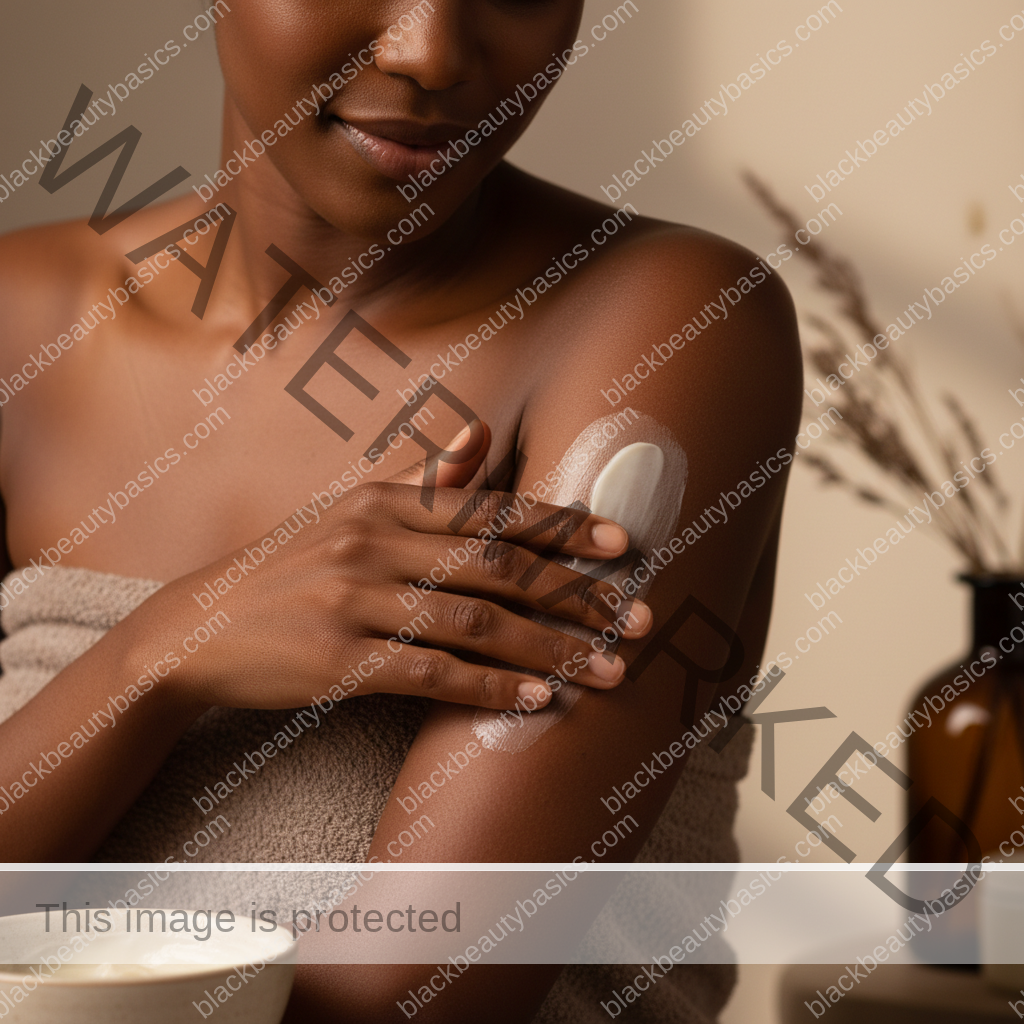
At Black Beauty Basics, we believe in equipping you with the knowledge and tools to unveil your most radiant self, embracing the unique beauty that is inherently yours. Join us as we demystify “strawberry skin” on dark tones and craft a luxurious, effective body routine tailored to restore your skin’s silken smoothness and unparalleled glow.
Understanding Strawberry Skin: A Melanin-Centric Perspective
Before we dive into solutions, let’s intimately understand what “strawberry skin” truly is, especially through the lens of melanin-rich complexions. Often characterized by tiny, dark dots resembling the seeds of a strawberry, this phenomenon is primarily a manifestation of two common skin conditions: Keratosis Pilaris (KP) and clogged pores (often post-shaving or waxing). For women of color, these conditions can present unique considerations, including a higher propensity for post-inflammatory hyperpigmentation (PIH) if not managed with care.
What is Keratosis Pilaris (KP)?
Keratosis Pilaris, affectionately known as “chicken skin,” is a benign and very common skin condition where tiny bumps appear on the skin, often on the upper arms, thighs, buttocks, and sometimes the face. These bumps are essentially plugs of dead skin cells and keratin (a protein that makes up skin, hair, and nails) that get trapped in the hair follicles. Instead of shedding normally, the keratin forms a plug, leading to small, rough, sometimes red or brown bumps.
For darker skin tones, KP bumps can appear darker than the surrounding skin, often manifesting as hyperpigmented spots rather than red ones, which can be more noticeable and contribute significantly to the “strawberry skin” appearance. The key here is gentle exfoliation and consistent hydration to loosen these plugs and encourage healthy cell turnover without triggering PIH.
Clogged Pores and Ingrown Hairs
Another major contributor to “strawberry skin,” particularly on the legs, is the presence of clogged pores and ingrown hairs, often exacerbated by hair removal methods like shaving or waxing. When hair is removed, especially if done improperly or with dull tools, the hair follicle can become irritated. New hair growth can then curl back into the skin or grow sideways under the skin, leading to red, inflamed bumps, sometimes with a dark center (the trapped hair).
For melanin-rich skin, ingrown hairs and the inflammation they cause are significant triggers for post-inflammatory hyperpigmentation (PIH). These dark spots can linger long after the bump has healed, making the “strawberry skin” appearance more pronounced and persistent. Our approach must therefore prioritize gentle hair removal, soothing ingredients, and strategic exfoliation to prevent these occurrences and fade existing marks.
The Black Beauty Basics Philosophy for Smooth Skin
Our philosophy is rooted in gentle efficacy, celebrating your skin’s natural resilience while addressing its unique needs. For “strawberry skin” on dark tones, this means a multi-faceted approach that combines thoughtful exfoliation, deep hydration, and protective measures, all designed to prevent irritation and hyperpigmentation. We aim not for perfection, but for healthy, luminous skin that feels as good as it looks.
Key Principles for Melanin-Rich Skin
- Gentle is Gold: Aggressive scrubbing or harsh chemicals can strip the skin’s barrier, leading to irritation and increased risk of PIH. Our methods prioritize gentle yet effective ingredients.
- Hydration is Foundation: Well-hydrated skin is more supple, resilient, and better able to shed dead skin cells naturally. It also helps prevent ingrown hairs.
- Prevention is Power: Proactive steps, especially around hair removal, are crucial to minimize bumps and subsequent dark spots.
- Patience and Consistency: Skin transformation is a journey, not a sprint. Regular, mindful care yields the most beautiful results.
- Celebrate Your Glow: Ultimately, this routine is about enhancing your natural radiance, not conforming to an unattainable ideal.
Crafting Your Luxurious Body Routine: Step-by-Step
Building an effective body routine for strawberry skin on dark tones involves a harmonious blend of cleansing, exfoliation, treatment, and moisturization. Each step is carefully selected to address the core issues while nurturing your skin’s health and vibrancy.
Step 1: The Art of Gentle Cleansing (Daily)
Your journey to smoother skin begins in the shower. Opt for a hydrating, non-stripping body wash that cleanses without disrupting your skin’s delicate moisture barrier. Avoid harsh soaps with sulfates, which can exacerbate dryness and irritation.
Recommended Ingredients:
- Glycerin: A powerful humectant that draws moisture into the skin.
- Ceramides: Help restore and maintain the skin’s natural barrier.
- Oat Extract/Colloidal Oatmeal: Soothes and calms irritated skin.
- Hyaluronic Acid: Provides intense hydration.
Application Technique:
Use your hands or a soft washcloth to gently cleanse your skin. Avoid abrasive loofahs or brushes in this step, as they can cause micro-tears and irritation, especially if you have active bumps or ingrowns.
Shop Hydrating Body Washes on Amazon
Step 2: Thoughtful Exfoliation (2-3 Times Per Week)
Exfoliation is paramount for addressing both KP and clogged pores, but it must be done with utmost care on melanin-rich skin to prevent PIH. We advocate for a balanced approach combining chemical and gentle physical exfoliation.
Chemical Exfoliants: Your Allies
Alpha Hydroxy Acids (AHAs) and Beta Hydroxy Acids (BHAs) are your best friends here. They work by dissolving the bonds between dead skin cells, allowing them to shed more effectively, thus preventing follicular plugs and smoothing texture.
- Glycolic Acid: An AHA that helps to dissolve dead skin cells and improve skin texture. Start with lower concentrations (5-10%) in lotions or washes.
- Lactic Acid: A gentler AHA, also excellent for hydration. Ideal for sensitive skin.
- Salicylic Acid (BHA): Oil-soluble, meaning it can penetrate into the pores to dissolve sebum and dead skin cells, making it particularly effective for clogged pores and ingrown hairs. Look for it in body washes, lotions, or serums.
Gentle Physical Exfoliation: When and How
If you choose to incorporate physical exfoliation, ensure it’s extremely gentle. A soft exfoliating glove or a sugar scrub with fine particles can be used, but only 1-2 times a week and with light pressure. Avoid harsh scrubs with large, jagged particles like nut shells, which can create micro-tears.
Application Technique:
After cleansing, apply your chemical exfoliant (lotion, serum, or body wash) to the affected areas. If using a physical scrub, apply to damp skin in circular motions, then rinse thoroughly. Always follow with hydration.
Shop AHA/BHA Body Lotions on Amazon
Step 3: Strategic Hair Removal (As Needed)
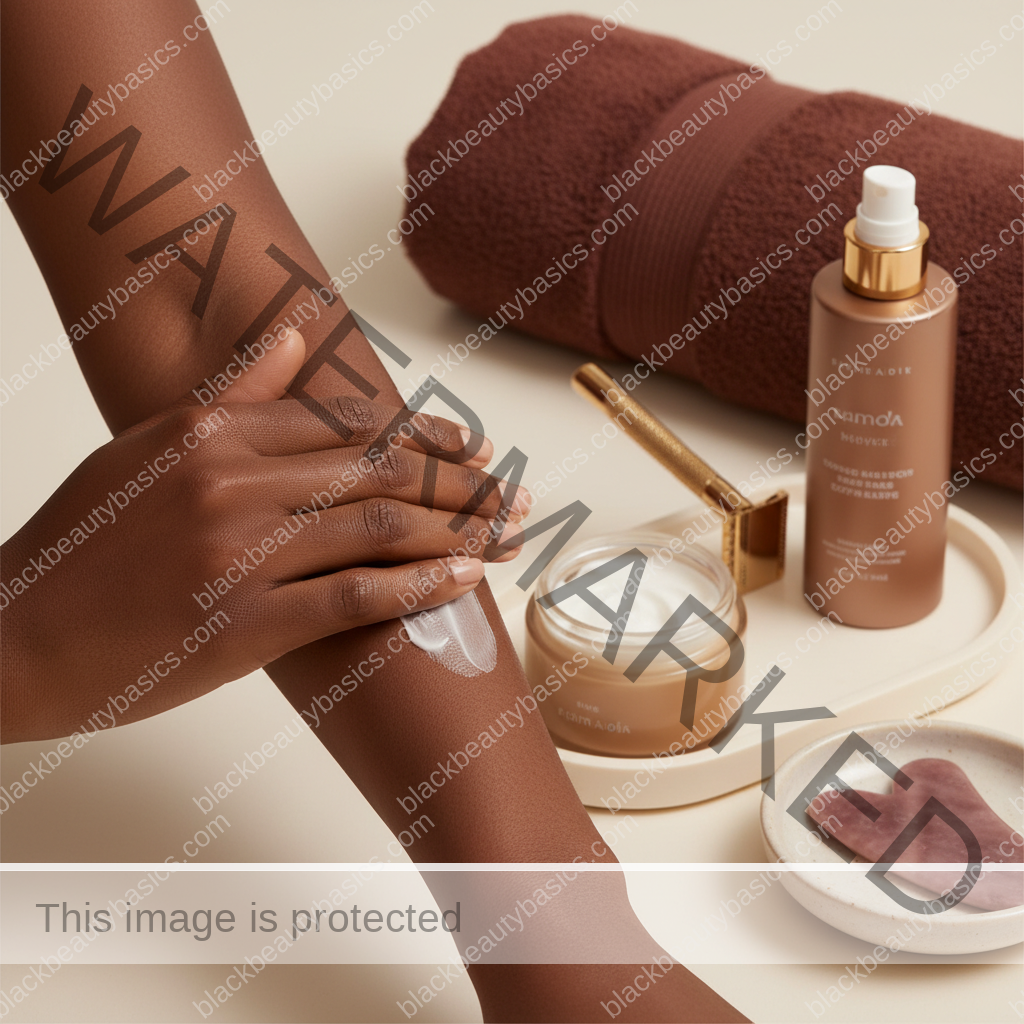
For many, hair removal is a primary cause of “strawberry skin” on the legs. Adopting mindful techniques is crucial to prevent ingrown hairs and irritation.
Shaving: The Art of Precision
- Exfoliate First: A gentle exfoliation before shaving helps lift hairs and prevent clogging.
- Use a Sharp Razor: A dull blade can tug at hairs, increasing irritation and ingrowns. Replace blades frequently (every 5-7 shaves).
- Shave with the Grain: Shaving against the grain provides a closer shave but significantly increases the risk of irritation and ingrowns. Shaving with the grain, or across the grain, is gentler.
- Hydrating Shaving Cream/Gel: Never dry shave. Use a rich, moisturizing shaving cream to create a protective barrier.
- Rinse Razor Frequently: Keep the blade clear of hair and cream.
- Cold Rinse: Finish with a cold rinse to close pores.
Waxing/Sugaring: Professional Care
If you prefer waxing or sugaring, seek out experienced professionals who understand how to treat melanin-rich skin. Ensure proper pre- and post-care to minimize irritation and ingrowns.
Hair Removal Creams (Depilatories): Patch Test is Key
These can be an option for some, but always perform a patch test first, as they can be irritating. Look for formulas designed for sensitive skin.
Laser Hair Removal: A Long-Term Solution
For a more permanent reduction in hair and a significant decrease in ingrowns, laser hair removal can be transformative. It’s crucial to choose a clinic with lasers (like Nd:YAG) specifically designed and safe for darker skin tones to prevent burns and hyperpigmentation.
Shop Hydrating Shaving Creams on Amazon
Step 4: Deep Hydration and Barrier Support (Daily)
Moisturization is non-negotiable. It locks in moisture, supports the skin barrier, and helps the skin remain supple, making it less prone to follicular blockages and irritation. This step is especially critical after exfoliation and hair removal.
Recommended Ingredients:
- Ceramides: Essential for repairing and maintaining the skin’s barrier.
- Hyaluronic Acid: Draws and holds moisture in the skin.
- Shea Butter/Cocoa Butter: Rich emollients that provide deep nourishment.
- Glycerin: A humectant that helps skin retain moisture.
- Urea: A humectant and mild exfoliant that helps soften rough skin.
- Niacinamide (Vitamin B3): Anti-inflammatory, helps improve skin barrier function, and can reduce hyperpigmentation.
Application Technique:
Apply your chosen moisturizer generously to slightly damp skin immediately after showering or bathing to lock in moisture. Pay extra attention to areas prone to “strawberry skin.”
Shop Ceramide-Rich Body Lotions on Amazon
Step 5: Targeted Treatment for Hyperpigmentation (Daily/As Needed)
If you have existing dark spots from past ingrowns or KP, incorporating targeted treatments can help fade them and even out your skin tone. This step requires consistency and patience.
Recommended Ingredients:
- Niacinamide: As mentioned, it helps reduce inflammation and fade hyperpigmentation.
- Vitamin C: A powerful antioxidant that brightens skin and inhibits melanin production.
- Alpha Arbutin: A gentler alternative to hydroquinone for brightening dark spots.
- Kojic Acid: Helps to lighten hyperpigmentation by inhibiting melanin production.
- Licorice Root Extract: Soothes skin and has brightening properties.
Application Technique:
Apply a serum or cream containing these ingredients to specific dark spots after moisturizing. Remember, consistency is key for visible results.
Shop Hyperpigmentation Body Serums on Amazon
Your Weekly Routine at a Glance
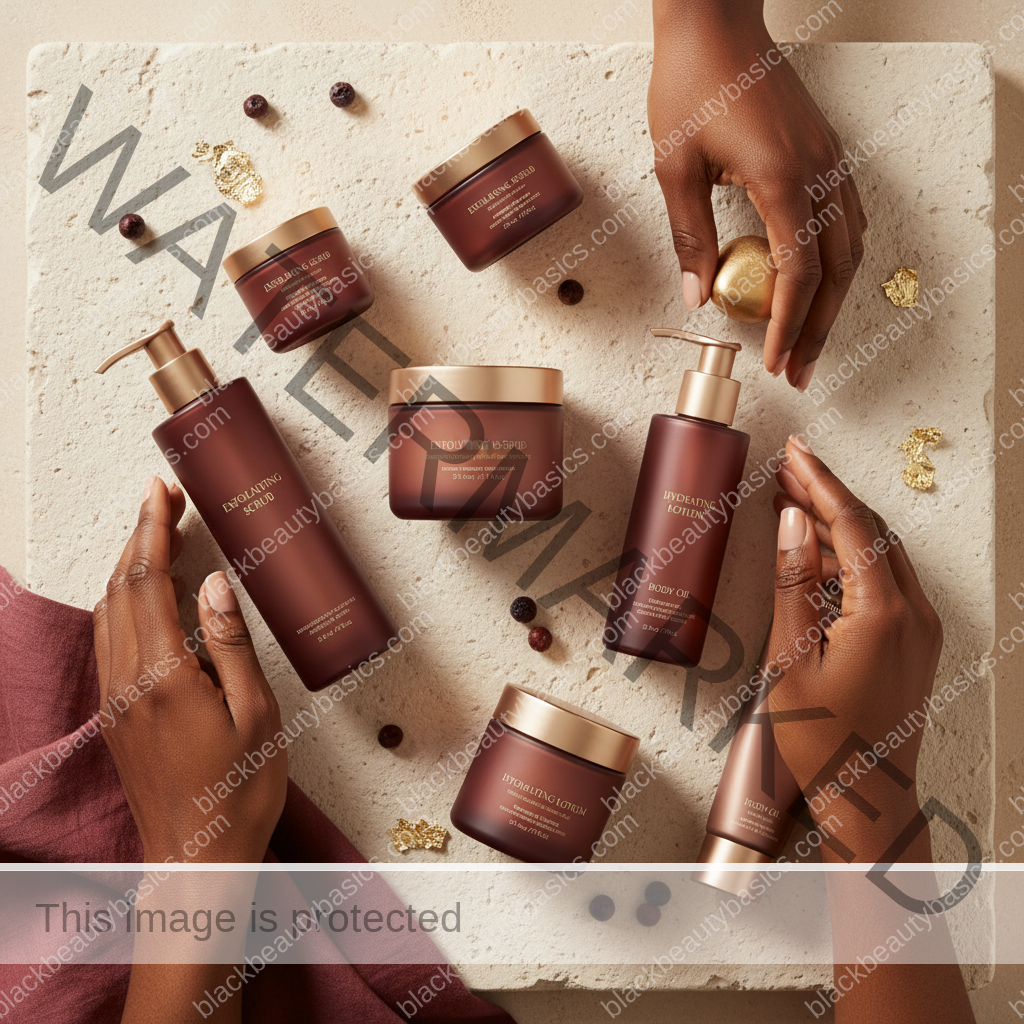
Here’s a sample weekly schedule to integrate these steps seamlessly into your life, ensuring consistency without overwhelming your skin.
Comparison Table: Daily vs. Weekly Routine Elements
| Routine Element | Frequency | Key Actions | Recommended Products |
|---|---|---|---|
| Gentle Cleansing | Daily (AM/PM) | Wash with a hydrating, non-stripping body wash. | Hydrating body wash with glycerin, ceramides, or oat extract. |
| Deep Hydration | Daily (AM/PM) | Apply rich moisturizer to damp skin. | Ceramide-rich body lotion, shea butter, hyaluronic acid cream. |
| Chemical Exfoliation | 2-3 times/week | Apply AHA/BHA lotion or use an exfoliating body wash. | Lotion with Glycolic, Lactic, or Salicylic Acid (5-10%). |
| Gentle Physical Exfoliation | 1-2 times/week (optional) | Use a soft glove or fine sugar scrub with light pressure. | Fine grain sugar scrub, soft exfoliating mitt. |
| Targeted Treatment | Daily (PM) | Apply brightening serum/cream to dark spots. | Niacinamide, Vitamin C, Alpha Arbutin, Kojic Acid serum. |
| Strategic Hair Removal | As needed | Follow gentle shaving/waxing techniques. | Sharp razor, hydrating shave cream, post-shave balm. |
Lifestyle Enhancements for Radiant Skin
Beyond topical treatments, holistic well-being plays a pivotal role in skin health. Integrating these lifestyle tips will amplify your routine’s effectiveness and nurture your overall glow.
Hydration from Within: Drink Water
Adequate water intake is fundamental for healthy skin. It helps maintain skin elasticity, supports cell function, and aids in detoxification, all of which contribute to clearer, smoother skin. Aim for at least 8 glasses of water daily.
Nutrient-Rich Diet: Fuel Your Glow
A diet rich in antioxidants, vitamins, and healthy fats supports skin health from the inside out. Incorporate plenty of fruits, vegetables, lean proteins, and omega-3 fatty acids (found in fish, flaxseeds, walnuts) to reduce inflammation and promote cell regeneration.
Stress Management: The Silent Skin Saboteur
Stress can trigger inflammation and exacerbate various skin conditions, including KP. Practices like meditation, yoga, deep breathing, or simply taking time for self-care can significantly improve your skin’s appearance and your overall well-being.
Sun Protection: Your Melanin’s Best Friend
While melanin provides some natural protection, it doesn’t make us immune to sun damage. UV exposure can worsen hyperpigmentation and compromise skin barrier function. Always apply a broad-spectrum sunscreen with SPF 30 or higher, even on cloudy days, paying special attention to areas prone to dark spots.
Shop Mineral Sunscreens for Dark Skin on Amazon
Advanced Tips for Stubborn Strawberry Skin
For those times when your skin needs a little extra love, consider these advanced interventions.
Professional Treatments: When to Seek Expert Help
If your “strawberry skin” persists despite consistent home care, a dermatologist specializing in skin of color can offer advanced solutions:
- Chemical Peels: Superficial peels with AHAs or BHAs can be performed by a professional to deeply exfoliate and improve texture and tone.
- Microdermabrasion: A gentle physical exfoliation that can help smooth skin texture.
- Prescription Topicals: Stronger retinoids or corticosteroids may be prescribed for severe KP or inflammation.
- Laser Treatments: As mentioned for hair removal, certain lasers can also target hyperpigmentation and improve skin texture.
The Power of Occlusives: “Slugging” for the Body
For intensely dry or rough patches, consider “body slugging.” After applying your moisturizer, layer a thin coat of an occlusive balm (like petroleum jelly or a rich body butter) over the area. This creates a barrier that locks in moisture and enhances product absorption, leading to incredibly soft skin overnight. Do this 1-2 times a week on targeted areas.
Shop Occlusive Body Balms on Amazon
Tip List: Quick Fixes & Preventative Measures
- Lukewarm Showers: Hot water can strip natural oils, leading to dryness. Opt for lukewarm instead.
- Pat Dry: Instead of vigorously rubbing your skin with a towel, gently pat it dry to retain some moisture.
- Loose Clothing: Tight clothing can cause friction and exacerbate KP and ingrown hairs, especially after hair removal.
- Change Razor Blades Regularly: A dull blade is a recipe for irritation and ingrowns.
- Moisturize Immediately: The “golden window” for moisturizing is within 3 minutes of stepping out of the shower.
- Pillowcase & Sheet Hygiene: Regularly change and wash your sheets and pillowcases to reduce bacteria and dead skin cell buildup.
FAQ: Your Most Pressing Questions Answered
Q1: Is “strawberry skin” permanent on dark tones?
A: While Keratosis Pilaris (KP) is a genetic condition that can be chronic, its appearance can be significantly managed and improved with a consistent and appropriate skincare routine. The dark spots associated with “strawberry skin” (post-inflammatory hyperpigmentation) can also be faded over time with targeted treatments and diligent sun protection. With the right care, you can achieve much smoother, clearer skin, though complete eradication of KP bumps might not always be possible.
Q2: Can I use physical scrubs if I have strawberry skin?
A: Yes, but with extreme caution and moderation. For melanin-rich skin, aggressive physical exfoliation can cause micro-tears, irritation, and trigger post-inflammatory hyperpigmentation (PIH). If you choose to use a physical scrub, opt for one with very fine, spherical particles (like sugar or jojoba beads) and use it no more than 1-2 times a week with very light pressure. Chemical exfoliants (AHAs/BHAs) are generally a safer and more effective option for “strawberry skin” on dark tones.
Q3: How long does it take to see results from this routine?
A: Skin transformation is a journey that requires patience and consistency. You might start to notice improvements in skin texture and smoothness within 4-6 weeks of consistent use. Fading of hyperpigmentation (dark spots) can take longer, typically 2-3 months or even more, depending on the severity and how long the spots have been present. Adherence to the routine, including sun protection, is key to seeing and maintaining results.
Q4: What’s the best way to prevent ingrown hairs on my legs?
A: Preventing ingrown hairs involves a multi-pronged approach:
- Exfoliate regularly: Use a gentle AHA/BHA lotion or wash 2-3 times a week to keep follicles clear.
- Shave properly: Use a sharp, clean razor, a hydrating shaving cream, and shave with (or across) the grain.
- Moisturize daily: Keep skin supple so hair can grow out easily.
- Consider alternatives: Laser hair removal is highly effective for reducing ingrowns long-term.
Avoid picking at ingrowns, as this can lead to infection and hyperpigmentation.
Q5: Are there specific ingredients I should avoid if I have strawberry skin and dark tones?
A: Yes, certain ingredients and practices can exacerbate “strawberry skin” and increase the risk of hyperpigmentation on dark tones:
- Harsh physical scrubs: Avoid scrubs with large, jagged particles (e.g., apricot pits, walnut shells).
- Drying alcohols: Can strip the skin’s moisture barrier.
- Strong fragrances/dyes: Can be irritating for sensitive skin.
- Sulphates: In body washes, can be overly stripping.
- Dull razors: Lead to tugging and irritation during shaving.
- Over-exfoliation: Too much of a good thing can damage the skin barrier and cause inflammation.
Q6: Can diet impact strawberry skin?
A: While diet isn’t a direct cause or cure for “strawberry skin” (especially Keratosis Pilaris, which is genetic), a healthy diet can support overall skin health and potentially reduce inflammation. Consuming foods rich in antioxidants, omega-3 fatty acids, and vitamins (like Vitamin A and C) can promote skin cell turnover and repair. Conversely, a diet high in processed foods, sugar, and inflammatory ingredients might exacerbate skin issues for some individuals. Maintaining good hydration is also crucial for skin suppleness.
Q7: Is sunscreen necessary on my body, even if I have dark skin?
A: Absolutely! Sunscreen is non-negotiable for everyone, regardless of skin tone. While melanin provides some natural protection, it does not block all harmful UV rays. For dark skin, sun exposure can worsen existing hyperpigmentation (dark spots from KP or ingrowns) and trigger new ones. It also contributes to premature aging and increases the risk of skin cancer. Use a broad-spectrum sunscreen with SPF 30 or higher daily on exposed body parts, especially if you’re actively treating hyperpigmentation.
Your skin, a testament to your heritage and strength, deserves to be cherished and celebrated. By embracing this thoughtful, luxurious body routine, you’re not just addressing “strawberry skin”; you’re investing in the health, radiance, and confidence that emanates from within. Remember, every bump, every curve, every shade tells a story of exquisite beauty. With Black Beauty Basics as your guide, step forward with the assurance that your skin, cared for with precision and pride, will always reflect the magnificent woman you are.
How to think through this body-care concern without overcorrecting
For Black women and people with richly melanated skin, body care works best when it starts with the real pattern. This guide focuses on building a body routine for visible follicles and rough texture without over-scrubbing deep skin, while keeping the related BBB body-care cluster as the home base. The goal is not a perfectly poreless or one-shade body. The goal is comfort, less irritation, fewer preventable marks, and a routine you can repeat.
The most protective first move is usually to reduce the thing that keeps restarting the problem. That may be friction, pressure, fragrance, shaving too closely, exfoliating too often, skipping moisture, or exposing fresh marks to daylight without protection. Products can help, but they work better when the routine stops creating new irritation every week.
Melanin-rich skin can hold onto evidence of irritation. A bump, nick, rash, or raw patch may fade slowly, especially on areas that rub against clothing or get shaved often. That does not mean your skin is doing something wrong. It means the routine needs to respect inflammation, barrier support, and time.
A gentler decision framework
- Name the main issue before adding a new product.
- Reduce friction and pressure where you can.
- Keep moisture steady, especially after cleansing or hair removal.
- Use exfoliation as a measured tool, not a daily punishment.
- Seek professional care for painful, spreading, infected-looking, or scar-forming concerns.
What usually makes this harder
One common mistake is stacking too many corrective steps. Shaving, scrubbing, acids, fragrance, tight clothing, and sweat can pile up quickly. When the skin starts to sting, burn, peel, or mark more easily, simplify the routine instead of adding another active.
Another mistake is treating darker areas as if they are dirty. Knees, elbows, underarms, thighs, bikini lines, and areas with hair removal can all be deeper in tone. Care can help with comfort and irritation, but the language matters. The goal is not to bleach your body into sameness.
The third issue is judging too fast. Body skin often needs several weeks of less irritation before it looks calmer. Track comfort first: less itching, less tenderness, fewer bumps, and less rawness. Visible tone changes usually follow after the irritation cycle quiets down.
What to do next
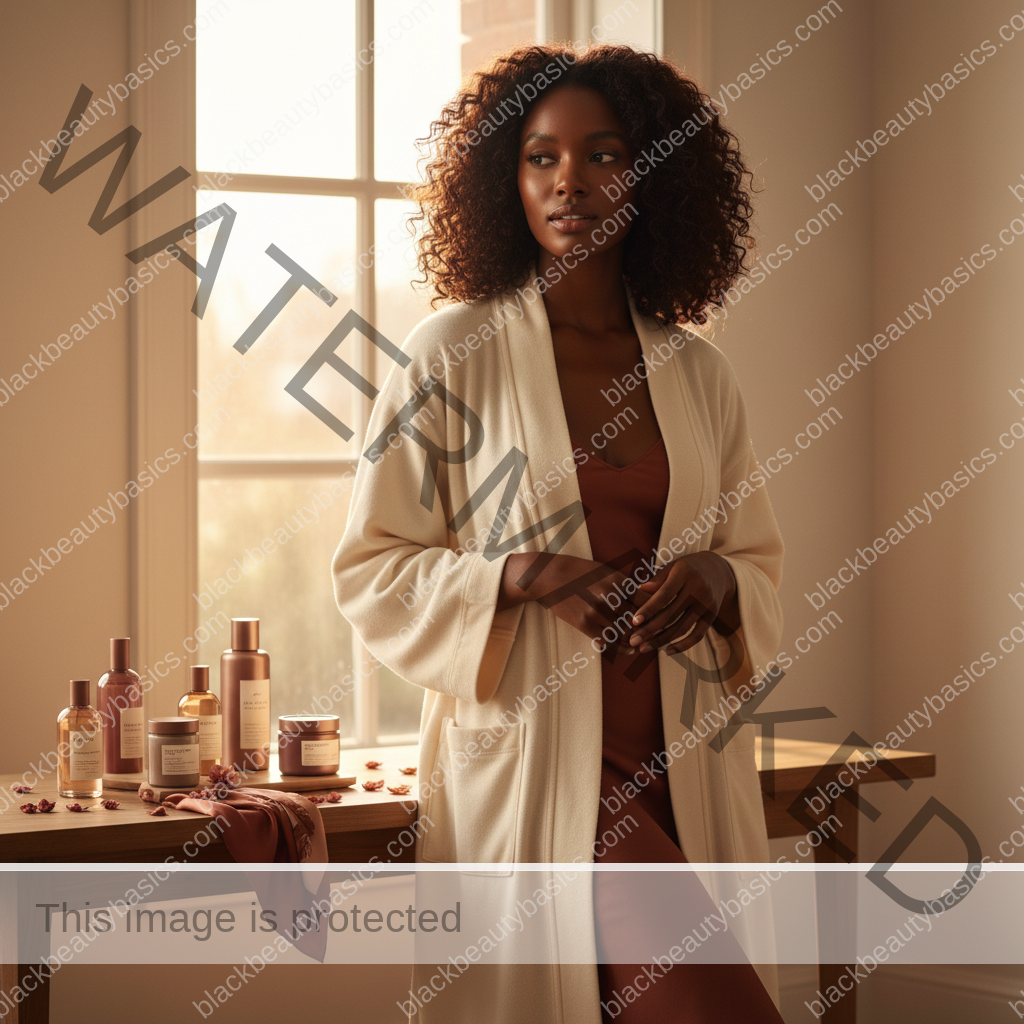
Keep this article connected to the Body Care & Hair Removal on Dark Skin system. Choose the next guide based on whether your main issue is bumps, hair removal, friction, texture, body SPF, or post-care.
- Body Care & Hair Removal on Dark Skin
- The related body-care cluster guide
- full-body tone and texture maintenance
- body exfoliation without overdoing it
- body moisturizers by climate
Related next steps
Related posts:
 Strawberry Legs on Dark Skin: Exfoliation and Treatment Plan
 How to Build a Skincare Routine When Your Skin Is Oily and Ashy at the Same Time
 Safe Body-Care Routine After Laser Hair Removal on Dark Skin
 Black-Owned Beauty Shopping Guide: How to Build a Balanced Routine
 How to Build a Skincare Routine for Black Women
 How to Build a Moisturizing Routine for High vs Low Porosity Hair