
In the symphony of our skin, every mark tells a story, every texture a testament to life lived. For the melanin-rich woman, these narratives are often etched with a unique grace, yet the journey to smooth, even-toned skin can sometimes feel like an uphill climb, especially when hyperpigmentation and textural irregularities emerge. Imagine, for a moment, the sun as both a life-giver and, without proper reverence, a formidable adversary in this quest for dermal harmony. It is here, at the intersection of healing and protection, that the profound importance of body SPF habits truly shines, transforming a simple daily ritual into a powerful act of self-care and preservation for your radiant canvas. Start with the related BBB body-care cluster guide if you want the broader map.
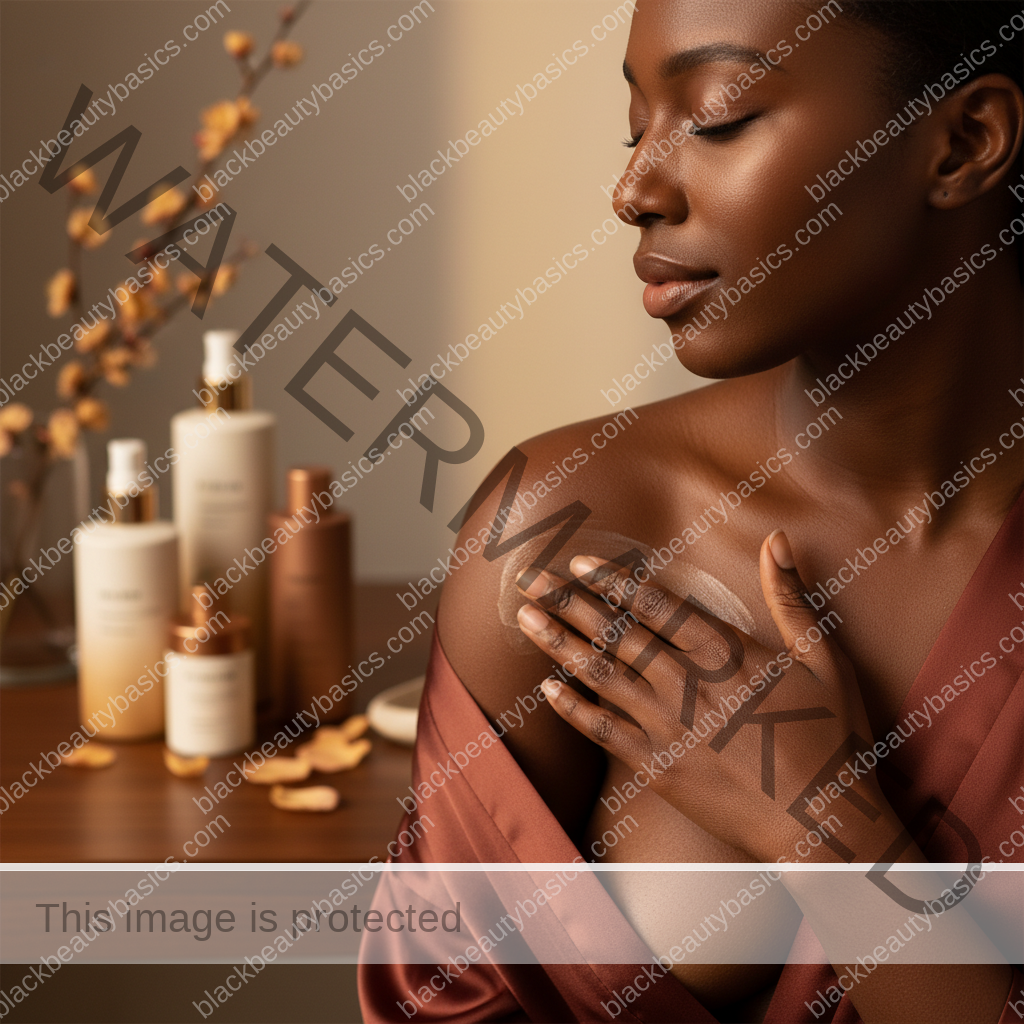
The Melanin Paradox: Why SPF is Non-Negotiable for Dark Skin
There’s a persistent myth, a whisper in the beauty world, that melanin acts as an impenetrable shield, rendering SPF less crucial for darker skin tones. This notion, while rooted in a partial truth – that melanin does offer some natural protection against UV radiation – is dangerously misleading. For the Black woman, understanding the true relationship between melanin, sun exposure, and skin health is not just about preventing sunburn; it’s about preserving the very essence of our skin’s vitality, especially when addressing concerns like hyperpigmentation and textural irregularities.
Unpacking the Melanin Myth: More Than Just a Sunburn Barrier
Melanin, the pigment responsible for our beautiful range of skin tones, provides an estimated natural SPF of 7 to 13. While this is certainly higher than lighter skin types, it is far from sufficient to block the full spectrum of harmful UV rays. Both UVA and UVB rays penetrate the skin, causing damage that manifests differently in melanin-rich skin. While sunburn might be less frequent or severe, the insidious effects of UV exposure are often more pronounced and persistent.
The True Impact of UV on Melanin-Rich Skin
- Exacerbated Hyperpigmentation: This is perhaps the most significant concern. Post-inflammatory hyperpigmentation (PIH), melasma, and sunspots are incredibly common in Black skin. UV radiation stimulates melanocytes (the cells that produce melanin) into overdrive, causing them to produce even more pigment in response to inflammation or injury. Without adequate SPF, any progress made in treating dark marks can be undone, or worse, worsened.
- Premature Aging: While dark skin often shows signs of aging later than lighter skin, UV exposure still breaks down collagen and elastin, leading to fine lines, wrinkles, and loss of firmness over time. The “aging gracefully” narrative for Black women often overlooks the cumulative damage that can accelerate these processes if not protected.
- Uneven Skin Tone and Texture: Chronic sun exposure can lead to a rougher skin texture and a dull, uneven complexion. This is particularly noticeable on areas frequently exposed to the sun, like the chest, arms, and legs.
- Skin Cancer Risk: Though less common, skin cancer in people of color is often diagnosed at later, more dangerous stages due to a lack of awareness and delayed detection. SPF is a critical preventative measure.
For those actively treating marks and texture, whether through chemical exfoliants, retinoids, or professional treatments, the skin’s barrier can be temporarily compromised, making it even more vulnerable to UV damage. This vulnerability underscores the absolute necessity of a robust SPF regimen.
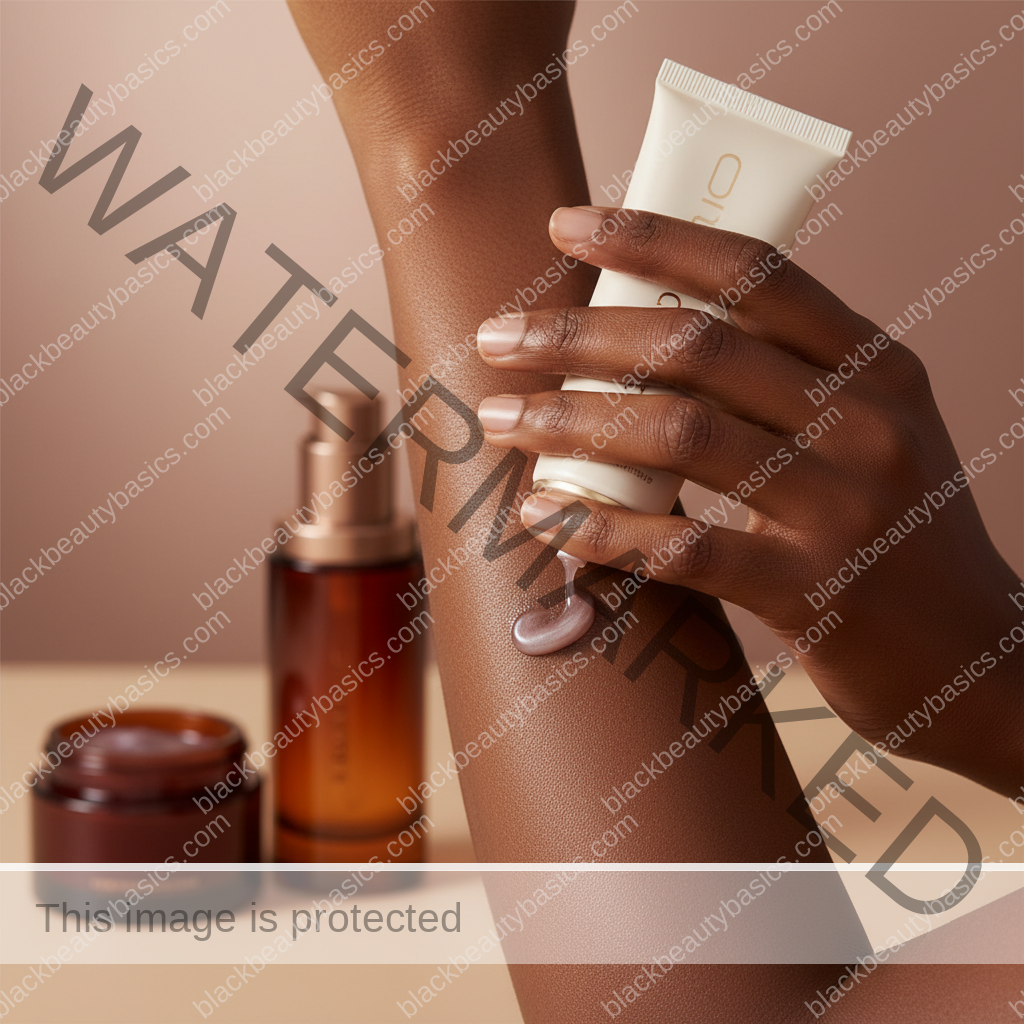
Choosing Your Shield: Selecting the Right Body SPF for Melanin-Rich Skin
The market is saturated with SPF products, but not all are created equal, especially when catering to the unique needs of melanin-rich skin. Our priority is protection without compromise – no ashy residue, no sticky feel, just pure, unadulterated defense. When selecting your body SPF, consider these crucial factors.
Mineral vs. Chemical: Understanding Your Options
The primary distinction in sunscreens lies in their active ingredients:
- Mineral Sunscreens (Physical Blockers): These contain zinc oxide and/or titanium dioxide, which sit on top of the skin and physically block UV rays by reflecting them.
- Pros: Generally well-tolerated by sensitive skin, broad-spectrum protection, works immediately upon application.
- Cons: Can sometimes leave a white cast, especially on darker skin tones, though micronized and tinted formulas have significantly improved this.
- Chemical Sunscreens: These contain organic compounds (like oxybenzone, avobenzone, octinoxate, octisalate) that absorb UV radiation and convert it into heat, which is then released from the skin.
- Pros: Tend to be lighter in texture, absorb easily, and typically leave no white cast.
- Cons: Some individuals may experience sensitivity or irritation; certain ingredients are under scrutiny for potential environmental impact or systemic absorption.
For those treating marks and texture, mineral sunscreens are often recommended due to their gentle nature and suitability for sensitive or compromised skin. However, advancements in chemical formulations have made many excellent, non-irritating options available that blend seamlessly into darker skin.
Key Features to Look For: Beyond Just SPF Number
When you’re actively working to improve your skin’s tone and texture, your SPF needs to pull double duty. Here’s what to prioritize:
- Broad-Spectrum Protection: This is non-negotiable. Ensure the label explicitly states “broad-spectrum,” meaning it protects against both UVA (aging rays) and UVB (burning rays). UVA rays are particularly implicated in hyperpigmentation.
- SPF 30 or Higher: While an SPF of 30 blocks about 97% of UVB rays, going higher (SPF 50+) offers marginally more protection and provides a buffer against imperfect application.
- “No White Cast” or “Sheer” Formulas: This is paramount for Black skin. Look for formulations specifically designed to blend invisibly. Micronized zinc oxide, tinted mineral sunscreens, or well-formulated chemical sunscreens are your allies here.
- Water-Resistant: If you’re active, sweating, or near water, a water-resistant formula (40 or 80 minutes) is essential for sustained protection.
- Non-Comedogenic: Especially important for body areas prone to breakouts (bacne, chest acne). This means the product is formulated not to clog pores.
- Added Skincare Benefits: Many modern SPFs are infused with antioxidants (Vitamin C, E, ferulic acid) to further combat free radical damage, or hydrating ingredients (hyaluronic acid, ceramides) to support the skin barrier. These are excellent bonuses for skin undergoing treatment.
Tip List: Identifying Your Ideal Body SPF
- Patch Test: Always test a new SPF on a small, inconspicuous area of your body first to check for white cast, irritation, or breakouts.
- Read Reviews: Seek out reviews from other individuals with similar skin tones and concerns.
- Texture Preference: Do you prefer a lotion, spray, gel, or stick? Choose a texture that you’ll enjoy applying consistently.
- Ingredient Check: If you have sensitive skin, opt for fragrance-free and essential oil-free formulas.
Shop Broad-Spectrum Body Sunscreen on Amazon
The Art of Application: Mastering Your Body SPF Habits
Having the right SPF is only half the battle; knowing how to apply it effectively is where true protection lies. This isn’t a hasty swipe; it’s a deliberate, mindful step in your skincare ritual, especially when you’re diligently treating marks and texture.
The Golden Rules of Application
Consistency and thoroughness are your watchwords. Think of your body SPF as the final, protective layer of your skincare ensemble.
Rule 1: The “Shot Glass” Rule and Beyond
The commonly cited “shot glass” rule suggests using about one ounce (two tablespoons) of sunscreen to cover your entire body. While a good starting point, it’s more nuanced for body care:
- For Each Body Part: Aim for a generous dollop for each limb (arm, leg), a similar amount for your torso (front and back), and don’t forget your neck, décolletage, and tops of your feet.
- Layering is Key: If you’re using a lighter lotion, you might need to apply a bit more to achieve adequate coverage. Don’t be shy; a thin, patchy layer offers minimal protection.
Rule 2: Timing is Everything
Apply your body SPF at least 15-20 minutes before sun exposure. This allows chemical sunscreens to fully absorb and activate, and mineral sunscreens to form an even, protective barrier on the skin’s surface. Make it the last step in your morning body care routine, after moisturizers and oils have had a chance to sink in.
Rule 3: Don’t Miss a Spot
The areas we often neglect are the ones that suffer the most from sun damage and can develop stubborn marks and texture issues.
- Neck and Décolletage: These areas are highly susceptible to sun damage, leading to hyperpigmentation, uneven tone, and crepey texture. Extend your facial SPF down to your chest, or use your body SPF here.
- Hands and Arms: Constantly exposed, these areas are often the first to show signs of aging and sunspots.
- Legs and Feet: Especially if you wear skirts, shorts, or open-toed shoes. The tops of the feet are a common site for sun damage.
- Ears and Scalp (if exposed): Don’t forget these often-overlooked spots.
Rule 4: Reapplication is Non-Negotiable
This is where many fall short. Sunscreen doesn’t last all day.
- Every Two Hours: Reapply at least every two hours when exposed to direct sunlight.
- After Sweating or Swimming: Reapply immediately after towel drying, even if your product is water-resistant. The “water-resistant” claim means it maintains its SPF for 40 or 80 minutes in water, not indefinitely.
- After Clothing Changes: If clothing rubs off your SPF, reapply.
Shop Body SPF Lotion (No White Cast) on Amazon
Integrating SPF into Your Body Care Routine for Marks & Texture
When you’re using active ingredients to treat marks and texture, your skin can become more sensitive to the sun. SPF isn’t just a recommendation; it’s a critical component of your treatment plan.
Morning Ritual: Your Daily Defense
- Cleanse: Start with a gentle body cleanser that won’t strip your skin. Shop Gentle Body Cleansers on Amazon
- Treat (Optional): If your treatment (e.g., Vitamin C serum for body) is meant for morning application, apply it now.
- Moisturize: Apply a hydrating body moisturizer. Look for ingredients like ceramides, hyaluronic acid, or shea butter to support your skin barrier. Shop Hydrating Body Moisturizers on Amazon
- SPF: This is your final, most crucial step. Apply your broad-spectrum body SPF generously and evenly to all exposed skin. Allow it to fully absorb before dressing.
Evening Ritual: Repair and Renewal
- Cleanse: Remove all traces of SPF, sweat, and environmental pollutants with your gentle body cleanser.
- Treat: This is typically when you’d apply your active treatments for marks and texture, such as body lotions with AHAs, BHAs, retinoids, or brightening ingredients like niacinamide or alpha arbutin. Shop Body Lotions with AHAs/BHAs/Retinoids on Amazon
- Moisturize: Follow with a rich, nourishing body cream to support skin barrier repair overnight.
Beyond the Bottle: Holistic Sun Protection Strategies
While a stellar body SPF is your primary defense, true sun protection is a multi-faceted approach. Think of it as an ecosystem of habits working in harmony to safeguard your skin, especially when you’re dedicated to improving its appearance.
Seeking Shade: Your First Line of Defense
The simplest, yet most effective, sun protection strategy is to avoid peak sun hours. The sun’s rays are strongest between 10 AM and 4 PM. During these times, seek refuge under trees, umbrellas, or indoors. This significantly reduces your overall UV exposure and lessens the burden on your SPF.
Protective Clothing: Fashion Meets Function
Clothing acts as a physical barrier against UV rays, and it’s often more effective than sunscreen alone, especially for prolonged exposure.
- UPF Clothing: Look for garments with a Ultraviolet Protection Factor (UPF) rating. A UPF of 30+ is considered good, 50+ is excellent. These fabrics are specifically designed to block UV radiation.
- Long Sleeves and Pants: Even regular clothing provides some protection. Opt for tightly woven fabrics and darker colors, which tend to offer better UV blockage than light, loosely woven materials.
- Wide-Brimmed Hats: Essential for protecting your face, neck, and ears.
- Sunglasses: Protect your delicate eye area and prevent squinting, which can contribute to fine lines.
Shop UPF Clothing for Women on Amazon
Indoor Exposure: Don’t Forget the Windows
Many assume they’re safe indoors, but UVA rays can penetrate windows. If you spend a lot of time near a window at home or in your car, consider applying SPF to exposed areas or investing in UV-blocking window film. This is particularly relevant for preventing sun damage that can worsen hyperpigmentation.
Comparison Table: SPF Habits for Marks & Texture
| SPF Habit | Impact on Marks & Texture | Why it Matters for Dark Skin |
|---|---|---|
| Daily, Generous Application (SPF 30+) | Prevents new hyperpigmentation, stops existing marks from darkening, protects skin barrier. | Melanin-rich skin is highly prone to PIH; consistent SPF is the #1 defense against worsening marks. |
| Broad-Spectrum Formula | Blocks both UVA (aging, pigmenting) and UVB (burning) rays, crucial for comprehensive protection. | UVA rays are major contributors to hyperpigmentation and premature aging in dark skin, even without sunburn. |
| Reapplication Every 2 Hours (or after sweat/swim) | Maintains continuous protection, ensuring active ingredients in treatments aren’t undermined. | SPF degrades; reapplication is vital to sustain its efficacy, especially when skin is vulnerable from treatments. |
| Seeking Shade & Protective Clothing | Reduces overall UV load, minimizing the trigger for melanocyte overactivity and inflammation. | Physical barriers offer superior, consistent protection and reduce reliance on SPF alone during peak hours. |
| Choosing “No White Cast” Formulas | Encourages consistent use by eliminating cosmetic concerns, leading to better adherence. | Ashy residue is a primary reason Black women avoid SPF; seamless integration is key to daily habit formation. |
| Incorporating Antioxidants | Boosts defense against environmental damage, supporting skin repair and brightening efforts. | Antioxidants work synergistically with SPF to neutralize free radicals, which can contribute to hyperpigmentation. |
Common Pitfalls and How to Avoid Them
Even with the best intentions, missteps can occur in our SPF journey. Recognizing these common errors is the first step to cultivating truly effective sun-protective habits.
Mistake 1: Relying Solely on SPF in Makeup or Moisturizer
While a foundation or moisturizer with SPF is better than nothing, it rarely provides adequate protection. The amount needed to achieve the stated SPF is far more than most people apply. These products are best viewed as a bonus, not your primary defense. Always layer a dedicated body SPF underneath.
Mistake 2: Forgetting Areas Covered by Swimwear or Straps
It’s easy to assume areas under clothing are protected. However, thin or light-colored fabrics may not offer sufficient UV blockage. Always apply SPF to areas that might become exposed if clothing shifts, or if you’re wearing swimwear. Sunburn lines are not just unsightly; they’re a clear sign of sun damage.
Mistake 3: Not Checking Expiration Dates
Sunscreen ingredients can degrade over time, rendering them less effective. Always check the expiration date on your SPF bottle. If there isn’t one, most sunscreens have a shelf life of about three years. Mark the date you open a new bottle to keep track.
Mistake 4: Storing Sunscreen Improperly
Extreme heat can destabilize sunscreen formulations, reducing their efficacy. Avoid leaving your SPF in a hot car or direct sunlight. Store it in a cool, dry place.
Mistake 5: Believing “Waterproof” Means Indefinite Protection
There’s no such thing as truly “waterproof” sunscreen. The FDA regulates claims to “water-resistant” for 40 or 80 minutes. This means you must reapply after that time, or immediately after swimming or excessive sweating and towel drying.
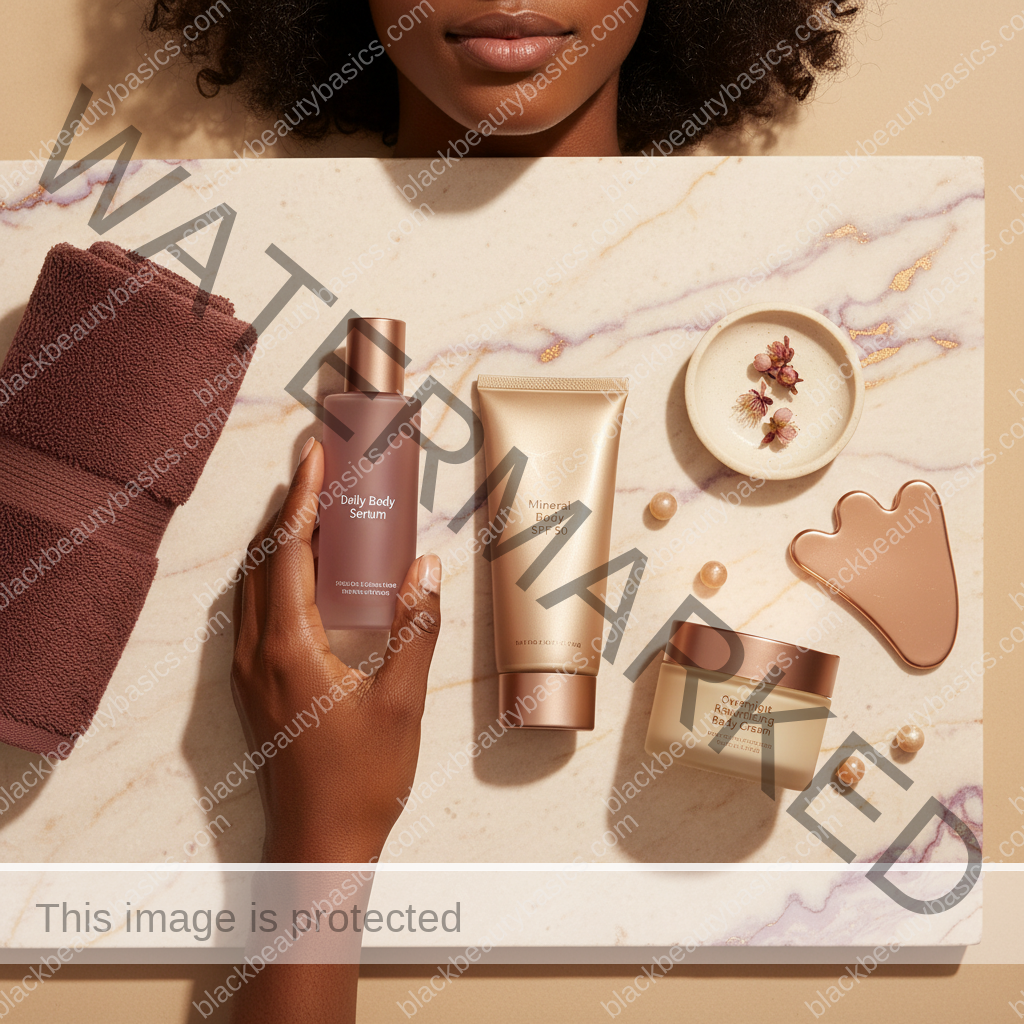
FAQ: Your Most Pressing Questions About Body SPF & Dark Skin
Q1: Can body SPF help fade existing dark marks and hyperpigmentation?
A: While body SPF primarily prevents new marks and stops existing ones from darkening further, it plays a crucial supportive role in fading existing hyperpigmentation. By preventing further sun exposure, it allows your skin’s natural healing processes and any brightening treatments you’re using (like body serums with niacinamide or body lotions with alpha arbutin) to work more effectively without constant interference from UV radiation. Think of it as creating a safe environment for your skin to heal and renew.
Q2: I’m indoors all day; do I still need to apply body SPF?
A: It depends on your proximity to windows. UVA rays, which contribute significantly to hyperpigmentation and premature aging, can penetrate glass. If you work or sit near a window for extended periods, or spend time in a car, applying SPF to exposed areas like your arms, hands, and neck is highly recommended. If you are truly away from any windows, your need for SPF diminishes, but it’s always a good habit to apply it as a safeguard, especially if you might step outside, even briefly.
Q3: What’s the difference between SPF for the face and SPF for the body? Can I use my facial SPF on my body?
A: Often, facial SPFs are formulated with lighter textures, non-comedogenic ingredients, and sometimes additional skincare benefits to cater to the delicate and often more sensitive skin of the face. Body SPFs, while equally effective, might come in larger sizes, have richer textures, or contain different active ingredients. You can absolutely use your facial SPF on your body, especially for targeted areas like the décolletage or hands. However, due to the smaller size and higher price point of facial SPFs, it’s often more economical to use a dedicated body SPF for larger areas, ensuring it meets the “no white cast” and “broad-spectrum” criteria.
Q4: How do I reapply body SPF over makeup or when I’m out and about?
A: For body areas not covered by makeup, reapplication is straightforward. For areas like the neck or décolletage where you might have light makeup, a spray SPF or a sheer stick formula can work well. Sprays offer a convenient way to mist over the skin without disturbing makeup too much, just be sure to rub it in gently for even coverage. Powder SPFs are also an option for light touch-ups, though they might not provide the same level of robust protection as a lotion or spray. The most important thing is to reapply something, even if it’s not perfect.
Q5: Are there any natural oils that can replace SPF for body protection?
A: No. While some natural oils like red raspberry seed oil or carrot seed oil have been anecdotally reported to have very low SPF values (around 2-5), they are nowhere near sufficient to provide adequate broad-spectrum protection against harmful UV rays. Relying on natural oils instead of a scientifically formulated broad-spectrum SPF 30+ is a dangerous practice that leaves your skin vulnerable to sun damage, hyperpigmentation, and increased risk of skin cancer. Always use a dedicated sunscreen.
Q6: My body SPF leaves a sticky residue. How can I avoid this?
A: The feeling of stickiness can often be due to the formulation or applying too much product at once. Try these tips:
- Choose a Lighter Formula: Look for gel-cream textures, quick-drying lotions, or spray formulations that are known for their non-greasy finish.
- Apply in Layers: Instead of one thick layer, apply a moderate amount, let it absorb for a few minutes, then apply another thin layer if needed.
- Pat, Don’t Rub Excessively: After applying, gently pat the skin rather than rubbing vigorously, which can sometimes create friction and a sticky feel.
- Allow Absorption Time: Give your SPF ample time (15-20 minutes) to fully absorb before dressing.
Reading reviews specifically mentioning the finish and feel can also guide you to less sticky options.
Q7: I’m using a body lotion with AHAs/BHAs. How does SPF fit into this?
A: If you’re using body lotions with Alpha Hydroxy Acids (AHAs) or Beta Hydroxy Acids (BHAs) to improve texture and marks, daily and diligent SPF application is absolutely critical. These exfoliating acids can make your skin more sensitive to the sun, increasing its vulnerability to UV damage and making hyperpigmentation worse if not protected. Always apply your AHA/BHA lotion in the evening, and ensure you are applying a broad-spectrum SPF 30+ generously to all treated areas every morning, reapplying as needed throughout the day. This combination allows the acids to work on renewal while SPF protects the newly revealed skin.
The journey to radiant, even-toned skin is a testament to patience, consistency, and informed choices. For the melanin-rich woman, embracing meticulous body SPF habits is not merely a step in a routine; it is a profound declaration of self-love, a commitment to preserving the beauty and health of the skin that tells your unique story. Let your SPF be your unwavering ally, a luxurious shield that empowers your skin to heal, thrive, and glow with an unparalleled brilliance, free from the shadows of sun-induced marks and textural concerns. This is your skin, cherished and protected, ready to face the world in all its magnificent splendor.
How to think through this body-care concern without overcorrecting
For Black women and people with richly melanated skin, body care works best when it starts with the real pattern. This guide focuses on using body sunscreen habits to support exposed areas while treating marks, texture, and post-inflammatory discoloration, while keeping the related BBB body-care cluster as the home base. The goal is not a perfectly poreless or one-shade body. The goal is comfort, less irritation, fewer preventable marks, and a routine you can repeat.
The most protective first move is usually to reduce the thing that keeps restarting the problem. That may be friction, pressure, fragrance, shaving too closely, exfoliating too often, skipping moisture, or exposing fresh marks to daylight without protection. Products can help, but they work better when the routine stops creating new irritation every week.
Melanin-rich skin can hold onto evidence of irritation. A bump, nick, rash, or raw patch may fade slowly, especially on areas that rub against clothing or get shaved often. That does not mean your skin is doing something wrong. It means the routine needs to respect inflammation, barrier support, and time.
A gentler decision framework
- Name the main issue before adding a new product.
- Reduce friction and pressure where you can.
- Keep moisture steady, especially after cleansing or hair removal.
- Use exfoliation as a measured tool, not a daily punishment.
- Seek professional care for painful, spreading, infected-looking, or scar-forming concerns.
What usually makes this harder
One common mistake is stacking too many corrective steps. Shaving, scrubbing, acids, fragrance, tight clothing, and sweat can pile up quickly. When the skin starts to sting, burn, peel, or mark more easily, simplify the routine instead of adding another active.
Another mistake is treating darker areas as if they are dirty. Knees, elbows, underarms, thighs, bikini lines, and areas with hair removal can all be deeper in tone. Care can help with comfort and irritation, but the language matters. The goal is not to bleach your body into sameness.
The third issue is judging too fast. Body skin often needs several weeks of less irritation before it looks calmer. Track comfort first: less itching, less tenderness, fewer bumps, and less rawness. Visible tone changes usually follow after the irritation cycle quiets down.
What to do next

Keep this article connected to the Body Care & Hair Removal on Dark Skin system. Choose the next guide based on whether your main issue is bumps, hair removal, friction, texture, body SPF, or post-care.
- Body Care & Hair Removal on Dark Skin
- The related body-care cluster guide
- full-body tone and texture maintenance
- body sunscreen routine for non-sticky wear
- swimsuit-season body care
Related next steps
Related posts:
 Best Sunscreen Habits When You’re Treating Dark Spots
 Treating Active Ingrown Hairs, Bumps, and Dark Marks on Melanin-Rich Skin
 Understanding and Treating Post-Inflammatory Hyperpigmentation on the Body
 Helping Teens With Melanin-Rich Skin Build SPF Habits
 Building Sustainable SPF Habits on Melanin-Rich Skin: A Guide to Consistent, Comfortable Protection
 Preventing and Treating Razor Bumps on the Face, Underarms, and Bikini Line for Black Women