The hairline, that delicate frame to our beautiful faces, is often a site of both pride and perplexity. For women with textured hair, it’s a canvas for intricate styles, a testament to our heritage, yet sometimes, it can become a source of discomfort and concern, particularly when conditions like folliculitis emerge. This isn’t just about a skin irritation; it’s about the sanctity of our crown, the health of our scalp, and the confidence that radiates from feeling truly well. Start with the related BBB scalp-health cluster guide if you want the broader map.
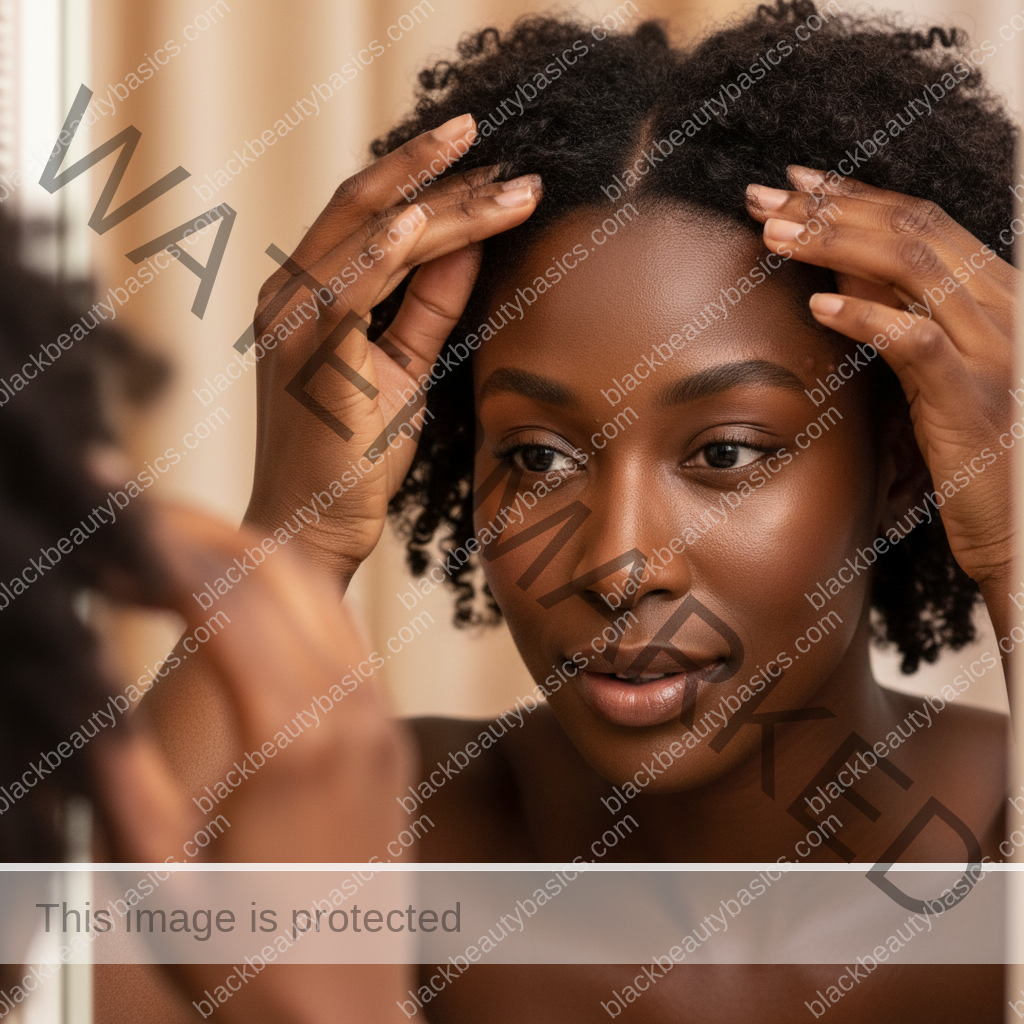
At Black Beauty Basics, we understand that true luxury begins with understanding and nurturing our unique beauty, from root to tip. Today, we delve into the nuanced world of folliculitis around the hairline on textured hair, offering not just solutions, but empowerment, knowledge, and a pathway to reclaiming your scalp’s serenity.
Understanding Folliculitis: More Than Just a Bump
Folliculitis, in its simplest definition, is the inflammation of hair follicles. These tiny, cup-shaped structures that anchor each strand of hair can become irritated or infected, leading to small, red bumps, often resembling pimples. While it can occur anywhere on the body, its appearance around the hairline, especially on textured hair, presents a unique set of challenges and considerations.
What Exactly is Folliculitis?
Imagine your hair follicle as a miniature tunnel. When bacteria, fungi, or even just physical irritation enters this tunnel, it can cause an inflammatory response. This inflammation manifests as those tell-tale red bumps, sometimes with a white head, and can be itchy, tender, or even painful. For some, it’s a fleeting irritation; for others, it can be a persistent and recurring issue.
The Nuances for Textured Hair
Textured hair, with its unique curl patterns and often denser growth, creates an environment that can be more prone to certain scalp conditions. The natural twists and turns of our hair strands can make it easier for oils, products, and debris to accumulate around the follicle opening. Furthermore, the very nature of our hair care routines—from protective styling to product choices—can inadvertently contribute to or exacerbate folliculitis if not approached with mindful care.
The Root Causes: Why Folliculitis Targets Your Hairline
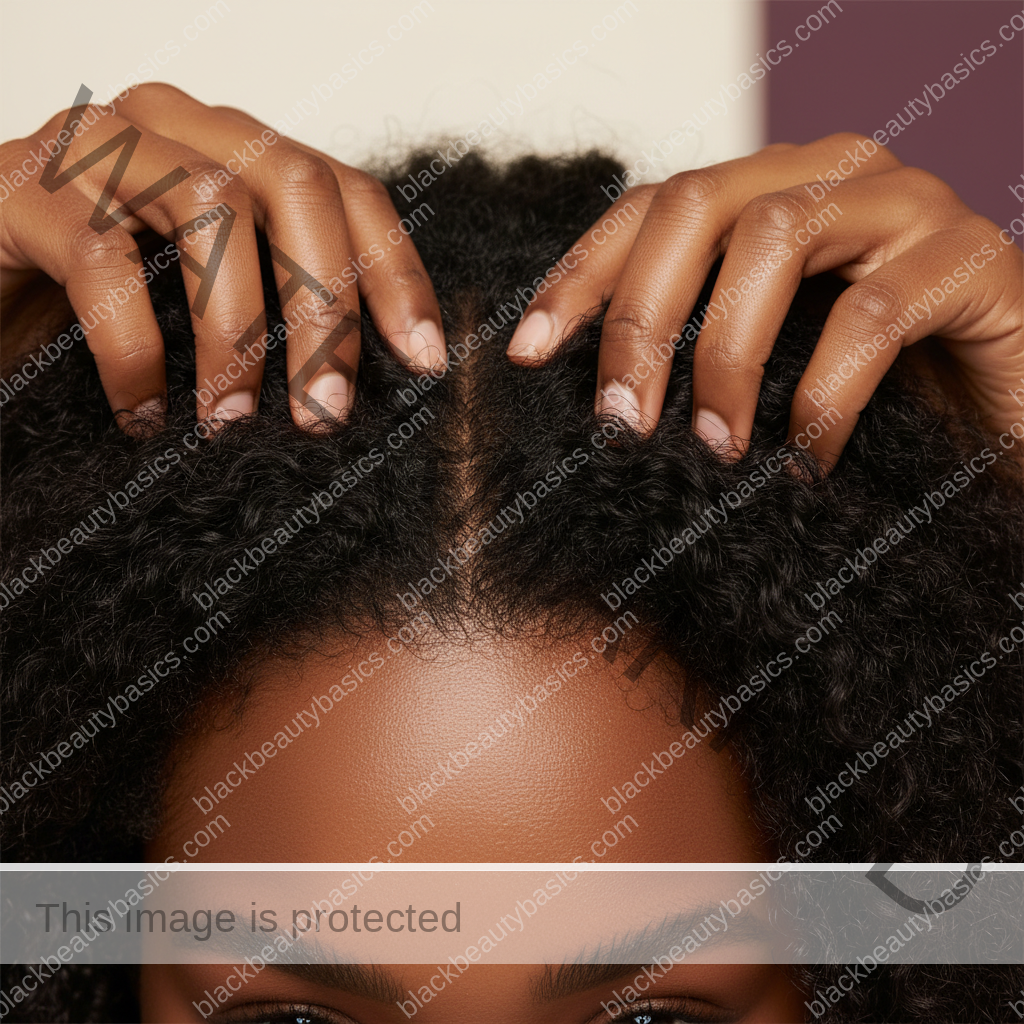
Unraveling the mystery of folliculitis requires understanding its triggers. For textured hair, these triggers are often a confluence of biological predispositions, environmental factors, and specific hair care practices.
Bacterial and Fungal Culprits
The most common cause of folliculitis is a bacterial infection, particularly by Staphylococcus aureus (staph). This bacterium is commonly found on the skin and usually harmless, but when it enters a compromised follicle, it can cause infection. Fungal infections, often caused by yeasts like Malassezia, can also lead to a type of folliculitis known as pityrosporum folliculitis, which can be particularly stubborn.
Physical Irritation and Friction
Our hairlines are often subjected to significant physical manipulation. Tight hairstyles, such as braids, weaves, ponytails, or even wigs and headscarves, can create constant tension and friction on the delicate follicles. This repeated pulling can irritate the follicle, making it more susceptible to inflammation and infection. Even the simple act of brushing or combing too vigorously can be a trigger.
Product Buildup and Clogged Follicles
The quest for perfectly moisturized and styled textured hair often involves a cocktail of creams, gels, oils, and butters. While many of these products are beneficial, excessive use or improper cleansing can lead to product buildup. This buildup can clog follicles, trapping bacteria and creating an anaerobic environment conducive to bacterial growth, leading to inflammation.
Shaving and Hair Removal Practices
For those who shave or trim their hairline, ingrown hairs are a common precursor to folliculitis. When hair is cut too short or shaves against the grain, the curly strands can retract and grow back into the skin, causing irritation and inflammation. This is often referred to as pseudofolliculitis barbae, or razor bumps, and is particularly prevalent in individuals with curly or coily hair.
Sweat, Heat, and Humidity
The hairline is a prime area for sweat accumulation, especially during exercise, in humid climates, or when wearing certain head coverings. Sweat, combined with natural oils and bacteria, can create an ideal breeding ground for microbial growth, leading to folliculitis.
Underlying Skin Conditions
Sometimes, folliculitis can be secondary to other skin conditions. For instance, individuals prone to acne, eczema, or even certain types of dermatitis might find their hairline more susceptible to folliculitis due to compromised skin barrier function.
Distinguishing Folliculitis from Other Hairline Concerns
It’s crucial to correctly identify folliculitis, as its treatment differs from other common hairline issues. Misdiagnosis can lead to ineffective treatments and prolonged discomfort.
Folliculitis vs. Acne
While folliculitis can resemble acne, there are subtle differences. Acne typically involves clogged pores (comedones) and can present as blackheads, whiteheads, cysts, and nodules. Folliculitis, on the other hand, is specifically an inflammation of the hair follicle itself, often appearing as small, red, pus-filled bumps directly around hair strands.
Folliculitis vs. Pseudofolliculitis Barbae (Razor Bumps)
Pseudofolliculitis barbae (PFB) is a mechanical irritation caused by ingrown hairs, common after shaving. It looks very similar to folliculitis, with red, inflamed bumps. The key difference is the cause: PFB is due to the hair curling back into the skin, while true folliculitis is an infection or inflammation of the follicle itself, often microbial. However, PFB can *lead* to secondary bacterial folliculitis if the ingrown hairs become infected.
Folliculitis vs. Contact Dermatitis
Contact dermatitis is an allergic reaction or irritation caused by direct contact with a substance (e.g., a new hair product, fragrance, or dye). It often presents as a red, itchy rash, sometimes with small blisters, and can occur anywhere the irritant touched. While it can appear on the hairline, it usually doesn’t specifically target hair follicles in the same way folliculitis does.
Folliculitis vs. Traction Alopecia
Traction alopecia is hair loss caused by prolonged or repetitive tension on hair follicles, often from tight hairstyles. It manifests as thinning or bald patches, particularly along the hairline. While traction can *trigger* folliculitis by irritating follicles, folliculitis itself is an inflammatory condition with bumps, whereas traction alopecia is primarily about hair loss, though inflammation can be a contributing factor in its early stages.
The Black Beauty Basics Approach: Prevention & Care
Preventing folliculitis around the hairline on textured hair is a holistic endeavor, combining mindful hair care practices, product discernment, and a deep understanding of your scalp’s needs. Our approach emphasizes gentle yet effective strategies to maintain a healthy, serene hairline.
Gentle Cleansing: The Foundation of Scalp Health
Regular, gentle cleansing is paramount to prevent product buildup and keep follicles clear. However, “gentle” is the operative word. Over-cleansing or using harsh sulfates can strip the scalp of its natural oils, leading to irritation and potentially exacerbating the problem.
- Sulfate-Free Shampoos: Opt for sulfate-free shampoos for textured hair that effectively cleanse without harshness. Look for ingredients like tea tree oil, salicylic acid, or pyrithione zinc if you’re prone to scalp issues.
- Clarifying When Needed: Incorporate a gentle clarifying shampoo for textured hair into your routine every 2-4 weeks to remove stubborn buildup, but avoid overdoing it.
- Scalp Massagers: Use a silicone scalp massager during shampooing to gently exfoliate and stimulate the scalp, ensuring thorough cleansing without scratching.
Mindful Styling: Protecting Your Delicate Hairline
The way we style our hair has a profound impact on our hairline health. Embrace styles that honor your follicles, rather than stress them.
- Loose Styles: Prioritize styles that don’t pull or create tension on your hairline. Opt for looser braids, twists, or updos. If wearing wigs, ensure they are not too tight and allow your scalp to breathe.
- Edge Control Alternatives: Many edge control products contain ingredients that can clog follicles. Consider using lighter, water-based water-based edge control products sparingly, or explore natural alternatives like aloe vera gel.
- Protective Styling Practices: When getting braids or weaves, communicate clearly with your stylist about avoiding excessive tension. Ensure your braids are not too small or tight around the perimeter.
- Silk or Satin: Always protect your hairline at night with a silk bonnet or satin pillowcase to reduce friction and preserve moisture without causing irritation.
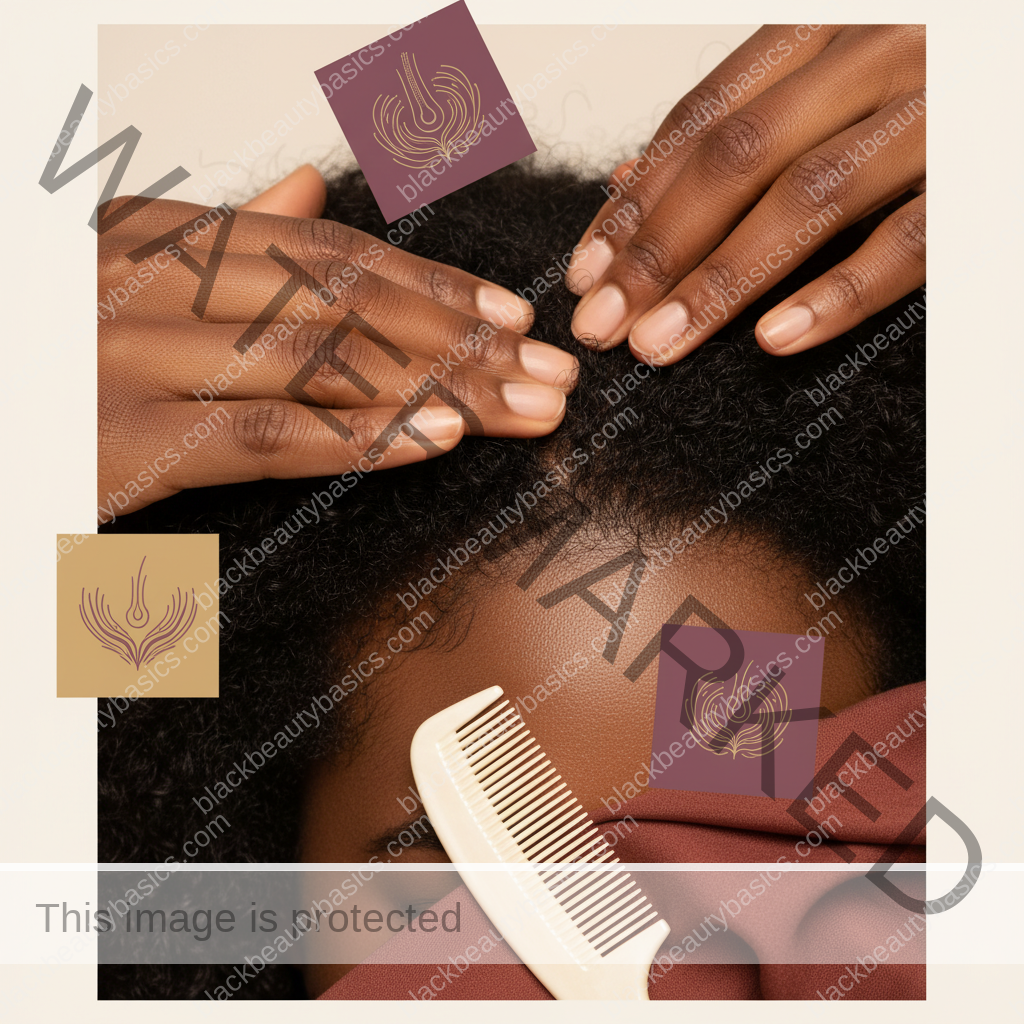
Product Selection: Less is Often More
Be a discerning consumer. Read ingredient labels and understand what you’re putting on your scalp and hair.
- Non-Comedogenic Products: Choose non-comedogenic hair products, especially for your hairline. These are formulated not to clog pores.
- Lightweight Oils: If you use oils, opt for lightweight, non-greasy options like jojoba oil or grapeseed oil, and apply sparingly to the scalp. Heavy butters and petroleum-based products can easily clog follicles.
- Antimicrobial Ingredients: Look for products containing natural antimicrobials like tea tree oil, neem oil, or witch hazel in your scalp treatments or shampoos.
Shaving and Trimming: A Gentle Approach
For those who shave or trim their hairlines, preventing razor bumps is key.
- Proper Shaving Technique: Shave with the grain of the hair, not against it. Use a sharp, clean single-blade razor or electric trimmer.
- Pre-Shave Prep: Soften the hair and skin with warm water and a gentle shaving gel.
- Post-Shave Care: Follow with an alcohol-free aftershave balm containing soothing ingredients like aloe or witch hazel.
Lifestyle and Hygiene
Your overall well-being reflects on your scalp.
- Cleanliness: Regularly clean headscarves, bonnets, and pillowcases to prevent the transfer of bacteria.
- Manage Sweat: If you sweat heavily, gently cleanse your hairline after workouts or use a scalp refreshing spray to keep the area clean.
- Diet and Hydration: A balanced diet rich in vitamins and minerals, along with adequate hydration, supports overall skin and hair health.
When Folliculitis Strikes: Treatment and Management
Despite best efforts, folliculitis can still appear. When it does, a targeted and gentle approach is necessary to soothe, heal, and prevent recurrence.
Topical Treatments for Mild Cases
For mild, non-persistent cases, over-the-counter topical treatments can be effective.
- Antiseptic Washes: Use a gentle antiseptic cleanser for the scalp containing ingredients like benzoyl peroxide (at low concentrations) or chlorhexidine.
- Topical Antibiotics: Creams or solutions containing clindamycin or erythromycin can be applied to infected areas. These typically require a prescription.
- Antifungal Creams: If fungal folliculitis is suspected, ketoconazole cream or other antifungal agents may be recommended.
- Steroid Creams: For purely inflammatory (non-infectious) folliculitis, a mild hydrocortisone cream can help reduce redness and itching.
Home Remedies and Soothing Practices
While not a substitute for medical treatment, certain home remedies can provide relief and support healing.
- Warm Compresses: Applying a warm compress to the affected area several times a day can help soothe inflammation and draw out pus.
- Tea Tree Oil: Diluted tea tree oil (always dilute with a carrier oil like jojoba or almond oil) has natural antiseptic properties and can be gently dabbed on bumps.
- Aloe Vera: Pure aloe vera gel can provide soothing relief from itching and inflammation.
- Apple Cider Vinegar Rinse: A diluted apple cider vinegar rinse (1 part ACV to 4 parts water) can help balance scalp pH and has mild antimicrobial properties.
When to Seek Professional Help
If folliculitis is persistent, widespread, painful, or doesn’t respond to home care within a week or two, it’s time to consult a dermatologist. They can accurately diagnose the type of folliculitis and prescribe stronger treatments.
- Oral Medications: For severe or recurrent cases, a doctor might prescribe oral antibiotics, antifungals, or even oral steroids.
- In-Office Procedures: In some instances, minor procedures like draining large pustules or laser hair removal (for chronic pseudofolliculitis barbae) might be considered.
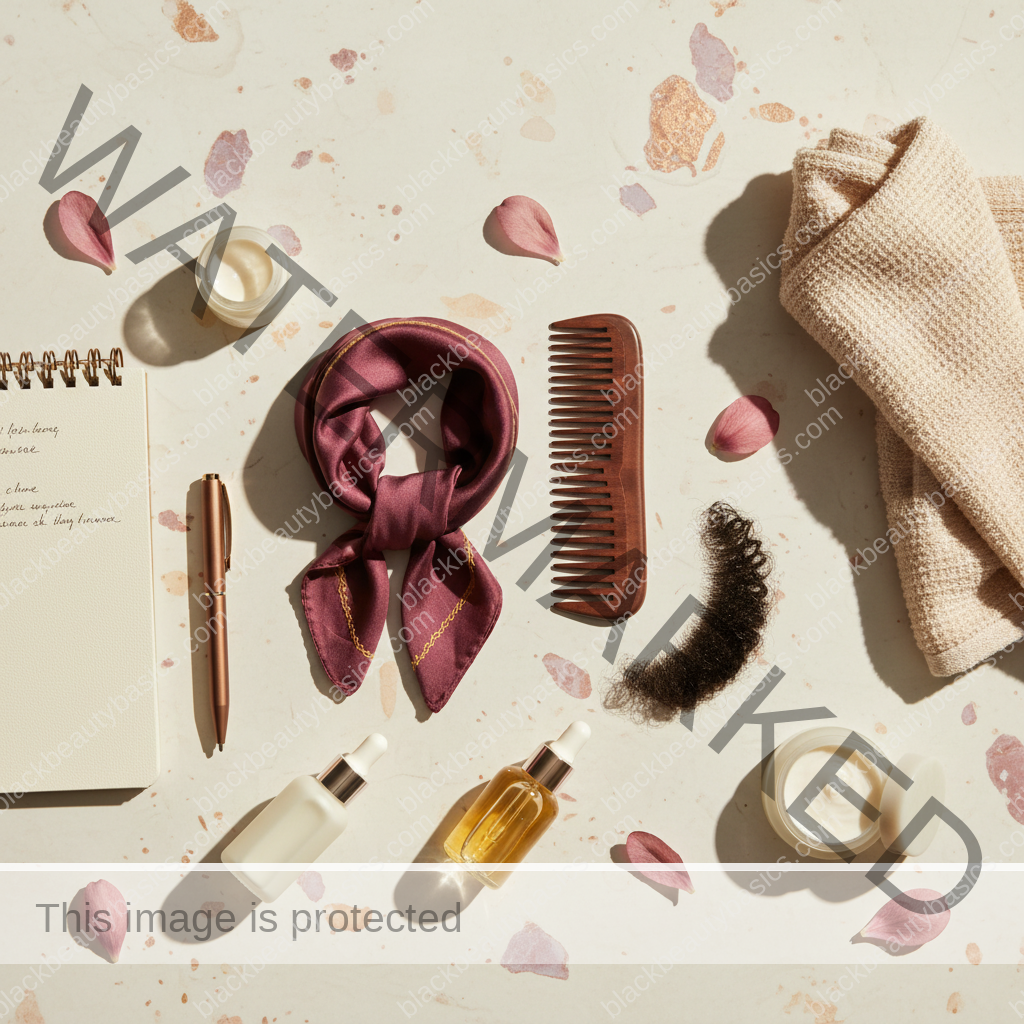
Comparison Table: Folliculitis Triggers & Solutions for Textured Hair
Understanding the interplay between our hair care practices and scalp health is key. Here’s a quick guide to common triggers and their corresponding solutions.
| Common Trigger | Impact on Hairline | Black Beauty Basics Solution | Recommended Products |
|---|---|---|---|
| Tight Hairstyles (Braids, Wigs, Ponytails) | Tension and friction irritate follicles, leading to inflammation and potential hair loss. | Opt for loose styles, ensure wigs/braids aren’t too tight, give your hairline breaks. | Silk Scrunchies, Satin-Lined Hats |
| Product Buildup (Heavy Gels, Butters, Oils) | Clogs follicles, trapping bacteria and leading to infection and inflammation. | Regular, gentle cleansing; use non-comedogenic, lightweight products sparingly. | Sulfate-Free Clarifying Shampoo, Lightweight Scalp Serum |
| Shaving/Trimming Hairline | Causes ingrown hairs (Pseudofolliculitis Barbae), which can become infected. | Shave with the grain, use sharp blades, proper pre/post-shave care. | Single-Blade Razor, Ingrown Hair Serum |
| Sweat & Humidity | Creates a moist environment for bacteria/yeast to thrive, leading to infection. | Cleanse hairline after sweating, use breathable head coverings. | Scalp Refreshing Wipes, Breathable Athletic Headband |
| Unclean Hair Tools/Accessories | Transfers bacteria and fungi to the scalp and follicles. | Regularly clean brushes, combs, bonnets, and pillowcases. | Brush Cleaner Tool, Delicate Laundry Detergent |
Tips for Maintaining a Serene Hairline
Beyond specific treatments, adopting a holistic approach to your hair and scalp care will yield the best long-term results.
Black Beauty Basics’ Top 5 Hairline Harmony Tips:
- Prioritize Scalp Health Over Style Trends: While trendy styles are enticing, always consider their impact on your hairline. If a style causes tension or pain, it’s not worth the potential damage.
- Implement a “Scalp Reset” Routine: Dedicate one day a week or every two weeks to a focused scalp treatment. This could involve a gentle exfoliating scrub, a clarifying wash, and a soothing scalp mask.
- Be Mindful of Product Application: When applying products, especially heavier ones, focus them on the hair strands, not directly on the scalp or hairline, unless they are specifically formulated for scalp treatment.
- Listen to Your Scalp: Pay attention to any itching, tenderness, or discomfort. These are signals from your scalp that something is amiss. Address concerns promptly rather than waiting for them to escalate.
- Consult a Professional: Don’t hesitate to seek advice from a dermatologist or a trichologist (hair and scalp specialist) if you’re struggling with persistent folliculitis or other scalp concerns. They can offer personalized insights and advanced treatments.
FAQ: Your Questions on Hairline Folliculitis Answered
Q1: Can folliculitis around the hairline lead to hair loss?
A: Yes, if left untreated or if it’s a severe, chronic form, folliculitis can lead to permanent hair loss in the affected areas. Repeated inflammation and infection can damage the hair follicle, eventually leading to scarring and the inability of hair to grow back. This is particularly concerning for conditions like folliculitis decalvans, a rare but severe form that causes scarring alopecia. Prompt treatment is crucial to prevent long-term damage.
Q2: Is folliculitis contagious?
A: While folliculitis itself isn’t typically considered highly contagious in the way a cold or flu is, the bacteria or fungi that cause it can be spread. For instance, sharing towels, razors, or unwashed hair tools can transfer the microbes responsible for the infection. It’s always best practice to maintain personal hygiene and avoid sharing items that come into contact with your skin or scalp to minimize any risk of transmission.
Q3: How long does it take for folliculitis to clear up?
A: The duration varies depending on the type and severity of the folliculitis, as well as the effectiveness of the treatment. Mild cases caused by irritation might clear up within a few days with proper care and removal of the irritant. Bacterial or fungal infections might take 1-2 weeks with topical treatments. More severe or chronic cases could take several weeks or even months to manage, often requiring prescription medications and consistent care. Persistence and patience are key.
Q4: Can diet affect folliculitis?
A: While diet is not a direct cause of folliculitis, a healthy, balanced diet can support overall skin and immune health, which in turn can help your body fight off infections and inflammation. Some individuals find that reducing inflammatory foods (like processed sugars and unhealthy fats) and increasing anti-inflammatory foods (rich in omega-3s, antioxidants) can improve skin conditions. Staying well-hydrated is also crucial for skin health. However, dietary changes alone are unlikely to cure existing folliculitis but can be a supportive measure.
Q5: Are there specific ingredients in hair products I should avoid if I’m prone to folliculitis?
A: Yes, absolutely. If you’re prone to folliculitis, it’s wise to avoid heavy, occlusive ingredients that can clog follicles. These include petroleum, mineral oil, and certain heavy butters (like unrefined shea butter used in excess directly on the scalp). Also, be wary of products with a long list of synthetic fragrances, as these can be irritating to sensitive scalps. Opt for non-comedogenic, water-based, and lightweight formulas. Ingredients like alcohol can also be drying and irritating, potentially compromising the skin barrier.
Q6: Can stress cause folliculitis?
A: Stress doesn’t directly cause folliculitis, but it can certainly exacerbate skin conditions and weaken the immune system. When the body is under stress, it can trigger inflammatory responses and make you more susceptible to infections. Therefore, managing stress through practices like meditation, exercise, or adequate sleep can indirectly support scalp health and potentially reduce the frequency or severity of folliculitis flare-ups.
Q7: What’s the difference between bacterial and fungal folliculitis?
A: The main difference lies in the causative agent. Bacterial folliculitis is most commonly caused by Staphylococcus aureus and typically presents as red bumps, often with a white head, that can be itchy or tender. Fungal folliculitis (often called pityrosporum or malassezia folliculitis) is caused by an overgrowth of yeast and usually presents as itchy, uniform, red bumps that may be more widespread and persistent. The treatment approaches differ significantly, with bacterial cases requiring antibiotics and fungal cases requiring antifungals, which is why accurate diagnosis by a dermatologist is important.
Our hairlines are more than just a boundary; they are a delicate ecosystem deserving of our utmost care and respect. By understanding the nuances of folliculitis around textured hair, embracing mindful practices, and seeking professional guidance when needed, you empower yourself to maintain a scalp that is not only healthy but also a vibrant reflection of your inner radiance. Let your hairline be a testament to your commitment to holistic beauty, free from discomfort, and full of grace.
How to notice the pattern without diagnosing yourself
For Black women with textured hair, scalp and hair-loss concerns can be emotionally loaded because they often sit at the intersection of styling, identity, health, and being dismissed. This guide focuses on thinking through bumps around the hairline, oils, sweat, edge products, friction, and professional evaluation, while keeping the related BBB scalp-health cluster as the home base. The goal is not to diagnose yourself from a mirror. The goal is to notice patterns clearly enough to choose safer next steps.
Start with the timeline. Did the change begin after a new style, product, postpartum season, illness, medication change, stressful period, or scalp flare? Did it show up at the edges, crown, hairline, part, or all over? Is there pain, itch, flaking, bumps, tenderness, odor, bleeding, scaling, or smooth shiny areas? These details matter because different patterns need different care.
The safest home routine is usually the one that lowers tension, reduces irritation, and keeps the scalp clean without aggressive scraping. If a symptom is painful, spreading, scarring, repeatedly returning, or connected to visible thinning, professional care matters. Early documentation can help a dermatologist, primary care clinician, or other qualified professional see the pattern more clearly.
What to track gently
- Location: edges, crown, hairline, part, nape, or all over.
- Timing: new style, postpartum shift, cycle change, illness, product, or stress season.
- Sensations: tenderness, burning, itching, tightness, soreness, or pain.
- Visible signs: flakes, bumps, redness that may look subtle on brown skin, thinning, or broken hairs.
- When the pattern improves or worsens.
What usually makes scalp concerns harder to read
The first challenge is tension. Tight braids, ponytails, wigs, sew-ins, loc maintenance, edge styling, and repeated parting can make it harder to tell whether the scalp is reacting to the style, an underlying condition, or both. That does not mean protective styles are bad. It means comfort and scalp access need to be part of the plan.
The second challenge is product layering. Oils, gels, sprays, dry shampoo, edge control, medicated products, and sweat can build up together. A scalp can be dry and still have residue. It can itch from buildup, irritation, inflammation, or a condition that needs professional treatment. Scratching harder does not solve that confusion; it can create more irritation.
The third challenge is waiting too long because you do not want to be dramatic. You are allowed to ask questions early. You are allowed to document a change before it becomes severe. And you are allowed to want care that understands textured hair instead of telling you to abandon your whole beauty routine without nuance.
What to do next
Keep this article connected to the Scalp Health, CCCA & Hair Loss system. Use the related guides below to decide whether your next step is tension reduction, scalp-routine adjustment, pattern tracking, or professional evaluation.
- Scalp Health, CCCA & Hair Loss
- The related scalp-health cluster guide
- scalp conditions on Black women
- scalp tenderness patterns
- professional scalp care pathways
Related next steps
Related posts:
 Folliculitis and Bumpy, Tender Scalp in Textured Hair: Understanding and Nurturing Your Crown
 13×4 HD Lace Front Bob Wig – 12 Inch Glueless Human Hair Wig with Pre-Plucked Natural Hairline
 Skincare Products for a Healthy Scalp and Hairline in Black Women
 Skincare Products for a Healthy Scalp and Hairline in Black Women
 How CCCA May First Show Up on Textured Hair
 Postpartum Shedding on Textured and Protective-Styled Hair