Our crowns, magnificent and resilient, tell stories of heritage, strength, and unparalleled beauty. Yet, even the most cherished tresses can sometimes send subtle signals that something is amiss, especially when our well-intentioned efforts to nourish them inadvertently lead to an imbalance. If your textured hair, once vibrant and responsive, now feels inexplicably brittle, stiff, or just off, it might be whispering about an often-misunderstood phenomenon: protein overload. Start with the related BBB natural-hair cluster guide if you want the broader map.
This isn’t a tale of neglect, but rather an intricate dance of science and care, where too much of a good thing can indeed become a challenge. Understanding protein overload is not about fear, but about empowerment—equipping you with the knowledge to decode your hair’s language and restore its glorious equilibrium.
The Delicate Balance: Understanding Protein in Textured Hair
Our hair, at its very core, is made of protein—specifically, keratin. This fibrous protein is responsible for hair’s strength, elasticity, and overall structure. For textured hair, with its unique curl patterns and often more porous nature, maintaining a healthy protein-moisture balance is paramount. Proteins act like the building blocks, repairing damage and fortifying the strands, while moisture provides flexibility, softness, and prevents breakage.
The quest for strong, healthy hair often leads us to protein-rich products, which, in moderation, are incredibly beneficial. They can fill in gaps in the hair shaft, temporarily mend split ends, and improve elasticity. However, like a perfectly crafted recipe, too much of one ingredient can throw everything out of whack. When our hair receives an excessive amount of protein without adequate moisture to balance it, it can lead to a state of protein overload.
This imbalance doesn’t just happen overnight. It’s often a cumulative effect of using multiple protein-heavy products—from shampoos and conditioners to deep treatments and styling gels—without realizing their collective impact. The key is to listen to your hair and understand the subtle cues it sends when its delicate balance is disrupted.
Why Textured Hair is Particularly Susceptible
Textured hair, ranging from loose waves to coily patterns, possesses unique structural characteristics that make it more prone to protein overload. The natural bends and twists in textured strands create points of weakness where the cuticle layers can lift, making the hair more porous. Increased porosity means the hair can absorb products more readily, but it also means it can lose moisture just as quickly.
While protein treatments are often recommended for high-porosity hair to strengthen and seal the cuticle, an overzealous application can quickly tip the scales. The protein molecules, intended to reinforce the hair, can accumulate on the surface and within the cortex, making the hair stiff and rigid. This rigidity then makes the hair more susceptible to breakage, ironically, the very problem protein treatments aim to prevent.
Furthermore, many women with textured hair use a multitude of products in their regimen—cleansers, conditioners, leave-ins, stylers—each potentially containing proteins. Without carefully checking ingredient lists and understanding the concentration of these proteins, it’s easy to inadvertently overdo it.
Decoding the Signs: What Protein Overload Looks Like
Recognizing protein overload is crucial for restoring your hair’s health. The signs can be subtle at first, often mimicking other hair issues like dryness or damage. However, when these symptoms appear in conjunction after consistent use of protein-rich products, it’s a strong indicator that your hair needs a protein detox.
1. Stiff, Rigid, or Board-Like Hair
One of the most tell-tale signs of protein overload is a noticeable change in your hair’s texture. Instead of feeling soft, supple, and pliable, your strands might feel unusually stiff, rigid, or even “board-like.” This is because the excess protein has made the hair less flexible, reducing its natural elasticity. When you try to stretch a strand, it might not bounce back; instead, it feels unyielding.
Imagine a piece of dried spaghetti versus a cooked one. The dried spaghetti is brittle and breaks easily, while the cooked one is flexible and soft. Protein-overloaded hair behaves much like the dried spaghetti. It lacks the natural give and spring that healthy textured hair possesses.
2. Excessive Breakage and Shedding
Paradoxically, while protein is meant to strengthen hair, too much of it can lead to increased breakage. When hair becomes stiff due to protein overload, it loses its ability to bend and stretch. This makes it incredibly fragile and prone to snapping, even with gentle manipulation. You might notice an unusual amount of short, broken strands when you comb, style, or even just touch your hair.
This isn’t to be confused with normal shedding, which involves hair falling out from the root. Protein overload breakage typically occurs along the hair shaft, resulting in shorter pieces. If your hair feels strong but snaps easily, protein overload is a likely culprit.
3. Dry, Brittle, and Dull Appearance
Despite your best efforts to moisturize, hair suffering from protein overload will often feel perpetually dry and brittle. The excess protein can create a barrier, preventing moisture from penetrating the hair shaft effectively. This leads to a lack of hydration, making your hair feel rough to the touch and appear dull, lifeless, and lacking its natural sheen.
Your curls might lose their definition, appearing frizzy and unmanageable, even after applying your usual moisturizing products. This is because the hair’s cuticle, overwhelmed with protein, can’t lie flat and smooth, which is essential for reflecting light and retaining moisture.
4. Loss of Curl Pattern and Elasticity
Healthy textured hair is characterized by its beautiful, resilient curl pattern. When protein overload sets in, you might notice a significant loss of this pattern. Your curls may become limp, stretched out, or simply refuse to clump and coil as they usually do. This is directly related to the loss of elasticity.
To test for elasticity, take a single strand of wet hair and gently stretch it. Healthy hair should stretch a bit and then spring back to its original length. Hair with protein overload will either stretch very little and snap, or stretch excessively and not return to its original shape, indicating a severe imbalance.
5. Hair Feels Gummy or Sticky When Wet
While less common than other signs, some individuals might experience their hair feeling gummy or sticky when wet, particularly if the protein overload is severe and combined with certain product types. This sensation can be attributed to the accumulation of protein residues on the hair shaft, which can feel tacky when saturated with water. It’s a sign that the hair’s surface is not smooth and balanced.
Identifying Protein-Rich Products: A Closer Look at Ingredients
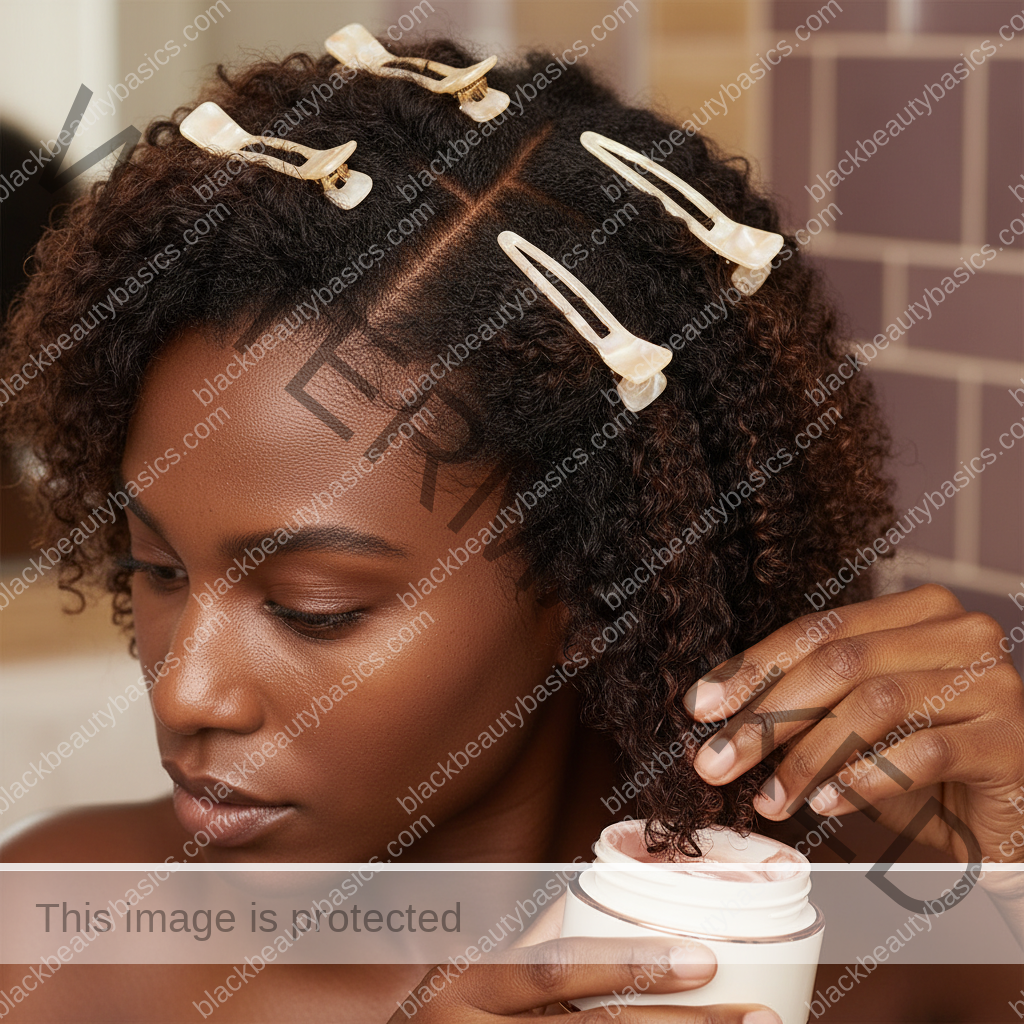
To prevent and address protein overload, it’s essential to become a savvy label reader. Proteins come in many forms and are often listed under various names on ingredient lists. The higher up on the list an ingredient appears, the higher its concentration in the product.
Common Protein Ingredients to Watch For:
- Hydrolyzed Proteins: These are proteins broken down into smaller molecules, making them easier for hair to absorb. Examples include:
- Hydrolyzed Wheat Protein
- Hydrolyzed Silk Protein
- Hydrolyzed Keratin
- Hydrolyzed Soy Protein
- Hydrolyzed Collagen
- Hydrolyzed Rice Protein
- Amino Acids: These are the building blocks of proteins. While beneficial, a high concentration can contribute to overload. Look for:
- Silk Amino Acids
- Keratin Amino Acids
- Wheat Amino Acids
- Other Protein-Derived Ingredients:
- Collagen
- Keratin
- Milk Protein
- Oat Protein
- Vegetable Protein
- Pea Protein
It’s not just about avoiding proteins entirely; it’s about understanding their presence. Some products might contain a small amount of protein further down the ingredient list, which can be perfectly fine for regular use. The concern arises when proteins are among the first five to ten ingredients, or when you’re using multiple products with high protein content in your routine.
Protein-Rich Product Categories:
- Deep Conditioners & Treatments: Many intensive masks and reconstructors are formulated with high levels of protein to repair damaged hair.
- Leave-in Conditioners: Some leave-ins include proteins for added strength and protection.
- Styling Products: Gels, mousses, and even some curl creams can contain proteins to enhance curl definition and hold.
- Shampoos & Conditioners: While less common for high protein content, some “strengthening” or “repairing” lines will feature proteins prominently.
The key is to diversify your product stash. Ensure you have a good balance of moisturizing products that are protein-free or contain minimal protein, alongside any protein-rich treatments you choose to incorporate.
The Road to Recovery: Rebalancing Your Hair
Discovering your hair is suffering from protein overload can feel disheartening, but rest assured, it is a reversible condition. With a strategic shift in your hair care regimen, you can restore your strands to their supple, vibrant glory. The focus now is on clarifying, deep moisturizing, and temporarily reducing protein intake.
Step 1: Clarify Your Strands
The first crucial step is to remove the excess protein build-up that is coating your hair shaft. A good clarifying shampoo will gently strip away product residue, oils, and, yes, accumulated proteins, without completely stripping your hair of its natural moisture. Look for clarifying shampoos that are sulfate-free to avoid further drying out your already brittle strands.
Apply the clarifying shampoo, focusing on the scalp and then gently working it down the length of your hair. Rinse thoroughly. You might need to do this once or twice, depending on the severity of the overload. Shop Clarifying Shampoos on Amazon
Step 2: Deep Condition with Protein-Free Moisture
After clarifying, your hair will be primed to receive much-needed moisture. This is where protein-free deep conditioners become your best friend. Look for products rich in humectants (like glycerin, hyaluronic acid, aloe vera) and emollients (like shea butter, argan oil, jojoba oil, coconut oil). These ingredients will infuse your hair with hydration, restoring its softness and elasticity.
Apply a generous amount of the deep conditioner, ensuring every strand is coated. Cover your hair with a plastic cap and allow the conditioner to penetrate for 20-30 minutes, or even longer if your hair is severely dry. Heat can enhance penetration, so consider using a hooded dryer or a warm towel. Rinse thoroughly with cool water to help seal the cuticle. Shop Protein-Free Deep Conditioners on Amazon
Step 3: Embrace Protein-Free Leave-Ins and Stylers
For the next few weeks, your focus should be on maintaining moisture and avoiding any further protein. Opt for leave-in conditioners and styling products that are explicitly protein-free. Look for ingredients like aloe vera, glycerin, botanical extracts, and nourishing oils. These will help keep your hair hydrated and pliable between wash days.
Experiment with different protein-free curl creams, gels, and mousses to find what works best for your curl pattern. The goal is to provide definition and hold without adding rigidity. Shop Protein-Free Leave-In Conditioners on Amazon
Step 4: Gentle Handling and Protective Styling
While your hair is recovering, treat it with the utmost gentleness. Avoid excessive manipulation, tight hairstyles, and heat styling. Opt for low-tension protective styles that don’t pull on your fragile strands, such as loose braids, twists, or buns. Use satin or silk pillowcases and bonnets to minimize friction while you sleep. Shop Satin Bonnets on Amazon
Step 5: Reintroduce Protein Gradually (If Needed)
Once your hair has regained its softness, elasticity, and healthy feel (which can take several weeks), you can consider reintroducing protein, but with caution. Start with a mild protein treatment once every 4-6 weeks, or use products with proteins further down the ingredient list. Pay close attention to how your hair responds. The goal is to find the perfect balance that keeps your hair strong without making it stiff.
Protein Overload vs. Dryness: A Quick Comparison
It’s easy to confuse protein overload with simple dryness, as both can lead to brittle hair. However, understanding the nuances can help you diagnose the issue more accurately.
| Characteristic | Protein Overload | Simple Dryness |
|---|---|---|
| Feel of Hair | Stiff, rigid, hard, rough, brittle, “straw-like” | Dry, rough, sometimes brittle, but still has some flexibility |
| Elasticity Test | Snaps easily, little to no stretch, or stretches but doesn’t spring back | Stretches but may not spring back fully, or feels weak |
| Response to Moisture | Feels dry even after moisturizing; moisture doesn’t seem to penetrate or last | Absorbs moisture and feels softer temporarily, but dries out quickly |
| Appearance | Dull, frizzy, loss of curl definition, can look “puffy” | Dull, frizzy, lack of shine, sometimes stringy |
| Breakage | Hair snaps off in short pieces along the shaft | Hair may break, often at ends, but can also be from root if severe |
| Recent Product Use | Consistent use of protein-rich products (deep conditioners, stylers) | Lack of consistent moisturizing, harsh cleansers, heat damage |
Tips for Maintaining Protein-Moisture Balance
Prevention is always better than cure. By incorporating these practices into your routine, you can help maintain the optimal protein-moisture balance for your textured hair.
Tip List: Achieving Hair Harmony
- Be a Savvy Label Reader: Always check ingredient lists. If proteins are among the first 5-10 ingredients, consider it a protein-rich product.
- Rotate Your Products: Don’t use protein-heavy products exclusively. Alternate with moisturizing, protein-free options.
- Listen to Your Hair: Pay attention to how your hair feels. If it starts to feel stiff or brittle, it might be time for a protein break.
- Perform Regular Elasticity Tests: This simple test can be a great indicator of your hair’s protein-moisture balance.
- Deep Condition Regularly: Incorporate protein-free deep conditioning treatments into your routine at least once a week to maintain hydration.
- Use Leave-Ins and Sealants: Layer a protein-free leave-in conditioner followed by a light oil or butter to seal in moisture.
- Consider Your Hair’s Porosity: High porosity hair often benefits from more protein than low porosity hair, but still needs balance. Low porosity hair can be more easily overwhelmed by protein.
- Don’t Overdo Protein Treatments: For most, a protein treatment once a month or every 6-8 weeks is sufficient. If your hair is severely damaged, you might need it more often initially, but always follow with a moisturizing treatment.
- Hydrate from Within: Drink plenty of water to support overall hair health.
- Protect Your Hair: Use satin/silk scarves or pillowcases and minimize heat styling to reduce damage and maintain moisture.
Step back when strengthening stops feeling helpful
For Black women with textured hair, hair-care choices can feel emotional because they sit at the intersection of identity, time, styling expectations, budget, and all the advice we have been given about what our hair “should” do. This guide focuses on recognizing stiffness, roughness, brittle-feeling strands, product stacking, and when to simplify before adding more protein, while keeping the related BBB natural-hair cluster as the home base. The goal is not to force every curl, coil, kink, or section into the same behavior. The goal is to build a routine that protects the hair you actually have.
Review the recent routine before naming the problem. Did you add a strengthening mask, leave-in, or styling product around the same time the hair began feeling stiff or rough? Notice whether the texture changes after cleansing and conditioning, and whether the ends are harder to detangle than usual. Those details are more useful than assuming every brittle-feeling strand has a single cause.
If several strengthening products are stacked in one wash day, a simpler routine gives you a clearer comparison. Set aside the extra treatments for now, cleanse gently, condition in a way the hair tolerates, and handle fragile ends with care. Watch how the hair feels across more than one wash day. The aim is to learn what changed, not to swing from one extreme treatment to another.
What to notice gently
- Where your hair tangles first: ends, nape, crown, edges, or interior sections.
- How your hair responds to water, conditioner, gels, creams, oils, and drying time.
- Which steps leave your hair softer, rougher, stretched, shrunken, defined, or weighed down.
- How much manipulation your schedule and strands can realistically handle.
- What improves the style without making wash day feel impossible.
What can confuse the protein-overload picture
The first trap is treating an ingredient label as a diagnosis. A product can contain protein without being the only reason the hair feels rough; styling buildup, heat, and handling matter too. Look at how often a product is used and what else changed in the same period. Avoid blaming one word on the label before you have compared the routine.
The second trap is trying to correct stiffness with every moisturizing product you own. Adding layers without first simplifying can make it harder to see whether the hair is responding. Choose a manageable wash-and-condition routine, then keep the styling step modest. If the hair feels more comfortable, you have a useful direction for your next wash day.
A third trap is pulling or testing fragile strands repeatedly to prove whether they are overloaded. That can create more breakage without giving you a clear answer. Let normal detangling and styling show you how the hair behaves. If breakage is significant, persistent, or paired with scalp symptoms, a hair-care professional or dermatologist can help assess the bigger picture.
What to do next
For now, list the strengthening products you have been using and choose one change you can observe. The related guides below help compare moisture-and-protein balance with a gentler wash day. You do not need to punish your hair for feeling different; a slower, simpler routine is a reasonable place to start.
- Natural Hair Care & Protective Styles
- The related natural-hair cluster guide
- moisture and protein balance
- how to know if hair needs moisture or protein
- high-porosity wash day
- low-porosity wash day
Frequently Asked Questions About Protein Overload
Q1: How long does it take to recover from protein overload?
A1: Recovery time varies depending on the severity of the overload and your hair’s individual response. Typically, you can expect to see significant improvement within 2-4 weeks of consistently following a protein-free, moisture-focused regimen. For severe cases, it might take a bit longer, but patience and consistency are key.
Q2: Can protein overload cause hair loss?
A2: While protein overload itself doesn’t directly cause hair loss from the scalp (like shedding from the root), it can lead to severe breakage along the hair shaft. This breakage can make your hair appear thinner and shorter, giving the illusion of hair loss. Addressing the overload will reduce breakage and allow your hair to retain its length and density.
Q3: Are all hydrolyzed proteins bad for my hair?
A3: No, not at all! Hydrolyzed proteins are beneficial in moderation. They are broken down into smaller molecules, making them easier for your hair to absorb and utilize for strength and repair. The issue arises when they are used in excessive amounts or too frequently, leading to an imbalance. The key is balance and understanding your hair’s needs.
Q4: What’s the difference between a protein treatment and a deep conditioner?
A4: A protein treatment is specifically formulated with a high concentration of proteins to strengthen and repair damaged hair. A deep conditioner, on the other hand, is primarily focused on providing intense moisture and hydration. While some deep conditioners may contain a small amount of protein, their main goal is to soften and nourish. It’s crucial to distinguish between the two and use them appropriately to maintain balance.
Q5: Can low porosity hair experience protein overload more easily?
A5: Yes, low porosity hair can be more susceptible to protein overload. Because its cuticle layers are tightly bound, it can struggle to absorb products effectively. When protein molecules sit on the surface without fully penetrating, they can build up and create a stiff, brittle feeling more quickly than with high porosity hair, which absorbs products more readily.
Q6: Should I avoid all products with protein forever if I’ve experienced overload?
A6: No, not necessarily. Once your hair has recovered and regained its healthy balance, you can gradually reintroduce protein-containing products. The goal is to find a sustainable routine. Many people with textured hair benefit from a protein treatment every 4-8 weeks, or by using products with proteins further down the ingredient list. It’s about moderation and monitoring your hair’s response.
Q7: Can heat styling contribute to protein overload symptoms?
A7: While heat styling doesn’t directly cause protein overload, it can exacerbate the symptoms. Hair that is already stiff and brittle from excess protein becomes even more fragile and prone to breakage when subjected to high heat. Heat can also further dry out the hair, intensifying the feeling of dryness and dullness. It’s best to avoid heat styling during recovery from protein overload.
A8: This is a complex scenario that could indicate a severe moisture overload (hygral fatigue) rather than protein overload, or a combination of both. Hygral fatigue occurs when hair absorbs too much water, causing the cuticle to swell and contract excessively, leading to a mushy, weak, and gummy feel. If your hair feels mushy when wet and brittle when dry, it’s often a sign of hygral fatigue. In this case, a very gentle protein treatment (like a rice water rinse) followed by a balanced moisturizing routine might be beneficial, as protein can help strengthen the hair and prevent excessive water absorption. However, if it’s primarily dry and stiff, protein overload is more likely.
Our hair, a crown of unparalleled beauty, deserves our deepest understanding and most thoughtful care. Recognizing the subtle whispers of protein overload is not a setback, but an opportunity to deepen your connection with your natural texture, to learn its unique language, and to nurture it back to its most magnificent state. Embrace this journey of discovery, for in every strand lies the story of your strength and resilience, waiting to be celebrated with precision and pride.
Related next steps
Related posts:
 Recovering from Protein Overload or Moisture Overload: A Gentle Reset for Your Natural Hair
 How to Know if Your Natural Hair Needs Moisture or Protein
 How Porosity and Texture Change Your Moisture and Protein Needs
 How to Tell If Your Hair Needs More Moisture or More Protein
 The Role of Protein Treatments in Strengthening Natural Hair
 The Moisture-Protein Balance – How to Tell What Your Hair Needs and Avoid Breakage