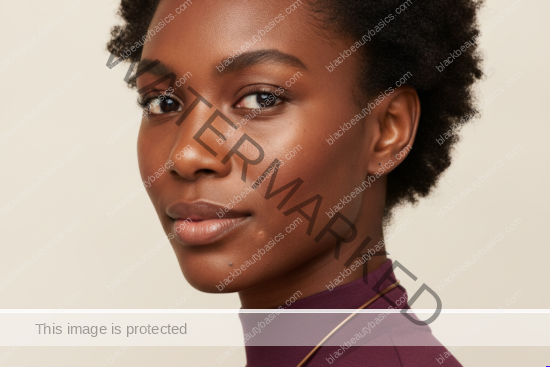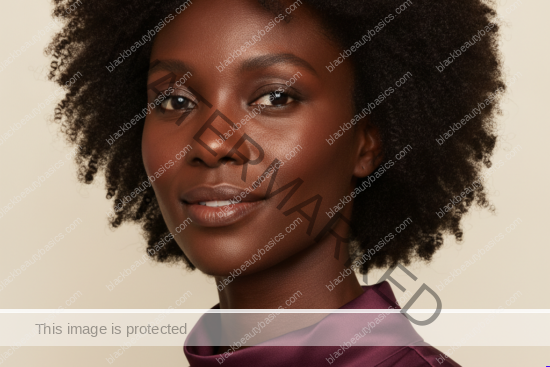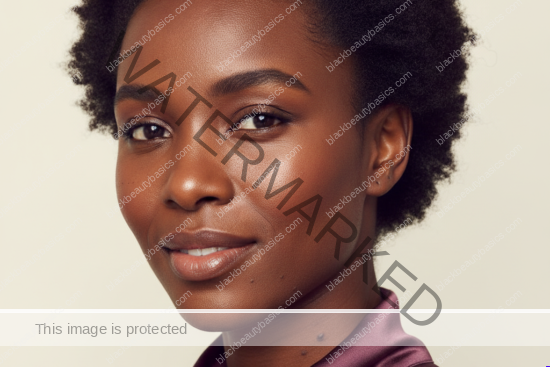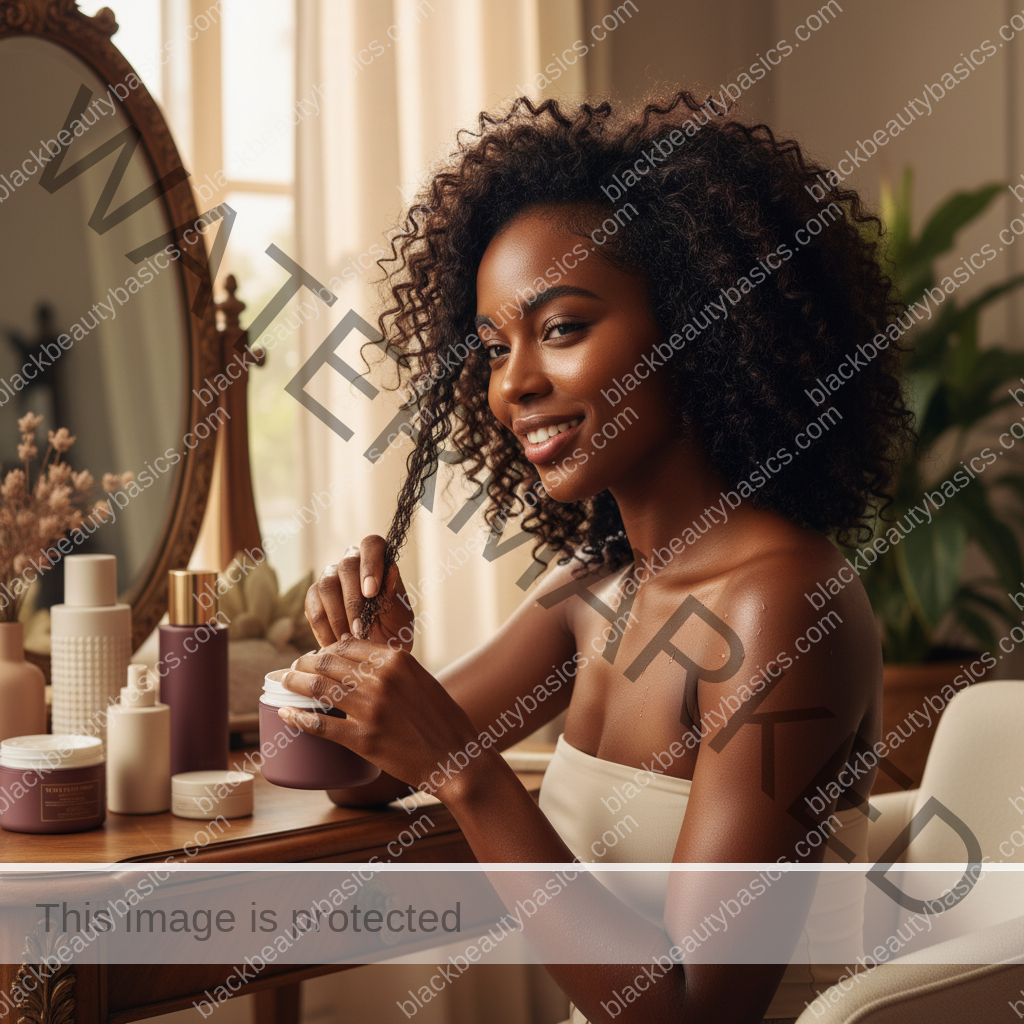
For the woman whose crown tells stories of resilience and beauty, the wash-and-go is more than just a style; it’s a declaration of natural elegance, a celebration of coils in their purest form. Yet, for those blessed with the most intricate, tightly coiled textures, this seemingly simple style can often feel like an elusive dream, a battle against shrinkage, frizz, and definition. This is where Black Beauty Basics steps in, to demystify the art and science of the wash-and-go, transforming it from a challenge into your signature look. Start with the related BBB natural-hair cluster guide if you want the broader map.
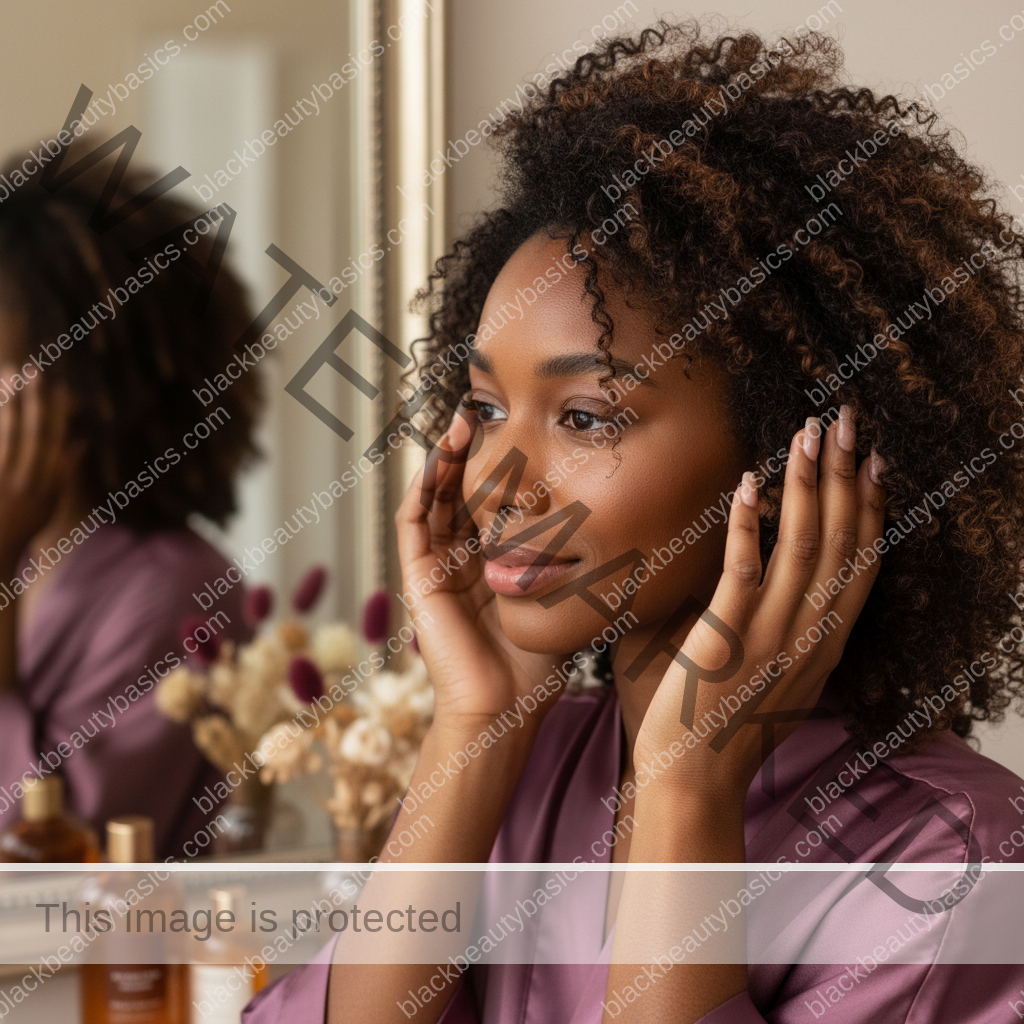
Embracing Your Coils: The Wash-and-Go Revolution for Tightly Coiled Hair
The wash-and-go, at its heart, is about allowing your natural curl pattern to shine, unmanipulated and free. For our sisters with tightly coiled hair, often categorized as 4A, 4B, and 4C, this journey comes with its own unique considerations. Your coils are a masterpiece of nature, characterized by their tight, often zig-zag or S-shaped patterns, incredible volume potential, and a tendency towards dryness and shrinkage. Understanding these inherent qualities is the first step towards mastering a wash-and-go that not only lasts but truly flourishes.
Understanding Tightly Coiled Hair: A Foundation for Success
Before we dive into the techniques, let’s honor the unique characteristics of tightly coiled hair. This hair type boasts a dense cuticle layer, making it prone to dryness as natural oils struggle to travel down the hair shaft. Its intricate curl pattern, while beautiful, also means it’s more susceptible to tangles and breakage if not handled with care. And, of course, there’s the magnificent shrinkage – a phenomenon where your hair appears much shorter when dry than its actual length when wet. Far from a flaw, shrinkage is a sign of healthy elasticity, but it’s a factor we’ll learn to work with, not against, in our wash-and-go journey.
The Anatomy of a Coil: Why Your Hair Behaves the Way It Does
Each strand of tightly coiled hair is a marvel. Its elliptical shape and numerous twists and turns are what give it its unique texture and volume. This structure, however, also means that moisture can escape more easily, and products need to be carefully chosen to penetrate and seal. Our goal is to infuse each coil with hydration, lock it in, and encourage maximum definition, allowing your hair to dry in its natural, magnificent state.
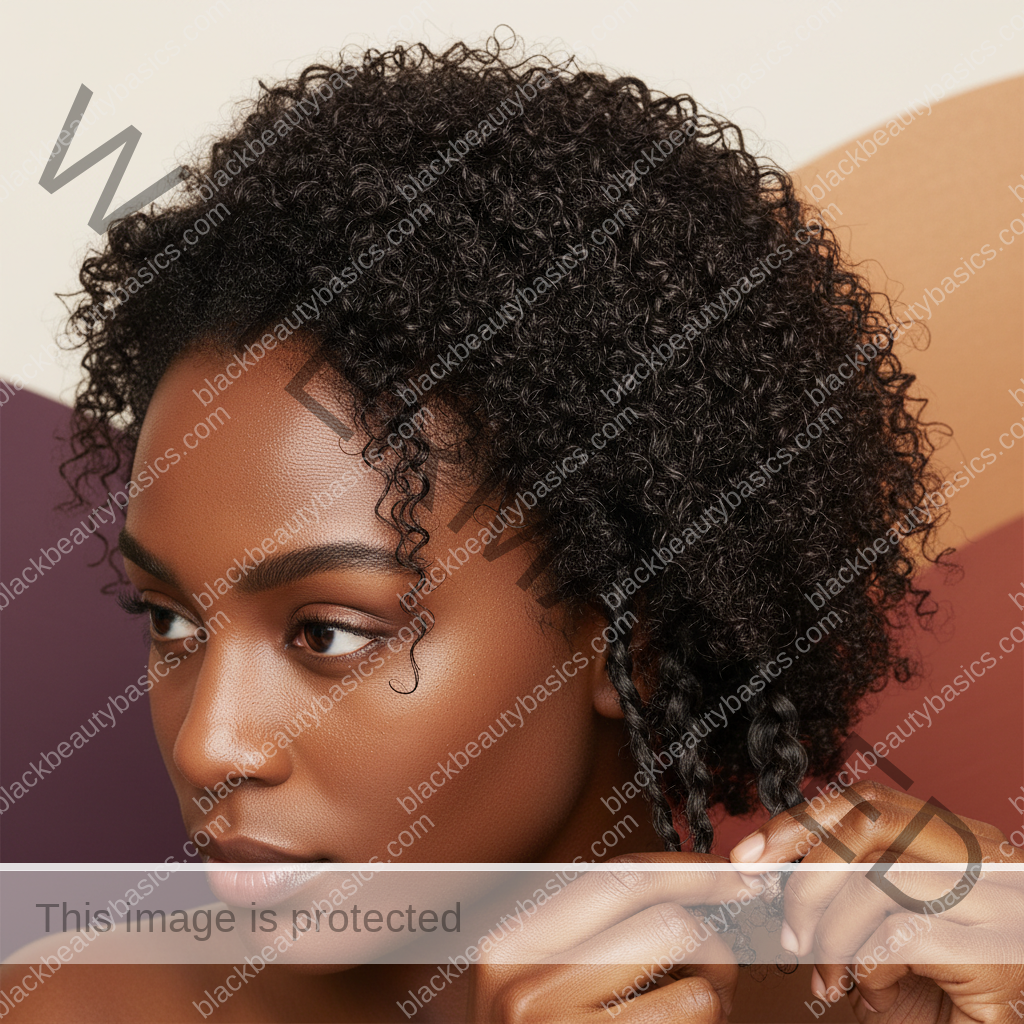
The Essential Pre-Poo & Cleansing Ritual: Setting the Stage for Definition
A successful wash-and-go begins long before you apply your styling products. It starts with a meticulous pre-poo and cleansing routine designed to prepare your coils for optimal hydration and definition. Think of this as laying the groundwork for a masterpiece.
The Power of the Pre-Poo: Nourish Before You Wash
Pre-pooing, or pre-shampooing, is a non-negotiable step for tightly coiled hair. It involves applying a nourishing oil or conditioner to your dry hair *before* shampooing. This creates a protective barrier, preventing the shampoo from stripping your hair of its natural oils, which are vital for moisture retention. It also helps to detangle before water even touches your strands, significantly reducing breakage.
Choosing Your Pre-Poo Elixir
- Rich Oils: Opt for oils like extra virgin olive oil, coconut oil (if your hair tolerates it), or castor oil. These penetrate the hair shaft, providing deep conditioning.
- Conditioner-Based Pre-Poos: Some prefer a lightweight conditioner mixed with a few drops of oil for added slip and detangling benefits.
Application Technique: Section your dry hair, apply your chosen pre-poo generously from root to tip, focusing on the ends. Gently detangle with your fingers or a wide-tooth comb. Cover with a shower cap and leave on for at least 30 minutes, or even overnight for an intensive treatment.
Cleansing with Care: The Gentle Approach
Shampooing is essential for removing product buildup, dirt, and excess oil, but it must be done gently. For tightly coiled hair, harsh sulfates are the enemy. They can strip your hair, leaving it dry and brittle.
Selecting the Right Cleanser
- Sulfate-Free Shampoos: Always reach for sulfate-free shampoos that are specifically formulated for natural, textured hair. Look for ingredients like aloe vera, glycerin, and natural oils.
- Co-Washing: For frequent washes or if your hair is particularly dry, co-washing (cleansing with conditioner) can be a game-changer. It cleanses without stripping, maintaining your hair’s moisture balance.
Application Technique: Rinse your pre-pooed hair thoroughly. Apply shampoo to your scalp, gently massaging with your fingertips to lift dirt and buildup. Allow the suds to run down your hair strands, cleansing them without aggressive scrubbing. Rinse thoroughly with lukewarm water.
Deep Conditioning: The Hydration Imperative
Deep conditioning is not just a treat; it’s a fundamental step for tightly coiled hair, especially when preparing for a wash-and-go. This step infuses your hair with much-needed moisture, strengthens the strands, and improves elasticity and manageability.
Choosing Your Deep Conditioner
Look for deep conditioners rich in humectants (like glycerin and honey), emollients (like shea butter and various oils), and strengthening proteins (if your hair needs it, but use sparingly to avoid protein overload). Products designed for “dry,” “damaged,” or “curly” hair are often good choices.
Deep Conditioner vs. Regular Conditioner
| Feature | Regular Conditioner | Deep Conditioner |
|---|---|---|
| Purpose | Daily detangling & light hydration | Intense hydration, repair, strengthening |
| Ingredients | Lighter emollients, surface-level conditioning agents | Richer oils, butters, humectants, proteins, penetrating agents |
| Application Time | 2-5 minutes | 15-30 minutes (often with heat) |
| Frequency | Every wash day | 1-2 times per week or bi-weekly |
| Benefits for W&G | Smooths cuticle, aids detangling | Boosts moisture, elasticity, definition, reduces frizz & shrinkage |
Application Technique: After shampooing, gently squeeze excess water from your hair. Section your hair and apply the deep conditioner generously, ensuring every strand is coated. Use a detangling brush or wide-tooth comb to gently detangle each section, working from ends to roots. Cover your hair with a plastic cap and sit under a hooded dryer or use a hair steamer for 15-30 minutes to help the product penetrate. Rinse thoroughly with cool water to seal the cuticles and lock in moisture.
The Art of Product Selection: Your Wash-and-Go Arsenal
The right products are the backbone of a successful wash-and-go for tightly coiled hair. They provide the moisture, hold, and definition needed to combat frizz and enhance your natural curl pattern. This is where precision meets perfection.
Leave-In Conditioner: The First Layer of Defense
A good leave-in conditioner is non-negotiable. It provides a foundational layer of moisture, helps with detangling, and prepares your hair for the styling products to follow. Look for creamy, hydrating formulas that absorb well without leaving residue.
Styling Cream: Defining Your Coils
Styling creams are excellent for adding moisture, softness, and light definition. They help to clump your coils together, reducing frizz. Choose a styling cream that is rich but not heavy, allowing your coils to remain bouncy.
Curl Gel: The Ultimate Hold and Definition
For tightly coiled hair, a strong-hold curl gel is often the secret weapon. It provides the necessary cast to lock in your curl pattern, minimize shrinkage, and prevent frizz. Don’t be afraid of gels; the right one will give you definition without crunchiness.
The L.O.C. or L.C.O. Method: Sealing in Moisture
The L.O.C. (Liquid, Oil, Cream) or L.C.O. (Liquid, Cream, Oil) method is a popular technique for layering products to maximize moisture retention. For tightly coiled hair, this layering is crucial.
- Liquid: Your leave-in conditioner (water-based).
- Oil: A lightweight sealing oil (e.g., jojoba, argan, grapeseed) to lock in the liquid.
- Cream: Your styling cream or butter for added moisture and definition.
(Note: Your curl gel usually comes after the cream, or can replace the cream step if it’s a moisturizing gel.)
Product Layering for Tightly Coiled Wash-and-Go
| Layer | Product Type | Purpose | Key Ingredients to Look For |
|---|---|---|---|
| 1st Layer (Liquid) | Leave-In Conditioner | Hydration, detangling, cuticle smoothing | Water, Aloe Vera, Glycerin, Cetearyl Alcohol, Panthenol |
| 2nd Layer (Cream/Oil) | Styling Cream / Curl Enhancer | Moisture, curl clumping, light hold, frizz reduction | Shea Butter, Mango Butter, Coconut Oil, Jojoba Oil, Honey |
| 3rd Layer (Hold) | Strong Hold Gel | Definition, frizz control, long-lasting hold, shrinkage reduction | PVP, Carbomer, Flaxseed Gel, Aloe Vera Gel, Marshmallow Root |
The Wash-and-Go Styling Technique: Precision for Perfection
Now that your hair is prepped and your products are ready, it’s time for the main event. The application technique is paramount for tightly coiled hair, requiring patience and a methodical approach.
Working on Soaking Wet Hair: The Golden Rule
This cannot be stressed enough: your hair must be soaking wet for optimal product distribution and curl clump formation. Water is your best friend in the wash-and-go process. It helps to elongate your coils and allows products to glide on smoothly.
Sectioning for Success
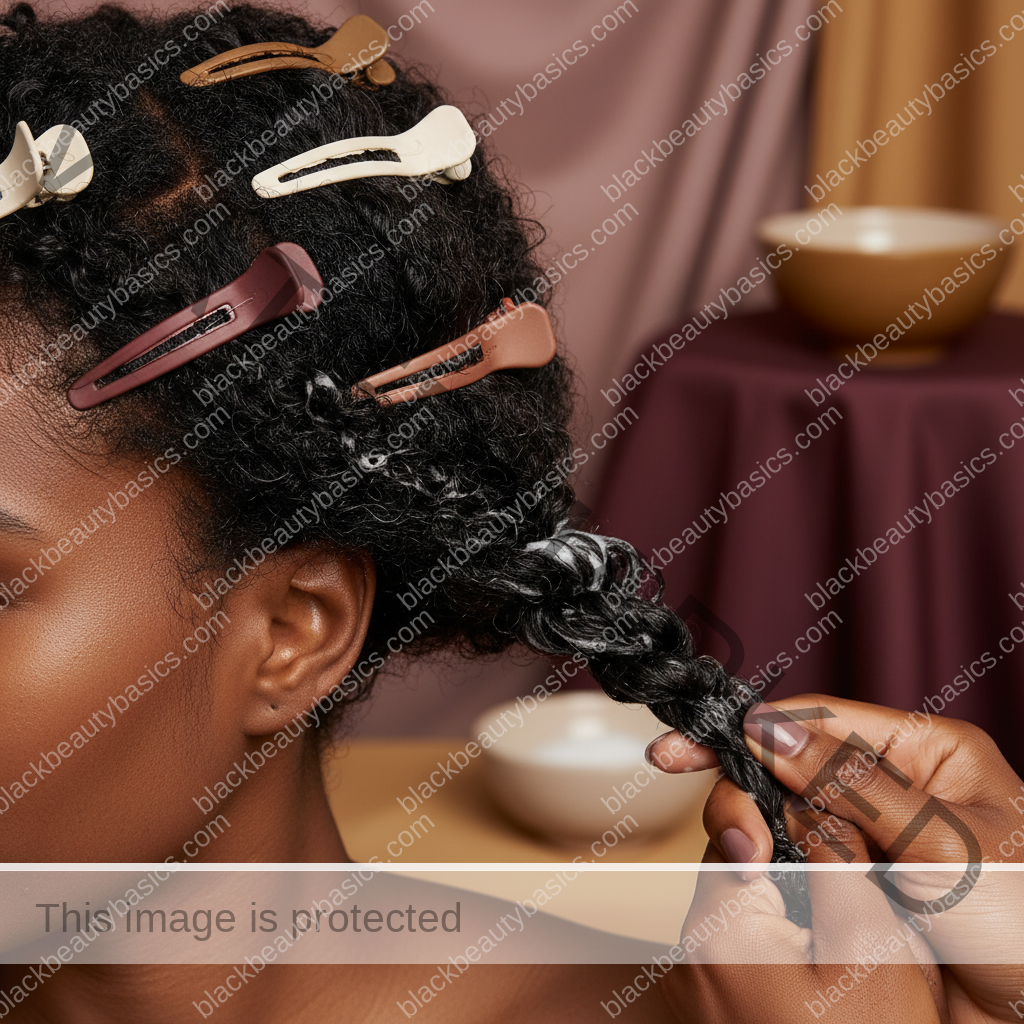
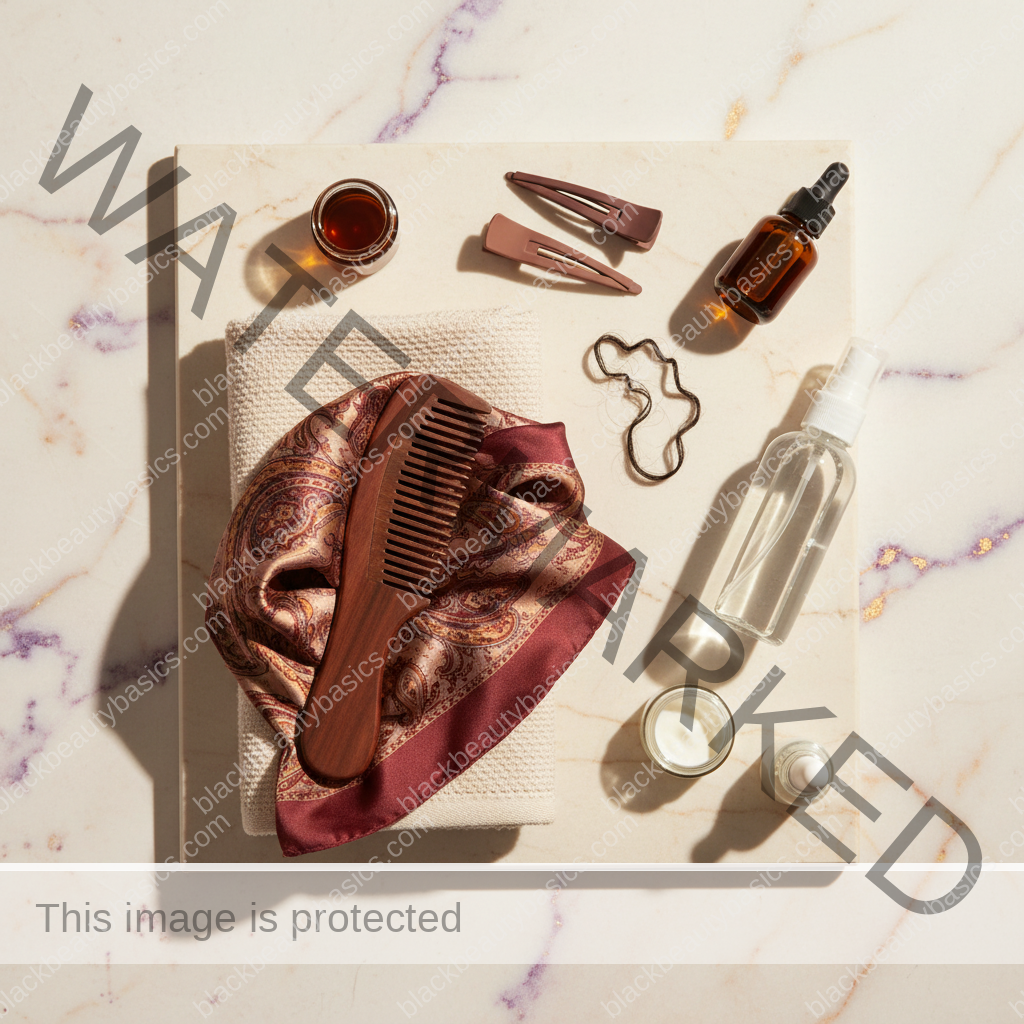
Divide your hair into small, manageable sections. The smaller the sections, the more control you’ll have, and the more defined your coils will be. Use hair clips to keep the unworked sections out of the way.
Product Application: The Rake & Shake Method
- Apply Leave-In: On each soaking wet section, apply a generous amount of your leave-in conditioner. Distribute it evenly from root to tip.
- Apply Styling Cream: Follow with your styling cream. Rake it through your hair with your fingers, ensuring every strand is coated.
- Apply Curl Gel: This is the defining step. Take a good amount of your strong-hold gel.
- Rake & Smooth: Using your fingers, gently rake the gel through your section, from root to tip. As you reach the ends, gently shake the section to encourage curl clump formation. You should see your coils beginning to form distinct clumps.
- Shingling (Optional, but Recommended): For maximum definition, particularly for 4C textures, consider shingling. This involves taking very small subsections (even individual coils) and individually coating them with gel, smoothing them down, and allowing them to clump. This is time-consuming but yields exceptional definition.
- Scrunching: Once a section is fully coated and clumped, gently scrunch your hair upwards towards your scalp. This helps to further encourage curl formation and remove excess water.
- Repeat: Continue this process, section by section, until your entire head is styled.
Drying Your Wash-and-Go: Patience is a Virtue
How you dry your wash-and-go is just as crucial as the styling itself. Improper drying can lead to frizz, undefined curls, and excessive shrinkage.
Air Drying vs. Diffusing: Choosing Your Method
- Air Drying: This is the gentlest method and often results in the least amount of frizz. However, it can take several hours, or even a full day, for tightly coiled hair to completely dry. Avoid touching your hair while it’s drying to prevent frizz.
- Diffusing: A diffuser attachment on a blow dryer can significantly speed up the drying process. Use a low heat and low speed setting. Gently cup sections of your hair in the diffuser and lift towards your scalp. Avoid aggressive movements. Diffusing can also help to create more volume.
Breaking the Gel Cast: Softness Revealed
Once your hair is 100% dry, you’ll likely notice a “gel cast” – a slightly crunchy feeling. This is a good thing! It means the gel did its job in holding your curls. To break the cast and reveal soft, defined coils:
- Apply a few drops of a lightweight hair oil (e.g., argan, jojoba) to your palms.
- Gently scrunch your hair upwards, “scrunching out the crunch.” You can also gently clap your hands around sections of hair.
- Fluff and pick your roots for added volume, using a hair pick if desired. Be gentle to avoid disturbing your curl pattern.
Maintaining Your Wash-and-Go: Longevity and Luster
A well-executed wash-and-go can last for days with proper maintenance, allowing you to enjoy your beautiful coils without daily re-styling.
Nighttime Protection: Preserving Your Style
Protecting your hair at night is paramount to extending the life of your wash-and-go. This prevents tangling, frizz, and flattening.
- Pineapple Method: Gently gather your hair into a loose, high ponytail on top of your head, securing it with a satin scrunchie. This keeps your curls from being crushed.
- Satin Scarf or Bonnet: Always sleep on a satin pillowcase or wear a satin bonnet or satin scarf. Cotton absorbs moisture from your hair and creates friction, leading to frizz and breakage.
Refreshing Your Coils: Day 2, 3, and Beyond
As the days go by, your wash-and-go may need a little revitalization. Avoid re-wetting your entire head, which can lead to frizz and disrupt the curl pattern.
- Misting: Lightly mist your hair with a fine mist spray bottle filled with water or a diluted leave-in conditioner. Focus on areas that have lost definition or appear frizzy.
- Re-applying Product: On refreshed sections, apply a small amount of your styling cream or gel, using the rake and shake method on specific curls that need definition.
- Fluffing: Use a pick at the roots to lift and add volume.
Troubleshooting Common Wash-and-Go Challenges for Tightly Coiled Hair
Even with the best techniques, challenges can arise. Here’s how to address them with grace and expertise.
Problem: Excessive Shrinkage
Solution: Shrinkage is a natural characteristic of tightly coiled hair, and it’s a sign of healthy elasticity. While you can’t eliminate it entirely, you can minimize it. Ensure your hair is soaking wet during product application. Use products with good hold, like strong-hold gels, that create a cast. Gentle stretching techniques (e.g., banding or using hair clips at the roots while drying) can help, but be careful not to over-manipulate. Diffusing with a focus on stretching the roots can also help.
Problem: Frizz
Solution: Frizz often indicates a lack of moisture or improper product application. Ensure your hair is soaking wet when applying products. Layer your products correctly (L.O.C./L.C.O.). Use a strong-hold gel to seal the cuticle and prevent frizz. Avoid touching your hair while it’s drying. Always sleep on satin.
Problem: Lack of Definition
Solution: This usually points to insufficient product or improper application. Make sure you are using enough product, especially gel, and that it’s evenly distributed. Work in smaller sections. The shingling method can significantly boost definition for stubborn areas. Ensure your hair is thoroughly detangled before applying styling products.
Problem: Hair Feels Dry or Crunchy
Solution: Crunchiness is the gel cast, which is normal. Break it gently with a lightweight oil once hair is 100% dry. If your hair feels dry *after* breaking the cast, you might need more moisture in your routine. Re-evaluate your leave-in conditioner and styling cream. Ensure you’re deep conditioning regularly. You might also be using too much protein, which can make hair feel stiff.
Problem: Product Buildup
Solution: If your hair feels heavy or dull, you might have product buildup. Ensure you are thoroughly cleansing your scalp and hair with a sulfate-free shampoo or co-wash. Incorporate a clarifying shampoo into your routine once a month to remove stubborn residue.
Build a wash-and-go around your coils
For Black women with textured hair, hair-care choices can feel emotional because they sit at the intersection of identity, time, styling expectations, budget, and all the advice we have been given about what our hair “should” do. This guide focuses on making wash-and-go styling more realistic for tight coils through hydration, sectioning, product layering, drying, and expectations, while keeping the related BBB natural-hair cluster as the home base. The goal is not to force every curl, coil, kink, or section into the same behavior. The goal is to build a routine that protects the hair you actually have.
Start by deciding what success means for your own hair: comfortable roots, manageable drying time, a shape you like, or definition that lasts beyond day one. Tightly coiled hair can shrink substantially and still be healthy and well styled. Notice which sections need more water or smaller styling sections, and plan enough time for the hair to set before you judge the result.
A workable wash-and-go is a sequence you can repeat without exhausting yourself. Begin with clean, conditioned hair, detangle gently, apply styling products in sections if that helps distribution, and allow the style to dry without constant checking. Adjust the amount of product and section size to your hair’s response. The goal is a comfortable, intentional look, not a curl pattern borrowed from someone else.
What to notice gently
- Where your hair tangles first: ends, nape, crown, edges, or interior sections.
- How your hair responds to water, conditioner, gels, creams, oils, and drying time.
- Which steps leave your hair softer, rougher, stretched, shrunken, defined, or weighed down.
- How much manipulation your schedule and strands can realistically handle.
- What improves the style without making wash day feel impossible.
What makes a wash-and-go frustrating
One trap is treating shrinkage as failure and repeatedly pulling the hair to make it look longer. That handling can disturb the style while it sets. If you prefer a little more length, choose a gentle shaping step after drying rather than stretching every section while it is wet. A tight coil does not need to be looser to count as a wash-and-go.
Another trap is stacking products until the hair feels coated. If a style flakes or stays sticky, compare the products and amounts you used before adding another layer. You may learn more by using less or changing one combination than by buying a new shelf of stylers. Keep the scalp comfortable while you test.
The third trap is expecting day-three hair to match a fresh, wet set. Coils expand, the shape changes, and some frizz can be part of the look. Refresh only the areas that need attention, or shift to a low-handling variation when the original shape has run its course. That is a styling choice, not a failed routine.
What to do next
On your next wash day, choose one adjustment to test: section size, product amount, or drying time. The related guides below can help if moisture balance or nighttime maintenance is the harder part. Let your coils set the terms of the style, and keep the steps realistic enough to repeat.
- Natural Hair Care & Protective Styles
- The related natural-hair cluster guide
- everyday low-manipulation styling
- 4C low-energy wash day
- mixed-texture natural hair routine
- keeping twist-outs moisturized
Frequently Asked Questions About Wash-and-Go Styles for Tightly Coiled Hair
Q1: How often should I wash my hair if I’m doing wash-and-gos?
A: The frequency depends on your hair’s needs and lifestyle. For tightly coiled hair, washing once a week or every 10-14 days is often ideal to maintain moisture and prevent over-manipulation. If you exercise frequently or use heavy products, you might need to co-wash more often between full washes.
Q2: Can I achieve a wash-and-go with only one product?
A: While some people with looser curl patterns might manage with one product, for tightly coiled hair, a multi-step layering approach (leave-in, cream, gel) is highly recommended for optimal moisture, definition, and longevity. One product typically won’t provide all three.
Q3: What’s the best way to detangle tightly coiled hair for a wash-and-go?
A: Always detangle on wet or damp hair, saturated with a slippery conditioner or pre-poo. Work in small sections, using your fingers first to gently separate tangles, then follow with a wide-tooth comb or a detangling brush (like a Denman brush or Felicia Leatherwood brush). Always detangle from the ends upwards to the roots.
Q4: My wash-and-go never lasts more than a day. What am I doing wrong?
A: Longevity issues often stem from insufficient hold, improper drying, or lack of nighttime protection. Ensure you’re using a strong-hold gel and applying enough product to create a cast. Allow your hair to dry 100% before touching it. Always protect your hair at night with a satin bonnet or scarf and consider the pineapple method.
Q5: How can I combat shrinkage and achieve more length with my wash-and-go?
A: While eliminating shrinkage is impossible for tightly coiled hair, you can minimize it. Apply products to soaking wet hair to help elongate. Use strong-hold gels that create a good cast. You can also gently stretch sections of your hair while diffusing or use clips at the roots while air drying. Some women also gently pull down sections of hair as they dry, but be careful not to create frizz.
Q6: Are all gels suitable for tightly coiled hair?
A: No. Look for gels specifically formulated for natural or curly hair, ideally with a strong hold. Avoid gels with high alcohol content, which can be drying. Ingredients like flaxseed, aloe vera, and natural gums are often excellent for definition and hold without flaking or excessive crunch.
Q7: How do I choose between air drying and diffusing?
A: Air drying is gentler and often results in less frizz, but takes a long time. Diffusing speeds up the process and can add volume, but requires careful technique (low heat, low speed, minimal touching) to avoid frizz. Experiment to see which method works best for your hair and lifestyle. Many women diffuse until 80% dry, then air dry the rest of the way.
The wash-and-go for tightly coiled hair is not merely a style; it’s an affirmation of your natural beauty, a testament to the strength and versatility of your magnificent strands. With the right knowledge, products, and a touch of patience, you can unlock the full potential of your coils, revealing a defined, vibrant, and effortlessly chic look that truly honors your heritage. Embrace the journey, celebrate every curl, and let your wash-and-go be a radiant expression of the queen you are.
Related next steps
Related posts:
 Building a 4C and Tightly Coiled Hair Routine: Your Guide to Effortless Care and Lasting Radiance
 Travel Hair Routine for Natural Hair and Protective Styles
 Protecting Your Hair During Sleep, Work, and Exercise
 Adapting Natural-Hair Routines to Your Work Environment
 Everyday Styles That Support Growth and Retention
 How to Alternate Protective Styles With Rest Periods