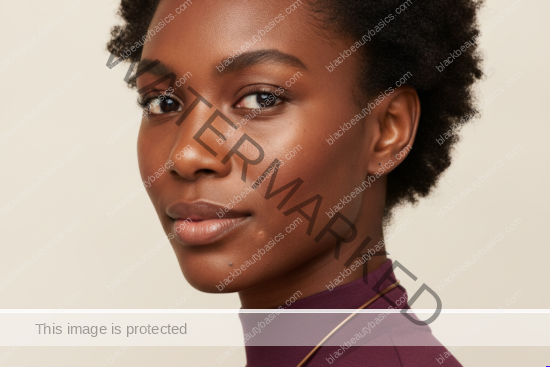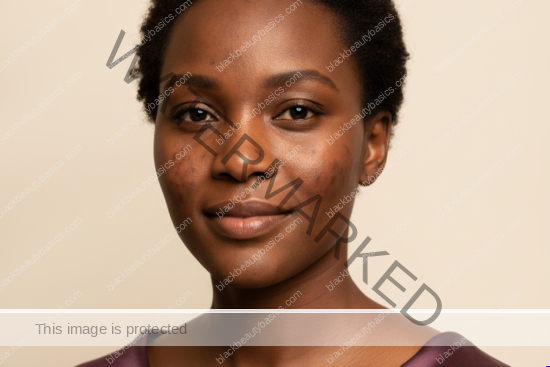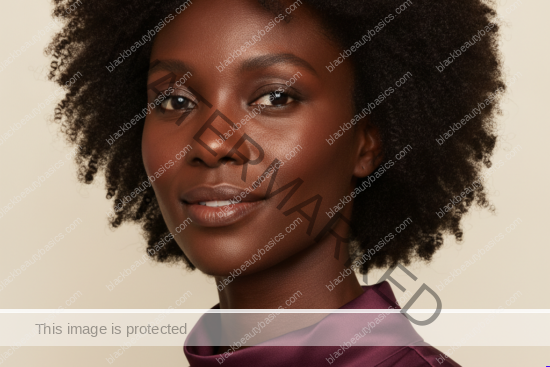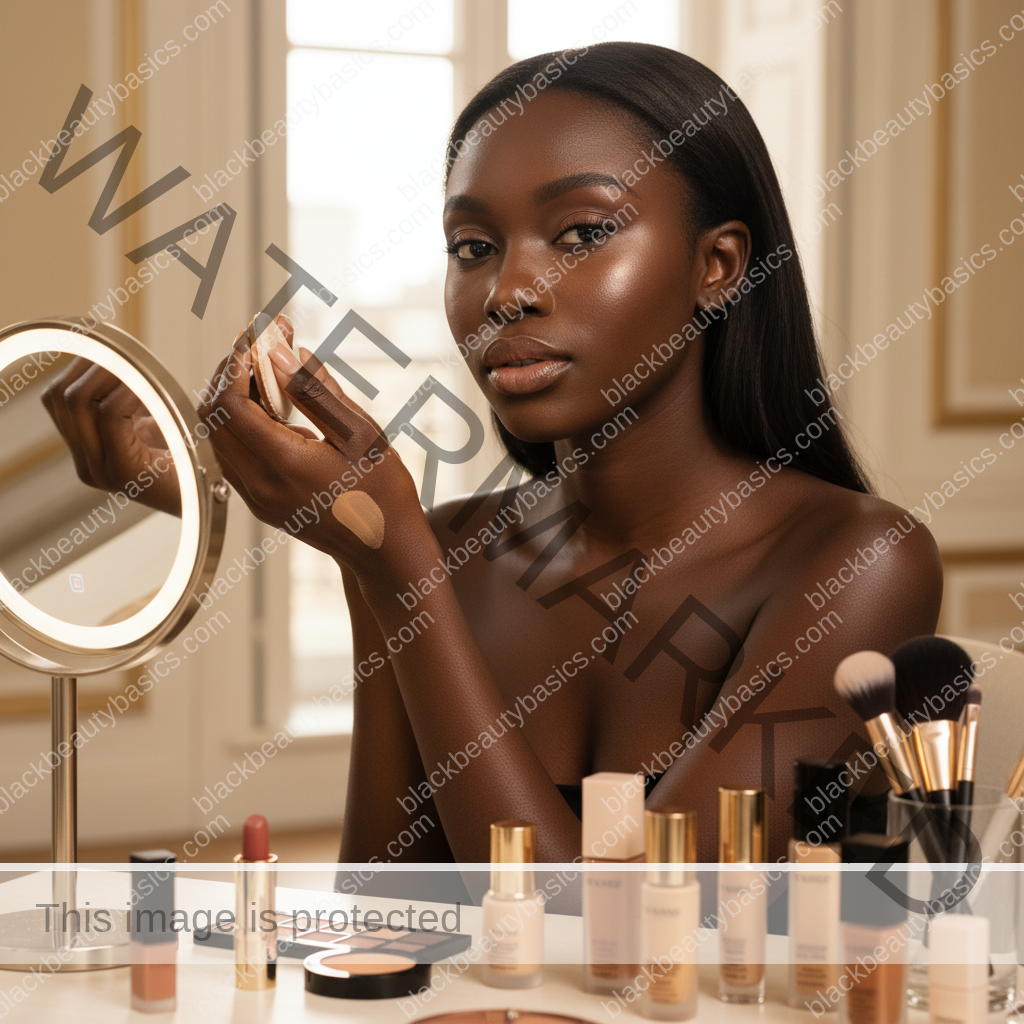
The quest for the perfect foundation shade is a sacred ritual for every woman, but for those of us blessed with the rich tapestry of melanin, this journey often comes with unique complexities. The digital age, while offering unparalleled convenience, can sometimes feel like a labyrinth when trying to discern the nuances of our radiant complexions through a screen. Fear not, for Black Beauty Basics is here to illuminate the path, transforming the daunting task of finding your ideal match online into an empowering act of self-discovery and precision. Start with the related BBB makeup cluster guide if you want the broader map.
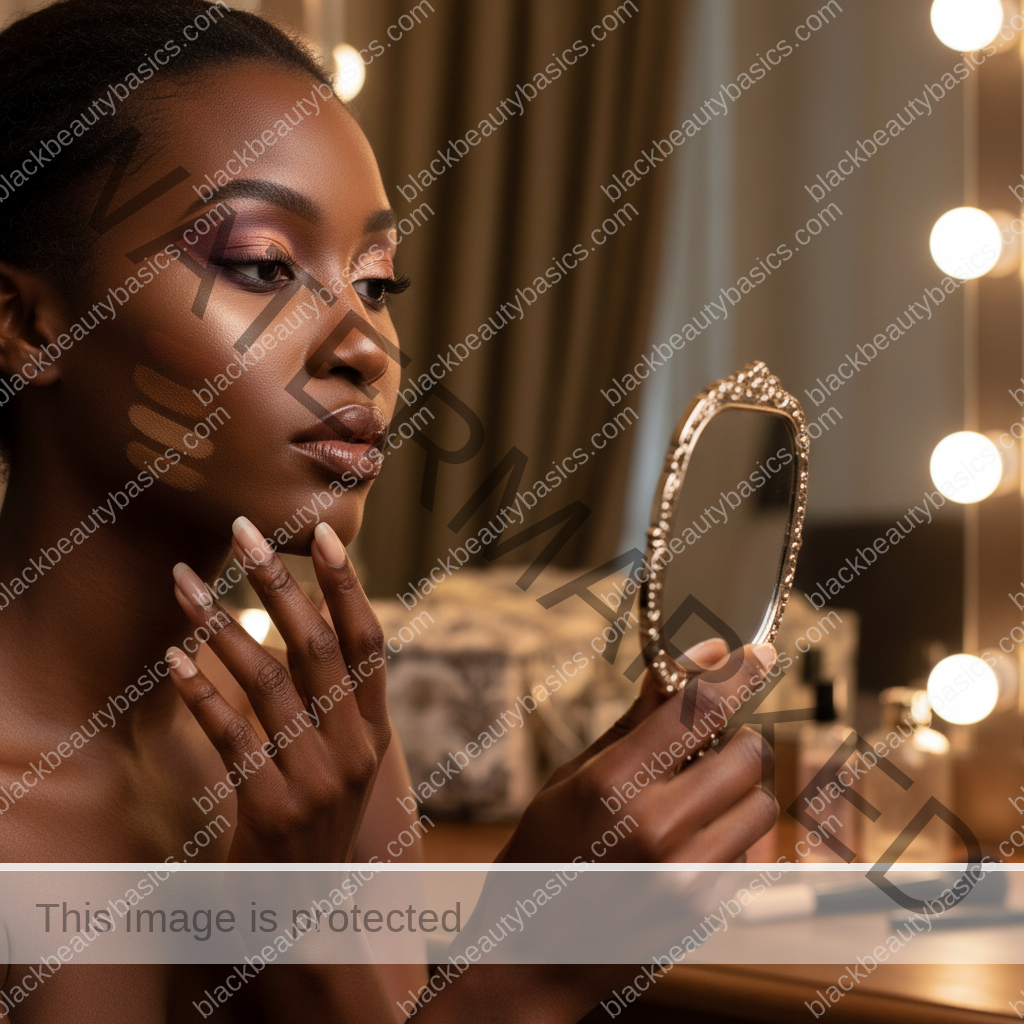
Embracing the Nuance: Why Shade-Matching Online for Dark Skin is a Unique Art
For too long, the beauty industry overlooked the vast spectrum of dark skin tones, often reducing our complexions to a handful of generic ‘deep’ shades. Thankfully, the landscape is shifting, with more brands recognizing the intricate beauty of melanin-rich skin. However, this progress also means a wider array of choices, which, without the guidance of a trained eye or the ability to swatch in person, can still be overwhelming. Our skin is not monolithic; it encompasses a breathtaking range of undertones, depths, and variations that require a discerning approach.
When we talk about shade-matching foundation online for dark skin, we’re not just looking for a ‘dark’ shade. We’re seeking a harmonious extension of our natural beauty, a second skin that enhances rather than conceals. This requires understanding the subtle interplay of depth, undertone, and overtone, and how these elements manifest in various lighting conditions and digital representations. This article will demystify the process, equipping you with the knowledge and tools to confidently select your perfect match from the comfort of your home.
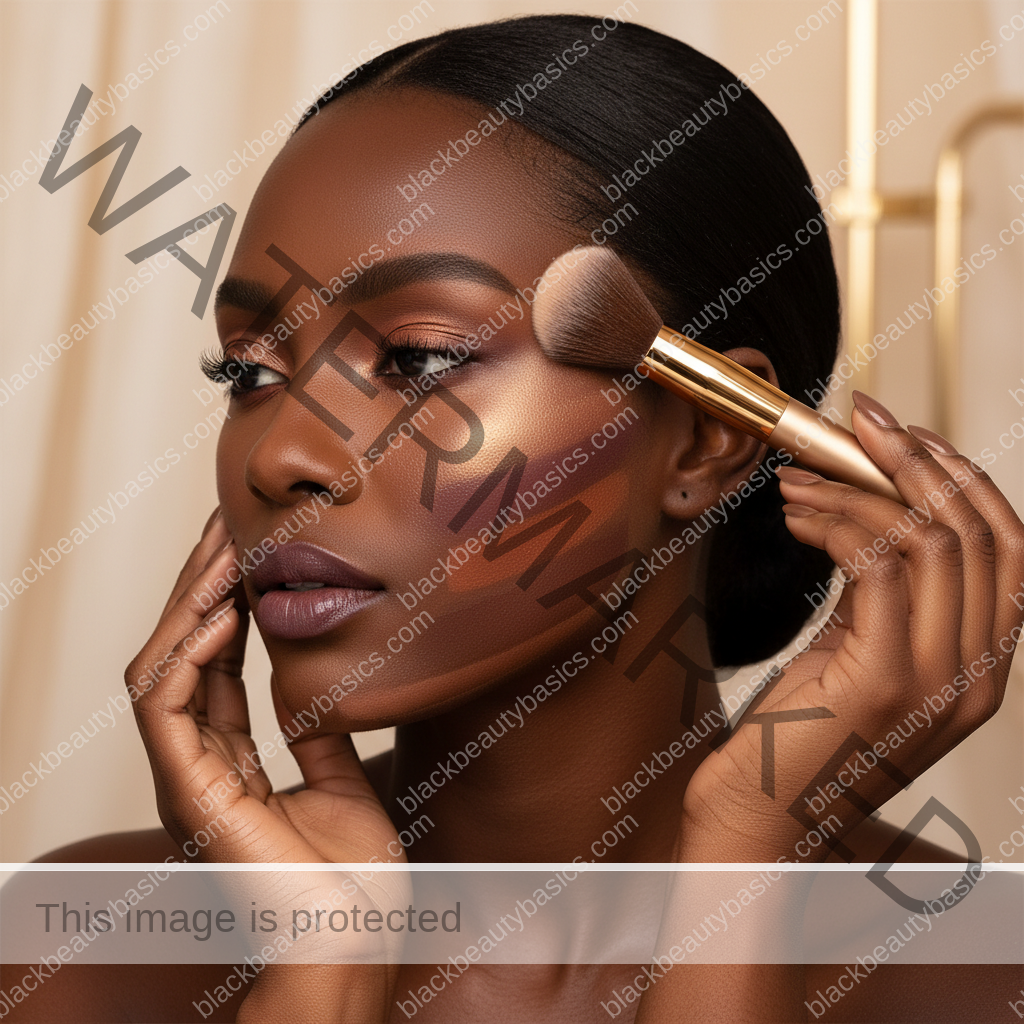
The Foundation of Knowledge: Understanding Your Skin’s Unique Blueprint
Before you even begin browsing, the most crucial step is to intimately understand your own skin. This isn’t just about identifying as “dark-skinned”; it’s about dissecting the specific characteristics that make your complexion uniquely yours. This self-awareness is your most powerful tool in navigating the digital beauty aisles.
Identifying Your Skin’s Depth: Light, Medium, or Deep?
While we are focusing on dark skin, even within this category, there’s a significant range. Are you a rich caramel, a deep mahogany, a warm espresso, or a profound ebony? Most brands categorize their shades by depth first. Being able to articulate where you fall on this spectrum will narrow down your options considerably. Look at your jawline, neck, and chest – these areas often provide the most accurate representation of your overall skin depth, as they are less prone to sun exposure or redness than your face.
Unveiling Your Undertone: The Secret to a Seamless Match
This is perhaps the most critical, yet often misunderstood, aspect of shade matching. Your undertone is the subtle hue that comes through your skin’s surface, influencing how colors appear on you. It remains constant, regardless of sun exposure or surface redness. For dark skin, undertones are incredibly diverse and can be complex, often featuring a blend of hues.
- Warm (Golden, Yellow, Peach): Your skin has a golden, peachy, or yellow tint. Gold jewelry tends to flatter you, and your veins might appear greenish. You tan easily without burning.
- Cool (Red, Blue, Pink): Your skin has hints of red, blue, or pink. Silver jewelry often looks best on you, and your veins might appear bluish or purple. You might burn easily.
- Neutral (Balanced): You have a mix of warm and cool undertones, or neither is particularly dominant. Both gold and silver jewelry look good, and your veins might appear a mix of green and blue.
- Olive (Greenish-Yellow): This is a common undertone for many dark skin tones, often mistaken for neutral or warm. It has a subtle greenish-yellow hue. Gold jewelry often looks good, and you might find that many foundations pull too yellow or too pink on you.
The Vein Test: Look at the veins on your inner wrist under natural light.
- Greenish veins = Warm undertone
- Bluish/Purplish veins = Cool undertone
- Mix of both = Neutral undertone
- If you have very deep skin, veins might not be easily visible. In this case, consider the jewelry test or how your skin reacts to certain colors.
The Jewelry Test: Which metal flatters your skin more?
- Gold = Warm undertone
- Silver = Cool undertone
- Both = Neutral undertone
The White T-shirt Test: Hold a plain white piece of paper or a white t-shirt next to your bare face in natural light.
- If your skin looks yellowish or golden against the white, you’re likely warm.
- If your skin looks pinkish, reddish, or bluish, you’re likely cool.
- If your skin looks grayish or sallow, you might have an olive undertone.
- If you don’t see a clear lean towards yellow or pink, you’re likely neutral.
The Sun Test: How does your skin react to sun exposure?
- You tan easily and rarely burn: Likely warm or olive.
- You burn easily and then tan: Likely cool.
- You tan gradually without much burning: Likely neutral.
It’s important to remember that some dark skin tones can have very complex undertones, sometimes a blend of warm and cool, or a distinctly rich red or blue undertone that requires specific attention. Don’t be afraid to identify with a nuanced undertone like “red-warm” or “blue-cool.”
Considering Your Overtone and Surface Characteristics
Your overtone is the surface color of your skin, which can be influenced by factors like sun exposure, redness, or hyperpigmentation. While undertone is constant, overtone can vary. For example, you might have a warm undertone but surface redness. A good foundation should balance both. Also, consider any specific concerns: do you have hyperpigmentation that you want to subtly even out? Do you have areas of lighter or darker skin? A foundation should harmonize with your overall complexion, not just one isolated spot.
Navigating the Digital Landscape: Tools and Techniques for Online Matching
Now that you’re armed with an intimate understanding of your skin, it’s time to translate that knowledge into successful online shade selection. The digital world offers several resources that, when used strategically, can be incredibly effective.
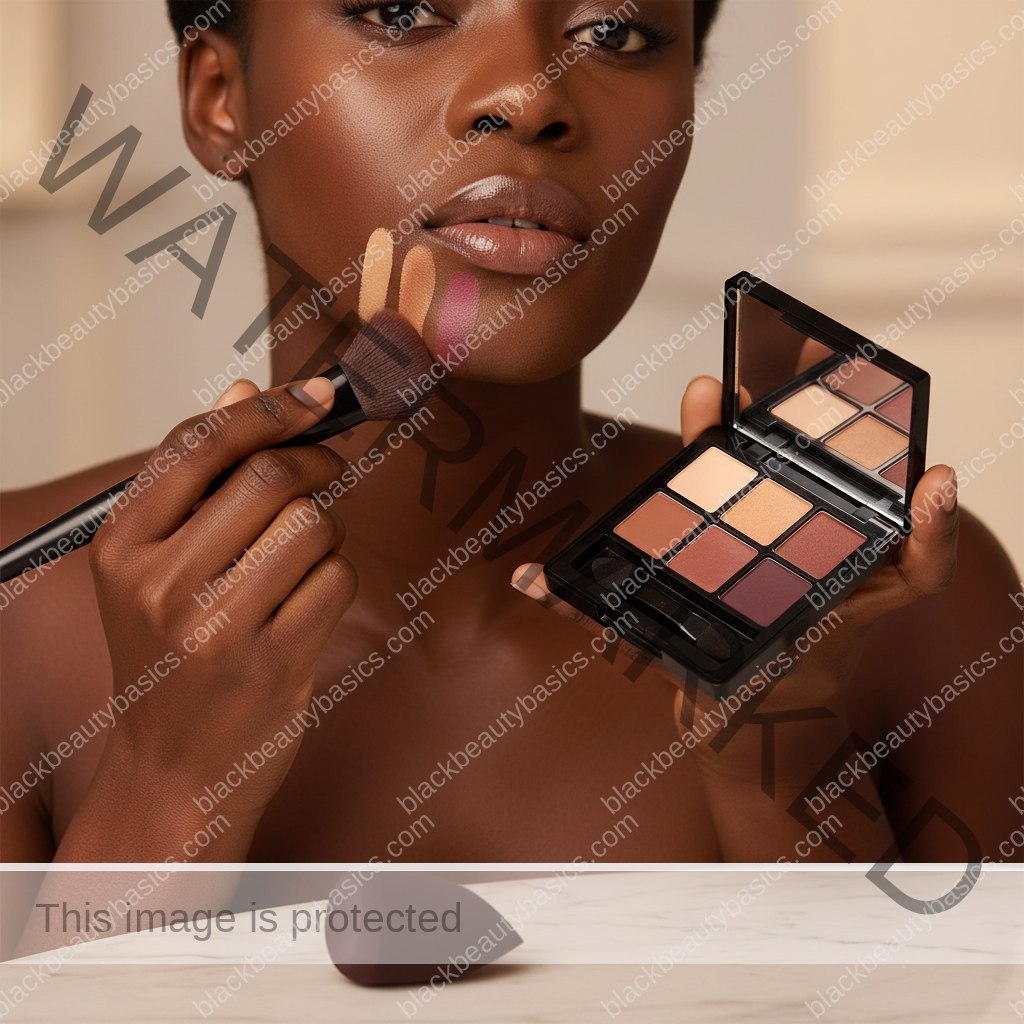
Leveraging Virtual Try-On Tools and AI Matchers
Many brands and retailers now offer virtual try-on features, often powered by augmented reality (AR) or artificial intelligence (AI). These tools allow you to “try on” shades using your phone’s camera or by uploading a photo. While they are not foolproof, especially for deeper skin tones where lighting can significantly alter the digital representation, they can be a great starting point.
- Tips for Using Virtual Try-On:
- Optimal Lighting: Use these tools in bright, natural daylight, facing a window. Avoid harsh overhead lights or yellow-toned artificial light, which can skew the perception of color.
- No Makeup: Ensure your face is clean and free of any makeup, sunscreen, or moisturizer that might alter your skin’s natural tone.
- Consistent Background: Stand against a neutral, plain background to minimize color interference.
- Multiple Angles: If possible, view the virtual swatch from different angles and in slightly varied lighting conditions (e.g., a little further from the window) to see how the shade adapts.
- Focus on Jawline: Pay close attention to how the shade looks on your jawline, as this is where you’d typically swatch foundation in person.
Shop Foundation with Virtual Try-On on Amazon
The Power of Swatch Comparisons and Model Galleries
Beyond virtual try-on, look for brands that provide extensive swatch galleries, especially those featuring models with diverse skin tones. This is where you can truly see the range of shades in context.
- Detailed Swatch Images: Look for swatches on multiple skin tones, not just on white paper. Pay attention to how the shade looks blended out versus concentrated.
- Diverse Model Representation: Brands that genuinely cater to dark skin tones will showcase their products on a wide array of models. Find models whose skin depth and undertone appear similar to yours. Observe how the foundation looks on their face and neck.
- Comparison Swatches: Some sites will show swatches of several shades side-by-side. This is invaluable for discerning subtle differences in undertone and depth.
Utilizing Online Shade Finders and Quizzes
Many brands have developed sophisticated online shade finders that ask you a series of questions about your current foundation, skin characteristics, and desired finish. These algorithms can be surprisingly accurate, especially if you have a good understanding of your undertone.
- Be Honest: Answer questions truthfully about your skin’s characteristics.
- Reference Existing Foundations: If you have a foundation that’s a good (or even a close) match, many quizzes allow you to input that shade, and they will suggest a corresponding shade in their own line. This is a highly effective method.
Reading Reviews and Watching Video Swatches
The beauty community is a treasure trove of information. Before committing to a shade, dive into reviews and watch video swatches from beauty influencers and everyday users with similar skin tones to yours.
- Focus on Reviews from Similar Skin Tones: Filter reviews by skin tone if possible, or actively seek out content creators who share your complexion.
- Look for “Before & Afters”: These can be incredibly helpful in seeing how a foundation truly looks on the skin.
- Pay Attention to Undertone Descriptions: Reviewers often describe how a shade pulls on them (e.g., “this was too red for my olive undertone” or “perfectly golden for my warm skin”).
- Consider Lighting in Videos: Remember that video lighting can be manipulated. Look for creators who show swatches in various lighting conditions, including natural light.
Shop Foundation for Dark Skin with Reviews on Amazon
Decoding Shade Names and Numbers: A Glossary for the Savvy Shopper
Foundation shade names and numbers can seem like an arbitrary jumble, but many brands follow a logical system. Understanding these conventions can significantly aid your online search.
Common Naming Conventions and What They Mean
Brands often incorporate clues about depth and undertone directly into their shade names. Here’s what to look for:
- Depth Indicators:
- Light/Fair, Medium, Tan, Deep/Dark, Rich: These are straightforward indicators of depth. For dark skin, you’ll be looking at the “Deep,” “Dark,” “Rich,” or similar categories.
- Numbers: Lower numbers usually indicate lighter shades, while higher numbers denote deeper shades. Sometimes there’s a decimal (e.g., 4.5, 5.0) for incremental steps.
- Undertone Indicators:
- Warm: Often denoted by W, G (golden), Y (yellow), C (caramel), O (ochre), or names like “Honey,” “Sand,” “Golden,” “Amber.”
- Cool: Often denoted by C, R (red), B (blue), P (pink), or names like “Espresso,” “Mahogany,” “Cocoa,” “Chestnut.”
- Neutral: Often denoted by N, or names like “Almond,” “Walnut,” “Nutmeg.”
- Olive: Less commonly explicitly named, but sometimes indicated by “Olive” or a specific blend of warm/neutral.
- Combined Systems: Many brands use a combination, such as “450W” (deep, warm) or “5N” (deep, neutral).
Example: Fenty Beauty Pro Filt’r Soft Matte Longwear Foundation
- Shades range from 100 (lightest) to 498 (deepest).
- Undertones are indicated by letters: C (cool), W (warm), N (neutral), O (olive).
- Example: 420 (deep, warm), 445 (deep, cool), 470 (deep, neutral).
Example: NARS Natural Radiant Longwear Foundation
- Shades have unique names that often hint at undertone and depth.
- Example: “Macao” (medium-deep with yellow undertones), “New Guinea” (deep with red undertones), “Marquises” (deep with golden undertones).
Shop Fenty Beauty Foundation for Dark Skin on Amazon
Shop NARS Foundation for Dark Skin on Amazon
Understanding Foundation Finishes and Formulas
Beyond color, the finish and formula of a foundation play a crucial role in how it looks on your skin. This isn’t directly about shade matching, but it impacts the overall effect and can influence how a shade appears.
- Matte: Best for oily skin, provides a shine-free look. Can sometimes make a shade appear slightly deeper or more opaque.
- Satin/Natural: A balanced finish, not too dewy, not too matte. Versatile for most skin types.
- Dewy/Radiant: Best for dry or normal skin, provides a luminous, hydrated look. Can make a shade appear slightly lighter or more transparent due to light reflection.
- Sheer to Full Coverage: Coverage level affects how much of your natural skin tone shows through. A sheer foundation is more forgiving with shade matching than a full-coverage one.
Shop Matte Foundation for Dark Skin on Amazon
Shop Dewy Foundation for Dark Skin on Amazon
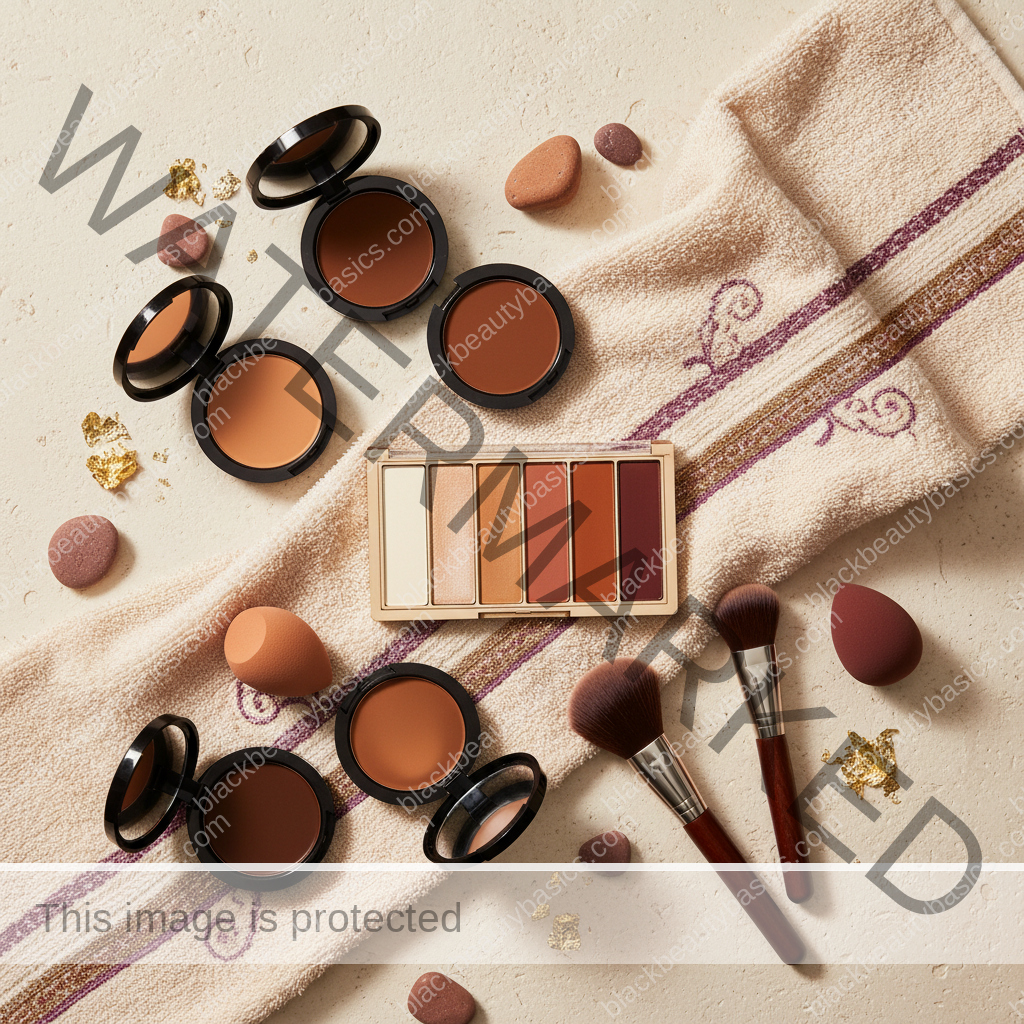
Advanced Strategies for Precision Matching
Even with all the tools, selecting a single shade can be daunting. Here are some advanced strategies to refine your choice and ensure a seamless blend.
The Art of the Two-Shade Purchase
Sometimes, one shade simply isn’t enough, especially if your skin tone varies throughout the year or if you have distinct areas of hyperpigmentation. Many women with dark skin find that mixing two shades creates the most custom, natural-looking match.
- Why Two Shades?
- Seasonal Changes: Your skin may deepen slightly in warmer months. Having a lighter and deeper shade allows you to mix for a perfect match year-round.
- Complexion Variations: It’s common for dark skin to have areas that are naturally lighter or darker (e.g., around the mouth, forehead). Mixing can create a shade that averages these variations beautifully.
- Undertone Adjustment: If you find a shade that’s perfect in depth but slightly off in undertone (e.g., too warm), you can mix it with a shade of similar depth but a slightly cooler undertone to neutralize it.
- How to Choose Two Shades:
- Select your best guess for your primary shade.
- Choose a second shade that is either one step lighter or one step deeper, or one that has a slightly different undertone (e.g., if your primary is warm, choose a neutral or cool option in a similar depth).
- Mix them on the back of your hand to create your custom blend.
Shop Foundation Mixing Palettes on Amazon
Considering Foundation Adjusters and Mixers
For those who want to fine-tune an existing foundation or a shade that’s almost perfect, foundation adjusters are game-changers. These concentrated drops can alter the undertone or depth of a foundation without changing its formula.
- White Adjusters: To lighten a foundation that’s too dark.
- Dark Adjusters: To deepen a foundation that’s too light.
- Yellow/Golden Adjusters: To warm up a foundation or add a golden undertone.
- Red/Orange Adjusters: To add warmth or neutralize ashiness, particularly effective for deeper skin tones that can sometimes appear ashy with the wrong foundation.
- Blue/Green Adjusters: Less common for dark skin, but can be used to cool down a foundation or neutralize redness.
Shop Foundation Adjuster Drops on Amazon
The Importance of Natural Lighting for Final Assessment
Once your foundation arrives, the true test begins. Always swatch and apply your foundation in natural daylight. Artificial light, especially warm-toned indoor lighting, can drastically alter how a shade appears.
- Where to Swatch: The most accurate place to swatch foundation is along your jawline, extending down to your neck. This allows you to see how well it blends with both your face and your décolletage. Avoid swatching only on your hand or arm, as these areas often have a different tone than your face.
- Let it Oxidize: Some foundations, especially those for oily skin, can oxidize (darken slightly) after a few minutes of exposure to air and your skin’s oils. Apply a small swatch and wait 5-10 minutes before making a final judgment.
- Check in Different Lights: If possible, check the swatch in various natural light conditions (e.g., near a window, outdoors in shade) to ensure it looks seamless.
Troubleshooting Common Online Shade-Matching Mistakes for Dark Skin
Even with the best intentions, missteps can happen. Here’s how to identify and correct common issues:
Issue 1: The Foundation Looks Ashy or Gray
Cause: This usually means the foundation is too light, or more commonly, it lacks the correct warmth or red/golden undertone needed for your skin. Many foundations for deeper skin tones can look flat or gray if they don’t have enough richness or the right undertone balance.
Solution:
- Opt for a shade that is slightly deeper.
- Look for foundations with warm, golden, or red/orange undertones.
- Use a red or orange foundation adjuster to add warmth and vibrancy.
- Consider a foundation with a more radiant or luminous finish to counteract the flatness.
Issue 2: The Foundation Looks Too Orange or Red
Cause: The foundation has too much warmth or red undertone for your skin, or it’s too deep for your complexion, causing it to pull orange.
Solution:
- Choose a shade with a more neutral or olive undertone.
- If it’s too deep, go one shade lighter.
- If it’s just too warm, a blue or green adjuster (used sparingly) can neutralize excess warmth, or mix with a slightly cooler-toned foundation.
Issue 3: The Foundation Looks Too Yellow
Cause: While many dark skin tones have golden or yellow undertones, sometimes a foundation can be excessively yellow, making your skin look sallow or unnatural.
Solution:
- Seek a shade with a more balanced neutral or even a subtle red undertone.
- If the depth is perfect, but it’s too yellow, a very tiny amount of a red adjuster can balance it out.
Issue 4: The Foundation Doesn’t Match Your Neck/Chest
Cause: Your face may have a different tone than your neck and chest due to sun exposure, hyperpigmentation, or natural variation. Matching only to the face can create a “floating head” effect.
Solution:
- Always swatch along the jawline and blend down to the neck.
- Aim for a shade that harmonizes with your neck and chest, even if it means your face appears slightly lighter or deeper initially. The goal is seamlessness.
- Consider using a bronzer or contour to add warmth and dimension to your face if the foundation matches your body but makes your face look a bit flat.
Shop Foundation for Dark Skin on Amazon
Key Takeaways for Online Shade Matching for Dark Skin
Online Shade Matching Checklist for Dark Skin
| Step | Action Item | Why It Matters for Dark Skin |
|---|---|---|
| 1. Self-Assessment | Identify your precise skin depth and undertone (warm, cool, neutral, olive, red, golden). | Dark skin has complex, often nuanced undertones. Accurate identification prevents ashiness or unnatural warmth. |
| 2. Digital Tools | Use virtual try-on in natural light, consult brand shade finders, and compare model swatches. | Digital representations can be misleading; cross-referencing multiple tools increases accuracy. |
| 3. Research & Reviews | Watch video swatches and read reviews from individuals with similar skin tones. | Real-world application on diverse skin tones provides invaluable context that product photos often lack. |
| 4. Decode Shade Names | Understand brand naming conventions for depth and undertone (e.g., W, C, N, numbers). | Helps to quickly narrow down options and understand the brand’s intended shade characteristics. |
| 5. Consider Formula | Note the foundation’s finish (matte, dewy) and coverage (sheer, full). | Finish affects how a shade appears; sheer formulas are more forgiving, matte can look deeper. |
| 6. Two-Shade Strategy | Be open to purchasing two shades to mix for a custom match, especially for seasonal changes or complexions. | Many dark skin tones require custom blending for a truly seamless, natural look. |
| 7. Adjusters | Have foundation adjusters (red, orange, yellow, white) on hand for fine-tuning. | Powerful tools to correct undertone or depth issues without needing a new foundation. |
| 8. Final Test | Always swatch on the jawline/neck in natural light and allow for oxidation. | Ensures the foundation blends seamlessly with your entire complexion and accounts for color changes post-application. |
Common Foundation Undertone Descriptors for Dark Skin
| Undertone Category | Common Descriptors / Shade Names to Look For | What It Means for Dark Skin |
|---|---|---|
| Warm / Golden | Golden, Honey, Caramel, Amber, Sand, Saffron, Sunstone, Maple, Bronze, W (Warm), G (Golden), Y (Yellow) | Often has a rich, luminous glow. Prevents ashiness and can add vibrancy. Common in many deep complexions. |
| Cool / Red | Mahogany, Espresso, Cocoa, Chestnut, C (Cool), R (Red), B (Blue), P (Pink) | Can have a beautiful, deep red or blue-red hue. Essential for avoiding a sallow or overly yellow look. |
| Neutral | Almond, Walnut, Nutmeg, Truffle, N (Neutral) | A balanced mix of warm and cool. Versatile, but can sometimes appear flat if not enough richness. |
| Olive | Often described as “golden-neutral” or “yellow-green.” Less common explicit naming, but look for shades that don’t pull too yellow or too pink. | A unique greenish-yellow undertone. Requires careful matching to avoid looking sallow or overly warm/cool. |
| Red-Warm | A blend of red and golden tones. Often found in very deep complexions. | Adds a profound richness and depth, preventing a flat or dull appearance. |
How to make makeup choices fit your actual undertone and finish
For Black women and people with deep skin tones, makeup shopping can feel emotional because too many shade systems still treat deep complexions as an afterthought. This guide focuses on using brand shade descriptions, model references, swatches, undertone clues, reviews, and return policies when shopping foundation online, while keeping the related BBB makeup cluster as the home base. The goal is not to make your skin easier for a brand to understand. The goal is to help you read color, finish, placement, and undertone with more confidence.
Start with what you can actually see. Does the product turn orange, red, gray, ashy, too yellow, too pink, too flat, or too icy? Does it look right in store but strange in daylight? Does it match your jaw but fight your chest? Those details matter more than a shade name that sounds flattering but does not behave well on your skin.
The strongest makeup strategy is usually the one that respects depth and dimension. Deep skin often needs warmth, balance, and enough pigment, but not every product needs to be dramatic. Sometimes the better choice is a more accurate undertone, a softer placement, a different powder tone, or a formula that dries down without changing the whole face.
What to notice gently
- Where the color shifts: face, jaw, chest, under-eye, cheek, or high points.
- Whether the undertone reads red, golden, neutral, olive, muted, orange, gray, or pink.
- How the product looks in daylight, indoor lighting, flash, and after dry-down.
- Whether the finish keeps depth and dimension or makes the face look flat.
- Which placements make the makeup feel polished without erasing your complexion.
What usually makes makeup for deep skin harder than it needs to be
The first challenge is shade language that sounds precise but is not precise enough. “Deep warm” might mean red in one brand, golden in another, orange in another, and olive in none. That is why the same person can wear one brand beautifully and look completely off in another.
The second challenge is testing makeup in conditions that hide the problem. Store lighting can soften ashiness, phone cameras can warm a shade, and wet swatches can look better than dry foundation. Deep skin deserves enough time, light, and comparison points to see what is really happening.
The third challenge is using products meant to correct a problem created by the wrong base. Too-light concealer, chalky highlight, orange bronzer, or flat powder can make the whole face feel off. Often the answer is not more product. It is better tone, placement, formula, or restraint.
What to do next
Keep this article connected to the Makeup for Deep Skin Tones system. Use the related guides below to decide whether your next step is better shade matching, a base makeup adjustment, or a color product strategy that keeps depth and dimension.
- Makeup for Deep Skin Tones
- The related makeup cluster guide
- shade matching systems for deep skin
- undertone mistakes
- olive undertones
- shade matching foundation in store
Frequently Asked Questions About Shade-Matching Foundation Online for Dark Skin
Q1: My skin tone varies significantly between my face and neck. Which area should I match my foundation to?
A1: The general rule of thumb is to match your foundation to your neck and chest. This ensures a seamless transition and prevents the “floating head” effect, where your face appears disconnected from your body. If your face is significantly darker or lighter due to sun exposure or hyperpigmentation, you can use a touch of bronzer or a lighter/deeper concealer to balance the facial areas, but the foundation itself should blend invisibly with your neck.
Q2: How can I tell if a foundation will oxidize on my skin before I buy it online?
A2: Unfortunately, there’s no foolproof way to predict oxidation online. However, you can look for clues:
- Read Reviews: Many reviewers will mention if a foundation oxidizes, especially for deeper shades.
- Formula Type: Foundations designed for oily skin or those with higher iron oxide content tend to oxidize more.
- Brand Reputation: Some brands are known for their foundations oxidizing more than others.
Once you receive the product, always swatch it on your jawline and wait 10-15 minutes in natural light to see if it deepens before applying it all over your face.
Q3: What if I can’t find a model with my exact skin tone in the product photos?
A3: This is a common challenge. In such cases, focus on matching your identified undertone first. Then, look for models who are one or two shades lighter or deeper than you and observe how those foundations look on them. This can give you a general idea of the undertone’s appearance. Rely heavily on detailed swatch images, shade descriptions, and reviews from individuals who describe their skin tone similarly to yours. Don’t be afraid to try the two-shade mixing strategy.
Q4: Should I buy a foundation that matches my exact skin tone, or one that’s slightly lighter to brighten my complexion?
A4: For a truly natural, “second skin” look, aim for a foundation that matches your skin tone as closely as possible. If you want to brighten certain areas, use a concealer that is one or two shades lighter in specific areas (under eyes, center of the forehead, chin). A foundation that is too light all over can look ashy or unnatural, especially on dark skin.
Q5: Are there specific ingredients in foundations that are better or worse for dark skin tones?
A5: While not specific to shade matching, certain ingredients can impact how a foundation performs on dark skin. For example, foundations with a high concentration of SPF (especially mineral sunscreens like zinc oxide and titanium dioxide) can sometimes leave a white cast on deeper skin tones. Look for “no white cast” claims or chemical sunscreens if this is a concern. Also, ensure the formula is non-comedogenic if you’re prone to hyperpigmentation from breakouts.
Shop Foundation for Dark Skin (No White Cast) on Amazon
Q6: My skin is very oily. Does this affect my online shade matching?
A6: Yes, oily skin can affect how a foundation appears. Oily skin often causes foundations to oxidize more quickly and intensely, making them appear darker or more orange than when initially applied. If you have oily skin, consider choosing a shade that looks a hair lighter than your perfect match, anticipating that it might deepen slightly. Also, prioritize matte or long-wear formulas, which are often formulated to resist oxidation better.
Q7: What’s the difference between a foundation and a tinted moisturizer or BB/CC cream when shade matching online?
A7: The main difference is coverage. Tinted moisturizers and BB/CC creams offer sheerer coverage, meaning they are more forgiving with shade matching. Your natural skin tone will show through more, so an exact match isn’t as critical. Foundations, especially medium to full coverage ones, require a much more precise shade match because they lay down more pigment. If you’re unsure, starting with a sheerer product can be a less risky online purchase.
Shop Tinted Moisturizer for Dark Skin on Amazon
Shop BB Cream for Dark Skin on Amazon
A8: The accuracy of shade finder quizzes has significantly improved, especially as brands expand their shade ranges for dark skin. They can be quite accurate if you provide honest and detailed answers about your undertone, current foundation, and skin concerns. However, they are algorithms, not human eyes. Always cross-reference the quiz’s recommendation with model photos, swatches, and reviews to build confidence in your choice. They are an excellent starting point, but rarely the sole determinant.
The Confidence of a Perfect Match
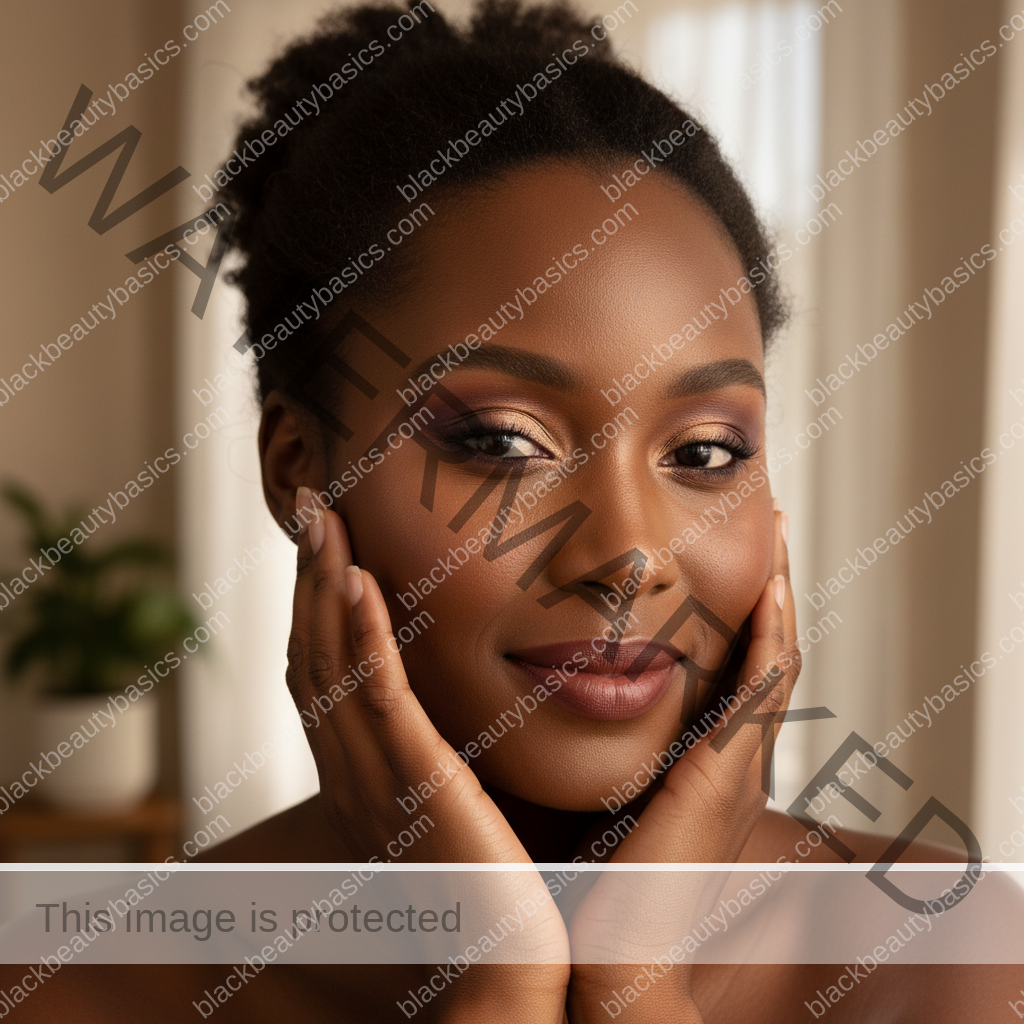
The journey to finding your perfect foundation shade online for dark skin is an act of self-love and informed decision-making. It’s about honoring the unique beauty of your melanin-rich complexion and refusing to settle for anything less than a seamless, radiant finish. With the insights and strategies shared here, you are now equipped to navigate the digital beauty landscape with confidence and precision, ensuring that every application is a celebration of your exquisite glow. Embrace the process, trust your intuition, and step into your power with a foundation that truly reflects your inner and outer brilliance.
Related next steps
Related posts:
 How to Shade-Match Foundation in Store on Deep Skin
 Finding and Verifying Foundation Matches Online for Deep Skin Tones
 Fixing “Almost Right” Shades with Correctors and Mixers: Your Guide to a Perfect Match
 Online Sisterhoods & Beauty Community: Navigating Digital Spaces for Melanin-Rich Beauty
 Nude Lipsticks for Dark Skin: Shade Guide by Undertone
 Best Foundations for Deep Skin: How to Choose Shade, Formula, and Finish