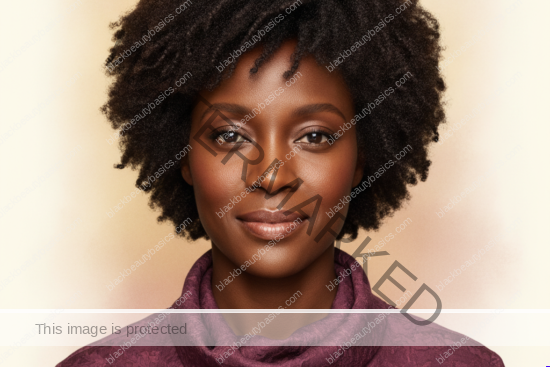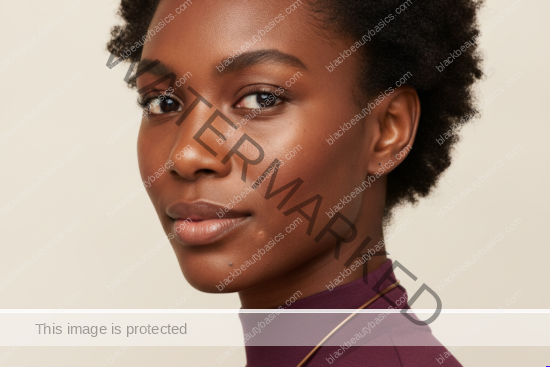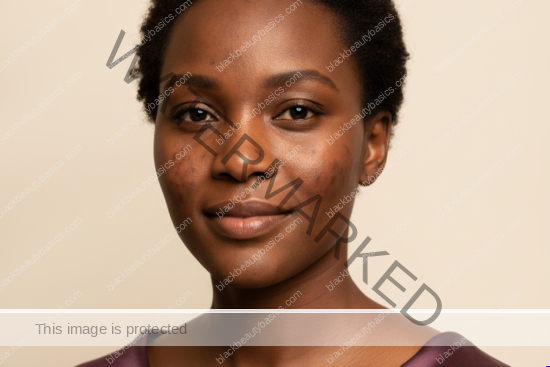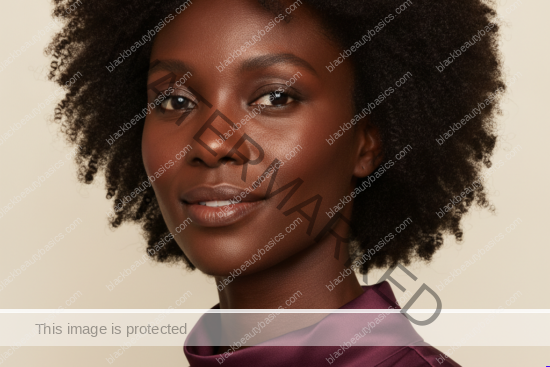
For too long, the beauty industry has overlooked the nuanced radiance of deep skin tones, leaving us to navigate a sea of bronzers that, instead of imparting a sun-kissed glow, often leave us looking sallow, ashy, or worse—unexpectedly orange. But at Black Beauty Basics, we know that melanin-rich skin deserves to shimmer with a warmth that is both natural and utterly captivating. It’s time to reclaim the bronzer, transforming it from a source of frustration into an essential tool for sculpting, defining, and illuminating our inherent brilliance with precision and pride. Start with the related BBB makeup cluster guide if you want the broader map.
The Art of the Golden Glow: Understanding Bronzer for Deep Skin Tones
Bronzer, when chosen correctly, is more than just a makeup product; it’s an enhancer, a sculptor, and a whisper of sun-drenched warmth. For deep skin tones, the challenge has always been finding shades that complement our complex undertones without clashing or creating an unnatural cast. The secret lies in understanding the subtle interplay of color science and the unique characteristics of melanin-rich skin.
Many bronzers formulated for lighter skin tones contain a high concentration of red or orange pigments that, when applied to deeper complexions, can appear jarring or muddy. Our skin, with its rich tapestry of undertones—from golden and red to olive and cool—requires a bronzer that harmonizes, rather than competes, with its natural hue. The goal is to mimic the way the sun naturally warms and deepens our skin, creating a healthy, dimensional glow, not a mask.
Why Orange Bronzers Are Our Foe
The dreaded “orange” effect is a common complaint among those with deep skin. This happens when bronzers are formulated with too much yellow or orange pigment that lacks the depth or richness needed to blend seamlessly with our complexions. Instead of adding warmth, they sit on top of the skin, creating an artificial, almost sickly appearance. This is often exacerbated by bronzers that are too light for our skin tone, causing them to look chalky or overtly orange rather than a natural shadow or glow.
Our skin needs shades that carry a certain level of saturation and depth to truly melt in. Think of it as finding the perfect shadow; it needs to be deep enough to create definition but warm enough to look like natural sun exposure. The wrong bronzer can make skin look dull, flat, or even gray, counteracting the very purpose of the product.
Shop Bronzers for Deep Skin on Amazon
Decoding Undertones: Your First Step to Bronzer Bliss
Before you even consider a bronzer shade, understanding your skin’s undertones is paramount. This foundational knowledge will guide you to colors that enhance your natural beauty rather than detract from it. Undertones are the subtle colors beneath the surface of your skin that affect its overall hue.
Identifying Your Undertone
There are generally three main undertone categories: warm, cool, and neutral. For deep skin tones, these can manifest in various ways, often with a beautiful complexity that combines elements of each.
- Warm Undertones: Your skin might have hints of gold, yellow, or peach. Gold jewelry tends to look stunning on you, and your veins often appear greenish. You might tan easily and rarely burn.
- Cool Undertones: Your skin might have hints of pink, red, or blue. Silver jewelry complements your complexion beautifully, and your veins often appear bluish or purple. You might burn easily in the sun.
- Neutral Undertones: You have a balance of both warm and cool tones, or your undertones are not distinctly one or the other. Both gold and silver jewelry look good on you, and your veins might appear a mix of blue and green.
A quick test: Look at the veins on your wrist in natural light. If they appear green, you likely have warm undertones. If they appear blue or purple, you likely have cool undertones. If you can’t tell, or they appear a mix, you likely have neutral undertones.
Undertone and Bronzer Harmony
Once you know your undertone, selecting a bronzer becomes much simpler:
- For Warm Undertones: Lean into bronzers with golden, reddish-brown, or terracotta hues. These will enhance your natural warmth and give you a truly sun-kissed glow.
- For Cool Undertones: Seek out bronzers with more neutral or slightly red-based brown tones. Avoid anything too golden or orange, which can clash. A bronzer with a hint of plum or berry can also be surprisingly flattering.
- For Neutral Undertones: You have the most flexibility! You can often wear both warm and cool-leaning bronzers. Experiment with true brown shades, perhaps with a subtle golden shimmer.
Shop Bronzer Palettes on Amazon
The Best Bronzer Tones for Deep Skin That Don’t Look Orange
Now, let’s delve into the specific shades and finishes that will bestow a radiant, natural glow upon deep skin tones, ensuring that orange is nowhere in sight. The key is seeking out rich, deep browns with specific undertones that complement rather than clash.
Rich Chocolate Browns with Red or Golden Undertones
These are your go-to shades. A deep, true chocolate brown with a hint of red will mimic the natural flush of sun on deep skin, creating a healthy, vibrant warmth. Similarly, a rich brown with a golden undertone will impart a luminous, sun-drenched effect without appearing overtly metallic or glittery. These shades provide depth and definition, making them perfect for sculpting the face.
- Think: “Cocoa,” “Espresso,” “Mahogany,” “Terra Cotta Brown.”
- Why they work: The depth of the brown ensures it shows up beautifully on deep skin, while the red or golden undertone provides warmth and prevents ashiness.
Deep Bronze with Subtle Shimmer
For those who desire a touch of luminosity, a deep bronze with a finely milled, subtle shimmer can be breathtaking. The shimmer should be microscopic, creating a glow from within rather than an obvious glitter bomb. This type of bronzer is excellent for adding dimension and a healthy radiance to the high points of the face.
- Think: “Molten Bronze,” “Gilded Copper,” “Sunstone.”
- Why they work: The bronze base provides the necessary depth, and the subtle shimmer catches the light beautifully, enhancing the skin’s natural luminosity without looking artificial.
Warm Espresso or Coffee Tones
These shades are perfect for contouring and adding definition, as they mimic natural shadows. Look for espresso or coffee browns that have a slight warmth but aren’t overtly reddish. They should be deep enough to create a visible shadow without looking muddy or gray.
- Think: “Dark Roast,” “Rich Coffee,” “Deep Walnut.”
- Why they work: These tones provide excellent contrast and depth, allowing for precise sculpting and definition, especially when used for contouring.
Shop Matte Bronzers for Deep Skin on Amazon
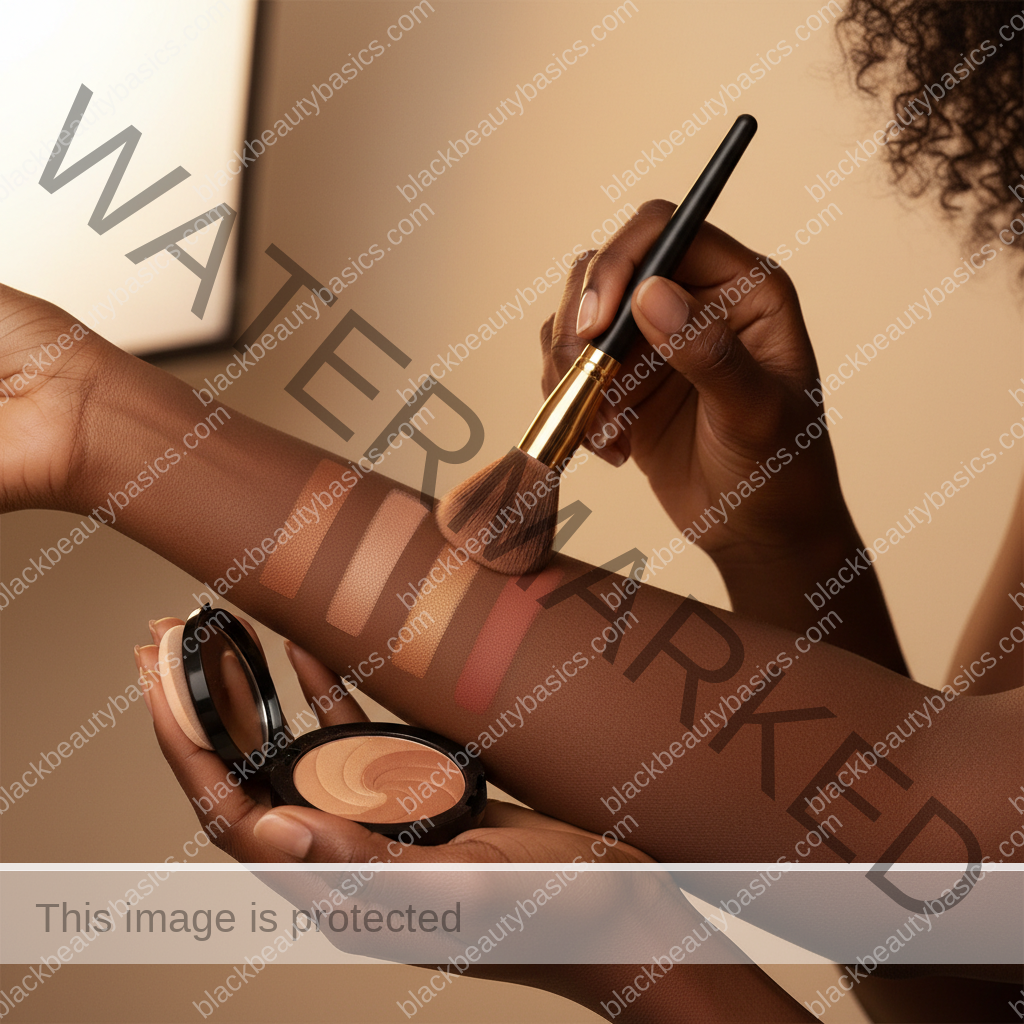
Formulation Matters: Powder, Cream, or Liquid?
Beyond color, the formulation of your bronzer plays a crucial role in its application, finish, and how it interacts with your skin. Each type offers distinct benefits, and the best choice often depends on your skin type, desired finish, and application preference.
Powder Bronzers
Powder bronzers are the most common and versatile. They are excellent for setting liquid or cream foundations and for those with oily or combination skin. They offer buildable coverage and are generally easy to blend. For deep skin, look for finely milled powders that don’t appear chalky or dusty.
- Pros: Easy to apply, long-lasting, great for oily skin, buildable.
- Cons: Can sometimes look dry or emphasize texture if not finely milled or applied sparingly.
- Application Tip: Use a large, fluffy brush for an all-over warmth or a more precise brush for targeted contouring. Tap off excess product before applying.
Cream Bronzers
Cream bronzers have gained immense popularity for their natural, skin-like finish. They melt seamlessly into the skin, providing a dewy, hydrated look that is particularly flattering on dry or mature skin. They are also fantastic for creating a “no-makeup makeup” look.
- Pros: Natural finish, hydrating, blends effortlessly, great for dry skin.
- Cons: Can be less long-lasting on very oily skin, may require more precise blending.
- Application Tip: Apply with your fingers, a dense brush, or a damp beauty sponge. Blend quickly before it sets.
Liquid Bronzers
Liquid bronzers offer the most sheer and natural finish, often infused with skin-loving ingredients. They are perfect for mixing with foundation for an all-over glow or for targeted application for a subtle, luminous warmth. They are particularly good for those who want a very natural, radiant look.
- Pros: Sheer, luminous finish, customizable by mixing with other products, very natural.
- Cons: Can be tricky to apply evenly, may not provide as much definition as other formulas.
- Application Tip: Mix a drop or two into your foundation or apply sparingly to the high points of your face and blend with fingers or a brush.
Shop Cream Bronzers for Deep Skin on Amazon
Expert Tips for a Flawless Bronzer Application
Even with the perfect shade, application technique can make all the difference. Here are our expert tips for achieving a seamless, radiant bronzed look that truly enhances your deep skin tone.
Tip List: Mastering Bronzer Application
- Choose the Right Tools: For powder bronzers, a large, fluffy brush (like a blush or powder brush) is ideal for an all-over wash of color. For more precise contouring, a smaller, angled brush works best. For cream or liquid bronzers, use your fingertips, a dense buffing brush, or a damp beauty sponge.
- Start Light, Build Gradually: It’s always easier to add more product than to take it away. Begin with a small amount and build up the intensity until you achieve your desired warmth. This prevents an overly harsh or muddy look.
- Focus on Sun-Kissed Areas: Apply bronzer where the sun would naturally hit your face: the tops of your cheekbones, temples, across the bridge of your nose, and a touch on your chin. This creates a natural, healthy glow.
- Blend, Blend, Blend: Seamless blending is key to avoiding harsh lines and ensuring your bronzer looks like a natural extension of your skin. Use circular motions and blend upwards and outwards. For cream bronzers, blend quickly with a tapping motion.
- Consider Contouring Separately: While bronzer adds warmth and some definition, true contouring uses cooler-toned shades to create shadows. If you want both, apply your bronzer for warmth first, then add a separate contour shade if desired.
- Don’t Forget the Neck and Decolletage: To avoid a mask-like effect, lightly sweep any leftover bronzer from your brush down your neck and onto your décolletage, especially if these areas are exposed.
- Layering for Longevity: For extra staying power, especially with cream or liquid bronzers, you can lightly set with a matching powder bronzer or a translucent setting powder.
- Check in Different Lighting: Always check your makeup in various lighting conditions (natural daylight, indoor light) to ensure it looks seamless and natural from all angles.
Shop Bronzer Brushes on Amazon
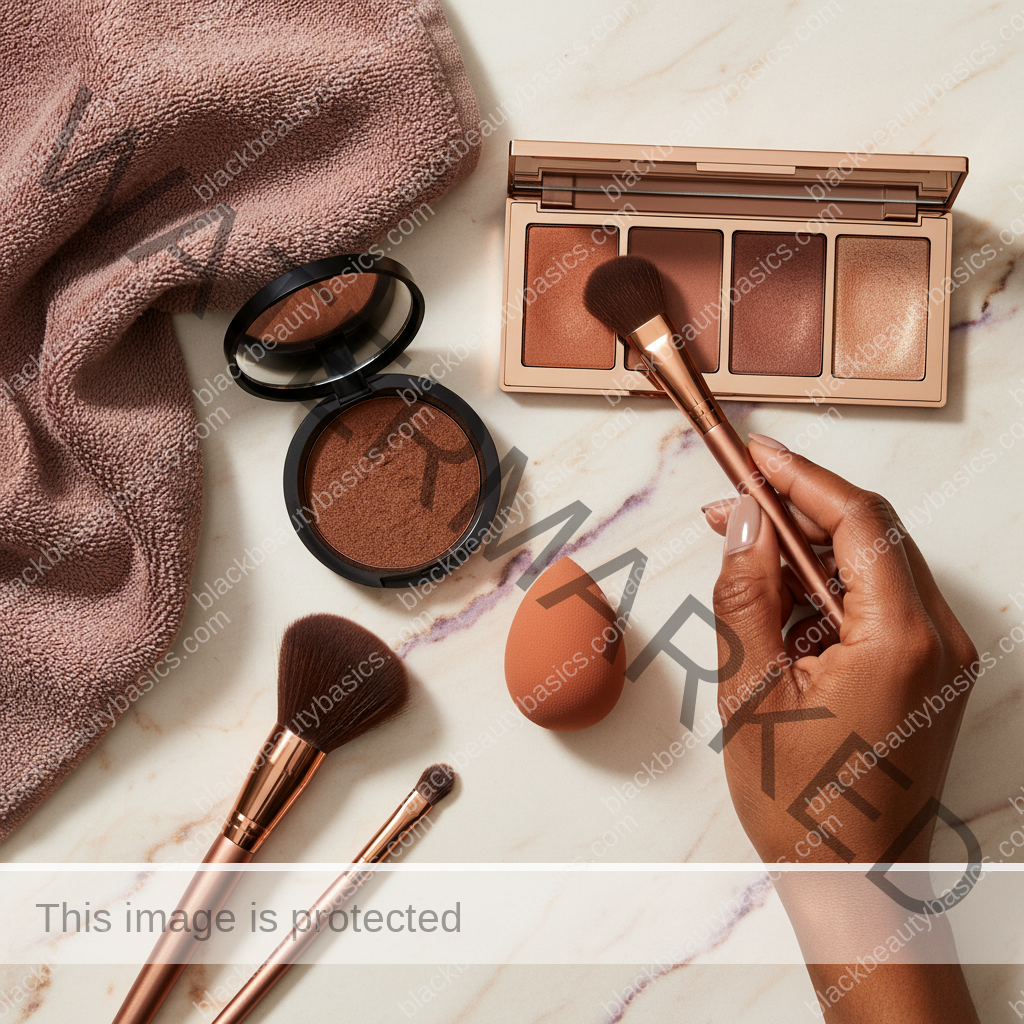
Comparison Table: Bronzer Undertones for Deep Skin
To further simplify your selection process, here’s a quick guide comparing different bronzer undertones and their ideal match for deep skin.
| Bronzer Undertone | Best For Deep Skin With… | Why It Works | Avoid If You Have… |
|---|---|---|---|
| Reddish-Brown | Warm or Neutral Undertones | Mimics natural sun-kissed flush, adds vibrant warmth without orange. | Strong Cool Undertones (can look too ruddy) |
| Golden-Brown | Warm or Neutral Undertones | Imparts a luminous, sun-drenched glow, enhances natural warmth. | Strong Cool Undertones (can look too yellow or muddy) |
| True Deep Brown (Neutral) | All Undertones (especially Cool or Neutral) | Provides definition and warmth without leaning too warm or cool. Versatile. | N/A (generally safe for all deep tones) |
| Deep Bronze (Subtle Shimmer) | All Undertones (for added radiance) | Adds luminosity and dimension, creates a healthy glow from within. | If you prefer a completely matte finish. |
| Espresso/Coffee (Cool-leaning Brown) | Cool or Neutral Undertones (for contouring) | Creates natural-looking shadows for sculpting, avoids warmth. | Very Warm Undertones (can look slightly dull or ashy) |
Shop Liquid Bronzers for Deep Skin on Amazon
Beyond the Face: Bronzer for Body Radiance
The magic of bronzer isn’t limited to your face. Extending that beautiful glow to your body can create a cohesive, radiant look, especially for special occasions or when wearing revealing clothing. Body bronzers come in various forms, from lotions to sprays, and can blur imperfections while adding a stunning luminosity.
Choosing and Applying Body Bronzer
- Shade Selection: Opt for shades that are a touch warmer and deeper than your facial bronzer, as body skin can sometimes be slightly different in tone. Look for rich, golden-browns or deep coppers.
- Formulation:
- Lotions/Creams: Offer hydration and a subtle, all-over glow. Easy to blend.
- Oils: Provide intense luminosity and a dewy finish. Great for highlighting specific areas.
- Sprays: Quick and easy application for an even, airbrushed look.
- Application Tips:
- Exfoliate First: For the smoothest application and to prevent patchiness, exfoliate your skin thoroughly before applying body bronzer.
- Moisturize: Apply a light, non-greasy moisturizer first, especially to dry areas like elbows and knees.
- Even Application: Use a large body brush or mitt for lotions and creams to ensure an even, streak-free finish. For sprays, hold at arm’s length and spray evenly, then lightly blend if needed.
- Focus on High Points: Apply extra to areas that would naturally catch the light: collarbones, shoulders, shins, and the center of your arms and legs.
- Let it Dry: Allow the product to fully dry before dressing to prevent transfer onto clothing.
Shop Body Bronzers on Amazon
FAQ: Your Bronzer Questions Answered
Q1: How do I know if a bronzer will look orange on my deep skin?
A: The best way to tell is by swatching it. Apply a small amount to your jawline or the back of your hand and observe it in natural light. If it looks distinctly orange, overly yellow, or too light compared to your skin, it’s likely not the right shade. Look for bronzers that have a rich, deep brown base with subtle red, golden, or neutral undertones that blend seamlessly into your skin, providing warmth and depth.
Q2: Can I use bronzer for contouring on deep skin?
A: While bronzer adds warmth and some dimension, true contouring typically uses a cooler-toned shade to mimic natural shadows and sculpt the face. If you want to use a bronzer for contouring, choose one that is a deep, neutral brown (like an espresso or coffee shade) with minimal warmth. For a more defined contour, we recommend using a dedicated contour product that is specifically designed to create shadows without adding excessive warmth.
Q3: What’s the difference between bronzer and blush for deep skin?
A: Bronzer is designed to add warmth and a sun-kissed glow to the skin, typically in shades of brown with various undertones. It’s applied to areas where the sun would naturally hit. Blush, on the other hand, adds a flush of color to the cheeks, mimicking a natural blush or rosy glow. For deep skin, blush shades often include rich berries, deep plums, vibrant oranges, or true reds. While both add color, their purpose and placement differ.
Q4: Should I choose a matte or shimmery bronzer for deep skin?
A: Both matte and shimmery bronzers can work beautifully on deep skin, depending on your desired effect. Matte bronzers are excellent for adding warmth and definition without any shine, making them ideal for everyday wear or for those with oily skin. Shimmery bronzers, when the shimmer is finely milled and subtle, can add a gorgeous luminosity and radiance, perfect for a glowy look or special occasions. Avoid chunky glitter, which can look unnatural.
Q5: How many shades darker should my bronzer be than my foundation?
A: For deep skin, your bronzer should generally be about one to two shades deeper than your natural skin tone or foundation shade. The goal is to add warmth and depth, not to drastically change your skin color. If it’s too light, it won’t show up or might look chalky/orange. If it’s too dark, it can look muddy or harsh. Always swatch and test to find the perfect match.
Q6: Can I use bronzer if I have acne-prone or textured deep skin?
A: Absolutely! Bronzer can still be used on acne-prone or textured deep skin. For these skin types, we recommend opting for matte or very subtly shimmery powder bronzers, as they are less likely to emphasize texture than highly luminous or creamy formulas. Ensure your skin is well-prepped and moisturized, and apply with a light hand, blending thoroughly to avoid product buildup in textured areas. Cream bronzers can also work if they are thin in consistency and blended meticulously.
Q7: How can I make my bronzer last all day on deep skin?
A: To ensure your bronzer lasts, start with a good primer. Apply your foundation and concealer, then your bronzer. If using a cream or liquid bronzer, you can set it with a light dusting of a matching powder bronzer or a translucent setting powder. Finish your entire makeup look with a setting spray. Layering products and using a setting spray will significantly extend the wear time of your bronzer.
Embracing bronzer for deep skin is about celebrating the sun-kissed radiance that is uniquely yours, transforming your complexion with warmth, dimension, and an undeniable glow. No longer will you settle for shades that fall flat or veer into the dreaded orange territory. With the right tones, formulations, and techniques, you are empowered to sculpt and illuminate your beauty, radiating confidence and elegance with every sweep of the brush. Go forth, beautiful, and let your inner light shine through, perfectly bronzed and utterly captivating.
How to make makeup choices fit your actual undertone and finish
For Black women and people with deep skin tones, makeup shopping can feel emotional because too many shade systems still treat deep complexions as an afterthought. This guide focuses on choosing bronzer tones for deep skin that add warmth and dimension without turning orange, muddy, or invisible, while keeping the related BBB makeup cluster as the home base. The goal is not to make your skin easier for a brand to understand. The goal is to help you read color, finish, placement, and undertone with more confidence.
Start with what you can actually see. Does the product turn orange, red, gray, ashy, too yellow, too pink, too flat, or too icy? Does it look right in store but strange in daylight? Does it match your jaw but fight your chest? Those details matter more than a shade name that sounds flattering but does not behave well on your skin.
The strongest makeup strategy is usually the one that respects depth and dimension. Deep skin often needs warmth, balance, and enough pigment, but not every product needs to be dramatic. Sometimes the better choice is a more accurate undertone, a softer placement, a different powder tone, or a formula that dries down without changing the whole face.
What to notice gently
- Where the color shifts: face, jaw, chest, under-eye, cheek, or high points.
- Whether the undertone reads red, golden, neutral, olive, muted, orange, gray, or pink.
- How the product looks in daylight, indoor lighting, flash, and after dry-down.
- Whether the finish keeps depth and dimension or makes the face look flat.
- Which placements make the makeup feel polished without erasing your complexion.
What usually makes makeup for deep skin harder than it needs to be
The first challenge is shade language that sounds precise but is not precise enough. “Deep warm” might mean red in one brand, golden in another, orange in another, and olive in none. That is why the same person can wear one brand beautifully and look completely off in another.
The second challenge is testing makeup in conditions that hide the problem. Store lighting can soften ashiness, phone cameras can warm a shade, and wet swatches can look better than dry foundation. Deep skin deserves enough time, light, and comparison points to see what is really happening.
The third challenge is using products meant to correct a problem created by the wrong base. Too-light concealer, chalky highlight, orange bronzer, or flat powder can make the whole face feel off. Often the answer is not more product. It is better tone, placement, formula, or restraint.
What to do next
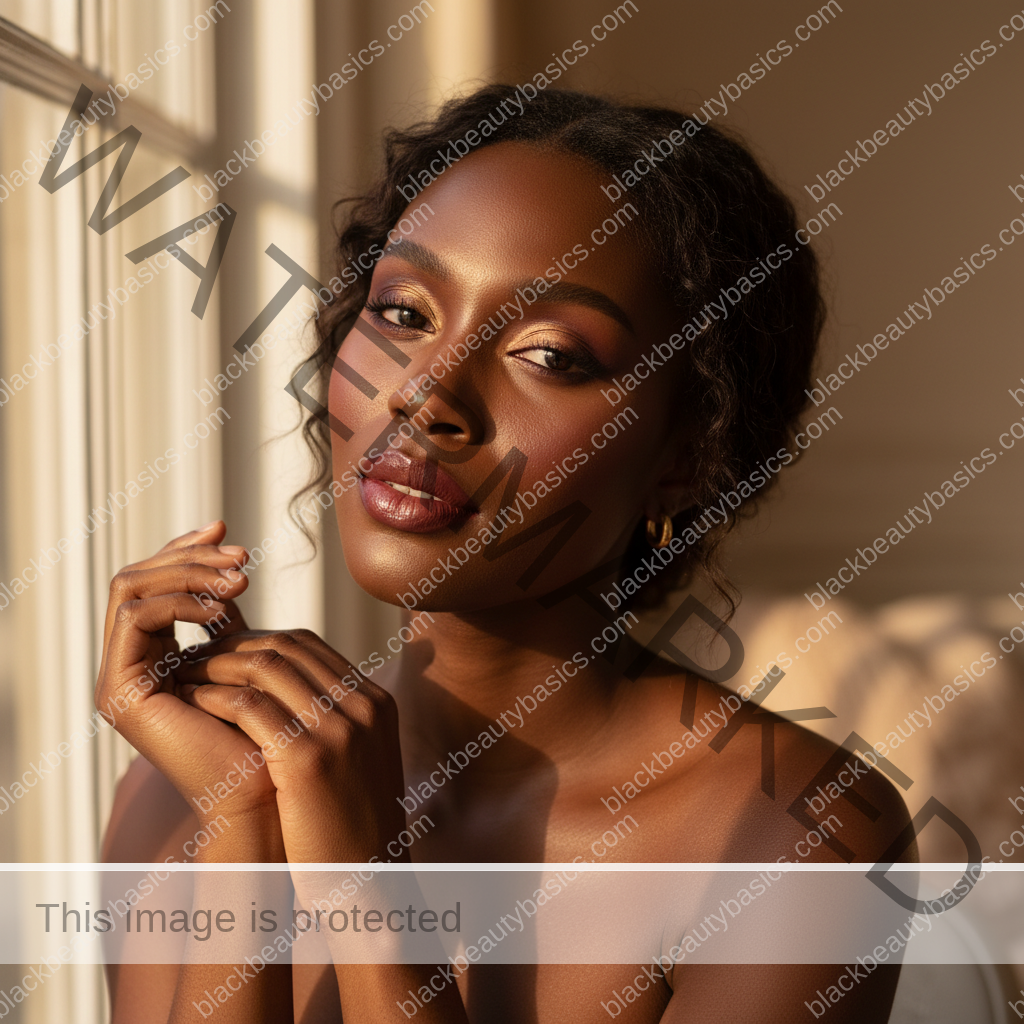
Keep this article connected to the Makeup for Deep Skin Tones system. Use the related guides below to decide whether your next step is better shade matching, a base makeup adjustment, or a color product strategy that keeps depth and dimension.
- Makeup for Deep Skin Tones
- The related makeup cluster guide
- color products for deep skin
- cream vs powder blush
- highlight placement
- powder strategy without looking flat
Related next steps
Related posts:
 Bronzer and Dimension on Melanin-Rich Skin: Unlocking Your Natural Radiance
 Everyday Natural Makeup Routine for Deep Skin Tones (10‑Minute Look)
 Testing Shades in Store and Under Real-Life Lighting for Deep Skin Tones
 Finding and Verifying Foundation Matches Online for Deep Skin Tones
 Eyes and Liner Strategies for Deep Skin Tones
 Makeup Mastery for Deep Skin Tones: The Ultimate Guide to Flawless Melanin Glamour