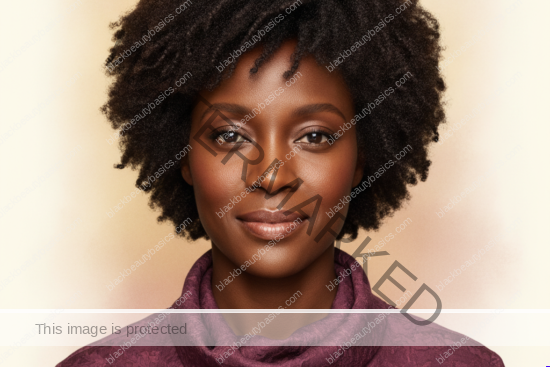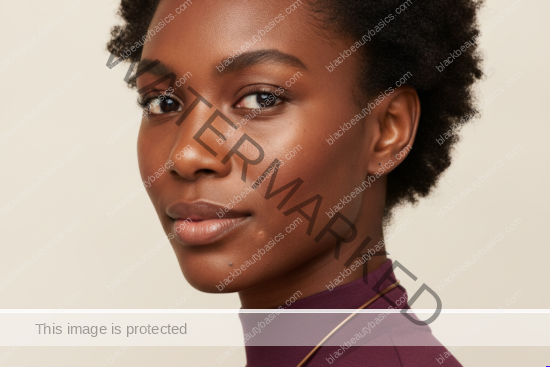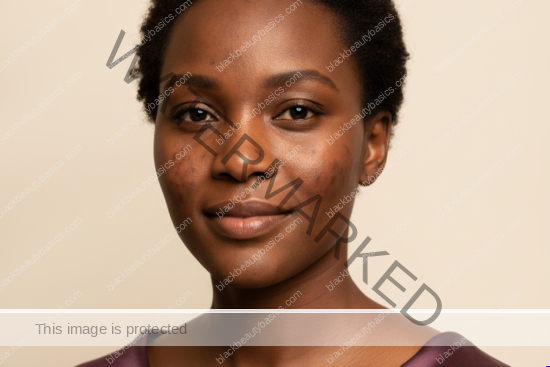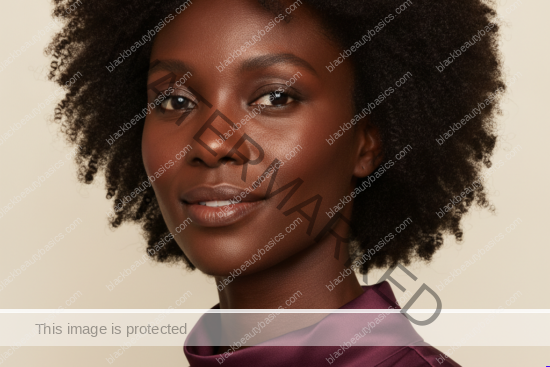
The radiant glow of a woman of color is a masterpiece in itself, a canvas of rich undertones and luminous possibilities. When it comes to enhancing this inherent beauty, blush isn’t just a pop of color; it’s a whisper of vitality, a celebration of warmth that brings life and dimension to our exquisite complexions. But in the nuanced world of cosmetics, a perennial question arises for those of us with melanin-rich skin: which reigns supreme, the velvety embrace of powder blush or the dewy caress of cream? Start with the related BBB makeup cluster guide if you want the broader map.
The Art of the Flush: Why Blush is Essential for Dark Skin Tones
For centuries, the subtle flush has been a universal symbol of health, youth, and allure. For women with deep skin tones, blush is not merely an accessory; it’s a strategic tool that can transform a look from flat to fabulous. Our skin, with its incredible range of undertones—from warm golden to cool blue-red—has a unique relationship with color. The right blush shade and formula can prevent a monochromatic appearance, adding depth, contour, and a vibrant, healthy glow that truly pops.
Beyond the Basics: Understanding Undertones and Color Selection
Before we delve into formulas, let’s briefly touch upon the foundational principle of selecting the right blush: understanding your undertones. This is paramount for Black women, as our skin can exhibit a dazzling array of warm, cool, or neutral undertones that dictate how a color will truly appear. A blush that looks stunning on one complexion might appear ashy or too bright on another, purely due to the underlying hues of the skin.
- Warm Undertones: Often characterized by golden, peachy, or yellow hues. Blushes in shades of terracotta, warm coral, deep peach, and rich brick red will beautifully complement these complexions.
- Cool Undertones: Identified by pink, red, or blue hues. Berry tones, fuchsia, plum, true red, and cool rose shades will sing on these skin tones.
- Neutral Undertones: A balanced mix of warm and cool. These complexions have the luxury of experimenting with a wider range of colors, often looking stunning in mauves, soft berries, and rose golds.
Once you’ve identified your undertone, the world of blush opens up. The goal is to find shades that don’t just sit on top of your skin but rather melt into it, creating a harmonious and natural-looking flush. This brings us to the heart of our discussion: the textural differences between cream and powder blushes and how they interact with the unique characteristics of dark skin.
Cream Blush: The Luminous Embrace for Melanin-Rich Skin
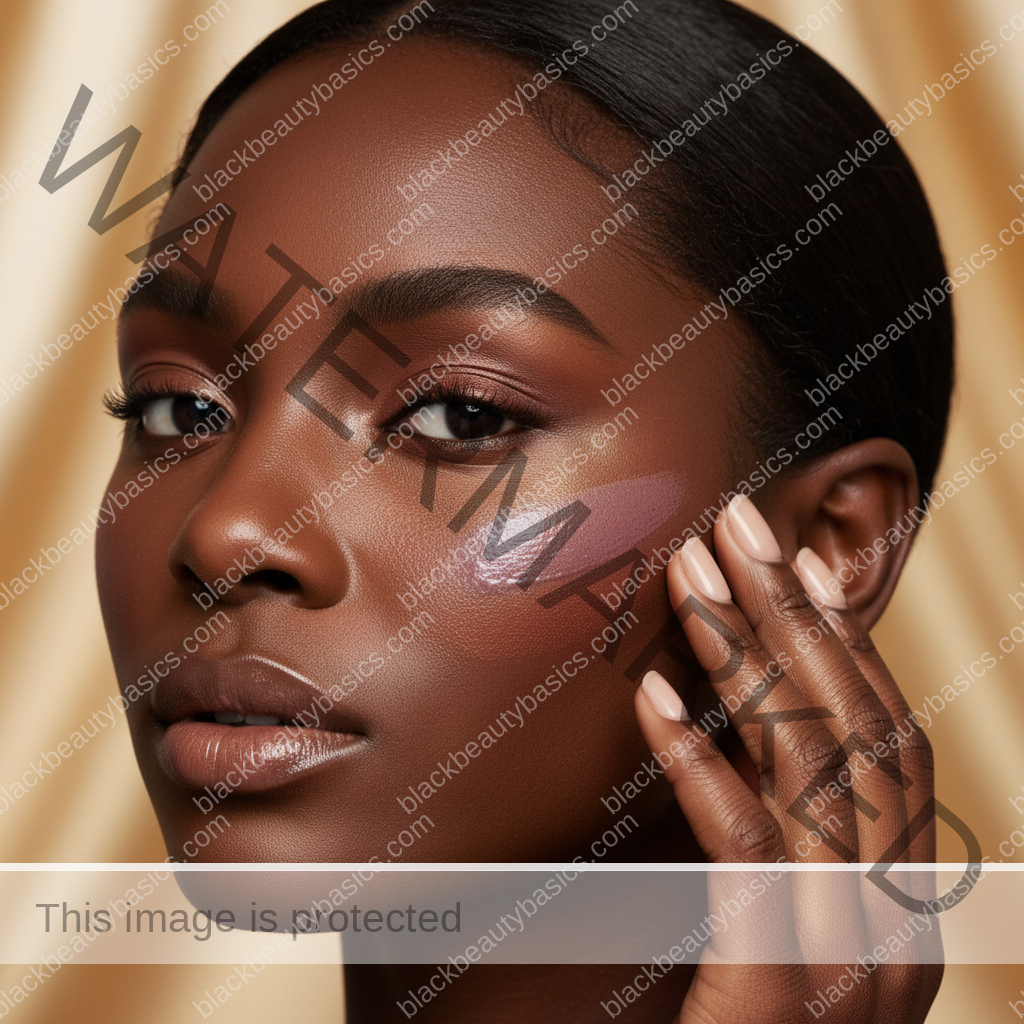
Cream blush has surged in popularity, and for good reason—especially for those of us with deeper skin tones. Its emollient texture offers a dewy, skin-like finish that often looks more natural and radiant than its powder counterpart. For Black women, who often have skin that benefits from a luminous, non-matte appearance, cream blush can be a game-changer.
The Allure of Cream: Why it Shines on Dark Skin
The inherent qualities of cream blush make it particularly suited for melanin-rich complexions:
- Seamless Blend: Cream blushes melt effortlessly into the skin, avoiding any harsh lines or patchy application. This is crucial for dark skin, where stark color transitions can look less natural. They often appear as if the color is coming from within.
- Luminous Finish: Many cream blushes impart a beautiful, healthy glow without glitter, mimicking the skin’s natural radiance. This dewy finish is incredibly flattering on darker skin tones, preventing a flat or dull appearance.
- Hydration and Comfort: Formulated with emollients, cream blushes can feel more comfortable on the skin, especially for those with drier complexions. They don’t settle into fine lines or emphasize texture in the way some powders might.
- Buildability: Cream formulas are typically very buildable, allowing you to start with a sheer wash of color and gradually intensify it to your desired vibrancy without looking heavy or cakey.
- Longevity (with proper prep): While some might assume cream blushes fade faster, many modern formulations are incredibly long-wearing, especially when applied over a well-prepped base or set lightly with powder.
- Versatility: Cream blushes often come in stick, pot, or liquid forms, making them easy to apply with fingers, brushes, or sponges. Many can also double as lip tints or even eyeshadows for a monochromatic look.
Choosing the Right Cream Blush Formula and Shade
When selecting a cream blush, consider the following:
- Texture: Some are more emollient (dewier), while others are more gel-like (sheerer). Experiment to find what feels best on your skin and delivers your desired finish.
- Pigmentation: For dark skin, highly pigmented cream blushes are often preferred as they show up beautifully without requiring excessive layering. However, buildable formulas are also excellent for control.
- Shade Selection:
- Deep Berries & Plums: These are universally flattering and add a sophisticated flush. Think rich wine, blackberry, or deep fuchsia.
- Vibrant Oranges & Corals: Particularly stunning on warm undertones, these shades bring a sun-kissed vibrancy.
- Terracotta & Brick Reds: Earthy yet vibrant, these shades provide a beautiful, natural warmth.
- True Reds: A bold red blush can look incredibly chic and modern on deep skin, offering a striking pop of color.
Application Techniques for a Flawless Cream Blush Finish
Achieving that coveted “lit from within” glow with cream blush is all about technique:
- Prep Your Canvas: Ensure your skin is moisturized and primed. Cream blush applies best over a dewy or satin foundation. If your foundation is very matte, a light spritz of setting spray before blush can help.
- Warm it Up: If using a pot formulation, warm the product on the back of your hand or fingertips first. This makes it more pliable and easier to blend.
- Tools of the Trade:
- Fingertips: The warmth of your fingers helps melt the product into the skin for a natural, seamless blend. Pat and tap, don’t rub.
- Stippling Brush: A dense stippling brush or a flat-top kabuki brush can pick up and deposit color beautifully, offering more control. Use a gentle patting or stippling motion.
- Beauty Sponge: A damp beauty sponge can diffuse the color for a sheer, airbrushed effect.
- Placement is Key: Apply cream blush to the apples of your cheeks, blending upwards towards your temples for a lifted effect. For a more youthful look, apply it slightly higher on the cheekbones.
- Build Gradually: Start with a small amount and build up the intensity. It’s easier to add more than to take away.
- Setting (Optional): If you have oily skin or want extra longevity, you can lightly set your cream blush with a translucent powder or a very sheer powder blush in a similar shade.
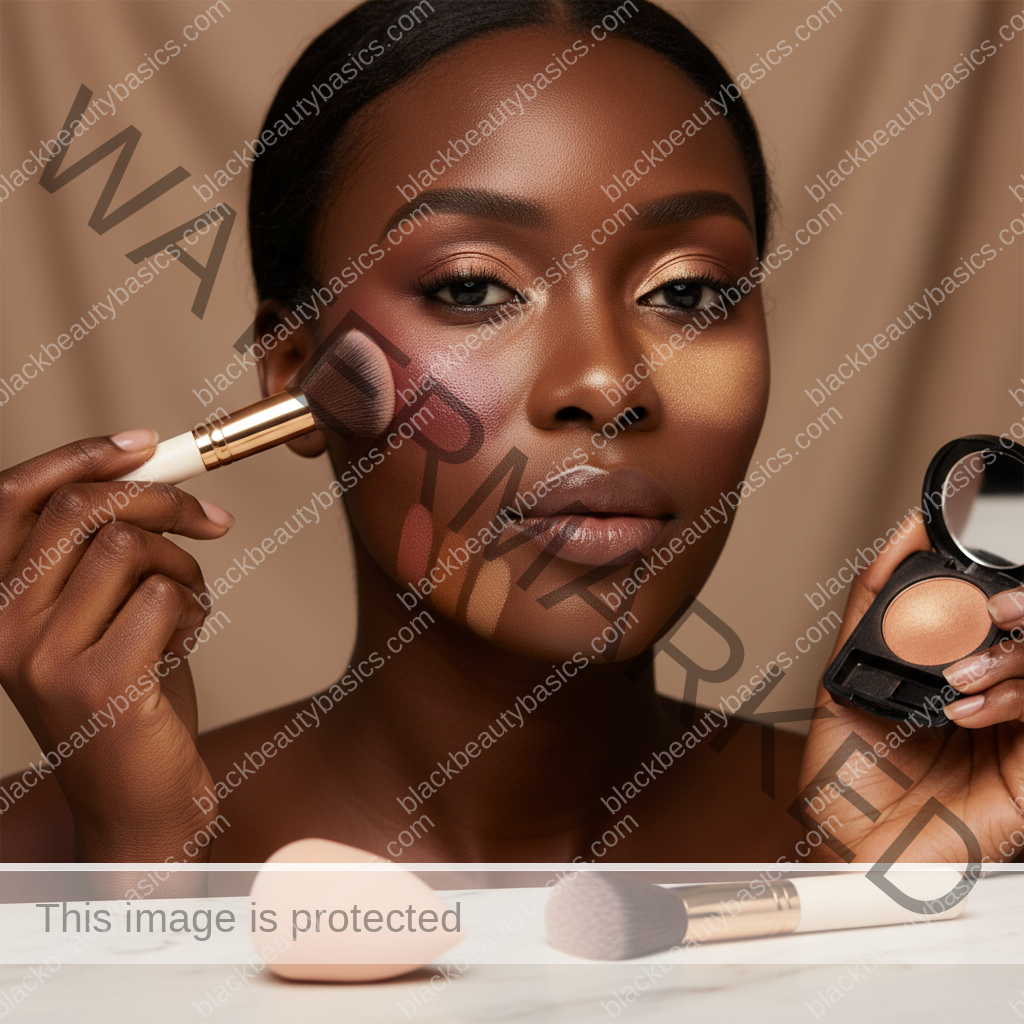
Powder Blush: The Timeless Classic for Defined Radiance
Powder blush, the stalwart of makeup bags for decades, continues to hold its own, offering a different yet equally beautiful effect on dark skin. While cream blush provides a dewy luminosity, powder blush can deliver a more refined, matte, or satin finish, offering precision and longevity that many adore.
The Enduring Appeal of Powder: Why it Works for Dark Skin
Powder blush brings its own set of advantages to the table for melanin-rich complexions:
- Precision and Control: Powder blushes are often easier to apply with precision, allowing for more defined placement and contouring. This is particularly useful for sculpting the face.
- Long-Wearing: Generally, powder blushes have excellent staying power, especially when applied over a foundation and set with powder. They are less likely to migrate or fade throughout the day, making them ideal for long events or oily skin types.
- Matte to Satin Finishes: While some powder blushes have shimmer, many offer a beautiful matte or satin finish that can be incredibly elegant and sophisticated. This is great for those who prefer less dewiness or have oily skin.
- Wide Shade Range: The market is saturated with powder blushes, offering an unparalleled variety of shades, from subtle nudes to vibrant neons, ensuring there’s a perfect match for every dark skin tone.
- Ease of Application: For many, powder blush is the most familiar and easiest to apply, requiring less blending effort than some cream formulas.
- Setting Power: Powder blush can help set liquid or cream foundations, contributing to a more durable makeup look.
Selecting the Perfect Powder Blush: Texture and Color
When choosing a powder blush for dark skin, consider:
- Pigmentation: Seek out highly pigmented formulas. Sheer powders can appear chalky or disappear on deeper skin tones. A rich color payoff is key.
- Finish: Decide between matte, satin, or shimmery. Matte blushes provide a sophisticated, natural look. Satin blushes offer a subtle sheen. Shimmer blushes can double as a highlighter, but be mindful of texture if you have prominent pores.
- Shade Selection:
- Deep Corals & Oranges: These are incredibly vibrant and flattering, especially for warm undertones.
- Rich Berries & Plums: From cranberry to boysenberry, these shades offer a luxurious depth.
- Terracotta & Bronze-infused: These shades can add warmth and a sun-kissed glow without looking muddy.
- Vibrant Reds & Fuchsias: Don’t shy away from bold colors; they can look incredibly striking and modern.
Mastering Powder Blush Application for Deep Skin
To ensure your powder blush looks seamless and vibrant:
- Choose the Right Brush: A fluffy, soft brush with a tapered or angled head is ideal for powder blush. It allows for even distribution and seamless blending.
- Tap Off Excess: Always tap off any excess product from your brush before applying. This prevents depositing too much color in one spot.
- Layer Over Powdered Skin: Powder blush generally applies best over a lightly powdered or set foundation. Applying it directly over a wet foundation can lead to patchiness.
- Strategic Placement: Smile to find the apples of your cheeks. Apply the blush here, blending upwards and outwards towards your hairline. For a more sculpted look, apply slightly below the cheekbone.
- Buff and Blend: Use circular motions to buff the color into your skin, ensuring there are no harsh lines. Blending is paramount for a natural finish.
- Build in Layers: Start with a light hand and build up the intensity gradually. It’s easier to add more color than to remove it.
- Setting Spray: A final spritz of setting spray can help melt the powder into your skin, making it look less powdery and more skin-like.
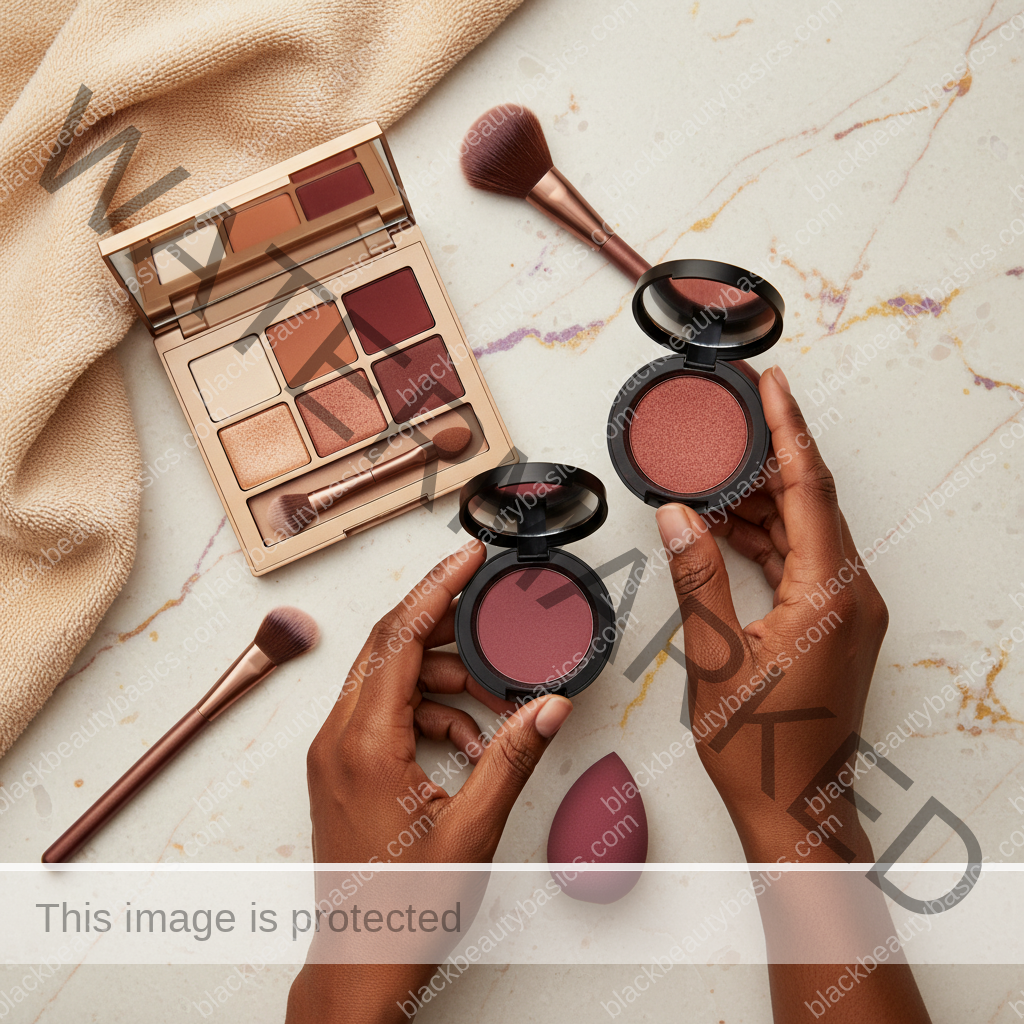
Cream vs. Powder Blush: A Head-to-Head Comparison for Dark Skin
To help you decide which formula is best for your unique needs and preferences, let’s break down the key differences.
Comparison Table: Cream vs. Powder Blush on Dark Skin
| Feature | Cream Blush | Powder Blush |
|---|---|---|
| Finish | Dewy, luminous, skin-like | Matte, satin, or shimmery |
| Texture | Emollient, blendable, melts into skin | Dry, finely milled, sits on top of skin |
| Application | Fingers, sponge, dense brush; patting/tapping motion | Fluffy brush; sweeping/buffing motion |
| Best For | Dry/normal skin, mature skin, natural/radiant looks, dewy makeup | Oily/combination skin, setting makeup, precise application, long-wearing looks |
| Longevity | Good, but may need setting for oily skin | Excellent, especially when layered over powder |
| Pigmentation | Often very rich and buildable | Highly pigmented formulas are best for deep skin |
| Layering | Best applied over liquid/cream foundation | Best applied over powdered foundation/skin |
| Natural Look | Often perceived as more “natural” and “from within” | Can look natural if blended seamlessly, but can appear more “made up” |
| Versatility | Can double as lip/eye color | Generally limited to cheek application |
When to Choose Cream, When to Choose Powder
The choice often comes down to your skin type, desired finish, and the overall look you’re aiming for.
Opt for Cream Blush If:
- You have dry or mature skin and want to add hydration and a youthful glow.
- You prefer a dewy, “no-makeup” makeup look that appears seamless.
- You want your blush to look like a natural flush coming from within your skin.
- You enjoy using your fingers for application and appreciate multi-purpose products.
- You’re aiming for a fresh, luminous complexion that catches the light beautifully.
Shop Hydrating Cream Blush on Amazon
Reach for Powder Blush If:
- You have oily or combination skin and need a blush that will last all day without creasing.
- You prefer a more matte or satin finish that provides a polished look.
- You want precise placement and a more sculpted cheek.
- You’re looking for maximum longevity and minimal touch-ups.
- You’re layering over a powdered base and want a consistent texture.
Shop Long-Lasting Powder Blush on Amazon
The Best of Both Worlds: Layering Cream and Powder Blush
Who says you have to choose? For the ultimate in longevity and dimensional radiance, many beauty connoisseurs with dark skin swear by layering both cream and powder blushes. This technique offers the best of both worlds: the seamless, skin-like luminosity of cream and the setting power and vibrant pop of powder.
How to Layer Blush for Maximum Impact on Dark Skin
- Start with Cream: Apply your chosen cream blush first, blending it seamlessly into your foundation. This creates a vibrant, long-lasting base color that appears to emanate from within.
- Set (Optional, but Recommended): If you have oily skin or want extra insurance, lightly dust a translucent setting powder over your T-zone and cheeks, being careful not to disturb the cream blush.
- Follow with Powder: Using a fluffy brush, lightly sweep a powder blush in a complementary or slightly brighter shade over the cream blush. This not only sets the cream but also intensifies the color and adds a different dimension of finish.
- Blend, Blend, Blend: Ensure both layers are seamlessly blended for a natural, multi-dimensional flush.
Shop Translucent Setting Powder on Amazon
Beyond Blush: Complementary Products for a Flawless Finish
No blush application exists in a vacuum. To truly elevate your look, consider how your blush integrates with other elements of your makeup routine.
Foundation and Concealer: The Perfect Base
The foundation beneath your blush is crucial. For dark skin, ensure your foundation matches your undertone perfectly and provides a smooth, even canvas. Whether you prefer a dewy or matte finish will influence how your blush performs and appears.
Shop Foundation for Dark Skin on Amazon
Shop Concealer for Dark Skin on Amazon
Highlighter: The Illuminating Touch
Highlighter can amplify the effect of your blush, especially on dark skin. A strategically placed highlight on the high points of your cheekbones can create an ethereal glow that complements both cream and powder blushes. For deep skin, look for highlighters with golden, bronze, or coppery undertones, or even a subtle rose gold.
Shop Highlighter for Dark Skin on Amazon
Setting Spray: Locking in Your Look
A good setting spray is the final flourish for any makeup look, especially when dealing with different textures like cream and powder. It helps to meld all the layers together, reduce any powdery finish, and extend the wear time of your makeup, ensuring your radiant blush stays put all day.
Shop Setting Spray on Amazon
Black Beauty Basics: Expert Tips for Blush on Dark Skin
Here are some curated tips from our editors to help you master your blush application.
Editor’s Top Tips for Blush on Deep Skin Tones
- Don’t Fear Color: Dark skin can handle and often requires more vibrant, saturated colors to truly show up. Don’t shy away from rich berries, deep oranges, or true reds.
- Swatches are Your Friend: Always swatch blush shades on your actual skin (not just your arm) to see how they interact with your unique undertones.
- Consider the Lighting: Apply your blush in natural light to ensure the color is balanced and flattering.
- Less is More (Initially): Start with a small amount of product and build up gradually. It’s always easier to add more color than to remove it.
- Blend Upwards: For a lifted and youthful appearance, always blend your blush upwards towards your temples, rather than dragging it downwards.
- Match Your Mood: Choose your blush based on the overall vibe of your makeup. A dewy cream for a fresh look, a matte powder for a polished statement.
- Clean Your Tools: Regularly clean your brushes and sponges. This ensures smooth application and prevents bacterial buildup.
- Experiment with Placement: Try applying blush slightly higher on the cheekbones for a modern, sculpted look, or closer to the apples for a traditional, youthful flush.
How to make makeup choices fit your actual undertone and finish
For Black women and people with deep skin tones, makeup shopping can feel emotional because too many shade systems still treat deep complexions as an afterthought. This guide focuses on comparing cream and powder blush on dark skin by pigment, finish, longevity, skin prep, layering, and placement, while keeping the related BBB makeup cluster as the home base. The goal is not to make your skin easier for a brand to understand. The goal is to help you read color, finish, placement, and undertone with more confidence.
Start with what you can actually see. Does the product turn orange, red, gray, ashy, too yellow, too pink, too flat, or too icy? Does it look right in store but strange in daylight? Does it match your jaw but fight your chest? Those details matter more than a shade name that sounds flattering but does not behave well on your skin.
The strongest makeup strategy is usually the one that respects depth and dimension. Deep skin often needs warmth, balance, and enough pigment, but not every product needs to be dramatic. Sometimes the better choice is a more accurate undertone, a softer placement, a different powder tone, or a formula that dries down without changing the whole face.
What to notice gently
- Where the color shifts: face, jaw, chest, under-eye, cheek, or high points.
- Whether the undertone reads red, golden, neutral, olive, muted, orange, gray, or pink.
- How the product looks in daylight, indoor lighting, flash, and after dry-down.
- Whether the finish keeps depth and dimension or makes the face look flat.
- Which placements make the makeup feel polished without erasing your complexion.
What usually makes makeup for deep skin harder than it needs to be
The first challenge is shade language that sounds precise but is not precise enough. “Deep warm” might mean red in one brand, golden in another, orange in another, and olive in none. That is why the same person can wear one brand beautifully and look completely off in another.
The second challenge is testing makeup in conditions that hide the problem. Store lighting can soften ashiness, phone cameras can warm a shade, and wet swatches can look better than dry foundation. Deep skin deserves enough time, light, and comparison points to see what is really happening.
The third challenge is using products meant to correct a problem created by the wrong base. Too-light concealer, chalky highlight, orange bronzer, or flat powder can make the whole face feel off. Often the answer is not more product. It is better tone, placement, formula, or restraint.
What to do next
Keep this article connected to the Makeup for Deep Skin Tones system. Use the related guides below to decide whether your next step is better shade matching, a base makeup adjustment, or a color product strategy that keeps depth and dimension.
- Makeup for Deep Skin Tones
- The related makeup cluster guide
- color products for deep skin
- best bronzer tones for deep skin
- highlight placement without chalkiness
- powder strategy
Frequently Asked Questions About Blush on Dark Skin
Q1: What are the best blush shades for dark skin tones?
A: For dark skin, the best blush shades are often highly pigmented and vibrant. Think deep berries (plum, fuchsia, cranberry), rich oranges (terracotta, brick red, warm coral), and even true reds. Shades with golden or bronze undertones can also be incredibly flattering. The key is to choose colors that are saturated enough to show up beautifully against your complexion without looking chalky or ashy. Always consider your specific undertones (warm, cool, or neutral) to find your perfect match.
Q2: How do I make my blush last longer on dark skin?
A: To make your blush last longer, especially on dark skin, proper preparation and layering are key. Start with a good primer and foundation. If using cream blush, apply it over liquid foundation and then lightly set with a translucent powder or a matching powder blush. If using powder blush, ensure your foundation is set with powder first. A final spritz of a long-wearing setting spray can significantly extend the wear time of both cream and powder blushes, melding all layers together for a seamless, durable finish.
Q3: Can I use both cream and powder blush together?
A: Absolutely! Layering cream and powder blush is a highly recommended technique for dark skin tones. This method combines the luminous, skin-like finish of cream blush with the longevity and vibrant color payoff of powder blush. Apply the cream blush first, blending it seamlessly. Then, lightly dust a complementary powder blush over the top. This creates a multi-dimensional, long-lasting flush that looks incredibly natural and radiant.
Q4: How do I prevent blush from looking chalky or ashy on dark skin?
A: To prevent blush from looking chalky or ashy on dark skin, focus on two main factors: pigmentation and undertone. Choose blushes that are highly pigmented and have a rich color payoff. Sheer or pastel shades can often appear chalky. Additionally, ensure the blush shade complements your skin’s undertones. For example, a cool-toned pink might look ashy on warm-toned dark skin. Opt for warm, vibrant shades like deep corals, oranges, or rich berries. For powder blushes, ensure they are finely milled and blend seamlessly, avoiding overly matte formulas that can sit on top of the skin.
Q5: What’s the best way to apply cream blush for a natural look on dark skin?
A: For a natural look with cream blush on dark skin, use your fingertips or a dense stippling brush. Warm the product slightly on the back of your hand if it’s in a pot. Dab or tap the cream blush onto the apples of your cheeks, blending upwards towards your temples using gentle patting motions. The warmth of your fingers helps melt the product into the skin, creating a seamless, “from within” glow. Start with a small amount and build up the color gradually to avoid over-application.
Q6: Are there specific blush brands that cater well to dark skin tones?
A: Yes, many brands have made significant strides in creating blushes that beautifully complement dark skin tones. Brands like Fenty Beauty, NARS, Juvia’s Place, Pat McGrath Labs, and Black Opal are renowned for their extensive shade ranges and highly pigmented formulas that truly pop on melanin-rich complexions. Always look for brands that actively showcase their products on diverse skin tones to ensure inclusivity in their offerings.
Q7: Should I use a shimmery or matte blush on dark skin?
A: The choice between shimmery and matte blush depends on your desired finish and skin type. Shimmery blushes can add a beautiful, luminous glow, especially on the high points of the cheekbones, and can even double as a subtle highlighter. They are excellent for a radiant, dewy look. Matte blushes, on the other hand, provide a more sophisticated, polished finish and are great for oily skin types or for those who prefer less shine. Many dark skin tones can beautifully wear both, or even a satin finish that offers a subtle sheen without overt glitter. Experiment to see what you prefer!
All three can work wonderfully on dark skin, so consider which format best fits your routine and desired intensity.
Embrace Your Flush: The Final Word
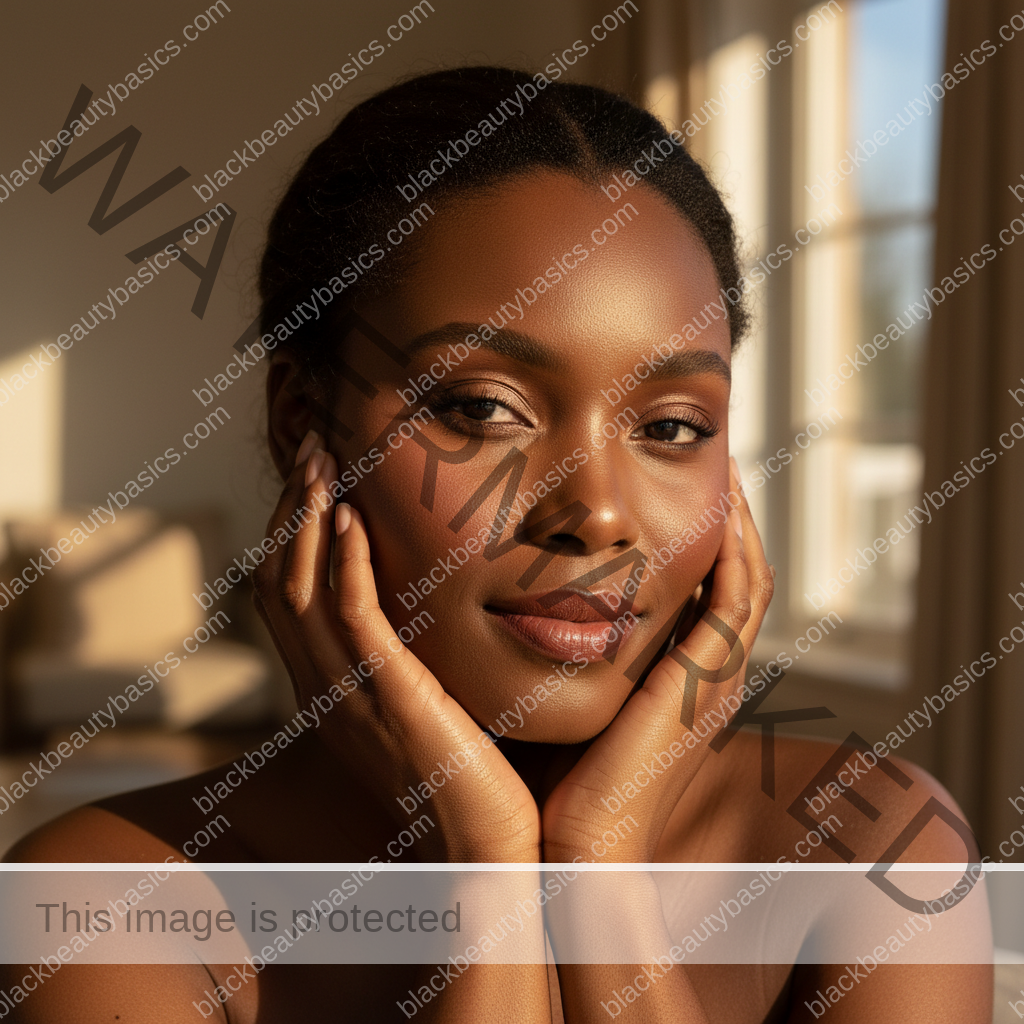
Whether you gravitate towards the dewy whisper of a cream or the refined statement of a powder, the true beauty of blush on dark skin lies in its ability to celebrate and enhance our inherent radiance. It’s an invitation to play, to experiment, and to discover the shades and textures that make your unique complexion sing. So, go forth, beloved, and paint your canvas with confidence, knowing that every flush you create is a testament to your magnificent, melanin-rich glow.
Related next steps
Related posts:
 Blush Colors That Pop on Dark Skin: Cream vs Powder
 The Melanin Glow: Mastering Cream Blush for Dark Skin Tones
 Blush Shades and Placements That Pop on Deep Skin
 From Berry to Bronze – The Most Flattering Blush Colors for Your Skin Tone
 Unveiling Radiance: The CLARIMOND ORALCARE Retinal Night Cream for Melanin-Rich Skin
 ✨ My Skincare Wake-Up Call: Why I Switched to LilyAna Naturals Retinol Cream