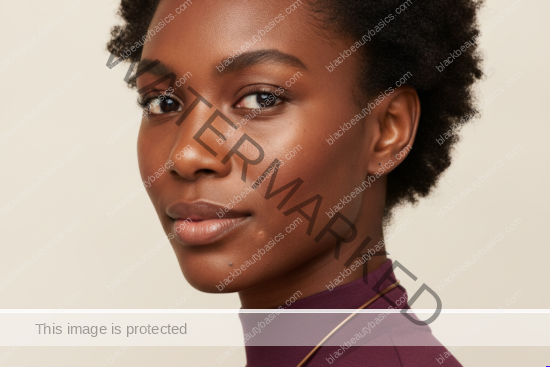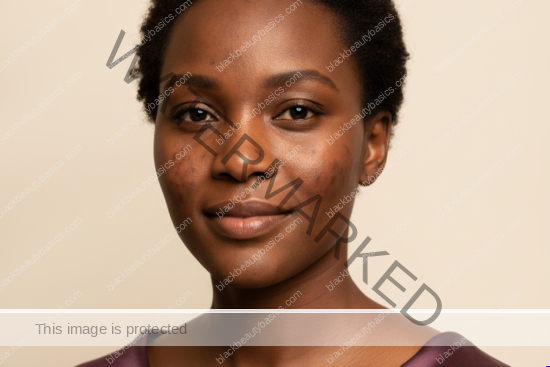
In the quiet moments of self-reflection, when the world outside fades, our skin tells a story—a narrative of resilience, beauty, and sometimes, silent battles. For countless Black women, this story includes Hidradenitis Suppurativa (HS), a chronic condition that can feel isolating, misunderstood, and deeply impact one’s sense of self and body confidence. At Black Beauty Basics, we believe your skin, in all its complexity, deserves to be celebrated, understood, and cared for with profound grace and unwavering confidence. Start with the related BBB care cluster guide if you want the broader map.
Embracing Your Skin: Understanding HS in Melanin-Rich Complexions
Hidradenitis Suppurativa (HS) is a chronic inflammatory skin condition characterized by painful lumps, abscesses, and tunnels (sinus tracts) that typically develop in areas where skin rubs together, such as the armpits, groin, inner thighs, and under the breasts. While HS affects people of all skin tones, it often presents unique challenges and considerations for Black women, from diagnosis to treatment and the psychological impact on body image.
The journey with HS can be particularly nuanced for melanin-rich skin. The inflammatory lesions can lead to significant post-inflammatory hyperpigmentation (PIH), leaving dark spots and scars that can be more prominent and persistent. Furthermore, cultural stigmas around skin conditions and a historical lack of representation in dermatological research can contribute to delayed diagnoses and feelings of isolation. Our mission is to dismantle these barriers, offering clarity, support, and a pathway to renewed body-care confidence.
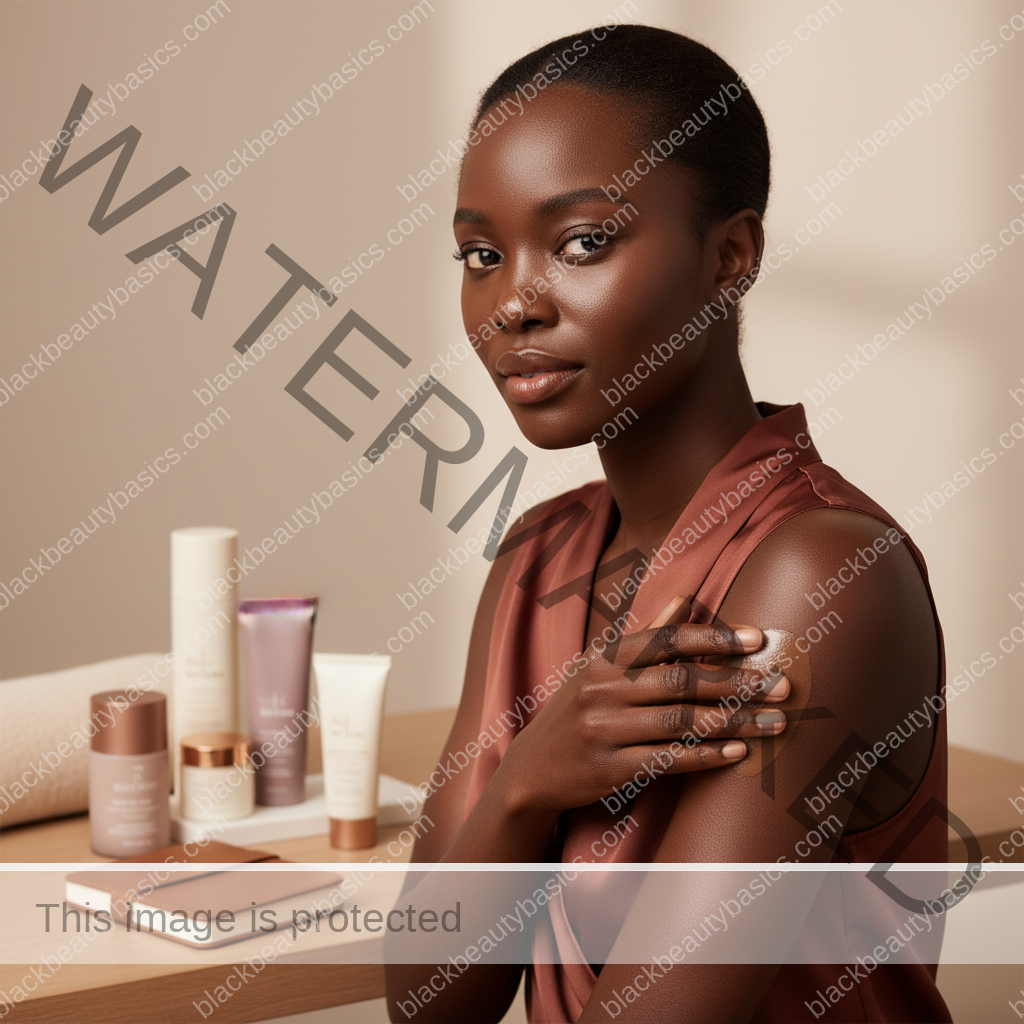
The Unique Presentation of HS in Black Skin
HS doesn’t discriminate, but its manifestation and impact can differ across skin types. For Black women, the hallmark signs of HS—red, inflamed nodules—can sometimes be less overtly red and appear more purple, brown, or hyperpigmented, making early diagnosis challenging for clinicians not accustomed to seeing these presentations on darker skin. This can lead to misdiagnosis or delayed treatment, allowing the condition to progress.
Common Areas Affected by HS
- Axillae (Armpits): A frequent site for painful nodules and abscesses.
- Groin and Inner Thighs: Areas prone to friction and sweat, often leading to deep, recurring lesions.
- Inframammary Folds (Under the Breasts): Another common area, particularly for women with larger busts.
- Buttocks and Perianal Region: Can cause significant discomfort and impact daily activities.
- Nape of the Neck and Scalp: Less common, but can occur and be particularly distressing.
The Emotional and Psychological Toll of HS
Beyond the physical discomfort, HS can profoundly affect mental well-being and body confidence. The visibility of lesions, the associated odor from draining abscesses, and the chronic pain can lead to feelings of shame, embarrassment, and self-consciousness. Many women with HS report avoiding social situations, intimate relationships, and even certain clothing styles. This emotional burden is amplified for Black women, who often navigate additional societal pressures regarding beauty standards and skin perfection.
It’s crucial to acknowledge these feelings and understand that they are valid. Your journey with HS is not just about managing physical symptoms; it’s about reclaiming your narrative, finding strength in vulnerability, and nurturing your spirit. This article is a testament to your resilience and a guide to embracing a holistic approach to body care and confidence.
Navigating Your HS Journey: Diagnosis and Treatment
The first step toward managing HS and regaining confidence is an accurate diagnosis and a comprehensive treatment plan. This often requires advocating for yourself and seeking out dermatologists who have experience with HS, particularly in darker skin tones.
Seeking Expert Care: Finding a Dermatologist Who Understands
Finding a dermatologist who is culturally competent and experienced in treating HS in Black skin is paramount. Don’t hesitate to ask about their experience with HS in patients of color and their approach to managing post-inflammatory hyperpigmentation and scarring. A good dermatologist will not only address the physical symptoms but also acknowledge the emotional impact of the condition.
Questions to Ask Your Dermatologist
- “What is your experience treating HS in patients with melanin-rich skin?”
- “How do you differentiate HS from other conditions that might look similar on darker skin?”
- “What are the best strategies for managing post-inflammatory hyperpigmentation and scarring from HS?”
- “Can you recommend a holistic approach that includes lifestyle modifications and mental health support?”
Treatment Modalities: A Multifaceted Approach
HS treatment is rarely a one-size-fits-all solution. It often involves a combination of topical, oral, and procedural interventions tailored to the severity of your condition and your individual needs. The goal is to reduce inflammation, prevent new lesions, manage pain, and minimize scarring.
Table 1: Common HS Treatment Modalities
| Treatment Type | Description | Considerations for Black Skin |
|---|---|---|
| Topical Treatments | Antibiotic creams (e.g., clindamycin), antiseptic washes (e.g., chlorhexidine), retinoids. | Can help with mild cases. Be mindful of potential irritation that could worsen PIH. Use gentle formulations. Shop Topical Antibiotics on Amazon |
| Oral Medications | Oral antibiotics (e.g., tetracyclines), anti-inflammatory drugs, hormonal therapies (e.g., spironolactone), retinoids (e.g., isotretinoin). | Systemic treatments for moderate to severe HS. Hormonal therapies can be beneficial for women. Discuss side effects and long-term use. Shop Oral Antibiotics on Amazon |
| Biologic Therapies | Injectable medications (e.g., adalimumab, infliximab) that target specific inflammatory pathways. | Effective for severe, refractory HS. Can significantly reduce flare-ups and improve quality of life. Requires regular administration. Shop Biologic Therapies for HS on Amazon |
| Procedures | Incision and drainage, deroofing, laser therapy (CO2, Nd:YAG), surgical excision. | Can provide immediate relief for painful abscesses. Laser therapies can target hair follicles and reduce inflammation. Surgical excision is for chronic, recurrent lesions. Discuss scarring potential and PIH management post-procedure. Shop Laser Therapy for HS on Amazon |
| Pain Management | Over-the-counter pain relievers (e.g., ibuprofen), prescription pain medication, nerve blocks. | Essential for managing chronic pain associated with HS. Work with your doctor to find an effective pain management strategy. Shop Pain Relievers for HS on Amazon |
Cultivating Confidence Through Mindful Body Care
Beyond clinical treatments, daily body care plays a pivotal role in managing HS symptoms, preventing flares, and fostering a sense of control and confidence. This isn’t just about products; it’s about a ritual of self-love and intentional care for your sacred vessel.
Gentle Cleansing and Hygiene Practices
Maintaining impeccable hygiene is crucial, but harsh scrubbing or irritating products can worsen HS. Opt for gentle, fragrance-free cleansers that respect your skin’s barrier.
Daily Cleansing Rituals
- Use a Mild Antiseptic Wash: Incorporate a gentle antiseptic wash, such as those containing chlorhexidine or benzoyl peroxide (diluted), in affected areas. This helps reduce bacterial load without stripping the skin. Shop Gentle Antiseptic Wash on Amazon
- Lukewarm Water Only: Avoid hot water, which can exacerbate inflammation and dryness.
- Pat Dry, Don’t Rub: Gently pat your skin dry with a soft, clean towel. Rubbing can irritate lesions and increase friction.
- Change Towels Frequently: Use fresh towels daily to prevent bacterial buildup.
Moisturizing and Skin Barrier Support
Even with HS, proper moisturization is key, especially for melanin-rich skin prone to dryness and PIH. Choose non-comedogenic, fragrance-free moisturizers that support your skin’s barrier function.
Recommended Moisturizer Ingredients
- Ceramides: Essential lipids that help restore the skin barrier.
- Hyaluronic Acid: A powerful humectant that draws moisture into the skin.
- Glycerin: Another excellent humectant for hydration.
- Niacinamide (Vitamin B3): Can help reduce inflammation and improve skin tone.
Shop Fragrance-Free Moisturizer on Amazon
Managing Post-Inflammatory Hyperpigmentation (PIH)
PIH is a common and often distressing consequence of HS for Black women. Addressing it requires patience and a targeted approach.
Tips for Managing PIH from HS
- Sun Protection is Non-Negotiable: UV exposure darkens PIH. Use a broad-spectrum sunscreen with SPF 30+ daily, even on cloudy days, and reapply frequently. Look for mineral sunscreens (zinc oxide, titanium dioxide) that don’t leave a white cast on darker skin. Shop Mineral Sunscreen on Amazon
- Topical Brightening Agents: Ingredients like niacinamide, vitamin C, azelaic acid, and alpha arbutin can help fade dark spots over time. Introduce them slowly to avoid irritation. Shop Niacinamide Serum on Amazon, Shop Vitamin C Serum on Amazon, Shop Azelaic Acid on Amazon
- Chemical Exfoliants (Gentle): AHAs (like lactic acid) or BHAs (like salicylic acid) can help with cell turnover, but use with extreme caution on active lesions or highly sensitive areas. Consult your dermatologist. Shop Gentle AHA Exfoliant on Amazon
- Professional Treatments: Chemical peels, microdermabrasion, or laser treatments (e.g., Nd:YAG) performed by a dermatologist experienced in treating darker skin can be effective for stubborn PIH.
Clothing and Lifestyle Adjustments
Your daily choices, from what you wear to how you move, can significantly impact HS management.
Table 2: Lifestyle Adjustments for HS Management
| Category | Recommendations | Why It Helps |
|---|---|---|
| Clothing | Opt for loose-fitting, breathable fabrics like cotton, linen, or bamboo. Avoid tight clothing, synthetic materials, and rough textures. | Reduces friction and irritation in affected areas, allows skin to breathe, and prevents sweat buildup, which can trigger flares. Shop Loose Cotton Clothing on Amazon |
| Hair Removal | Avoid shaving, waxing, or plucking in affected areas, as these can irritate hair follicles and trigger HS flares. Consider laser hair removal (under dermatological guidance) or gentle trimming. | Minimizes trauma to hair follicles, which are implicated in HS development. Laser hair removal can be particularly beneficial. Shop Electric Trimmer for Sensitive Skin on Amazon |
| Weight Management | If applicable, maintaining a healthy weight can reduce skin friction and inflammation. | Excess weight can increase skin folds and friction, exacerbating HS symptoms. |
| Dietary Changes | Some individuals find relief by avoiding certain foods (e.g., dairy, nightshades, processed foods) or adopting an anti-inflammatory diet. | While not universally proven, dietary triggers can vary. An anti-inflammatory diet supports overall health and may reduce systemic inflammation. Shop Anti-Inflammatory Diet Cookbook on Amazon |
| Smoking Cessation | Smoking is a known exacerbating factor for HS. Quitting can significantly improve symptoms. | Smoking negatively impacts skin health and inflammation, worsening HS severity. |
| Stress Management | Practice mindfulness, meditation, yoga, or other stress-reducing techniques. | Stress can trigger or worsen HS flares. Managing stress is crucial for overall well-being. Shop Stress Relief Meditation Guide on Amazon |
Reclaiming Your Narrative: Body Confidence and Self-Love
Living with HS can challenge your perception of beauty and self-worth. But true beauty, as Black Beauty Basics knows, emanates from within—from your strength, your spirit, and your unwavering commitment to self-love. Reclaiming your body confidence is an act of defiance and a celebration of your unique journey.
Building a Support System
You are not alone. Connecting with others who understand your experience can be incredibly empowering. Seek out online communities, support groups, or trusted friends and family.
Finding Your Tribe
- Online Forums and Social Media Groups: Platforms like Facebook and Reddit host active HS communities where you can share experiences, ask questions, and find solidarity.
- Patient Advocacy Organizations: Organizations dedicated to HS research and patient support can provide valuable resources and connect you with local groups.
- Therapy and Counseling: A mental health professional can help you navigate the emotional challenges of HS, develop coping strategies, and foster self-acceptance.
Mindfulness and Self-Compassion
Practice treating yourself with the same kindness and understanding you would offer a loved one. Your body is working hard, and it deserves your compassion.
Exercises for Self-Compassion
- Mirror Work: Stand in front of a mirror and affirm your beauty, strength, and resilience. Focus on aspects you love about yourself.
- Journaling: Express your feelings, fears, and triumphs. This can be a powerful tool for processing emotions and tracking your progress. Shop Guided Journal for Self-Love on Amazon
- Gentle Movement: Engage in activities that make your body feel good, whether it’s walking, stretching, or dancing.
Fashion as an Expression of Self
Clothing can be a powerful tool for comfort and self-expression. Choose pieces that make you feel confident and comfortable, without compromising your skin health.
Styling with HS in Mind
- Prioritize Comfort: Opt for soft, breathable fabrics and cuts that don’t chafe or irritate affected areas.
- Layering: Use layers to create interesting silhouettes and provide coverage if desired, without feeling restrictive.
- Embrace Color and Texture: Don’t shy away from vibrant colors or luxurious textures in areas that feel good.
- Accessorize: Statement jewelry, scarves, and headwraps can draw attention to areas you feel confident about and add flair to any outfit. Shop Silk Scarves on Amazon
FAQ: Your Questions Answered on HS and Body-Care Confidence
Q1: Is HS contagious?
A: No, Hidradenitis Suppurativa is not contagious. It is a chronic inflammatory condition, not an infection that can be spread from person to person. This is a common misconception that often contributes to the stigma surrounding HS.
Q2: Can diet really impact HS?
A: While the link between diet and HS is not fully understood and varies among individuals, many people with HS report that certain foods can trigger flares. Common culprits include dairy products, brewer’s yeast (found in beer and some baked goods), and foods high in sugar or processed ingredients. An anti-inflammatory diet, rich in fruits, vegetables, lean proteins, and healthy fats, is often recommended to support overall health and potentially reduce systemic inflammation. It’s best to work with a healthcare professional or registered dietitian to identify potential triggers and develop a personalized eating plan. Shop Anti-Inflammatory Diet Guide on Amazon
Q3: Why is HS often misdiagnosed in Black women?
A: HS can be misdiagnosed in Black women for several reasons. Firstly, the classic “red” inflammation may appear more purple, brown, or hyperpigmented on darker skin, making it less recognizable to clinicians not adequately trained in dermatology for skin of color. Secondly, HS lesions can resemble other conditions like boils, folliculitis, or ingrown hairs, which are also common in Black skin. Finally, a historical lack of representation in medical textbooks and research has led to a knowledge gap among some healthcare providers. Advocating for yourself and seeking out dermatologists with expertise in skin of color is crucial for accurate diagnosis.
Q4: What’s the best way to manage the pain associated with HS?
A: Managing HS pain often requires a multi-pronged approach. Over-the-counter pain relievers like ibuprofen or acetaminophen can help with mild to moderate pain. For more severe pain, your doctor may prescribe stronger medications. Topical pain relief creams, warm compresses, and gentle wound care can also provide comfort. Additionally, addressing the underlying inflammation with prescribed treatments (oral medications, biologics) is key to reducing pain long-term. Stress management techniques, such as mindfulness and meditation, can also help in coping with chronic pain. Shop Topical Pain Relief Cream on Amazon
Q5: How can I prevent scarring and hyperpigmentation from HS?
A: Preventing scarring and hyperpigmentation (PIH) in HS involves early and aggressive treatment of flares to minimize inflammation. Once lesions heal, strict sun protection with a broad-spectrum SPF 30+ mineral sunscreen is vital, as UV exposure darkens PIH. Incorporating topical ingredients like niacinamide, vitamin C, azelaic acid, or alpha arbutin can help fade existing dark spots. Your dermatologist might also recommend professional treatments like chemical peels or specific laser therapies (e.g., Nd:YAG laser) that are safe and effective for darker skin tones. Consistency and patience are key, as PIH can take months to fade. Shop Broad-Spectrum Mineral Sunscreen on Amazon
Q6: Can HS affect fertility or pregnancy?
A: HS itself does not directly affect fertility. However, the chronic pain, inflammation, and psychological stress associated with HS can indirectly impact a woman’s desire or ability to conceive. During pregnancy, some women experience an improvement in HS symptoms, while others find their symptoms worsen. It’s crucial to discuss your HS with your healthcare provider if you are planning to conceive or are pregnant, as some HS medications may not be safe during pregnancy or breastfeeding. Your doctor can help you manage your condition safely throughout this period.
Q7: What kind of support groups are available for women with HS?
A: There are numerous support groups available for individuals with HS, many of which are online and easily accessible. Facebook groups, Reddit communities (like r/Hidradenitis), and forums hosted by organizations such as the Hidradenitis Suppurativa Foundation offer platforms for sharing experiences, advice, and emotional support. Some larger cities may also have in-person support groups. Connecting with others who understand the unique challenges of HS can significantly reduce feelings of isolation and empower you on your journey. Shop HS Patient Resources Book on Amazon
Your journey with Hidradenitis Suppurativa is deeply personal, yet you are part of a powerful sisterhood of Black women who navigate similar paths with grace and fortitude. At Black Beauty Basics, we see you, we celebrate you, and we stand with you. May this guide empower you to embrace every facet of your skin, to nurture your body with intention, and to walk forward with an unshakeable confidence that radiates from within, illuminating your inherent and profound beauty.
How to notice patterns without blaming your skin
For Black women and people with melanin-rich skin, skin concerns can feel especially frustrating because many examples, provider trainings, and product explanations still center lighter skin. This guide focuses on supporting body-care confidence with HS while avoiding shame, harsh routines, friction, and silence around painful flares, while keeping the related BBB care cluster as the home base. The goal is not to diagnose yourself from a screen. The goal is to notice patterns clearly enough to ask better questions and make safer choices.
Start with what changed. Did the concern appear after a new product, procedure, fabric, detergent, shave, piercing, medication, flare, weather shift, or stressful season? Does the area itch, hurt, sting, thicken, darken, lighten, scale, drain, burn, or keep returning? On dark skin, color changes can be subtle or show up as purple, gray, brown, red-brown, or deeper marks rather than bright redness.
The strongest home-care plan is usually the one that reduces irritation, protects the barrier, avoids harsh experiments, and makes room for professional care when symptoms are persistent, painful, spreading, or connected to scarring. You deserve care that takes your skin seriously without making you feel dramatic.
What to notice gently
- Where the concern appears and whether it keeps returning in the same place.
- What symptoms come with it: itch, pain, scale, bumps, drainage, burning, or tenderness.
- What changed before the flare: products, fabrics, treatments, hair removal, stress, or weather.
- How the color looks on dark skin: brown, purple, gray, red-brown, lighter, or darker.
- What improves, worsens, or fails to change the pattern.
What usually makes dark-skin concerns harder to read
The first challenge is that many educational photos do not show how inflammation, irritation, psoriasis, eczema, keloids, or post-procedure reactions can appear on brown and deep skin. A flare can be serious even if it is not bright red. A mark can be meaningful even if someone else dismisses it as “just discoloration.”
The second challenge is trying too many fixes at once. Strong exfoliants, fragranced products, scrubs, peels, new detergents, and tight clothing can all blur the picture. When the skin is already reactive, simplifying can make the pattern easier to understand and safer to discuss with a professional.
The third challenge is not wanting to be dismissed. You are allowed to document symptoms, ask about dark-skin experience, request clear aftercare, and pause a treatment if the answers feel vague. Safety questions are not disrespectful. They are part of caring for melanin-rich skin.
What to do next
Keep this article connected to the BBB dark-skin care system. Use the related guides below to decide whether your next step is trigger tracking, barrier support, better documentation, or provider-safety questions.
- Skin Conditions on Dark Skin
- The related BBB care cluster guide
- psoriasis and hidradenitis suppurativa in Black women
- documenting symptoms before a dermatologist visit
- everyday management and lifestyle
- skin conditions on dark skin
How to keep care calm while you gather clarity
A good care plan does not have to be dramatic to be useful. Write down the products, treatments, fabrics, shaving habits, procedures, or lifestyle changes that happened before the concern appeared. Take photos in similar lighting if the issue changes over time. Keep the notes simple enough that you can actually maintain them.
When irritation is active, avoid turning the skin into a testing ground. Pause harsh scrubs, random acids, heavily fragranced products, and anything that burns or makes the area more uncomfortable. Gentle consistency is often more useful than chasing a stronger fix.
If you are considering a procedure, the same calm approach applies. Ask what can go wrong on dark skin, how the provider prevents post-inflammatory hyperpigmentation, what aftercare looks like, and what they do if your skin reacts. A confident provider should be able to answer without making you feel difficult.
Most importantly, your symptoms are worth documenting and discussing. You are not being vain, dramatic, or too sensitive. Black women deserve skin care and professional care that sees both the medical side and the emotional weight of being dismissed.
Related next steps
Related posts:
 Self-Love Journal for Women: Boost Confidence, Self-Worth, and Self-Care
 Beginner’s Guide to Natural Hair for Kids with Coily/Curly Textures: Cultivating Confidence and Care
 Self-Love Workbook for Black Women | Empowering Exercises for Growth & Confidence
 Black-Owned Haircare Ecosystems for Textured Hair: Cultivating Cohesion and Confidence
 Non-Toxic & “Clean” Black-Owned Beauty Brands Explained: Navigating Claims with Clarity and Confidence
 Pre-Event Rituals for Anxiety & Confidence